Inside Humla: Culture, Traditions and Mountain Life

Humla Culture

Unlike busy tourist destinations, Humla offers a slower way to experience the Himalayas. Here, traditions still influence everyday life. They appear in local villages, religious practices, farming, architecture, and seasonal activities.

For travelers who want to understand Himalayan life beyond the popular trekking routes, Humla culture offers a fascinating experience.

Where Is Humla?

Humla lies in northwestern Nepal along the border with Tibet. Simikot serves as the district headquarters and the main entry point for most travelers visiting the region.

The district remains one of the most remote areas of Nepal. Its location has helped local communities maintain many traditional ways of life.

Humla also has a diverse population. The southern and central areas have a strong Khas cultural influence. In contrast, the northern regions, especially around Limi Valley and Namkha, show a strong Tibetan cultural influence.

As a result, Humla brings together different languages, religions, traditions, and ways of life within one mountain district.

Why Is Humla Culture So Special?

Humla culture stands out because of its diversity and strong connection to the natural environment. The region does not have one single cultural identity.

In southern and central Humla, Khas traditions, the Nepali language, and Hindu customs shape everyday life. Further north, Buddhist communities maintain Tibetan-influenced traditions, languages, and religious practices.

The region also has a long history of trade and pilgrimage across the Himalayas. These routes connected communities in Nepal and Tibet and helped shape local culture over many generations.

Religion also plays an important role in daily life. It influences festivals, farming practices, seasonal movement, and relationships with sacred places.

This close connection between people, faith, and the mountains makes Humla culture particularly distinctive.

Major Highlights of Humla Culture

Simikot and Local Village Life

Simikot is the district headquarters and the starting point for many journeys through Humla. It provides travelers with their first introduction to the region’s mountain communities and local lifestyle.

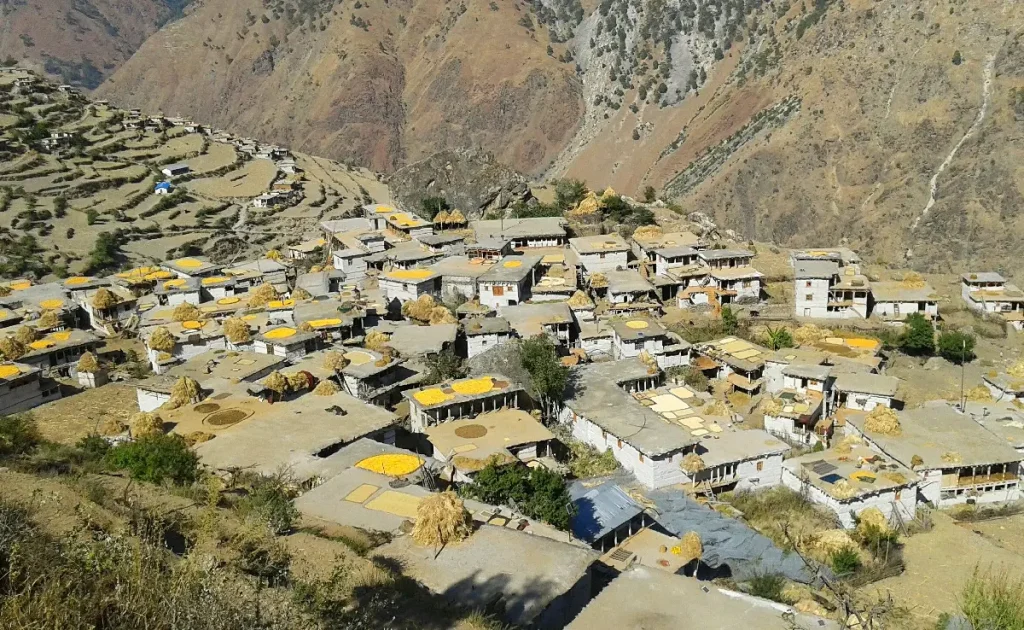
Beyond Simikot, the trail leads through traditional villages, steep mountain paths, farmland, and highland landscapes. Stone houses and small settlements reflect how people have adapted to the challenging environment.

Limi Valley and Tibetan Culture

Limi Valley offers one of the most distinctive cultural experiences in Humla. The valley has a strong Tibetan Buddhist influence that remains visible in its villages, monasteries, architecture, and religious traditions.

For centuries, communities in Limi Valley have maintained cultural practices connected to the wider Himalayan region. The valley’s remote location has also helped protect many traditional customs.

Visitors can see monasteries, chortens, mani walls, prayer flags, and traditional stone houses throughout the area. These features provide a glimpse into the daily life and spiritual traditions of the local communities.

Traditional Architecture and Religious Heritage

Architecture provides another way to understand Humla culture. Local people build many houses from stone and other materials that suit the cold mountain climate.

In Buddhist areas, monasteries, chortens, mani walls, and prayer spaces form an important part of village life. Prayer flags add color to the landscape while also carrying religious meaning.

Traditional clothing, jewelry, village design, and religious objects also reflect the region’s cultural diversity.

Ancient Trade and Pilgrimage Routes

Humla has long served as a link between communities in Nepal and Tibet. Traders, pilgrims, and local residents once traveled across mountain routes to exchange goods and maintain social connections.

These historic routes influenced the culture of northern Humla. They also helped connect remote villages with wider Himalayan communities.

Today, the old routes offer travelers a chance to experience landscapes that have played an important role in local history.

Traditions and Spiritual Life

Religion remains an important part of life in Humla. Hindu traditions, Tibetan Buddhism, Bon practices, and local spiritual traditions all contribute to the cultural landscape.

In Buddhist communities, monasteries and prayer spaces often serve as important centers of village life. People may gather there for religious ceremonies, festivals, and community activities.

Local spiritual traditions also connect people with nature and their ancestors. Sacred mountains, caves, springs, and other natural places can hold special meaning for local communities.

These beliefs often influence seasonal activities and daily routines. As a result, spiritual life in Humla extends beyond monasteries and temples.

For travelers, learning about these traditions can provide a deeper understanding of the communities they visit. However, visitors should always approach religious sites and local customs with respect.

Mountain Life in Humla

Life in Humla depends heavily on altitude, weather, and geography. Villages can sit far from major roads, markets, and other services. As a result, local communities have developed ways to adapt to the demanding mountain environment.

People rely on several traditional livelihoods. Agriculture, livestock rearing, small-scale trade, and seasonal herding all play important roles.

In the higher regions, families may move livestock between different grazing areas as the seasons change. This practice helps communities make use of available pasture throughout the year.

Walking also remains an important part of daily life. Long trails connect villages, fields, grazing areas, and neighboring settlements.

The landscape shapes local architecture as well. Stone houses provide protection from cold temperatures and strong mountain winds.

Together, these practices show how closely mountain life in Humla connects people with their environment.

Things to Experience in Humla

Humla rewards travelers who take their time. Instead of rushing between attractions, spend time observing local life and exploring the surrounding villages.

Walking through Simikot and nearby settlements offers an easy introduction to the region. You can observe traditional houses, local farming practices, and everyday village activities.

Limi Valley provides an even deeper cultural experience. Its Buddhist heritage, traditional villages, mountain landscapes, and slower pace of life make it a fascinating destination for cultural travelers.

You can also visit monasteries and other religious sites along the route. Always ask for permission before entering restricted areas or photographing people during religious activities.

Another rewarding experience is simply walking through the landscape. The combination of high mountains, traditional settlements, grazing lands, and ancient trails creates a strong sense of place.

Humla is therefore ideal for travelers who want to experience culture as part of everyday life, rather than simply visit a list of tourist attractions.

Best Time to Visit Humla

Weather plays an important role when planning a trip to Humla. The region’s remote location and high elevation can make travel more difficult during unfavorable weather.

Spring and autumn generally offer good conditions for trekking and cultural journeys. From March to May, temperatures become more comfortable, and the landscape becomes greener and more colorful.

Autumn, from September to November, usually brings clearer skies and good mountain visibility. These conditions make it an excellent season for exploring villages and trekking through the region.

Humla’s rain-shadow areas can also provide trekking opportunities during parts of the monsoon season. However, weather and trail conditions can vary between different parts of the district. Travelers should check current local conditions before planning their journey.

Winter brings colder temperatures and can make high-altitude travel more challenging. Some routes may also become difficult because of snow and freezing conditions.

Humla offers much more than dramatic Himalayan scenery. Its diverse communities, traditional villages, spiritual practices, historic trade routes, and mountain livelihoods create a rich cultural landscape.

The combination of Khas and Tibetan influences makes the region especially interesting. In addition, the remote villages and highland environment provide a closer look at how people have adapted to life in the Himalayas.

For travelers who want to understand Humla culture and experience traditional mountain life, this remote corner of Nepal offers something genuinely different.

Humla may require more time and effort to reach than Nepal’s popular destinations. However, that journey is part of the experience. The reward is an opportunity to explore a region where culture, community, and the mountains remain closely connected.
Nepal Travel News: Building a Better Future for Nepal Tourism

Nepal Tourism

Nepal Tourism Enters a New Chapter

Nepal tourism is entering a promising new chapter. International visitor numbers continue to rise, and traveller confidence has returned. As a result, the country is once again attracting strong interest from markets around the world.

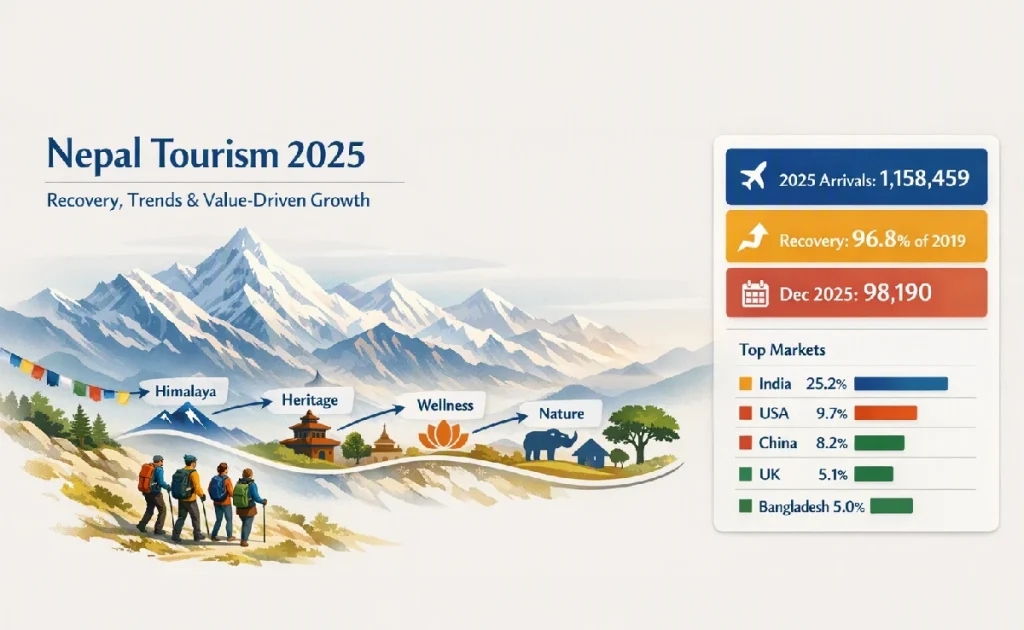
In 2025, Nepal welcomed more than 1.15 million international visitors. The sector moved close to pre-pandemic levels, and the positive trend continued into 2026. June arrivals exceeded both June 2025 and June 2019, showing that demand continues to grow.

More visitors create exciting opportunities. Travellers enjoy better connections, more accommodation choices, and a wider range of experiences. However, one important question remains. Is Nepal tourism ready for its next stage of growth?

Looking Beyond Visitor Numbers

At Himalayan Circuit, we believe numbers tell only part of the story.

Successful Nepal tourism creates memorable experiences, builds trust, supports local communities, and protects destinations for future generations. A growing industry should improve quality as well as visitor numbers.

Today’s travellers know more than ever before. They compare destinations, read reviews, and expect authentic experiences. They also value responsible travel, professional guides, comfortable accommodation, reliable transport, and clear communication throughout their journey.

Meeting these expectations requires much more than attractive itineraries. It requires strong planning, skilled people, and consistent service.

Building a Stronger Tourism Industry

A successful Nepal tourism industry depends on strong foundations.

The country must continue investing in guide training, hospitality, transport, accommodation, safety, and destination management. Every improvement strengthens the visitor experience and supports local businesses.

The industry should measure success through quality as well as growth. Better service, stronger partnerships, and reliable operations create long-term confidence among travellers.

Why Local Knowledge Matters

Local knowledge gives travellers a better experience.

Himalayan Circuit operates directly from Nepal. Our team understands seasonal conditions, local festivals, cultural traditions, transport networks, and regional differences. We also maintain close relationships with local communities and tourism partners across the country.

This knowledge allows us to solve problems quickly and design journeys that reflect local realities. Instead of following generic travel templates, we create experiences that feel authentic and personal.

Raising Standards Across Nepal Tourism

The future of Nepal tourism depends on continuous improvement.

Guides, drivers, accommodation providers, tourism planners, and local hosts all shape the visitor experience. Every part of the journey matters.

At Himalayan Circuit, we strengthen our operations through careful planning and close cooperation with trusted partners. We refine our itineraries, improve communication, and support high service standards across every journey.

Our goal remains simple. We want every traveller to leave Nepal with unforgettable memories.

Responsible Tourism Creates Long-Term Value

Responsible tourism has become an essential part of modern travel.

Nepal’s mountains, forests, rivers, wildlife, heritage sites, and local communities form the heart of the country’s tourism industry. Protecting these resources benefits both travellers and future generations.

Himalayan Circuit supports community-based experiences whenever possible. We encourage responsible travel behaviour, reduce unnecessary waste, and work with local businesses that share our sustainability values.

When tourism supports local communities, everyone benefits.

Nepal Offers More Than Trekking

Many people know Nepal for its famous trekking routes. Today, however, the country offers much more.

Travellers now explore wellness retreats, spiritual journeys, wildlife safaris, heritage villages, cultural experiences, educational travel, and community-based tourism. These experiences allow visitors to connect more deeply with Nepal while spreading tourism benefits across different regions.

This diversity also encourages tourism companies to design more meaningful journeys. Instead of simply moving between attractions, travellers can spend more time learning, connecting, and experiencing local life.

Great Journeys Begin with Great People

People create unforgettable journeys.

Modern hotels, good roads, and digital booking systems improve travel, but they cannot replace genuine hospitality. Skilled guides, experienced drivers, welcoming hosts, and dedicated planners make every journey memorable.

As Nepal tourism continues to grow, the industry must invest in training, language skills, safety, hospitality, and professional development. These investments strengthen both businesses and visitor confidence.

The strongest tourism companies will always stand out because of their people.

The Future of Nepal Tourism

The recovery of Nepal tourism is real, but the work has only begun.

The next challenge involves building a stronger and more resilient tourism industry. Nepal must continue improving service standards, destination management, workforce development, and local partnerships. These improvements will help the country compete successfully in the global travel market.

At Himalayan Circuit, we see this moment as an opportunity. We continue strengthening our guide network, improving operations, expanding partnerships with responsible local businesses, and creating journeys that deliver lasting value for travellers and communities alike.

Nepal offers extraordinary landscapes, remarkable cultural heritage, and genuine hospitality. These strengths have attracted travellers for generations. The future of Nepal tourism now depends on how wisely the industry protects these assets and how well it serves every visitor.

Recovery marks an important milestone. Building a stronger, more sustainable, and more responsible tourism industry is the next step.

Nepal Diaries: Ghale Gaun Nepal – Nepal’s Beautiful Gurung Village

Ghale Gaun

Nestled in the scenic hills of Lamjung District, Ghale Gaun is one of the country’s best examples of community-based tourism. This charming Gurung village offers stunning Himalayan views, authentic cultural experiences, and warm local hospitality. Unlike Nepal’s crowded tourist destinations, Ghale Gaun Nepal provides a peaceful escape where visitors can connect with nature and experience traditional village life.

Situated at an elevation of around 2,100 meters, the village overlooks some of Nepal’s most beautiful mountain ranges, including Annapurna, Lamjung Himal, and the iconic Machhapuchhre (Fishtail). Visitors come here not only for the breathtaking scenery but also for the opportunity to stay with local families, enjoy traditional cuisine, and learn about Gurung culture.

Whether you are planning a short cultural getaway or adding a unique destination to your Nepal itinerary, Ghale Gaun promises an unforgettable experience filled with natural beauty and genuine hospitality.

Where Is Ghale Gaun Nepal?

Ghale Gaun Nepal is located in Lamjung District, about 200 kilometers west of Kathmandu and around 125 kilometers from Pokhara. The village sits on a scenic hillside between the Marshyangdi and Madi river valleys, making it an ideal destination for travelers exploring central Nepal.

Reaching the village is relatively easy. Most visitors drive to Khudi or Besisahar before enjoying a pleasant two- to three-hour walk through forests, terraced farms, and traditional settlements. The trail is moderate and suitable for beginners with a reasonable level of fitness.

Its convenient location also makes Ghale Gaun an excellent stop before or after visiting the Annapurna region.

The History and Culture of Ghale Gaun Nepal

The heart of Ghale Gaun Nepal lies in its rich Gurung heritage. The village takes its name from the historic Ghale rulers, who governed parts of the region before the unification of Nepal.

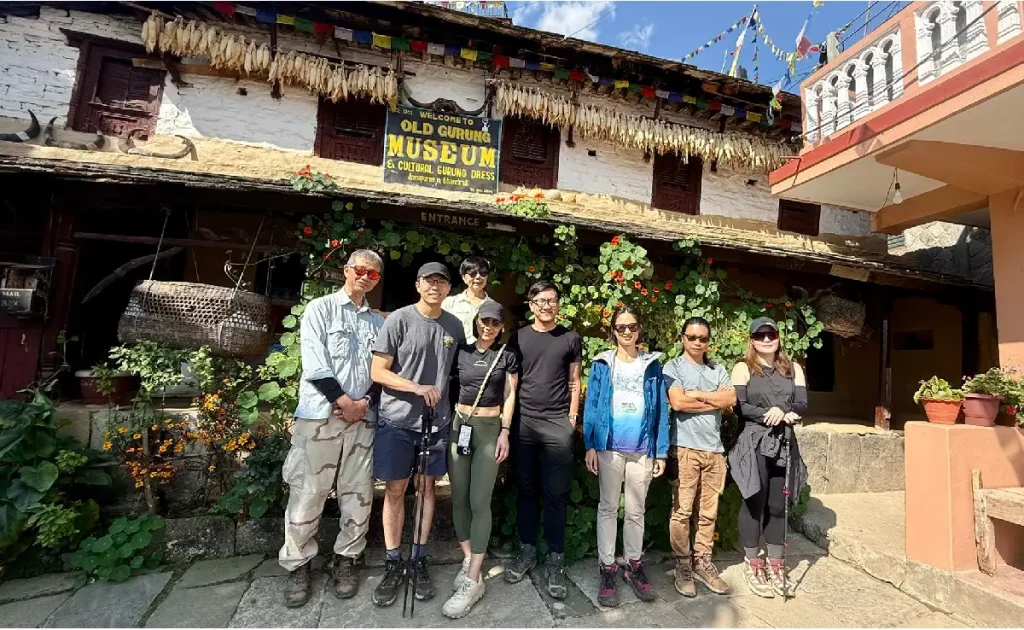
Today, the Gurung community proudly preserves its traditions through festivals, music, dance, and everyday village life. Traditional stone houses, colorful prayer flags, and neatly maintained footpaths reflect a culture that has remained vibrant for generations.

Community-based tourism has helped protect this heritage while creating sustainable income for local families. Instead of changing their way of life to suit tourism, villagers invite guests to experience their culture as it naturally exists.

Visitors often receive a warm welcome with flower garlands, traditional songs, and genuine smiles. This memorable greeting reflects the famous hospitality of the Gurung people and sets the tone for the rest of the journey.

Major Attractions of Ghale Gaun Nepal

Spectacular Himalayan Views

One of the biggest reasons to visit Ghale Gaun is its incredible mountain scenery. On clear days, visitors can enjoy panoramic views of the Annapurna range, Machhapuchhre, Lamjung Himal, Himalchuli, and several other snow-covered peaks.

Sunrise is especially magical. As the first rays of sunlight touch the mountains, the white peaks glow in brilliant shades of gold and orange. Likewise, sunset paints the surrounding hills with warm colors, creating a peaceful setting for relaxation and photography.

Authentic Gurung Homestays

Staying in a traditional homestay is one of the highlights of visiting Ghale Gaun Nepal. Instead of staying in a large hotel, travelers are welcomed into local homes where they experience everyday village life.

Hosts prepare fresh meals using locally grown ingredients and happily share stories about their culture and traditions. This personal experience allows visitors to build genuine connections while enjoying the warmth and kindness that the Gurung community is known for.

Traditional Culture and Local Life

Culture is an important part of daily life in Ghale Gaun. During your stay, you may witness traditional Gurung dances, folk songs, and cultural performances organized by the local community.

Walking through the village is equally rewarding. Narrow stone paths connect traditional houses surrounded by flower gardens and terraced fields. Every corner offers beautiful views and opportunities to observe rural life at a relaxed pace.

Community-Based Tourism

Ghale Gaun Nepal is widely recognized as one of Nepal’s leading community-based tourism destinations. Local families work together to manage homestays, cultural programs, and tourism services.

As a result, tourism benefits the entire community rather than just a few businesses. It also helps preserve local traditions, improve livelihoods, and encourage responsible travel.

Things to Do in Ghale Gaun Nepal

Although the village is peaceful, there are plenty of memorable experiences to enjoy during your stay.

Some of the best activities include:

  • Stay in a traditional Gurung homestay.
  • Watch the sunrise over the Annapurna range.
  • Enjoy traditional music and cultural dance performances.
  • Explore scenic walking trails around the village.
  • Taste authentic Gurung and Nepali cuisine.
  • Meet local families and learn about their traditions.
  • Capture stunning photographs of the Himalayas and village landscapes.

Each activity offers a deeper connection to the culture and natural beauty that make Ghale Gaun Nepal such a special destination.

Best Time to Visit Ghale Gaun Nepal

You can visit Ghale Gaun Nepal at any time of the year. However, spring (March to May) and autumn (September to November) offer the best weather and the clearest mountain views.

During spring, rhododendron forests bloom across the surrounding hills, adding vibrant colors to the landscape. The pleasant temperatures also make village walks and outdoor activities more enjoyable.

Autumn is equally popular because the skies remain clear after the monsoon season. Visitors can enjoy spectacular views of the Annapurna range while experiencing major Nepalese festivals such as Dashain and Tihar.

Winter brings colder mornings and evenings, but it often rewards travelers with crystal-clear Himalayan views. Meanwhile, the monsoon season transforms the hills into lush green landscapes, although rainfall may affect visibility and trail conditions.

Local Food and Homestay Experience

A visit to Ghale Gaun Nepal is incomplete without experiencing its traditional homestays. Local families welcome guests into their homes and provide comfortable accommodation with genuine Gurung hospitality.

Meals are prepared using fresh vegetables, grains, and herbs grown in nearby farms. Visitors can enjoy classic Nepali dishes such as Dal Bhat, seasonal vegetables, homemade pickles, and local specialties prepared with traditional recipes.

Beyond the food, the homestay experience allows travelers to learn about daily village life. Guests often spend time talking with local families, observing farming activities, and understanding the customs that have shaped the Gurung community for generations. These personal interactions make the journey far more meaningful than a typical hotel stay.

How to Reach Ghale Gaun Nepal

Reaching Ghale Gaun Nepal is simple and suitable for most travelers.

From Kathmandu, drive approximately 200 kilometers to Khudi or Besisahar before following a scenic two- to three-hour hiking trail to the village. Travelers starting from Pokhara can reach the trailhead in around four to five hours by road.

The hiking route passes through forests, terraced fields, and traditional villages. Although the trail includes some uphill sections, it is considered moderate and suitable for beginners with basic fitness.

Private vehicles, tourist buses, and local transportation services regularly operate between Kathmandu, Pokhara, and Besisahar, making the journey convenient for both domestic and international visitors.

Travel Tips

A little preparation will help you make the most of your visit to Ghale Gaun Nepal.

  • Wear comfortable walking or trekking shoes.
  • Carry warm clothing, especially during winter.
  • Bring a reusable water bottle to reduce plastic waste.
  • Respect local traditions and ask permission before taking photographs of people.
  • Carry enough cash, as ATMs and digital payment facilities are limited.
  • Support local businesses by purchasing handmade crafts and locally produced goods.
  • Plan to stay for at least two nights to fully experience the village and its culture.

Responsible travel helps preserve the community while ensuring future visitors can enjoy the same authentic experience.

Ghale Gaun Nepal offers much more than beautiful mountain scenery. It provides an opportunity to experience Nepal’s rich culture, genuine hospitality, and community-based tourism in one unforgettable destination.

From breathtaking Himalayan views and traditional Gurung homestays to cultural performances and peaceful village walks, every moment reflects the charm of rural Nepal. The village successfully preserves its heritage while welcoming visitors from around the world with warmth and respect.

Whether you are a nature lover, a cultural enthusiast, or simply looking for a peaceful escape, Ghale Gaun Nepal deserves a place on your travel itinerary. Its welcoming community, spectacular landscapes, and sustainable tourism model make it one of Nepal’s most rewarding hidden gems.