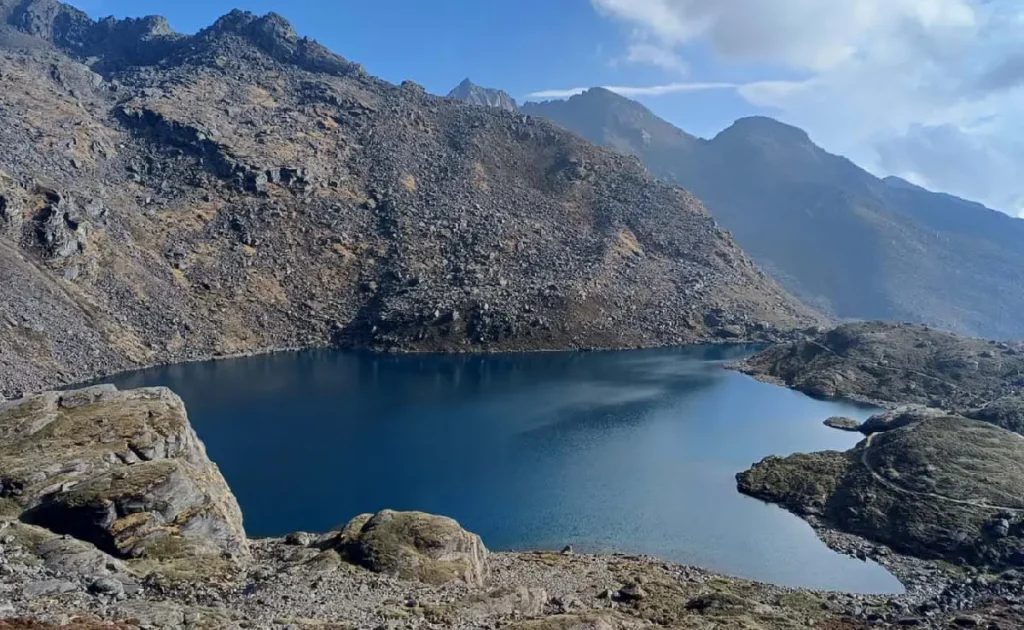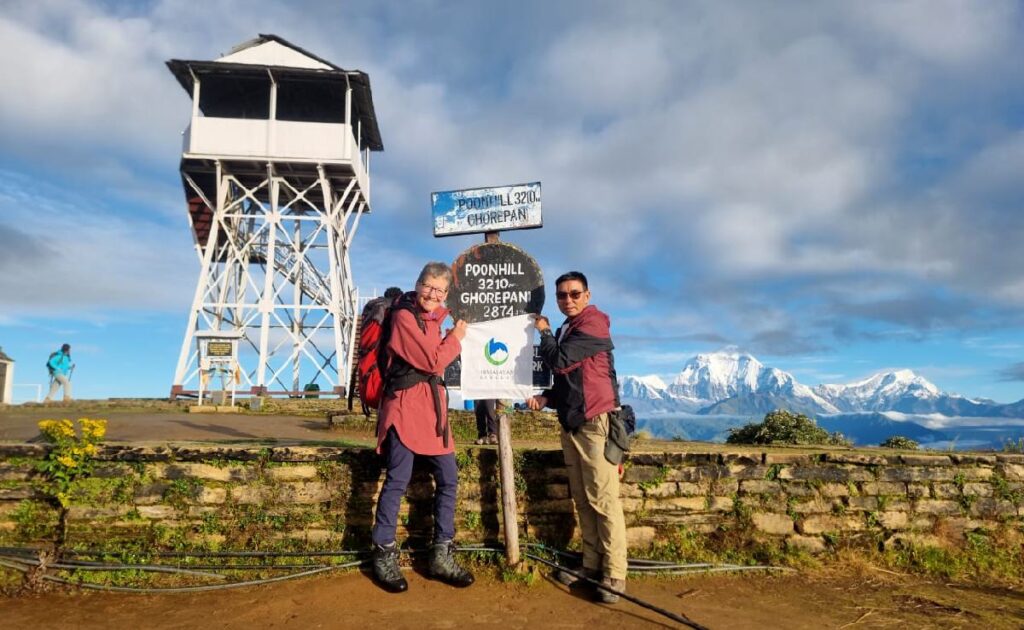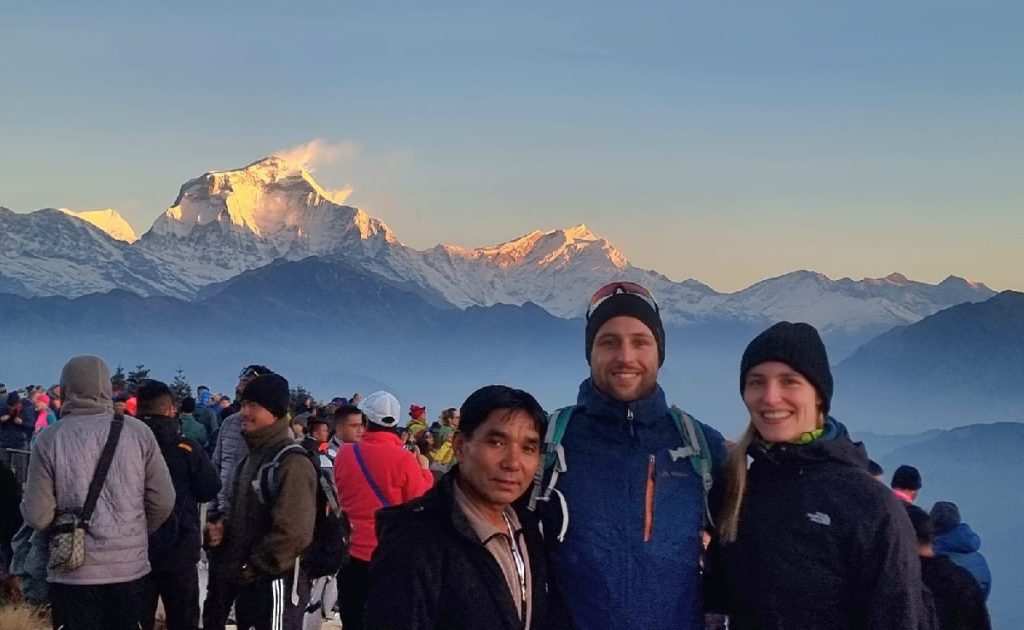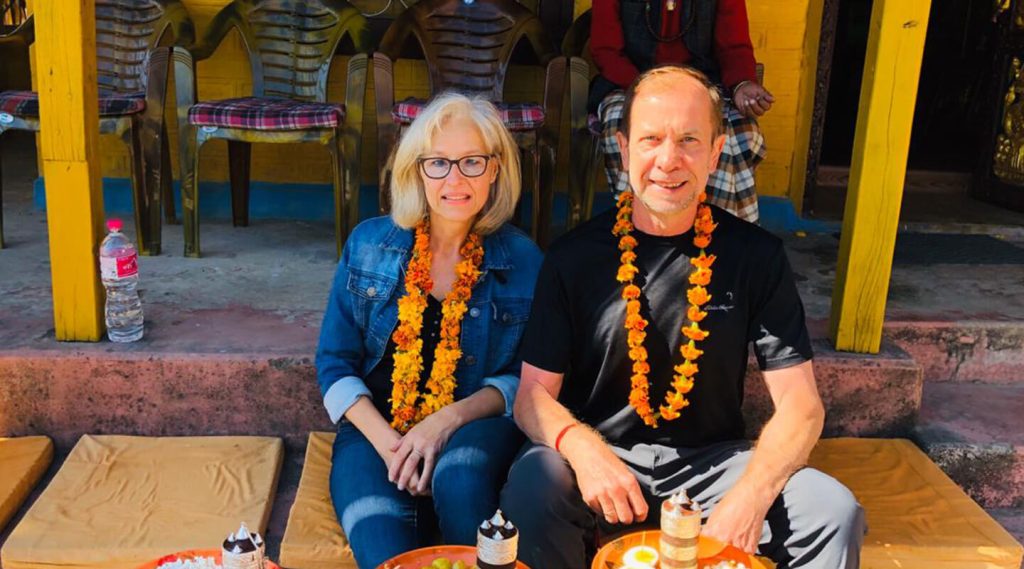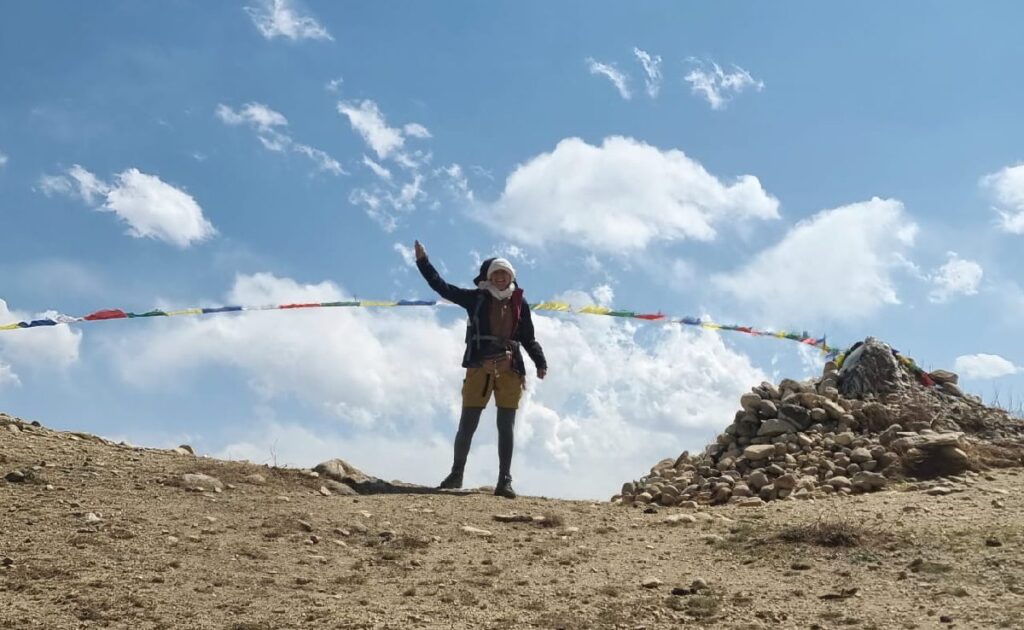
Inside Humla: Culture, Traditions and Mountain Life

Humla Culture

Unlike busy tourist destinations, Humla offers a slower way to experience the Himalayas. Here, traditions still influence everyday life. They appear in local villages, religious practices, farming, architecture, and seasonal activities.

For travelers who want to understand Himalayan life beyond the popular trekking routes, Humla culture offers a fascinating experience.

Where Is Humla?

Humla lies in northwestern Nepal along the border with Tibet. Simikot serves as the district headquarters and the main entry point for most travelers visiting the region.

The district remains one of the most remote areas of Nepal. Its location has helped local communities maintain many traditional ways of life.

Humla also has a diverse population. The southern and central areas have a strong Khas cultural influence. In contrast, the northern regions, especially around Limi Valley and Namkha, show a strong Tibetan cultural influence.

As a result, Humla brings together different languages, religions, traditions, and ways of life within one mountain district.

Why Is Humla Culture So Special?

Humla culture stands out because of its diversity and strong connection to the natural environment. The region does not have one single cultural identity.

In southern and central Humla, Khas traditions, the Nepali language, and Hindu customs shape everyday life. Further north, Buddhist communities maintain Tibetan-influenced traditions, languages, and religious practices.

The region also has a long history of trade and pilgrimage across the Himalayas. These routes connected communities in Nepal and Tibet and helped shape local culture over many generations.

Religion also plays an important role in daily life. It influences festivals, farming practices, seasonal movement, and relationships with sacred places.

This close connection between people, faith, and the mountains makes Humla culture particularly distinctive.

Major Highlights of Humla Culture

Simikot and Local Village Life

Simikot is the district headquarters and the starting point for many journeys through Humla. It provides travelers with their first introduction to the region’s mountain communities and local lifestyle.

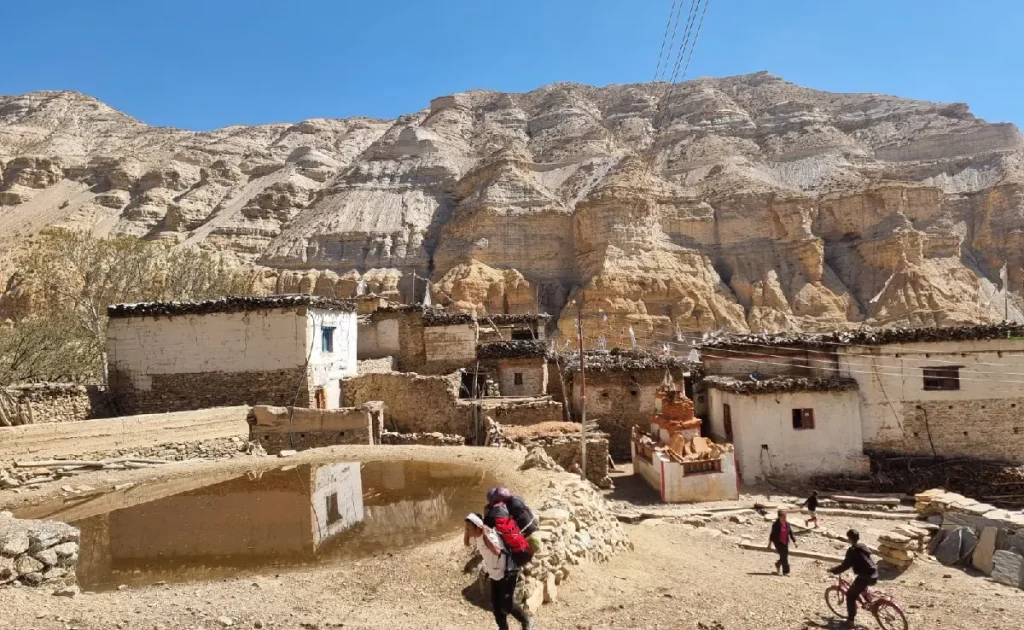
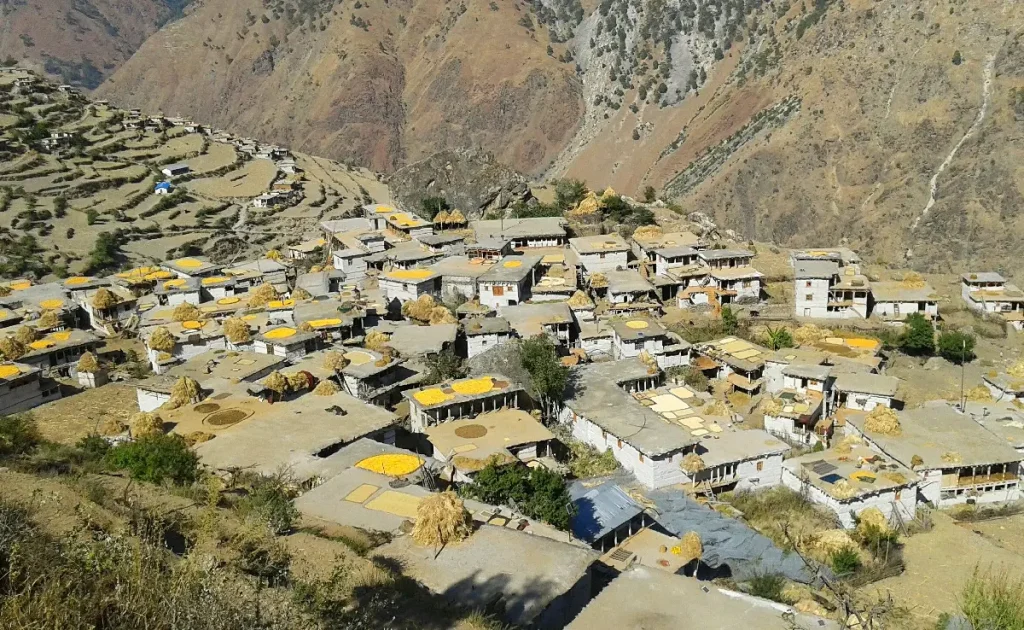
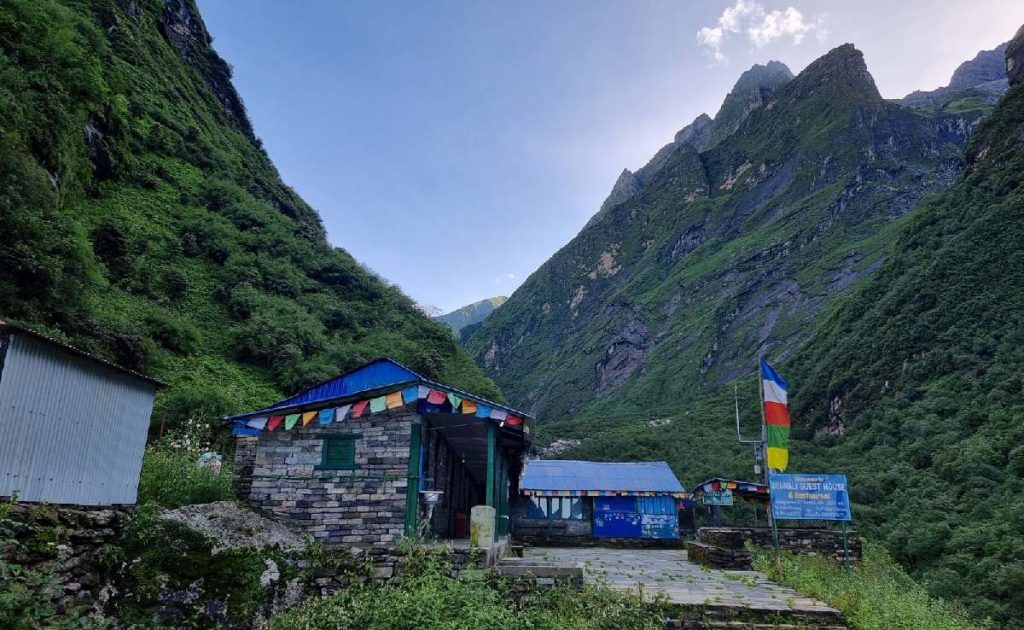
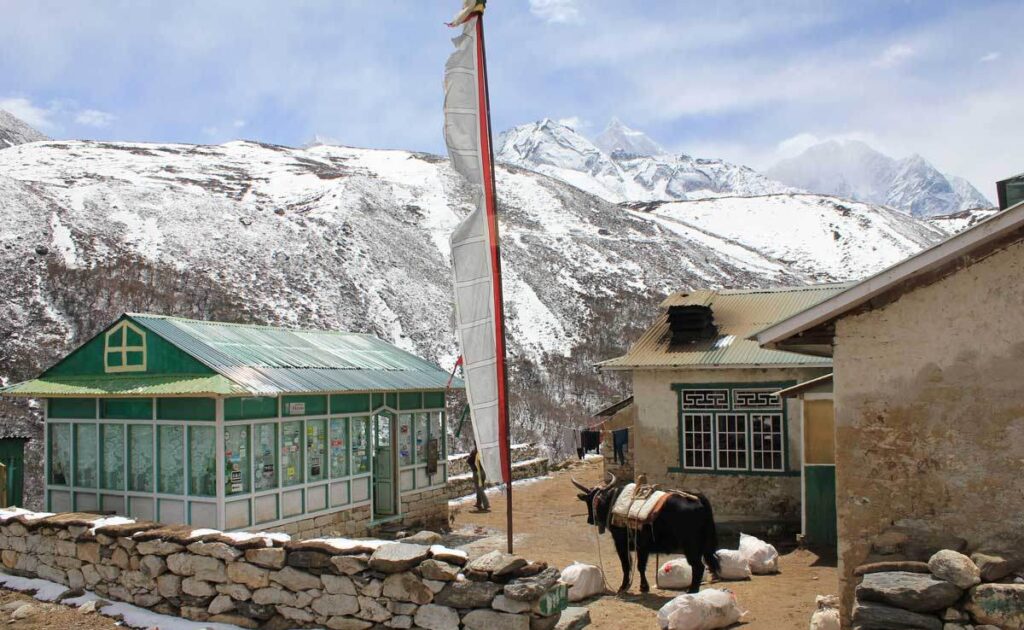
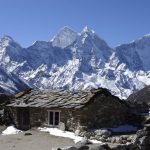
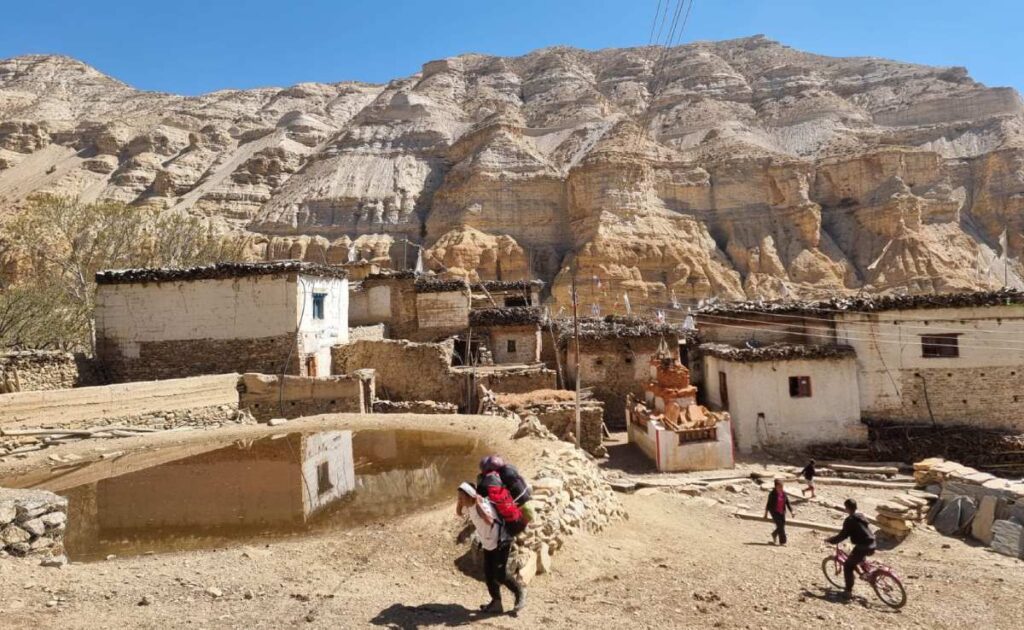
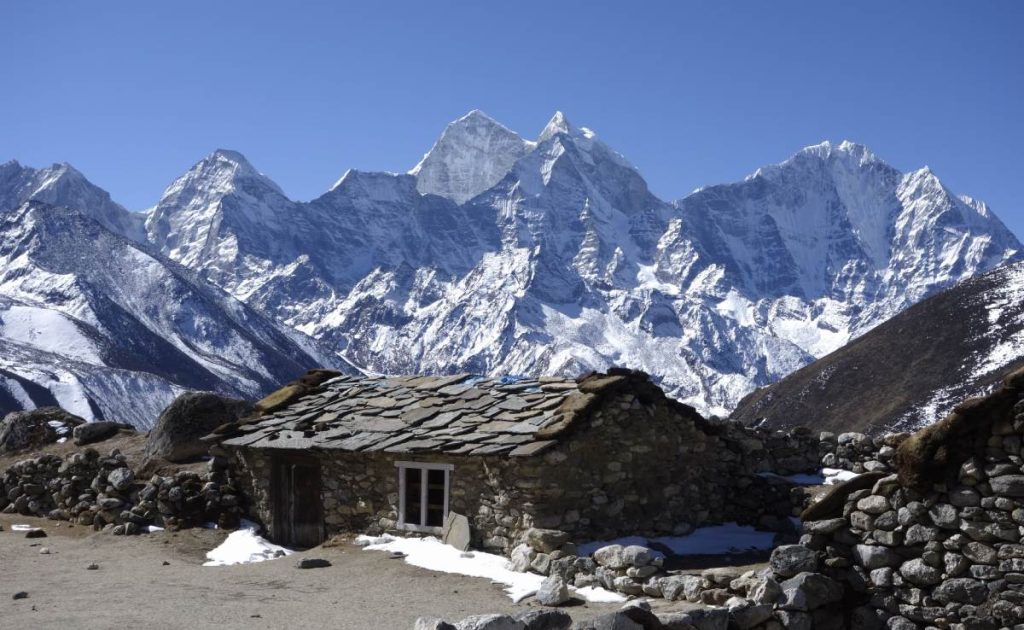
Beyond Simikot, the trail leads through traditional villages, steep mountain paths, farmland, and highland landscapes. Stone houses and small settlements reflect how people have adapted to the challenging environment.

Limi Valley and Tibetan Culture

Limi Valley offers one of the most distinctive cultural experiences in Humla. The valley has a strong Tibetan Buddhist influence that remains visible in its villages, monasteries, architecture, and religious traditions.

For centuries, communities in Limi Valley have maintained cultural practices connected to the wider Himalayan region. The valley’s remote location has also helped protect many traditional customs.

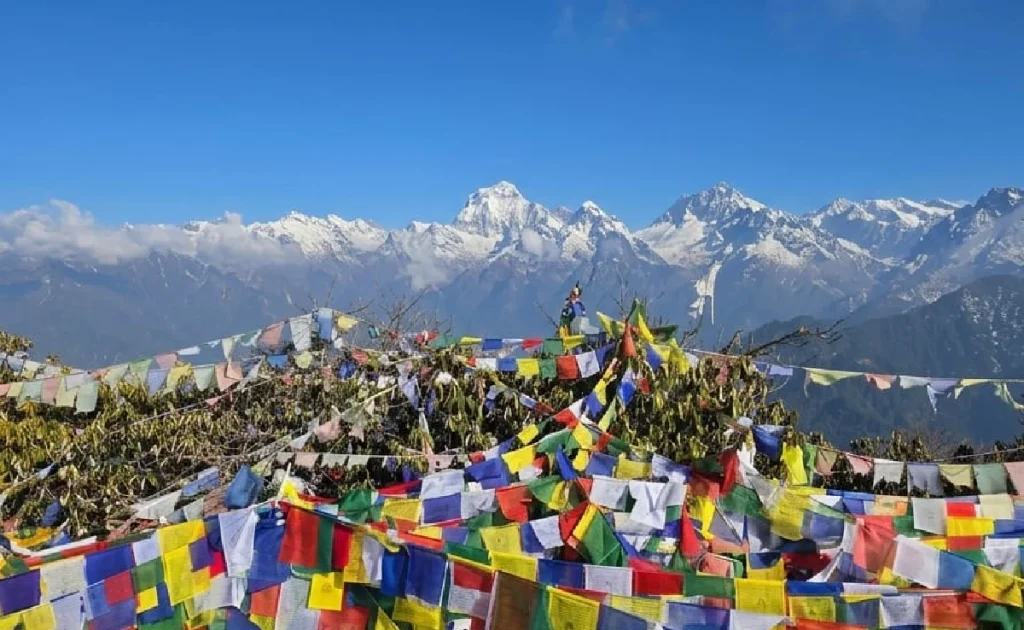
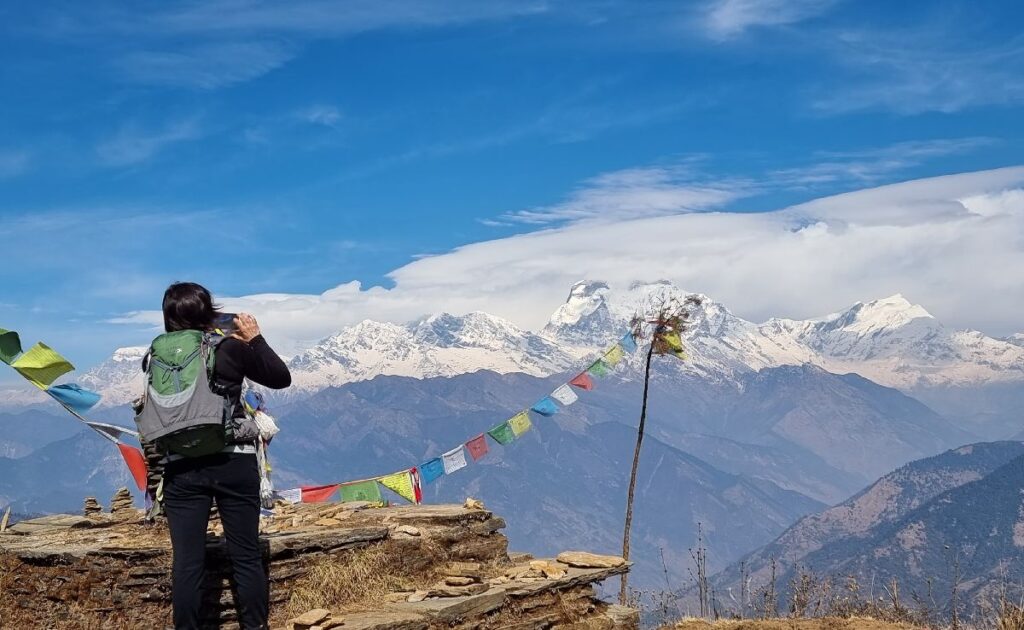
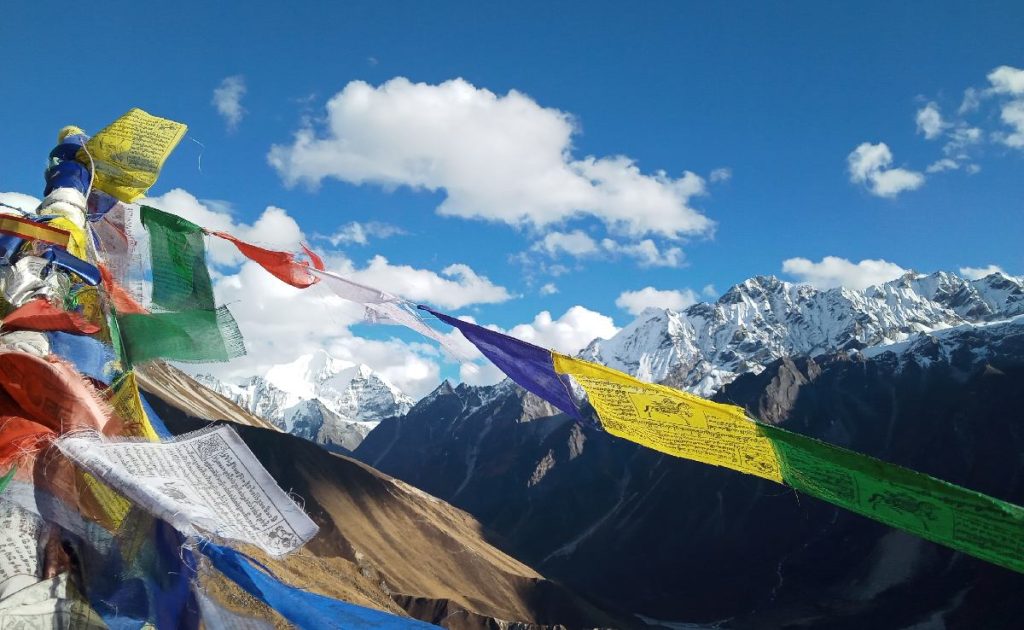
Visitors can see monasteries, chortens, mani walls, prayer flags, and traditional stone houses throughout the area. These features provide a glimpse into the daily life and spiritual traditions of the local communities.

Traditional Architecture and Religious Heritage

Architecture provides another way to understand Humla culture. Local people build many houses from stone and other materials that suit the cold mountain climate.

In Buddhist areas, monasteries, chortens, mani walls, and prayer spaces form an important part of village life. Prayer flags add color to the landscape while also carrying religious meaning.

Traditional clothing, jewelry, village design, and religious objects also reflect the region’s cultural diversity.

Ancient Trade and Pilgrimage Routes

Humla has long served as a link between communities in Nepal and Tibet. Traders, pilgrims, and local residents once traveled across mountain routes to exchange goods and maintain social connections.

These historic routes influenced the culture of northern Humla. They also helped connect remote villages with wider Himalayan communities.

Today, the old routes offer travelers a chance to experience landscapes that have played an important role in local history.

Traditions and Spiritual Life

Religion remains an important part of life in Humla. Hindu traditions, Tibetan Buddhism, Bon practices, and local spiritual traditions all contribute to the cultural landscape.

In Buddhist communities, monasteries and prayer spaces often serve as important centers of village life. People may gather there for religious ceremonies, festivals, and community activities.

Local spiritual traditions also connect people with nature and their ancestors. Sacred mountains, caves, springs, and other natural places can hold special meaning for local communities.

These beliefs often influence seasonal activities and daily routines. As a result, spiritual life in Humla extends beyond monasteries and temples.

For travelers, learning about these traditions can provide a deeper understanding of the communities they visit. However, visitors should always approach religious sites and local customs with respect.

Mountain Life in Humla

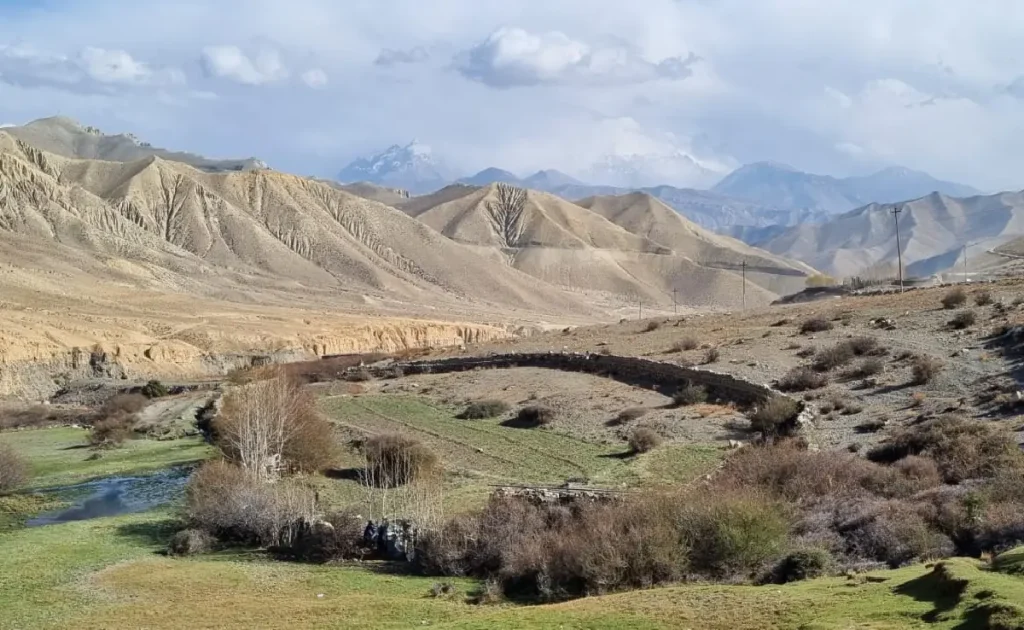
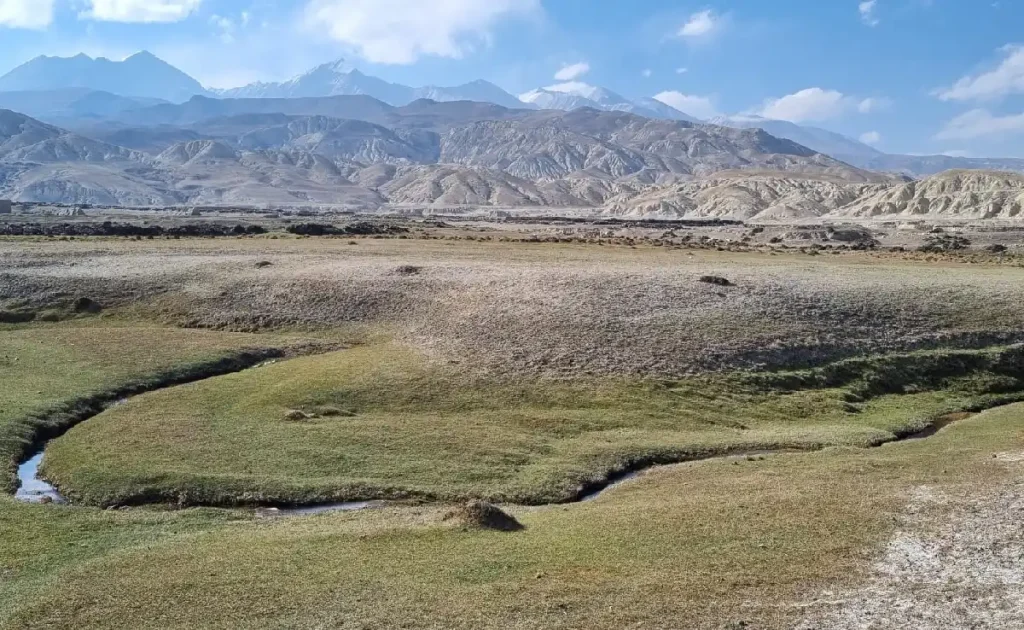
Life in Humla depends heavily on altitude, weather, and geography. Villages can sit far from major roads, markets, and other services. As a result, local communities have developed ways to adapt to the demanding mountain environment.

People rely on several traditional livelihoods. Agriculture, livestock rearing, small-scale trade, and seasonal herding all play important roles.

In the higher regions, families may move livestock between different grazing areas as the seasons change. This practice helps communities make use of available pasture throughout the year.

Walking also remains an important part of daily life. Long trails connect villages, fields, grazing areas, and neighboring settlements.

The landscape shapes local architecture as well. Stone houses provide protection from cold temperatures and strong mountain winds.

Together, these practices show how closely mountain life in Humla connects people with their environment.

Things to Experience in Humla

Humla rewards travelers who take their time. Instead of rushing between attractions, spend time observing local life and exploring the surrounding villages.

Walking through Simikot and nearby settlements offers an easy introduction to the region. You can observe traditional houses, local farming practices, and everyday village activities.

Limi Valley provides an even deeper cultural experience. Its Buddhist heritage, traditional villages, mountain landscapes, and slower pace of life make it a fascinating destination for cultural travelers.

You can also visit monasteries and other religious sites along the route. Always ask for permission before entering restricted areas or photographing people during religious activities.

Another rewarding experience is simply walking through the landscape. The combination of high mountains, traditional settlements, grazing lands, and ancient trails creates a strong sense of place.

Humla is therefore ideal for travelers who want to experience culture as part of everyday life, rather than simply visit a list of tourist attractions.

Best Time to Visit Humla

Weather plays an important role when planning a trip to Humla. The region’s remote location and high elevation can make travel more difficult during unfavorable weather.

Spring and autumn generally offer good conditions for trekking and cultural journeys. From March to May, temperatures become more comfortable, and the landscape becomes greener and more colorful.

Autumn, from September to November, usually brings clearer skies and good mountain visibility. These conditions make it an excellent season for exploring villages and trekking through the region.

Humla’s rain-shadow areas can also provide trekking opportunities during parts of the monsoon season. However, weather and trail conditions can vary between different parts of the district. Travelers should check current local conditions before planning their journey.

Winter brings colder temperatures and can make high-altitude travel more challenging. Some routes may also become difficult because of snow and freezing conditions.

Humla offers much more than dramatic Himalayan scenery. Its diverse communities, traditional villages, spiritual practices, historic trade routes, and mountain livelihoods create a rich cultural landscape.

The combination of Khas and Tibetan influences makes the region especially interesting. In addition, the remote villages and highland environment provide a closer look at how people have adapted to life in the Himalayas.

For travelers who want to understand Humla culture and experience traditional mountain life, this remote corner of Nepal offers something genuinely different.

Humla may require more time and effort to reach than Nepal’s popular destinations. However, that journey is part of the experience. The reward is an opportunity to explore a region where culture, community, and the mountains remain closely connected.

Bhairav Kunda Trek: A Sacred Journey Through the Himalayas

Bhairav Kunda Trek

Why Choose the Bhairav Kunda Trek?

Nepal offers many trekking routes, but the Bhairav Kunda Trek stands out for its combination of mountain scenery and spiritual significance. The trail leads to Bhairav Kunda Lake, a sacred alpine lake named after Bhairav, a fierce form of Lord Shiva. Many devotees consider the lake spiritually significant and visit it as a pilgrimage site.

The trail also offers beautiful views of the Jugal Himal, Gaurishankar, Dorje Lakpa, and surrounding high ridges. Since fewer trekkers visit this route, you can enjoy a quieter and more peaceful experience than on many of Nepal’s popular trekking trails.

Major Highlights of the Bhairav Kunda Trek

Bhairav Kunda Lake

The main attraction of the trek is Bhairav Kunda Lake itself. The lake sits in a beautiful alpine landscape surrounded by mountains and open high-altitude terrain. Its peaceful setting makes it an ideal place to rest and enjoy the natural surroundings.

The lake also holds deep religious importance for local communities and Hindu and Buddhist pilgrims. During Janai Purnima, many devotees visit Bhairav Kunda and take ritual dips in the sacred water.

Spectacular Himalayan Views

The trek rewards you with impressive views of several Himalayan ranges. On clear days, you can see the Jugal Himal, Gaurishankar, and Dorje Lakpa. You may also catch views toward the Tibetan Plateau from higher sections of the route.

These mountain views give the Bhairav Kunda Trek a true Himalayan atmosphere. The scenery feels even more impressive because the trek takes place over a relatively short distance.

Villages, Forests, and Alpine Landscapes

The route takes you through a variety of landscapes. You will pass through traditional Tamang and Sherpa villages, forests, farmland, alpine meadows, and rocky terrain.

As you gain altitude, the landscape gradually changes. Green vegetation gives way to open hills and more rugged terrain near the lake. This variety keeps the trail interesting throughout the journey.

Trekking Experience and Trail Atmosphere

The Bhairav Kunda Trek offers a moderate trekking experience, but the high altitude makes the final ascent more demanding. You need reasonable physical fitness to handle the uphill sections comfortably.

The trail changes as you climb higher. Lower sections often feature wider paths and more vegetation. Higher sections become steeper and more exposed, with fewer trees and more alpine terrain.

The peaceful atmosphere adds another attraction to the trek. You can walk through quiet forests, pass local villages, and enjoy long stretches of mountain scenery without the crowds found on Nepal’s more famous trekking routes.

When you finally reach Bhairav Kunda Lake, the open landscape creates a calm and almost meditative atmosphere. The combination of the sacred lake, mountain air, and surrounding peaks makes the journey especially rewarding.

Things to Do at Bhairav Kunda

Once you reach Bhairav Kunda Lake, take some time to enjoy the peaceful surroundings. Sit near the shore, admire the mountains, and appreciate the quiet atmosphere before continuing your journey.

Pilgrims can also learn about the religious traditions associated with the lake. During Janai Purnima, devotees visit the area to perform rituals and take a sacred dip in the lake.

The trek also offers plenty of opportunities for photography. The lake, surrounding ridges, changing clouds, villages, forests, and distant Himalayan peaks create beautiful scenes throughout the day.

If you enjoy cultural experiences, take time to observe village life along the route. Meeting local people and seeing traditional settlements can add another dimension to your trekking experience.

Best Time to Visit Bhairav Kunda

Spring and autumn are the best seasons for the Bhairav Kunda Trek. During these months, the weather usually remains clearer, and the trails offer better conditions for trekking. You can also enjoy clearer views of the surrounding Himalayan peaks.

Spring, from March to May, brings pleasant temperatures and colorful vegetation to the lower sections of the trail. Autumn, from September to November, usually offers stable weather and excellent mountain visibility.

Janai Purnima falls during the monsoon season and brings many pilgrims to Bhairav Kunda. However, heavy rainfall can make the trails slippery and increase the risk of landslides. Trekkers should take extra care if they plan to visit during this period.

Winter can also offer beautiful views and a peaceful experience. However, temperatures drop significantly at higher elevations, and snow can make some sections more challenging.

For the best combination of comfortable trekking conditions and mountain views, spring and autumn remain the ideal seasons to visit Bhairav Kunda.

Travel Tips for Trekkers

Bhairav Kunda sits at an elevation of more than 4,000 meters, so you should take altitude seriously. Even though the trek does not take as long as many famous Himalayan routes, the elevation can make the climb physically demanding.

Walk at a steady pace and avoid rushing the final ascent. Drink enough water throughout the trek and give your body time to adjust to the increasing altitude. If you experience symptoms of altitude sickness, do not ignore them.

Accommodation and food facilities can be basic along the route. Teahouses may not operate in every section, so check the available facilities before starting your trek and carry the essentials you need.

Mountain weather can change quickly. Pack warm and waterproof clothing, even when the weather looks favorable at the beginning of the trek. Good trekking shoes, a warm sleeping bag, a headlamp, and basic first-aid supplies can also make the journey more comfortable.

You should also plan your transportation carefully. Some roads leading toward the trailhead can be rough, especially during the monsoon season.

Finally, remember that Bhairav Kunda is a sacred site. Respect local customs, keep the surroundings clean, and avoid disturbing religious activities or sacred areas.

The Bhairav Kunda Trek offers a unique combination of Himalayan scenery, cultural experiences, and spiritual significance. The route takes you through traditional villages, forests, alpine landscapes, and rugged mountain terrain before reaching the peaceful shores of Bhairav Kunda Lake.

For trekkers looking for a quieter alternative to Nepal’s crowded trekking routes, Bhairav Kunda offers an excellent experience. Its short duration also makes it an attractive option for travelers who want to experience the Himalayas without committing to a long expedition.

With beautiful mountain views, a sacred alpine lake, and a peaceful trail, Bhairav Kunda is one of the rewarding short treks near Kathmandu.

Nepal Diaries: Vacations in Nepal That Create Memories for a Lifetime

Planning a holiday is about more than choosing a destination. It is about creating memories that stay with you long after the journey ends. If you are searching for a place that combines breathtaking landscapes, rich culture, warm hospitality, and unforgettable adventures, vacations in Nepal should be at the top of your list.

Nestled between India and China, Nepal is a land of dramatic contrasts. Towering Himalayan peaks rise above peaceful valleys, while ancient temples stand beside bustling local markets. Every region has its own traditions, festivals, cuisine, and landscapes, giving visitors countless opportunities to explore something new.

Although Nepal is famous for Mount Everest and world-class trekking, the country offers much more than mountain adventures. You can spend your mornings hiking through picturesque villages, your afternoons sharing meals with local families, and your evenings watching monks light butter lamps in centuries-old monasteries. Every experience reveals another side of Nepal and helps you connect with its people, culture, and history.

Whether you are an adventure enthusiast, a cultural explorer, or someone seeking peace and spiritual discovery, Nepal welcomes every traveller with open arms. Instead of simply visiting famous attractions, you become part of the journey. That is what makes vacations in Nepal truly unforgettable.

Trek Through the Spectacular Himalayas

For many travellers, trekking is the highlight of their trip. Nepal is home to eight of the world’s fourteen highest mountains, making it one of the greatest trekking destinations on Earth. However, the beauty of trekking in Nepal extends far beyond its snow-covered peaks.

Every trail introduces you to a different side of the country. One day you may walk through dense rhododendron forests, while the next takes you across suspension bridges hanging above rushing rivers. Along the way, you pass charming mountain villages where smiling locals greet visitors with genuine hospitality.

Unlike many hiking destinations, trekking in Nepal combines stunning landscapes with rich cultural experiences. Ancient monasteries, colourful prayer flags, traditional stone houses, and peaceful farmlands become part of the journey. Each step brings a new view and a new story.

Experience the Legendary Everest Base Camp Trek

The Everest Base Camp Trek remains one of the world’s most iconic adventures. Every year, thousands of trekkers travel to Nepal to witness the beauty of the world’s highest mountain.

The journey begins with an exciting flight to Lukla before following the famous trail through the Khumbu region. As you climb higher, dramatic mountain scenery unfolds around every corner. Snow-covered giants, deep valleys, and crystal-clear rivers create unforgettable landscapes throughout the trek.

The route also introduces travellers to the unique culture of that Place. Visitors pass colourful Buddhist monasteries, spinning prayer wheels, and traditional villages where hospitality remains a way of life. These cultural encounters make the journey just as memorable as reaching Everest Base Camp itself.
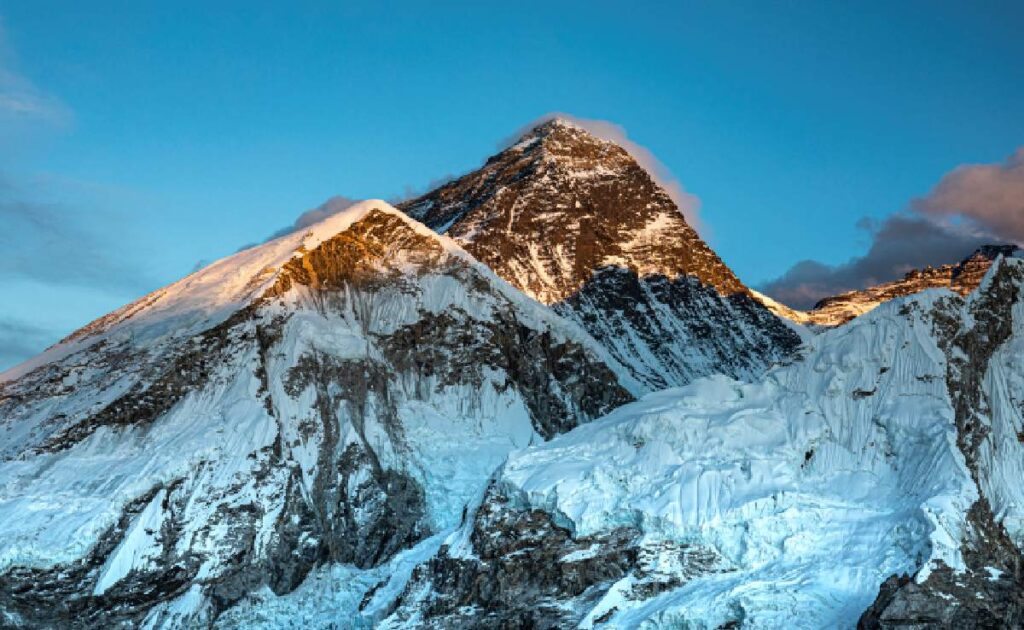
One of the most magical moments comes at sunrise. As the first rays of sunlight touch the Himalayan peaks, the mountains glow in brilliant shades of gold and orange. It is a breathtaking experience that reminds travellers why Nepal remains one of the world’s greatest adventure destinations.

Explore the Diverse Annapurna Region

The Annapurna region offers a completely different trekking experience. It is famous for its remarkable diversity, both in landscapes and local culture.

Trails pass through terraced rice fields, dense forests, alpine meadows, and high mountain passes. Every day presents a different environment, making the journey exciting from start to finish.

The Annapurna Circuit is one of Nepal’s most celebrated trekking routes. Along the way, visitors meet communities from different ethnic backgrounds, each with its own traditions, architecture, and customs. Local teahouses provide comfortable places to rest while offering delicious homemade meals and warm hospitality.

Because of its variety, the Annapurna region appeals to both experienced trekkers and first-time visitors. It offers an excellent balance of adventure, natural beauty, and cultural discovery.

Watch the Sunrise from Ghorepani Poon Hill

ABC trek altitude gain view from Poon Hill

Not every visitor has several weeks available for trekking. Fortunately, Nepal also offers shorter routes that deliver equally rewarding experiences.

The Ghorepani Poon Hill Trek is one of the country’s most popular short adventures. It combines comfortable walking trails with spectacular Himalayan scenery, making it suitable for travellers of different fitness levels.

The highlight of the trek is the early morning hike to Poon Hill. Before dawn, visitors gather quietly at the viewpoint while the mountains remain hidden in darkness. As the sun slowly rises, the Annapurna and Dhaulagiri ranges light up in brilliant golden colours. Watching this transformation is one of the most unforgettable moments during vacations in Nepal.

The surrounding Gurung and Magar villages add another special dimension to the trek. Their traditional houses, welcoming communities, and local culture allow visitors to experience life in the Himalayan foothills beyond the mountain views.

Trekking Offers More Than Adventure

Although trekking is physically rewarding, its greatest value often lies in the experiences created along the way.

Walking through remote villages allows you to slow down and appreciate everyday life. Conversations with local guides, shared meals in family-run teahouses, and evenings spent beneath star-filled skies become memories that last far longer than any photograph.

Many travellers arrive hoping to conquer a famous trail. They leave with something much greater—a deeper connection with nature, greater confidence in themselves, and a genuine appreciation for Nepal’s culture and people.

For this reason, trekking remains one of the defining experiences of vacations in Nepal.

Experience Authentic Community Homestays

While Nepal’s mountains attract visitors from around the world, its villages often leave the strongest impression. Staying in a community homestay gives travellers the opportunity to experience daily life through the eyes of local families.

Unlike hotels, homestays focus on genuine human connection. Guests stay with local hosts, enjoy homemade meals, and participate in everyday village activities. Instead of simply observing local culture, visitors become part of it.

Many community homestays also play an important role in supporting sustainable tourism. Income earned from tourism helps families improve their livelihoods while preserving local traditions, crafts, and cultural heritage. This creates benefits for both visitors and host communities.

Discover the Warm Hospitality of Ghale Gaun

Ghale Gaun, located in the hills of Lamjung, is one of Nepal’s best-known community tourism destinations. Surrounded by magnificent Himalayan scenery, the village offers a peaceful escape from busy city life.

Visitors receive a warm traditional welcome before settling into comfortable family homes. During their stay, they can enjoy authentic Gurung cuisine, watch cultural performances, and learn about customs that have been passed down through generations.

Morning walks through the village reveal beautifully maintained stone houses, terraced farms, and smiling neighbours who are always happy to greet visitors. These simple interactions often become the most meaningful memories of the trip.

Live Like a Local in Sirubari

Welcome in sirubari

Sirubari is another excellent destination for travellers seeking authentic cultural experiences. This picturesque village has become a model for community-based tourism in Nepal.

Life moves at a slower pace here. Guests are welcomed as members of the family rather than tourists. They share meals, join local celebrations, and experience everyday village life in a way that few hotels can offer.

Choosing community homestays also means supporting local families directly. Your visit contributes to rural development while helping preserve Nepal’s unique traditions for future generations.

For travellers looking for meaningful cultural experiences, these village stays add an unforgettable dimension to vacations in Nepal. They remind visitors that the country’s greatest treasure is not only its mountains but also the kindness of its people.

Explore Nepal’s Rich Religious Heritage

One of the most rewarding parts of vacations in Nepal is discovering the country’s deep spiritual and religious heritage. For thousands of years, Nepal has welcomed pilgrims, monks, and travellers seeking peace, reflection, and cultural understanding. Today, visitors can explore sacred temples, ancient monasteries, and UNESCO World Heritage Sites that continue to play an important role in everyday life.

Unlike many historic monuments around the world, Nepal’s religious sites remain active places of worship. As you walk through these sacred spaces, you will see monks chanting prayers, devotees lighting butter lamps, and families gathering to celebrate religious festivals. These living traditions give every visit a unique and meaningful atmosphere.

Visit Lumbini, the Birthplace of Lord Buddha

Lumbini

Lumbini holds a special place in the hearts of Buddhists around the world. Recognised as the birthplace of Lord Buddha, it attracts pilgrims and travellers seeking both spiritual inspiration and historical significance.

The peaceful surroundings encourage visitors to slow down and reflect. Walking through the beautifully maintained monastic zone, you will discover temples built by different Buddhist communities from across the globe. Each monastery showcases its own architectural style while sharing the same message of peace and compassion.

At the heart of Lumbini lies the Maya Devi Temple, which marks the exact birthplace of Buddha. Many visitors describe the calm atmosphere here as one of the most memorable experiences of their journey through Nepal.

Experience the Peace of Boudhanath Stupa

Bouddhanath stupa

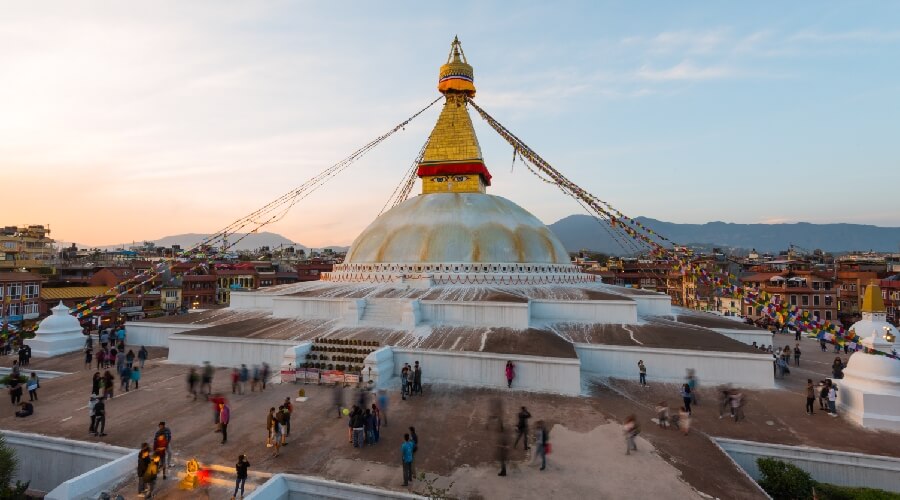
Towering above the surrounding neighbourhood, Boudhanath Stupa is one of the largest Buddhist stupas in the world. It is also one of Kathmandu’s most peaceful gathering places.

Every day, hundreds of pilgrims slowly circle the stupa while turning prayer wheels and quietly chanting mantras. Colourful prayer flags stretch across the sky, while the watchful eyes of the Buddha look in every direction, symbolising wisdom and compassion.

Visitors often join the clockwise walk around the stupa before relaxing at one of the nearby rooftop cafés. From there, they can admire the golden monument while watching local life unfold below. Whether you follow Buddhism or not, the peaceful atmosphere leaves a lasting impression.

Discover the History of Swayambhunath

Perched on a hill overlooking Kathmandu Valley, Swayambhunath is one of Nepal’s oldest religious monuments. It is widely known as the Monkey Temple because of the playful monkeys that roam around the complex.

Reaching the top requires climbing a long staircase, but the effort is well worth it. The panoramic view of Kathmandu Valley is spectacular, especially during sunrise or sunset.

The site beautifully combines Buddhist and Hindu traditions. Ancient shrines, prayer wheels, colourful flags, and sacred symbols create a fascinating cultural landscape that reflects Nepal’s long history of religious harmony.

Witness Ancient Traditions at Pashupatinath Temple

Pashupatinath temple

For Hindu pilgrims, Pashupatinath Temple is one of the holiest temples dedicated to Lord Shiva. Located along the sacred Bagmati River, it has served as an important spiritual centre for centuries.

Visitors can observe religious rituals, traditional ceremonies, and evening prayers that continue much as they have for generations. During festivals such as Maha Shivaratri, thousands of devotees gather here to celebrate one of Nepal’s most significant religious events.

Even for those who are not religious, visiting Pashupatinath offers valuable insight into Nepal’s cultural traditions and spiritual way of life. Respectful observation allows travellers to better understand the customs that shape the country’s identity.
More Than Religious Landmarks

Nepal’s sacred places offer more than impressive architecture or historical importance. They provide opportunities to learn about compassion, mindfulness, and the values that continue to guide many local communities.

Whether you spend an afternoon in Lumbini or watch prayer ceremonies at Boudhanath, these experiences add depth and meaning to vacations in Nepal. They remind visitors that travel is not only about seeing new places but also about gaining new perspectives.

Combine Adventure, Culture, and Spirituality

Few destinations allow travellers to experience such remarkable diversity in a single journey. One week, you may be trekking beneath snow-covered Himalayan peaks. The next, you could be sharing homemade meals with a local family before ending your trip at centuries-old temples filled with peaceful chants and colourful prayer flags.

This combination is what makes Nepal truly unique.

Adventure lovers find endless opportunities in the mountains. Culture enthusiasts discover vibrant traditions in historic towns and welcoming villages. Spiritual travellers experience moments of peace at sacred monasteries and pilgrimage sites.

Rather than focusing on one type of holiday, Nepal brings these experiences together naturally. Every destination adds something different to your journey, creating a balanced and rewarding travel experience.

Whether you choose a short cultural escape or a longer Himalayan adventure, vacations in Nepal offer something meaningful for every traveller.

Why Vacations in Nepal Leave a Lasting Impression

Many holidays fade into memories within a few weeks. Nepal is different.

You may remember watching the first sunlight illuminate the Himalayas after an early morning hike. You might think about the laughter shared over a traditional meal with a host family or the peaceful silence inside an ancient monastery. These moments stay with you because they are genuine experiences rather than carefully planned attractions.

Nepal encourages visitors to slow down, connect with local communities, and appreciate the beauty of both nature and culture. Every journey becomes a collection of unforgettable memories that continue long after you return home.

Vacations in Nepal offer far more than beautiful scenery. They combine adventure, culture, spirituality, and authentic local experiences into one unforgettable journey.

From trekking through the majestic Himalayas to staying in welcoming community homestays, every experience reveals a different side of the country. Exploring sacred temples, meeting local families, and discovering centuries-old traditions create memories that no photograph can fully capture.

Whether you are planning your first visit or returning to discover new destinations, Nepal always has something new to offer. Every trail, every village, and every cultural encounter adds another chapter to your story.

If you are looking for a destination that inspires, challenges, and welcomes you with genuine hospitality, vacations in Nepal promise an experience you will remember for a lifetime.

Nepal Diaries: Ama Yangri Trek Through the Peaceful Hills of Helambu

Ama Yangri trek is a beautiful high viewpoint trek in the Helambu region of Sindhupalchok, Nepal. It lies at an altitude of around 3,771–3,775 meters above sea level.

It is located north of Kathmandu and can be reached via Tarkeghyang village, which is one of the main cultural settlements in the Helambu trekking route. Therefore, it is considered one of the most accessible high-altitude viewpoints near the capital.

In addition, Ama Yangri is a great option for travelers who want a short Himalayan experience close to Kathmandu.

Why Visit Ama Yangri?

Ama yangri

Ama Yangri offers stunning panoramic views of the Himalayas, including Langtang, Dorje Lhakpa, and Gaurishankar on a clear day.

Moreover, prayer flags flutter at the top of the hill, which creates a calm and spiritual atmosphere. The local Hyolmo people also consider Ama Yangri a protective deity, and for this reason, the site has strong cultural and spiritual value.

Unlike popular trekking routes, Ama Yangri remains quiet and less crowded. As a result, visitors can enjoy nature in peace without distractions.

Trekking Experience

The Ama Yangri trek is not only about reaching the viewpoint; rather, the journey itself is equally beautiful.

The trail passes through traditional villages, terraced farmlands, dense forests, and peaceful mountain ridges. In addition, trekkers experience slow village life and warm local hospitality along the way.

As you move higher, each section of the trail gradually reveals more of the landscape. Therefore, the final viewpoint feels even more rewarding after the steady climb.

Sunrise and Mountain Views

Many trekkers compare Ama Yangri with Poon Hill because of its sunrise views.

In particular, early morning at the summit is the best time to visit. The rising sun lights up the Himalayan range, creating a golden view of snow-covered peaks.

However, weather in the mountains can change quickly. Therefore, starting early increases your chances of clear visibility and a better experience.

Best Time to Visit Ama Yangri

The best seasons for the Ama Yangri trek are:

Autumn (September to November)

  • clear skies
  • stable weather
  • best mountain visibility

Spring (March to May)

  • mild temperature
  • blooming forests
  • pleasant trekking conditions

Winter is also possible; however, it can be very cold at the top.

Overall, autumn and spring are recommended because conditions are more stable and comfortable.

Travel Tips for Ama Yangri Trek

  • Wear layered clothing because temperatures change quickly
  • Use strong trekking shoes for safety
  • Carry enough water and snacks for the journey
  • Start early in the morning for sunrise views
  • Respect local culture and religious sites
  • Avoid littering to protect the environment

In addition, it is better to walk slowly and enjoy the surroundings instead of rushing.

Ama Yangri is a hidden gem near Kathmandu. It combines natural beauty, cultural depth, and spiritual calm in a single short trek.

Therefore, it is perfect for travelers who want a short Himalayan trip with fewer crowds and peaceful mountain views.

In conclusion, Ama Yangri is not just a viewpoint; rather, it is a memorable Himalayan experience that stays with you long after the trek ends.

Nepal Diaries: Complete Trekking Gear Guide in Nepal

Trekking in Nepal is an unforgettable experience. However, the journey can be long, challenging, and sometimes risky without the proper trekking gear in Nepal. The terrain is often rocky, and trekkers pass through high-altitude villages where temperatures can drop significantly. Having the right equipment helps you stay warm, comfortable, and safe while avoiding injuries and fatigue.

Whether you are heading to Everest Base Camp, the Annapurna region, or a short hike around Kathmandu Valley, choosing the right trekking gear in Nepal is very important. This guide from The Himalayan Circuit will help you understand what gear you need, how to prepare for different seasons, and how to pack smartly.

Why Good Trekking Gear in Nepal Matters

The trekking routes in Nepal are both beautiful and demanding. You will walk on steep rocky paths, cross suspension bridges, and experience sudden weather changes within the same day.

Without proper trekking equipment, trekking can become uncomfortable and even unsafe. Quality gear keeps you warm, dry, and protected from harsh conditions. It also helps prevent blisters, muscle strain, and exhaustion.

Good shoes and clothing improve your walking efficiency and stability. With the right trekking gear in Nepal, you can fully enjoy the mountains, local culture, and natural beauty.

Essential Clothing for Trekking in Nepal

Clothing is one of the most important parts of your trekking preparation.

Start with moisture-wicking base layers that keep sweat away from your body. Quick-dry t-shirts and trekking pants are ideal for long walking days.

A fleece jacket provides light insulation, while a down jacket is essential for cold mornings and nights, especially when using quality trekking gear in Nepal for high-altitude routes. A waterproof jacket is necessary during unpredictable weather.

Gloves, woolen hats, and sunglasses are also essential. Good trekking socks prevent blisters and improve comfort.

Choosing lightweight clothing helps you adapt easily to changing temperatures during your trek in Nepal.

Footwear & Bags

Trekking shoes in Nepal

Footwear is one of the most critical parts of trekking preparation.

Trekking shoes should have strong grip, ankle support, and cushioning. Always break in your shoes before using them as part of your trekking gear in Nepal setup.

A daypack (20–30L) is perfect for daily essentials. For longer treks, a larger backpack (40–65L) is required.

Many trekkers also use a duffel bag when hiring porters. A rain cover is highly recommended for protecting your trekking gear in Nepal from sudden rain. here is the detailed description of which footwear should you use for your next trek in Nepal. 

Sleeping & Safety Gear

Trekking gears in Nepal

Proper sleeping equipment is essential in the mountains.

A warm sleeping bag is necessary for high-altitude treks. Trekking poles help reduce knee strain and improve balance.

A headlamp, first-aid kit, reusable bottle, and power bank are all essential parts of your trekking gear setup in Nepal.

These items ensure safety, hydration, and communication during your journey.

Seasonal Trekking Gear Guide

Langtang Valley Elevation

Your trekking gear in Nepal must change depending on the season:

  • Autumn: Best season, light layers are enough
  • Winter: Heavy jackets, insulated gear, warm sleeping bags
  • Spring: Moderate weather, layering is important
  • Monsoon: Waterproof jackets, rain covers, quick-dry clothes

Proper seasonal planning ensures your trekking gear in Nepal works effectively in all conditions.

Where to Buy or Rent Trekking Gear in Nepal

You can easily find trekking equipment in Kathmandu (Thamel) and Pokhara (Lakeside).

Renting is good for budget travelers, especially for sleeping bags and jackets. But shoes and backpacks should always be personally owned for comfort and safety.

Always check quality before buying your trekking gear, especially zippers, stitching, and durability.

At last, Having the right trekking gear ensures a safe and enjoyable Himalayan journey. Every item, from clothing to safety equipment plays an important role.

Plan your packing list carefully based on season and trail difficulty. we recommend you to pack light with being smart.

With proper preparation, your trekking experience in Nepal becomes more comfortable, safe, and unforgettable.

Nepal Diaries: 6 Hidden Gems Beyond Nepal’s Popular Trails

Everest, Annapurna, Kathmandu, and Pokhara are world-famous. However, Nepal offers far more than its iconic peaks and lively cities. Across the hills and deep into the far west, you will find hidden gems in Nepal, quiet villages, serene lakes, sacred meadows, and gentle trails that invite you to slow down.

Moreover, these places provide authentic culture, local cuisine, and warm hospitality often without the crowds. If you prefer meaningful travel and unique experiences, then these off-the-beaten-path destinations are well worth adding to your itinerary with us. Ultimately, they reward patience with depth and genuine connection.

Why Explore Hidden Gems in Nepal?

Choosing lesser-known destinations often leads to a more peaceful and fulfilling experience. In particular, you will enjoy pristine nature, intact traditions, and deeper interactions with local communities. As a result, your trip becomes more personal, more reflective, and more memorable.

Additionally:

  • You will capture striking landscapes without the usual lines and noise.
  • You will support communities through fair, locally led tourism.
  • You will find time to relax, take photos, go on gentle hikes, and simply be present.

In short, Nepal’s quieter corners combine culture, nature, and calm in a single journey. Consequently, they appeal to travelers seeking depth rather than speed.

Hidden Gems in Nepal (with Practical Tips)

1) Tansen (Palpa): Heritage, Hills, and Handicrafts

Palpa - The hidden gems of Nepal

Why go: A charming hill town in western Nepal with Newari houses, narrow lanes, and sacred temples, ideal for culture lovers who value tranquility. Notably, the historic core remains walkable and welcoming.
Highlights: Rani Mahal (often called the “Taj Mahal of Nepal”), family-run eateries, and artisan-made textiles and metalwork.
Best time: October–April (clear skies and pleasant temperatures).
How to get there: About 7–8 hours by road from Pokhara or 8–9 hours from Kathmandu.

Pro tip: For sunrise, start early at Srinagar Hill. On clear days, the panorama is exceptional. Furthermore, late afternoons offer soft light for photography.

2) Khaptad National Park: Sacred Meadows of the Far West

Why go: A serene, spiritually significant plateau with rolling grasslands, mixed forests, and wide mountain panoramas ideal for nature and peace seekers. Beyond the scenery, the area carries strong cultural reverence.
Highlights: Khaptad Baba Ashram, seasonal wildflowers, and open-sky meadows frequented  by herders.
Best time: April–June and September–November.
How to get there: Fly to Dhangadhi or Bajhang, then continue by road and trail with a local guide.

Pro tip: Trails are less marked. Therefore, hire a local guide for navigation and cultural context. In addition, check park regulations ahead of time.

3) Rara Lake: Nepal’s Shimmering Blue Jewel

Why go: Nepal’s largest lake, wrapped in tranquil forests and gentle hills, remote, pristine, and photogenic. Even at midday, the water remains strikingly blue.
Highlights: Lakeside walks, non-motorized boating, sunrise reflections, and birdwatching.
Best time: September–November and April–June.
How to get there: Fly via Nepalgunj to Talcha (Mugu), then a short trek to the lake. Alternatively, go overland for a longer yet scenic route.

Pro tip: Pack layers; even on sunny days the weather can shift quickly. Consequently, a windproof jacket and warm hat are helpful.

4) Ilam (Eastern Nepal): Tea Gardens and Soft Morning Light

Why go: Rolling tea estates, cool weather, and peaceful rural life, ideal for slow travel and mindful mornings. In contrast to busier hubs, Ilam rewards unhurried explorers.
Highlights: Garden walks, village stays, sunrise viewpoints, and organic teas.
Best time: October–December for clear skies; March–May for lush, green hills.
How to get there: Fly to Bhadrapur and drive 3–4 hours; or travel overland from Kathmandu (long yet beautiful).

Pro tip: Visit a local tea cooperative for tasting and farm-to-cup stories. Additionally, plan a golden-hour photo walk along the tea rows.

5) Gokyo Lakes: Quiet Majesty in the Everest Region

Why go: A spectacular alternative to the classic Everest Base Camp route, with fewer crowds and surreal blue lakes. Moreover, views from Gokyo Ri reveal glaciers and high peaks in every direction.
Highlights: The chain of Gokyo Lakes, Ngozumpa Glacier vistas, and sunrise from Gokyo Ri.
Trek grade: Moderate to strenuous (due to altitude).
Best time: March–May and October–November.
How to get there: Fly to Lukla, then trek via the quieter Gokyo Valley.

Pro tip: Acclimatize slowly. Add a rest day around Machhermo or Dole to enjoy the scenery and stay safe. Consequently, you reduce the risk of AMS.

6) Ruby Valley: Culture-Rich Trails Between Langtang and Manaslu

Why go: A lesser-known trekking corridor with Tamang and Gurung villages, hot springs, and open mountain views, perfect for cultural immersion. Because lodges are simpler, the experience remains genuinely local.
Highlights: Village homestays, traditional kitchens, hillside farms, and quiet ridgelines.
Trek grade: Easy to moderate (flexible routes for different fitness levels).
Best time: October–December and March–May.
How to get there: Drive from Kathmandu to Syabrubesi or Dhading trailheads; then trek with a local guide.

Pro tip: Choose community lodges or homestays to keep your spending local and your experience authentic. In addition, ask about seasonal festivals or gatherings.

Practical Tips for Offbeat Travel in Nepal

  • Plan for time: Remote journeys can be long; therefore, build buffers for weather, permits, and road conditions.
  • Cash matters: ATMs are scarce; consequently, carry sufficient cash in small denominations.
  • Pack smart: Layers, a warm jacket, snacks, a power bank, a water filter, and a basic first-aid kit. Moreover, bring sun protection for high altitudes.
  • Hire local guides: For safety, translation, route finding, and respectful access to sacred spaces. As a bonus, you’ll gain stories you’d otherwise miss.
  • Travel kindly: Respect local customs, minimize plastic, and choose ethical operators. Ultimately, your choices shape better futures for host communities.

There is so much more to Nepal than its famous peaks and popular trails. From Tansen’s heritage lanes and Ilam’s tea terraces to Rara’s mirror-like waters, Khaptad’s sacred meadows, Gokyo’s blue lakes, and Ruby Valley’s welcoming villages these hidden gems in Nepal invite you to slow down and connect deeply.

When you are ready to avoid the crowds and discover authentic Nepal, we can help design a quiet, culturally rich journey that matches your pace and interests. In the end, a thoughtful route turns travel into a meaningful exchange.

Nepal Diaries: Your Guide to the Best Trekking Shoes for Nepal

Trekking shoes in Nepal

Choosing the right trekking shoes for Nepal is one of the most important decisions you can make before hitting the trails. Good footwear protects your toes from rocks, stabilizes you during steep climbs and descents, and prevents blisters on long walking days. Nepal’s trekking routes often include dust, gravel, stairs, loose stones, mud, and sometimes snow, so your shoes must be able to handle diverse and demanding conditions.

Here, we will explain which types of trekking shoes work best for Nepal’s different trails, including Everest Base Camp, Annapurna, Poon Hill, and short hikes around Kathmandu Valley. The right footwear makes your trek safer, more comfortable, and far more enjoyable.

Understanding Nepal’s Trekking Terrain

Nepal’s hiking paths are varied and often challenging. You can expect:

  • Uneven trails
  • Long stone staircases
  • Steep ascents and descents
  • Loose gravel
  • Muddy sections after rain
  • Slippery wet stones
  • Occasional river crossings
  • Snow and ice at higher altitudes

This is why the “one shoe fits all” approach does not work here.
For low-altitude hikes like Nagarkot or Shivapuri, lighter shoes are fine. But for high-altitude treks, stronger and more supportive footwear is essential.

Key Features to Look For

When choosing hiking footwear for Nepal, the features matter more than the brand. Look for:

  • Strong grip / traction: essential for loose gravel and wet rock
  • Toe protection: reinforced toe cap saves you from painful stubs
  • Stability & support: especially during steep descents
  • Comfort cushioning: helps on stone steps and long days
  • Water resistance: useful for rain, mud, and morning dew
  • Breathability: prevents sweaty feet in warm conditions
  • Quick drying & durability: important for Nepal’s dusty and rough trails

Quick Recommendation Table

Trek Type Ideal Shoe Type Key Features
Everest Base Camp / High Altitude Mid- or high-cut boots Ankle support, warmth, waterproofing
Annapurna / Mixed Terrain Mid-cut or supportive low-cut Versatility, toe protection, cushioning
Poon Hill / Short Treks Low-cut hiking shoes Lightweight, breathable, good grip
Monsoon Treks Quick-dry trail shoes Fast drying, aggressive tread

Best Trekking Shoes by Trek Type

1. Everest Base Camp & High-Altitude Treks

For the Everest Base Camp region, mid-cut or high-cut trekking boots work best. These provide:

  • Ankle support for uneven, rocky terrain
  • Better protection during steep descents
  • Warmth for cold mornings and snow patches
  • Enough space for thick socks
  • Breathability to manage sweat at altitude

Avoid lightweight trail shoes here—the terrain is too demanding.

2. Annapurna & Mixed Terrain Treks

Annapurna routes combine forests, dusty paths, villages, and stone stairs. For this reason, you need versatile shoes such as:

  • Mid-cut boots for stability
  • Supportive, durable low-cut hiking shoes for flexibility

Toe protection, good cushioning, and comfort are key since the terrain changes daily.

3. Short Treks & Day Hikes (Nagarkot, Shivapuri, Poon Hill)

For short treks or hikes with a light backpack, low-cut hiking shoes are usually enough. Choose footwear that is:

  • Lightweight
  • Waterproof
  • Grippy
  • Comfortable

If you have weak ankles or plan to carry a heavier pack, consider a mid-cut boot for added support.

4. Monsoon & Muddy Trails

During the monsoon season, the trails become muddy and slippery. Prioritize:

  • Shoes with aggressive tread
  • Fast-drying materials
  • Light water resistance (not full waterproofing, which traps sweat)

Many trekkers prefer quick-dry shoes with gaiters and good socks instead of fully waterproof boots during monsoon hikes.

Best Shoes by Season in Nepal

Your footwear needs change with the weather:

  • Autumn (Sept–Nov): Mostly dry trails → breathable, grippy shoes
  • Winter (Dec–Feb): Cold at altitude → insulated socks + mid/high boots
  • Spring (Mar–May): Warm and dusty → breathable, cushioned shoes
  • Monsoon (Jun–Aug): Wet and muddy → quick-dry shoes with strong traction

Wearing season-appropriate shoes helps maintain comfort and reduces injury risk.

Where to Buy Trekking Shoes in Nepal

You’ll find many outdoor shops in:

  • Thamel, Kathmandu
  • Lakeside, Pokhara

These stores stock both international and local brands. Focus on quality rather than labels. Check for:

  • Strong stitching
  • Durable soles
  • Comfortable padding
  • Proper fit with trekking socks

Walk around the store, climb some steps if possible, and always test the fit with hiking socks. For high-altitude treks like EBC, buy from a reputable shop to ensure durability and comfort.

Recommended Packing Add-Ons

Small accessories can significantly improve comfort:

  • Wool or synthetic trekking socks
  • Gaiters for mud, dust, rain, or snow
  • Foot powder or anti-chafe balm
  • Blister kit (tape, pads, antiseptic)
  • Spare laces
  • Sock liners (optional)
  • Supportive insoles (optional)

These items help prevent blisters and discomfort during long days on the trail.

How to Break In Your Trekking Shoes

New shoes can cause blisters if worn for the first time on a trek.
Break them in by:

  • Walking 20–30 km over a week
  • Climbing stairs
  • Wearing them with trekking socks
  • Testing different lacing methods

Proper break-in ensures comfort from Day 1 of your trek.

At last, the best trekking shoes for Nepal depend on your route, season, and personal comfort. High-altitude treks like EBC require supportive and warm boots, while mixed terrain like Annapurna benefits from versatile footwear. For short treks, lightweight shoes may be enough, just make sure they have good grip.

Pair your shoes with proper socks and foot care items, and your feet will stay happy throughout your journey. In Nepal, comfortable feet truly mean a comfortable trek. Here is our blog on Nepal’s weather and Festival which can give you more idea about the dates to visit Nepal. 

Annapurna Region: Lodges Blend Comfort and Himalayan Heritage

Discover how Annapurna trekking transformed from tough camping trips in the 1950s to today’s cozy, community-driven lodge adventures, blending comfort with Himalayan magic.

Picture yourself in a warm tea house, enjoying a hot meal while gazing at Annapurna’s snow-covered peaks. For modern trekkers, this is the heart of the journey—comfy beds, friendly hosts, and stunning views. However, trekking in Nepal wasn’t always so inviting. It started as a rugged, self-reliant adventure. This is the story of how Annapurna’s trekking culture evolved into a sustainable, culturally rich experience that draws adventurers from around the globe.

The First Steps: Camping Treks (1950s)

In the 1950s, trekking for fun didn’t exist in Nepal. Visitors came for climbing mountains or conducting research. For example, Lt. Col. Jimmy Roberts, a British Gurkha officer, saw Annapurna’s potential for adventure. He launched Nepal’s first guided treks, which were tough to organize. Specifically, these trips needed:

  • Large teams of porters to carry supplies

  • Tents, sleeping bags, and cooking stoves

  • Chefs to make meals

  • Food for weeks on remote trails As a result, these early treks opened Annapurna’s beauty to adventurers, but they were expensive and kept trekkers separate from local communities.

The Camping Boom: Tented Treks (1960s–1970s)

In the 1960s, Nepal welcomed more global travelers, and trekking became a way to explore the Himalayas without climbing peaks. Agencies in Kathmandu and Pokhara offered camping treks, with Annapurna’s valleys and villages as top destinations. However, these trips had challenges:

  • High costs due to many support staff

  • Little connection with locals, as trekkers relied on their own teams

  • Harm to trails and forests from large groups Consequently, these issues pushed the need for a better, more sustainable way to trek.

The Tea House Shift: Rise of Lodges (1980s–1990s)

In the 1980s, a local initiative changed everything. Families along routes like the Annapurna Circuit, Annapurna Base Camp, and Ghorepani–Poon Hill opened their homes to trekkers. These “tea houses” offered simple rooms, shared bathrooms, and warm meals like dal bhat. For instance, this shift allowed trekkers to:

  • Travel light without heavy gear

  • Bond with Nepali families and culture

  • Support village economies As a result, lodge trekking became cheaper, more flexible, and deeply engaging, making Annapurna open to more explorers.

Today’s Lodges: Comfort and Connection (2000s–Present)

By the 2000s, lodge trekking became Annapurna’s main attraction. As tourism grew, tea houses improved. Today, trekkers enjoy:

  • Cozy rooms with warm blankets

  • Hot showers powered by solar energy

  • Meals from Nepali classics to Western dishes

  • Wi-Fi and trail signs in some villages Despite these upgrades, many lodges are still family-run, keeping the authentic charm. For example, sharing tea in Ghandruk or waking to mountain views in Tadapani feels personal and unforgettable.

Why It Works: A Sustainable Model

The move from camping to lodges is a win for everyone. Here’s why:

  • Villages thrive: Lodge income helps families afford schools and healthcare.

  • Nature benefits: Fewer porters mean less strain on trails and forests.

  • Trekkers win: Lightweight travel suits all ages and skill levels. Moreover, projects like the Natural Annapurna Trekking Trails (NATT) promote green practices, protect trails, and ensure fair pay for guides and porters.

Keeping the Magic Alive

As roads reach deeper into the Himalayas, preserving lodge trekking’s spirit is key. For instance, efforts include:

  • Eco-friendly lodges to reduce waste

  • Community projects to boost local economies

  • Training for hosts to improve hospitality

  • Trail protection to keep the wilderness alive These steps ensure Annapurna remains a special place for meaningful travel.

Why Annapurna Awaits

From Jimmy Roberts’ bold treks to today’s welcoming tea houses, Annapurna’s story is one of adventure and connection. Lodge trekking blends excitement, comfort, and bonds with Nepal’s people and landscapes. At Himalayan Circuit, we’re passionate about guiding you through sustainable, authentic treks that create lasting memories.

Ready to explore Annapurna’s trails? Join Himalayan Circuit for the best lodge routes and cultural experiences. Contact us to start your journey!

Nepal Diary: Planning Your Trip – What You Need to Know

Himalayan peaks in Nepal – Nepal best travel destination

If you’re looking for the best Nepal travel guidebooks to plan your next adventure, you’re in the right place. Nepal offers stunning natural beauty and deep cultural richness—all without breaking the bank. But to make the most of your trip, having the right travel guide is essential.

One of the best ways to prepare is by choosing a reliable travel guidebook that matches your travel style. For all the wanderers with Nepal on their bucket list, here’s a detailed review of the best travel guidebooks and essential tips to help you get started.

Why Visit Nepal?

Nepal is a fascinating country that attracts more visitors each year. One of the main reasons to visit is the people. There’s a saying: You come for the mountains, but you stay for the people. Their warmth and hospitality leave a lasting impression.

Nepal also offers incredible cultural diversity. All major world religions are represented here, and the country’s deep spiritual heritage is seen in its temples, rituals, and daily life.

Then there’s the landscape. Though small in size, Nepal is known worldwide for its dramatic scenery—from towering peaks to lush jungles. It’s also a country of festivals. With so many ethnic groups and traditions, Nepal celebrates something nearly every week, earning its title as the Land of Celebrations.

Top Travel Guidebooks for Nepal

Lonely Planet Nepal

Lonely Planet’s Nepal guidebook is one of the most trusted resources for travelers. It covers both famous destinations and off-the-beaten-path gems. You’ll find tips on exploring Pokhara’s lakes, wandering through the cultural streets of Kathmandu, spotting tigers in Bardiya, and trekking through the Himalayas. It’s a go-to companion for both first-timers and repeat visitors.

Rough Guide to Nepal

This guide takes you across the country—from the high Himalayas to the lowland Terai. It highlights key attractions like Everest, the Pokhara Valley, and Ilam’s tea estates. It also dives into Nepal’s spiritual sites, including Buddhist stupas and Hindu temples.

Outdoor adventurers will appreciate dedicated sections on trekking, rafting, and mountaineering. The language is clear and informative, perfect for practical planning.

Nepal Trekking Guidebook by Trailblazer

This one is a great pick for trekkers. It helps you plan your itinerary based on your interests and ability. The book covers everything from classic routes to lesser-known trails and even the demanding Great Himalaya Trail.

Detailed route guides include regions like Makalu, Kanchenjunga, Langtang, and Solukhumbu—ideal for anyone serious about trekking in Nepal.

Insight Guides Nepal

If you’re planning a longer stay and want cultural depth along with travel planning, this book is ideal. It combines inspiring photos with informative content in a magazine-style format.

Besides popular trekking regions like Annapurna and Everest, the book also explores historical cities like Kathmandu, Patan, and Bhaktapur. You’ll also find background on Nepal’s history, people, and traditions.

Nepal Travel Tips for First-Time Visitors

Visa and Entry Requirements

Most international visitors can get a visa on arrival at Tribhuvan International Airport. Just make sure to carry your passport and be ready to pay the applicable fee. Alternatively, you can apply for a visa online or through a Nepalese embassy or consulate before your trip. Tourist visas are typically valid for up to 90 days.

Best Time to Visit Nepal

Nepal’s peak tourist seasons are autumn (September to November) and spring (March to May). These months offer clear skies and pleasant temperatures—ideal for sightseeing and trekking.

If you’re trekking, these are the best times to go. Monsoon season (June to August) brings heavy rains and humidity, making high-altitude treks difficult. However, it’s a great time to visit the lush Terai region and spot wildlife in national parks.

Health and Safety Tips

Your health should be a top priority when traveling in Nepal. Before your trip, consult a doctor about recommended vaccinations like hepatitis, typhoid, tetanus, and rabies.

Trekking at high altitudes can lead to Acute Mountain Sickness (AMS). To reduce the risk, ascend slowly, drink lots of water, and consider carrying medication like Diamox. It’s also best to avoid tap water—stick to bottled water and eat at clean, hygienic places.

Pack a basic first-aid kit with medicines for common issues like colds, fevers, or stomach problems.

Nepal offers a one-of-a-kind travel experience with its breathtaking scenery, vibrant culture, and spiritual depth. Whether you choose Lonely Planet, Rough Guide, Trailblazer, or Insight Guides, having the right travel guidebook can make all the difference. And if you need personalized advice, feel free to reach out to us with your questions—we’re here to help.

Of course, traveling with a knowledgeable local guide adds even more value. They can lead you to hidden gems, help you connect with local culture, and ensure your journey is safe and enriching.

Let Nepal surprise you—and don’t forget to embrace its rhythm, respect its traditions, and soak in every moment.

Upper Mustang: Trek Blends Culture and Desert Mystique

Discover the Upper Mustang Trek, a journey into Nepal’s “Last Forbidden Kingdom,” nestled beyond the towering Annapurna and Dhaulagiri peaks. For centuries, this remote land remained sealed, preserving a vibrant time capsule of ancient Tibetan traditions. Since opening to trekkers in 1992, Upper Mustang invites adventurers and cultural explorers to uncover its surreal deserts, sacred monasteries, and timeless heritage.

A Realm Frozen in Time

Once a thriving trade hub between Nepal and Tibet, Upper Mustang was the heart of the Kingdom of Lo. For example, its medieval capital, Lo Manthang, founded in 1380 by Ame Pal, still stands as a fortress of culture, encircled by a 6-meter-high wall. Even after the last king, Jigme Dorje Palbar Bista, passed in 2016, the region’s Tibetan heritage thrives—untouched by time.

Furthermore, Nepal shielded Upper Mustang from outsiders for decades to preserve its sanctity and proximity to Tibet. Consequently, it earned the title “Forbidden Kingdom,” safeguarding one of the world’s purest Tibetan Buddhist cultures. When the gates opened in 1992, a rare window into this sacred world was revealed.

The Trek of a Lifetime: Why Upper Mustang Captivates

Upper Mustang

Unlike Nepal’s lush, alpine trails, Upper Mustang offers a surreal journey through a high-desert wonderland. Here’s why it’s unforgettable:

  • Otherworldly Landscapes: Picture wind-carved cliffs and golden rock formations glowing under a vast sky. For instance, in the rain shadow of Annapurna and Dhaulagiri, Mustang’s arid terrain feels like a Martian plateau. Meanwhile, dazzling views of Nilgiri and Dhaulagiri peaks add breathtaking contrast.

  • Living Tibetan Heritage: Immerse yourself in a culture unchanged for centuries. Specifically, you can visit 500-year-old monasteries adorned with vibrant murals or explore mysterious sky caves holding ancient relics. Additionally, the Tiji Festival in Lo Manthang—a three-day spectacle of masked dances—banishes evil spirits in vibrant style.

  • Exclusive Adventure: Strict permits limit visitors, ensuring an intimate trek. Therefore, this isn’t Everest’s hustle—it’s a pilgrimage through a sacred, silent land.

  • Cultural Connection: For example, chatting with monks or sipping butter tea in village teahouses lets you feel the pulse of a living Buddhist tradition.

Journey Through the Forbidden: Trek Highlights

A 12- to 16-day trek begins with a scenic flight from Pokhara to Jomsom, launching you into Upper Mustang’s magic. Key stops include:

  • Kagbeni: The gateway village, where prayer flags dance and the Kali Gandaki River roars.
  • Chele & Syangboche: Meanwhile, these cliffside hamlets feature ancient cave dwellings carved into rock faces.
  • Geling & Ghami: Wander past endless mani walls and golden barley fields swaying in the wind.
  • Charang: For instance, marvel at a red-walled monastery and a crumbling palace steeped in history.
  • Lo Manthang: The heart of Mustang, a walled city of royal palaces and gompas humming with chants.
  • Chhoser Caves: Additionally, optional detours lead to eerie, ancient caves hiding archaeological treasures.

At a moderate 3,800m max altitude, this trek focuses less on grueling climbs and more on history and culture. Typically, expect 5-6 hours of daily trekking, ideal for fit adventurers with a thirst for discovery.

Planning Your Trek: Permits & Logistics

To protect its fragile heritage, Upper Mustang’s exclusivity comes with specific rules:

  • Permit: A Restricted Area Permit (RAP) costs USD 500 per person for 10 days, plus USD 50/day thereafter.
  • Group Size: For example, a minimum of 2 trekkers, accompanied by a licensed Nepali guide, is required.
  • Access: Fly or drive to Jomsom, then trek from Kagbeni, the official entry point.

As a result, these measures keep Mustang pristine, ensuring your journey supports local communities and conservation.

Who Should Trek Upper Mustang?

This trek is perfect for:

  • Cultural Explorers: Dive into Tibetan Buddhist traditions and ancient history.
  • Adventure Seekers: For instance, those craving a trail far from tourist crowds will love it.
  • Seasoned Nepal Travelers: Ready to venture beyond Annapurna or Everest? This is your trek.
  • Spiritual Wanderers: Additionally, it’s ideal for those seeking meditation in sacred spaces.

While moderate fitness is needed, the real requirement is a heart open to wonder and respect for Mustang’s sanctity.

Treading Lightly: Responsible Tourism

Thanks to careful stewardship, Upper Mustang’s magic endures. Specifically:

  • Community Lodges: Stay in local teahouses, directly supporting families.
  • Conservation: For example, the Annapurna Conservation Area Project (ACAP) protects the region’s ecology and culture.
  • Eco-Ethics: Moreover, strict waste rules preserve the pristine landscape.

Thus, your trek becomes a commitment to safeguarding a sacred legacy.

Step Into the Forbidden Kingdom

Upper Mustang isn’t just a trek; it’s a portal to a forgotten world. Prayer flags ripple in the desert breeze, monks chant in candlelit gompas, and ancient caves guard stories of lost eras. In other words, this is where the Himalayas meet the surreal, where every step feels like a pilgrimage.

Ready to explore? Let Himalayan Circuit , experts in Nepal’s hidden gems, craft your fully guided Upper Mustang adventure—permits, guides, and cultural insights included.

Nepal Diaries: Rhododendrons, Festivals, and the Spirit of Spring

Hike from Dhampus to Australian Camp

March is one of the best months to visit Nepal. Winter slowly gives way to spring, rhododendrons bloom along the hillsides, and trekking trails look inviting. The combination of mild warmth, clear skies, and beautiful landscapes makes March ideal for sightseeing, cultural experiences, and outdoor adventures.

Whether you are a first-time visitor, traveling with family, or planning to combine city tours, short treks, and wildlife exploration, March offers something for everyone.

Weather in March

Himalayan peaks in Nepal – Nepal best travel destination

March marks the beginning of spring in Nepal. Daytime temperatures in Kathmandu and the mid-hills range from 18°C to 25°C, making sightseeing very comfortable. Early mornings and evenings are cooler, especially in Kathmandu, Pokhara, Chitwan, and other major cities.

Skies are generally clear, and trekking trails are safer than in icy winter months. You may experience short spring showers toward the end of the month, so a light rain jacket can be useful. In the mountains, unexpected cold or new snowfalls can occur, so pack warm hats and gloves if you plan to explore higher elevations.

Trekking and Outdoor Activities

Everest Base Camp Trek

March is one of the best months for trekking in Nepal. Weather is stable, trails are clear, and crowds are moderate.

Tips: Start hikes early to avoid afternoon haze, dress in warm layers, and monitor snow conditions in higher passes. If you’re new to the region, hiring a local guide is recommended for flexibility and safety.

Festivals and Cultural Events

Holi Celebration

March is lively with colorful festivals:

  • Holi, the Festival of Colors: Kathmandu, Patan, and Pokhara transform into playful clouds of color. Join in, but protect your camera and wear clothes you don’t mind getting messy.
  • Local Jatras and Temple Fairs: Smaller festivals happen in hill towns and around the Kathmandu Valley. These are excellent opportunities to experience Newar culture and try seasonal sweets.

Ask your hotel or guide about local events so you can join respectfully, dress modestly, and buy colors from trusted shops.

Wildlife and Nature Experiences

If you want a break from the mountains, visit Nepal’s Terai lowlands in March.

  • Chitwan and Bardiya National Parks: Clear skies and warmer days make wildlife spotting easier. Look for rhinos, tigers, deer, gharials, and a variety of birds.
  • Mountain Flora: In the hills and mountains, rhododendrons and wildflowers bloom, making treks even more scenic.

Spring is perfect for hikes around Pokhara or the Kathmandu Valley. Don’t forget your binoculars and follow park regulations to protect wildlife.

Travel Tips for March

  • Pack layers: T-shirts for midday, fleece or jackets for evenings, and windproof outerwear for hiking.
  • Footwear: Good trekking boots are essential, as some trails may be wet or muddy.
  • Sun protection: Higher altitudes mean stronger UV rays. Bring sunscreen, sunglasses, and a hat.
  • Protect valuables: Use zip-lock bags or dry bags for phones and cameras, especially during festivals.
  • Cash: ATMs work in major towns, but bring cash for mountain lodges.
  • Flights: Check domestic flight schedules; weather can still cause delays.

So, is March a good time to visit Nepal? Absolutely. You can enjoy pleasant sightseeing weather, ideal trekking conditions, blossoming hillsides, and colorful festivals all in one trip.

March allows for a well-rounded itinerary, a few days of city tours in Kathmandu, trekking in Annapurna or Langtang, and a wildlife trip in Chitwan can all fit together.

Be flexible with the weather, pack your gear wisely, and experience the beauty and culture of Nepal this March with Himalayan Circuit.

Nepal Diary: January in Nepal – Winter Treks, Culture & Festivals

Everest Region Trek: Lukla to Tengboche Adventure

Nepal is a destination for all seasons. Visiting Nepal in January offers a unique perspective on the country’s culture, landscape, and way of life. January is one of the coldest months in Nepal. With bright skies, fewer travelers than during peak season, and snow-capped mountains, January is ideal for anyone seeking peace and authenticity.
Visitors can enjoy cultural treasures in the Kathmandu Valley, short winter treks, and festivals like Maghe Sankranti. Mild destinations such as Pokhara and Chitwan provide a warmer escape from the cold hills and mountains.

Weather in January

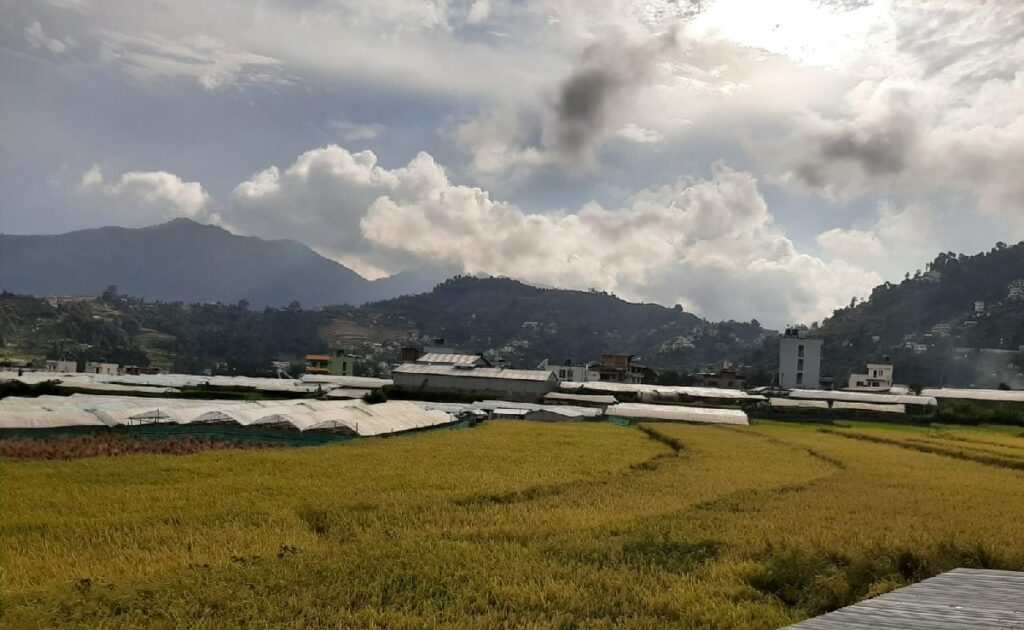
Photo shows fields with the hills of Kathmandu in the background, capturing a calm January scene in Nepal

January mornings and evenings in Nepal are cool, especially in the highlands. Days are usually clear and sunny.

  • Kathmandu Valley: Daytime temperatures range from 8°C to 15°C, while nights can drop to 2°C.
  • Pokhara: Temperatures range from 8°C to 17°C.
  • High-altitude areas (Langtang, Ghorepani): Temperatures can drop below zero, with occasional snowfall.

Despite the cold, the crisp air and clear skies offer incredible Himalayan views. Travelers should prepare for fluctuating conditions, especially if trekking or climbing at high altitudes.

Travel Conditions

Travel in January is generally smooth, but mountain passes may close temporarily due to snow. Roads connecting Kathmandu, Pokhara, and Chitwan remain open, though morning fog can delay flights in the Terai plains.

Domestic flights to mountain regions, like Kathmandu to Lukla, may sometimes be canceled. Tourist services operate normally, and fewer visitors often mean lower prices.

If you plan to trek, hire experienced guides and porters. Following a well-planned itinerary ensures a safe and enjoyable winter experience.
Best Places to Visit in January

Kathmandu Valley – Cultural Sightseeing

Nepal in January
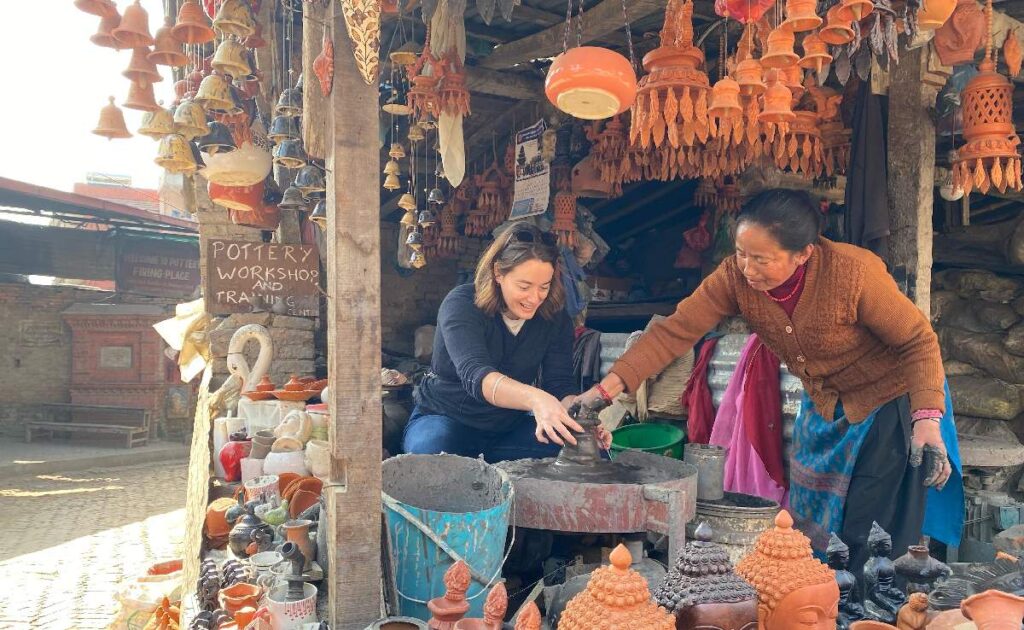
A traveler learning pottery in Nepal, a hands-on cultural experience to enjoy during a January visit

The cool weather makes sightseeing comfortable. Visit UNESCO World Heritage Sites such as Durbar Squares, Pashupatinath Temple, Boudhanath Stupa, Swayambhunath Stupa, and Changunarayan. You can also hike to hill stations surrounding the valley for beautiful views.
Pokhara – Mild Climate & Mountain Views

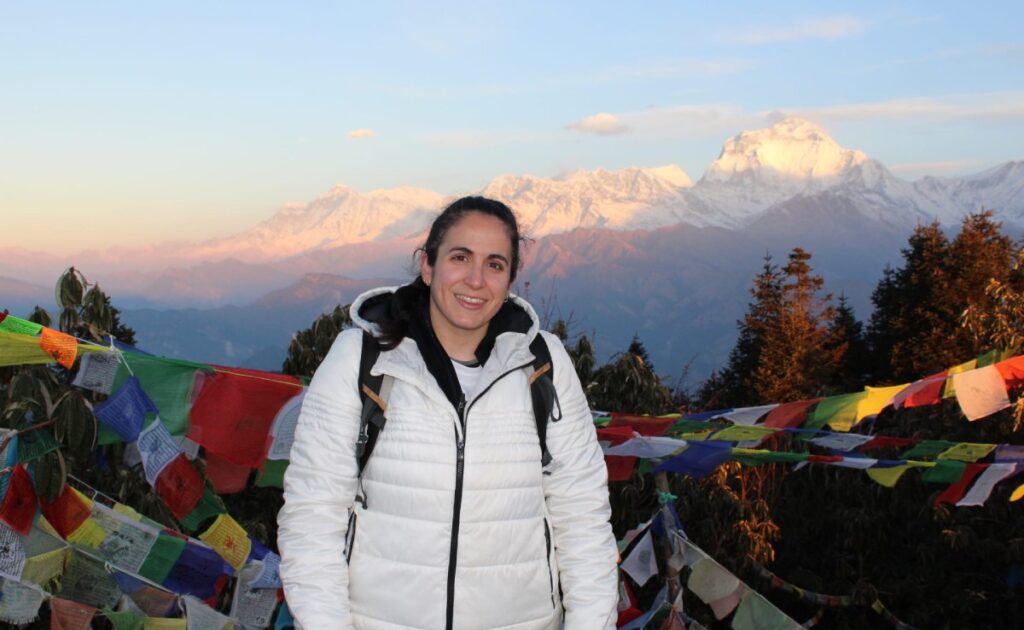
Sunrise from Poon Hill, a popular spot for magnificent sunrise views

Pokhara offers mild temperatures and stunning views of Machhapuchhre and Mt. Annapurna. Activities in January include:

  • Hiking to Sarangkot for sunrise
  • Visiting caves and waterfalls
  • Boating in Phewa Lake
  • Enjoying local nightlife

Chitwan National Park – Wildlife Safari

10 Day Nepal Itinerary
Chitwan Jungle Safari in the month of January

Chitwan provides a warmer climate for a jungle adventure. Activities include:

  • Elephant Safari and Bathing
  • Canoe Ride
  • Jungle Walk

Short Winter Treks

High-altitude treks are challenging in January. However, short treks like Ghorepani Poon Hill and Langtang Valley are accessible. These routes offer incredible Himalayan views and snow-dusted landscapes with lower weather risks.

Festivals and Cultural Highlights

Maghe Sankranti is a major January festival. It marks the start of longer days. Families celebrate with traditional foods like til laddoo, yam, chakku (molasses), sweet potatoes, and ghee for energy and warmth.

Worshippers may bathe in holy rivers such as Bagmati or Narayani. Tamang and Gurung communities also celebrate local New Year traditions. These festivals give visitors a deeper understanding of Nepal’s culture.

What to Pack

Prepare for cold temperatures, especially when trekking. Recommended items include:

  • Thermal innerwear, down coats, fleece jackets
  • Durable trekking shoes, gloves, hats, scarves
  • Casual warm clothes for Kathmandu and Pokhara
  • Lighter wear for Chitwan’s mild climate

Trekkers should also bring a high-quality sleeping bag, sunglasses, sunscreen, lip balm, medicines, reusable bottles, and power banks.

Final Words

January offers a peaceful and authentic Nepal experience. Visitors can enjoy:

  • Winter mountain views
  • Restful stays in Pokhara
  • Wildlife encounters in Chitwan
  • Cultural immersion through festivals like Maghe Sankranti

With proper preparation, January is a perfect time for travel, adventure, and exploring Nepal’s natural and cultural beauty. Fewer crowds and lower prices make it even more appealing.

Annapurna Region: Poon Hill Sunrise and Himalayan Views

In the Annapurna region, one of Nepal’s most popular experiences does not come from climbing a peak, but from a quiet hilltop at dawn. The Poon Hill Trek leads you above the Magar village of Ghorepani to a must-see sunrise viewpoint. As a result, it attracts thousands of trekkers every year.

However, behind the crowds and camera flashes lies a story of how a simple local trail grew into a world-famous trekking highlight.

From Local Footpath to Global Icon

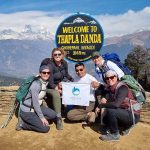
4 Clients with 1 Guide in Thapla Danda

Originally, local Magar communities used the trail for practical purposes. Villagers from Ghorepani and nearby areas climbed the ridge to collect firewood, graze livestock, or check the weather for planting and harvesting.

Later, the hill was named after the Poon Magar ethnic group, one of the oldest indigenous communities in the region.

In the 1970s and 1980s, international trekking started gaining popularity in Annapurna. Some trekkers were guided by locals to the top of the ridge just in time for sunrise. This experience, in turn, left a lasting impression and spread by word of mouth.

The Panoramic View

At 3,210 meters above sea level, Poon Hill offers a full 360° view of the Annapurna and Dhaulagiri ranges. When the sun rises, snowy peaks such as Annapurna South (7,219m), Machhapuchhre (6,993m), Hiunchuli, and Dhaulagiri I (8,167m) glow in gold, orange, and pink.

Meanwhile, trekkers watch the play of light, shadow, and silence, which no photo can fully capture. Over time, this sunrise became a signature attraction for those seeking a short but powerful Himalayan adventure.

Ghorepani Village: The Gateway to Sunrise

Ghorepani, a charming Magar village nestled in rhododendron forests, serves as the gateway to Poon Hill. Once, it was a stop for traders and mule caravans. By the early 1990s, it had grown into a lively lodge village.

Typically, trekkers spend the night in Ghorepani and begin the pre-dawn hike to Poon Hill, which takes 45 minutes to an hour. During the hike, headlamps twinkle along the stone-paved trail, marking the path for those climbing the ridge.

In addition, local families and lodges actively maintain the trail, protect the forests, and welcome thousands of trekkers with warmth and hospitality.

Why Poon Hill is Ideal

  • Short and Scenic: The trek can be completed in 4–6 days round-trip from Pokhara.
  • Culturally Rich: Walk through Magar and Gurung villages and stay in family-run lodges.
  • Low Altitude Risk: At 3,210m, altitude sickness is unlikely.
  • Perfect for Beginners: No technical skills are needed.
  • Flexible Connections: Easily combine with longer treks such as [ABC Trek link]

Therefore, whether it is your first Himalayan trek or a detour from a longer journey, Poon Hill delivers great reward for modest effort.

How Poon Hill Became a Must-Do

Unlike many trekking destinations promoted by tour operators, Poon Hill’s fame grew naturally. Initially, local guides suggested the sunrise experience to visiting trekkers. As a result, it eventually became known as the “Poon Hill Sunrise Trek.”

Later, tour agencies worldwide began offering it as the perfect introduction to Nepal. Consequently, a simple village path became a global trekking icon.

Ensuring Sustainability

With growing popularity comes responsibility. Therefore, sustainable trekking practices are essential. Key measures include:

  • Maintaining trails and controlling erosion
  • Reducing waste and limiting plastics
  • Supporting local lodges and guides
  • Promoting cultural respect and awareness

In addition, organizations like ACAP, local cooperatives, and eco-conscious tour operators like us Himalayan Circuit work to preserve the Poon Hill trek route. In 2024, the Annapurna Conservation Area welcomed 244,045 foreign trekkers, highlighting the importance of responsible trekking.

Nepal Opens 97 Peaks for Free Climbing Beyond Everest

Nepal, the land of majestic mountains and unparalleled adventure, is making headlines again. The government has opened 97 previously restricted peaks for free climbing to promote tourism in its remote western regions. This bold move aims to diversify mountaineering tourism, reduce congestion on Mount Everest, and create income opportunities for local communities.

(CNNNews18BBC)

Why Nepal is Opening New Peaks

For decades, Mount Everest has dominated the mountaineering scene in Nepal, attracting thousands of climbers annually. However, overcrowding, rising costs, and environmental concerns have prompted authorities to shift attention to lesser-known regions.

Benefits of the initiative include:

  • Affordable Adventure: Permit fees for 97 peaks are waived for the next two years, making Himalayan mountaineering accessible to more adventurers.
  • Economic Upliftment: Tourism in Karnali and Sudurpashchim provinces, which have limited infrastructure, will generate jobs and income for local communities.
  • Decongesting Everest: Encouraging climbers to explore alternative peaks will reduce pressure on Everest’s heavily trafficked routes.

Himal Gautam, Director at the Department of Tourism, said:
“The aim is to bring more visitors to remote regions, create jobs, and generate income for local communities. This initiative will also help promote Nepal’s unexplored mountain destinations.”

Details of the Newly Accessible Peaks

  • Number of Peaks: 97 (77 in Karnali, 20 in Sudurpashchim)
  • Altitude Range: 5,870 meters (19,258 ft) – 7,132 meters (23,399 ft)
  • Notable Peaks: Saipal (7,030 m), Api (7,132 m), Api West (7,076 m)

Many of these peaks remain “virgin,” awaiting their first climbers, offering a unique opportunity to explore untouched Himalayan landscapes.

New Rules for Mount Everest Climbers

Alongside opening new peaks, Nepal is introducing stricter regulations for Everest aspirants:

  • Climbers must first scale at least one 7,000-meter peak within Nepal.
  • Everest permit fees will increase from USD 11,000 to USD 15,000 per person, effective September 1, 2025.
  • These measures aim to ensure climbers are experienced and to maintain safety and environmental standards.

(Outside OnlineTravel and Tour World)

Challenges and Considerations

While this initiative is a game-changer, climbers should be aware of the following:

  • Remote Access: Sudurpashchim is 535 km from Kathmandu, Karnali 400 km; both require flights and challenging road travel.
  • Limited Amenities: Basic accommodation and services; climbers must prepare adequately.
  • Environmental Responsibility: Increased tourism may impact fragile ecosystems. Authorities are implementing safety and sustainability guidelines.

Why You Should Consider These Peaks

  • Discover untouched regions of Nepal away from the Everest crowd.
  • Experience authentic Himalayan adventure with fewer climbers on the trails.
  • Contribute to local communities and sustainable tourism.

Whether you are a seasoned climber or an aspiring adventurer, these newly opened peaks provide an affordable, challenging, and rewarding experience in the Himalayas.

Plan Your Adventure with Himalayan Circuit

Himalayan Circuit can help craft custom itineraries, obtain permits, and arrange local guides for these new peaks. Explore Nepal beyond Everest and experience the hidden gems of the western Himalayas.

Email: connect@himalayancircuit.com
WhatsApp / Cell: +977 9851121494

References:

  1. CNN Travel: Nepal opens 97 mountains for free climbing
  2. News18: Nepal opens untouched peaks for tourists
  3. BBC: Nepal opens 97 peaks for free climbing
  4. Travel + Leisure Asia: Nepal opens 97 remote peaks
  5. Outside Online: Everest & 97 Peaks
  6. Travel and Tour World: Free access to 97 peaks

Langtang Region: Altitude Guide & Acclimatization Tips

The Langtang trek in Nepal is a journey through changing landscapes — from lush forests and riverside trails to high alpine valleys surrounded by snowcapped peaks. Starting at just 1,460 meters in Syabrubesi, the trail climbs steadily to Kyanjin Gompa at 3,870 meters, offering dramatic elevation changes that define the Langtang trek altitude experience.

This rapid vertical gain — over 2,400 meters in just a few days — makes the trek both thrilling and physically demanding. The thinner air affects your body before you realize it, which is why understanding the altitude profile and preparing properly is essential for a safe, rewarding experience.

In this blog, we’ll explore how altitude impacts your trek day by day and share practical tips for acclimatization, gear, and pacing — so you can stay healthy and make the most of your Langtang adventure.

Langtang Trek Overview: Route, Distance & Highlights

Langtang Valley Elevation

The Langtang trek lies just north of Kathmandu and is one of Nepal’s most accessible yet rewarding treks. This 7 to 10-day journey covers roughly 60 to 75 kilometers and blends natural beauty, cultural encounters, and scenic mountain views into one unforgettable trail.

The trek starts from Syabrubesi (1,460 m), where you enter lush sub-tropical forests filled with bamboo, rhododendron, and river crossings. From here, the route gently ascends through villages like Lama Hotel (2,470 m) and Langtang Village (3,430 m) before reaching the spiritual and scenic hub of Kyanjin Gompa (3,870 m), nestled beneath Langtang Lirung (7,227 m).

As you ascend, the landscape shifts dramatically — dense forests give way to alpine woodlands, open meadows, and finally, a wide glacial valley. The mountains grow taller, the villages feel more remote, and the air becomes thinner and cooler with each step.

Langtang Trek Altitude Profile: Day-by-Day Breakdown

Altitude plays a subtle but powerful role in shaping your trekking experience. You’ll notice your breathing, energy levels, and pace shifting as you gain elevation — especially beyond 3,000 meters.

Here’s a breakdown of the altitude gain and key elevation points on a standard 7-day Langtang trek itinerary:

Day Route Elevation (m) Altitude Gain
Day 1 Syabrubesi 1,460
Day 2 Syabrubesi to Lama Hotel 2,470 +1,010 m
Day 3 Lama Hotel to Langtang Village 3,430 +960 m
Day 4 Langtang Village to Kyanjin Gompa 3,870 +440 m
Day 5 Acclimatization at Kyanjin Gompa 3,870
Day 6 Return to Lama Hotel 2,470 -1,400 m
Day 7 Lama Hotel to Syabrubesi 1,460 -1,010 m

Tip: Altitude affects everyone differently. Prioritize slow and steady walking, especially above 3,000 meters. Taking a rest day in Kyanjin Gompa for acclimatization significantly lowers your risk of altitude sickness.

What to Pack for High Altitude Trekking

At higher altitudes, your comfort and safety rely heavily on the right gear. Weather can shift rapidly, and your body will need support to adapt to colder temperatures and thinner air.

Here are key packing essentials for the Langtang trek:

  • Layered Clothing:

  • Base Layer: Moisture-wicking thermal tops and bottoms.
  • Mid Layer: Insulating fleece or down jacket.
  • Outer Layer: Waterproof and windproof shell jacket.
  • Trekking Shoes:
    Well-broken-in boots with good grip for rocky terrain.

  • Accessories:
    Hat, gloves, neck buff, sunglasses, sunscreen (high SPF), lip balm with UV protection.

  • Trekking Poles:
    Helps reduce strain on knees and improves balance on descents.

  • Water Purification:
    Bring a filter or purification tablets — safe water is critical at high altitude.

  • Energy Snacks:
    Carry nuts, energy bars, and dry fruits to refuel during long hiking days.

  • Medications:
    Include altitude sickness medication as advised by your doctor, along with personal prescriptions.

Tips for Acclimatization & Staying Healthy

  1. Follow the “climb high, sleep low” rule — especially around Kyanjin Gompa where you can do a short hike to a nearby ridge or Kyanjin Ri and descend back to sleep.
  2. Stay hydrated: Drink at least 3–4 liters per day, especially in dry mountain air.
  3. Eat well: Even if your appetite decreases, try to eat warm, carbohydrate-rich meals.
  4. Avoid alcohol: It worsens dehydration and altitude symptoms.
  5. Go slow: Listen to your body, rest when needed, and don’t rush the trek.

Let the Trek Teach You

The Langtang trek is more than just a physical journey — it’s a lesson in patience, presence, and inner clarity. With every step, you adjust to the terrain, the climate, and your own rhythm. There’s no need to rush. The mountains are not going anywhere.

Whether you’re walking through rhododendron forests or standing beneath the towering peaks of Langtang Lirung, remember — it’s not about how fast you get there, but how deeply you connect with the journey.

So take it slow. Stay aware. Let the trek unfold one step at a time.

Annapurna Region: How Altitude Gain Shapes ABC Trek

Two Trekkers holding himalayan circuit Banner in Annapurna Base Camp

Trekking to Annapurna Base Camp is more than just a mountain adventure — it’s a journey into the soul of Nepal. As you walk deeper into this natural masterpiece, glaciers begin to shine, rivers roar beside you, and the warmth of ancient villages keeps your spirit grounded. The gradual ABC trek altitude gain adds a quiet rhythm to the journey, shaping how you move, breathe, and experience the Himalayas.

The Annapurna Base Camp trek (ABC trek) showcases Nepal’s remarkable Himalayan landscape and rich cultural heritage. The route gains altitude gradually — from around 1,000 meters at the starting point to 4,130 meters at base camp — making the elevation itself a key part of the story. This slow but steady climb offers not only changing landscapes but also the chance to connect more deeply with nature and your own resilience.

ABC trek altitude gain view from Poon Hill
One of the most rewarding altitude milestones: the golden views from Poon Hill.

Overview of the Annapurna Base Camp Trek

The ABC trek leads you to the base of Mount Annapurna, within the Annapurna Conservation Area in Gandaki Province. Depending on your chosen route and pace, you can complete the trek in 7 to 12 days.

The journey begins at Nayapul and winds through Gurung and Magar villages, offering a beautiful cultural experience along with the scenery. Highlights include the panoramic sunrise from Poon Hill, the sacred Machhapuchhre Base Camp, and the rejuvenating hot springs at Jhinu Danda.

Spring (March–May) and autumn (September–November) are the best times to trek — offering clear skies, pleasant temperatures, and vibrant rhododendron blooms or post-monsoon freshness.

Altitude Gain Throughout the Trek

The most fascinating part of the trek is the ABC trek altitude gain — how the elevation changes step by step, shaping both the physical experience and the surrounding environment.

Here’s a general breakdown of altitude progression:

Location Altitude (m) Approx. Gain
Nayapul ~1,010 Starting Point
Ulleri 2,070 +1,060 m
Ghorepani 2,840 +770 m
Poon Hill 3,210 +370 m (optional hike)
Tadapani 2,610 Descent
Chhomrong 2,170 Further descent
Sinuwa 2,360 +190 m
Deurali 3,230 +870 m
Annapurna Base Camp 4,130 +900 m

As you rise higher, your breath shortens, the air gets cooler, and the forested trails give way to alpine landscapes and the dramatic amphitheater of the Annapurna Sanctuary. Each elevation point carries its own sense of achievement.

Acclimatization and Health Tips

If there’s one golden rule for the ABC trek, it’s this: don’t rush.
Your body needs time to adjust to the changing altitude, and pushing too hard can risk altitude sickness — even below 4,000 meters.

Tips to stay safe and healthy:

  • Walk slow and steady, especially above 2,500 meters.
  • Stay hydrated — drink water frequently, even if you’re not thirsty.
  • Eat warm, digestible meals and avoid alcohol or heavy fried foods.
  • Rest when needed, and listen to your body.
  • Carry a basic first aid kit with essentials like Diamox, antiseptic cream, and band-aids.
  • If symptoms like headache, nausea, or dizziness appear — descend and inform your guide.

Altitude should never be taken lightly, but with awareness and care, it becomes part of the beauty of the trek.

Packing Tips for High-Altitude Trekking

When packing for the ABC trek, aim for function over excess. Every item should serve a purpose — because each gram adds up, especially when the air gets thinner.

Must-pack essentials:

  • Layered clothing (base layers, insulation, waterproofs)
  • Quality trekking boots and socks
  • Trekking poles (especially helpful for steep descents)
  • Warm jacket, gloves, and hat
  • Reusable water bottle or hydration bladder
  • Headlamp and power bank
  • First aid kit and personal meds

A manageable backpack lightens the strain on your body and lets you focus more on the scenery — not your shoulders.

The gradual altitude gain of the Annapurna Base Camp trek might seem like just numbers on a map — but in truth, it’s what gives the journey its rhythm. It’s a quiet force that shapes every part of your experience: the views, the pace, your breath, and even your thoughts.

The ABC trek is not just about reaching 4,130 meters. It’s about how you get there — with patience, presence, and deep respect for the mountains.

Let the altitude teach you humility. Let the landscapes remind you to pause. And let each step pull you closer to something more meaningful than just a destination.