Buddhist Tradition: Festivals, Culture & Spirituality in Nepal

Buddhist Festival in Nepal

Nepal has a special place in Buddhist history and culture. Lumbini, in present-day Nepal, is traditionally recognized as the birthplace of Siddhartha Gautama, the Buddha. Buddhist festivals in Nepal bring this heritage to life through prayers, ceremonies, processions, music, and traditional celebrations.

Throughout the year, monasteries, stupas, and sacred sites across the country welcome devotees and visitors. These celebrations offer travelers a chance to experience Nepal’s Buddhist heritage and learn about local traditions. They also reflect important Buddhist values such as compassion, wisdom, peace, generosity, and harmony.

Significance of Buddhist Festivals in Nepal

Buddhist festivals play an important role in the religious and cultural life of Nepal. They help communities preserve traditions and pass them from one generation to the next. At the same time, they give devotees opportunities to practice generosity, kindness, meditation, and mindfulness.

Many celebrations include visits to monasteries and stupas. Devotees may light butter lamps, offer flowers, pray, chant sacred texts, and take part in religious processions. These activities also bring families and communities together.

Furthermore, Buddhist festivals contribute to Nepal’s cultural tourism. Visitors can experience religious ceremonies while learning about the country’s diverse Buddhist traditions. For travelers interested in history, culture, and spirituality, these celebrations offer a different way to discover Nepal.

Major Buddhist Festivals Celebrated in Nepal

Nepal celebrates many Buddhist festivals throughout the year. Some have national importance, while others remain closely connected to particular ethnic groups and communities.

Here are some of the most significant celebrations travelers can experience.

Buddha Jayanti: Celebrating the Life of the Buddha

Buddha Jayanti is one of the most important Buddhist festivals in Nepal. The festival commemorates three major events in the life of Siddhartha Gautama: his birth, enlightenment, and Mahaparinirvana.

Buddha Jayanti falls on the full moon of the month of Baisakh. Devotees gather at Buddhist temples, monasteries, and stupas to offer prayers and take part in religious activities.

Lumbini hosts some of the largest celebrations because of its connection to the Buddha’s birth. Monasteries and temples organize prayer ceremonies, meditation sessions, teachings, and processions. Devotees also offer flowers, butter lamps, candles, and other offerings.

Kathmandu also becomes lively during Buddha Jayanti. Large gatherings take place around Boudhanath Stupa and Swayambhunath. Thousands of devotees visit these sacred sites to pray and pay their respects.

For visitors, Buddha Jayanti offers a unique opportunity to witness Buddhist traditions in Nepal. The atmosphere combines devotion, community, and peaceful celebration.

Lhosar Festivals: Celebrating the Himalayan New Year

Lhosar refers to New Year celebrations observed by several Himalayan communities in Nepal. Different communities celebrate different forms of Lhosar, and each has its own traditions and calendar.

Sonam Lhosar

The Tamang community celebrates Sonam Lhosar as an important New Year festival. Families and communities come together for traditional food, music, dance, religious ceremonies, and social gatherings.

Tamang communities often decorate their surroundings and wear traditional clothing during the celebrations. The festival provides an opportunity for younger generations to connect with their cultural heritage.

Gyalpo Lhosar

Tibetan and Sherpa communities celebrate Gyalpo Lhosar according to the Tibetan calendar. Monasteries hold prayers and religious ceremonies to welcome the New Year.

During the festival, people may light butter lamps, make offerings, raise prayer flags, and gather for cultural performances. Families also come together to share food and exchange good wishes.

Tamu Lhosar

The Gurung community celebrates Tamu Lhosar as its New Year festival. Traditional music, dance, food, and community gatherings form an important part of the celebration.

The festival allows Gurung communities to celebrate their heritage and strengthen connections between families and generations.

Gunla Festival: A Sacred Newar Buddhist Tradition

Gunla is an important festival in Newar Buddhism, particularly in the Kathmandu Valley. The festival follows the Nepal Sambat lunar calendar and centers on religious devotion, discipline, and spiritual practice.

During Gunla, devotees visit Buddhist temples, monasteries, and sacred sites, often beginning their religious activities early in the morning. Boudhanath and Swayambhunath become important gathering places during the festival.

One of the most recognizable features of Gunla is Gunla Baja, a traditional musical tradition performed during religious processions. The sound of devotional music fills the streets as groups visit sacred sites.

For travelers interested in Newar Buddhist culture, Gunla offers a fascinating glimpse into the living religious traditions of the Kathmandu Valley.

Samyak Festival: A Celebration of Generosity

Samyak is one of the important festivals of Newar Buddhism. The celebration has a strong connection with generosity, compassion, and community.

The festival is particularly associated with Patan. One of its most notable features is the public display of numerous images of Dipankara Buddha brought from different temples.

Devotees gather to offer food, donations, and prayers. Acts of generosity form a central part of the celebration. The festival also brings different communities together and strengthens social connections.

For visitors interested in Newar Buddhist heritage, Samyak provides an opportunity to learn about religious traditions that have developed in the Kathmandu Valley over centuries.

Mani Rimdu Festival: Buddhist Tradition in the Everest Region

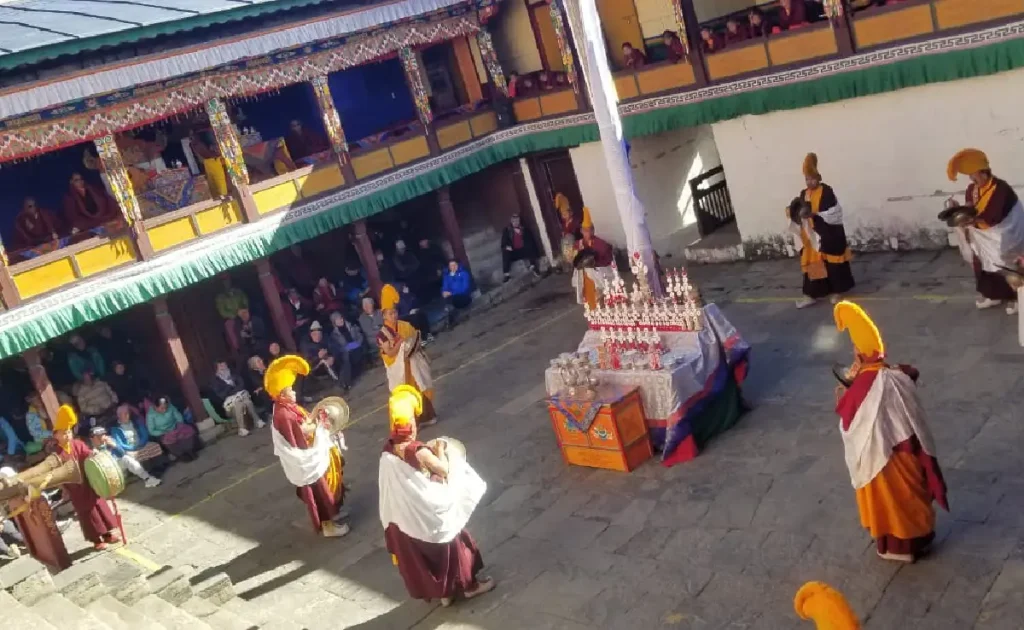
Mani Rimdu is one of the best-known Buddhist festivals in Nepal’s Himalayan region. The Sherpa community celebrates the festival, particularly at Tengboche Monastery in the Everest region.

Monks perform elaborate religious rituals, prayers, and sacred mask dances during the celebration. The dances represent important Buddhist teachings and stories.

The festival also includes blessings and ceremonies that bring monks and local communities together. Its traditions reflect the strong connection between Sherpa culture and Tibetan Buddhism.

For trekkers in the Everest region, Mani Rimdu can provide a rare opportunity to experience Himalayan Buddhist culture beyond the mountain landscape itself. However, travelers should remember that the festival remains a religious event first and a tourist experience second.

Travel Tips for Experiencing Buddhist Festivals

Visitors can enjoy Buddhist festivals in Nepal while respecting the communities and traditions around them. A few simple practices can make the experience more meaningful.

  • Check the festival dates in advance. Many Buddhist festivals follow lunar calendars, so their dates change each year. Confirm the dates before planning your trip.
  • Dress respectfully. Wear modest clothing when visiting monasteries, temples, and other religious sites.
  • Arrive early. Popular celebrations can attract large crowds. Arriving early can help you find a suitable place to observe the ceremonies.
  • Ask before taking photographs. Photography may be welcome in many places, but visitors should ask permission before photographing monks, worshippers, or private religious activities.
  • Follow local instructions. Some ceremonies have specific customs for visitors. Watch how local devotees behave and follow the guidance of monks or organizers.
  • Be respectful during ceremonies. Avoid interrupting prayers, processions, or religious rituals for photographs or personal reasons.

By following these simple practices, travelers can experience Nepal’s Buddhist festivals with greater understanding and respect.

Why Experience Buddhist Festivals in Nepal?

Buddhist festivals offer more than colorful celebrations. They provide a window into the beliefs, traditions, and daily lives of Nepal’s Buddhist communities.

Each festival also has its own character. Buddha Jayanti connects visitors with the life and teachings of the Buddha. Lhosar highlights the cultural traditions of Himalayan communities. Gunla and Samyak reveal the richness of Newar Buddhism. Mani Rimdu offers insight into the spiritual traditions of the people in Everest region .

Together, these celebrations show the diversity of Buddhist traditions found across Nepal.

For travelers, attending a festival can also create a deeper connection with the places they visit. Instead of simply seeing a monastery or stupa, visitors can witness how local communities use these sacred spaces as part of their living religious traditions.

Buddhist festivals in Nepal bring together faith, culture, community, and centuries-old traditions. From the sacred sites of Lumbini and Kathmandu to the high Himalayan villages of the Everest region, each celebration offers a different perspective on Buddhist life in Nepal.

These festivals also reflect values that remain central to Buddhist traditions, including compassion, generosity, wisdom, peace, and harmony.

For travelers who want to understand Nepal beyond its mountains and landscapes, experiencing a Buddhist festival can be a memorable part of the journey. With respect and an open mind, visitors can learn about the country’s diverse Buddhist heritage while witnessing traditions that continue to connect communities across generations.

Buddhist Traditions: The Meaning and Significance of Prayer Flags

Prayer flags in Buddhism are one of the most recognizable symbols of Himalayan spiritual culture. In Nepal, you can see these colorful flags around ancient stupas, Buddhist monasteries, mountain villages, and high Himalayan trekking routes.

For many travelers, prayer flags are more than colorful decorations. They represent faith, hope, compassion, and the connection between nature and spirituality. Today, they have become an important part of Nepal’s cultural identity and a memorable sight for visitors exploring the country.

What Are Prayer Flags?

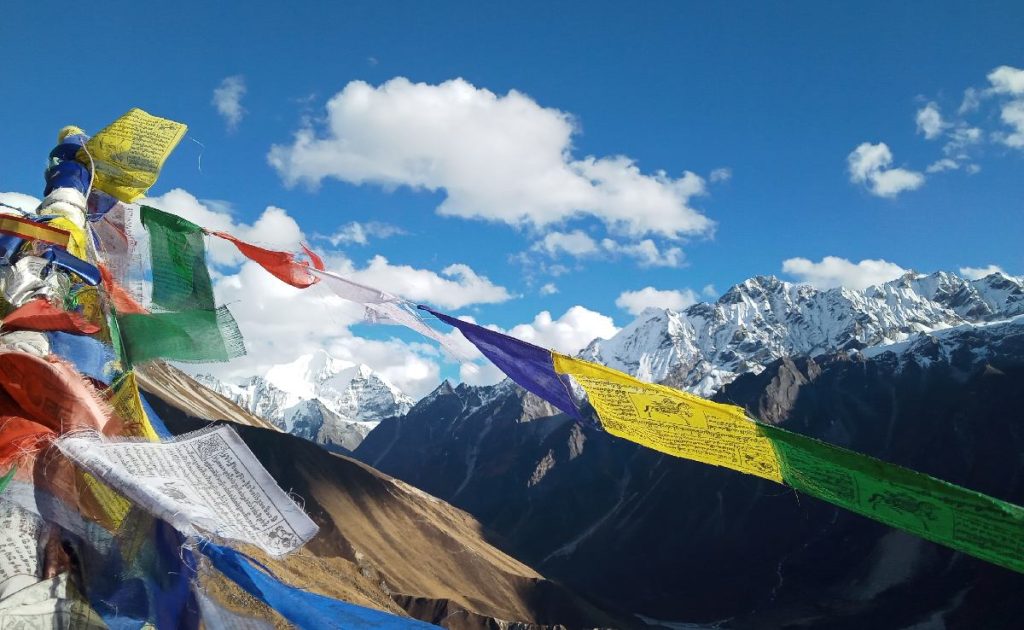
Buddhist prayer flags are colorful pieces of cloth printed with sacred symbols, prayers, and mantras. In Tibetan Buddhist traditions, people commonly refer to them as Lungta, meaning “Wind Horse.” Many practitioners believe that the wind carries the blessings and positive intentions written on the flags into the surrounding world.

People traditionally display prayer flags in two main ways. Horizontal prayer flags hang in rows between trees, buildings, mountain passes, and other high places. Vertical prayer flags hang from poles and often appear near monasteries, temples, and open spaces.

The flags often feature Buddhist symbols, images, and mantras. One of the best-known is Om Mani Padme Hum,” a mantra closely associated with compassion.

The five colors of prayer flags also hold important traditional meanings. They connect the flags with elements of nature and different spiritual qualities:

  • Blue represents the sky and space.
  • White represents air and wind.
  • Red represents fire.
  • Green represents water.
  • Yellow represents earth.

Together, these colors reflect balance, harmony, and the connection between people and the natural world.

Historical Origin of Prayer Flags

Prayer flags have a long history within the Himalayan region. Their development connects with older Himalayan traditions as well as the growth of Tibetan Buddhism. Over time, Buddhist communities incorporated prayer flags into religious practices and gave them the spiritual meaning they hold today.

Buddhist traditions spread across the Himalayan region through centuries of cultural exchange. In Nepal, prayer flags became closely connected with Buddhist communities, monasteries, stupas, and sacred mountain landscapes.

Today, you can find them throughout Nepal, particularly in areas with strong Tibetan Buddhist and Himalayan Buddhist traditions. They appear around monasteries and stupas, along trekking trails, and at mountain passes.

In many Himalayan communities, people display prayer flags as an act of devotion and goodwill. Families may put up new flags during religious festivals, ceremonies, or important moments in life. Through this tradition, they express prayers and positive wishes for themselves, their families, and others.

Spiritual Significance of Prayer Flags in Buddhism

The spiritual meaning of prayer flags lies at the heart of their importance in Tibetan Buddhist traditions. People use them to express wishes for peace, compassion, wisdom, and the well-being of all living beings.

Many practitioners believe that the wind carries the prayers and mantras printed on the flags. As the flags move, the prayers symbolically spread into the surrounding environment.

The gradual fading of the flags also carries meaning. Rather than viewing old and faded flags as something negative, Buddhist traditions can connect this natural process with impermanence, an important Buddhist principle. Wind, sunlight, and rain slowly wear down the fabric, reminding people that everything in life changes.

The constant movement of the flags can also serve as a reminder of the changing nature of life. Their presence encourages reflection on compassion, mindfulness, and the connection between people and their surroundings.

For visitors, thousands of prayer flags moving against a Himalayan landscape can create a peaceful and emotional experience. However, their significance goes much deeper than their visual beauty.

Prayer Flags in Nepal as a Cultural Attraction

Prayer flags are among the most recognizable visual symbols of Himalayan Buddhist culture. Their bright colors create a striking contrast with ancient temples, monasteries, villages, and snow-covered mountains.

Travelers can see prayer flags in many parts of Nepal. In the Kathmandu Valley, Boudhanath Stupa and Swayambhunath offer some of the most famous places to experience Buddhist culture and see prayer flags. Pilgrims, monks, local residents, and travelers visit these sacred sites throughout the year.

Prayer flags also appear along some of Nepal’s most popular trekking routes. Travelers heading toward Everest Base Camp encounter them around mountain villages, monasteries, bridges, and high-altitude landscapes. The Everest region, including places such as Namche Bazaar, offers many opportunities to see prayer flags against dramatic Himalayan scenery.

Similarly, trekkers on the Annapurna Circuit can encounter prayer flags around villages, monasteries, bridges, and mountain passes. Their presence adds a distinctive cultural character to the Himalayan landscape.

For many travelers, seeing prayer flags fluttering in the mountain wind becomes one of the memorable moments of a Nepal trip. Some visitors also purchase small prayer flags as souvenirs. However, it is important to understand their religious significance rather than treating them only as decorative objects.

Respecting Prayer Flags and Local Traditions

Although prayer flags have become popular with travelers, they remain sacred religious objects for many Buddhist communities. Visitors should therefore treat them with care and respect.

People traditionally place prayer flags in high locations so the wind can carry the prayers and positive intentions. Do not step on prayer flags or place them directly on the ground. If a flag has fallen onto a path, avoid walking over it.

Travelers should also show respect when taking photographs around monasteries, stupas, and other religious sites. Some locations may have specific customs or restrictions, so it is always better to observe local practices.

Learning about the meaning behind prayer flags can make a visit to Nepal more meaningful. Instead of seeing them simply as colorful decorations, travelers can appreciate them as part of a living cultural and spiritual tradition.

Why Are Prayer Flags Important in Nepal?

Prayer flags connect Nepal’s natural landscapes with its rich spiritual traditions. You can find them in busy areas of Kathmandu as well as in remote Himalayan villages. Their presence across such different environments shows how deeply Buddhist traditions have become part of the cultural landscape of Nepal.

For travelers, they also provide a glimpse into the beliefs and traditions of the communities they encounter during their journey. A line of flags above a mountain trail or beside a centuries-old stupa can tell a story about faith, nature, and the passage of time.

Prayer flags are much more than colorful pieces of cloth. They express prayers, compassion, hope, and positive intentions while reflecting important ideas within Tibetan Buddhist traditions.

From the ancient stupas of Kathmandu to the high mountain trails of the Himalayas, prayer flags have become an unforgettable part of the Nepalese landscape. Their movement in the wind reminds us of change, connection, and the relationship between people and nature.

For anyone exploring Nepal, taking a moment to understand the meaning behind these flags can add a deeper cultural dimension to the journey. Their colors may catch your eye first, but their spiritual and cultural significance is what makes them truly special.

Nepal Diaries: Vacations in Nepal That Create Memories for a Lifetime

Planning a holiday is about more than choosing a destination. It is about creating memories that stay with you long after the journey ends. If you are searching for a place that combines breathtaking landscapes, rich culture, warm hospitality, and unforgettable adventures, vacations in Nepal should be at the top of your list.

Nestled between India and China, Nepal is a land of dramatic contrasts. Towering Himalayan peaks rise above peaceful valleys, while ancient temples stand beside bustling local markets. Every region has its own traditions, festivals, cuisine, and landscapes, giving visitors countless opportunities to explore something new.

Although Nepal is famous for Mount Everest and world-class trekking, the country offers much more than mountain adventures. You can spend your mornings hiking through picturesque villages, your afternoons sharing meals with local families, and your evenings watching monks light butter lamps in centuries-old monasteries. Every experience reveals another side of Nepal and helps you connect with its people, culture, and history.

Whether you are an adventure enthusiast, a cultural explorer, or someone seeking peace and spiritual discovery, Nepal welcomes every traveller with open arms. Instead of simply visiting famous attractions, you become part of the journey. That is what makes vacations in Nepal truly unforgettable.

Trek Through the Spectacular Himalayas

For many travellers, trekking is the highlight of their trip. Nepal is home to eight of the world’s fourteen highest mountains, making it one of the greatest trekking destinations on Earth. However, the beauty of trekking in Nepal extends far beyond its snow-covered peaks.

Every trail introduces you to a different side of the country. One day you may walk through dense rhododendron forests, while the next takes you across suspension bridges hanging above rushing rivers. Along the way, you pass charming mountain villages where smiling locals greet visitors with genuine hospitality.

Unlike many hiking destinations, trekking in Nepal combines stunning landscapes with rich cultural experiences. Ancient monasteries, colourful prayer flags, traditional stone houses, and peaceful farmlands become part of the journey. Each step brings a new view and a new story.

Experience the Legendary Everest Base Camp Trek

The Everest Base Camp Trek remains one of the world’s most iconic adventures. Every year, thousands of trekkers travel to Nepal to witness the beauty of the world’s highest mountain.

The journey begins with an exciting flight to Lukla before following the famous trail through the Khumbu region. As you climb higher, dramatic mountain scenery unfolds around every corner. Snow-covered giants, deep valleys, and crystal-clear rivers create unforgettable landscapes throughout the trek.

The route also introduces travellers to the unique culture of that Place. Visitors pass colourful Buddhist monasteries, spinning prayer wheels, and traditional villages where hospitality remains a way of life. These cultural encounters make the journey just as memorable as reaching Everest Base Camp itself.

One of the most magical moments comes at sunrise. As the first rays of sunlight touch the Himalayan peaks, the mountains glow in brilliant shades of gold and orange. It is a breathtaking experience that reminds travellers why Nepal remains one of the world’s greatest adventure destinations.

Explore the Diverse Annapurna Region

The Annapurna region offers a completely different trekking experience. It is famous for its remarkable diversity, both in landscapes and local culture.

Trails pass through terraced rice fields, dense forests, alpine meadows, and high mountain passes. Every day presents a different environment, making the journey exciting from start to finish.

The Annapurna Circuit is one of Nepal’s most celebrated trekking routes. Along the way, visitors meet communities from different ethnic backgrounds, each with its own traditions, architecture, and customs. Local teahouses provide comfortable places to rest while offering delicious homemade meals and warm hospitality.

Because of its variety, the Annapurna region appeals to both experienced trekkers and first-time visitors. It offers an excellent balance of adventure, natural beauty, and cultural discovery.

Watch the Sunrise from Ghorepani Poon Hill
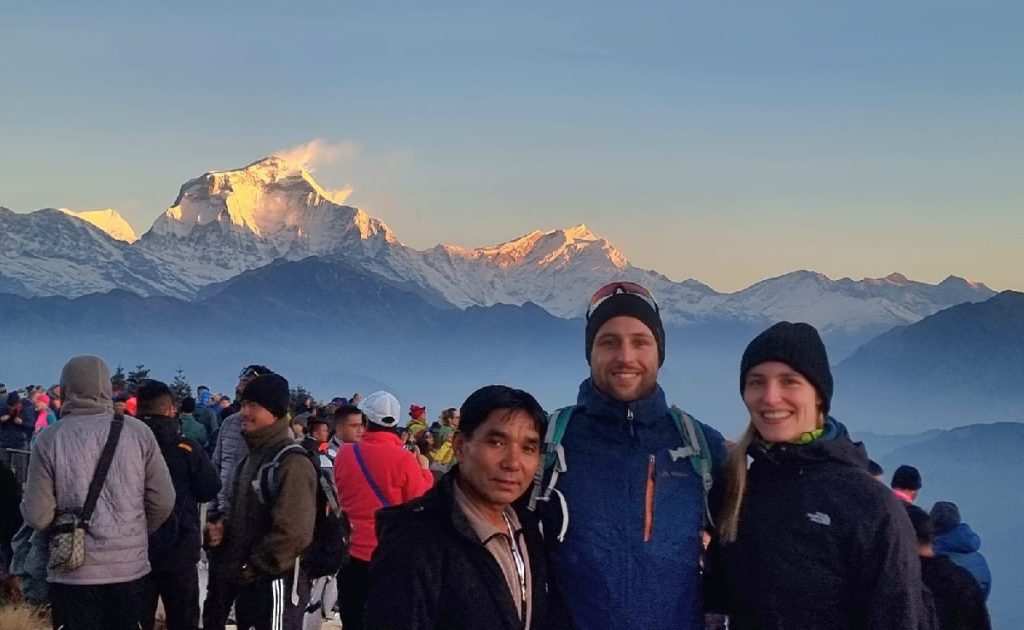
ABC trek altitude gain view from Poon Hill

Not every visitor has several weeks available for trekking. Fortunately, Nepal also offers shorter routes that deliver equally rewarding experiences.

The Ghorepani Poon Hill Trek is one of the country’s most popular short adventures. It combines comfortable walking trails with spectacular Himalayan scenery, making it suitable for travellers of different fitness levels.

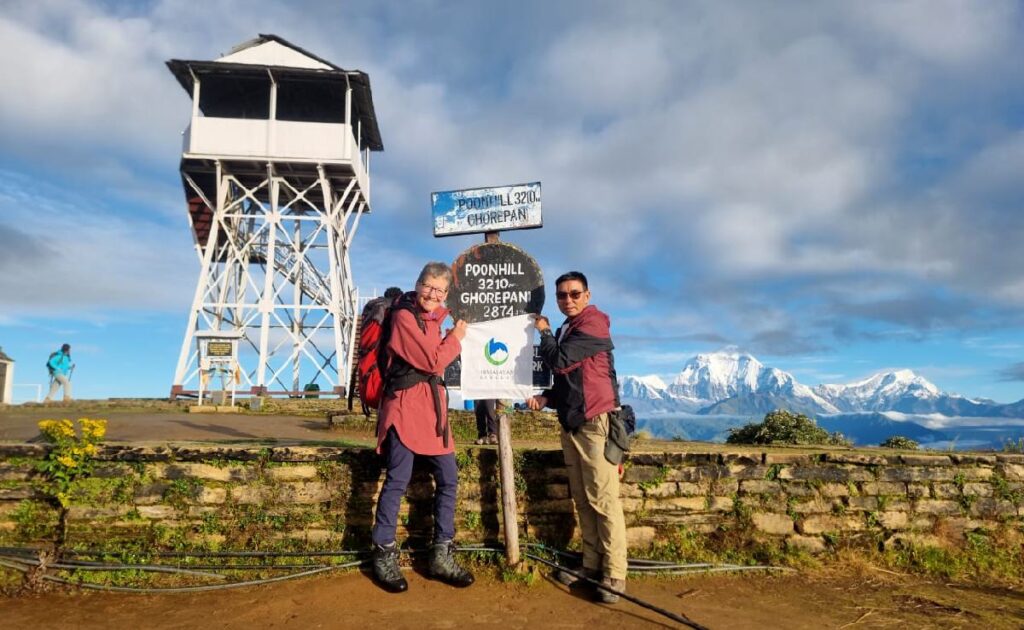
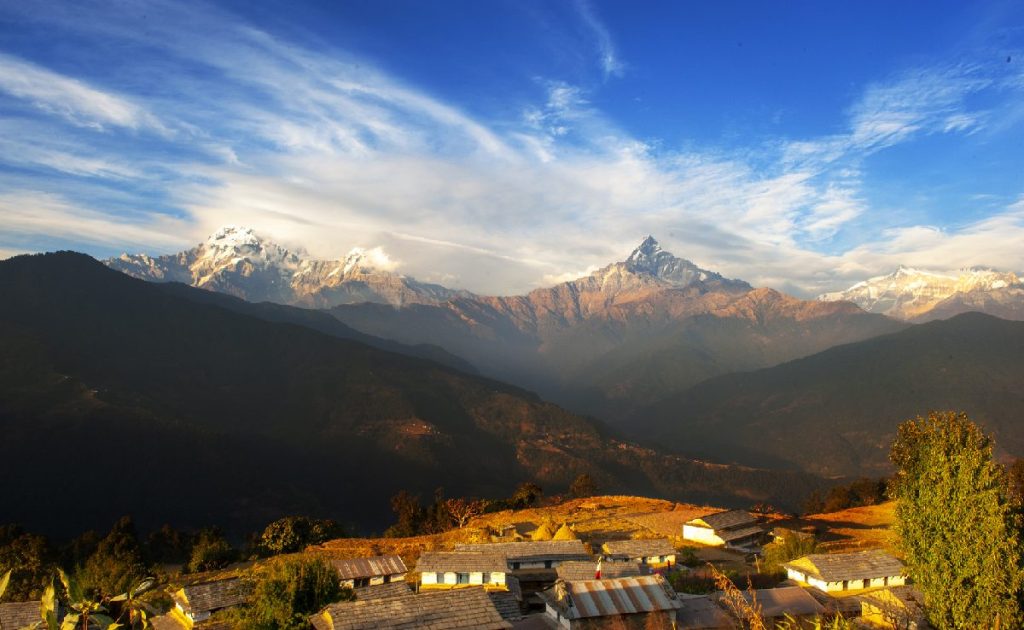
The highlight of the trek is the early morning hike to Poon Hill. Before dawn, visitors gather quietly at the viewpoint while the mountains remain hidden in darkness. As the sun slowly rises, the Annapurna and Dhaulagiri ranges light up in brilliant golden colours. Watching this transformation is one of the most unforgettable moments during vacations in Nepal.

The surrounding Gurung and Magar villages add another special dimension to the trek. Their traditional houses, welcoming communities, and local culture allow visitors to experience life in the Himalayan foothills beyond the mountain views.

Trekking Offers More Than Adventure

Although trekking is physically rewarding, its greatest value often lies in the experiences created along the way.

Walking through remote villages allows you to slow down and appreciate everyday life. Conversations with local guides, shared meals in family-run teahouses, and evenings spent beneath star-filled skies become memories that last far longer than any photograph.

Many travellers arrive hoping to conquer a famous trail. They leave with something much greater—a deeper connection with nature, greater confidence in themselves, and a genuine appreciation for Nepal’s culture and people.

For this reason, trekking remains one of the defining experiences of vacations in Nepal.

Experience Authentic Community Homestays

While Nepal’s mountains attract visitors from around the world, its villages often leave the strongest impression. Staying in a community homestay gives travellers the opportunity to experience daily life through the eyes of local families.

Unlike hotels, homestays focus on genuine human connection. Guests stay with local hosts, enjoy homemade meals, and participate in everyday village activities. Instead of simply observing local culture, visitors become part of it.

Many community homestays also play an important role in supporting sustainable tourism. Income earned from tourism helps families improve their livelihoods while preserving local traditions, crafts, and cultural heritage. This creates benefits for both visitors and host communities.

Discover the Warm Hospitality of Ghale Gaun

Ghale Gaun, located in the hills of Lamjung, is one of Nepal’s best-known community tourism destinations. Surrounded by magnificent Himalayan scenery, the village offers a peaceful escape from busy city life.

Visitors receive a warm traditional welcome before settling into comfortable family homes. During their stay, they can enjoy authentic Gurung cuisine, watch cultural performances, and learn about customs that have been passed down through generations.

Morning walks through the village reveal beautifully maintained stone houses, terraced farms, and smiling neighbours who are always happy to greet visitors. These simple interactions often become the most meaningful memories of the trip.

Live Like a Local in Sirubari
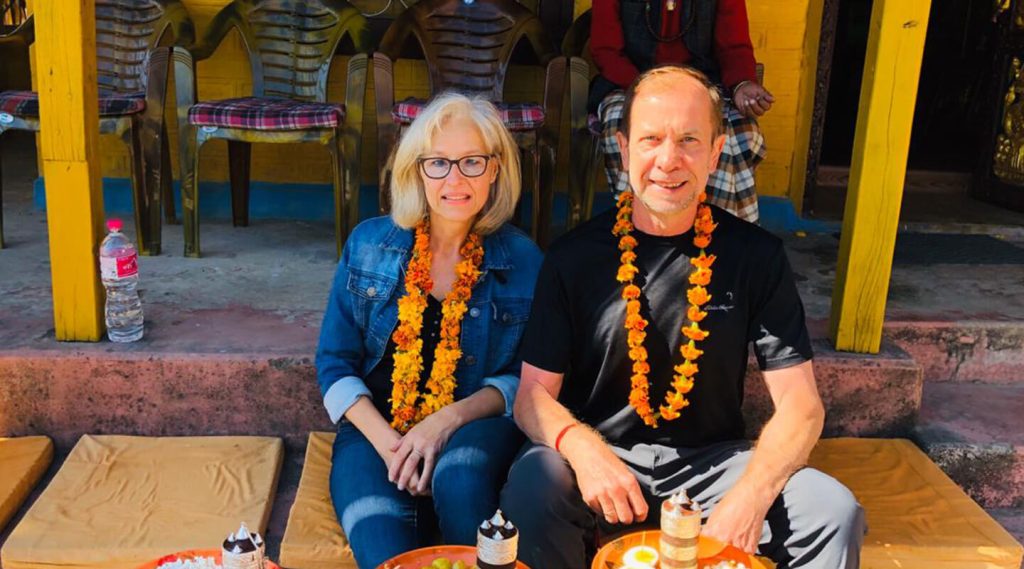
Welcome in sirubari

Sirubari is another excellent destination for travellers seeking authentic cultural experiences. This picturesque village has become a model for community-based tourism in Nepal.

Life moves at a slower pace here. Guests are welcomed as members of the family rather than tourists. They share meals, join local celebrations, and experience everyday village life in a way that few hotels can offer.

Choosing community homestays also means supporting local families directly. Your visit contributes to rural development while helping preserve Nepal’s unique traditions for future generations.

For travellers looking for meaningful cultural experiences, these village stays add an unforgettable dimension to vacations in Nepal. They remind visitors that the country’s greatest treasure is not only its mountains but also the kindness of its people.

Explore Nepal’s Rich Religious Heritage

One of the most rewarding parts of vacations in Nepal is discovering the country’s deep spiritual and religious heritage. For thousands of years, Nepal has welcomed pilgrims, monks, and travellers seeking peace, reflection, and cultural understanding. Today, visitors can explore sacred temples, ancient monasteries, and UNESCO World Heritage Sites that continue to play an important role in everyday life.

Unlike many historic monuments around the world, Nepal’s religious sites remain active places of worship. As you walk through these sacred spaces, you will see monks chanting prayers, devotees lighting butter lamps, and families gathering to celebrate religious festivals. These living traditions give every visit a unique and meaningful atmosphere.

Visit Lumbini, the Birthplace of Lord Buddha

Lumbini

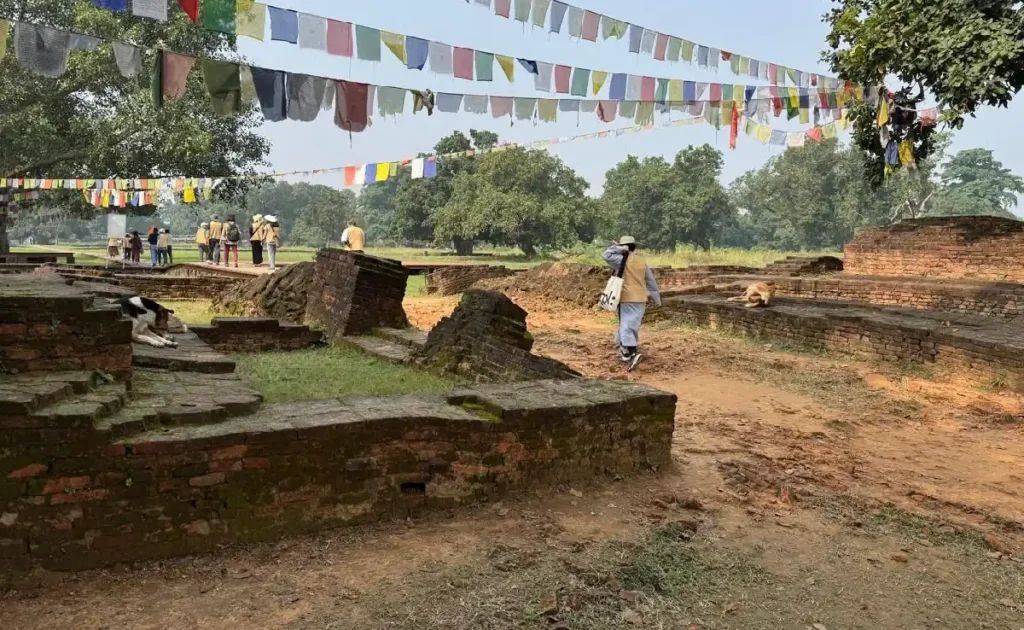
Lumbini holds a special place in the hearts of Buddhists around the world. Recognised as the birthplace of Lord Buddha, it attracts pilgrims and travellers seeking both spiritual inspiration and historical significance.

The peaceful surroundings encourage visitors to slow down and reflect. Walking through the beautifully maintained monastic zone, you will discover temples built by different Buddhist communities from across the globe. Each monastery showcases its own architectural style while sharing the same message of peace and compassion.

At the heart of Lumbini lies the Maya Devi Temple, which marks the exact birthplace of Buddha. Many visitors describe the calm atmosphere here as one of the most memorable experiences of their journey through Nepal.

Experience the Peace of Boudhanath Stupa
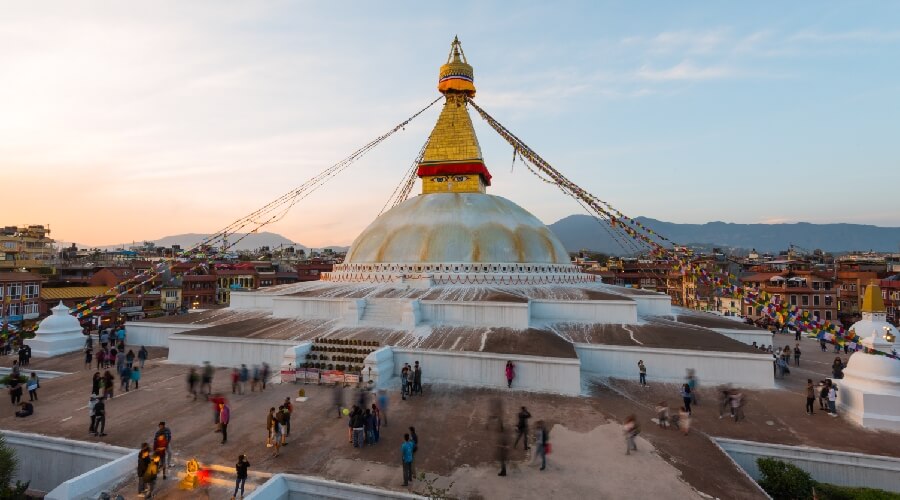
Bouddhanath stupa

Towering above the surrounding neighbourhood, Boudhanath Stupa is one of the largest Buddhist stupas in the world. It is also one of Kathmandu’s most peaceful gathering places.

Every day, hundreds of pilgrims slowly circle the stupa while turning prayer wheels and quietly chanting mantras. Colourful prayer flags stretch across the sky, while the watchful eyes of the Buddha look in every direction, symbolising wisdom and compassion.

Visitors often join the clockwise walk around the stupa before relaxing at one of the nearby rooftop cafés. From there, they can admire the golden monument while watching local life unfold below. Whether you follow Buddhism or not, the peaceful atmosphere leaves a lasting impression.

Discover the History of Swayambhunath

Perched on a hill overlooking Kathmandu Valley, Swayambhunath is one of Nepal’s oldest religious monuments. It is widely known as the Monkey Temple because of the playful monkeys that roam around the complex.

Reaching the top requires climbing a long staircase, but the effort is well worth it. The panoramic view of Kathmandu Valley is spectacular, especially during sunrise or sunset.

The site beautifully combines Buddhist and Hindu traditions. Ancient shrines, prayer wheels, colourful flags, and sacred symbols create a fascinating cultural landscape that reflects Nepal’s long history of religious harmony.

Witness Ancient Traditions at Pashupatinath Temple

Pashupatinath temple

For Hindu pilgrims, Pashupatinath Temple is one of the holiest temples dedicated to Lord Shiva. Located along the sacred Bagmati River, it has served as an important spiritual centre for centuries.

Visitors can observe religious rituals, traditional ceremonies, and evening prayers that continue much as they have for generations. During festivals such as Maha Shivaratri, thousands of devotees gather here to celebrate one of Nepal’s most significant religious events.

Even for those who are not religious, visiting Pashupatinath offers valuable insight into Nepal’s cultural traditions and spiritual way of life. Respectful observation allows travellers to better understand the customs that shape the country’s identity.

More Than Religious Landmarks

Nepal’s sacred places offer more than impressive architecture or historical importance. They provide opportunities to learn about compassion, mindfulness, and the values that continue to guide many local communities.

Whether you spend an afternoon in Lumbini or watch prayer ceremonies at Boudhanath, these experiences add depth and meaning to vacations in Nepal. They remind visitors that travel is not only about seeing new places but also about gaining new perspectives.

Combine Adventure, Culture, and Spirituality

Few destinations allow travellers to experience such remarkable diversity in a single journey. One week, you may be trekking beneath snow-covered Himalayan peaks. The next, you could be sharing homemade meals with a local family before ending your trip at centuries-old temples filled with peaceful chants and colourful prayer flags.

This combination is what makes Nepal truly unique.

Adventure lovers find endless opportunities in the mountains. Culture enthusiasts discover vibrant traditions in historic towns and welcoming villages. Spiritual travellers experience moments of peace at sacred monasteries and pilgrimage sites.

Rather than focusing on one type of holiday, Nepal brings these experiences together naturally. Every destination adds something different to your journey, creating a balanced and rewarding travel experience.

Whether you choose a short cultural escape or a longer Himalayan adventure, vacations in Nepal offer something meaningful for every traveller.

Why Vacations in Nepal Leave a Lasting Impression

Many holidays fade into memories within a few weeks. Nepal is different.

You may remember watching the first sunlight illuminate the Himalayas after an early morning hike. You might think about the laughter shared over a traditional meal with a host family or the peaceful silence inside an ancient monastery. These moments stay with you because they are genuine experiences rather than carefully planned attractions.

Nepal encourages visitors to slow down, connect with local communities, and appreciate the beauty of both nature and culture. Every journey becomes a collection of unforgettable memories that continue long after you return home.

Vacations in Nepal offer far more than beautiful scenery. They combine adventure, culture, spirituality, and authentic local experiences into one unforgettable journey.

From trekking through the majestic Himalayas to staying in welcoming community homestays, every experience reveals a different side of the country. Exploring sacred temples, meeting local families, and discovering centuries-old traditions create memories that no photograph can fully capture.

Whether you are planning your first visit or returning to discover new destinations, Nepal always has something new to offer. Every trail, every village, and every cultural encounter adds another chapter to your story.

If you are looking for a destination that inspires, challenges, and welcomes you with genuine hospitality, vacations in Nepal promise an experience you will remember for a lifetime.
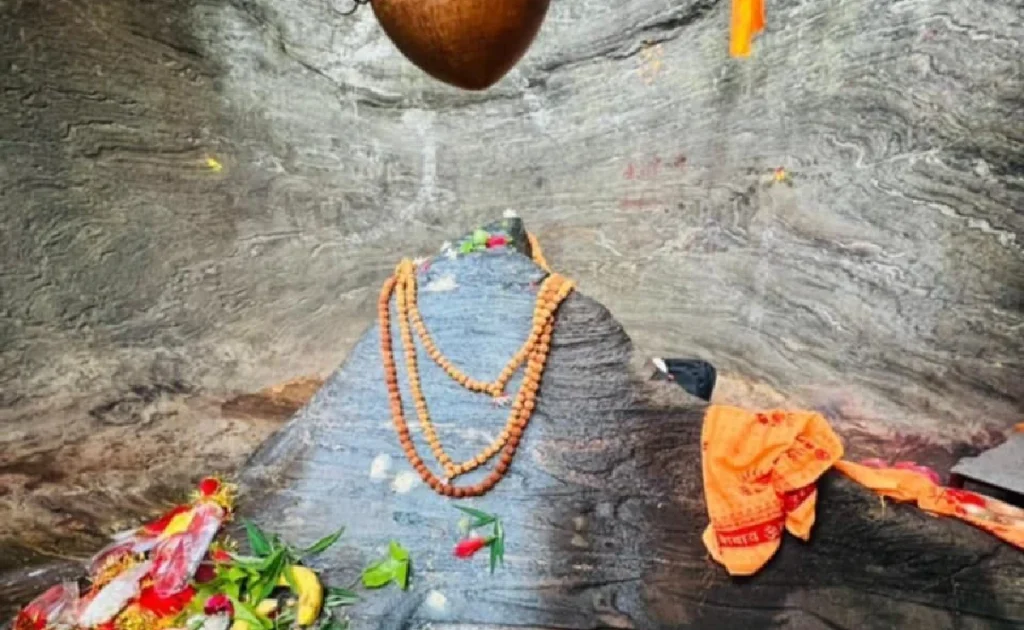
Nepal Travel News: Tilaurakot Apsidal Temple Discovery and Insights

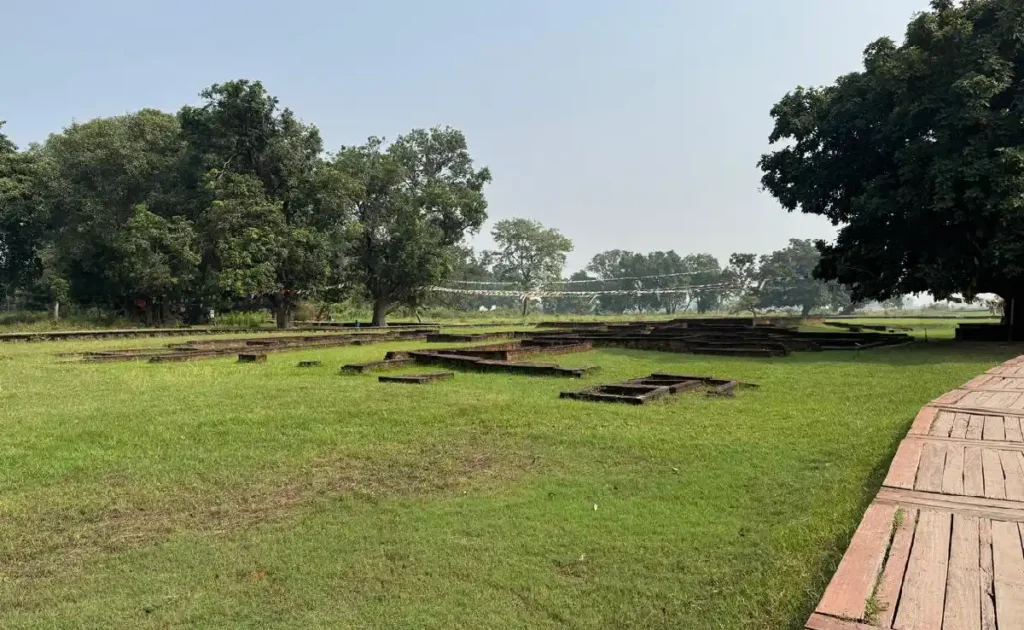
Tilaurakot apsidal temple

The discovery of Nepal’s first apsidal Buddhist temple at Tilaurakot-Kapilavastu in February 2026 provides new clarity for understanding early Buddhist urban heritage in the southern plains. Archaeologists widely recognise Tilaurakot as the capital city of the Shakya polity, closely linked to the early life of Siddhartha Gautama.

This finding introduces a previously undocumented architectural form into Nepal’s archaeological record. It also strengthens the evidence for a renewed UNESCO World Heritage nomination.

The World Heritage Committee deferred Nepal’s proposal to list Tilaurakot during its 47th session in July 2025 and requested further excavation of the apsidal structure. With new data now available, Nepal is preparing to resubmit the site at the 49th session in 2027.

For travellers interested in cultural history and archaeological landscapes, this discovery shows how layers of urban development, religious practice, and heritage policy shape Nepal’s historic sites.

Urban Layout and the Position of the Apsidal Structure

Tilaurakot apsidal temple

Tilaurakot-Kapilavastu stands as one of the most intact early-historic walled cities in Nepal. Excavations reveal a fortified settlement with gates, ramparts, and an organised internal layout that reflects the socio-political structure of the first millennium BCE.

Builders constructed the newly identified Tilaurakot apsidal temple at the centre of this urban plan, directly above the remains of an earlier palatial complex.

Archaeological records show that the earlier complex formed a 100 × 100 metre enclosure. Thick brick walls around 1.5 metres surround the structure. This layout suggests the space functioned as an administrative or ceremonial core of the Shakhya settlement.

After people abandoned the complex, later communities reused its elevated platform. Over time, the space became a focal point for religious activity.

Excavations up to February 2026 confirmed the apsidal temple within the courtyard of a Buddhist monastery that developed after the decline of the original administrative centre.

Archaeologists recognise the semi-circular apsidal plan as a key feature of early Buddhist architecture in South Asia. However, researchers had not previously documented such a structure within an urban settlement in Nepal.

This discovery allows comparison with similar sites in India and Sri Lanka. Most early Buddhist communities placed apsidal temples in monastic complexes outside cities. In contrast, this example sits within an urban centre, showing how civic and religious spaces interacted in early Buddhist cities.

The research team, including the Department of Archaeology, the Lumbini Development Trust, Durham University’s UNESCO Chair, and the Nepal Archaeological Association—has played a central role in refining this interpretation.

UNESCO Nomination, Land Protection, and Site Management

The apsidal temple discovery directly supports the UNESCO World Heritage nomination process.

During the 47th session in Paris in July 2025, the World Heritage Committee requested full excavation and documentation of the temple area. In response, the excavation team intensified fieldwork. This work confirmed the apsidal structure and uncovered associated artefacts, including numerous oil lamps that indicate long-term ritual use.

To achieve UNESCO status, a site must demonstrate “Outstanding Universal Value” and show clear protection systems and long term management frameworks.

The Department of Archaeology has already begun securing land around Tilaurakot. Authorities plan to acquire 100 bighas (677263 sq.m), and they had already secured around 50 bighas by February 2026. This step helps reduce risks from agricultural expansion, settlement pressure, and infrastructure development.

National and international institutions carry out the excavation and documentation work together. Durham University’s UNESCO Chair programme provides archaeological expertise, field training, and stratigraphic analysis. The Nepal Archaeological Association also supports the scientific and technical process.

For visitors, these UNESCO procedures are visible on-site. Travellers will see controlled excavation zones, restricted areas, and active documentation work. These are standard heritage management practices rather than temporary disruptions.

Understanding these systems helps travellers experience heritage sites responsibly while recognising the importance of conservation.

Cultural Landscape, Community Context, and Long-Term Conservation

Tilaurakot lies within the Greater Lumbini Area, a region that combines archaeological importance with active community life. The landscape includes farmland, seasonal settlements, and long-standing religious traditions.

The discovery of many oil lamps in the apsidal temple area shows long-term ritual activity. Pilgrims likely continued visiting the site across different historical periods. Even after later brick structures covered the monastery and temple, the location still retains symbolic importance.

This continuity shows that heritage is not only physical architecture. Memory, belief, and long-term cultural practice also shape it.

Land protection and conservation planning influence local communities as well. When authorities include agricultural land within protected zones, they must coordinate with residents, local governments, and national heritage bodies.

Archaeological teams working at Tilaurakot often collaborate with community members. Local residents support excavation work, site protection, and cultural interpretation programmes.

For travellers, Tilaurakot functions both as a research site and a living cultural landscape. Respecting restricted zones, staying on designated paths, and recognising active excavation areas all support responsible travel.

Why This Discovery Matters for Nepal’s Heritage Future

The excavation of Nepal’s first apsidal Buddhist temple at Tilaurakot, Kapilavastu provides important evidence for understanding early Buddhist urbanism and architectural development. The structure shows how civic, administrative, and religious spaces evolved over time from palace complex to monastery courtyard.

This discovery directly addresses the recommendations that UNESCO made during the 47th session in 2025. It strengthens Nepal’s case to resubmit the Tilaurakot nomination at the 49th session in 2027.

Ongoing heritage management efforts, including land protection, excavation, and documentation reflect broader conservation frameworks in Nepal. These efforts involve cooperation between national institutions, international research partners, and local communities.

For travellers, visiting Tilaurakot is not just about seeing ruins. It is about understanding how archaeology, heritage policy, and community life interact in one of Nepal’s most important early-historic landscapes. 

If you’re interested in how historical sites in Nepal are being conserved and brought back to life through traditional materials and local craftsmanship, you might also enjoy this article on the restoration of Patan Durbar Square with traditional telia bricks. It highlights how Newari heritage and centuries‑old techniques are shaping public spaces in one of the Kathmandu Valley’s most iconic UNESCO World Heritage Sites.

Nepal Diary: Exploring Nepal Solo – Adventures, Culture & Safety

Solo travel in Nepal is more than a trend—it’s a personal journey filled with freedom, culture, and self-discovery. In 2025, both TripAdvisor and Much Better Adventures confirmed what many travelers already know: Nepal ranks among the best destinations in the world for solo adventurers. With its welcoming people, peaceful atmosphere, and breathtaking landscapes, it offers a rare mix of adventure and serenity. Moreover, the country provides independent travelers with both safety and meaning.

Recognized Worldwide

The global spotlight on Nepal continues to shine.
According to Much Better Adventures, the country holds the #7 spot among the Top Solo Adventure Travel Destinations 2025.
Meanwhile, TripAdvisor ranked Kathmandu #2 on its list of Best Solo Travel Destinations 2025.

Together, these rankings highlight how Nepal perfectly balances natural beauty, adventure, and cultural connection.

Why Nepal is Perfect for Solo Travelers

Safe • Peaceful • Respectful

The cultural value of Atithi Devo Bhava (“Guest is God”) lies at the heart of Nepali hospitality. Solo travelers often experience genuine warmth and respect from locals. While exploring villages or hiking in the hills, you might be offered tea, directions, or even a meal—often given from the heart, with no expectation in return. This kindness fosters a feeling of safety and belonging throughout the journey.

Peace-Loving & Welcoming

People in Nepal are known for their friendliness, calm nature, and sense of community. Violent crime against tourists is extremely rare, and the overall environment feels peaceful and respectful. Furthermore, English is widely spoken in tourist areas, especially among guides and hotel staff, making communication simple.
Additionally, the hostel and guesthouse culture helps solo travelers meet others easily—turning strangers into travel companions.

Top Destinations for Solo Travelers in Nepal

Kathmandu Valley

Solo Travelling in Nepal

Wander through UNESCO World Heritage temples, colorful streets, and spiritual landmarks. You might join a walking tour, learn to cook Nepali dishes, or attend a yoga or meditation class. Because of this variety, Kathmandu offers both excitement and peaceful reflection.

Chitwan & Bardiya National Parks

Set off on thrilling jungle safaris where you can spot rhinos, elephants, and even tigers. These well-organized tours are ideal for solo travelers, as they allow you to join small groups while staying independent. In turn, it’s a wonderful way to connect with both nature and fellow explorers.

Pokhara

The city by the lake offers calm and adventure in perfect balance. Enjoy paragliding, boating, or simply watching sunsets over Machhapuchhre. The lakeside cafés create the perfect setting to meet new friends or enjoy quiet moments alone. Because of its laid-back vibe, Pokhara remains a favorite among solo travelers.

Lumbini

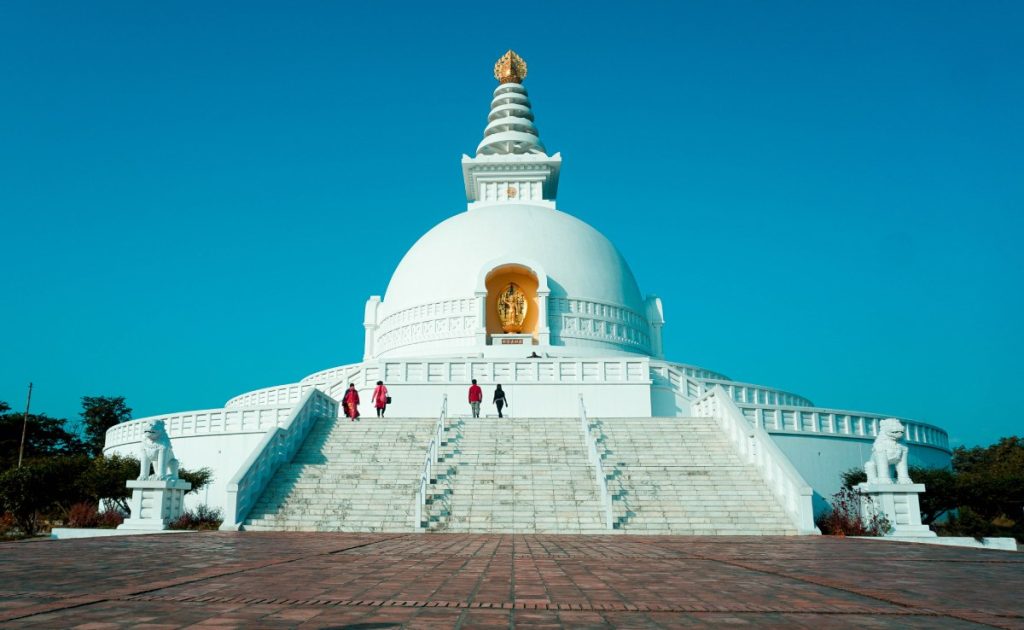
Lumbini Peace Stupa

The birthplace of Buddha invites you into an atmosphere of peace and reflection. This quiet town is ideal for solo visitors seeking spiritual depth and historical insight. Consequently, Lumbini offers a calm escape from Nepal’s busier regions.

Ghorepani–Poon Hill Trek

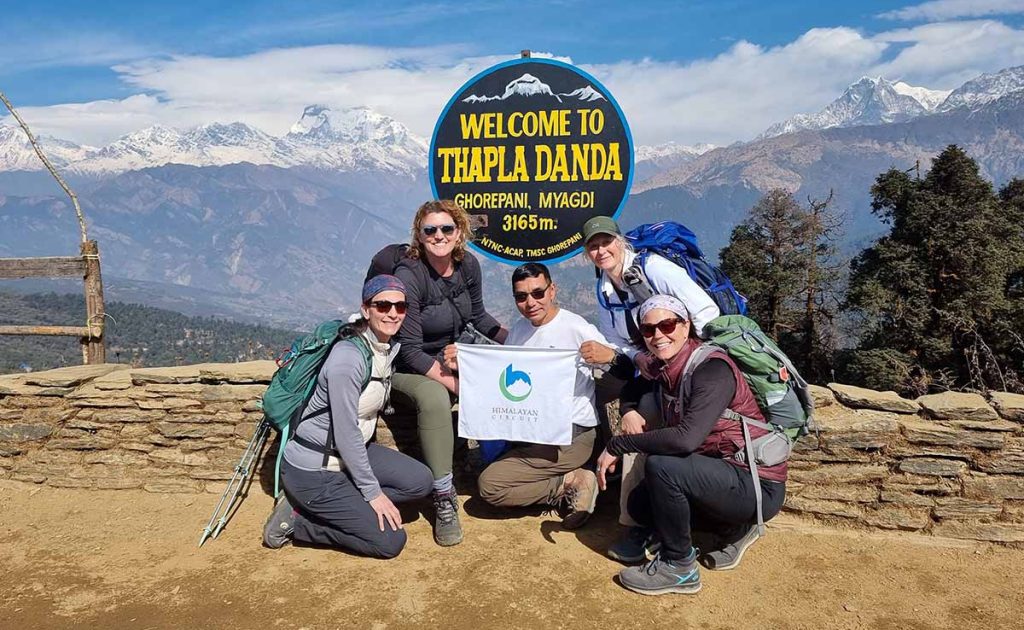
4 Clients with 1 Guide in Thapla Danda

Short, scenic, and sociable—this trek is ideal for independent hikers. Trails are well-marked, and guesthouses are easy to find, ensuring a safe and comfortable experience. Therefore, many solo trekkers choose Poon Hill as their first Himalayan adventure.

Embrace the Nepali Culture

Cultural Etiquette

A simple “Namaste” (palms together) goes a long way in showing respect. Remove shoes before entering temples or homes, avoid pointing feet toward people or sacred objects, and don’t touch anyone’s head. Bargaining in local markets is normal—just smile and stay polite. These small gestures help you connect more deeply with Nepali people.

Food for Solo Travelers

Eating alone in Nepal is easy and enjoyable. Restaurants offer diverse menus, and many street food stalls (choose clean ones) serve delicious, freshly made snacks. Be sure to try dal bhat, momo, and a cup of Masala Chiya (Milk tea with various spices) ! In many cases, sharing a meal leads to friendly conversations with locals or other travelers.

Meeting Fellow Travelers

Hostels, trekking lodges, and cafés are natural meeting spots. Participating in yoga retreats, workshops, or group hikes also helps build friendships on the road. As a result, solo travel in Nepal rarely feels lonely—many travelers leave with new lifelong friends.

Your Solo Journey, Perfected by Himalayan Circuit

Traveling solo doesn’t mean traveling alone. At Himalayan Circuit, we design private, personalized adventures tailored to solo explorers. Our goal is to make every step of your journey safe, smooth, and unforgettable.

  • Tailored itineraries: Crafted to match your interests, pace, and comfort.
  • Trusted local guides: Friendly, knowledgeable, and supportive.
  • Safe stays & transport: Carefully selected for quality and security—including female-friendly guesthouses.
  • Authentic experiences: Meaningful interactions with locals and Nepali culture.
  • 24/7 support: Our team is always available to assist you throughout your trip.

Time to Answer the Himalayas’ Call

If you’ve been dreaming of traveling solo in Nepal, now is the perfect time. Book your flight, arrive in Kathmandu, and let your story unfold. The country has a special way of calling travelers back—again and again—with its mountains, culture, and kindness.

We thank Much Better Adventures, TripAdvisor, and global travel experts for recognizing Nepal as one of the world’s best solo destinations.

Begin Your Solo Adventure with Himalayan Circuit

Are you ready to explore Nepal on your own terms?
Contact us to start planning your Himalayan journey today.
>Travel smart. Travel safe. Travel solo—with us.

Namaste & Welcome!

Nepal Diary: January in Nepal – Winter Treks, Culture & Festivals

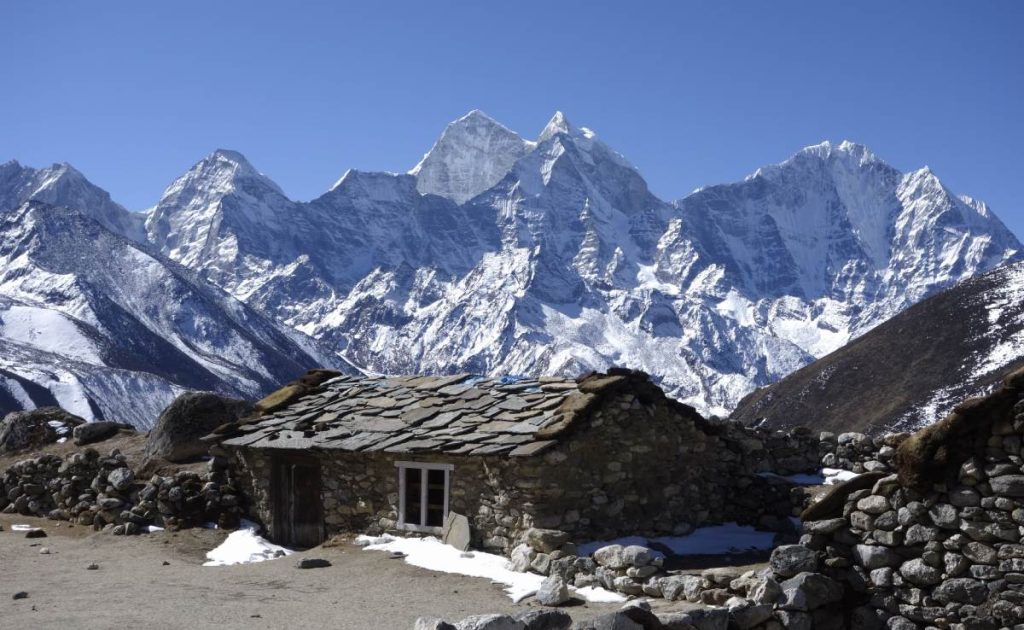
Everest Region Trek: Lukla to Tengboche Adventure

Nepal is a destination for all seasons. Visiting Nepal in January offers a unique perspective on the country’s culture, landscape, and way of life. January is one of the coldest months in Nepal. With bright skies, fewer travelers than during peak season, and snow-capped mountains, January is ideal for anyone seeking peace and authenticity.

Visitors can enjoy cultural treasures in the Kathmandu Valley, short winter treks, and festivals like Maghe Sankranti. Mild destinations such as Pokhara and Chitwan provide a warmer escape from the cold hills and mountains.

Weather in January

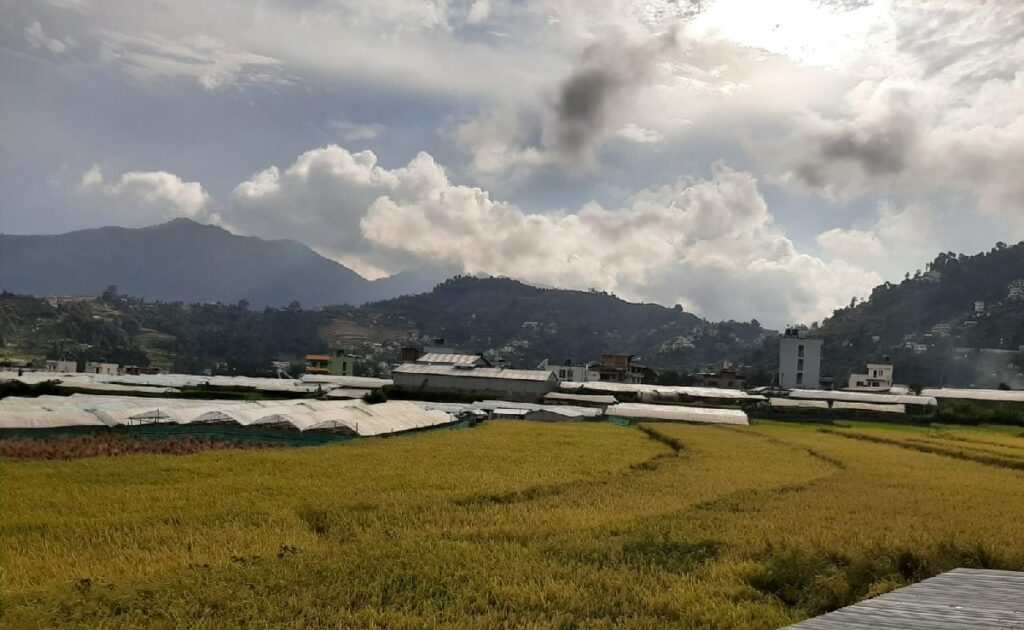
Photo shows fields with the hills of Kathmandu in the background, capturing a calm January scene in Nepal

January mornings and evenings in Nepal are cool, especially in the highlands. Days are usually clear and sunny.

  • Kathmandu Valley: Daytime temperatures range from 8°C to 15°C, while nights can drop to 2°C.
  • Pokhara: Temperatures range from 8°C to 17°C.
  • High-altitude areas (Langtang, Ghorepani): Temperatures can drop below zero, with occasional snowfall.

Despite the cold, the crisp air and clear skies offer incredible Himalayan views. Travelers should prepare for fluctuating conditions, especially if trekking or climbing at high altitudes.

Travel Conditions

Travel in January is generally smooth, but mountain passes may close temporarily due to snow. Roads connecting Kathmandu, Pokhara, and Chitwan remain open, though morning fog can delay flights in the Terai plains.

Domestic flights to mountain regions, like Kathmandu to Lukla, may sometimes be canceled. Tourist services operate normally, and fewer visitors often mean lower prices.

If you plan to trek, hire experienced guides and porters. Following a well-planned itinerary ensures a safe and enjoyable winter experience.

Best Places to Visit in January

Kathmandu Valley – Cultural Sightseeing

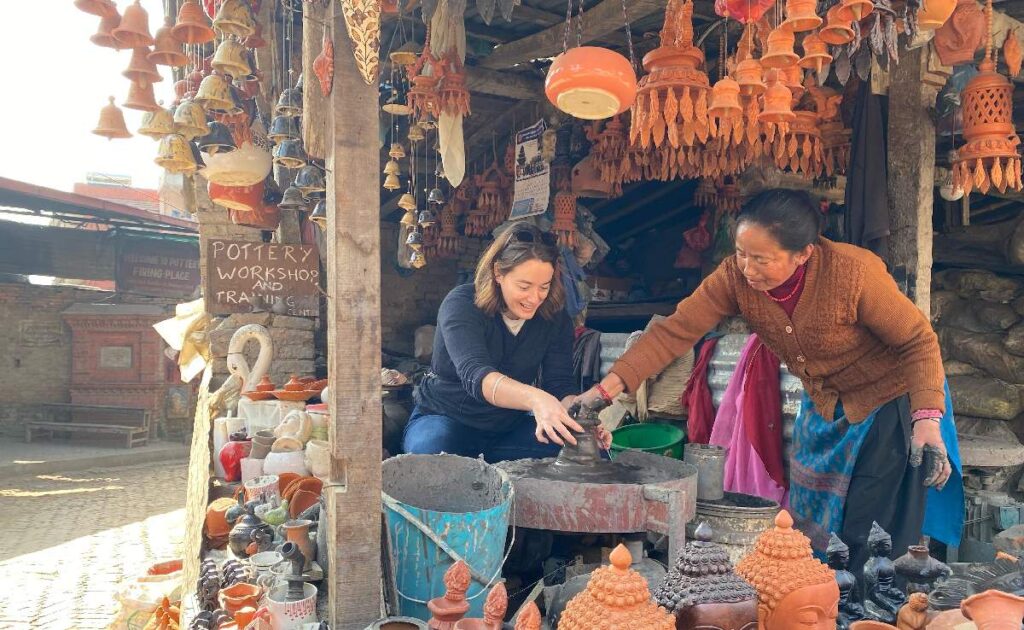
Nepal in January
A traveler learning pottery in Nepal, a hands-on cultural experience to enjoy during a January visit

The cool weather makes sightseeing comfortable. Visit UNESCO World Heritage Sites such as Durbar Squares, Pashupatinath Temple, Boudhanath Stupa, Swayambhunath Stupa, and Changunarayan. You can also hike to hill stations surrounding the valley for beautiful views.

Pokhara – Mild Climate & Mountain Views

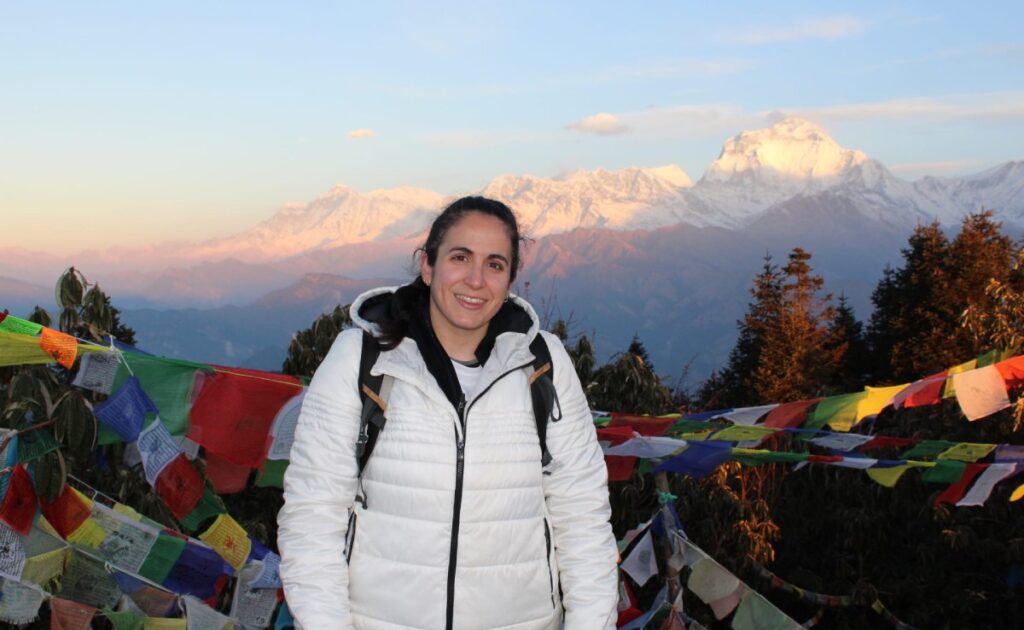
Sunrise from Poon Hill, a popular spot for magnificent sunrise views

Pokhara offers mild temperatures and stunning views of Machhapuchhre and Mt. Annapurna. Activities in January include:

  • Hiking to Sarangkot for sunrise
  • Visiting caves and waterfalls
  • Boating in Phewa Lake
  • Enjoying local nightlife

Chitwan National Park – Wildlife Safari

10 Day Nepal Itinerary
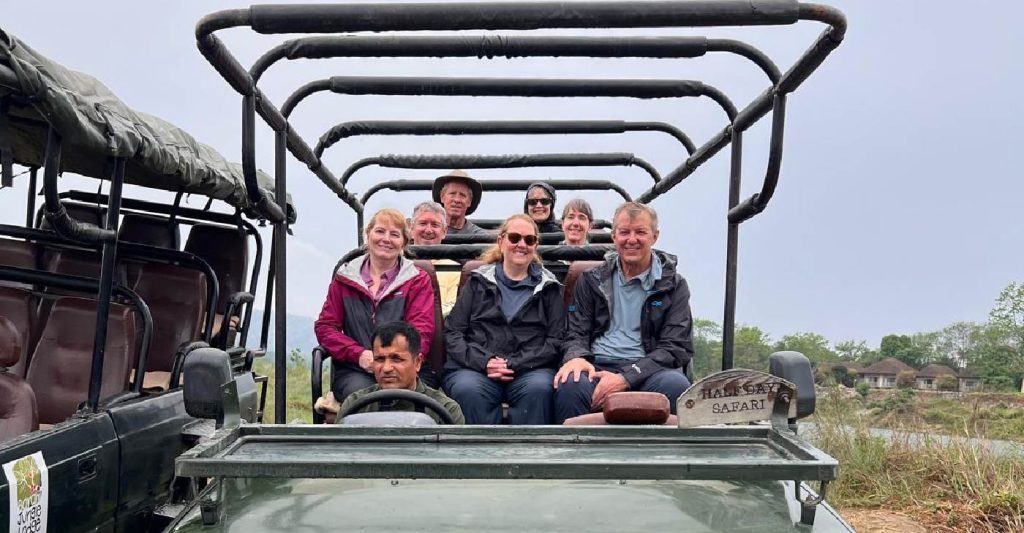
Chitwan Jungle Safari in the month of January

Chitwan provides a warmer climate for a jungle adventure. Activities include:

  • Elephant Safari and Bathing
  • Canoe Ride
  • Jungle Walk

Short Winter Treks

High-altitude treks are challenging in January. However, short treks like Ghorepani Poon Hill and Langtang Valley are accessible. These routes offer incredible Himalayan views and snow-dusted landscapes with lower weather risks.

Festivals and Cultural Highlights

Maghe Sankranti is a major January festival. It marks the start of longer days. Families celebrate with traditional foods like til laddoo, yam, chakku (molasses), sweet potatoes, and ghee for energy and warmth.

Worshippers may bathe in holy rivers such as Bagmati or Narayani. Tamang and Gurung communities also celebrate local New Year traditions. These festivals give visitors a deeper understanding of Nepal’s culture.

What to Pack

Prepare for cold temperatures, especially when trekking. Recommended items include:

  • Thermal innerwear, down coats, fleece jackets
  • Durable trekking shoes, gloves, hats, scarves
  • Casual warm clothes for Kathmandu and Pokhara
  • Lighter wear for Chitwan’s mild climate

Trekkers should also bring a high-quality sleeping bag, sunglasses, sunscreen, lip balm, medicines, reusable bottles, and power banks.

Final Words

January offers a peaceful and authentic Nepal experience. Visitors can enjoy:

  • Winter mountain views
  • Restful stays in Pokhara
  • Wildlife encounters in Chitwan
  • Cultural immersion through festivals like Maghe Sankranti

With proper preparation, January is a perfect time for travel, adventure, and exploring Nepal’s natural and cultural beauty. Fewer crowds and lower prices make it even more appealing.

Festival in Nepal: Tihar Festival Nepal – Five-Day Festival of Lights

Tihar Festival in Nepal

Nepal shines in bright colors, flickering lamps, and joyful celebrations every year during Tihar, the five-day festival that honors life, light, and devotion. Known as the festival of lights, Tihar turns streets, homes, and temples into dazzling displays of marigold garlands, flickering diyos, and colorful rangoli patterns. Also, the festival blends faith, culture, and happiness, reflecting the rich traditions and heart of Nepal.

Celebrating Life and Light

Tihar, also called Deepawali, is a Hindu festival celebrated over five days, each honoring a different part of life. It allows people to show gratitude, respect, and devotion, not only to deities but also to animals and loved ones.

Famous Legends About Tihar

  • The Legend of Bhai Tika: Yamaraj, the god of death, once visited a sister’s home to take her brother’s life. She performed rituals, applied tika, and made offerings with devotion. Impressed by her sincerity, Yamaraj spared her brother’s life. Today, sisters continue this ritual to bless and protect their brothers.

  • The Legend of Laxmi Puja: Goddess Laxmi, the goddess of wealth, visits homes that are clean and well-lit. Families light lamps, decorate with flowers, and prepare offerings to invite prosperity and remove darkness.

  • The Legend of Lord Rama: After Lord Rama defeated Ravana in Lanka, he returned to his kingdom, Ayodhya, along with Sita and Lakshman. The people celebrated their return by lighting rows of lamps throughout the city to welcome them and drive away darkness. This tradition of lighting lamps shows the victory of good over evil and light over darkness, which continues to inspire Tihar’s glowing celebrations.

Tihar in Today’s World

Even in today’s fast-paced world, Tihar remains very meaningful. For example, Bhai Tika teaches the value of family bonds, Laxmi Puja encourages mindfulness and gratitude, and people worship animals including crows, dogs, cows, and oxen to show respect for all living beings. Furthermore, Tihar invites people to slow down, honor relationships, and reflect on the blessings often taken for granted. These long-lasting lessons, expressed through lights, rituals, legends, and songs, keep Tihar alive and meaningful for generations.

The Days of Tihar and Their Celebrations

Kaag Tihar (Crow Day)

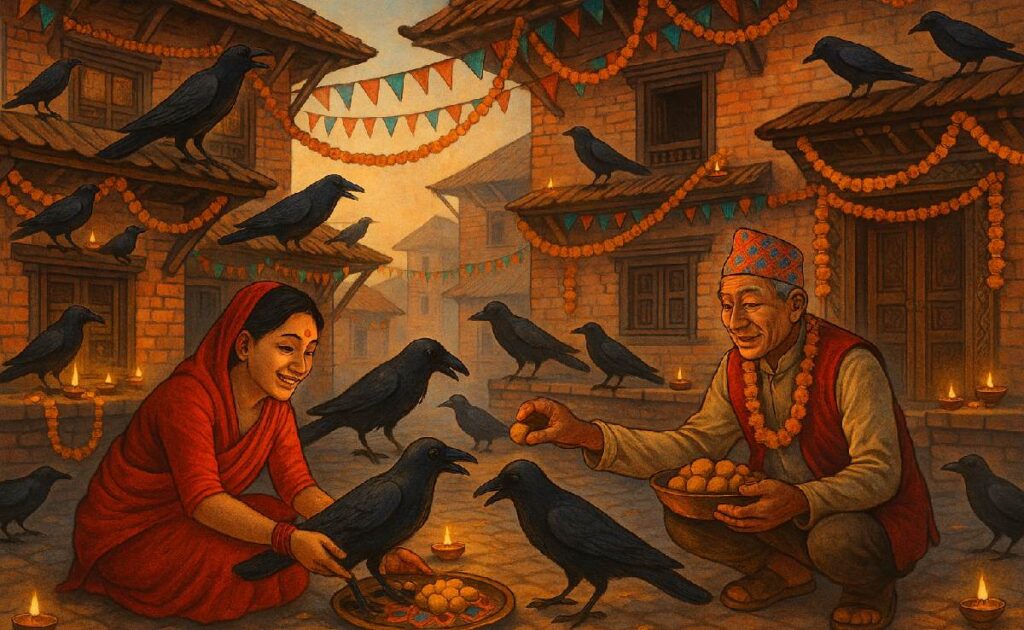
AI generated picture of Kaag tihar

Tihar begins with Kaag Tihar, dedicated to crows, believed to be messengers of death. People offer sweets and food to crows to ward off bad luck and invite blessings for the year ahead. Also, this ritual reminds us to honor nature and the creatures that share our world.

Kukur Tihar (Dog Day)

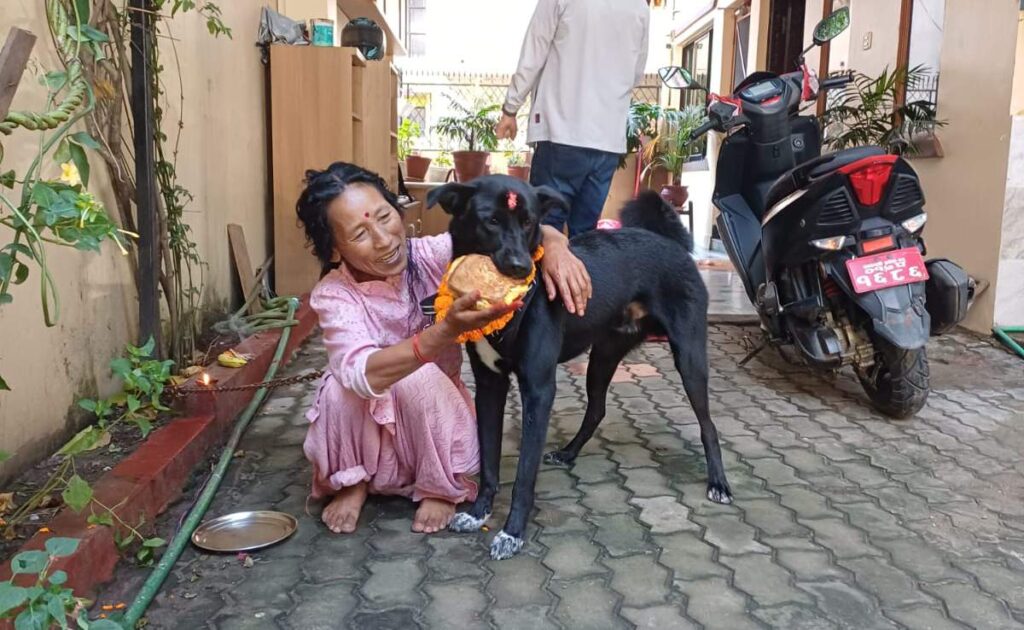
Kukur Tihar celebrates dogs for their loyalty and protection. People decorate dogs with flower garlands, tika, and special treats, showing their important role in our lives. In addition, people express gratitude to these faithful companions, recognizing the bond between humans and animals.

Laxmi Puja (Goddess of Wealth)

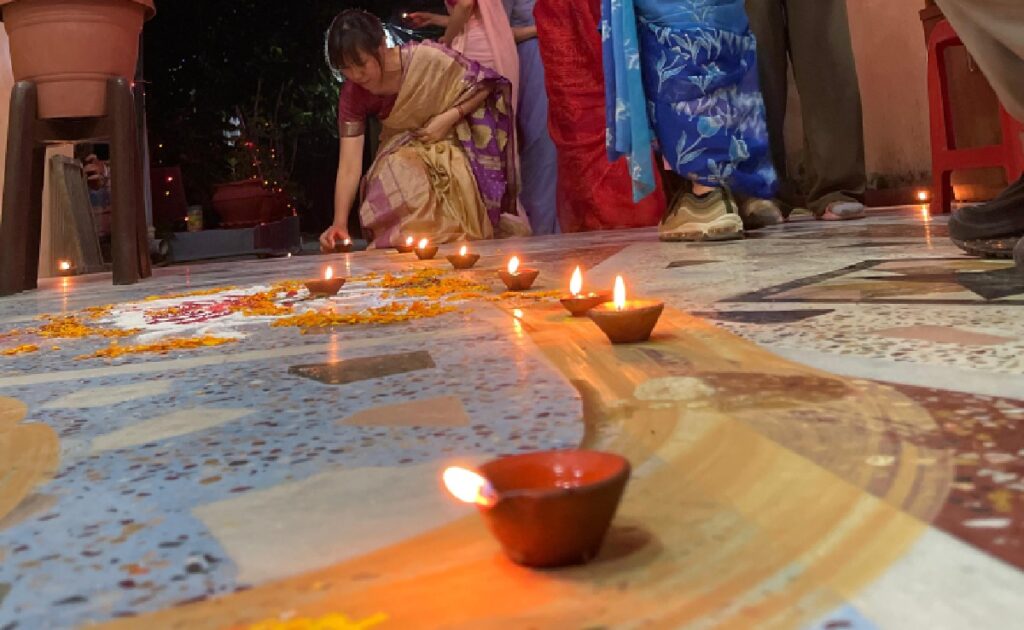
In the evening, Laxmi Puja fills homes with light and devotion. Families worship Goddess Laxmi, clean their houses, draw colorful rangoli patterns, and prepare traditional sweets like sel roti to invite prosperity. Laxmi enters only clean and well-lit homes, teaching mindfulness and gratitude.

Govardhan Puja and Mha Puja

Tihar Festival in Nepal
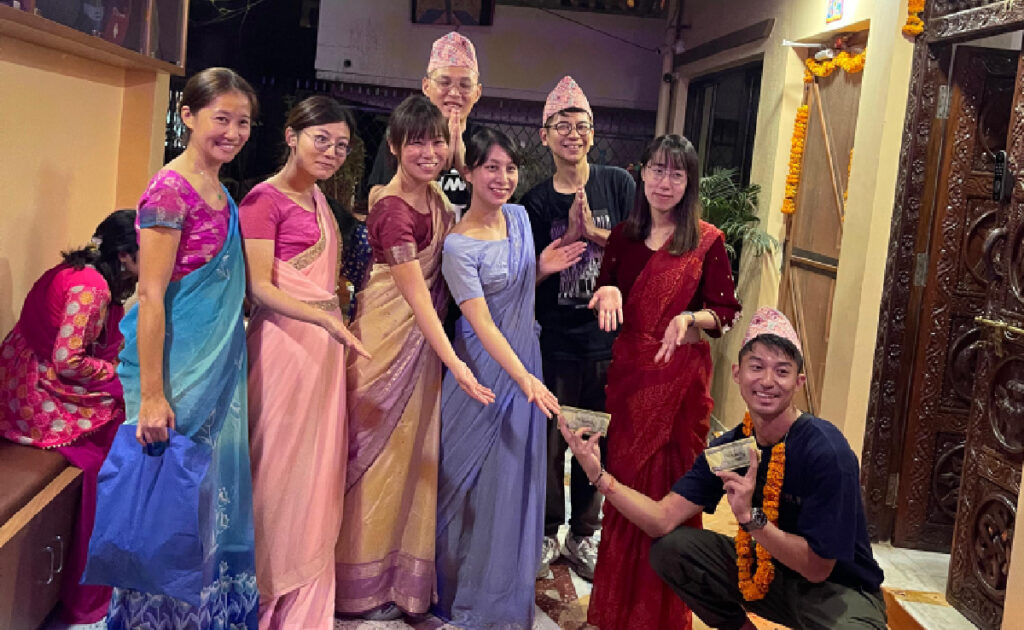
Foreigners are enjoying their time immersing themselves in the vibrant Nepali culture during the Tihar Festival

Govardhan Puja honors oxen for their hard work in agriculture and their role in supporting human life. Among the Newar community, Mha Puja, or self-worship, symbolizes purification, self-respect, and spiritual renewal for the coming year. The day also marks the New Year according to the lunar calendar, which this year turns 1146. The Newar people call it “Nhu Daya Bhintuna”, meaning Happy New Year in their language. These rituals remind people to respect all living beings, honor cultural heritage, and celebrate new beginnings.

Bhai Tika (Siblings’ Day)

The festival ends with Bhai Tika, celebrating the sacred bond between brothers and sisters. Sisters apply multi-colored tika on their brothers’ foreheads, offer garlands, and pray for their health and prosperity, while brothers give blessings and gifts. Furthermore, the day brings laughter, feasts, and family bonding, reinforcing love, care, and protection among siblings.

Tihar 2025 Dates

  • Kaag Tihar (Crow Day): 19 October
  • Kukur Tihar (Dog Day): 20 October
  • Laxmi Puja (Goddess of Wealth): 20 October
  • Govardhan Puja and Mha Puja: 22 October
  • Bhai Tika (Siblings’ Day): 23 October

Why Visit Nepal During Tihar

Experiencing Tihar in Nepal is like stepping into a living cultural masterpiece. Streets sparkle with thousands of oil lamps, neighbourhoods echo with traditional Deusi and Bhailo songs, and homes overflow with warmth, laughter, and delicious Nepali sweets.

Tihar offers a deep experience of real Nepali traditions, rituals, and faith, beautiful sights for photographers and travelers, and unique moments like seeing animal worship, colorful rangoli, and community celebrations. Also, the festival provides a moment of reflection, reminding people of gratitude, respect, and the beauty of human and animal bonds.

Even today, the Tihar Festival of Nepal invites people to slow down, honor relationships, respect nature, and reflect on the blessings often taken for granted. In addition, these long-lasting lessons, expressed through lights, rituals, legends, and songs, keep Tihar alive and magical for generations.

Although this year’s Tihar is already underway, travelers can plan ahead for Tihar 2026. Tentative dates are: Laxmi Puja – 8 November, Govardhan Puja – 10 November, and Bhai Tika – 11 November. Visiting Nepal during the Tihar festival allows people to experience the festival in its full glory, with streets illuminated, songs echoing through neighborhoods, and homes filled with warmth, light, and tradition.

Patan Durbar Square Restoration Revives Newari Heritage

telya bircks in Patan

A Cultural Renaissance in the Heart of Lalitpur

Sunlight now dances on the glossy red surface of freshly laid telia bricks, giving Patan Durbar Square a glow it hasn’t had in decades. This recent Patan Durbar Square restoration in the heart of Lalitpur celebrates both beauty and authenticity, while reviving pride in Newari heritage.

A Living Museum of Temples and Traditions

Patan Durbar Square

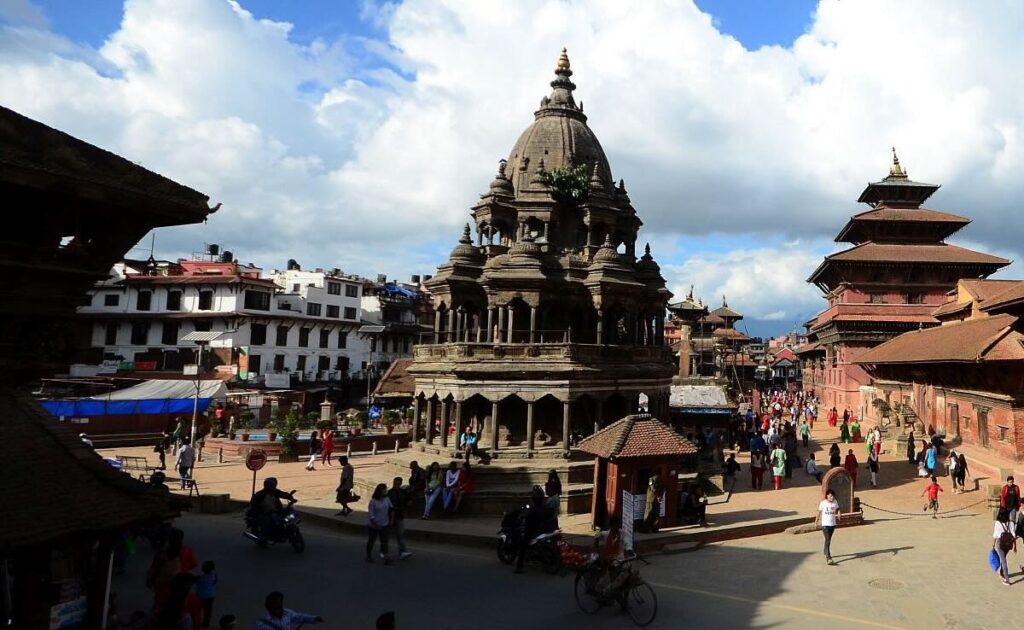
Patan Durbar Square is often described as an open-air museum, and for good reason. Its temples, courtyards, and palaces reflect the artistry and devotion of the Newar civilization, especially during the Malla period.

Among its treasures are:

  • Krishna Mandir – a stone-carved Shikhara-style temple, unique in the valley.
  • Hiranya Varna Mahavihar (Golden Temple) – a Buddhist monastery rich in ritual and symbolism.
  • Bhimsen Temple – honoring the deity of trade and commerce.
  • Taleju Bhawani Temple – blending royal authority with spiritual reverence.

These monuments aren’t relics. Locals still worship here, gather in the courtyards, and pass traditions from one generation to the next.

Telia Bricks: Restoring Authenticity

The Patan Durbar Square restoration shows how traditional materials like telia bricks can bring heritage sites back to life. Craftsmen laid telia bricks—used since the Malla era—across pedestrian paths, temple courtyards, and public spaces. People prize these bricks for their durability, water resistance, and reddish sheen. Their finish not only withstands the monsoon but also blends well with the valley’s intricate wood and stone carvings.

The project cost about NPR 15.2 million and also raised the ground level by four inches. This subtle change improved drainage and accessibility while preserving the square’s original character.

Visitors notice the difference immediately. Walking barefoot or in shoes across the new surface, you feel the firmness underfoot and see how the colors and textures now flow seamlessly together.

A Valley-Wide Cultural Revival

Patan’s renewal reflects a broader movement across the Kathmandu Valley. Cities like Lalitpur, Bhaktapur, and Kathmandu are once again using traditional materials in public spaces—from falchhas (resting places) to community courtyards and temple surroundings.

These projects support local artisans, strengthen cultural identity, and show that tradition has a place in modern life. Travelers benefit too, as each step through these spaces feels more authentic—less like reconstruction, more like living history.

What It Means for Locals, Travelers, and Nepal’s Legacy

Locals regain pride and renew their connection to centuries-old traditions. Travelers enjoy a more immersive and authentic experience of Newari architecture. As for Nepal’s legacy, it sets a sustainable example of conservation—one that honors the past while building for the future.

Patan Durbar Square now shines again—not just as a historic site, but as a reminder that preserving tradition is also a way of moving forward.

Nepal Diary: Bhutan, Tibet & Nepal – A Cultural Explorer

Multi country tour - Nepal, Bhutan and Tibet

Multi country trips with Nepal are a remarkable way to explore the Himalayas. Combining Nepal with nearby countries like Bhutan and Tibet makes the journey even more enriching.

With smooth travel connections and close borders, visiting these destinations from Nepal is both convenient and secure. Tibet lies to the north of Nepal, while Bhutan is a short distance east of India. Together, these countries offer stunning mountain landscapes, ancient monasteries, rich cultural traditions, and heritage that feels untouched by the modern world.

Nepal’s central location in South Asia makes it the ideal starting point for exploring the region.

Best Multi-Country Trips from Nepal

Nepal, Bhutan, and Tibet Tour

This journey takes you through three of the most inspiring destinations in Asia within a single itinerary.

Begin in Nepal, where you can explore the heritage sites of Kathmandu, witness sunrise views from Sarangkot in Pokhara, and enjoy a wildlife safari in Chitwan. Then fly to Bhutan, where peaceful monasteries, dramatic valleys, and the famous Tiger’s Nest hike await. After Bhutan, continue to Tibet, where you’ll visit UNESCO World Heritage sites in Lhasa, admire the beauty of Yamdrok Lake, and experience deep spiritual traditions.

This tour blends natural beauty, cultural depth, and spiritual experiences into one seamless journey.

Nepal and Bhutan Tour

Nepal and Bhutan Tour

This tour brings together ancient temples, quiet monasteries, and dramatic Himalayan scenery.

In Bhutan, visit fortress monasteries like Punakha Dzong, explore the iconic Tiger’s Nest near Paro, and enjoy the calm atmosphere of Thimphu. Bhutan’s peaceful spirit offers a deep sense of serenity.

Before reaching Bhutan, Nepal welcomes you with vibrant energy. You’ll visit sacred sites, take in views of snowcapped peaks, and even trek in the mountains. Together, Nepal and Bhutan create a unique experience filled with culture and timeless beauty.

Nepal and Tibet Tour

Nepal Tibet Tour

This tour combines the cultural richness of Nepal with the spiritual depth of Tibet.

In Nepal, explore the ancient cities of Kathmandu, Bhaktapur, and Patan. Their architecture and traditions offer a true taste of Nepali heritage. After that, travel overland or by flight to Tibet, often called the “roof of the world.” Visit Lhasa’s iconic sites like Potala Palace and Jokhang Temple, and explore Barkhor Street’s bustling market life.

Beyond Lhasa, discover Yamdrok Lake, the historic town of Gyantse, and Rongbuk Monastery near Everest Base Camp. This tour offers a deep connection to both land and spirit.

Nepal and India Buddhist Circuit Tour

Lumbini

This trip is designed for those seeking to follow the path of the Buddha across Nepal and India.

Start in Nepal with spiritual sites like Boudhanath and Swayambhunath in Kathmandu. Then visit Lumbini, the birthplace of Lord Buddha, where you can explore ancient ruins and international monasteries.

Cross into India to continue the journey through major Buddhist pilgrimage sites. In Bodhgaya, visit the Bodhi Tree where Buddha attained enlightenment. Explore other important sites like Sarnath, Rajgir, and Kushinagar, each rich with historical and spiritual significance.

Simikot Kailash Tour

Nepal- Kailash tour

The Simikot to Kailash tour is a unique blend of adventure, culture, and spiritual discovery.

Begin in the remote northwest of Nepal, trekking through villages and forests before reaching the Tibetan plateau. The highlight of the tour is the sacred Mount Kailash Kora, a pilgrimage route respected by Hindus, Buddhists, Jains, and Bon followers.

Along the way, you’ll see prayer flags fluttering in the wind, peaceful monasteries, and the sacred Lake Manasarovar. This journey offers deep spiritual meaning and connection with nature.

Travel Logistics and Tips

  • Nepal offers a visa on arrival, but permits for Bhutan and Tibet must be arranged in advance through registered tour operators.

  • The best travel seasons are March to May and September to November, when the weather is stable and views are clear.

  • Direct flights from Kathmandu are available to Paro (Bhutan), Lhasa (Tibet), and major cities in India.

  • In remote areas, ATMs may not be available, so it’s best to carry enough local currency.

  • Pack warm clothes, comfortable walking or trekking shoes, and any essential gear.

  • Make sure your travel insurance includes high-altitude coverage and emergency evacuation.

  • Hiring experienced local guides can enhance your experience, especially with permits, language, and cultural understanding.

  • Respect local customs and dress modestly, especially at religious sites and monasteries.

Multi-country trips from Nepal are made easy by the region’s close geography and well-established travel routes. From the peaceful highlands of Tibet to the serene monasteries of Bhutan and the sacred sites of northern India, these journeys blend naturally.

Each destination brings its own unique character, but together they create a smooth and deeply rewarding travel experience. With thoughtful planning and the right support, you can explore this region in a way that is immersive, meaningful, and unforgettable.

Pack your bags and get ready for an inspiring multi-country journey from Nepal with Himalayan Circuit—an experience you’ll cherish for a lifetime.

Spiritual & Wellness: Singing Bowl Therapy for Mind and Body

Singing bowl Therapy

At Himalayan Circuit, we believe that travel is not just about visiting new places but immersing yourself in the rich cultural heritage that makes a destination unique. One of Nepal’s most profound experiences is Singing Bowl Therapy, offering a powerful path to relaxation and healing.

Discover the Healing Power of Singing Bowls

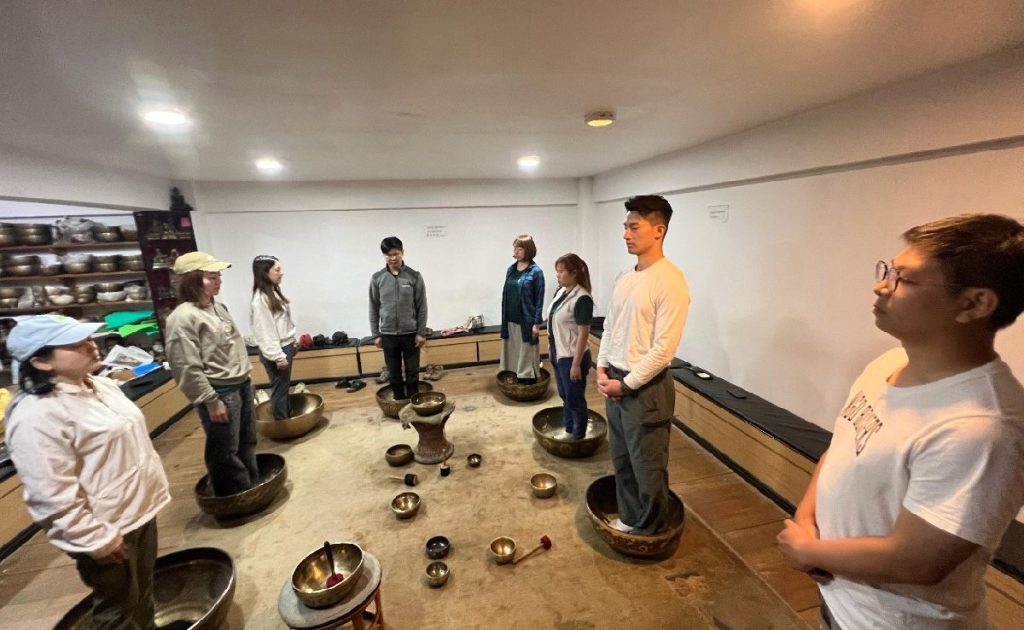
Singing bowls, often called “healing bowls,” produce enchanting sounds and vibrations that can deeply soothe the mind and body. Their ability to bring tranquility and well-being is unmatched. These bowls combine artistic craftsmanship with therapeutic power, guiding you toward peace and balance. Whether you’re seeking to relieve stress or connect with your inner self, the soothing sounds of a singing bowl provide a harmonious escape.

A Rich History of Healing

Singing bowls boast a history that spans over three thousand years, rooted in the ancient cultures of the Himalayas. Initially, people used these bowls for everyday tasks, like cooking and holding water. Over time, however, they discovered their healing potential. Water stored in these bowls was believed to have restorative qualities. Today, alongside other traditional healing tools such as the bajra and shamanic drums, singing bowls continue to play an important role in well-being. Their calming vibrations echo the universal “Om,” a sound believed to connect us with higher consciousness.

The Global Resurgence of Singing Bowls

Today, singing bowls are more popular than ever. Known as Himalayan, Om, or Tibetan bowls, they were once cherished by monks and lamas who meditated in the tranquil monasteries of the Himalayas. Now, people around the world are embracing their calming vibrations. These bowls offer more than just meditative benefits—they balance energy and promote relaxation. In today’s hectic world, their soothing effects provide a welcome sense of peace.

The Craftsmanship Behind Singing Bowls

Each singing bowl is a masterpiece, crafted by hand using a unique blend of metals. The artisans carefully shape and hammer each bowl to produce its distinct sound. The secret techniques behind these bowls have been passed down through generations, adding to their mystique and allure. These beautifully crafted instruments are not just for meditation—they embody the artistic and cultural traditions of Nepal.

Experience the Magic of Singing Bowls

At Himalayan Circuit, we invite you to experience the transformative power of singing bowls on our cultural tours. Imagine feeling the gentle vibrations as they wash over you, calming your mind and soul. This experience, set amidst the breathtaking landscapes of Nepal, offers you the chance to connect with both the culture and your inner peace.

Join Us on a Soulful Journey

Are you ready to explore the soulful vibrations of Nepal? Embark on a journey that nourishes both body and spirit. Visit our website at Himalayan Circuit to learn more about our cultural tours and discover how you can experience this ancient singing bowl therapy.

Food & Lifestyle: Practical Shopping Tips for Your Nepal Trip

Shopping in Nepal

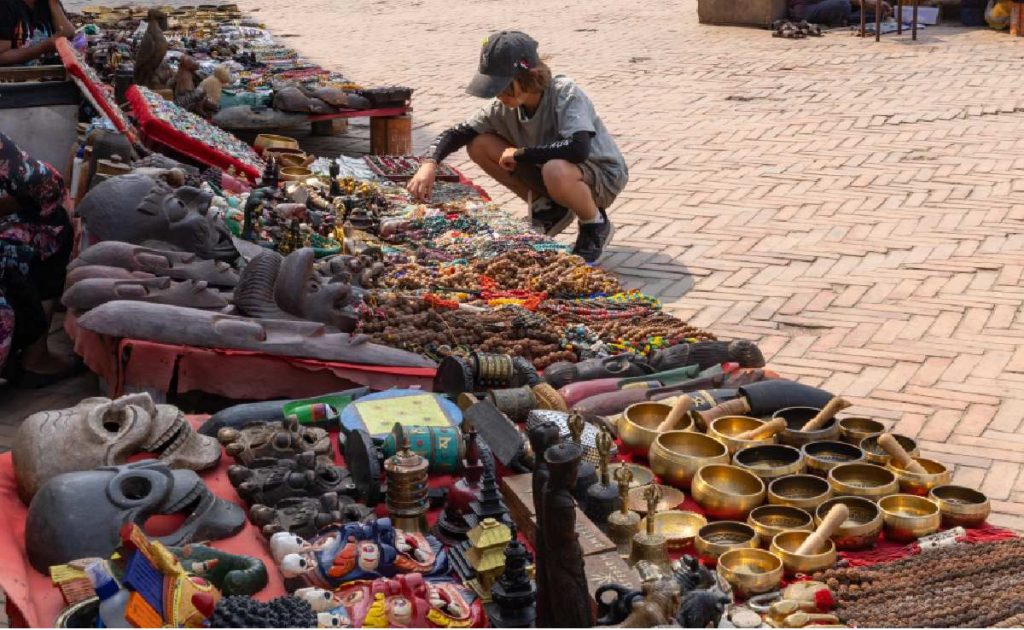
Visiting Nepal offers you opportunities to observe majestic mountains, heavenly natural environment, beautiful architecture, vibrant culture, and experience the warm hospitality of local people. Wouldn’t it be wonderful to take some of these memories to your home? So, we strongly advise you to do shopping in Nepal. In this blog we’ll talk about what to do and what not to do during your shopping time.  

Nepal is a hub for shopping enthusiasts where you can purchase Thangka paintings, unique spices, exotic souvenirs, traditional jewelry, hemp bags, khukuri, statues, and handicrafts. The bustling market of Kathmandu, luxury shops of Pokhara, traditional crafts of the mountain villages, ancient cities of Bhaktapur and Patan will make your shopping experience special.

Dos:

  • Do Visit Local Markets: We suggest you to visit the local markets in Kathmandu. New Road, Durbar Square area, Indra Chok, Asan Bazaar, Thamel, Makhan Tole, and Old Freak Street are some of the popular shopping points in the street of Kathmandu. Here, you can shop a variety of items that are high in quality and items that reflect Nepalese culture. 

  • Do Research & do Prepare: Before you head towards the market, we suggest you to do proper research on the products or items that you are interested to buy. Getting to know the quality, prices, and originality helps you to choose and purchase authentic products at at reasonable cost. 

  • Bargain Respectfully: You will get to see a person bargaining in the local markets, as bargaining is common in Nepal. We suggest you to do friendly and respectful bargaining, as it could lead to better deals. You can begin bargaining by offering the price by reducing 20-30% of the seller’s initial price. This will lead to a mutually agreeable amount.

  • Do Carry Cash: Most of the tourist hubs and high-end shops accept credit cards, but we suggest you to carry cash with you before heading towards the local market. As most of the local markets operate on a cash-only basis, carrying Nepalese rupees in small denominations will make your transaction easy.

  •  Look for Authenticity: We suggest you to look for authenticity while purchasing items like silver jewelry or Pashmina shawls. Some of the shops claim to sell authentic items, but quality may differ. For example, if you are purchasing pashmina, you can check its authenticity by touching it. It feels soft and warm to the touch as it is made from fine cashmere wool.
  • Do Take Your Time: Shopping is more than just purchasing an item in Nepal. The narrow street, vibrant shops, people bargaining, and cultural stuff in and around the shopping area make your shopping time more memorable. So, do take time to purchase the products you like at a reasonable cost and don’t miss out on hidden gems.

Dont’s:

  • Don’t Buy Without Comparing: There might be the same product with different quality in the market. So, you need to do research, visit different shops compare the products, compare the price and finally choose the product to purchase. 

  • Don’t Settle for the First Price: Don’t purchase a product straight away, as the initial price for the product might be high. We suggest you to visit different shops before purchasing and do respectful bargaining before purchasing product. 

  • Don’t Overpack Your Bags: Don’t purchase excessive items as your baggage could be overpacked.  Weight restrictions and luggage space should be kept in mind while shopping. So, we suggest you to buy meaningful and unique items that you can take back home as a memory of Nepal. 

  • Don’t Ignore Quality: Don’t ignore the quality while shopping, as you can find similar product with different quality in different shops. While purchasing products, look for finishing of the product, packaging of the product, detailing on artwork, and check the stitching on garments. 

  • Don’t Disregard Sustainability: Don’t disregard sustainability by purchasing products made from unsustainable materials or endangered species. We suggest you to opt for eco-friendly and ethically sourced items and avoid purchasing items made from ivory or animal skins. Together we should prioritize sustainable tourism.

  • Don’t Forget to Ask About Export Rules: As there are restrictions to export certain items, you should not forget to research or consult about the export rules before you purchase any products. Exporting items such as animal products, religious artifacts, and antiques can create issues at customs as there are strict regulations on such items. 

The rich traditions, cultural exchanges, vibrant colors, friendly people, and warm hospitality make shopping in Nepal a wonderful experience. Following the above do’s and don’ts will make your shopping easier, and you can take home some quality products as a memory of your pleasant trip to this heavenly country. 

Shopping in Nepal is more than just purchasing an item. It’s more about the people, cultural exchange, stories, vibrant atmosphere, and memories behind each purchase. Enjoy your shopping


Nepal Diary: 10-Day Mountains, Culture & Wildlife

10 Day Nepal Itinerary

Nepal is a country of incredible natural beauty, rich history, and diverse culture. From the bustling streets of Kathmandu to the serene landscapes of Bandipur, this 10-day Nepal itinerary is perfect for those seeking a mix of cultural exploration, wildlife adventures, and stunning mountain views.

This 10-day Nepal itinerary includes: Kathmandu, Chitwan, Bandipur, Nagarkot, and Bhaktapur

Day 1-2: Kathmandu – Explore the Cultural Heart of Nepal

Start your journey in Kathmandu, the vibrant capital of Nepal. Known for its ancient temples and historical sites, Kathmandu offers a unique blend of culture and spirituality.

  • Pashupatinath Temple: A UNESCO World Heritage Site, this sacred Hindu temple is one of the most important pilgrimage sites in Nepal. Don’t miss the evening aarti (ritual) by the Bagmati River.
  • Swayambhunath (Monkey Temple): Offering panoramic views of Kathmandu Valley, this ancient stupa is a must-visit. It’s a great spot to see the city and interact with playful monkeys.
  • Boudhanath Stupa: Another UNESCO-listed site, Boudhanath is one of the largest stupas in Nepal. Here, you can witness Tibetan Buddhist rituals and enjoy a peaceful atmosphere.

Tip: Explore the bustling streets of Thamel for souvenirs, local food, and a taste of Kathmandu’s nightlife.

Day 3-5: Chitwan National Park – Wildlife Safari Adventure

Next, travel to Chitwan National Park (5-6 hours by car), one of the best places in Nepal for wildlife experiences. The park is home to rare animals like the one-horned rhinoceros, Bengal tigers, and exotic birds.

  • Jeep Safari: Go on a thrilling jeep safari through the jungle, where you might spot rhinos, tigers, and elephants.
  • Canoe Ride: Paddle along the Rapti River and spot crocodiles, birds, and lush greenery.
  • Tharu Village Visit: Explore a local Tharu village to learn about the culture and lifestyle of this indigenous group.

Tip: Stay in a jungle lodge for an authentic experience, and enjoy local Tharu dances in the evening.

Day 6-7: Bandipur – Peaceful Hilltop Retreat

From Chitwan, take a scenic drive to Bandipur, a charming hilltop village known for its traditional Newar culture and stunning mountain views. It’s a great place to relax and enjoy the beauty of the Himalayas.

  • Village Walks: Wander through the cobblestone streets and enjoy the traditional architecture of Bandipur. Visit local temples and enjoy the peaceful surroundings.
  • Hiking: Take a short hike to Tundikhel for panoramic views of the Annapurna and Manaslu ranges.
  • Relax: Enjoy a cup of local tea while admiring the beautiful landscape.

Tip: If you’re into caves, make sure to visit Siddha Cave, one of the largest caves in Nepal.

Day 8: Nagarkot – Stunning Himalayan Sunrise

After Bandipur, head to Nagarkot (4-5 hours by car), famous for its sunrise and sunset views of the Himalayas.

  • Sunrise Viewpoint: Wake up early for a spectacular sunrise view of Mount Everest and the surrounding peaks.
  • Hiking and Relaxation: Enjoy a nature walk or simply relax and take in the breathtaking mountain scenery.

Tip: Stay in a mountain resort for the best views of the Himalayas.

Day 9: Bhaktapur or Panauti & Namo Buddha – Cultural Exploration

On Day 9, you have two options for cultural exploration:

  • Option 1: Bhaktapur
    Visit Bhaktapur Durbar Square, a UNESCO World Heritage Site known for its stunning palaces, temples, and traditional Newar architecture. Don’t forget to try juju dhau (king curd), a local delicacy.
  • Option 2: Panauti & Namo Buddha
    Panauti is a charming town filled with ancient temples. Continue to Namo Buddha, a sacred Buddhist site offering peace and fantastic views of the mountains.

Day 10: Departure – Last Day in Kathmandu

On your final day, relax in Kathmandu before your departure.

  • Visit Durbar Square for a last look at Kathmandu’s royal history.
  • Stroll through the Garden of Dreams, a peaceful spot to unwind.

Tip: Shop for souvenirs in Thamel or relax in a café before heading to the airport.

Travel Tips for Nepal:

  • Weather: The weather varies across Nepal. Kathmandu and Chitwan are warm, while Bandipur and Nagarkot are cooler, especially in the mornings and evenings.
  • Local Currency: Nepalese Rupee (NPR). Carry cash as some rural areas may not have ATMs.
  • Health & Safety: Travel insurance is recommended. Carry basic medications for stomach issues or altitude sickness.
  • Cultural Respect: Always dress modestly, especially when visiting temples or sacred sites.

This 10-day Nepal itinerary offers a perfect blend of culture, wildlife, and natural beauty. From the ancient temples of Kathmandu to the peaceful mountains of Bandipur and Nagarkot, and the wildlife adventures in Chitwan, Nepal is a country full of unforgettable experiences.

Ready to explore Nepal? Plan your trip with this detailed itinerary and create memories that will last a lifetime!


Nepal Diary: 10-Day Journey Through Culture, Wildlife & Mountains

Nepal is a country of incredible natural beauty, rich history, and diverse culture. From the bustling streets of Kathmandu to the serene landscapes of Bandipur, this 10-day Nepal itinerary is perfect for those seeking a mix of cultural exploration, wildlife adventures, and stunning mountain views.

This 10-day Nepal itinerary includes: Kathmandu, Chitwan, Bandipur, Nagarkot, and Bhaktapur.

Day 1-2: Kathmandu – Explore the Cultural Heart of Nepal

Start your journey in Kathmandu, the vibrant capital of Nepal. Known for its ancient temples and historical sites, Kathmandu offers a unique blend of culture and spirituality.

  • Pashupatinath Temple: A UNESCO World Heritage Site, this sacred Hindu temple is one of the most important pilgrimage sites in Nepal. Don’t miss the evening aarti (ritual) by the Bagmati River.
  • Swayambhunath (Monkey Temple): Offering panoramic views of Kathmandu Valley, this ancient stupa is a must-visit. It’s a great spot to see the city and interact with playful monkeys.
  • Boudhanath Stupa: Another UNESCO-listed site, Boudhanath is one of the largest stupas in Nepal. Here, you can witness Tibetan Buddhist rituals and enjoy a peaceful atmosphere.

Tip: Explore the bustling streets of Thamel for souvenirs, local food, and a taste of Kathmandu’s nightlife.

Day 3-5: Chitwan National Park – Wildlife Safari Adventure

Next, travel to Chitwan National Park (5-6 hours by car), one of the best places in Nepal for wildlife experiences. The park is home to rare animals like the one-horned rhinoceros, Bengal tigers, and exotic birds.

  • Jeep Safari: Go on a thrilling jeep safari through the jungle, where you might spot rhinos, tigers, and elephants.
  • Canoe Ride: Paddle along the Rapti River and spot crocodiles, birds, and lush greenery.
  • Tharu Village Visit: Explore a local Tharu village to learn about the culture and lifestyle of this indigenous group.

Tip: Stay in a jungle lodge for an authentic experience, and enjoy local Tharu dances in the evening.

Day 6-7: Bandipur – Peaceful Hilltop Retreat

From Chitwan, take a scenic drive to Bandipur, a charming hilltop village known for its traditional Newar culture and stunning mountain views. It’s a great place to relax and enjoy the beauty of the Himalayas.

  • Village Walks: Wander through the cobblestone streets and enjoy the traditional architecture of Bandipur. Visit local temples and enjoy the peaceful surroundings.
  • Hiking: Take a short hike to Tundikhel for panoramic views of the Annapurna and Manaslu ranges.
  • Relax: Enjoy a cup of local tea while admiring the beautiful landscape.

Tip: If you’re into caves, make sure to visit Siddha Cave, one of the largest caves in Nepal.

Day 8: Nagarkot – Stunning Himalayan Sunrise

After Bandipur, head to Nagarkot (4-5 hours by car), famous for its sunrise and sunset views of the Himalayas.

  • Sunrise Viewpoint: Wake up early for a spectacular sunrise view of Mount Everest and the surrounding peaks.
  • Hiking and Relaxation: Enjoy a nature walk or simply relax and take in the breathtaking mountain scenery.

Tip: Stay in a mountain resort for the best views of the Himalayas.

Day 9: Bhaktapur or Panauti & Namo Buddha – Cultural Exploration

On Day 9, you have two options for cultural exploration:

  • Option 1: Bhaktapur
    Visit Bhaktapur Durbar Square, a UNESCO World Heritage Site known for its stunning palaces, temples, and traditional Newar architecture. Don’t forget to try juju dhau (king curd), a local delicacy.
  • Option 2: Panauti & Namo Buddha
    Panauti is a charming town filled with ancient temples. Continue to Namo Buddha, a sacred Buddhist site offering peace and fantastic views of the mountains.

Day 10: Departure – Last Day in Kathmandu

On your final day, relax in Kathmandu before your departure.

  • Visit Durbar Square for a last look at Kathmandu’s royal history.
  • Stroll through the Garden of Dreams, a peaceful spot to unwind.

Tip: Shop for souvenirs in Thamel or relax in a café before heading to the airport.

Travel Tips for Nepal:

  • Weather: The weather varies across Nepal. Kathmandu and Chitwan are warm, while Bandipur and Nagarkot are cooler, especially in the mornings and evenings.
  • Local Currency: Nepalese Rupee (NPR). Carry cash as some rural areas may not have ATMs.
  • Health & Safety: Travel insurance is recommended. Carry basic medications for stomach issues or altitude sickness.
  • Cultural Respect: Always dress modestly, especially when visiting temples or sacred sites.

This 10-day Nepal itinerary offers a perfect blend of culture, wildlife, and natural beauty. From the ancient temples of Kathmandu to the peaceful mountains of Bandipur and Nagarkot, and the wildlife adventures in Chitwan, Nepal is a country full of unforgettable experiences.

Ready to explore Nepal? Plan your trip with this detailed itinerary and create memories that will last a lifetime!

Nepal Diary: Spring Adventure & Rich Culture Journey in Nepal

View of the Mountains in the spring season

Spring in Nepal is a time of vibrant landscapes, pleasant weather, and rich cultural experiences. The hills and valleys burst into color with blooming rhododendrons, while the Himalayas stand tall against crystal-clear skies. Whether you’re an adventurer, a nature lover, or a cultural explorer, spring offers the perfect setting for an unforgettable journey.

The Himalayas in Spring: A Trekker’s Paradise

As winter fades, the Himalayas transform into a breathtaking wonderland. Lush forests, blooming flowers, and gushing rivers create a stunning contrast against the towering snow-capped peaks. This season offers the best trekking conditions—comfortable temperatures, clear views, and stable weather.

Nepal is home to some of the world’s highest and most iconic mountains:

  • Mount Everest (8,848m) – the tallest mountain on Earth.
  • Kangchenjunga (8,586m) – a massive peak on Nepal’s eastern border.
  • Manaslu (8,163m) – a remote and less crowded trekking gem.

Spring is the ideal time to explore famous trekking routes like the Everest Base Camp Trek, Annapurna Circuit, and Manaslu Circuit. The scenery is mesmerizing, and the experience is enriched by encounters with local culture.

Cultural and Spiritual Wonders

Beyond the mountains, Nepal’s cultural heritage shines in spring. Festivals like Holi (the festival of colors) and Bisket Jatra bring energy and joy to the streets. Temples and stupas, such as Swayambhunath (Monkey Temple) and Pashupatinath, offer deep spiritual experiences.

Spring is also a great time to explore heritage sites in Kathmandu, Bhaktapur, and Patan, where ancient architecture and rich history captivate visitors.

Why Visit Nepal in Spring?

  • Mild weather: Ideal for trekking and sightseeing.
  • Stunning scenery: Blooming rhododendrons and panoramic mountain views.
  • Rich culture: Festivals, traditions, and warm hospitality.
  • Adventure opportunities: Trekking, paragliding, rafting, and wildlife safaris.

Plan Your Spring Adventure

Nepal in spring is a land of endless beauty and adventure. Whether you’re hiking in the Himalayas or exploring the cultural gems of Kathmandu, this season promises an experience like no other.

Pack your bags, lace up your boots, and get ready to discover Nepal’s breath taking landscapes and vibrant traditions. Spring is calling—are you ready?

Kathmandu Diary: Top 5 Museums in Kathmandu Valley

Kathmandu Valley is home to some of Nepal’s most fascinating museums, each offering a unique glimpse into the country’s history, culture, and biodiversity. Whether you’re interested in royal history, ancient art, or aviation, these museums provide an unforgettable experience for visitors. Below are the top five museums in Kathmandu that you should definitely explore during your trip to Nepal.

1. Narayanhiti Palace Museum: Discover Nepal’s Royal History

Located on Durbar Marg in Kathmandu, the Narayanhiti Palace Museum is a must-visit for history lovers. Once the royal residence of the Shah Kings of Nepal, the palace was transformed into a museum in 2008.

Built in 1963 by King Mahendra, the palace features traditional pagoda-style architecture that showcases Nepalese craftsmanship. The museum is divided into three sections: a private wing, a guest wing, and a state wing, each with unique artifacts. Highlights include royal paintings, photographs, memorabilia, and artifacts that give insight into the royal lifestyle.

Opening Hours:
Thursday to Monday: 11:00 AM – 3:00 PM
Closed on Tuesdays and Wednesdays.

2. National Museum of Nepal: A Journey Through Nepal’s History

The National Museum of Nepal, established in 1928, is the largest museum in Nepal and a hub for historical and archaeological exploration. Located near the iconic Swayambhunath Stupa, this museum is divided into three sections:

  • Juddha Jayatia Khate Sala
  • Buddha Art Gallery
  • Main Building (with collections on Nepali arms, sculptures, historical paintings, and natural history)

The museum’s coins, weapons, and mural collections provide a deep dive into Nepal’s past. It’s a must-visit for anyone keen to understand the evolution of Nepali culture and history.

Opening Hours:
Wednesday to Sunday: 10:00 AM – 4:00 PM
Monday: 10:00 AM – 2:00 PM
Closed on Tuesdays and public holidays.

3. Museum of Nepali Art (MoNA): A Celebration of Nepali Creativity

The Museum of Nepali Art (MoNA) is Nepal’s first private art museum, showcasing both contemporary and traditional Nepali art. Founded by Rajan Sakya, MoNA houses over 500 artworks, 85% of which are from Sakya’s personal collection.

MoNA preserves Nepali artistic traditions with paintings, sculptures, and mixed-media works that represent both religious and secular themes. This museum provides an excellent opportunity to explore Nepali art and discover the rich history of the country’s creative expression.

Opening Hours:
Daily: 10:00 AM – 5:00 PM

4. Taragaon Museum: A Glimpse into Kathmandu’s Architectural Evolution

The Taragaon Museum in Tusal, Kathmandu, is a fascinating stop for architecture enthusiasts. Built in 1972 as a hotel for travelers, the building was repurposed in 2014 as a museum. The museum focuses on the architectural history of the Kathmandu Valley, showcasing models, photographs, and historical documents.

The museum complex spans 35,000 square feet and includes two amphitheaters and a coffee bar, making it a great place to relax while soaking up the local culture.

Opening Hours:
10:00 AM – 5:00 PM (Closed on Saturdays and public holidays)

5. Aviation Museum: Explore the History of Nepali Aviation

The Aviation Museum in Sinamangal is dedicated to the history of Nepalese aviation. The highlight of this museum is an A330 aircraft, which was involved in a runway excursion accident in Kathmandu in 2015.

Visitors can learn about the development of Nepali aviation and view various aircraft and aviation-related exhibits. The museum aims to inspire young Nepalis to pursue careers in aviation, making it an educational experience for both aviation enthusiasts and aspiring pilots.

Opening Hours:
Summer: 10:00 AM – 6:00 PM
Winter: 10:00 AM – 5:00 PM (Open daily)

Why Visit Kathmandu Valley’s Museums?

Kathmandu Valley is a cultural treasure trove. From ancient Nepali art and royal history to fascinating aviation stories and architectural evolution, these museums offer an insightful journey through Nepal’s past. A guided tour of these museums will deepen your understanding of Nepal’s rich cultural heritage and stunning diversity.

Book your tour with Himalayan Circuit Treks to get an immersive experience at these top museums in Kathmandu Valley.

Plan Your Visit Today
Discover the stories behind Nepal’s history, art, and culture at Kathmandu Valley’s top museums. Don’t miss the chance to experience the rich heritage of Nepal—book your museum tour with Himalayan Circuit now!


Nepal Diary: Complete Ultimate Travel Guide to Nepal

Trekking in the Himalayas

Nepal is a land of breathtaking mountains, rich cultures, and unforgettable experiences. From trekking to Everest Base Camp to exploring the ancient temples of Kathmandu, Nepal offers something for every kind of traveler. Himalayan Circuit is here to help make your dream Nepal adventure come true. As a trusted Nepal tour and trekking operator, we provide you with expert guidance, safe travel, and a genuine connection to Nepal’s beauty and culture. Explore the Ultimate Nepal travel guide with Himalayan Circuit.

Why Choose Himalayan Circuit? 

When you plan a trip to Nepal, it’s important to choose the right company to guide you. Here’s why Himalayan Circuit is the perfect choice.

  • Local Experts: Our guides are from Nepal’s mountains, so they know the best trails and the culture inside out. They’ll share stories and information that go beyond what you’d find in any guidebook.
  • Customized Experiences: Whether you’re a first-time trekker or an experienced adventurer, we’ll design a trip that fits your style. We offer trekking packages in Nepal like the Annapurna Circuit and the Manaslu Circuit, as well as tours to the most famous sights.
  • Safety First: Your safety is our priority. We make sure you’re well-prepared with proper acclimatization and guide you every step of the way.
  • Sustainable Travel: We believe in responsible tourism that respects nature and supports local communities. Our tours are designed to leave a positive impact on the places we visit.

Explore Nepal Beyond Trekking: Tours with Himalayan Circuit

While trekking in Nepal is an amazing experience, the country has much more to offer. From the bustling streets of Kathmandu to the peaceful lakeside town of Pokhara, Nepal’s cities are full of history, culture, and adventure. Here’s a look at some of our popular Nepal tour packages in the ultimate Nepal travel guide with Himalayan Circuit.

Kathmandu Valley Tour: Dive into Nepal’s History

Kathmandu is the heart of Nepal, with ancient temples, busy markets, and amazing architecture. Our Kathmandu Valley tour includes:

  • Swayambhunath (Monkey Temple): A must-see spot offering panoramic views of the city and a glimpse into Nepal’s spiritual life.
  • Pashupatinath Temple: One of the holiest Hindu temples, located on the banks of the Bagmati River, offering a unique look into Nepalese traditions.
  • Boudhanath Stupa: This peaceful stupa is a center for Tibetan Buddhism in Nepal. You can walk around the stupa, spinning prayer wheels for good luck.
  • Bhaktapur and Patan Durbar Squares: These ancient squares are full of history, with temples and palaces that tell the story of Nepal’s past.

This tour is a great way to learn about Nepal’s cultural heritage and connect with the country’s spiritual side.

Chitwan National Park Tour: Explore Nepal’s Wildlife

Chitwan National Park is one of the best places to see wildlife in Nepal. Located in the Terai region, this park is home to rhinos, tigers, and elephants. Our Chitwan wildlife tour includes:

  • Jungle Safari: Go on a jeep or elephant ride through the park and spot wildlife in their natural habitat.
  • Canoeing on the Rapti River: Paddle along the river and watch for crocodiles and birds.
  • Tharu Cultural Experience: Meet the local Tharu people, learn about their culture, and explore their village.

Chitwan is the perfect place to relax and enjoy Nepal’s natural beauty while learning about its diverse wildlife.

Pokhara: The Gateway to the Himalayas

Pokhara is a beautiful lakeside town known for its peaceful atmosphere and stunning views of the Annapurna mountain range. Our Pokhara tour includes:

  • Phewa Lake: Take a boat ride on the lake, with views of the snow-capped mountains reflected in the water.
  • Sarangkot: Visit this hilltop for one of the best sunrises you’ll ever see over the Himalayas.
  • Devi’s Fall and Gupteshwor Cave: Explore these natural wonders and enjoy the peaceful surroundings.
  • Tibetan Refugee Camp: Visit the camp and learn about the Tibetan refugees who live here. You can also buy handmade crafts to support their community.

Pokhara is a perfect base for trekking to the Annapurna Circuit and other famous trekking routes.

Lumbini: The Birthplace of Buddha

Lumbini is a spiritual place for Buddhists around the world, as it is the birthplace of Lord Buddha. Our Lumbini tour includes:

  • Maya Devi Temple: The sacred site where Buddha was born. It’s one of the most important places in Buddhist tourism.
  • Lumbini Garden: A peaceful place for meditation, surrounded by monasteries and beautiful sculptures.
  • The Ashoka Pillar: A historical monument marking the spot where Buddha was born.

Visiting Lumbini is a spiritual experience, where you can reflect on the teachings of Buddha and find peace.

Trekking with Himalayan Circuit: Discover Nepal’s Natural Beauty

Nepal’s trekking routes are famous for their stunning scenery and challenges. Whether you’re looking to trek to Everest Base Camp or explore the Annapurna Circuit, we have the perfect trekking package for you.

Popular Treks with HimalayanCircuit.com

  1. Annapurna Circuit Trek
  • Duration: 12-21 days
  • Max Elevation: Thorong La Pass (5,416 meters / 17,769 feet)
  • Difficulty: Moderate to Challenging

The Annapurna Circuit is one of the most popular treks in Nepal. You’ll experience diverse landscapes, from forests and waterfalls to high-altitude desert regions, with stunning views of the Annapurna and Dhaulagiri mountain ranges.

  1. Everest Base Camp Trek
  • Duration: 12-16 days
  • Max Elevation: Kala Patthar (5,545 meters / 18,192 feet)
  • Difficulty: Challenging

This iconic trek brings you to the foot of the world’s highest mountain, Mount Everest. Along the way, you’ll pass through Sherpa villages, visit ancient monasteries, and see breathtaking views of Mount EverestLhotse, and Nuptse.

  1. Langtang Valley Trek
  • Duration: 7-12 days
  • Max Elevation: Kyanjin Ri (4,773 meters / 15,659 feet)
  • Difficulty: Moderate

The Langtang Valley Trek offers beautiful views of glaciers, valleys, and Tibetan culture. It’s less crowded than other treks, making it perfect for those seeking peace and adventure.

  1. Manaslu Circuit Trek
  • Duration: 14-20 days
  • Max Elevation: Larkya La Pass (5,160 meters / 16,929 feet)
  • Difficulty: Challenging

The Manaslu Circuit Trek takes you through remote villages, high-altitude passes, and beautiful landscapes. It’s one of the less-visited treks, making it perfect for those seeking a more secluded adventure.

Your Adventure Starts Here with Himalayan Circuit

Whether you’re looking to experience Nepal’s culture or embark on a thrilling trek in the HimalayasHimalayanCircuit.com is here to help you every step of the way. We’ll take care of the details, so you can focus on making unforgettable memories.

Start planning your Nepal adventure today with Himalayan Circuit and let us guide you through this amazing country.