
Trekking in Nepal is an unforgettable experience. However, the journey can be long, challenging, and sometimes risky without the proper trekking gear in Nepal. The terrain is often rocky, and trekkers pass through high-altitude villages where temperatures can drop significantly. Having the right equipment helps you stay warm, comfortable, and safe while avoiding injuries and fatigue.
Whether you are heading to Everest Base Camp, the Annapurna region, or a short hike around Kathmandu Valley, choosing the right trekking gear in Nepal is very important. This guide from The Himalayan Circuit will help you understand what gear you need, how to prepare for different seasons, and how to pack smartly.
Why Good Trekking Gear in Nepal Matters
The trekking routes in Nepal are both beautiful and demanding. You will walk on steep rocky paths, cross suspension bridges, and experience sudden weather changes within the same day.
Without proper trekking equipment, trekking can become uncomfortable and even unsafe. Quality gear keeps you warm, dry, and protected from harsh conditions. It also helps prevent blisters, muscle strain, and exhaustion.
Good shoes and clothing improve your walking efficiency and stability. With the right trekking gear in Nepal, you can fully enjoy the mountains, local culture, and natural beauty.
Essential Clothing for Trekking in Nepal
Clothing is one of the most important parts of your trekking preparation.
Start with moisture-wicking base layers that keep sweat away from your body. Quick-dry t-shirts and trekking pants are ideal for long walking days.
A fleece jacket provides light insulation, while a down jacket is essential for cold mornings and nights, especially when using quality trekking gear in Nepal for high-altitude routes. A waterproof jacket is necessary during unpredictable weather.
Gloves, woolen hats, and sunglasses are also essential. Good trekking socks prevent blisters and improve comfort.
Choosing lightweight clothing helps you adapt easily to changing temperatures during your trek in Nepal.
Footwear & Bags

Footwear is one of the most critical parts of trekking preparation.
Trekking shoes should have strong grip, ankle support, and cushioning. Always break in your shoes before using them as part of your trekking gear in Nepal setup.
A daypack (20–30L) is perfect for daily essentials. For longer treks, a larger backpack (40–65L) is required.
Many trekkers also use a duffel bag when hiring porters. A rain cover is highly recommended for protecting your trekking gear in Nepal from sudden rain. here is the detailed description of which footwear should you use for your next trek in Nepal.
Sleeping & Safety Gear
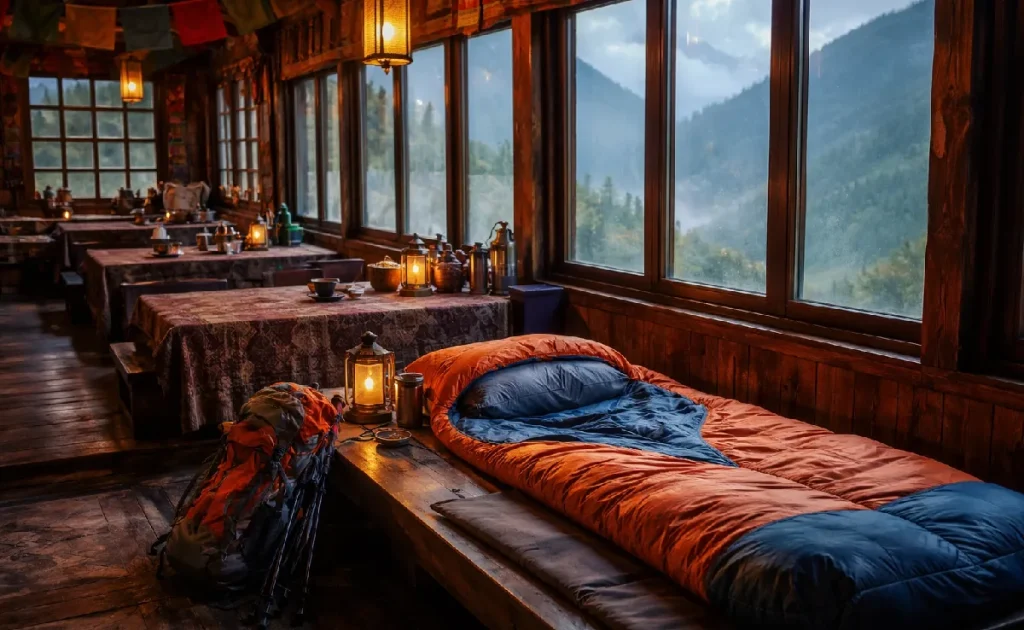
Proper sleeping equipment is essential in the mountains.
A warm sleeping bag is necessary for high-altitude treks. Trekking poles help reduce knee strain and improve balance.
A headlamp, first-aid kit, reusable bottle, and power bank are all essential parts of your trekking gear setup in Nepal.
These items ensure safety, hydration, and communication during your journey.
Seasonal Trekking Gear Guide
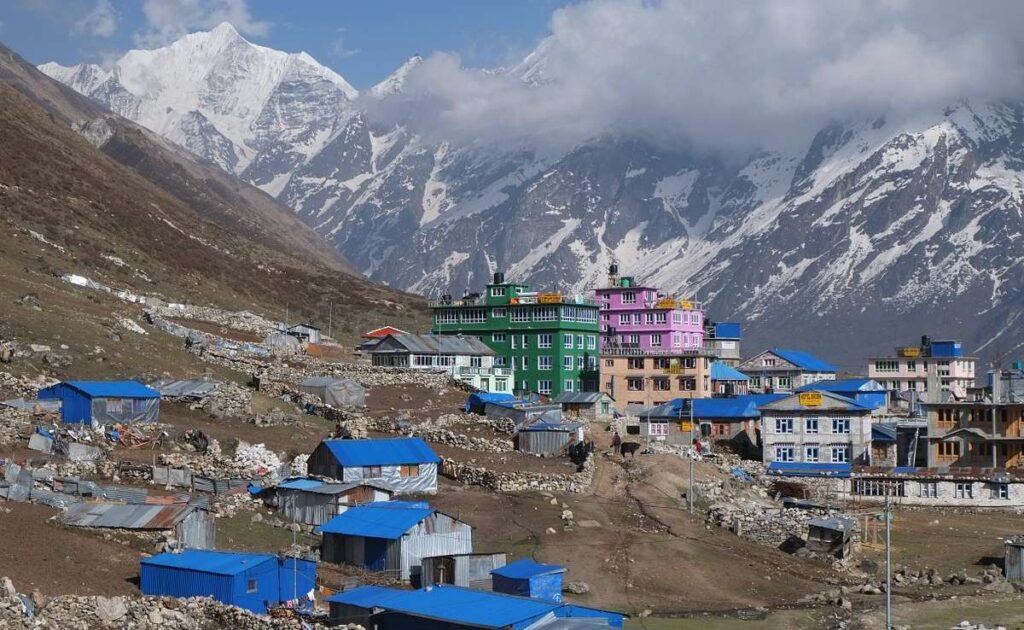
Your trekking gear in Nepal must change depending on the season:
- Autumn: Best season, light layers are enough
- Winter: Heavy jackets, insulated gear, warm sleeping bags
- Spring: Moderate weather, layering is important
- Monsoon: Waterproof jackets, rain covers, quick-dry clothes
Proper seasonal planning ensures your trekking gear in Nepal works effectively in all conditions.
Where to Buy or Rent Trekking Gear in Nepal
You can easily find trekking equipment in Kathmandu (Thamel) and Pokhara (Lakeside).
Renting is good for budget travelers, especially for sleeping bags and jackets. But shoes and backpacks should always be personally owned for comfort and safety.
Always check quality before buying your trekking gear, especially zippers, stitching, and durability.
At last, Having the right trekking gear ensures a safe and enjoyable Himalayan journey. Every item, from clothing to safety equipment plays an important role.
Plan your packing list carefully based on season and trail difficulty. we recommend you to pack light with being smart.
With proper preparation, your trekking experience in Nepal becomes more comfortable, safe, and unforgettable.