Luxury Diaries: When Ritz-Carlton Meets the Himalayas

Luxury Travel in Nepal is entering a new phase.

For years, most travelers focused on routes, costs, and logistics. They wanted to know how to reach the mountains, where to stay, and what a trip would cost. Today, however, a different type of traveler is emerging.

These travelers are not only asking how to get there. Instead, they want to know how the journey can become more meaningful. They want experiences designed around their personal interests and expectations. They also want to explore the Himalayas without sacrificing comfort, service, or authenticity.

This shift may seem subtle, yet it marks an important turning point. Nepal is no longer viewed only as an adventure destination. Increasingly, travelers see it as a place where carefully curated experiences can exist alongside world-class hospitality.

As a result, the role of the luxury travel designer is becoming more important than ever. Success now depends on thoughtful planning, seamless coordination, and a deep understanding of how travelers experience a journey from beginning to end.

Nepal’s New Luxury Opportunity
Luxury no longer means visible excess. Instead, modern luxury focuses on comfort, personalization, and meaningful experiences.

Across the world, leading hospitality brands have moved beyond simply providing accommodation. They design complete travel experiences. Every stage of the journey matters. Every interaction contributes to a larger story.

Consequently, luxury is no longer something travelers experience only inside a hotel. It extends across the entire journey.

For Nepal, this creates both an opportunity and a challenge. The country already offers extraordinary experiences. However, tourism providers have not always connected those experiences into one seamless journey.

At the same time, Nepal occupies a unique position in the global travel market. Demand for wellness, authenticity, and transformational travel continues to grow. Fortunately, these qualities already exist throughout Nepal’s spiritual traditions, Himalayan landscapes, and community-based tourism experiences.

In many ways, Nepal has delivered transformational journeys long before transformation became a travel trend.

The paradox is simple. What many destinations are now trying to create, Nepal has naturally offered for generations. Therefore, the next step is not reinvention. Instead, Nepal must organize, present, and communicate its value more effectively.

What Ritz-Carlton Signals for Luxury Travel in Nepal

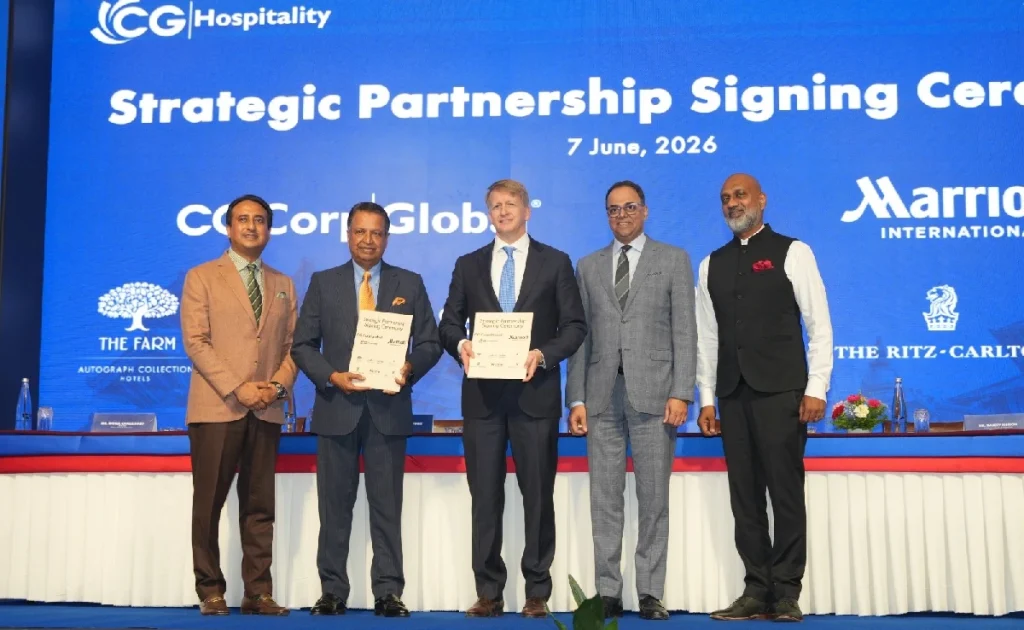
The arrival of luxury brands such as Ritz-Carlton represents much more than a new hotel opening.

It signals growing international confidence in Nepal as a luxury destination. It also demonstrates that demand for high-end, experience-driven travel has reached the Himalayas.

Global luxury brands succeed because they create consistency. They carefully design every guest interaction, maintain high service standards, and communicate a clear brand story. Their success depends on delivering a complete experience rather than simply providing accommodation.

For Nepal, this development highlights an important reality. The country does not lack exceptional experiences. Instead, it often lacks a structured system that connects those experiences into a seamless journey.

The significance of Ritz-Carlton is not that Nepal will suddenly become luxurious. Rather, it confirms what many travelers already recognize. Nepal possesses extraordinary experiences that can satisfy the expectations of the global luxury traveler.

Building the Future of Himalayan Luxury Travel
Luxury Travel in Nepal

Nepal does not need to reinvent itself to compete in the luxury market.

Instead, the country must organize what already exists. The path forward involves designing experiences with intention, connecting high-quality services, and creating journeys that feel effortless from beginning to end.

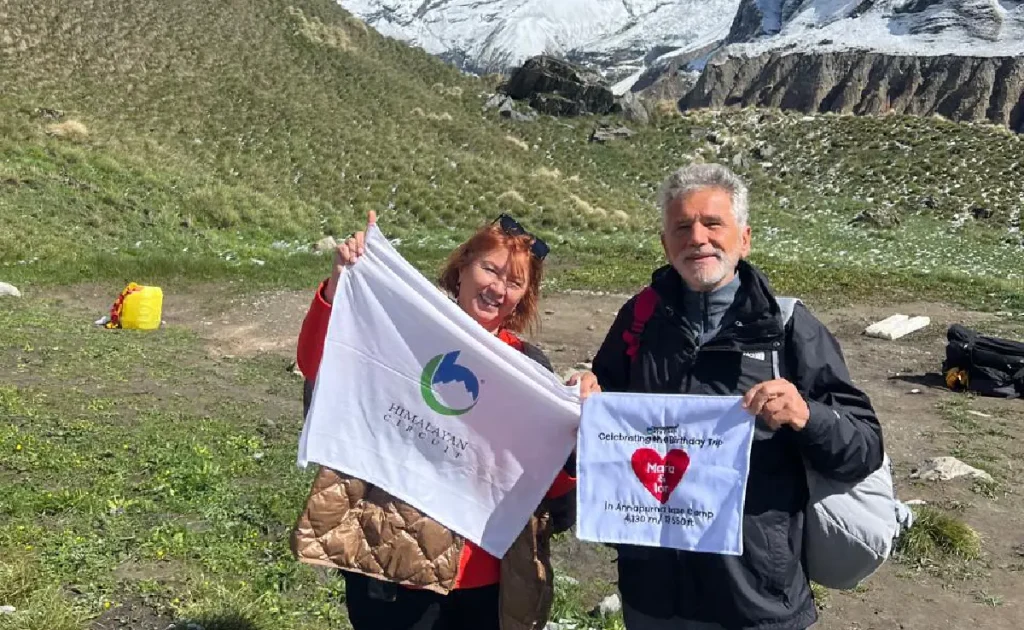
A luxury journey in Nepal might combine a heritage hotel in Kathmandu, meaningful cultural encounters, exclusive access to local experiences, scenic helicopter flights, boutique lodges, and carefully selected guides. Together, these elements create value far beyond accommodation alone.

This is where luxury travel design becomes essential. Travelers increasingly expect journeys that feel personal, seamless, and authentic.

As custom travel designers in Nepal, we see this shift firsthand. Rising expectations, combined with the arrival of global luxury brands, are creating new opportunities for the industry.

This is where Himalayan Circuit positions itself. We do not simply operate tours. We curate Himalayan journeys. Our goal is to transform travel into a cohesive experience while presenting Nepal as a destination of meaning, authenticity, and world-class service.

Because luxury in Nepal should never feel imported.

It should feel inherent, natural, and inevitable.

The Beginning of a New Chapter
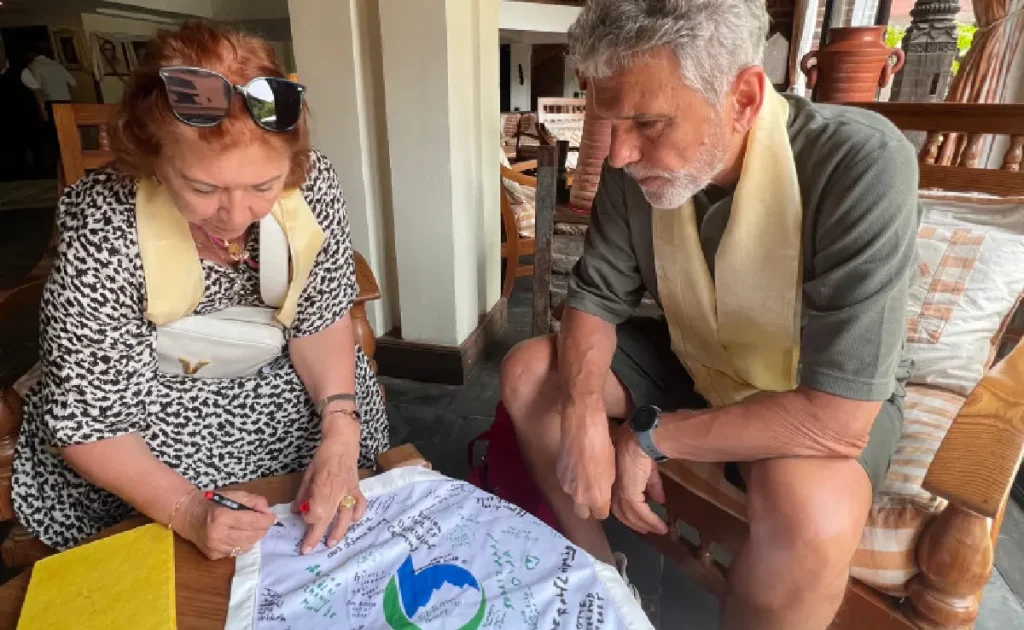
The arrival of Ritz-Carlton and other luxury collections is not the destination. Instead, it marks the beginning of a new chapter for luxury travel in Nepal.

The question is no longer whether Nepal can participate in the global luxury travel market.

The real question is how quickly the industry can organize itself to meet an opportunity that is already arriving.

One thing is becoming increasingly clear: Himalayan Luxury Travel is no longer an idea.

It is a segment that is now taking shape.
Nepal Diaries: Nepal’s Journey Toward World-Class Luxury Travel

Luxury travel in Nepal

The American Luxury Traveler: A Growing Strategic Market

Luxury travel in Nepal is entering a new phase of growth as the country attracts a rising number of high-value international visitors. The United States has emerged as one of Nepal’s most important long-haul tourism markets, consistently ranking as the second-largest source of international visitors after India. In 2025 alone, Nepal welcomed over 112,000 American visitors, accounting for approximately 9.7% of total international arrivals. This represents a remarkable increase from around 77,000 in 2022, reflecting nearly 50% growth within just three years and signaling strong post-pandemic recovery.

However, beyond these numbers lies a deeper strategic opportunity. American travelers are not just frequent visitors—they are high-value travelers. They tend to stay longer, explore diverse tourism segments—including adventure, culture, and wellness—and possess significantly higher spending capacity compared to regional markets. This positions them as critical contributors who can redefine Nepal’s tourism economy from a volume-driven model to a value-driven one.These developments are creating a stronger foundation for luxury travel in Nepal and attracting travelers seeking premium experiences.

 The Value Gap: More Tourists, Less Spending

Despite increasing arrivals, Nepal faces a fundamental paradox—more tourists, but less value per tourist. In 2025, the average daily spending dropped to approximately USD 33, down from over USD 40 the previous year. At the same time, the average length of stay increased to over 16 days, marking the highest on record.

This imbalance reveals a structural inefficiency: tourists are spending more time in Nepal but generating less economic value on a daily basis. Contributing factors include limited high-end consumption avenues, gaps in luxury product development, and an underdeveloped service delivery ecosystem. For a market like the United States—where travelers are willing to invest in premium, curated experiences—this represents a missed opportunity.

The challenge, therefore, is not attracting tourists.
It is capturing value from the right tourists.

What American Luxury Travelers Truly Seek and What Nepal Can Offer

The global definition of luxury travel has evolved. Today’s American luxury traveler is no longer driven by material comforts alone but by experience, authenticity, and transformation. Luxury is increasingly measured in emotional and experiential value rather than physical assets.

These travelers actively seek:

  • Authentic cultural immersion
  • Privacy and exclusivity
  • Seamless, curated travel experiences
  • Wellness, reflection, and personal transformation

They are moving away from standardized, predictable luxury and toward destinations that offer depth, meaning, and uniqueness.

Nepal inherently aligns with this demand. Its Himalayan landscapes, spiritual heritage, living traditions, and warm human connections provide a level of authenticity that few destinations can replicate. The challenge is not creating such experiences—it is structuring, standardizing, and communicating them effectively to a global high-end audience.

Luxury Accommodations in Nepal: Local Excellence and Global Trust

Nepal’s luxury accommodation landscape is evolving through two complementary pathways—locally rooted high-end hospitality and globally recognized international brands.

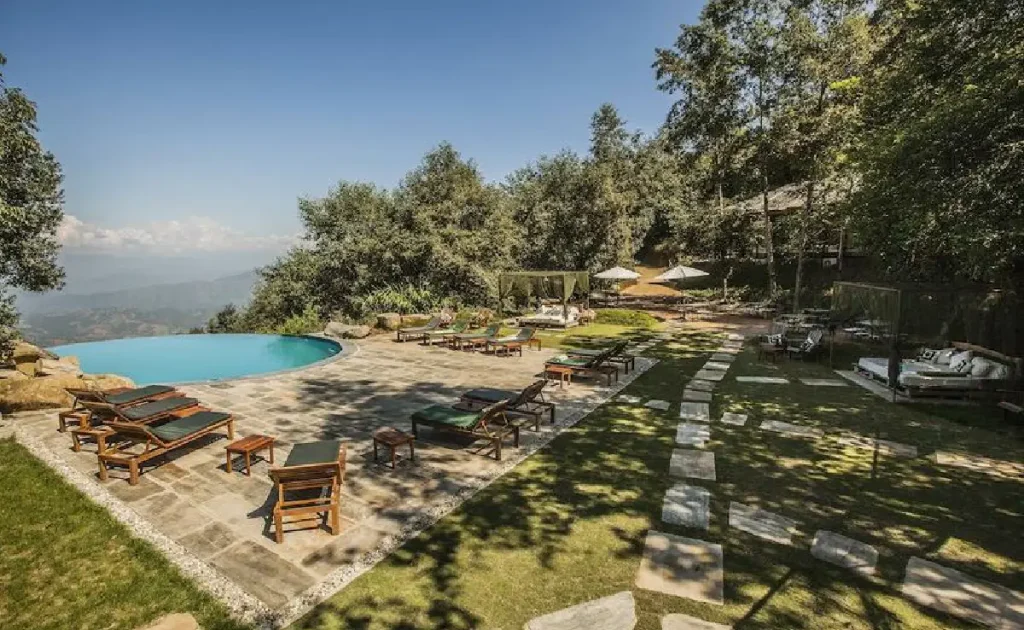
On one hand, Nepali luxury operators have developed boutique properties that offer deeply immersive experiences rooted in local culture and architecture. These properties provide personalized service, intimate settings, and a strong sense of place, catering to travelers who seek authenticity alongside comfort. They represent a form of luxury that is experiential, culturally embedded, and unique to Nepal.

On the other hand, the expansion of international and American hotel brands is significantly reshaping Nepal’s luxury positioning. The presence of globally recognized names such as Marriott, Hilton, Hyatt, and IHG and upcoming ultra-luxury developments like Ritz-Carlton, Westin, and The Luxury Collection is establishing a new level of confidence among international travelers. These brands act as trust anchors, ensuring consistency, predictability, and internationally benchmarked service standards.

This dual ecosystem local authenticity combined with global assurance is critical. It allows Nepal to cater to a broader spectrum of luxury travelers, from those seeking cultural immersion to those prioritizing brand familiarity and service certainty.

The Future of Luxury Travel in Nepal

Recognizing these structural gaps, Nepal is undergoing a deliberate shift in its tourism strategy. The Nepal Tourism Board (NTB), in collaboration with international partners such as UNDP, is driving a transition from mass tourism toward high-value, sustainable tourism.

This evolving framework emphasizes:

  • Targeting high-spending source markets such as the United States
  • Diversifying tourism products beyond trekking to include luxury, wellness, and culture
  • Strengthening global branding and digital outreach
  • Enhancing infrastructure to meet international luxury standards

This is a significant strategic pivot. It acknowledges that Nepal’s long-term sustainability does not lie in increasing visitor numbers, but in increasing value per visitor—a shift aligned with global trends in responsible and experiential tourism.

 Nepal’s Unique Luxury Proposition: Embedded, Not Constructed

Unlike traditional luxury destinations where luxury is artificially designed and built, Nepal offers something fundamentally different—embedded luxury.

Here, luxury is not created; it already exists within:

  • The Himalayas and untouched landscapes
  • Living spiritual traditions
  • Deep-rooted cultural heritage
  • Genuine human connections

Nepal delivers a kind of luxury that is not defined by opulence, but by experience, rarity, and emotional depth. It offers not just a place to stay, but a journey that transforms.

Rather than competing with destinations like the Maldives or Switzerland on conventional luxury metrics, Nepal can position itself within a distinct global category:

Transformational Luxury at the Top of the World

From Potential to Trust

Nepal stands at a defining moment in its tourism evolution. The American luxury traveler is already arriving in significant numbers, bringing not just volume but the potential for higher economic impact. Yet, the country has not fully transitioned from being a destination of attraction to a destination of trust and value realization.

The path forward is clear. By aligning its inherent strengths with global service standards, expanding high-end infrastructure, strengthening brand visibility, and executing a coherent value-based strategy, Nepal can reposition itself—not as an alternative destination, but as a preferred luxury destination for discerning American travelers.

If you are seeking an authentic luxury journey that combines Himalayan landscapes, rich culture, and personalized service, now is the perfect time to discover what Nepal has to offer. Contact us to start planning your tailor-made luxury experience in Nepal.