
Luxury Travel in Nepal is entering a new phase.
For years, most travelers focused on routes, costs, and logistics. They wanted to know how to reach the mountains, where to stay, and what a trip would cost. Today, however, a different type of traveler is emerging.
These travelers are not only asking how to get there. Instead, they want to know how the journey can become more meaningful. They want experiences designed around their personal interests and expectations. They also want to explore the Himalayas without sacrificing comfort, service, or authenticity.
This shift may seem subtle, yet it marks an important turning point. Nepal is no longer viewed only as an adventure destination. Increasingly, travelers see it as a place where carefully curated experiences can exist alongside world-class hospitality.
As a result, the role of the luxury travel designer is becoming more important than ever. Success now depends on thoughtful planning, seamless coordination, and a deep understanding of how travelers experience a journey from beginning to end.
Nepal’s New Luxury Opportunity
Luxury no longer means visible excess. Instead, modern luxury focuses on comfort, personalization, and meaningful experiences.
Across the world, leading hospitality brands have moved beyond simply providing accommodation. They design complete travel experiences. Every stage of the journey matters. Every interaction contributes to a larger story.
Consequently, luxury is no longer something travelers experience only inside a hotel. It extends across the entire journey.
For Nepal, this creates both an opportunity and a challenge. The country already offers extraordinary experiences. However, tourism providers have not always connected those experiences into one seamless journey.
At the same time, Nepal occupies a unique position in the global travel market. Demand for wellness, authenticity, and transformational travel continues to grow. Fortunately, these qualities already exist throughout Nepal’s spiritual traditions, Himalayan landscapes, and community-based tourism experiences.
In many ways, Nepal has delivered transformational journeys long before transformation became a travel trend.
The paradox is simple. What many destinations are now trying to create, Nepal has naturally offered for generations. Therefore, the next step is not reinvention. Instead, Nepal must organize, present, and communicate its value more effectively.
What Ritz-Carlton Signals for Luxury Travel in Nepal
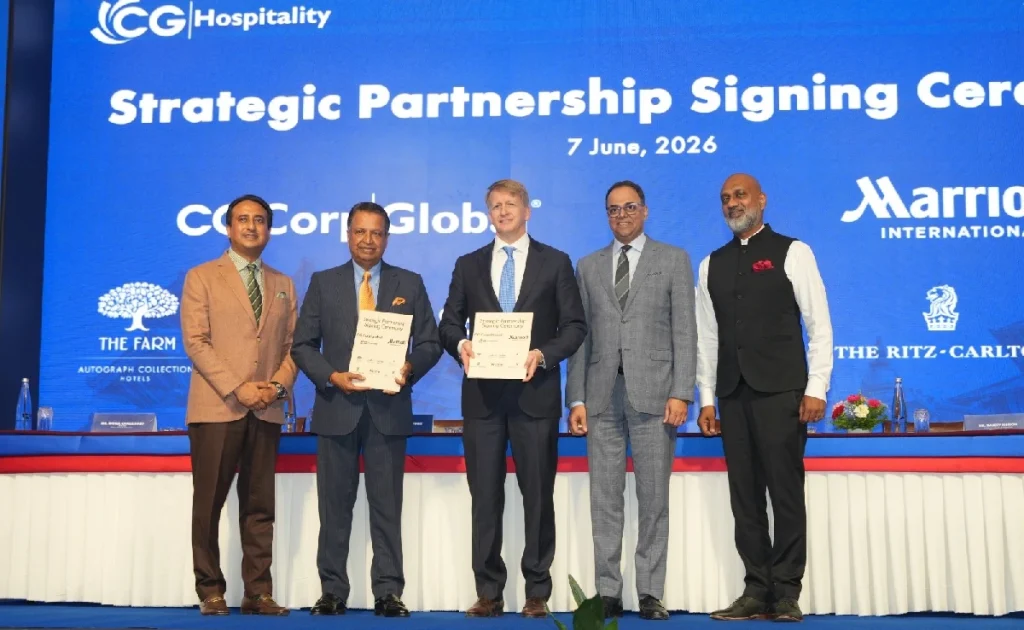
The arrival of luxury brands such as Ritz-Carlton represents much more than a new hotel opening.
It signals growing international confidence in Nepal as a luxury destination. It also demonstrates that demand for high-end, experience-driven travel has reached the Himalayas.
Global luxury brands succeed because they create consistency. They carefully design every guest interaction, maintain high service standards, and communicate a clear brand story. Their success depends on delivering a complete experience rather than simply providing accommodation.
For Nepal, this development highlights an important reality. The country does not lack exceptional experiences. Instead, it often lacks a structured system that connects those experiences into a seamless journey.
The significance of Ritz-Carlton is not that Nepal will suddenly become luxurious. Rather, it confirms what many travelers already recognize. Nepal possesses extraordinary experiences that can satisfy the expectations of the global luxury traveler.
Building the Future of Himalayan Luxury Travel
Nepal does not need to reinvent itself to compete in the luxury market.
Instead, the country must organize what already exists. The path forward involves designing experiences with intention, connecting high-quality services, and creating journeys that feel effortless from beginning to end.
A luxury journey in Nepal might combine a heritage hotel in Kathmandu, meaningful cultural encounters, exclusive access to local experiences, scenic helicopter flights, boutique lodges, and carefully selected guides. Together, these elements create value far beyond accommodation alone.
This is where luxury travel design becomes essential. Travelers increasingly expect journeys that feel personal, seamless, and authentic.
As custom travel designers in Nepal, we see this shift firsthand. Rising expectations, combined with the arrival of global luxury brands, are creating new opportunities for the industry.
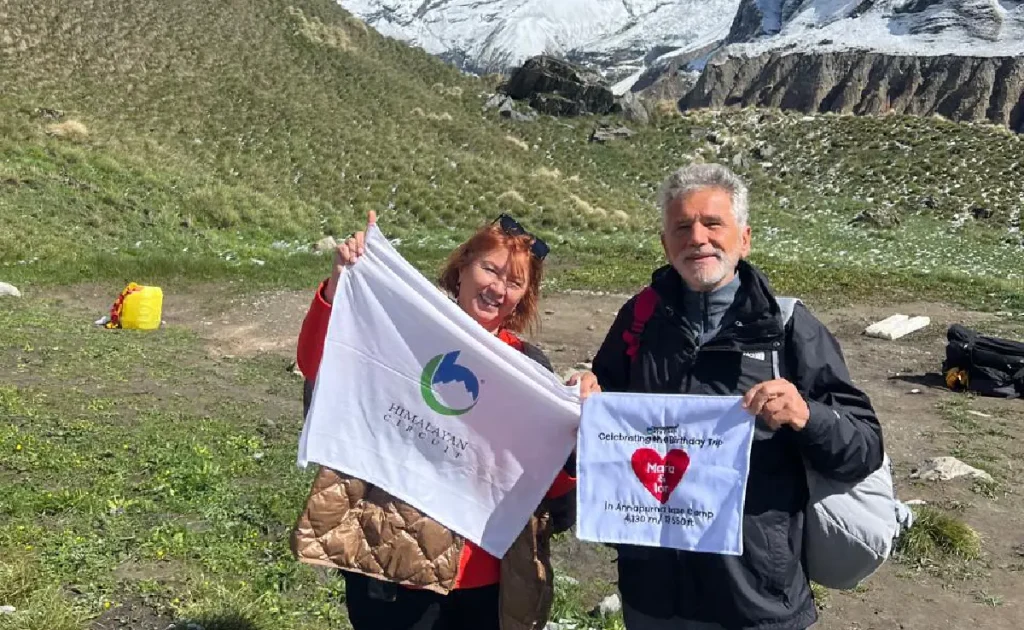
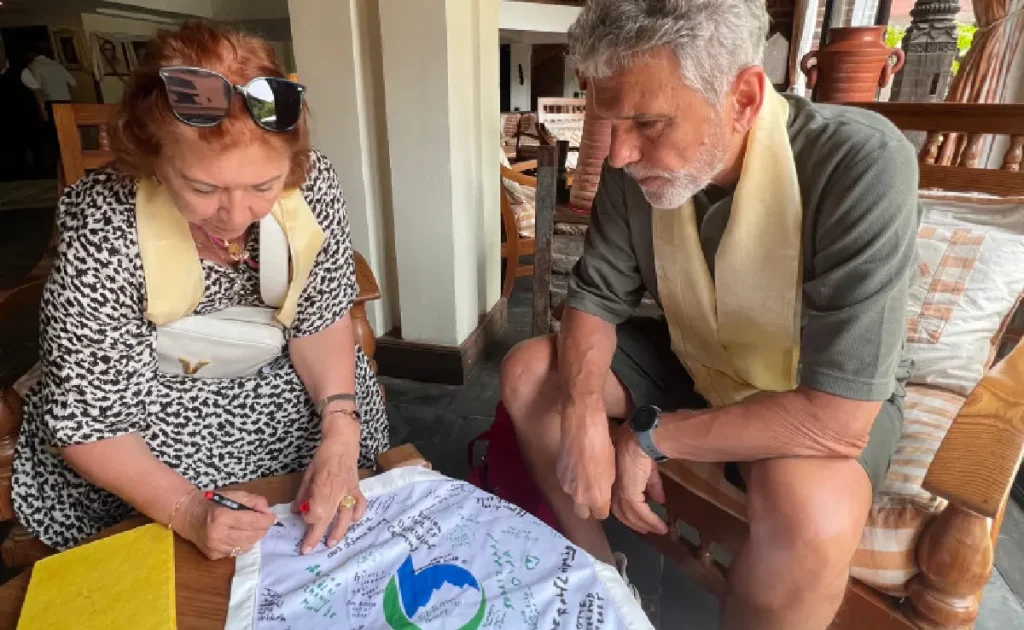
This is where Himalayan Circuit positions itself. We do not simply operate tours. We curate Himalayan journeys. Our goal is to transform travel into a cohesive experience while presenting Nepal as a destination of meaning, authenticity, and world-class service.
Because luxury in Nepal should never feel imported.
It should feel inherent, natural, and inevitable.
The Beginning of a New Chapter
The arrival of Ritz-Carlton and other luxury collections is not the destination. Instead, it marks the beginning of a new chapter for luxury travel in Nepal.
The question is no longer whether Nepal can participate in the global luxury travel market.
The real question is how quickly the industry can organize itself to meet an opportunity that is already arriving.
One thing is becoming increasingly clear: Himalayan Luxury Travel is no longer an idea.
It is a segment that is now taking shape.