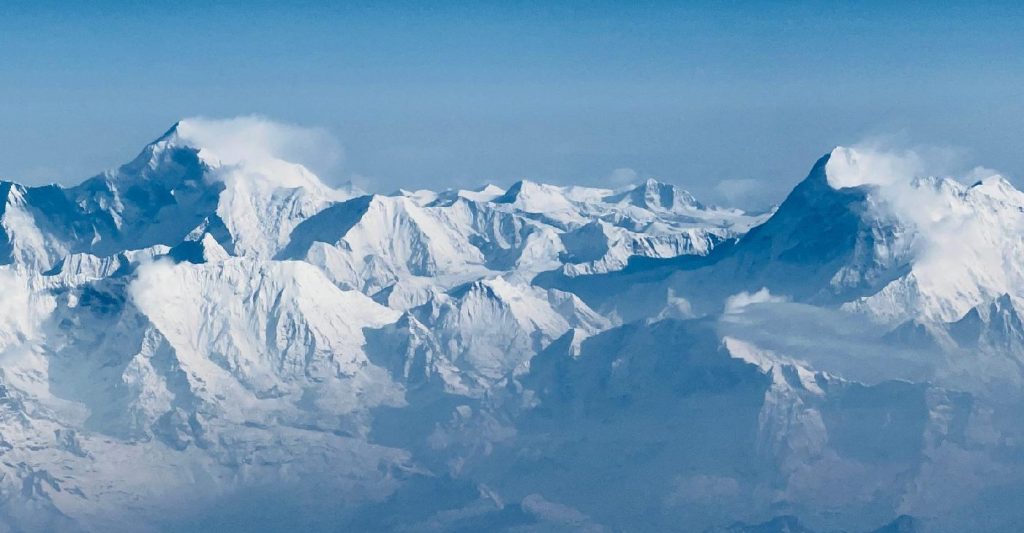
Everest Region: EBC & Gokyo Lakes Trekking Guide in Detail

Everest Region

The Everest Region Trekking Guide starts here—taking you through one of the most awe-inspiring trekking destinations in the world. Home to Mount Everest (8,848 meters), this region offers more than just a glimpse of the highest peak on Earth. It presents a complete Himalayan experience filled with spectacular landscapes, authentic Sherpa culture, and unforgettable trails. Whether you’re aiming for Everest Base Camp or seeking tranquility at the Gokyo Lakes, this guide will help you prepare for your trek with all the essentials.

1. Everest Base Camp Trek: The Ultimate Trekking Adventure

The Everest Base Camp (EBC) Trek is the most popular route in the region, attracting adventurers from around the globe. It’s the heart of any Everest Region Trekking Guide.

Highlights:

  • Flight to Lukla: Begin with an exciting mountain flight from Kathmandu to Lukla.
  • Sherpa Villages: Walk through culturally rich villages like Namche Bazaar and Tengboche.
  • Panoramic Mountain Views: Witness Mount Everest, Lhotse, Ama Dablam, and more.
  • Everest Base Camp (5,364m): Stand at the foot of the world’s tallest mountain.
  • Tengboche Monastery: A serene spiritual stop with views of Everest.

Best for: Experienced trekkers and adventure lovers looking to stand face-to-face with Everest.

2. Gokyo Lakes Trek: A Peaceful Alternative

The Gokyo Lakes Trek is a quieter and equally scenic journey within the Everest Region.

Highlights:

  • Gokyo Ri (5,357m): Offers one of the best panoramic views of Mount Everest.
  • Turquoise Lakes: Explore the stunning glacial Gokyo Lakes.
  • Less Crowded Trails: A peaceful trail with fewer trekkers.

Best for: Nature lovers and those seeking a less crowded alternative to EBC.

3. When to Trek in the Everest Region

The best times for trekking in the Everest Region are:

  • Spring (March to May): Blooming rhododendrons and stable weather.
  • Autumn (September to November): Clear skies and excellent visibility.

Avoid monsoon (June–August) due to heavy rain, and winter (December–February) unless you’re prepared for extreme cold.

4. Trekking Challenges & Altitude Sickness

The Everest Region Trekking Guide wouldn’t be complete without addressing the challenges:

  • Difficulty: Moderate to difficult, depending on the route.
  • Altitude Sickness: Acclimatization is key. Symptoms include headaches, nausea, and fatigue. Stay hydrated, ascend slowly, and take rest days.

Our experienced guides are trained to monitor altitude-related symptoms and keep you safe throughout the journey.

5. Teahouse Experience & Local Cuisine

Trekking in the Everest Region means staying in teahouses—simple lodges run by locals offering basic amenities, hearty meals, and a warm place to rest. Popular dishes include:

  • Dal Bhat (lentils, rice, and vegetables)
  • Momos (dumplings)
  • Sherpa stew

This adds cultural immersion to your trekking experience.

6. Permits and Essentials

To trek in the Everest Region, you need:

  • Sagarmatha National Park Entry Permit
  • TIMS Card (Trekkers’ Information Management System)

These are arranged by your trekking company or can be acquired in Kathmandu.

7. Why Choose Himalayan Circuit for Your Everest Trek

At Himalayan Circuit, we specialize in personalized treks across Nepal, including expert-crafted Everest Region trekking itineraries. Here’s what we offer:

  • Tailored routes for EBC, Gokyo, and more
  • Acclimatization-focused planning
  • Experienced, licensed guides and porters
  • Easy permit support
  • Comfortable and authentic teahouse stays

Plan Your Everest Region Trekking Adventure Today

Whether you’re planning your first trek or your next great Himalayan journey, this Everest Region Trekking Guide gives you the foundation to get started. Reach out to Himalayan Circuit to start crafting your unforgettable Everest adventure.

Everest Region: Pikey Peak Trek with Stunning Everest Views

If you’re looking for an exciting yet peaceful trekking experience in the Everest region of Nepal, the Pikey Peak Trek is a fantastic option. This 10-day trek offers incredible views of Mount EverestLhotse, and Makalu, all while taking you through the quieter, lesser-known parts of the Solu region. Perfect for those who want to escape the crowds but still experience the beauty of the Himalayas.

At Himalayan Circuit, we offer a guided Pikey Peak trek that combines adventure, culture, and breathtaking scenery. Whether you’re a seasoned trekker or a beginner, this trek provides the perfect balance of challenge and reward.

Why Choose the Pikey Peak Trek?

  1. Unforgettable Views of Mount Everest and the Himalayas

One of the biggest highlights of the Pikey Peak Trek is the stunning panoramic view from the summit. Standing at 4,065 metersPikey Peak offers a clear view of Mount EverestLhotseMakalu, and other towering peaks in the Everest region. The sunrise from the peak is especially spectacular, with the golden light illuminating the majestic snow-capped mountains.

  1. Off-the-Beaten-Path Trekking Experience

Unlike popular treks like the Everest Base Camp trek, the Pikey Peak Trek takes you through less crowded routes. This means you can enjoy a more peaceful and serene trekking experience, free from the hustle and bustle of the main tourist trails. You’ll trek through remote villages, dense forests, and alpine meadows, all while soaking in the natural beauty of the Khumbu region.

  1. Immerse Yourself in Sherpa Culture

On the Pikey Peak trek, you’ll have the chance to learn about the rich culture and traditions of the Sherpa people. Along the way, you’ll visit Buddhist monasteries, interact with locals, and explore charming Sherpa villages like Junbesi and Bhandar. This is a great opportunity to understand the unique way of life in the Himalayas.

  1. Moderate Difficulty for All Skill Levels

The Pikey Peak Trek is considered a moderate trek, making it suitable for most trekkers with average fitness levels. While it involves uphill climbs and some physical effort, the pace is gradual, allowing plenty of time for acclimatization. Whether you’re a beginner or an experienced trekker, this trek offers a manageable challenge with great rewards.

  1. A Perfect Trek for Nature Lovers and Photographers

The trek takes you through lush forestspicturesque villages, and mountain ridges, all offering stunning views of the surrounding landscape. Whether you’re an avid photographer or simply someone who loves nature, the Pikey Peak Trek is perfect for capturing the beauty of the Himalayas.

What to Expect on the Pikey Peak Trek

Altitude and Acclimatization

The highest point of the trek is Pikey Peak at 4,065 meters. The trek’s gradual ascent helps with altitude acclimatization, reducing the risk of altitude sickness. You’ll have plenty of opportunities to rest and adjust before reaching the summit, ensuring a safe and comfortable trekking experience.

Accommodation on the Trek

Throughout the Pikey Peak Trek, you will stay in local teahouses and lodges, which offer a comfortable and authentic experience. These teahouses are run by local families, where you can enjoy homemade food and connect with the community.

Local Cuisine

The trek offers a chance to try traditional Nepali dishes, such as dal bhat (lentils and rice), momos (dumplings), and Tibetan bread. These meals provide the energy you need to continue trekking each day and help you experience local flavors.

Best Time to Trek Pikey Peak

The best times to do the Pikey Peak Trek are during the spring (March to May) and autumn (September to November). During these seasons, the weather is clear, temperatures are moderate, and you’ll get the best views of the surrounding peaks.

  • Spring (March to May): Mild temperatures, clear skies, and great visibility of the mountains.
  • Autumn (September to November): Ideal weather for trekking with stable conditions and great mountain views.

Packing for the Pikey Peak Trek

To make your trek comfortable, it’s essential to pack the right gear. Here’s what to bring:

  • Warm layers for chilly mornings and evenings.
  • Good trekking boots for comfortable walking on mountain trails.
  • Rain gear in case of unexpected showers.
  • Sun protection (sunscreen, hat, and sunglasses).
  • A quality sleeping bag for chilly nights in the teahouses.
  • Trekking poles to assist with balance during steep climbs.

Why Book Your Pikey Peak Trek with Himalayan Circuit?

At Himalayan Circuit, we provide an expertly guided trekking experience. Our experienced guides are locals who know the region well and will ensure that your trek is safe, enjoyable, and culturally enriching. We take care of all logistics, including permits, accommodation, and meals, so you can focus on enjoying your adventure.

Book Your Pikey Peak Trek Today: 

The Pikey Peak Trek is a perfect choice for those looking to experience the beauty of the Everest region without the crowds. With stunning views, rich Sherpa culture, and a moderate level of difficulty, this trek offers something for everyone. Whether you’re a nature lover, a photographer, or simply looking for an unforgettable adventure, the Pikey Peak Trek is sure to leave you with lasting memories.

Book your Pikey Peak Trek with Himalayan Circuit today, and start planning your dream trek in the heart of the Himalayas.