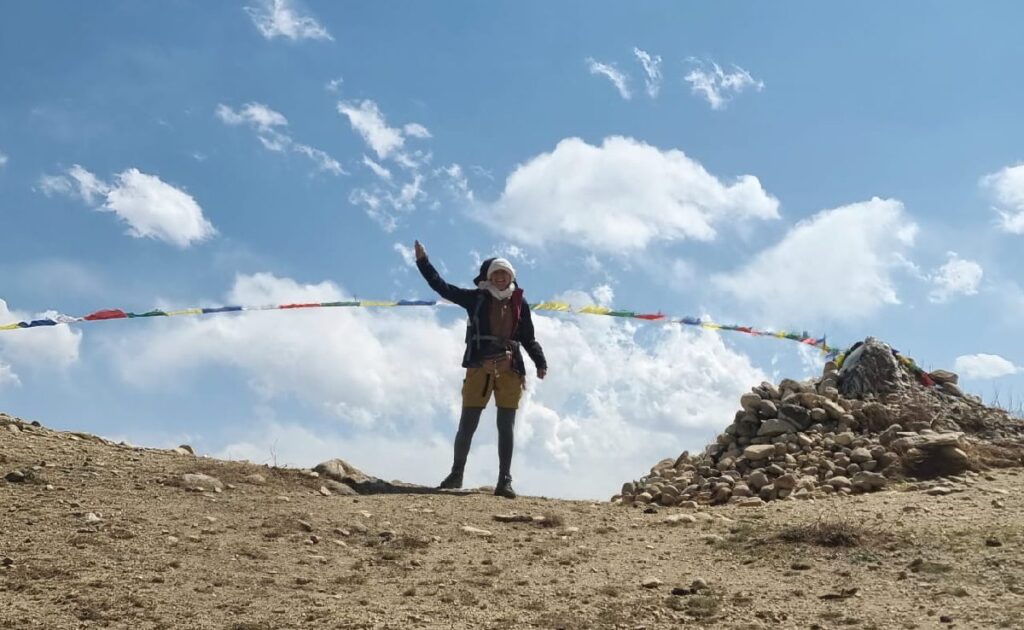
An Upper Mustang Travel Guide offers more than information about a trekking route. It introduces you to a remote Himalayan region with ancient villages, dramatic cliffs, old monasteries, and a strong Tibetan Buddhist culture. Unlike the green hills found on many popular Nepal trekking routes, Upper Mustang has dry valleys, colorful rock formations, and wide open landscapes.
Upper Mustang is often called Nepal’s “Last Forbidden Kingdom.” The region remained closed to foreign visitors until 1992. Today, travelers can explore this unique part of Nepal with the required permits. The journey offers a mix of natural beauty, history, spirituality, and local culture.
Where Is Upper Mustang?
Upper Mustang lies in the trans-Himalayan region of northern Nepal. The area sits in the rain shadow of the Annapurna and Dhaulagiri ranges. As a result, it receives much less rainfall than many other parts of Nepal.
This dry climate creates the region’s famous desert-like landscapes. You will see wide valleys, bare hills, steep cliffs, and unusual rock formations. The area also offers a different side of the Himalayas from the green landscapes found elsewhere in Nepal.
Lo Manthang is the cultural center of Upper Mustang. The historic walled settlement once served as the capital of the Kingdom of Lo. Today, it remains one of the most important places to visit in the region.
Upper Mustang is also a restricted area. Travelers need a special permit to enter, and you must follow the current entry requirements when planning your journey.
Why Visit Upper Mustang?
Upper Mustang offers a travel experience that feels very different from most other parts of Nepal. The landscape changes as you move deeper into the region. Green hills gradually give way to dry valleys, red and orange cliffs, rocky plateaus, and open mountain passes.
However, the landscape is only part of the attraction. Upper Mustang culture is just as important. Tibetan traditions continue to influence local architecture, religion, festivals, and daily life.
You can walk through ancient settlements, visit monasteries, and learn about the history of the Kingdom of Lo. At the same time, you can enjoy dramatic Himalayan scenery throughout the journey.
For travelers interested in history and culture, Upper Mustang offers much more than a standard trekking experience.
Major Highlights of Upper Mustang
Lo Manthang
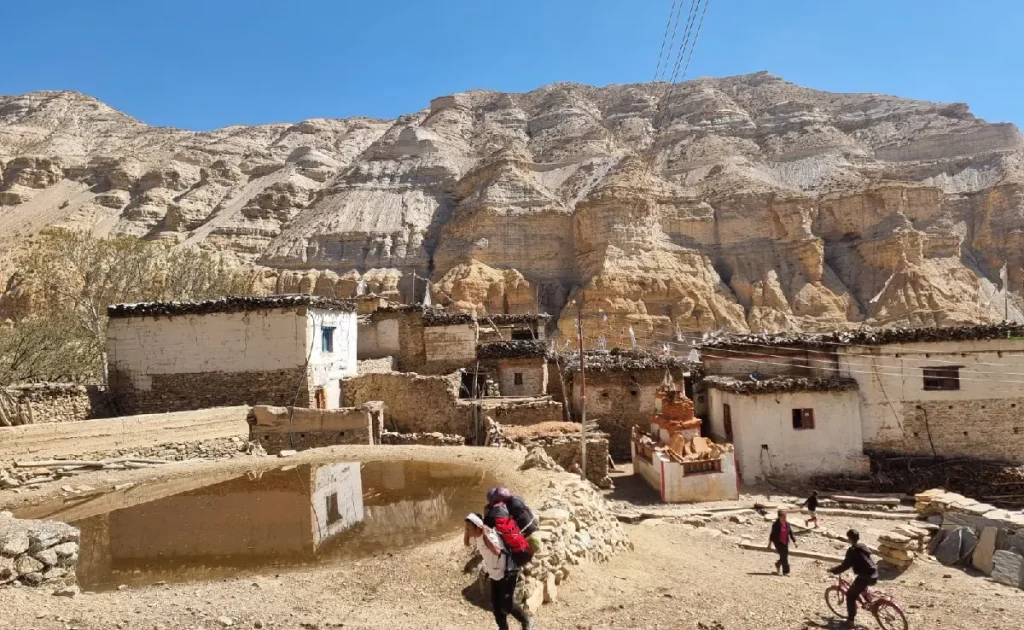
Lo Manthang is one of the main highlights of any Upper Mustang journey. The historic town sits at a high altitude and features narrow streets, traditional houses, and old defensive walls.
The settlement has a strong connection to the region’s history and Buddhist traditions. Walking through its streets gives you a chance to see traditional architecture and experience the atmosphere of an ancient Himalayan town.
Take your time here instead of rushing through. Visit local sites, explore the surrounding area, and learn about the history of the former Kingdom of Lo.
Upper Mustang Monasteries
The Upper Mustang monasteries are another major attraction. Many monasteries contain traditional paintings, sculptures, religious objects, and other examples of Himalayan Buddhist art.
Important monasteries include Jampa Gompa and Thubchen Gompa in Lo Manthang. These sites provide insight into the religious history of the region.
Visitors should behave respectfully inside monasteries. Follow local rules, avoid disturbing religious activities, and ask before taking photographs.
Desert-Like Landscapes and Caves
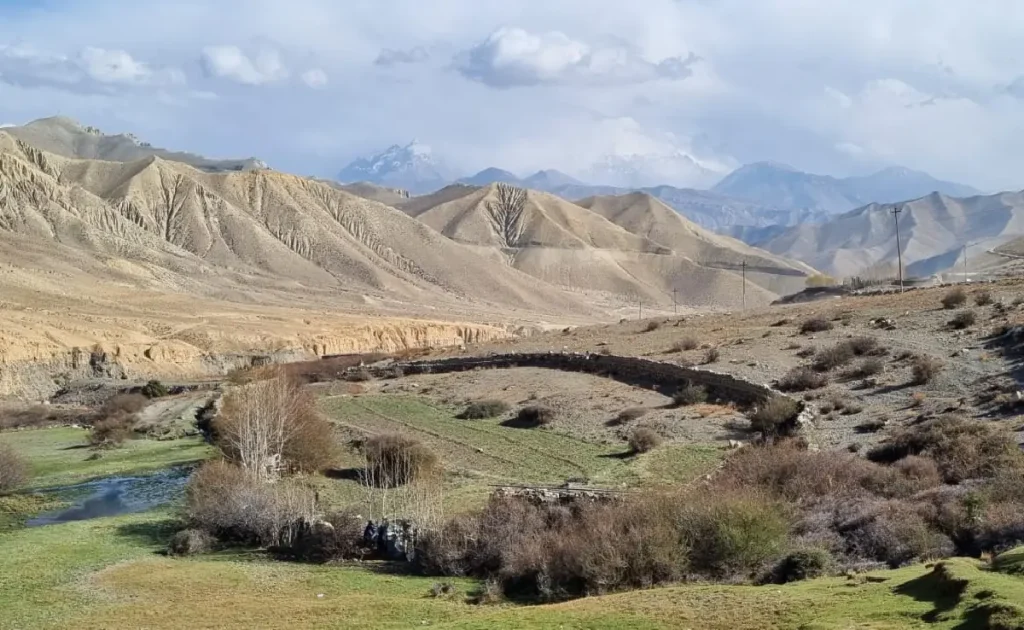
Upper Mustang is famous for its dry and dramatic landscapes. The region features deep valleys, colorful cliffs, rocky hills, and unusual geological formations.
Ancient caves add another layer of mystery to the landscape. Some cave sites appear high on cliff faces and show evidence of earlier settlements and religious activity.
The combination of caves, cliffs, and dry valleys gives Upper Mustang its distinctive appearance. It is one of the main reasons photographers and adventure travelers visit the region.
Tiji Festival
The Tiji Festival is one of the most important cultural events in Lo Manthang. This traditional Buddhist festival features colorful dances, prayers, and religious ceremonies.
The festival usually takes place over several days. Local communities gather to celebrate and preserve an important part of Mustang’s cultural heritage.
If you plan your trip around the festival, you can experience a lively side of local life. However, visitors should remember that the event has deep religious meaning and should treat the ceremonies with respect.
Culture of Upper Mustang
The culture of Upper Mustang has strong Tibetan roots. Tibetan Buddhism influences many parts of daily life, from religious practices to architecture and local festivals.
You will see prayer flags, mani walls, monasteries, chortens, and traditional homes throughout the region. Many villages also feature whitewashed walls and mud-brick buildings that reflect the area’s long history.
The culture also connects closely with the landscape. Mountain passes and old trade routes once linked Upper Mustang with Tibet. Traders and local communities used these routes for centuries.
Today, many traditions remain an important part of local identity. Visiting Upper Mustang therefore offers more than sightseeing. It gives travelers a chance to understand a living Himalayan culture.
Things to Do in Upper Mustang
There are many ways to experience Upper Mustang. Trekking remains one of the best options for travelers who want to explore the region slowly.
Walking between villages allows you to appreciate the changing landscape. You can also stop at monasteries, visit historic settlements, and photograph the colorful cliffs and dry valleys.
Lo Manthang travel should also include time for cultural exploration. Walk through the old town, visit local monasteries, and learn about the history of the Kingdom of Lo.
Some travelers choose to explore parts of Upper Mustang by jeep. This option can help visitors cover more distance in less time. However, trekking offers a closer connection with the landscape and villages.
You can also plan your journey around the Tiji Festival. This provides a special opportunity to experience local Buddhist traditions and community celebrations.
Best Time to Visit Upper Mustang
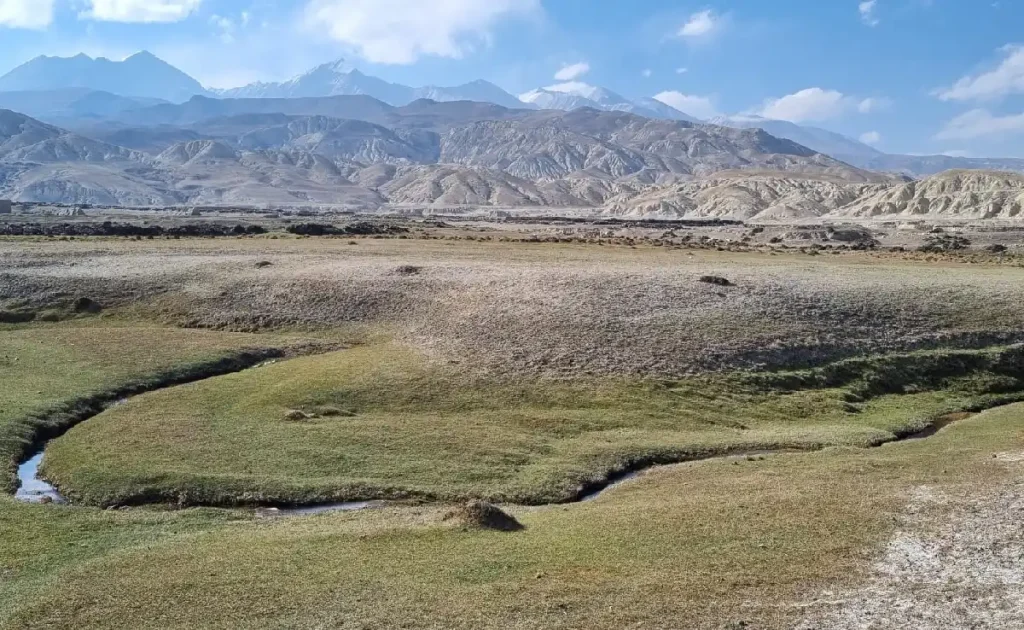
Upper Mustang has a different climate from many other trekking regions in Nepal. Its location in the rain shadow means that the area receives less monsoon rainfall.
Because of this, Upper Mustang can be a good trekking destination during the summer months. However, spring and autumn remain popular because of generally clear weather and comfortable trekking conditions.
Spring runs from March to May. During this period, the weather becomes warmer, and the skies often remain clear.
Autumn lasts from September to November. These months usually offer good mountain views and stable trekking conditions.
Winter can be very cold and windy. Snow may also affect high passes and remote trails. Therefore, winter travelers need careful planning and appropriate equipment.
Always check current weather and trail conditions before starting your journey.
Travel Tips for Upper Mustang
Planning ahead is essential for an Upper Mustang Travel Guide. The region is restricted, so you need the required special permit before entering the area.
You should also plan your transportation and accommodation in advance. Facilities become more basic as you travel farther into the region.
Altitude is another important consideration. Upper Mustang includes several high-altitude settlements and passes. Walk at a steady pace and give your body time to adjust.
Weather can also change quickly. Pack warm layers, sun protection, rain protection, and comfortable trekking shoes.
Respect local culture throughout your journey. Dress appropriately when visiting religious sites and follow local customs inside monasteries. Also, avoid leaving waste along the trail.
Finally, take your time. Upper Mustang rewards travelers who slow down and appreciate its villages, landscapes, monasteries, and people.
Upper Mustang offers a rare combination of culture, history, and dramatic Himalayan landscapes. Its dry valleys and colorful cliffs create a setting that looks very different from the greener trekking regions of Nepal.
At the same time, the monasteries, traditional villages, Buddhist festivals, and historic trade routes reveal a rich cultural heritage. Lo Manthang remains the heart of this experience and gives visitors a closer look at the region’s past and present.
For travelers seeking something beyond the usual Nepal trekking routes, an Upper Mustang Travel Guide can be the starting point for an unforgettable journey. The region combines adventure with culture and offers a deeper connection with the Himalayan way of life.