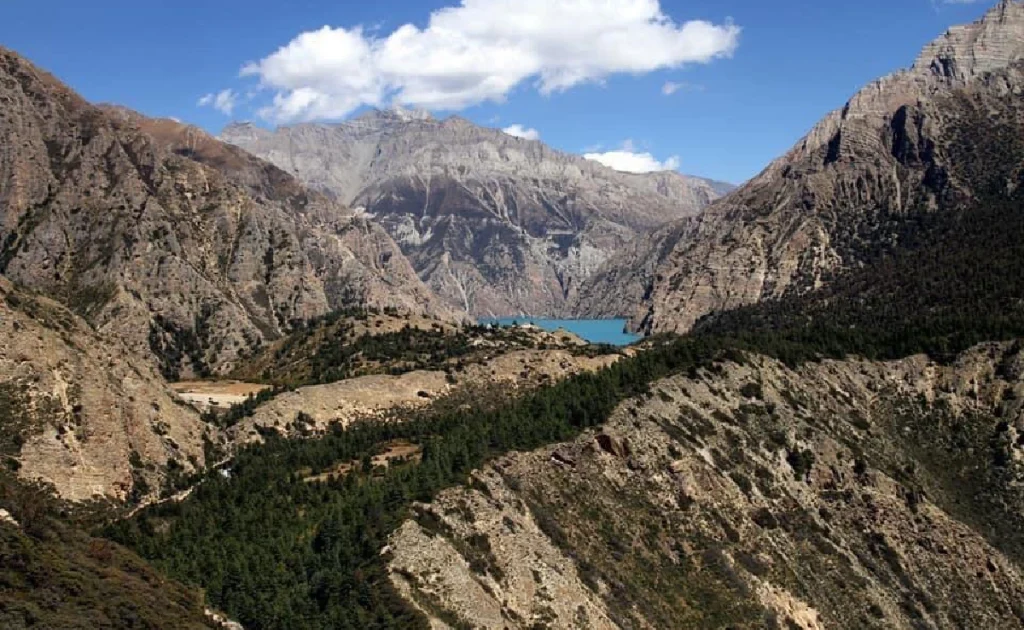
Nepal Diaries: 6 Hidden Gems Beyond Nepal’s Popular Trails

Everest, Annapurna, Kathmandu, and Pokhara are world-famous. However, Nepal offers far more than its iconic peaks and lively cities. Across the hills and deep into the far west, you will find hidden gems in Nepal, quiet villages, serene lakes, sacred meadows, and gentle trails that invite you to slow down.

Moreover, these places provide authentic culture, local cuisine, and warm hospitality often without the crowds. If you prefer meaningful travel and unique experiences, then these off-the-beaten-path destinations are well worth adding to your itinerary with us. Ultimately, they reward patience with depth and genuine connection.

Why Explore Hidden Gems in Nepal?

Choosing lesser-known destinations often leads to a more peaceful and fulfilling experience. In particular, you will enjoy pristine nature, intact traditions, and deeper interactions with local communities. As a result, your trip becomes more personal, more reflective, and more memorable.

Additionally:

  • You will capture striking landscapes without the usual lines and noise.
  • You will support communities through fair, locally led tourism.
  • You will find time to relax, take photos, go on gentle hikes, and simply be present.

In short, Nepal’s quieter corners combine culture, nature, and calm in a single journey. Consequently, they appeal to travelers seeking depth rather than speed.

Hidden Gems in Nepal (with Practical Tips)

1) Tansen (Palpa): Heritage, Hills, and Handicrafts
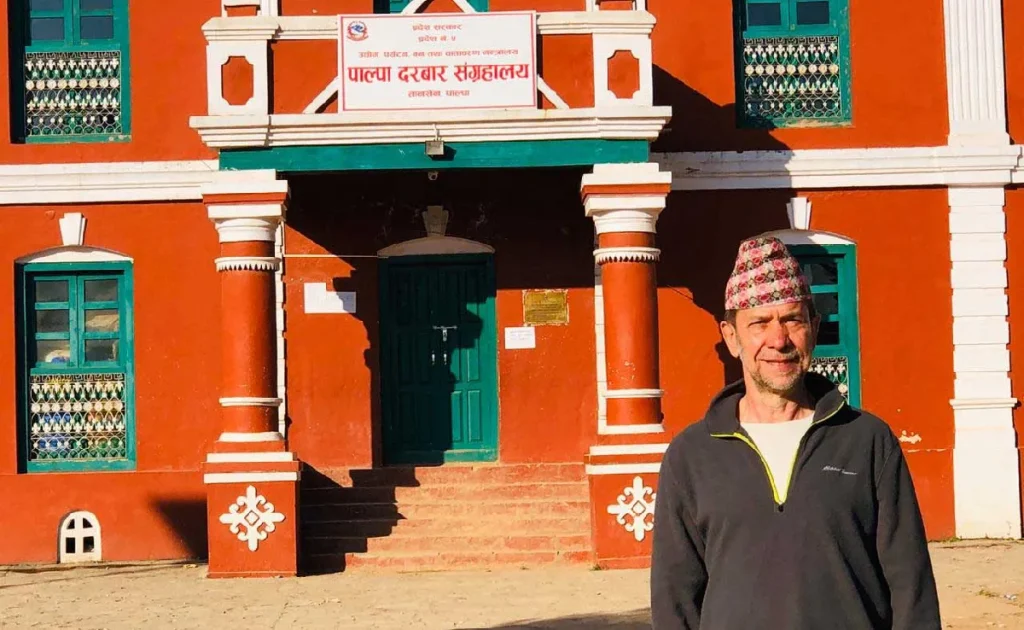
Palpa - The hidden gems of Nepal

Why go: A charming hill town in western Nepal with Newari houses, narrow lanes, and sacred temples, ideal for culture lovers who value tranquility. Notably, the historic core remains walkable and welcoming.
Highlights: Rani Mahal (often called the “Taj Mahal of Nepal”), family-run eateries, and artisan-made textiles and metalwork.
Best time: October–April (clear skies and pleasant temperatures).
How to get there: About 7–8 hours by road from Pokhara or 8–9 hours from Kathmandu.

Pro tip: For sunrise, start early at Srinagar Hill. On clear days, the panorama is exceptional. Furthermore, late afternoons offer soft light for photography.

2) Khaptad National Park: Sacred Meadows of the Far West

Why go: A serene, spiritually significant plateau with rolling grasslands, mixed forests, and wide mountain panoramas ideal for nature and peace seekers. Beyond the scenery, the area carries strong cultural reverence.
Highlights: Khaptad Baba Ashram, seasonal wildflowers, and open-sky meadows frequented  by herders.
Best time: April–June and September–November.
How to get there: Fly to Dhangadhi or Bajhang, then continue by road and trail with a local guide.

Pro tip: Trails are less marked. Therefore, hire a local guide for navigation and cultural context. In addition, check park regulations ahead of time.

3) Rara Lake: Nepal’s Shimmering Blue Jewel

Why go: Nepal’s largest lake, wrapped in tranquil forests and gentle hills, remote, pristine, and photogenic. Even at midday, the water remains strikingly blue.
Highlights: Lakeside walks, non-motorized boating, sunrise reflections, and birdwatching.
Best time: September–November and April–June.
How to get there: Fly via Nepalgunj to Talcha (Mugu), then a short trek to the lake. Alternatively, go overland for a longer yet scenic route.

Pro tip: Pack layers; even on sunny days the weather can shift quickly. Consequently, a windproof jacket and warm hat are helpful.

4) Ilam (Eastern Nepal): Tea Gardens and Soft Morning Light
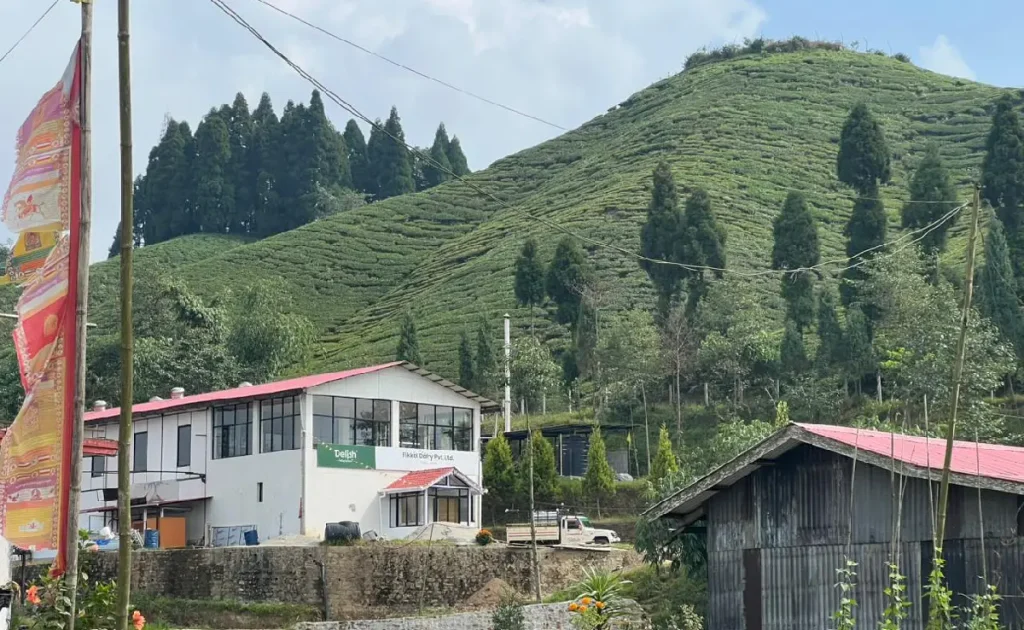
Why go: Rolling tea estates, cool weather, and peaceful rural life, ideal for slow travel and mindful mornings. In contrast to busier hubs, Ilam rewards unhurried explorers.
Highlights: Garden walks, village stays, sunrise viewpoints, and organic teas.
Best time: October–December for clear skies; March–May for lush, green hills.
How to get there: Fly to Bhadrapur and drive 3–4 hours; or travel overland from Kathmandu (long yet beautiful).

Pro tip: Visit a local tea cooperative for tasting and farm-to-cup stories. Additionally, plan a golden-hour photo walk along the tea rows.

5) Gokyo Lakes: Quiet Majesty in the Everest Region
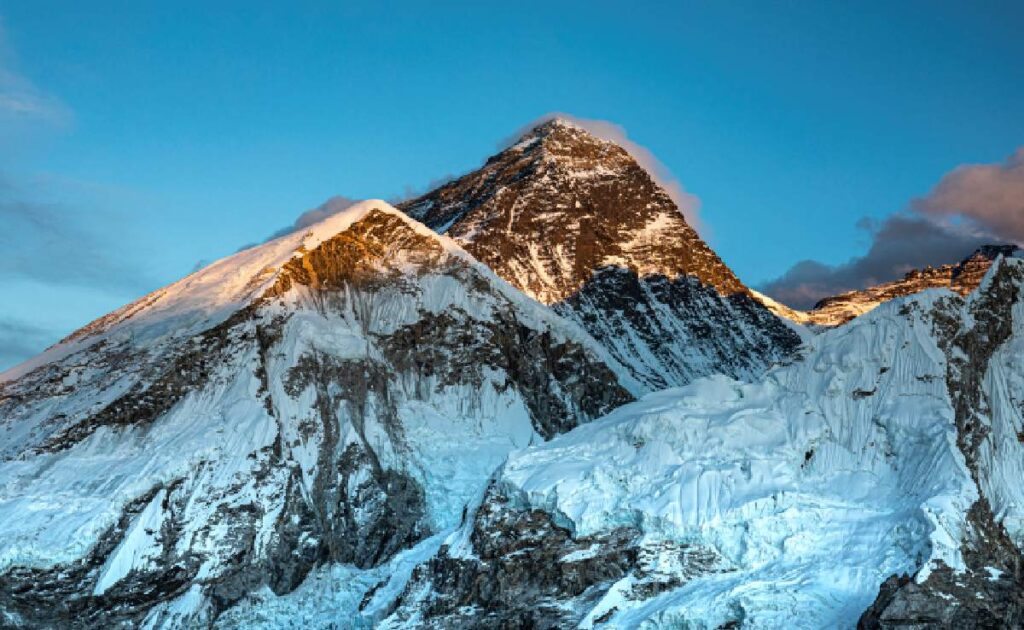
Why go: A spectacular alternative to the classic Everest Base Camp route, with fewer crowds and surreal blue lakes. Moreover, views from Gokyo Ri reveal glaciers and high peaks in every direction.
Highlights: The chain of Gokyo Lakes, Ngozumpa Glacier vistas, and sunrise from Gokyo Ri.
Trek grade: Moderate to strenuous (due to altitude).
Best time: March–May and October–November.
How to get there: Fly to Lukla, then trek via the quieter Gokyo Valley.

Pro tip: Acclimatize slowly. Add a rest day around Machhermo or Dole to enjoy the scenery and stay safe. Consequently, you reduce the risk of AMS.

6) Ruby Valley: Culture-Rich Trails Between Langtang and Manaslu

Why go: A lesser-known trekking corridor with Tamang and Gurung villages, hot springs, and open mountain views, perfect for cultural immersion. Because lodges are simpler, the experience remains genuinely local.
Highlights: Village homestays, traditional kitchens, hillside farms, and quiet ridgelines.
Trek grade: Easy to moderate (flexible routes for different fitness levels).
Best time: October–December and March–May.
How to get there: Drive from Kathmandu to Syabrubesi or Dhading trailheads; then trek with a local guide.

Pro tip: Choose community lodges or homestays to keep your spending local and your experience authentic. In addition, ask about seasonal festivals or gatherings.

Practical Tips for Offbeat Travel in Nepal

  • Plan for time: Remote journeys can be long; therefore, build buffers for weather, permits, and road conditions.
  • Cash matters: ATMs are scarce; consequently, carry sufficient cash in small denominations.
  • Pack smart: Layers, a warm jacket, snacks, a power bank, a water filter, and a basic first-aid kit. Moreover, bring sun protection for high altitudes.
  • Hire local guides: For safety, translation, route finding, and respectful access to sacred spaces. As a bonus, you’ll gain stories you’d otherwise miss.
  • Travel kindly: Respect local customs, minimize plastic, and choose ethical operators. Ultimately, your choices shape better futures for host communities.

There is so much more to Nepal than its famous peaks and popular trails. From Tansen’s heritage lanes and Ilam’s tea terraces to Rara’s mirror-like waters, Khaptad’s sacred meadows, Gokyo’s blue lakes, and Ruby Valley’s welcoming villages these hidden gems in Nepal invite you to slow down and connect deeply.

When you are ready to avoid the crowds and discover authentic Nepal, we can help design a quiet, culturally rich journey that matches your pace and interests. In the end, a thoughtful route turns travel into a meaningful exchange.

Nepal Diaries: Your Guide to the Best Trekking Shoes for Nepal

Trekking shoes in Nepal

Choosing the right trekking shoes for Nepal is one of the most important decisions you can make before hitting the trails. Good footwear protects your toes from rocks, stabilizes you during steep climbs and descents, and prevents blisters on long walking days. Nepal’s trekking routes often include dust, gravel, stairs, loose stones, mud, and sometimes snow, so your shoes must be able to handle diverse and demanding conditions.

Here, we will explain which types of trekking shoes work best for Nepal’s different trails, including Everest Base Camp, Annapurna, Poon Hill, and short hikes around Kathmandu Valley. The right footwear makes your trek safer, more comfortable, and far more enjoyable.

Understanding Nepal’s Trekking Terrain

Nepal’s hiking paths are varied and often challenging. You can expect:

  • Uneven trails
  • Long stone staircases
  • Steep ascents and descents
  • Loose gravel
  • Muddy sections after rain
  • Slippery wet stones
  • Occasional river crossings
  • Snow and ice at higher altitudes

This is why the “one shoe fits all” approach does not work here.
For low-altitude hikes like Nagarkot or Shivapuri, lighter shoes are fine. But for high-altitude treks, stronger and more supportive footwear is essential.

Key Features to Look For

When choosing hiking footwear for Nepal, the features matter more than the brand. Look for:

  • Strong grip / traction: essential for loose gravel and wet rock
  • Toe protection: reinforced toe cap saves you from painful stubs
  • Stability & support: especially during steep descents
  • Comfort cushioning: helps on stone steps and long days
  • Water resistance: useful for rain, mud, and morning dew
  • Breathability: prevents sweaty feet in warm conditions
  • Quick drying & durability: important for Nepal’s dusty and rough trails

Quick Recommendation Table

Trek Type Ideal Shoe Type Key Features
Everest Base Camp / High Altitude Mid- or high-cut boots Ankle support, warmth, waterproofing
Annapurna / Mixed Terrain Mid-cut or supportive low-cut Versatility, toe protection, cushioning
Poon Hill / Short Treks Low-cut hiking shoes Lightweight, breathable, good grip
Monsoon Treks Quick-dry trail shoes Fast drying, aggressive tread

Best Trekking Shoes by Trek Type

1. Everest Base Camp & High-Altitude Treks

For the Everest Base Camp region, mid-cut or high-cut trekking boots work best. These provide:

  • Ankle support for uneven, rocky terrain
  • Better protection during steep descents
  • Warmth for cold mornings and snow patches
  • Enough space for thick socks
  • Breathability to manage sweat at altitude

Avoid lightweight trail shoes here—the terrain is too demanding.

2. Annapurna & Mixed Terrain Treks

Annapurna routes combine forests, dusty paths, villages, and stone stairs. For this reason, you need versatile shoes such as:

  • Mid-cut boots for stability
  • Supportive, durable low-cut hiking shoes for flexibility

Toe protection, good cushioning, and comfort are key since the terrain changes daily.

3. Short Treks & Day Hikes (Nagarkot, Shivapuri, Poon Hill)

For short treks or hikes with a light backpack, low-cut hiking shoes are usually enough. Choose footwear that is:

  • Lightweight
  • Waterproof
  • Grippy
  • Comfortable

If you have weak ankles or plan to carry a heavier pack, consider a mid-cut boot for added support.

4. Monsoon & Muddy Trails

During the monsoon season, the trails become muddy and slippery. Prioritize:

  • Shoes with aggressive tread
  • Fast-drying materials
  • Light water resistance (not full waterproofing, which traps sweat)

Many trekkers prefer quick-dry shoes with gaiters and good socks instead of fully waterproof boots during monsoon hikes.

Best Shoes by Season in Nepal

Your footwear needs change with the weather:

  • Autumn (Sept–Nov): Mostly dry trails → breathable, grippy shoes
  • Winter (Dec–Feb): Cold at altitude → insulated socks + mid/high boots
  • Spring (Mar–May): Warm and dusty → breathable, cushioned shoes
  • Monsoon (Jun–Aug): Wet and muddy → quick-dry shoes with strong traction

Wearing season-appropriate shoes helps maintain comfort and reduces injury risk.

Where to Buy Trekking Shoes in Nepal

You’ll find many outdoor shops in:

  • Thamel, Kathmandu
  • Lakeside, Pokhara

These stores stock both international and local brands. Focus on quality rather than labels. Check for:

  • Strong stitching
  • Durable soles
  • Comfortable padding
  • Proper fit with trekking socks

Walk around the store, climb some steps if possible, and always test the fit with hiking socks. For high-altitude treks like EBC, buy from a reputable shop to ensure durability and comfort.

Recommended Packing Add-Ons

Small accessories can significantly improve comfort:

  • Wool or synthetic trekking socks
  • Gaiters for mud, dust, rain, or snow
  • Foot powder or anti-chafe balm
  • Blister kit (tape, pads, antiseptic)
  • Spare laces
  • Sock liners (optional)
  • Supportive insoles (optional)

These items help prevent blisters and discomfort during long days on the trail.

How to Break In Your Trekking Shoes

New shoes can cause blisters if worn for the first time on a trek.
Break them in by:

  • Walking 20–30 km over a week
  • Climbing stairs
  • Wearing them with trekking socks
  • Testing different lacing methods

Proper break-in ensures comfort from Day 1 of your trek.

At last, the best trekking shoes for Nepal depend on your route, season, and personal comfort. High-altitude treks like EBC require supportive and warm boots, while mixed terrain like Annapurna benefits from versatile footwear. For short treks, lightweight shoes may be enough, just make sure they have good grip.

Pair your shoes with proper socks and foot care items, and your feet will stay happy throughout your journey. In Nepal, comfortable feet truly mean a comfortable trek. Here is our blog on Nepal’s weather and Festival which can give you more idea about the dates to visit Nepal. 

Nepal Diaries: A Journey Through the Tributaries of the Koshi River

Tributaries of the Koshi River

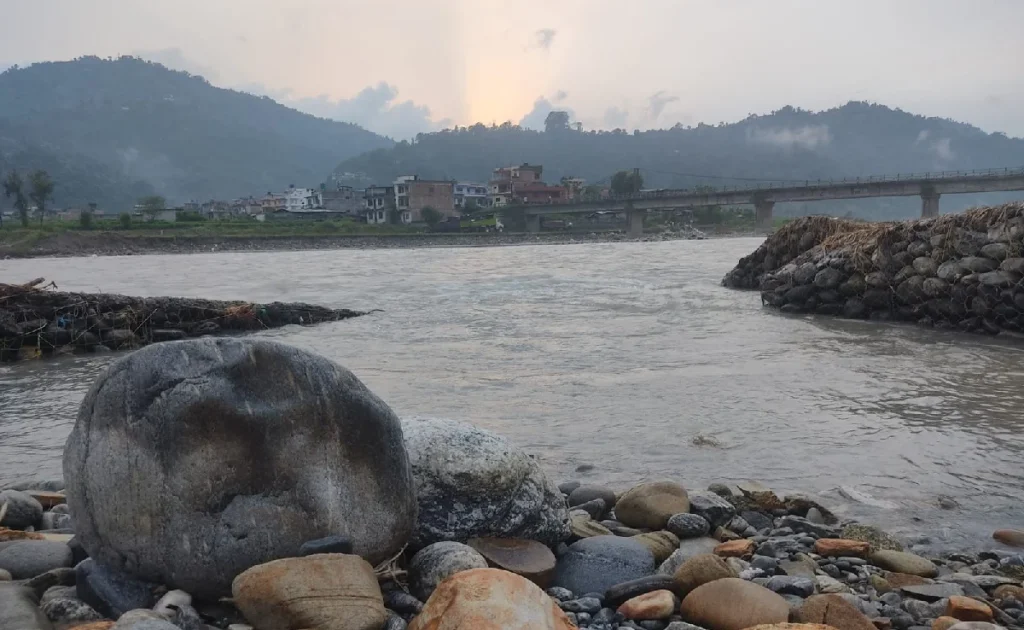
Nepal is a country of rivers, flowing from the pristine Himalayas through green hills and down to the Terai plains. Among these waterways, the Koshi River stands out as one of the most significant, shaped by the powerful tributaries of the Koshi River that originate across the Himalayan region. Formed by the meeting of major rivers like the Sun Koshi, Arun, and Tamur, the Koshi system carries both natural beauty and cultural importance as it travels from Nepal into India.

The Koshi is also called Sapta Koshi, named after the seven tributaries that come together to form it. Stretching about 720 km and draining an area of around 74,500 km² across Tibet, Nepal, and Bihar, the Koshi system is vital to the eastern region of Nepal. This blog explores the major tributaries that make the Koshi River so important.

Overview of the Koshi River System

The Koshi River is a transboundary river with seven main tributaries:

  • Indrawati
  • Tama Koshi
  • Dudh Koshi
  • Sun Koshi
  • Likhu
  • Arun
  • Tamur

These rivers meet at Tribeni, forming the Sapta Koshi. From there, it flows south through Nepal’s Terai and continues into India.

These tributaries are the lifeblood of eastern Nepal. They carve valleys, feed forests, support farms, and connect the high mountains to the plains. Many of these rivers are also tied to spiritual and cultural stories, with names like Kausika mentioned in ancient Hindu scriptures such as the Rigveda.

Major Tributaries of the Koshi River

Arun River

  • Length: ~915 km
  • Contribution: ~37% of Koshi’s water
  • Attractions: Arun Valley Trek, Barun Valley

The Arun River starts from the Shishapangma glacier in Tibet and enters Nepal through Sankhuwasabha district. It plays a key role in hydroelectric power generation. The surrounding area also supports diverse plants and animals.

Tama Koshi

  • Length: 92 km
  • Attractions: Upper Tama Koshi Hydropower Project, Jiri Gateway

Locally known as the river of copper”, Tama Koshi originates from the Rongshar Chu and Lapchi Gang rivers near the Nepal-Tibet border. The river flows through Dolakha district, cutting narrow valleys and steep gorges. Moreover, it has high hydropower potential, significant environmental value, and a rich cultural legacy.

Dudh Koshi

  • Attractions: Everest Base Camp Trek, Sagarmatha National Park

Dudh Koshi is one of the highest elevated rivers in Nepal. Its milky white water comes from glaciers in the Khumbu region near Everest. The river flows through Solukhumbu district, passing several villages along the trekking route to Everest Base Camp. Eventually, it joins the Sun Koshi to form the Sapta Koshi River.

Sun Koshi

  • Attractions: Rafting, trekking in Sindhupalchok and Dolalghat

Known as the “river of gold”, Sun Koshi originates in Tibet and is fed by Himalayan snowmelt. Its steady flow makes it ideal for white-water rafting and kayaking. The river passes through Sindhupalchok, Ramechhap, and Sindhuli districts, supporting life, energy, and culture, before joining other tributaries like Tama Koshi, Bhote Koshi, and Indravati to form the Koshi River. It contributes 44% of the total water flow.

Indrawati River

  • Attractions: Melamchi Valley, Sindhupalchok scenery

Though smaller, the Indrawati River is very important. It begins at 5,850 m above sea level in the high Himalayas. It flows through narrow gorges in Sindhupalchok and Kavrepalanchok districts, supporting agriculture, villages, and local ecosystems.

Bhote Koshi

  • Attractions: Bhote Koshi Rafting, Bungee Jumping at The Last Resort

Bhote Koshi is famous for its speed and steep gradient. Called the Poiqu River in Tibet, it starts near the Shishapangma glacier. Flowing through deep gorges and rocky cliffs, it merges with the Sun Koshi at Bahrabise, helping form the powerful Sapta Koshi.

Likhu River

  • Attractions: Local trekking, rural exploration

The Likhu River is a smaller tributary joining Sun Koshi. Though minor, it is crucial for local farming and settlements, and adds to the Koshi’s overall flow.

Cultural and Environmental Importance

These rivers are more than just water sources. They shape Nepal’s landscape, support biodiversity, and are central to cultural and spiritual life. From the glaciers near Everest to the fertile plains of Terai, each tributary tells a story. Moreover, they provide hydropower, support agriculture, and attract adventure tourism like rafting, trekking, and bungee jumping.

The Koshi River and its tributaries form a complex and vital network in eastern Nepal. From the icy glacial waters of Dudh Koshi to the rapid currents of Bhote Koshi, each river brings life, energy, and culture.

Exploring these rivers is more than geography — it is a journey into Nepal’s natural beauty and cultural heritage. Let the Koshi guide your next adventure, and discover the stories hidden in every valley with Himalayan Circuit.