Nepal Diaries: Nepal in September – Weather, Trekking & Festivals

Nepal in September marks the transition from the monsoon season to early autumn. Rainfall begins to decrease, the landscapes turn lush and green, and travel conditions slowly improve. For many travelers, September offers a calm and rewarding way to explore Nepal before the busy trekking season begins.

The first half of the month may still bring occasional rain. From mid-September onward, mornings become clearer and mountain views start to appear. Daily life in Nepal follows a steady rhythm shaped by festivals and post-monsoon routines. As a result, September feels peaceful, authentic, and naturally vibrant.

Weather in Nepal in September

weather in September

The weather in Nepal in September changes gradually throughout the month. Early September still experiences some monsoon influence, with afternoon showers and occasional evening thunderstorms. As the month progresses, rainfall becomes lighter and less frequent.

In cities such as Kathmandu and Pokhara, daytime temperatures usually stay in the mid-20s°C. Higher-altitude regions feel cooler and more comfortable. Cloud cover slowly lifts, which improves visibility and creates better conditions for outdoor activities and travel.

Trekking in Nepal in September

Many travelers ask if trekking in Nepal in September is possible. The answer is yes.

Trails that remain muddy during peak monsoon begin to dry. Leeches also become less common as rainfall decreases. Some high-altitude treks may need extra care in early September, but conditions improve significantly later in the month.

September suits short treks, village walks, and lower-altitude routes very well. Popular trekking regions reopen fully and remain quieter than in October. Because of this, teahouses offer better availability and a relaxed atmosphere. Clear mornings make the best time for hiking, while afternoons stay warm and comfortable.

Festivals and Cultural Events in September

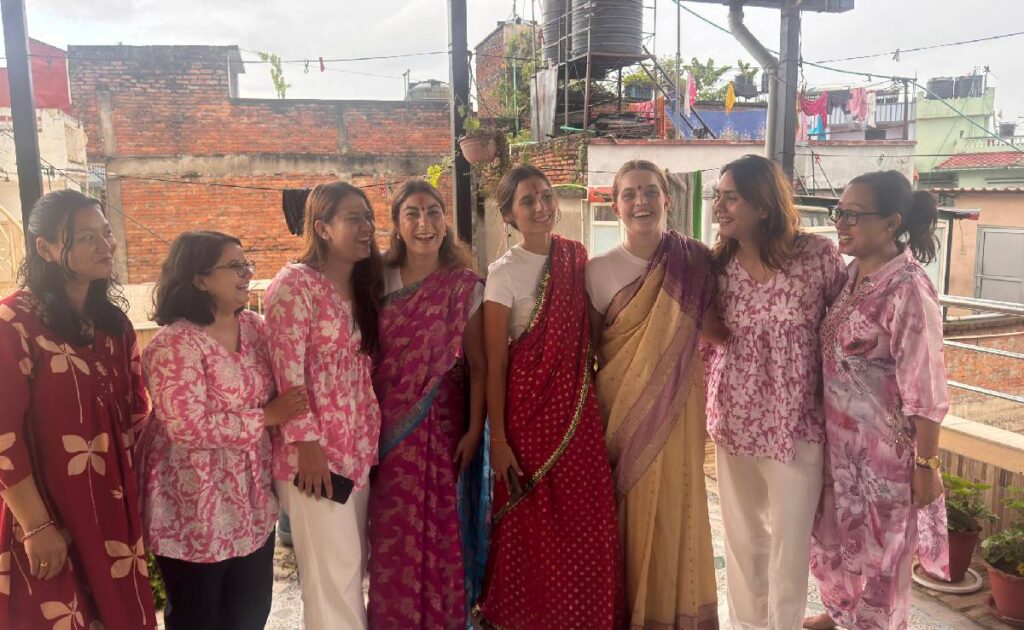
Teej festival - which falls on september
Foreigners celebrating teej frestival in traditional Nepali attire.

September is a culturally rich month in Nepal. Several important festivals take place, offering travelers a deeper connection with local traditions.

Indra Jatra is one of the most significant festivals in the Kathmandu Valley. Locals celebrate the god of rain with masked dances, chariot processions, and traditional music. Streets around Kathmandu Durbar Square fill with color, energy, and ritual performances.

Teej, an important Hindu festival celebrated by women, often falls in September based on the lunar calendar. Women wear red clothing, fast, dance, and visit temples. The festival adds strong emotion and cultural depth to towns and cities.

These events remain largely local and non-commercial, giving visitors a genuine cultural experience.

Wildlife and Nature Experiences

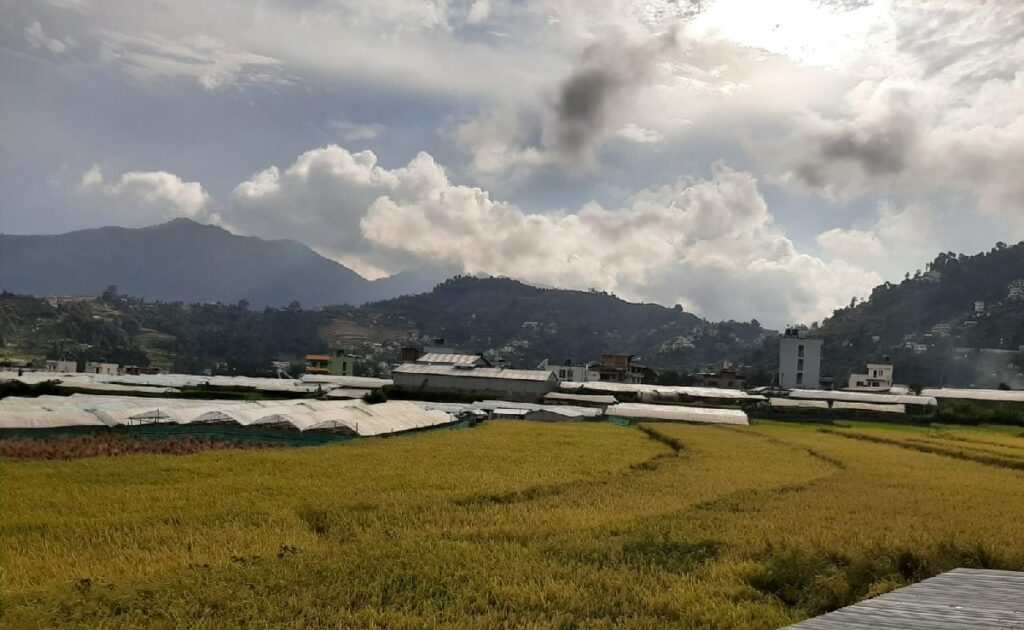
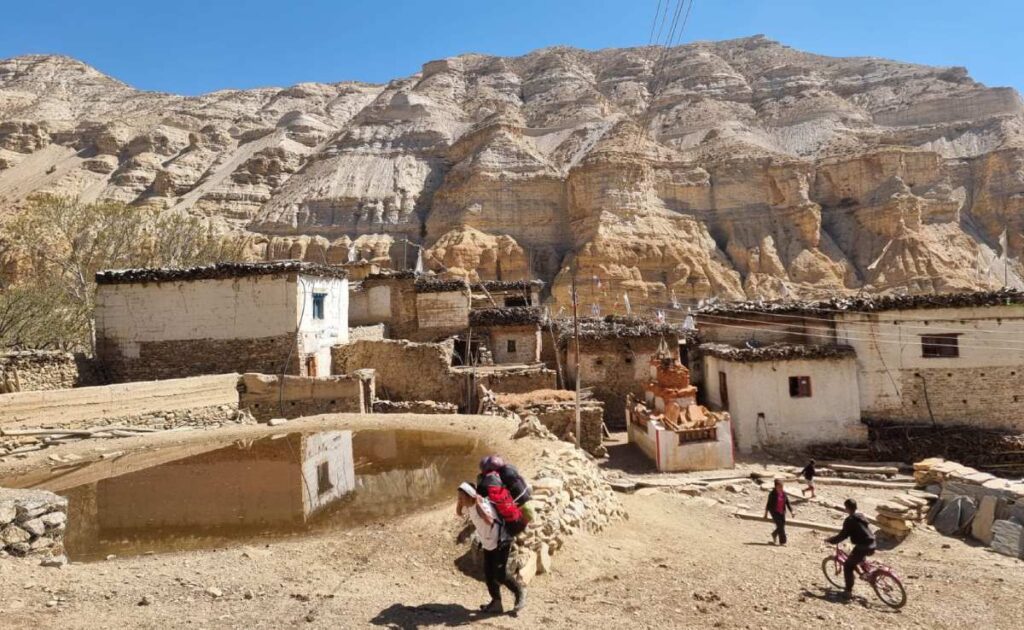
Nepal in September showcases nature at its most vibrant. Hills, forests, and terraced rice fields appear fresh and green after the monsoon rains. Rivers and waterfalls run full, shaping dramatic landscapes across the country.

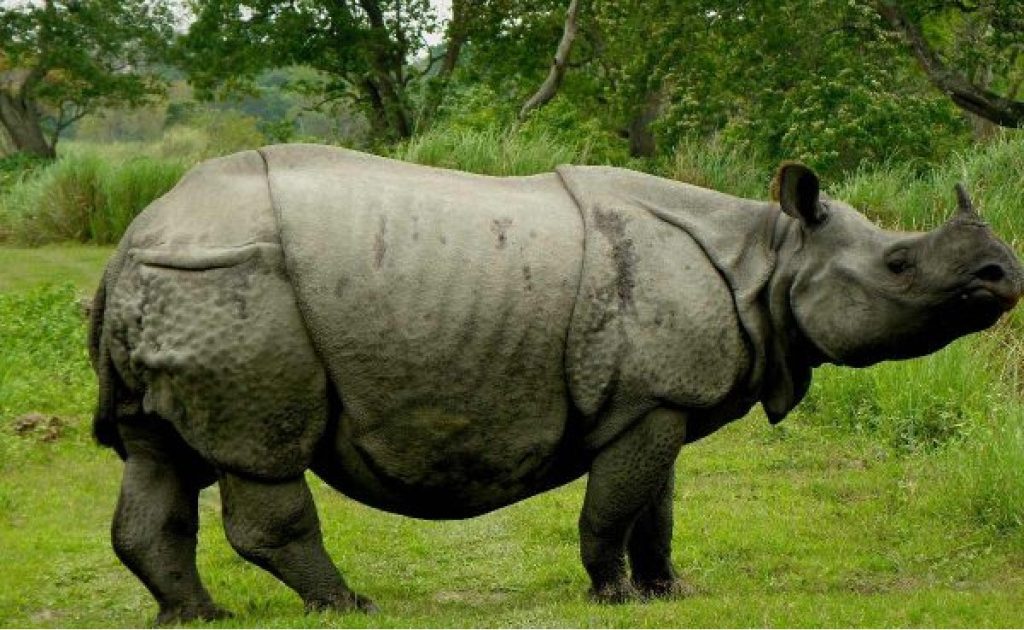
National parks in the Terai, such as Chitwan and Bardia, look greener and more alive. Wildlife activity increases, and birdlife becomes especially active in wetlands and forest areas. While humidity remains high, nature feels energetic and thriving.

This month works well for lakeside walks in Pokhara, forest hikes in Shivapuri, and countryside exploration among farming communities.

Travel Tips for Nepal in September

Flexibility plays an important role when traveling in Nepal in September. Early in the month, rain can still cause minor delays. From mid-September onward, travel becomes smoother and more predictable.

Pack a light rain jacket, quick-dry clothing, and comfortable walking shoes with good grip. Plan outdoor activities early in the morning for the best weather and visibility. Toward the end of the month, accommodation demand increases, so booking in advance helps.

September rewards travelers who enjoy shoulder seasons. It offers comfort, natural beauty, and cultural depth without heavy crowds.

Final Thoughts on Nepal in September

Nepal in September offers a balance of greenery, culture, and improving travel conditions. While skies may not stay blue every day, the country feels fresh, festive, and peaceful. Nature remains lush, and local life continues at a gentle pace.

For travelers who value nature, culture, and quiet exploration, September is an excellent time to visit Nepal. With the right preparation and flexible plans, the month allows you to experience Nepal in an authentic and memorable way.

So, be flexible to weather, pack your necessary gears and book your trip to Nepal during September with Himalayan Circuit.

Nepal Travel News: Explore Lalitpur Music City, UNESCO’s Musical Gem

Lalitpur music city, also known as Patan or Manigal, has long been celebrated for its vibrant festivals, stunning art, and deep spiritual traditions. In 2025, Lalitpur officially earned international recognition as a UNESCO Music City, joining a prestigious network of creative cities worldwide. This designation highlights the city’s rich musical heritage, connecting centuries-old traditions with global appreciation.

A City Where Music Breathes

Solo Travelling in Nepal
Patan Durbar Square

In Lalitpur music city, music is more than performance, it is a way of life. Sacred beats from dhimay and ponga drums blend with melodic chants of Newar Buddhism, shaping festivals, rituals, and everyday moments. One of the most iconic examples is Kartik Naach, Nepal’s oldest musical dance drama, performed annually in Patan’s historic courtyards. Dating back to the 17th century Malla period, this multi-day performance combines masked dance, live traditional music, and spiritual storytelling. Instruments like the naykhin, dhaa, and bhusya create a soundscape that reflects centuries of cultural continuity.

Throughout the year, Lalitpur music city resonates with music during festivals such as:

  • Bungadyah Jatra – devotional music honoring Rato Machhindranath
  • Gumlā Bājā – spontaneous ensemble performances in public squares
  • Indra Jatra and Yenya Punhi – music guiding processions and rituals
  • Newar weddings and guthi ceremonies – ceremonial drumming and folk songs

This recognition celebrates Lalitpur not only as a historical treasure but also as a living center of musical tradition.

Why Visit Lalitpur Music City Now?

Travelers to Lalitpur music city can experience Nepal through sound:

  • Witness spontaneous performances during the Gumlā Bājā festival
  • Explore traditional Newari instrument-making in hidden alleys
  • Visit the Music Museum of Nepal to dive deeper into the valley’s musical legacy
  • Stroll through Patan Durbar Square, a UNESCO World Heritage Site since 1979
  • Attend Kartik Naach, a rare fusion of music, dance, and mythology A Tale of Origins and Legends
Lalitpur the Music City
Experience the magic of Kartik Naach in Lalitpur Music City, where centuries-old music, dance, and mythology come alive.

The name Lalitpur honors a farmer named Lalit, who helped bring God Rato Machhindranath to the valley during a drought. Today, the Bungadyah Jatra, a month-long chariot festival, celebrates this divine arrival with music, devotion, and community spirit.

Part of a Global Creative Movement

Lalitpur now joins a dynamic cohort of cities recognized in 2025, including:

  • New Orleans (USA), Kyiv (Ukraine), Kisumu (Kenya) – Cities of Music
  • Giza (Egypt), Ho Chi Minh City (Vietnam), São Paulo (Brazil) – Cities of Film
  • Aberystwyth (UK), Abuja (Nigeria), Gdańsk (Poland) – Cities of Literature
  • Quito (Ecuador), Rovaniemi (Finland), Kashan (Iran) – Cities of Architecture

 This designation emphasizes culture-led sustainable development, connecting Lalitpur with creative initiatives around the globe.

Nepal: A Creative Powerhouse

With Lalitpur’s recognition as a music city, Nepal now hosts two UNESCO Creative Cities:

  • Kathmandu – City of Film (2023)
  • Lalitpur – Music City (2025)

Together, they position the Kathmandu Valley as a hub of South Asian creativity, blending visual, cinematic, and musical heritage.

Looking Ahead: Global Stage in Morocco

Lalitpur will soon share its rhythms at the 2026 UNESCO Creative Cities Annual Conference in Essaouira, Morocco, a fellow City of Music since 2019. This platform will allow collaboration, idea exchange, and global recognition of Lalitpur’s musical legacy.

Let the music of Lalitpur guide your journey. Come for the temples and art, stay for the rhythms that tell stories of gods, kings, and everyday life.

Nepal Diary: Nepal Visa Guide – What You Need to Know

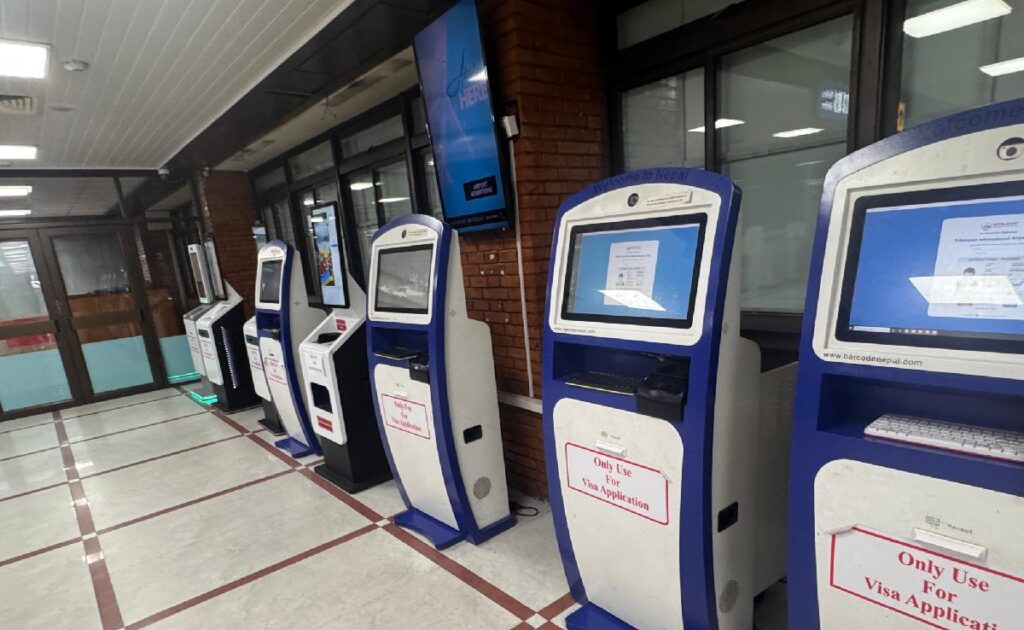
VIsa Machines

Nepal is a land of towering mountains, rich culture, and warm hospitality, attracting thousands of visitors every year. Whether you are planning to trek in the Himalayas, explore ancient temples, or study in Nepal, understanding the visa process is essential. This Nepal visa guide will help you learn everything you need to know — from visa types and costs to the step-by-step application process — so your journey can begin smoothly.

Types of Nepal Visas for Tourists

Nepal offers different visa types depending on your travel purpose. Knowing which visa suits your trip is the first step in your journey. This section of our Nepal visa guide explains the main visa categories:

  • Tourist Visa: The most common type for visitors. It is issued for short stays, such as trekking, sightseeing, or visiting friends and family.
  • Non-Tourist Visa: For those working in INGOs, diplomatic missions, or volunteering projects.
  • Business Visa: For foreigners wishing to invest or trade in Nepal. Requires additional documents such as company registration certificates or investment papers.
  • Transit Visa: Issued to travelers passing through Nepal for less than 24 hours, available at certain border points.
  • Student Visa: For those enrolling in Nepali institutions. Requires proof of admission and financial resources.

How to Get a Nepal Visa

There are two main ways to obtain a Nepal visa:

a) Visa on Arrival

Most nationalities are eligible. You can get this visa at Tribhuvan International Airport (Kathmandu) and selected land borders such as Bhairahawa, Birgunj, and Kakarbhitta.

Requirements:

  • Valid passport (minimum six months validity)
  • One passport-sized photograph
  • Visa fee in USD cash

b) Visa from a Nepalese Embassy or Consulate Abroad

Applying beforehand saves time and avoids long queues at the airport.
Requirements generally include:

  • Valid passport
  • Recent passport photo
  • Completed application form
  • Visa fee (varies by embassy)

Step-by-Step Visa Application Process

Following this step-by-step process in the Nepal visa guide will make your visa application smooth and stress-free:

  1. Check eligibility and visa type — Ensure your nationality qualifies for visa on arrival or if advance application is required.
  2. Prepare documents — Passport, photos, and any additional paperwork for business, student, or non-tourist visas.
  3. Complete the online visa applicationNepal’s Immigration Department offers an online form for convenience. Print the confirmation slip.
  4. Submit application — At the embassy before traveling or at the airport on arrival.
  5. Pay visa fees — As per the embassy’s instructions or in USD cash for visa on arrival.
  6. Receive visa — Check all details before leaving the counter.

Visa Fees & Duration

Visa Type Duration Fee (USD)
Tourist Visa 15 days 30
30 days 50
90 days 125
Extensions 15 days 45
Per day 3

Note: Tourists cannot exceed 150 days of stay per year without special permission.

Key Requirements for Nepal Visa

  • Valid passport (at least six months validity)
  • Passport-sized photographs
  • Completed visa application form
  • Payment for visa fees (USD cash for on arrival; embassies may accept other methods)

Our Nepal visa guide shows that with proper preparation, getting a Nepal visa is straightforward and quick. Whether you apply in advance at an embassy or obtain it on arrival, the process is user-friendly. Remember to check the latest requirements on the Department of Immigration website before your trip. With your visa in hand, you’re ready to explore Nepal’s breathtaking mountains, rich cultural heritage, and warm hospitality.

Nepal Travel News: Safe Journeys After the Gen Z Awakening

A Peaceful Youth Movement in Nepal

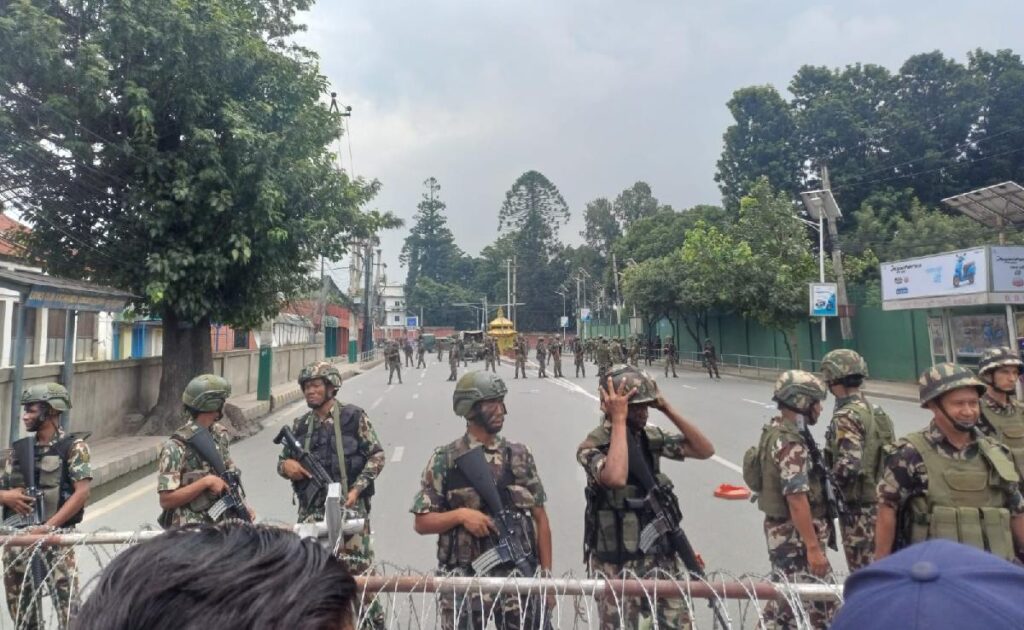
Ensuring safety for everyone: Army presence on the roads during recent demonstrations in Nepal

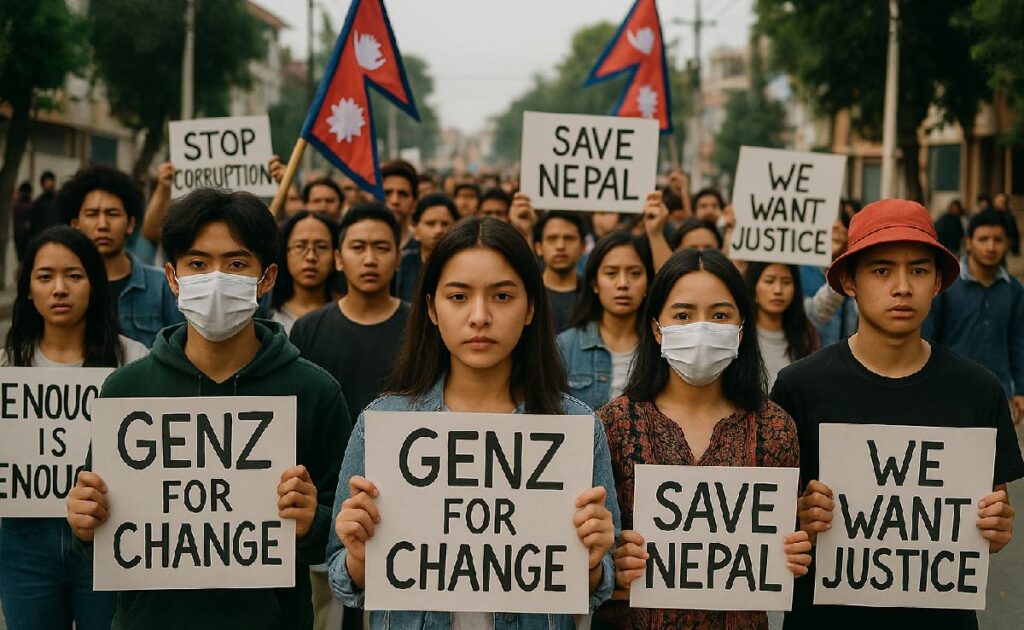
In early September 2025, Nepal entered a historic moment. On September 8 and 9, young people across the country raised their voices in large-scale demonstrations. While global headlines created concerns, Nepal travel safety 2025 remained strong, with peaceful protests that showed the unity and determination of Gen Z. This movement highlighted the energy, awareness, and growing democratic voice of Nepal’s youth.

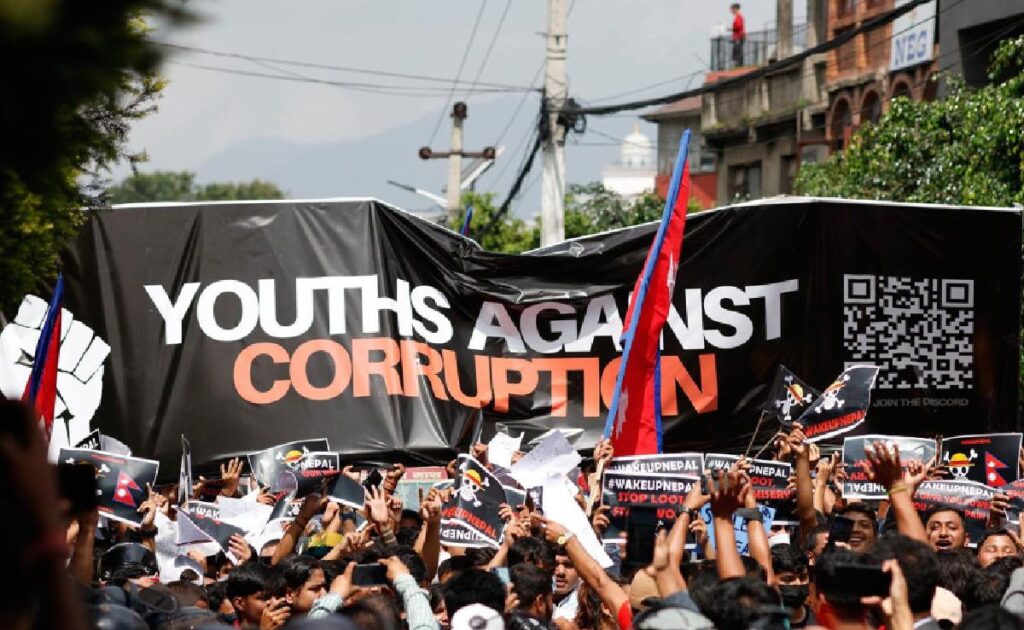
What made these demonstrations different was their digital strength. They were organized through TikTok, Discord, Instagram, and Facebook. In this way, young Nepalis mobilized with clear purpose and discipline. At the same time, the phrase Nepo Babies became popular, showing a rejection of hereditary politics and unearned privilege.

In many areas, the demonstrations stayed peaceful and respectful. Protesters made efforts to protect public spaces and, in several cases, even helped tourists continue their travel plans safely.

Nepal Travel Safety 2025: What Travelers Should Know About Recent Events

Nepali youth taking a stand for transparency and accountability.

Some demonstrations included unrest, but tourists were not affected, and local guides and communities ensured that travel continued smoothly throughout the country.

This was not an anti-tourism movement, it was against corruption. Therefore, protesters avoided disturbing tourism services. In fact, many of them helped tourists pass safely through protest areas.

For example, one travel vlogger, @wehatethecold, posted videos showing locals guiding tourist vehicles. His story proved that Nepal’s cultural value Atithi Devo Bhava (Guests are Gods) is alive even during unrest.

While a few luxury hotels linked to politicians were targeted, no harm was done to airports, trekking trails, heritage sites, or transport hubs. In short, Nepal’s travel infrastructure remained intact.

Travel Impact: Minimal and Managed

During the two-day protest, there were short-term disruptions. For instance, some flights were delayed, and a few shops closed. However, no tourists were harmed. In addition, local guides and homestays continued to support visitors.

The Nepal Tourism Board also released a public message. They confirmed that Nepal was safe, and that the Gen Z movement showed democratic maturity, not instability.

Swift Return to Normal

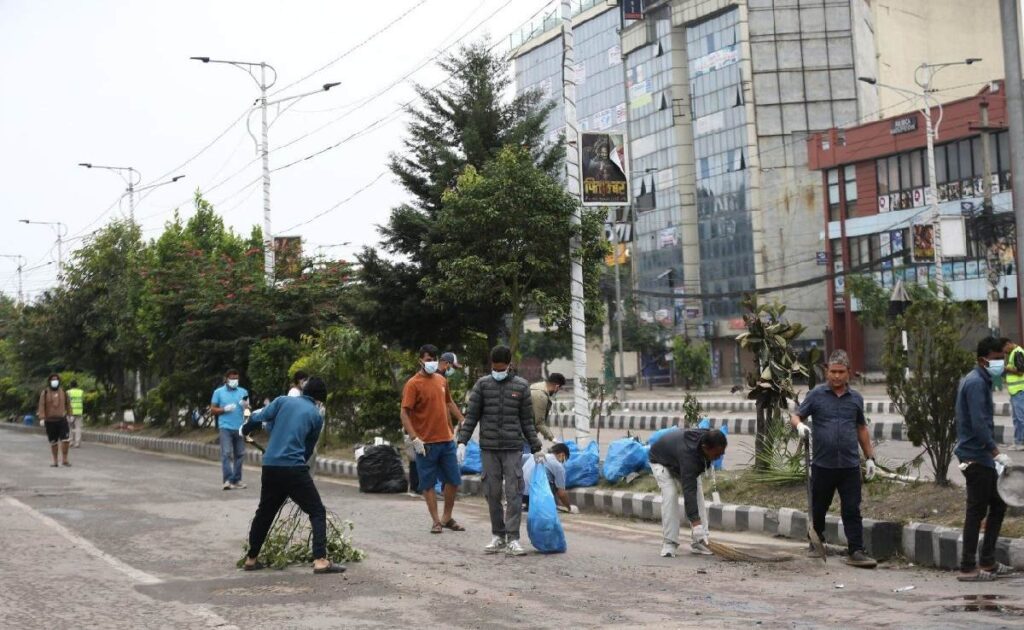
Youth in action: Gen Z volunteers cleaning streets after the demonstrations.

Within 48 hours, daily life in Nepal returned to normal. Roads reopened, flights resumed, and all tourism services restarted. Consequently, travelers are once again enjoying one of Nepal’s best seasons: autumn.

At the same time, local businesses responded quickly. Tour operators and homestays began offering flexible bookings and discounts. Their goal was to encourage visitors and rebuild confidence.

The Positive Role of Gen Z

The youth movement gave new energy to Nepal’s democracy. As a result, young voices are now part of national discussions. There is also more focus on ethical governance, digital transparency, and fair development.

For travelers, this shift means a stronger tourism system built on fairness, sustainability, and cultural respect. Moreover, you can expect more eco-friendly treks, community tours, and easy-to-use digital tools.

In addition, Gen Z is inspiring new businesses. Young Nepalis are building apps, travel platforms, and ethical tour companies. These efforts connect visitors directly with local communities.

Why Nepal Is Safe to Visit Now

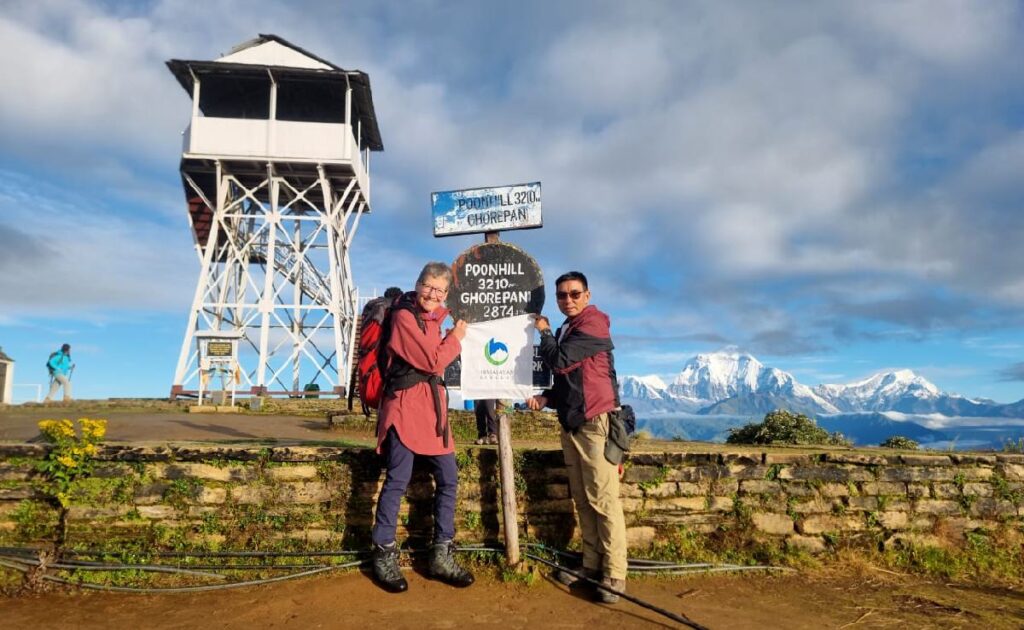
Trekking safely amid recent events: Our guest enjoys the breathtaking views from Poon Hill while travel operations in Nepal continue smoothly.

Here are the main reasons to plan your trip with confidence:

  • Peaceful environment in both cities and villages
  • Fully operational airports, hotels, and trekking routes
  • Helpful local guides and communities
  • Clear safety assurances from the tourism board
  • No travel restrictions or advisories
  • Real-time support through digital tools

Therefore, whether you want trekking, culture, or spiritual renewal, Nepal is ready for you.

Nepal Is Stronger Than Ever

The Gen Z awakening has not weakened Nepal, it has strengthened it. On the contrary, the country is calm, united, and determined to give visitors a safe and memorable experience.

From the Himalayas to the valleys, the atmosphere is positive. As a result, travelers will find resilience, hospitality, and renewal.

Travel With Confidence

Nepal safe to travel

Nepal is open and safe. Finally, book your trip today and experience a country where youth-led change meets timeless hospitality.

At Himalayan Circuit, we are back in the office, our trips are running, and our guides are ready to welcome you. Come explore Nepal, where resilience and hospitality never fade.

Nepal Travel News: A New Dawn After the Gen Z Revolution

Nepal safe to travel

In recent weeks, Nepal experienced an important moment in its democracy. A youth-led movement against corruption brought the nation into the global spotlight. Now, Nepal is safe to travel, and travelers can explore its beauty with confidence and peace of mind.

What Happened?

The Gen Z Revolution started online, with young Nepalis organizing through social media platforms like Discord. Their goal was simple: to demand honest and fair governance.

When authorities tried to silence the movement by banning social media, peaceful demonstrations spread into the streets. Unfortunately, clashes led to some deaths and injuries. However, unlike past unrest, this movement focused on civic issues rather than religion or ethnicity, it represented a peaceful protest led by a generation determined to create change.

A Turning Point for Nepal

The failure of traditional political leadership led the independent government to take action. As a result, the government announced elections for March, and for the first time, Nepal chose a female Prime Minister, a symbol of fresh beginnings and inclusive leadership.

Meanwhile, workers and citizens quickly restored normal life. Streets became calm, businesses reopened, and the people focused on rebuilding with renewed hope and determination.

Here’s why Nepal is safe to travel today.

Travelers can feel reassured by the current stability:

  • No ongoing violence – Protesters ended demonstrations peacefully.
  • No religious conflict – The movement focused on civic issues.
  • Recovery in progress – Workers are quickly restoring roads, services, and businesses.
  • New governance – With Gen Z’s influence, Nepal moves toward honesty and accountability.

Why Visit Nepal Now

Nepal is not only safe, it is ready to welcome you with open arms. Additionally, the Gen Z Revolution has reignited national pride, hospitality, and the desire to share the country’s rich culture and natural beauty with the world.

Gen Z is cleaning the areas that were damaged during the unrest.

For example, from trekking in the Himalayas and exploring ancient temples to walking the vibrant streets of Kathmandu, you’ll find a nation that is healing, hopeful, and determined to offer meaningful experiences to every visitor.

Now is the perfect time to rediscover Nepal and be part of its inspiring new chapter.