Food & Lifestyle: Practical Shopping Tips for Your Nepal Trip

Shopping in Nepal

Visiting Nepal offers you opportunities to observe majestic mountains, heavenly natural environment, beautiful architecture, vibrant culture, and experience the warm hospitality of local people. Wouldn’t it be wonderful to take some of these memories to your home? So, we strongly advise you to do shopping in Nepal. In this blog we’ll talk about what to do and what not to do during your shopping time.  

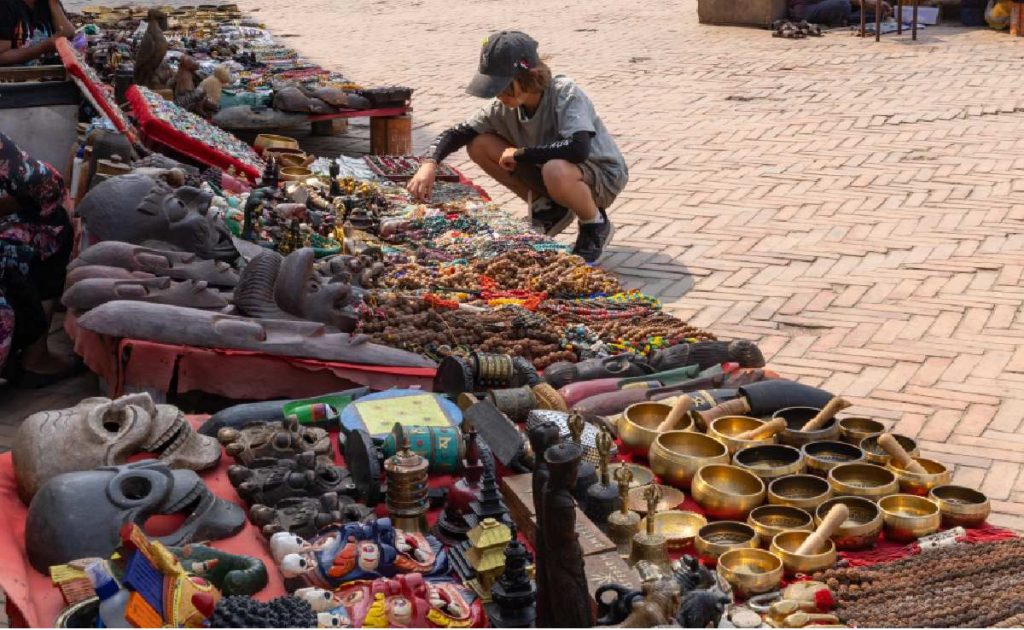
Nepal is a hub for shopping enthusiasts where you can purchase Thangka paintings, unique spices, exotic souvenirs, traditional jewelry, hemp bags, khukuri, statues, and handicrafts. The bustling market of Kathmandu, luxury shops of Pokhara, traditional crafts of the mountain villages, ancient cities of Bhaktapur and Patan will make your shopping experience special.

Dos:

  • Do Visit Local Markets: We suggest you to visit the local markets in Kathmandu. New Road, Durbar Square area, Indra Chok, Asan Bazaar, Thamel, Makhan Tole, and Old Freak Street are some of the popular shopping points in the street of Kathmandu. Here, you can shop a variety of items that are high in quality and items that reflect Nepalese culture. 

  • Do Research & do Prepare: Before you head towards the market, we suggest you to do proper research on the products or items that you are interested to buy. Getting to know the quality, prices, and originality helps you to choose and purchase authentic products at at reasonable cost. 

  • Bargain Respectfully: You will get to see a person bargaining in the local markets, as bargaining is common in Nepal. We suggest you to do friendly and respectful bargaining, as it could lead to better deals. You can begin bargaining by offering the price by reducing 20-30% of the seller’s initial price. This will lead to a mutually agreeable amount.

  • Do Carry Cash: Most of the tourist hubs and high-end shops accept credit cards, but we suggest you to carry cash with you before heading towards the local market. As most of the local markets operate on a cash-only basis, carrying Nepalese rupees in small denominations will make your transaction easy.

  •  Look for Authenticity: We suggest you to look for authenticity while purchasing items like silver jewelry or Pashmina shawls. Some of the shops claim to sell authentic items, but quality may differ. For example, if you are purchasing pashmina, you can check its authenticity by touching it. It feels soft and warm to the touch as it is made from fine cashmere wool.
  • Do Take Your Time: Shopping is more than just purchasing an item in Nepal. The narrow street, vibrant shops, people bargaining, and cultural stuff in and around the shopping area make your shopping time more memorable. So, do take time to purchase the products you like at a reasonable cost and don’t miss out on hidden gems.

Dont’s:

  • Don’t Buy Without Comparing: There might be the same product with different quality in the market. So, you need to do research, visit different shops compare the products, compare the price and finally choose the product to purchase. 

  • Don’t Settle for the First Price: Don’t purchase a product straight away, as the initial price for the product might be high. We suggest you to visit different shops before purchasing and do respectful bargaining before purchasing product. 

  • Don’t Overpack Your Bags: Don’t purchase excessive items as your baggage could be overpacked.  Weight restrictions and luggage space should be kept in mind while shopping. So, we suggest you to buy meaningful and unique items that you can take back home as a memory of Nepal. 

  • Don’t Ignore Quality: Don’t ignore the quality while shopping, as you can find similar product with different quality in different shops. While purchasing products, look for finishing of the product, packaging of the product, detailing on artwork, and check the stitching on garments. 

  • Don’t Disregard Sustainability: Don’t disregard sustainability by purchasing products made from unsustainable materials or endangered species. We suggest you to opt for eco-friendly and ethically sourced items and avoid purchasing items made from ivory or animal skins. Together we should prioritize sustainable tourism.

  • Don’t Forget to Ask About Export Rules: As there are restrictions to export certain items, you should not forget to research or consult about the export rules before you purchase any products. Exporting items such as animal products, religious artifacts, and antiques can create issues at customs as there are strict regulations on such items. 

The rich traditions, cultural exchanges, vibrant colors, friendly people, and warm hospitality make shopping in Nepal a wonderful experience. Following the above do’s and don’ts will make your shopping easier, and you can take home some quality products as a memory of your pleasant trip to this heavenly country. 

Shopping in Nepal is more than just purchasing an item. It’s more about the people, cultural exchange, stories, vibrant atmosphere, and memories behind each purchase. Enjoy your shopping


Annapurna Region: Astam Eco Village in Annapurna Foothills

Astam Eco Village

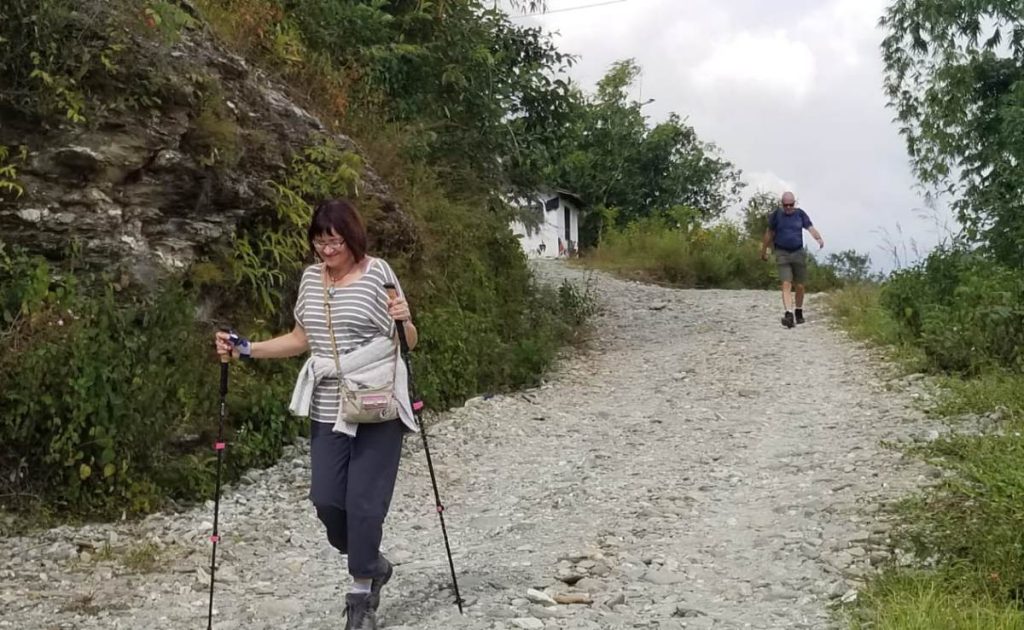
Looking for a peaceful escape from the noise and crowds of the city but don’t have time for a long trek? Astam Eco Village is the perfect destination! Nestled at the base of the Annapurna Himalayas, this eco-village offers breathtaking views of the mountains without the need for an exhausting trek. It’s ideal for anyone seeking tranquility, an authentic Nepali village experience, and a chance to learn about sustainable farming.

Highlights of the Astam Eco Village Trek

Incredible 360-Degree Views

Astam Eco Village offers some of the best panoramic views of the Annapurna range. From here, you can see the iconic Machhapuchhre (Fishtail) Mountain and the entire Annapurna range. Whether you’re watching the sunrise over Annapurna or the sunset behind Fishtail, the scenery is absolutely stunning.

The Shortest and Easiest Trek Near Pokhara

If you’re short on time but still want to experience the beauty of the Annapurna region, Astam Eco Village is the perfect trek for you. This short, easy hike takes only a few hours and offers incredible mountain views. It’s one of the best short treks near Pokhara, perfect for those looking for a quick adventure.

Experience Traditional Nepali Village Life

Astam Eco Village is a great place to immerse yourself in traditional Nepali village life. As you explore the village, you’ll see how locals live and work in harmony with nature. The village follows sustainable farming practices, making it an excellent example of eco-friendly living. You’ll get a glimpse into rural life and understand the importance of sustainability in the Annapurna region.

Sustainable Farming and Alternative Resource Use

Astam is committed to sustainability. The village uses organic farming methods to grow food and has adopted alternative resources to protect the environment. If you’re interested in eco-tourism in Nepal, Astam is a must-visit. It’s a great place to learn about how communities work with nature to maintain a sustainable lifestyle.

Enjoy Organic Food

After your trek, enjoy a delicious organic lunch made with fresh, local produce grown in the village. You’ll taste the best of Nepali farm-to-table cuisine while connecting with the village’s sustainable farming practices.

Learn About Village Farming Life

Farming is at the heart of life in Astam Eco Village. During your visit, you can observe or even participate in various farming activities. The community grows rice, maize, and other crops using organic methods. Learn about their agricultural practices that protect the environment and ensure the health of the land for future generations.

Beautiful Sunrise and Sunset Views

The sunrise and sunset views from Astam Eco Village are some of the best in the region. The sunlight hitting the peaks of the Annapurna range and Machhapuchhre creates a magical atmosphere. Whether you wake up early for the sunrise or return in time for the sunset, you’re guaranteed a breathtaking experience.

Why Choose Astam Eco Village?

Astam Eco Village is perfect for those who want to explore the Annapurna region but don’t have time for a long trek. It’s an eco-friendly village where you can enjoy stunning views of the Annapurna Himalayas, learn about sustainable farming, and experience traditional Nepali village life. Whether you’re a nature lover, an eco-tourist, or simply looking for a relaxing day trip, Astam has something to offer.

What You Need to Know

  • Best Time to Visit: The ideal time to visit Astam Eco Village is in the spring (March–May) and autumn (September–November), when the weather is clear and the views are best.
  • Difficulty: Easy. This is a gentle hike suitable for all fitness levels. Perfect for beginners or anyone looking for a short trek.
  • What to Bring: Comfortable shoes, sunscreen, a hat, a water bottle, and a camera. If you plan to stay overnight, bring a light sleeping bag and extra clothing.
  • Cost: The trek is free, but you’ll spend money on meals and possibly accommodation in the village.

If you’re looking for a short, easy trek to experience the beauty of the Annapurna region, Astam Eco Village is the place to be. With incredible sunrise and sunset views, a glimpse into sustainable farming, and an authentic Nepali village experience, this trek offers all the rewards without the challenges of a long hike.

Astam Eco Village is a perfect blend of nature, culture, and sustainability. It’s one of the best Nepal hiking destinations for those who are short on time but want to experience the beauty of the Annapurna foothills.

So, pack your bags, put on your hiking shoes, and get ready for a peaceful and rewarding adventure at Astam Eco Village—one of the most serene and scenic places near Pokhara!

Community Based Tourism in Nepal

Kathmandu City

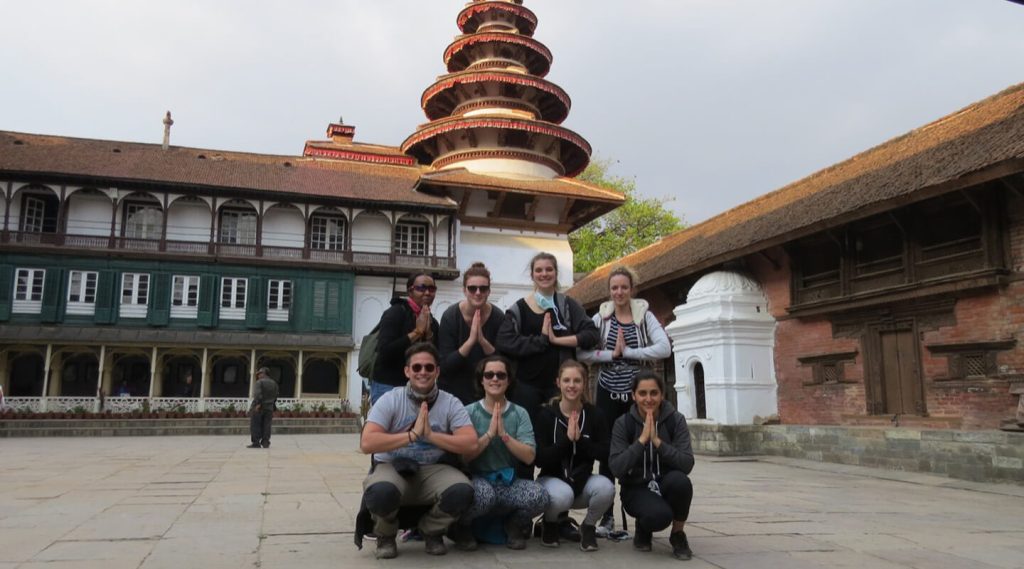
Imagine yourself visiting a completely different place from your hometown, with a totally different culture and a lifestyle that you’re completely unfamiliar with. You might find dozens of destinations searching in Google but being part of community-based tourism in Nepal is the best gateway to discover new places and get real life experience of rural lifestyles, preferably in an unspoiled traditional village. Here, visitors can explore the wildlife, local habitats, and be a part of the local culture and rituals. The best way to understand Nepal’s traditions and culture is by visiting its villages.

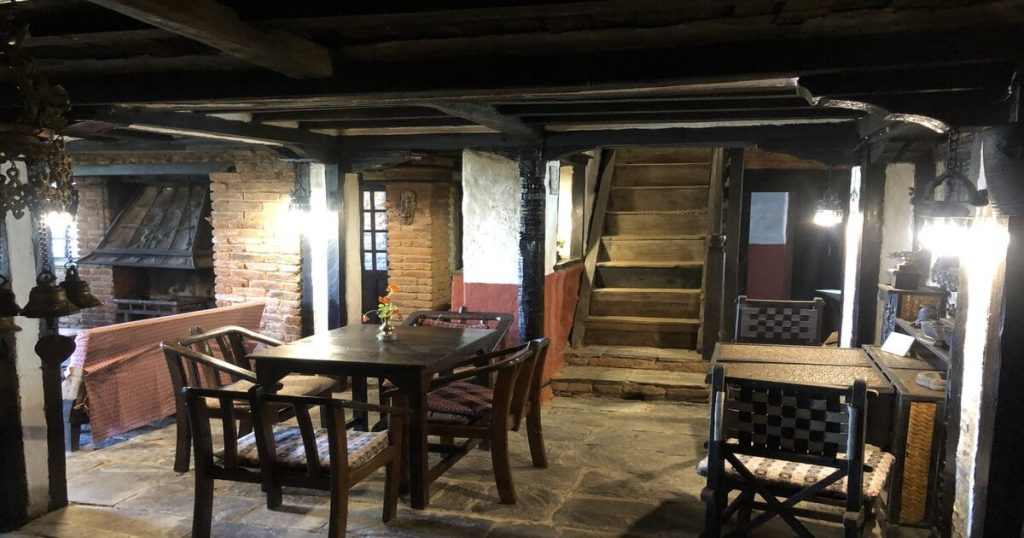
Community based tourism (CBT) is a form of sustainable tourism that allows travellers to engage with the local communities they visit and learn more about their culture and daily lives. CBT provides travellers with the opportunity to learn about another culture, diversity, customs, language, social norms, cultural beliefs, etc.  This type of tourism in Nepal consists of activities such as home stays, village tours, storytelling, cooking and crafting together and farm visits, etc where visitors can observe the local culture and interact with local community members.  The hospitality and friendly attitude towards tourists makes them feel at home.

Bandipur homestay

Home stays and other forms of community-based tourism are gaining popularity among travellers today given that they provide authentic, unique experiences while also providing value to local communities. There is already a growing niche market as more and more people today are interested in getting to know the local communities and interacting with the local people. Community-based tourism was developed with the objective of alleviating poverty in low-income and minority communities by developing and promoting the local tradition, culture and local resources.  Members of a community join together and take collective actions to achieve all forms of well-being including social, economic, cultural and environmental.

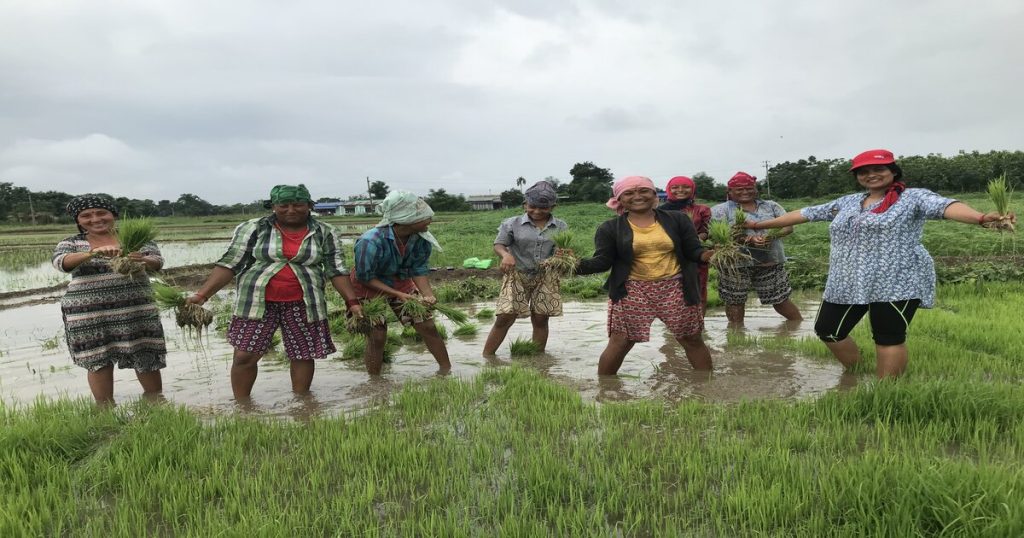
rice plantation

Nepal offers a unique experience for foreign tourists by allowing them to stay with the family as members, and not as guests. These tourists become part of the community during their stay. The villagers greet visitors with flowers, tikas, and even Panche Baza (traditional Nepalese music) in some of the villages. They are also invited to take part in local festivals, rice plantations, production of handicraft works, milking a cow, and even cooking.  People of rural villages in Nepal take pride in talking about their everyday lives and sharing personal stories with guests. The villages in Nepal are also known for their breathtaking views of the Himalayas and beautiful sunrises, which tourists will not want to miss out on. 

Welcome in sirubari

‘Community-based tourism’ originated in Nepal in the Gurung community of Sirubari, Syangja, by developing the village as a model with the purpose of experiencing local life. Homestays including Ghalegaun, Kaulepani, Balthali, Madi village, Machhapuchhre, Ghandruk and Panauti are some of the other popular community based tourism destinations in Nepal. One of the most important aspects of this form of tourism in Nepal is that visitors can experience a completely different environment, breathe fresh air, and eat organic foods and vegetables. Waking up to the sunrise with shining mountains in the background, exploring natural beauty during the day, and engaging in cultural programs in the evening can make anyone forget their home place.

foreigner in chitwan national park

Travelers during hiking, trekking or short tours in different regions of Nepal can engage in different community based activities like purchasing local made products, having a meal at a local tea house lodge or by engaging in cultural programs organized by the local community. Travelers can also participate in cooking with local people as a form of responsible tourism, tasting the local food, learning about traditional recipes, or even taking cooking classes. Taking part in and appreciating local festivals gives the community a sense of pride and inspires people to preserve their culture. The visitor may participate in community projects in various areas, such as parks, health clinics, schools, orphanages, protected areas, libraries, conservation research centers, and protected areas, and an extensive range of other worthy projects. Travelers who are interested in community development can volunteer in the school or instruct local women contributing to their personal growth.

Community-based tourism benefits both hosts and guests, as it enables tourists to gain a true sense of belonging in the community and experience authentic travel, while also ensuring that the revenue generated by tourism stays within the community. Tourism based on the community not only preserves the environment, but also fosters cultural preservation, environmental protection, social responsibility, and enhances livelihoods while enhancing a deeper connection between hosts and visitors.