
Pokhara Diary: Kathmandu & Pokhara Cultural Exploration Tour

Nepal's Cultural and Adventure Escape

This 10-day itinerary is perfect for first-time visitors who want to experience Kathmandu and Pokhara: Nepal’s Cultural and Adventure Escape—trek to stunning mountain viewpoints, relax by peaceful lakes, and explore the ancient temples of Kathmandu, all in just 10 days.

Day 1-3: Kathmandu – Explore Nepal’s Cultural Heart

Start your Nepal adventure in the bustling capital city, Kathmandu. Dive into its rich history, spiritual sites, and vibrant atmosphere by visiting some of the most iconic UNESCO World Heritage sites:

  • Swayambhunath Stupa (Monkey Temple): Known for its panoramic views of the city and monkeys roaming around, this ancient stupa offers a fascinating blend of culture and natural beauty.
  • Durbar Square: This historical palace complex is a perfect introduction to Kathmandu’s medieval architecture and royal heritage.
  • Boudhanath Stupa: One of the largest stupas in Nepal, offering a serene environment to observe Tibetan Buddhist rituals and the daily life of pilgrims.
  • Pashupatinath Temple: A sacred Hindu site on the banks of the Bagmati River, where you can witness traditional cremation ceremonies and vibrant spiritual activities.

If you have extra time, take a day trip to nearby towns like Bhaktapur or Patan to experience more of Nepal’s medieval architecture, traditional arts, and crafts.

Day 4-7: Annapurna Trek (Short Trek) – Stunning Views of the Annapurna Range

Leave the city behind and head into the mountains for a 3-day trek to Ghorepani and Poon Hill. This trek offers stunning panoramic views of the Annapurna and Dhaulagiri mountain ranges, and the sunrise at Poon Hill is one of Nepal’s most unforgettable experiences.

  • Day 1: Drive or fly to Pokhara, then drive to Nayapul (about 1.5 hours). Begin your trek to Tikhedhunga or Ulleri, passing through villages and scenic landscapes.
  • Day 2: Trek to Ghorepani for a rest day with beautiful views of the Annapurna Range.
  • Day 3: Wake up early to hike up to Poon Hill for a breathtaking sunrise. Afterward, trek to Tadapani and continue the descent to Pokhara.

This short trek is perfect for beginners and offers an unforgettable experience in the heart of the Himalayas, without requiring advanced trekking skills.

Day 8-10: Pokhara & Kathmandu – Adventure and Relaxation

Pokhara: After completing your trek, take some time to relax in Pokhara, a peaceful lakeside city. Spend your days enjoying the stunning natural beauty and outdoor activities:

  • Phewa Lake: Enjoy a leisurely boat ride or just relax by the lake with the Annapurna mountains in the backdrop.
  • World Peace Pagoda:   Hike up to the pagoda for panoramic views of the Pokhara valley, Phewa Lake, and the towering peaks of the Annapurna range.
  • Sarangkot: For an early morning adventure, hike or drive up to Sarangkot to catch the incredible sunrise over the Annapurna Range and Machapuchare (Fishtail Mountain).

Optional: If you’re looking for some excitement, paragliding is a must-do activity in Pokhara. Experience soaring above the valley with incredible views, or try zip-lining for a rush of adrenaline.

Kathmandu: On your last day, either return to Kathmandu by a short flight (25 minutes) or drive back (6 hours). Once back, you can either relax or visit any remaining cultural sites that you may have missed at the start of your trip, or even enjoy a day trip to Nagarkot for a Himalayan sunrise before departure.

Why Visit Kathmandu & Pokhara?

Kathmandu and Pokhara are two of the most popular destinations in Nepal. Kathmandu offers rich cultural experiences with its temples, historic sites, and vibrant atmosphere. Pokhara, on the other hand, is a beautiful, peaceful city known for its natural beauty, lakes, and adventure activities like trekking, paragliding, and boating.
This 10-day itinerary allows you to explore the best of Kathmandu and Pokhara: Nepal’s Cultural and Adventure Escape, combining cultural sightseeing with outdoor adventure and stunning natural beauty. Whether you’re trekking to Poon Hill or relaxing by Phewa Lake, this trip offers the perfect balance of excitement and relaxation. Ideal for first-time visitors, it’s a great way to experience the heart of Nepal.

Everest Region: Tea House and Lodge Stays Across the Everest Region

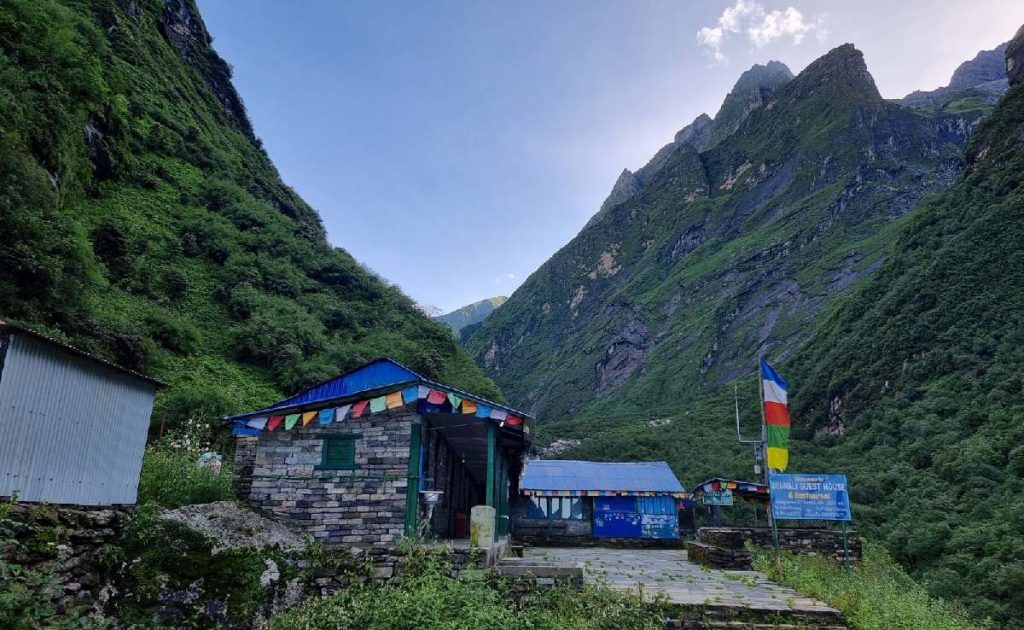
The trek to Everest Base Camp (EBC) is a once-in-a-lifetime adventure, and the Tea Houses along the way provide a memorable experience. Often run by Sherpa families, the rustic yet charming accommodations add to the trek’s authenticity with a “pay as you stay” style. 

Treks to Everest Base Camp along with a teahouse stay have become synonymous with Everest Base Camp trek. A teahouse is generally a stopover where trekkers get food, stay overnight, and use other services.

The Nepalese Himalayas Teahouses provide a comfortable yet humble approach to trekking in the Everest Base Camp Trek.  Also, it gives you a chance to meet other trekkers and see a typical Nepal that you wouldn’t see camping alone.

The Himalayan Circuit Treks highly recommend teahouse trekking since you will have the opportunity to meet and speak with the local people, who are very hospitable, kind, and accommodating.

What to expect in Tea House Lodge Accommodations in Everest:

  • The quality, services, and facilities of tea houses can vary depending on their elevation. The tea houses at lower elevations offer more amenities than those at higher elevations. 
  • A twin-room accommodation is available at almost all tea houses on the Everest Base Camp Trek, and there is also the possibility of getting a single room during off-trekking seasons, but you have to share it with fellow trekkers during peak seasons.
  • You can expect a pillow, bedsheet, coverlet, or duvet in the bedroom, but there is no heating system in the rooms, so if you want an extra blanket or duvet, you can get it on request. 
  • On Everest Base Camp Trek Trails, tea houses offer a variety of hygienic and nutritious cuisine including typical Nepali dishes like Dal, bhat, tarkari, as well as momo, noodles, potatoes, soup, pizza, meat, etc. As Lukla and Namche are the tourist hubs of this region, the tea houses at Lukla and Namche include many international and national 5-star hotels’ menus.
  • The Everest Region offers cold showers for free, and many tea houses offer hot showers using gas geysers or solar geysers. There are tea houses that also provide hot bucket water, but for the hot shower, you have to pay extra.
  • Internet access is available in most tea houses on Everest Base Camp Trek, but Wi-Fi hot spots require extra charges. Internet connectivity at Lukla and Namche bazaar is surprisingly strong; however, at higher elevations, it will be weak.
  • Many tea houses along the Everest Base Camp Trekking Trails have good facilities for toilets and bathrooms. While lower-elevation tea houses have modern flush toilets, higher elevation tea houses have manual flush toilets, and some even have traditional squat toilets outside in the middle of the night. 
  • You can book Tea House Lodge Accommodations in Everest on-site or through a travel agency. Book your Tea House Lodge Accommodations through a reputed travel agency who will assist you in arranging this as part of their trekking packages.

Tea House Lodge Accommodation in Everest:

  • Lukla:

The trek to Everest begins and ends in Lukla, which is also known as the gateway to the Everest region. Since the trail from Lukla to Phakding is only 3-4 hours long, trekkers usually do not accommodate in Lukla on the first day. Instead, they go to Phakding for an overnight stay. 

The teahouses in Lukla offer standard, comfortable, clean rooms and you can order from a menu of your choice, except for alcoholic beverages. There are several teahouses in Lukla, including Sunny Garden Hotel, Nest Teahouse, Khumbu Resort, and Buddha Lodge.

  • Phakding:

After arriving at Lukla, you will begin trekking to Phakding and stay in well-managed teahouses in Phakding standard where you can get reasonable accommodations. The Tea House Lodges in Phakding offer a wide range of accommodations, from luxury lodges to backpacker teahouses.

A variety of accommodations are available at the hotel, including rooms at a moderate price, as well as rooms with nice furnishings, as well as luxury accommodations. Phakding has several teahouses, including Hotel Snowland, Kala Patthar Lodge, Hotel Beer Garden, and Hotel Mountain.

  • Namche Bazaar:

A major sherpa town in the Khumbu region, Namche is known for its high-quality lodges, affordable teahouses, markets, restaurants, cafes, museums, and other attractions. A few days are recommended here to help you acclimatize before you continue your trek.

Your teahouse or lodge will provide all essential amenities and provide you with a menu of your choice. Several teahouses are available in Namche, including the Hilton Hotel, the Sherpaland Hotel, the Green Tara Hotel, and the Namche Guest House.

  • Tengboche:

Tengboche is usually the next stop after Namche Bazaar, on the other side of Imja Khola. The village of Tengboche is situated on the slopes of Mt. Khumbila, one of Tibet’s most sacred mountains. 

The region is home to some of the most renowned monasteries in Khumbu. While staying in the local lodges, you can attend the morning prayers at Tengboche monastery, where you will feel a sense of peace and new vibrations.

Tengboche’s typical tea houses and lodging accommodations are simple stone and wood structures with a kitchen, dining hall, and bathroom.  Tengboche’s most popular teahouses are Himalayan, Tengboche Guest House, and Hotel Tashi Delek.

Dingboche:

Dingboche is a remote area with only a few teahouses for trekkers to stay in at an elevation of 4400m above sea level. There aren’t many single rooms available here, but there are still a few teahouses with attached bathrooms.

Solo travelers who are traveling during peak trekking season are unlikely to get accommodation unless they reserve their rooms early. Many trekkers spend an extra night in Dingboche in order to further acclimatize.

Dingboche teahouses or lodges typically have a kitchen, a dining room, and a bathroom. Hotel Good Luck, Hotel Yak, Hotel Valley View, and Hotel Summit are the most popular Tea House Lodge Accommodations.

  • Lobuche:

A bustling place during peak seasons, Lobuche is home to hundreds of trekkers, porters, and Sherpas. Lobuche has a lot of primitive lodging accommodations, and the number of options and quality decrease as you go higher. 

Lobuche’s teahouses are generally stone huts with shared bunks although a few modern lodges have opened in recent years. In comparison to teahouses at lower latitudes, the amenities and room facilities are obviously inferior. 


There are now shared bathrooms, squatty toilets, a dining hall with a fireplace, and charging ports in the teahouses as well. The most popular teahouses in Lobuche include Hotel Mother Earth, Himalayan Eco Lodge, New EBC Guest House, and Oxygen Home.

Gorekshep:

A trek to Everest Base Camp requires more than 5180 meters of elevation, and Gorekshep is the last Tea House Lodge accommodation location. Only a few teahouses are found here, and most of them are crowded during peak seasons. 

Despite the simple and basic nature of teahouses, there are only one or two standard teahouses at Gokyo, with or without attached bathrooms. Gorekshep has several popular lodges and teahouses, including Yeti Resort, Snowland Highest Inn, Everest Inn, Himalayan Lodge, and Buddha Lodge.

A  trek to Everest Base Camp offers you a variety of accommodation facilities according to the elevation and location. You can book your Everest Base Camp trek with Himalayan Circuit Treks for the best teahouse lodge accommodation in Everest in advance.