Nepal Diaries: 6 Hidden Gems Beyond Nepal’s Popular Trails

Everest, Annapurna, Kathmandu, and Pokhara are world-famous. However, Nepal offers far more than its iconic peaks and lively cities. Across the hills and deep into the far west, you will find hidden gems in Nepal, quiet villages, serene lakes, sacred meadows, and gentle trails that invite you to slow down.

Moreover, these places provide authentic culture, local cuisine, and warm hospitality often without the crowds. If you prefer meaningful travel and unique experiences, then these off-the-beaten-path destinations are well worth adding to your itinerary with us. Ultimately, they reward patience with depth and genuine connection.

Why Explore Hidden Gems in Nepal?

Choosing lesser-known destinations often leads to a more peaceful and fulfilling experience. In particular, you will enjoy pristine nature, intact traditions, and deeper interactions with local communities. As a result, your trip becomes more personal, more reflective, and more memorable.

Additionally:

  • You will capture striking landscapes without the usual lines and noise.
  • You will support communities through fair, locally led tourism.
  • You will find time to relax, take photos, go on gentle hikes, and simply be present.

In short, Nepal’s quieter corners combine culture, nature, and calm in a single journey. Consequently, they appeal to travelers seeking depth rather than speed.

Hidden Gems in Nepal (with Practical Tips)

1) Tansen (Palpa): Heritage, Hills, and Handicrafts
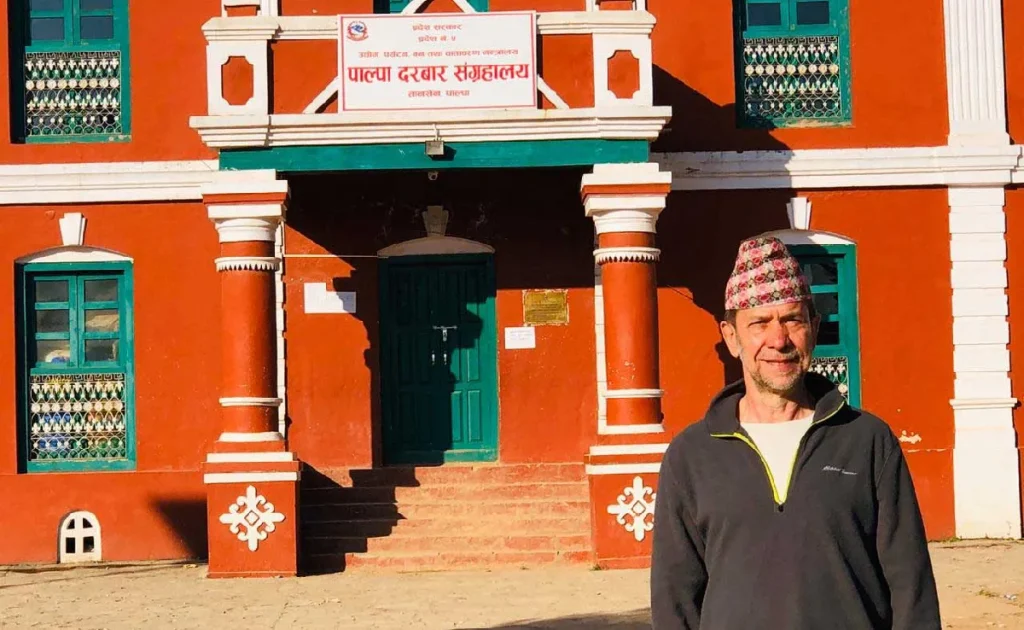
Palpa - The hidden gems of Nepal

Why go: A charming hill town in western Nepal with Newari houses, narrow lanes, and sacred temples, ideal for culture lovers who value tranquility. Notably, the historic core remains walkable and welcoming.
Highlights: Rani Mahal (often called the “Taj Mahal of Nepal”), family-run eateries, and artisan-made textiles and metalwork.
Best time: October–April (clear skies and pleasant temperatures).
How to get there: About 7–8 hours by road from Pokhara or 8–9 hours from Kathmandu.

Pro tip: For sunrise, start early at Srinagar Hill. On clear days, the panorama is exceptional. Furthermore, late afternoons offer soft light for photography.

2) Khaptad National Park: Sacred Meadows of the Far West

Why go: A serene, spiritually significant plateau with rolling grasslands, mixed forests, and wide mountain panoramas ideal for nature and peace seekers. Beyond the scenery, the area carries strong cultural reverence.
Highlights: Khaptad Baba Ashram, seasonal wildflowers, and open-sky meadows frequented  by herders.
Best time: April–June and September–November.
How to get there: Fly to Dhangadhi or Bajhang, then continue by road and trail with a local guide.

Pro tip: Trails are less marked. Therefore, hire a local guide for navigation and cultural context. In addition, check park regulations ahead of time.

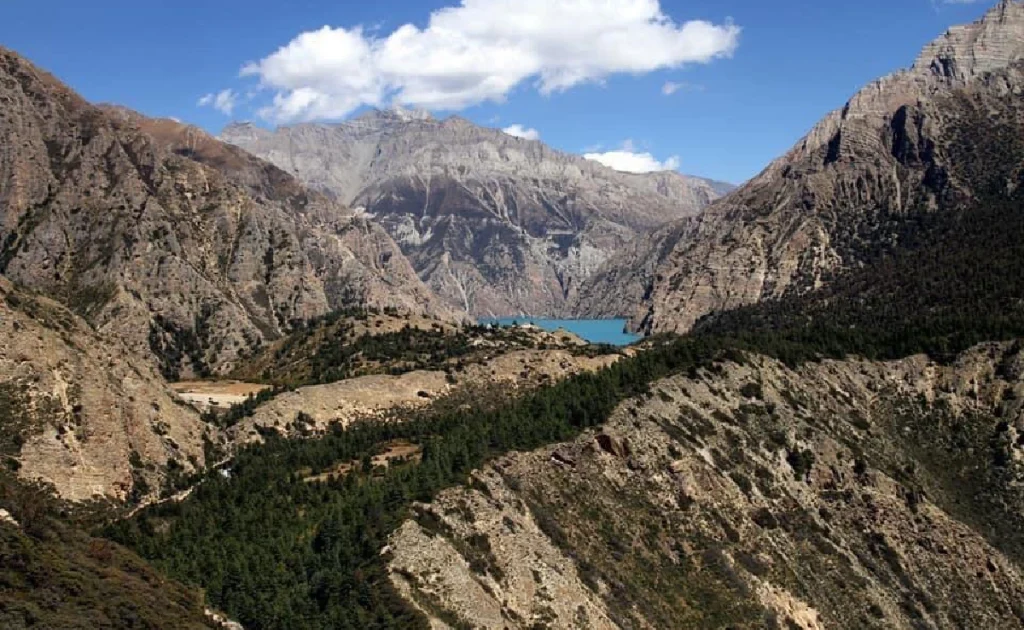
3) Rara Lake: Nepal’s Shimmering Blue Jewel

Why go: Nepal’s largest lake, wrapped in tranquil forests and gentle hills, remote, pristine, and photogenic. Even at midday, the water remains strikingly blue.
Highlights: Lakeside walks, non-motorized boating, sunrise reflections, and birdwatching.
Best time: September–November and April–June.
How to get there: Fly via Nepalgunj to Talcha (Mugu), then a short trek to the lake. Alternatively, go overland for a longer yet scenic route.

Pro tip: Pack layers; even on sunny days the weather can shift quickly. Consequently, a windproof jacket and warm hat are helpful.

4) Ilam (Eastern Nepal): Tea Gardens and Soft Morning Light
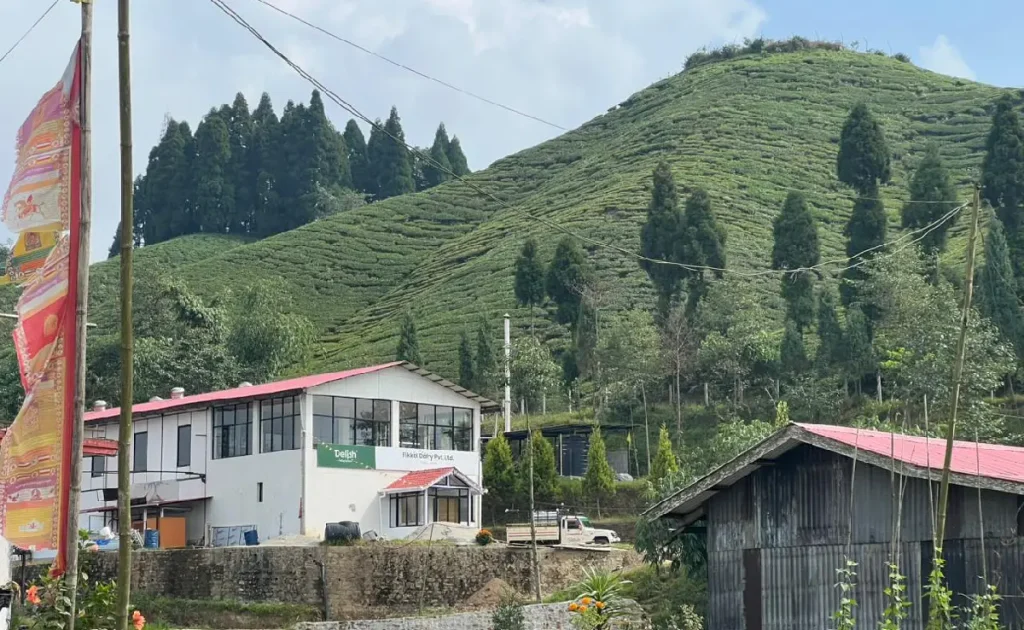
Why go: Rolling tea estates, cool weather, and peaceful rural life, ideal for slow travel and mindful mornings. In contrast to busier hubs, Ilam rewards unhurried explorers.
Highlights: Garden walks, village stays, sunrise viewpoints, and organic teas.
Best time: October–December for clear skies; March–May for lush, green hills.
How to get there: Fly to Bhadrapur and drive 3–4 hours; or travel overland from Kathmandu (long yet beautiful).

Pro tip: Visit a local tea cooperative for tasting and farm-to-cup stories. Additionally, plan a golden-hour photo walk along the tea rows.

5) Gokyo Lakes: Quiet Majesty in the Everest Region
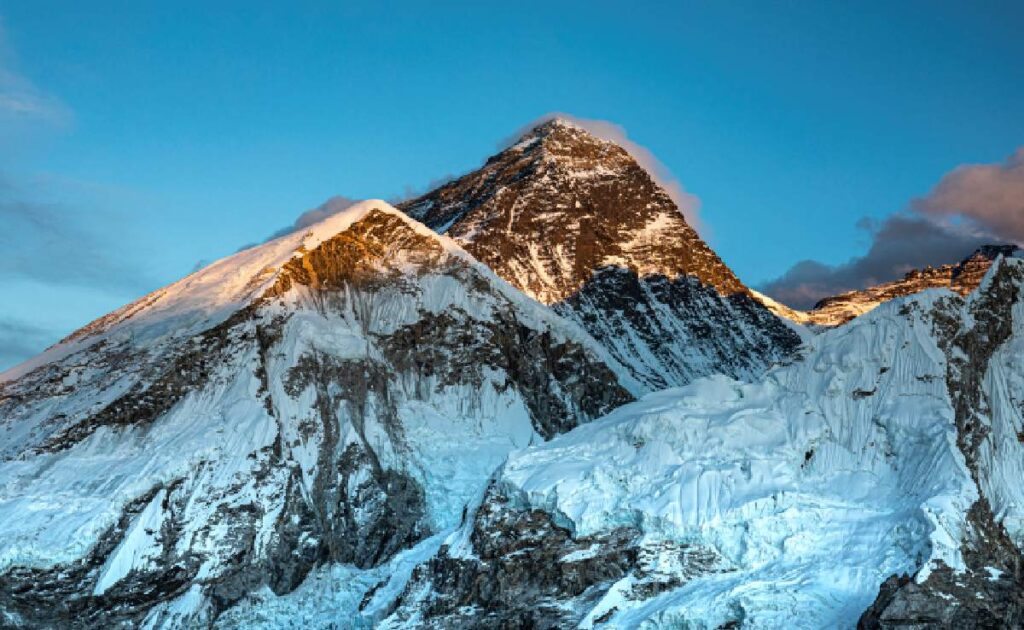
Why go: A spectacular alternative to the classic Everest Base Camp route, with fewer crowds and surreal blue lakes. Moreover, views from Gokyo Ri reveal glaciers and high peaks in every direction.
Highlights: The chain of Gokyo Lakes, Ngozumpa Glacier vistas, and sunrise from Gokyo Ri.
Trek grade: Moderate to strenuous (due to altitude).
Best time: March–May and October–November.
How to get there: Fly to Lukla, then trek via the quieter Gokyo Valley.

Pro tip: Acclimatize slowly. Add a rest day around Machhermo or Dole to enjoy the scenery and stay safe. Consequently, you reduce the risk of AMS.

6) Ruby Valley: Culture-Rich Trails Between Langtang and Manaslu

Why go: A lesser-known trekking corridor with Tamang and Gurung villages, hot springs, and open mountain views, perfect for cultural immersion. Because lodges are simpler, the experience remains genuinely local.
Highlights: Village homestays, traditional kitchens, hillside farms, and quiet ridgelines.
Trek grade: Easy to moderate (flexible routes for different fitness levels).
Best time: October–December and March–May.
How to get there: Drive from Kathmandu to Syabrubesi or Dhading trailheads; then trek with a local guide.

Pro tip: Choose community lodges or homestays to keep your spending local and your experience authentic. In addition, ask about seasonal festivals or gatherings.

Practical Tips for Offbeat Travel in Nepal

  • Plan for time: Remote journeys can be long; therefore, build buffers for weather, permits, and road conditions.
  • Cash matters: ATMs are scarce; consequently, carry sufficient cash in small denominations.
  • Pack smart: Layers, a warm jacket, snacks, a power bank, a water filter, and a basic first-aid kit. Moreover, bring sun protection for high altitudes.
  • Hire local guides: For safety, translation, route finding, and respectful access to sacred spaces. As a bonus, you’ll gain stories you’d otherwise miss.
  • Travel kindly: Respect local customs, minimize plastic, and choose ethical operators. Ultimately, your choices shape better futures for host communities.

There is so much more to Nepal than its famous peaks and popular trails. From Tansen’s heritage lanes and Ilam’s tea terraces to Rara’s mirror-like waters, Khaptad’s sacred meadows, Gokyo’s blue lakes, and Ruby Valley’s welcoming villages these hidden gems in Nepal invite you to slow down and connect deeply.

When you are ready to avoid the crowds and discover authentic Nepal, we can help design a quiet, culturally rich journey that matches your pace and interests. In the end, a thoughtful route turns travel into a meaningful exchange.

Travel Diaries: How Travel Magazines of Nepal Inspire Journeys

travel magazines of Nepal

Travel media continues to shape how visitors experience Nepal. Beyond blogs and social media, travel magazines of Nepal offer clear stories, reliable information, and stunning visuals. These publications keep Nepal on the radar of global travelers while providing practical tips for trip planning.

For travelers, these magazines act as trusted Nepal travel guides, offering culturally rich alternatives beyond Everest and Pokhara. For advertisers, they provide platforms for visibility. In addition, they promote tourism by showcasing Nepal’s diversity.

Why Travel Magazines Matter in Nepal

Tourism in Nepal is seasonal and experience-based, so visibility is crucial. Therefore, travel magazines play a key role in storytelling. They connect urban readers, diaspora communities, airlines, and potential visitors.

For example, these magazines highlight:

  • New trekking trails
  • Boutique hotels
  • Heritage restorations
  • Festivals and conservation efforts
  • Adventure products

Because their content is locally sourced and edited, it is more relevant than generic international coverage. As a result, they give tourism entrepreneurs—guides, resort owners, airlines, a voice to share authentic stories. This helps position Nepal as more than “just mountains.”

Popular Travel Magazines in Nepal

1. Yatra Travel Magazine (Buddha Air)

Yatra reaches in-flight audiences across Nepal, including business travelers, diplomats, and domestic tourists. Each edition blends destination highlights like Mustang, Ilam, and Lumbini with lifestyle content on food, hotels, and travel personalities.

Moreover, for advertisers, Yatra offers direct access to active travelers. For readers, it serves as a practical guide to domestic travel.

2. Parikrama Magazine (Nepal Traveller)

Parikrama focuses on premium tourism and hospitality. Its polished tone appeals to hotels, tour operators, and DMCs. Articles cover heritage towns, boutique experiences, and new openings. Written in English, it targets overseas audiences and returnee Nepalis. Consequently, it is ideal for understanding Nepal’s tourism industry.

3. Wanderlust Travel Magazine

Wanderlust emphasizes photography and inspirational travel. It showcases trekking, mountain flights, rafting weekends, and community homestays. For instance, short getaway ideas like Nagarkot, Dhulikhel, Bandipur, and Bardia encourage balanced tourist movement and support local economies. Therefore, it works well for younger or first-time travelers.

4. ECS Nepal

ECS stands out for cultural depth. It covers heritage sites, artisans, Newar towns, food culture, monastery life, and festivals. ECS appeals to visitors and residents who want to explore Nepal beyond itineraries. In addition, its long-form, researched content encourages travelers to stay longer and spend more.

5. Outlook Travel Magazine

Outlook places Nepal in a broader South Asian context. It highlights trekking, wildlife, heritage, national parks, wellness retreats, and aviation developments. As a result, it builds credibility with international audiences. For travelers, it serves as an early-stage planning guide, showing Nepal as an enticing destination.

Final Thoughts

Nepal’s tourism strategy embraces travel magazines because “the more, the merrier” applies to tourism promotion. These magazines capture new destinations, document local entrepreneurs, and preserve culture. Ultimately, for travel operators, advertising in these magazines is a smart way to reach audiences. For readers, they offer inspiration and practical guidance, magazines you can hold, bookmark, and travel with.

Travel Diaries: A Journey Through Nepal’s Memorable Experiences

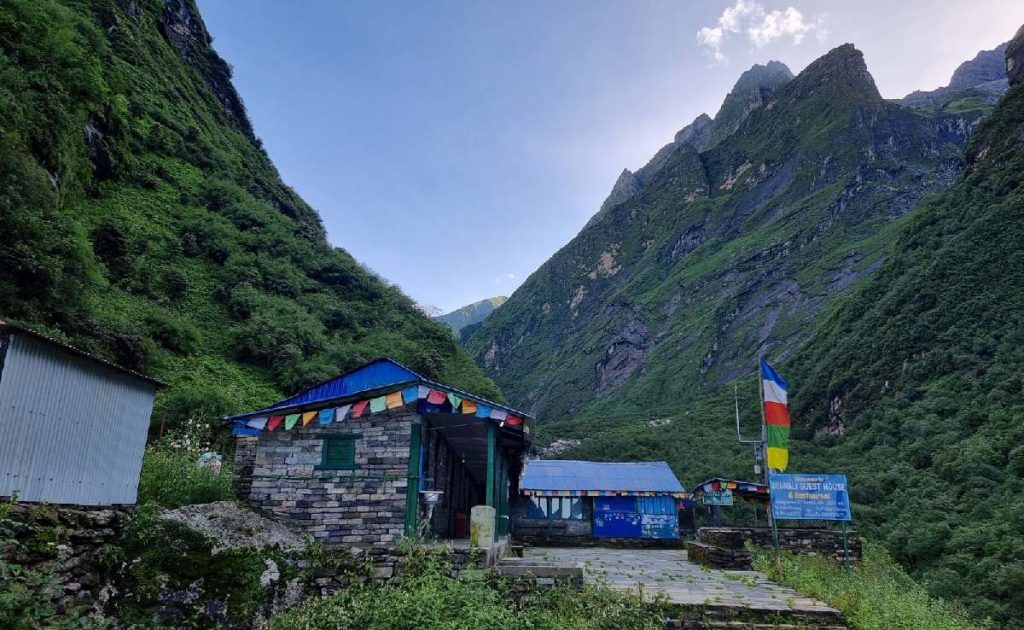
Everest Base Camp Trek

Nepal is a land where natural beauty meets deep spirituality. Moreover, from the hot plains of the Terai to the towering peaks of the Himalayas, the country offers travelers countless memorable experiences in Nepal. Lush landscapes, diverse cultures, and centuries-old traditions make Nepal a must-visit destination for anyone seeking adventure, culture, and serenity.

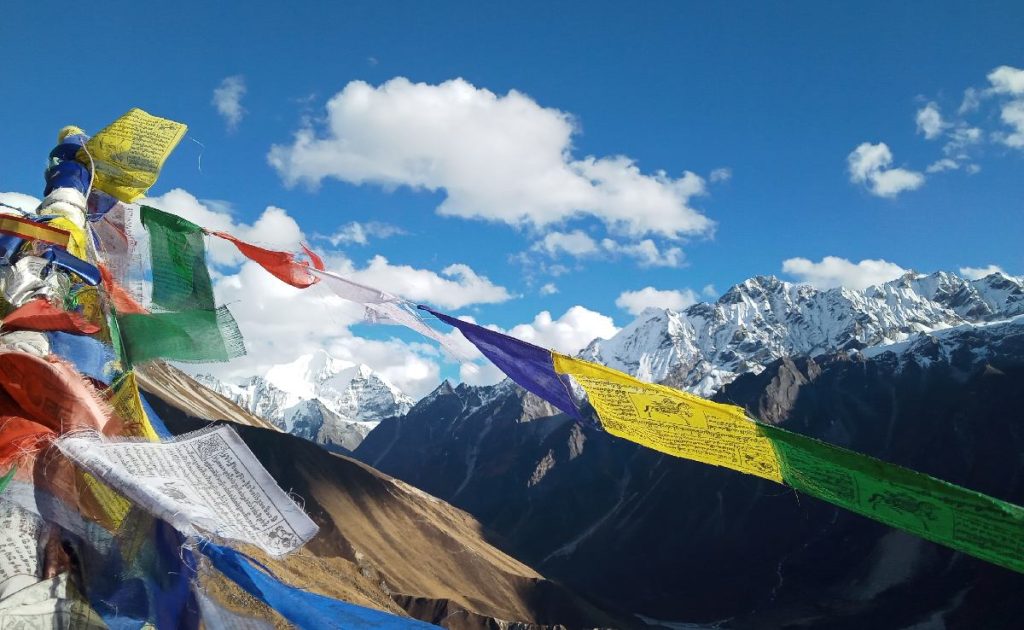
Trekking the Himalayas: Magical Mountains

Nepal is home to eight of the world’s ten highest mountains. In addition, every year, travelers arrive to explore high-altitude villages inhabited by Gurungs, Magars, and Sherpas. As a result, trekking in the Himalayas is a feast for the senses, offering stunning views of snowcapped peaks and green valleys. Furthermore, these treks combine physical challenge with breathtaking scenery, making them among the most memorable experiences in Nepal.

Spiritual Journey: Temples, Monasteries & Rituals

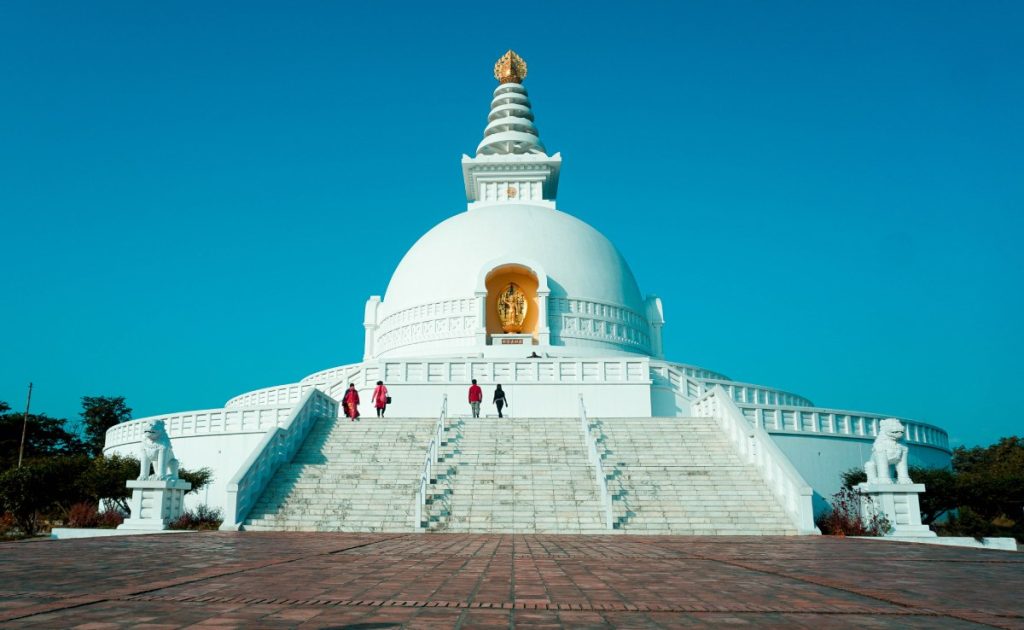
Lumbini Peace Stupa

Religion is deeply woven into daily life in Nepal. Additionally, temples, monasteries, and local rituals create a strong spiritual atmosphere. Visiting Pashupatinath, Swayambhunath, and the quiet monasteries of Lumbini allows travelers to connect with their inner self. Therefore, experiencing local festivals, prayer ceremonies, and sacred rituals is one of the most unique ways to enjoy memorable experiences in Nepal.

Hidden Gems: Off-the-Beaten-Path Adventures

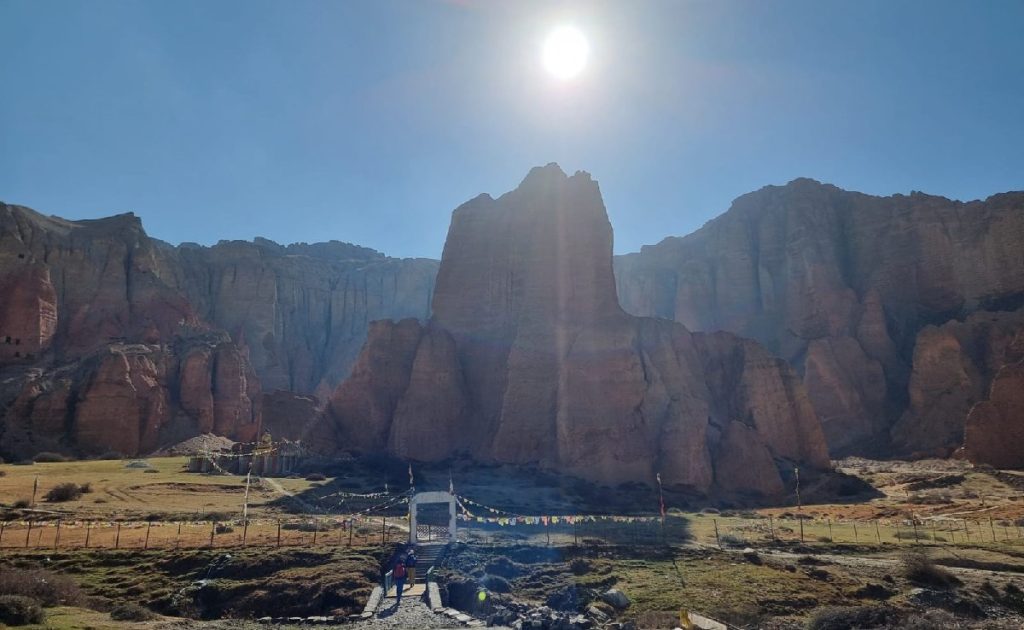
Upper Mustang

Nepal’s rugged landscapes hide many unspoiled destinations. For example, remote areas like the Manaslu Circuit, Rara Lake, Khaptad National Park, Bandipur, Ilam, and Dolpo offer peace, beauty, and authentic cultural encounters. Similarly, exploring these places allows travelers to enjoy solitude, nature, and local traditions in a way few other countries can provide. Off-the-beaten-path adventures are essential for truly memorable experiences in Nepal.

People & Hospitality: Heartfelt Connections

Nepal is home to diverse ethnic communities, including Thakalis, Tharus, Gurungs, and Limbus. Moreover, despite cultural differences, local values of kindness and hospitality bind them together. Travelers are welcomed with warm smiles, generous hearts, and genuine friendliness. As a result, interacting with local communities adds a deeply personal touch, making these moments unforgettable and among the most cherished memorable experiences in Nepal.

Cultural Festivities: Colors, Music & Celebration

Lalitpur the Music City

Nepal celebrates over 50 festivals each year. In particular, major celebrations like Dashain, Tihar, and Holi captivate visitors with vibrant colors, music, and ritual. Traditional jatras, Lhosar, Udhauli, and Ubhauli bring the local culture to life. Consequently, experiencing these festivities allows travelers to witness Nepalese traditions firsthand and enjoy rich cultural experiences in Nepal.

Final Thoughts

From trekking the Himalayas to spiritual journeys, hidden gems, and colorful festivals, Nepal offers countless ways to create lasting memories. Additionally, interacting with warm-hearted communities, exploring serene landscapes, and witnessing ancient traditions ensure every traveler leaves with extraordinary stories. Therefore, planning your trip with these moments in mind guarantees some of the most memorable experiences in Nepal you will ever have.

Nepal Diaries: Exploring the World’s Most Nature-Connected Country

Nepal has been recognized as the world’s most “nature-connected” country in a groundbreaking study published in the prestigious journal Ambio. This title highlights how deeply nature is woven into the lives, culture, and traditions of the Himalayan nation. For travelers, it means a unique opportunity to experience nature-connected travel in Nepal like nowhere else.

What Does “Nature-Connected” Mean?

Upper Mustang

Being nature-connected goes beyond living near forests or mountains. It reflects the emotional, spiritual, and daily bond people feel with the natural world. In Nepal, nature is more than scenery, it is a teacher, a healer, and a sacred presence.

The study shows that spirituality, cultural practices, and everyday interactions with the environment are the strongest indicators of this connection. Nature-connected travel in Nepal allows visitors to experience this bond firsthand — through festivals, rituals, and everyday life.

Nepal’s Stunning Natural Diversity

Nepal is a land of contrasts and ecological richness. Within just 200 kilometers, the landscape rises from subtropical plains to the icy peaks of the Himalayas, including Mount Everest.

This variety creates unique experiences for travelers:

  • High mountains: Ten of the world’s tallest peaks offer unmatched trekking and mountaineering adventures.
  • Lush jungles and national parks: Chitwan and Bardia are home to rhinos, tigers, elephants, and fascinating birdlife.
  • Sacred rivers: Gandaki and Bagmati flow from glacial origins to fertile plains, nourishing both land and spirit.
  • Alpine meadows, terraced hills, and pristine lakes: Places like Rara and Phewa offer serenity and breathtaking scenery.
  • Rich biodiversity: Over 6,500 species of flowering plants and 900 bird species thrive here.

Moreover, nature is part of daily life in Nepal. From monks chanting in mountain monasteries to farmers honoring the land in rituals, every moment reflects the country’s nature-connected spirit.

Experience Nature-Connected Travel in Nepal

Visitors can truly feel Nepal’s connection with nature through immersive experiences:

  • Trekking ancient Himalayan trails under snow-capped peaks
  • Meditating in sacred groves and monasteries
  • Sharing tea and stories with local villagers in the hills
  • Exploring national parks to observe wildlife responsibly
  • Participating in local festivals that celebrate the natural world

Additionally, these experiences allow travelers to understand how nature shapes culture, spirituality, and everyday life in Nepal.

A Call to the World

Nepal’s recognition as the most nature-connected country is a reminder of how humans can thrive when living in harmony with the environment. In a time of global climate challenges, Nepal offers a model for respectful, mindful, and enriching interaction with nature.

For travelers, this means a journey that nurtures not only the senses but also the soul. By exploring, observing, and participating in Nepalese life, you connect with nature in a way that stays with you forever.

Step Into Nature-Connected Travel in Nepal

At Himalayan Circuit, we invite you to experience Nepal fully, not just as a destination, but as a way of living. Trek, meditate, explore, and reconnect with the natural world the Nepalese way.

Nepal Travel News: Explore Lalitpur Music City, UNESCO’s Musical Gem

Lalitpur music city, also known as Patan or Manigal, has long been celebrated for its vibrant festivals, stunning art, and deep spiritual traditions. In 2025, Lalitpur officially earned international recognition as a UNESCO Music City, joining a prestigious network of creative cities worldwide. This designation highlights the city’s rich musical heritage, connecting centuries-old traditions with global appreciation.

A City Where Music Breathes

Solo Travelling in Nepal
Patan Durbar Square

In Lalitpur music city, music is more than performance, it is a way of life. Sacred beats from dhimay and ponga drums blend with melodic chants of Newar Buddhism, shaping festivals, rituals, and everyday moments. One of the most iconic examples is Kartik Naach, Nepal’s oldest musical dance drama, performed annually in Patan’s historic courtyards. Dating back to the 17th century Malla period, this multi-day performance combines masked dance, live traditional music, and spiritual storytelling. Instruments like the naykhin, dhaa, and bhusya create a soundscape that reflects centuries of cultural continuity.

Throughout the year, Lalitpur music city resonates with music during festivals such as:

  • Bungadyah Jatra – devotional music honoring Rato Machhindranath
  • Gumlā Bājā – spontaneous ensemble performances in public squares
  • Indra Jatra and Yenya Punhi – music guiding processions and rituals
  • Newar weddings and guthi ceremonies – ceremonial drumming and folk songs

This recognition celebrates Lalitpur not only as a historical treasure but also as a living center of musical tradition.

Why Visit Lalitpur Music City Now?

Travelers to Lalitpur music city can experience Nepal through sound:

  • Witness spontaneous performances during the Gumlā Bājā festival
  • Explore traditional Newari instrument-making in hidden alleys
  • Visit the Music Museum of Nepal to dive deeper into the valley’s musical legacy
  • Stroll through Patan Durbar Square, a UNESCO World Heritage Site since 1979
  • Attend Kartik Naach, a rare fusion of music, dance, and mythology A Tale of Origins and Legends
Lalitpur the Music City
Experience the magic of Kartik Naach in Lalitpur Music City, where centuries-old music, dance, and mythology come alive.

The name Lalitpur honors a farmer named Lalit, who helped bring God Rato Machhindranath to the valley during a drought. Today, the Bungadyah Jatra, a month-long chariot festival, celebrates this divine arrival with music, devotion, and community spirit.

Part of a Global Creative Movement

Lalitpur now joins a dynamic cohort of cities recognized in 2025, including:

  • New Orleans (USA), Kyiv (Ukraine), Kisumu (Kenya) – Cities of Music
  • Giza (Egypt), Ho Chi Minh City (Vietnam), São Paulo (Brazil) – Cities of Film
  • Aberystwyth (UK), Abuja (Nigeria), Gdańsk (Poland) – Cities of Literature
  • Quito (Ecuador), Rovaniemi (Finland), Kashan (Iran) – Cities of Architecture

 This designation emphasizes culture-led sustainable development, connecting Lalitpur with creative initiatives around the globe.

Nepal: A Creative Powerhouse

With Lalitpur’s recognition as a music city, Nepal now hosts two UNESCO Creative Cities:

  • Kathmandu – City of Film (2023)
  • Lalitpur – Music City (2025)

Together, they position the Kathmandu Valley as a hub of South Asian creativity, blending visual, cinematic, and musical heritage.

Looking Ahead: Global Stage in Morocco

Lalitpur will soon share its rhythms at the 2026 UNESCO Creative Cities Annual Conference in Essaouira, Morocco, a fellow City of Music since 2019. This platform will allow collaboration, idea exchange, and global recognition of Lalitpur’s musical legacy.

Let the music of Lalitpur guide your journey. Come for the temples and art, stay for the rhythms that tell stories of gods, kings, and everyday life.