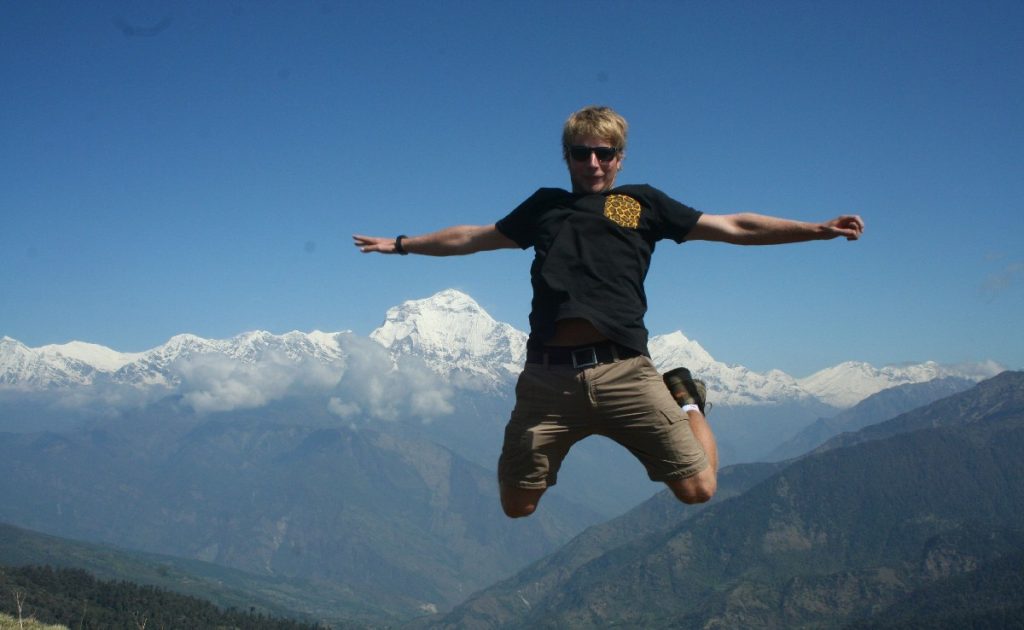
Nepal Diaries – Trekking, Festivals, and Adventures in May

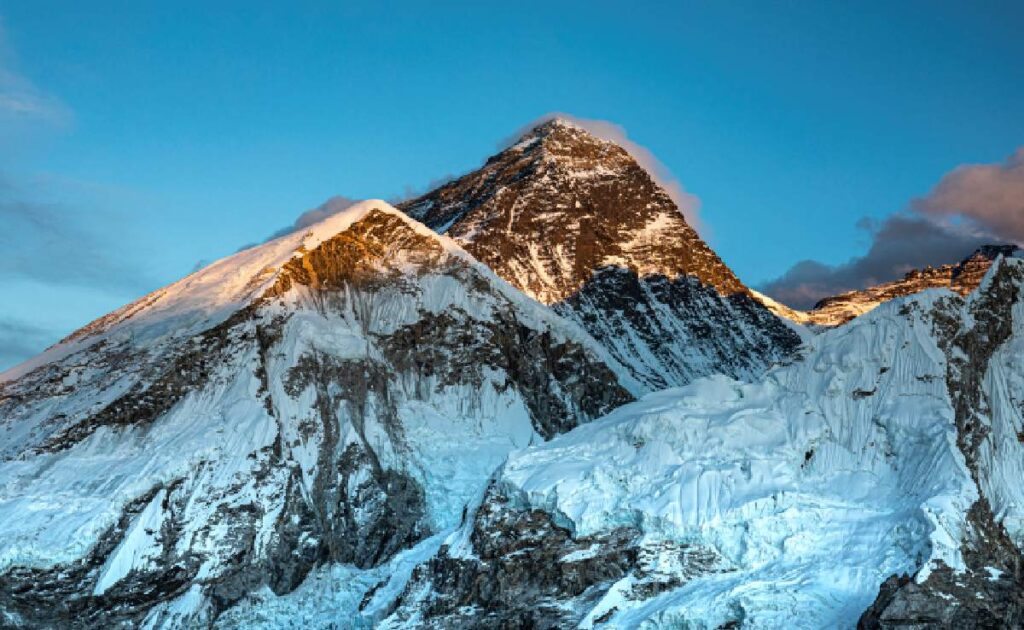
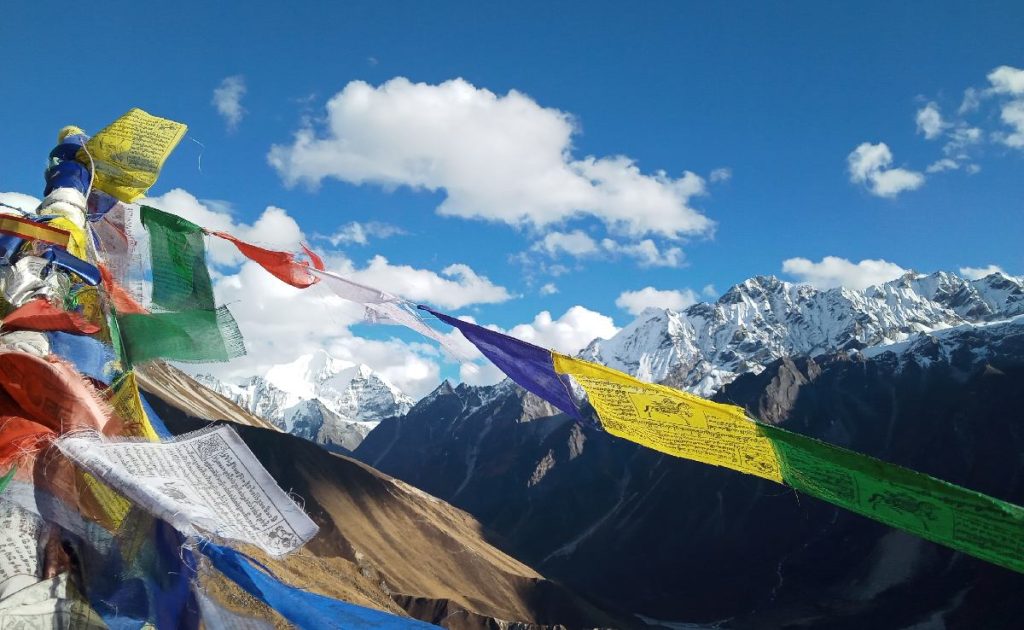
Himalayan peaks in Nepal – Nepal best travel destination

Are you thinking about visiting Nepal in May? You’re choosing one of the best times to explore the country. May sits perfectly between the cold of late winter and the heavy monsoon rains. The mornings are usually clear, afternoons are warm, and the evenings are pleasant.

From colorful festivals to trekking and wildlife adventures, May offers the perfect combination of culture, nature, and adventure. Let’s plan this trip together!

Weather in Nepal in May

May in Nepal is generally warm and a bit humid, especially in the lower lands like Kathmandu, Pokhara, and the Terai plains.

  • Kathmandu: Daytime temperatures range from 20°C to 30°C, while nights remain cool.
  • Pokhara: Slightly warmer than Kathmandu.
  • Terai (Chitwan, Bardiya): Can get very hot, sometimes above 35°C during the day.

In the hills and mountains, temperatures drop as you gain altitude. Compared to winter, the weather is milder. Expect crisp mornings and chilly nights above 3,000 meters.

Trekking & Outdoor Activities

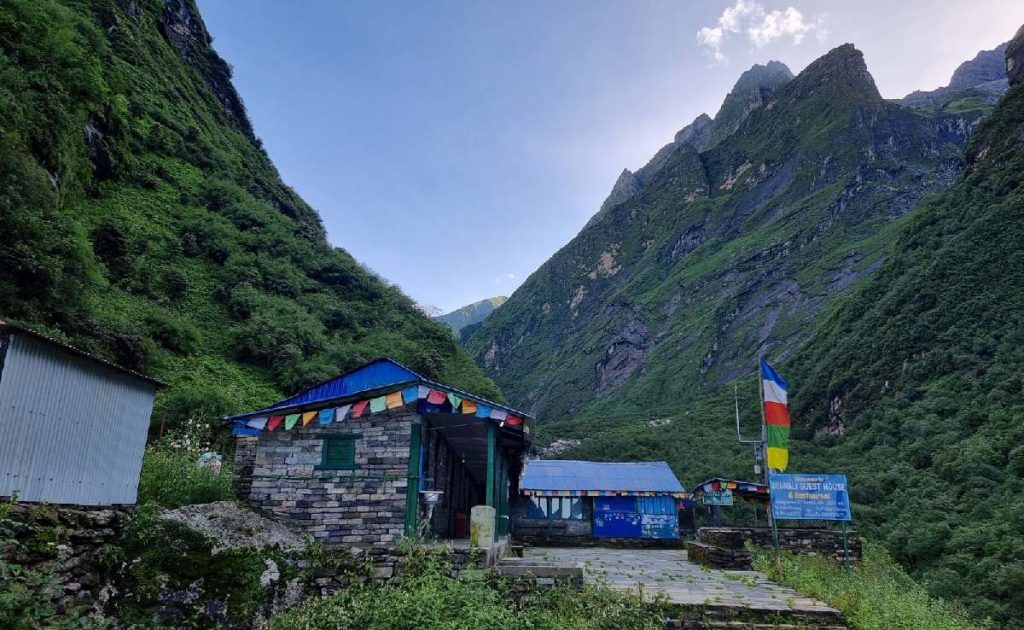
May is ideal for trekking in regions like Annapurna, Everest, and Langtang. Trails are clear, tea-houses are open, and you avoid the busy autumn peak season.

Tips for trekking in May:

  • Start early in the morning to avoid afternoon heat.
  • Afternoon hikes may feel warm and humid, especially at lower altitudes.
  • Shorter treks around Pokhara, like Poon Hill, are perfect this month.
  • Paragliding and boating on Phewa Lake are also great options.

Festivals & Cultural Events

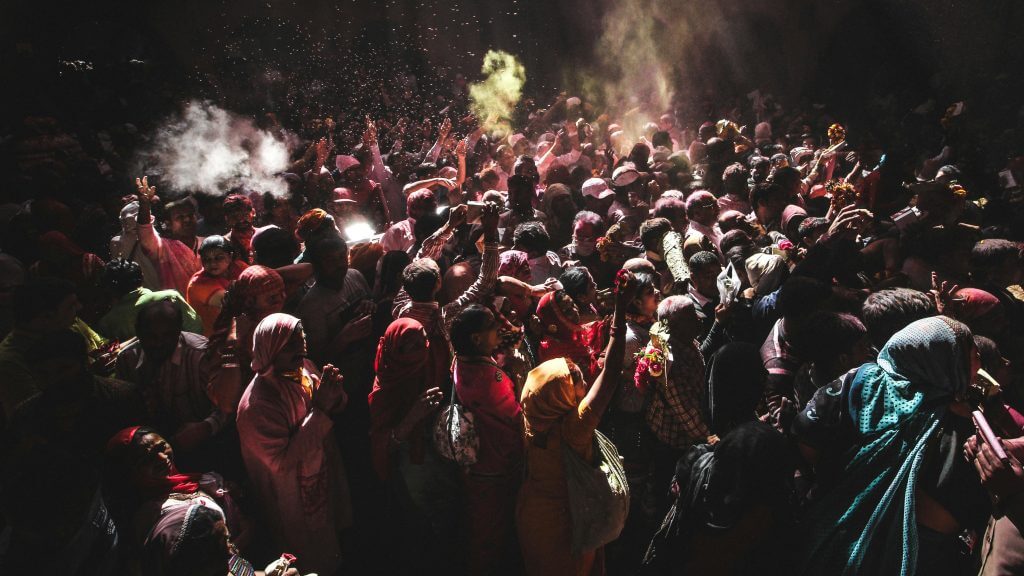
Holi Celebration

Nepal in May is full of colorful celebrations. The most important festival is Buddha Jayanti, celebrating the birth, enlightenment, and death of Lord Buddha.

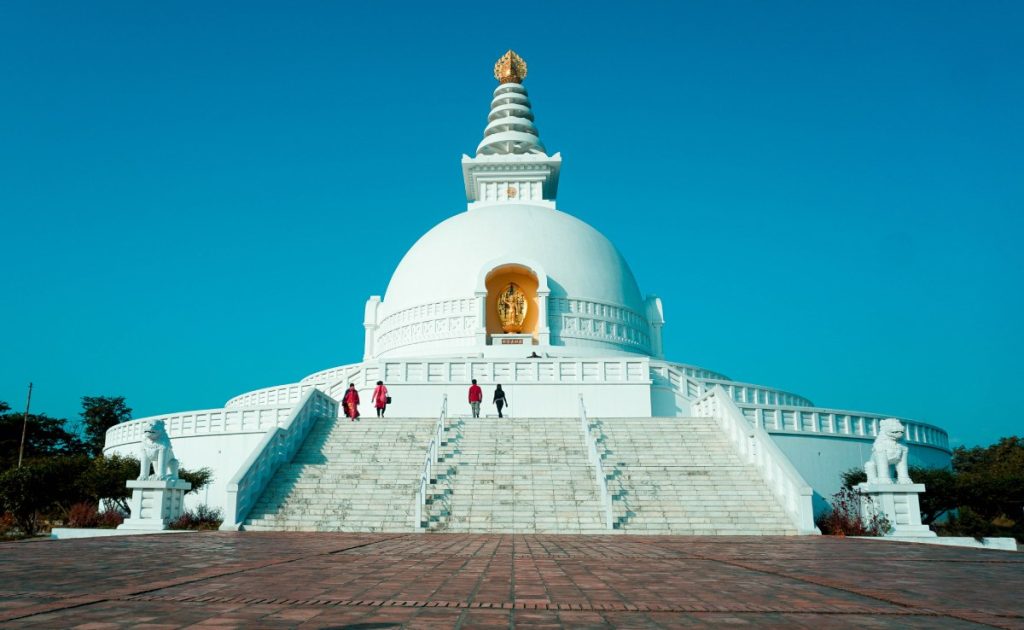
  • Lumbini: Major celebrations at Buddha’s birthplace.
  • Kathmandu: Boudhanath and Swayambhunath stupas shine with butter lamps, prayer flags, and decorations.
  • Local communities: Many smaller festivals (jatras) involve music, rituals, and traditional dances.

Experiencing these festivals gives you a real taste of Nepalese culture and spirituality.

Wildlife & Nature Experiences

May is lively for nature lovers. National parks like Chitwan and Bardiya are full of sounds from birds and animals.

  • Animals such as deer, monkeys, elephants, and tigers are easier to spot near water sources.
  • Trekking paths and village hills bloom with colorful flowers.
  • Rhododendron blossoms may still be visible, and forests are green and fresh.

Travel Tips for Nepal in May

Here’s how to make the most of your trip:

  • Pack light, comfortable clothes for warm and humid weather.
  • Bring a light jacket or fleece for cooler nights and higher altitudes.
  • A rain jacket is useful because pre-monsoon showers are common.
  • Sunglasses, a hat, and sunscreen are essential.
  • Start hikes early in the day and drink plenty of water.
  • Mosquito repellent is recommended, especially in the Terai.
  • Book transport and accommodation in advance around holidays to avoid crowds.

Final Words

Visiting Nepal in May is all about enjoying warm mornings, clear mountain views, and vibrant cultural life. Trails are quieter than autumn, nature is lush, and festivals make every city and village come alive.

With a little planning and the right travel tips, May offers the perfect mix of culture, adventure, and nature. So, let’s plan your trip together and make it unforgettable!

Nepal Diaries: Exploring the World’s Most Nature-Connected Country

Nepal has been recognized as the world’s most “nature-connected” country in a groundbreaking study published in the prestigious journal Ambio. This title highlights how deeply nature is woven into the lives, culture, and traditions of the Himalayan nation. For travelers, it means a unique opportunity to experience nature-connected travel in Nepal like nowhere else.

What Does “Nature-Connected” Mean?

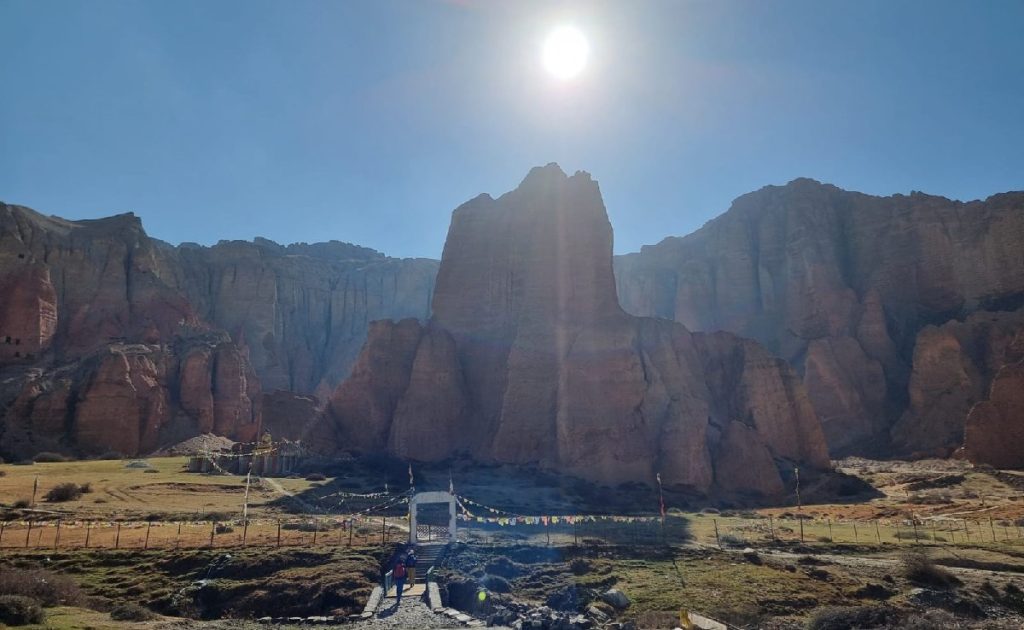
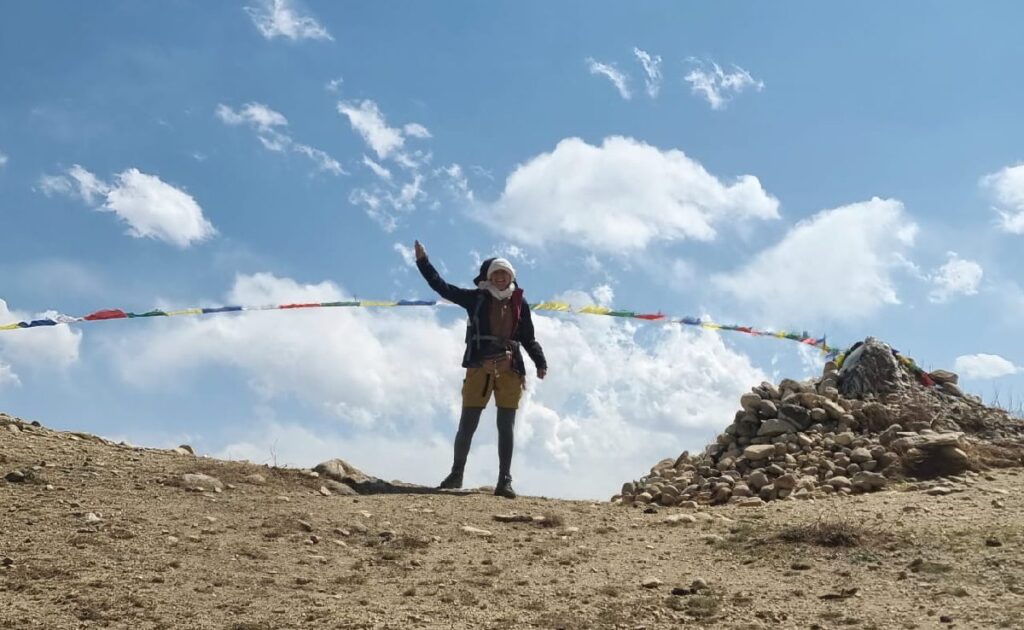
Upper Mustang

Being nature-connected goes beyond living near forests or mountains. It reflects the emotional, spiritual, and daily bond people feel with the natural world. In Nepal, nature is more than scenery, it is a teacher, a healer, and a sacred presence.

The study shows that spirituality, cultural practices, and everyday interactions with the environment are the strongest indicators of this connection. Nature-connected travel in Nepal allows visitors to experience this bond firsthand — through festivals, rituals, and everyday life.

Nepal’s Stunning Natural Diversity

Nepal is a land of contrasts and ecological richness. Within just 200 kilometers, the landscape rises from subtropical plains to the icy peaks of the Himalayas, including Mount Everest.

This variety creates unique experiences for travelers:

  • High mountains: Ten of the world’s tallest peaks offer unmatched trekking and mountaineering adventures.
  • Lush jungles and national parks: Chitwan and Bardia are home to rhinos, tigers, elephants, and fascinating birdlife.
  • Sacred rivers: Gandaki and Bagmati flow from glacial origins to fertile plains, nourishing both land and spirit.
  • Alpine meadows, terraced hills, and pristine lakes: Places like Rara and Phewa offer serenity and breathtaking scenery.
  • Rich biodiversity: Over 6,500 species of flowering plants and 900 bird species thrive here.

Moreover, nature is part of daily life in Nepal. From monks chanting in mountain monasteries to farmers honoring the land in rituals, every moment reflects the country’s nature-connected spirit.

Experience Nature-Connected Travel in Nepal

Visitors can truly feel Nepal’s connection with nature through immersive experiences:

  • Trekking ancient Himalayan trails under snow-capped peaks
  • Meditating in sacred groves and monasteries
  • Sharing tea and stories with local villagers in the hills
  • Exploring national parks to observe wildlife responsibly
  • Participating in local festivals that celebrate the natural world

Additionally, these experiences allow travelers to understand how nature shapes culture, spirituality, and everyday life in Nepal.

A Call to the World

Nepal’s recognition as the most nature-connected country is a reminder of how humans can thrive when living in harmony with the environment. In a time of global climate challenges, Nepal offers a model for respectful, mindful, and enriching interaction with nature.

For travelers, this means a journey that nurtures not only the senses but also the soul. By exploring, observing, and participating in Nepalese life, you connect with nature in a way that stays with you forever.

Step Into Nature-Connected Travel in Nepal

At Himalayan Circuit, we invite you to experience Nepal fully, not just as a destination, but as a way of living. Trek, meditate, explore, and reconnect with the natural world the Nepalese way.

Nepal Diary: 10-Day Culture, Adventure & Himalayas

Welcome to Nepal, a beautiful country filled with towering mountains, rich culture, and exciting adventures! Whether you’re coming to explore the temples of Kathmandu, trek through the stunning Annapurna mountains, or relax by the lakes in Pokhara, Nepal offers something for everyone. Here’s a simple 10-day Nepal itinerary to help you plan your unforgettable Nepal journey.

Day 1: Arrival in Kathmandu – Welcome to Nepal

Your adventure starts in Kathmandu, the lively capital city of Nepal. After landing at Tribhuvan International Airport(1,400m / 4,593ft), our team will greet you and take you to your hotel. Spend the afternoon exploring Thamel, a popular area full of shops, cafes, and local restaurants. Don’t forget to try momo (Nepali dumplings) or dal bhat (lentil curry with rice) for a taste of local food.

Day 2: Kathmandu City Tour – Discover Nepal’s History

On Day 2, explore the cultural heart of Kathmandu. Visit Swayambhunath (also called the Monkey Temple) (1,402m / 4,600ft), a stunning Buddhist stupa with panoramic views of the city. Next, head to Boudhanath Stupa (1,350m / 4,429ft), one of the largest stupas in the world. Spend time walking around and spinning the prayer wheels to feel the peaceful energy.

In the afternoon, visit Kathmandu Durbar Square (1,400m / 4,593ft), a historic area with beautiful temples and palaces. If you have time, take a short trip to Patan or Bhaktapur, two ancient cities known for their amazing architecture and art.

Day 3: Fly to Pokhara – Your Lakeside Getaway

On Day 3, fly or drive to Pokhara (827m / 2,713ft), a peaceful city surrounded by mountains and lakes. The flight takes just 25 minutes, or you can enjoy a scenic 6-7 hour drive. Once in Pokhara, check into your hotel and relax by Phewa Lake. You can take a boat ride, visit the Tal Barahi Temple on an island, or enjoy the calm atmosphere by the lake. In the evening, take a walk along the lakeside to enjoy the stunning views.

Day 4-6: Annapurna Trek – Hiking in the Himalayas

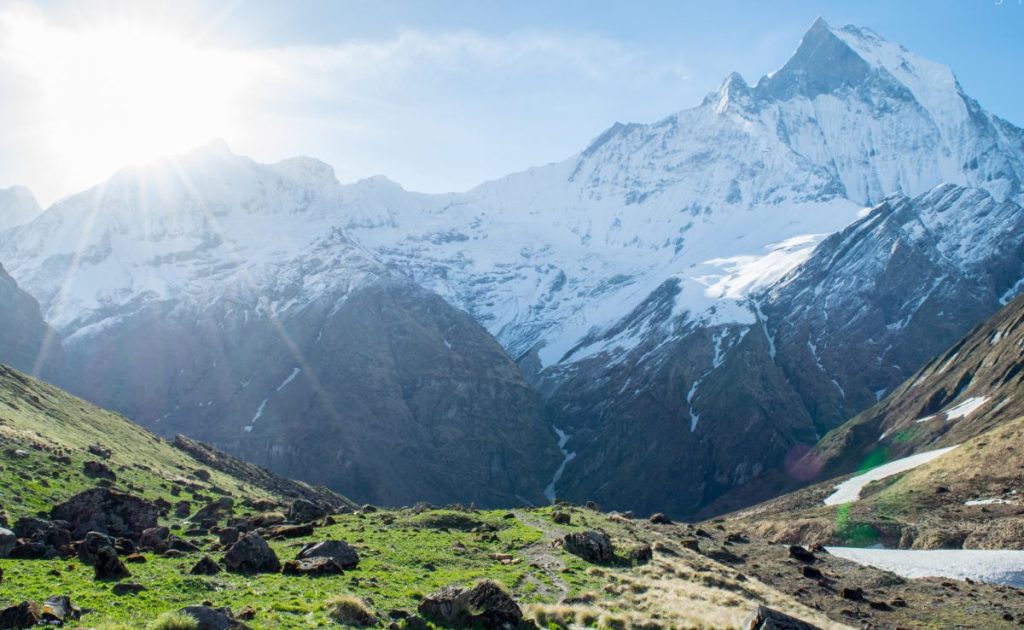
For the next three days, get ready for an exciting trek in the Annapurna region. The Ghorepani Poon Hill Trek is one of the most popular short treks, offering amazing views of the Himalayas and a chance to experience local culture.

Day 4: Drive to Nayapul (1,010m / 3,313ft), the start of your trek. From there, hike to Tikhedhunga (1,570m / 5,151ft) or Ulleri (2,050m / 6,726ft), passing through lush forests and traditional villages.
Day 5: Continue trekking to Ghorepani (2,874m / 9,429ft), a beautiful village surrounded by rhododendron trees.
Day 6: Wake up early to hike to Poon Hill (3,210m / 10,531ft) for a breathtaking sunrise view of the Annapurnaand Dhaulagiri mountain ranges. Afterward, trek to Tadapani (2,630m / 8,629ft) for the night.

If you prefer a different trek, other great options include the Ghandruk – Landruk Trek, Dhampus-Australian Camp Trek, or Mardi Himal Trek.

Day 7-8: Relax and Explore Pokhara

After your trek, head back to Pokhara (827m / 2,713ft) to relax and enjoy some free time.

Day 7: Visit Peace Pagoda (1,100m / 3,609ft) for a stunning view of Pokhara and the surrounding mountains. You can also check out Devi’s Fall and Gupteshwor Cave, or try exciting activities like paragliding or zip-lining for a rush of adrenaline.
Day 8: Take it easy with a walk around the lakeside, visit local shops, or simply relax with a book at one of Pokhara’s cozy cafes.

Day 9: Return to Kathmandu – Last Day in Nepal

On Day 9, return to Kathmandu (1,400m / 4,593ft). Use your last evening in Nepal to explore the city or do some shopping. Asan Bazaar is a great place to experience local life, while the Garden of Dreams offers a peaceful escape. Enjoy a farewell dinner at a traditional Nepali restaurant and reflect on your amazing journey.

Day 10: Departure – Farewell to Nepal

On your final day, our team will take you to the airport for your flight home. As you leave Nepal, take one last look at the majestic Himalayas and cherish the beautiful memories from your 10-Day Nepal Itinerary.

This 10-day Nepal itinerary offers a perfect mix of culture, adventure, and relaxation. From the ancient temples of Kathmandu to the serene lakes of Pokhara and the spectacular Annapurna trek, you’ll experience the best of Nepal. Whether you’re a first-time traveler or a seasoned adventurer, this trip will leave you with unforgettable memories.

Planning your trip with Himalayan Circuit ensures you have the best experience in Nepal, with expert guides, safe treks, and hassle-free travel. Get ready to explore Nepal’s incredible beauty, culture, and adventure – all in one trip!