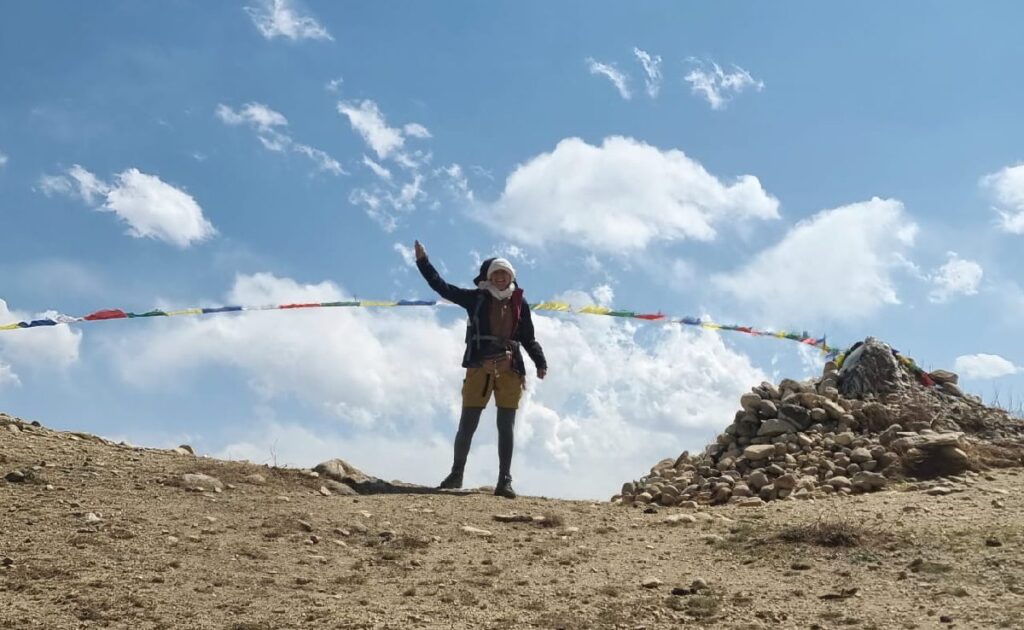
Upper Mustang: Culture, Desert Landscapes and Monasteries

An Upper Mustang Travel Guide offers more than information about a trekking route. It introduces you to a remote Himalayan region with ancient villages, dramatic cliffs, old monasteries, and a strong Tibetan Buddhist culture. Unlike the green hills found on many popular Nepal trekking routes, Upper Mustang has dry valleys, colorful rock formations, and wide open landscapes.

Upper Mustang is often called Nepal’s “Last Forbidden Kingdom.” The region remained closed to foreign visitors until 1992. Today, travelers can explore this unique part of Nepal with the required permits. The journey offers a mix of natural beauty, history, spirituality, and local culture.

Where Is Upper Mustang?

Upper Mustang lies in the trans-Himalayan region of northern Nepal. The area sits in the rain shadow of the Annapurna and Dhaulagiri ranges. As a result, it receives much less rainfall than many other parts of Nepal.

This dry climate creates the region’s famous desert-like landscapes. You will see wide valleys, bare hills, steep cliffs, and unusual rock formations. The area also offers a different side of the Himalayas from the green landscapes found elsewhere in Nepal.

Lo Manthang is the cultural center of Upper Mustang. The historic walled settlement once served as the capital of the Kingdom of Lo. Today, it remains one of the most important places to visit in the region.

Upper Mustang is also a restricted area. Travelers need a special permit to enter, and you must follow the current entry requirements when planning your journey.

Why Visit Upper Mustang?

Upper Mustang offers a travel experience that feels very different from most other parts of Nepal. The landscape changes as you move deeper into the region. Green hills gradually give way to dry valleys, red and orange cliffs, rocky plateaus, and open mountain passes.

However, the landscape is only part of the attraction. Upper Mustang culture is just as important. Tibetan traditions continue to influence local architecture, religion, festivals, and daily life.

You can walk through ancient settlements, visit monasteries, and learn about the history of the Kingdom of Lo. At the same time, you can enjoy dramatic Himalayan scenery throughout the journey.

For travelers interested in history and culture, Upper Mustang offers much more than a standard trekking experience.

Major Highlights of Upper Mustang

Lo Manthang
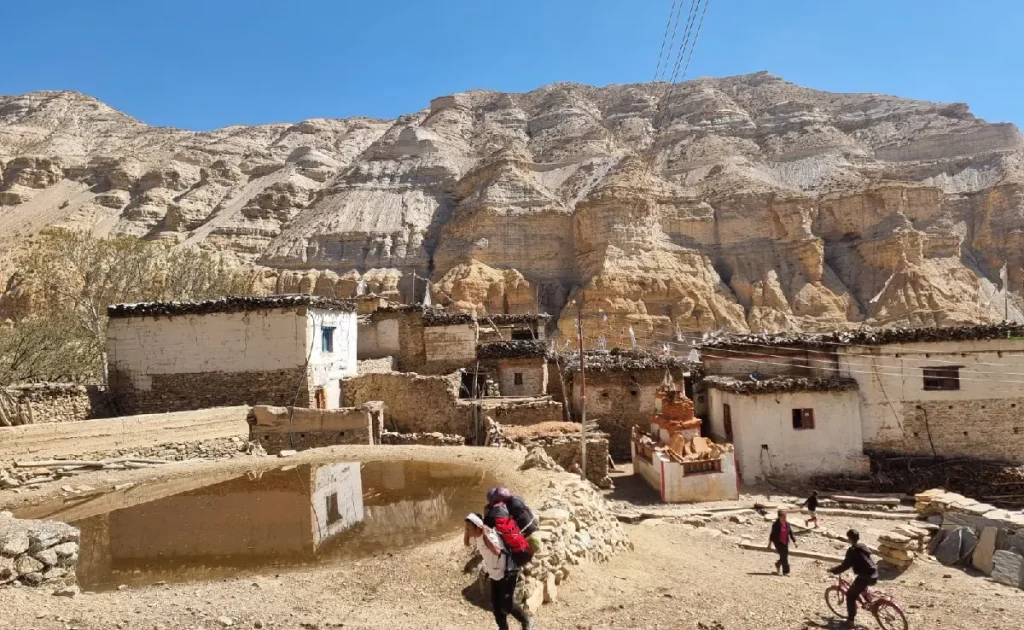
Lo Manthang is one of the main highlights of any Upper Mustang journey. The historic town sits at a high altitude and features narrow streets, traditional houses, and old defensive walls.

The settlement has a strong connection to the region’s history and Buddhist traditions. Walking through its streets gives you a chance to see traditional architecture and experience the atmosphere of an ancient Himalayan town.

Take your time here instead of rushing through. Visit local sites, explore the surrounding area, and learn about the history of the former Kingdom of Lo.

Upper Mustang Monasteries

The Upper Mustang monasteries are another major attraction. Many monasteries contain traditional paintings, sculptures, religious objects, and other examples of Himalayan Buddhist art.

Important monasteries include Jampa Gompa and Thubchen Gompa in Lo Manthang. These sites provide insight into the religious history of the region.

Visitors should behave respectfully inside monasteries. Follow local rules, avoid disturbing religious activities, and ask before taking photographs.

Desert-Like Landscapes and Caves
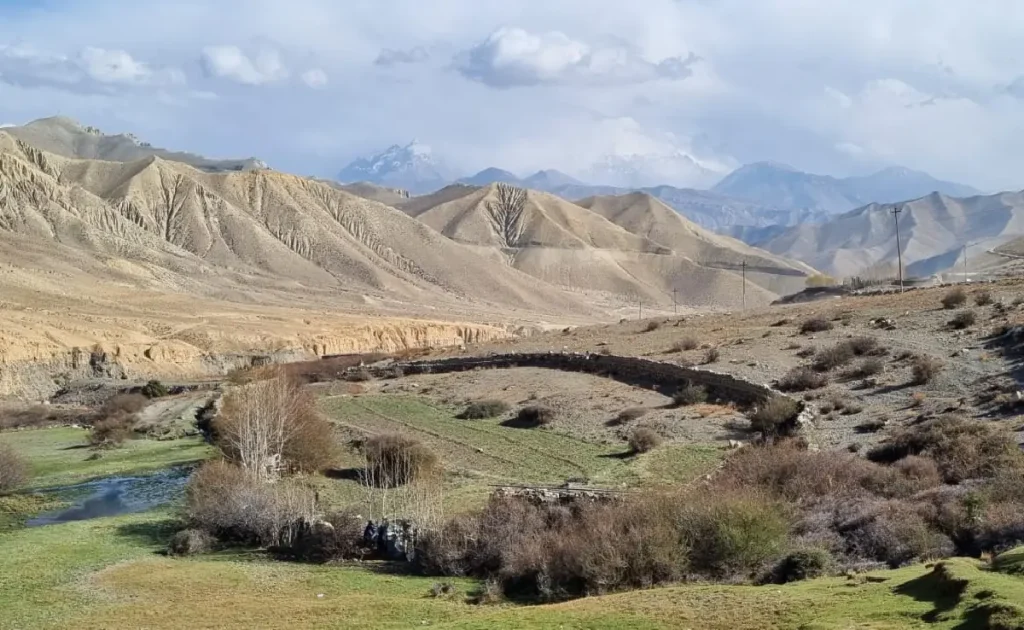
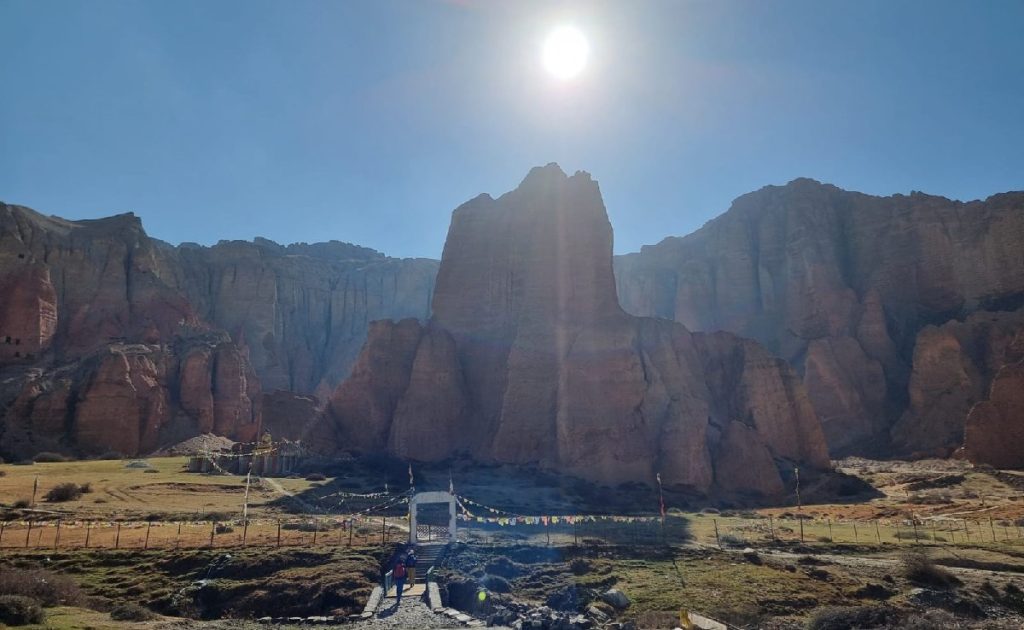
Upper Mustang is famous for its dry and dramatic landscapes. The region features deep valleys, colorful cliffs, rocky hills, and unusual geological formations.

Ancient caves add another layer of mystery to the landscape. Some cave sites appear high on cliff faces and show evidence of earlier settlements and religious activity.

The combination of caves, cliffs, and dry valleys gives Upper Mustang its distinctive appearance. It is one of the main reasons photographers and adventure travelers visit the region.

Tiji Festival

The Tiji Festival is one of the most important cultural events in Lo Manthang. This traditional Buddhist festival features colorful dances, prayers, and religious ceremonies.

The festival usually takes place over several days. Local communities gather to celebrate and preserve an important part of Mustang’s cultural heritage.

If you plan your trip around the festival, you can experience a lively side of local life. However, visitors should remember that the event has deep religious meaning and should treat the ceremonies with respect.

Culture of Upper Mustang

The culture of Upper Mustang has strong Tibetan roots. Tibetan Buddhism influences many parts of daily life, from religious practices to architecture and local festivals.

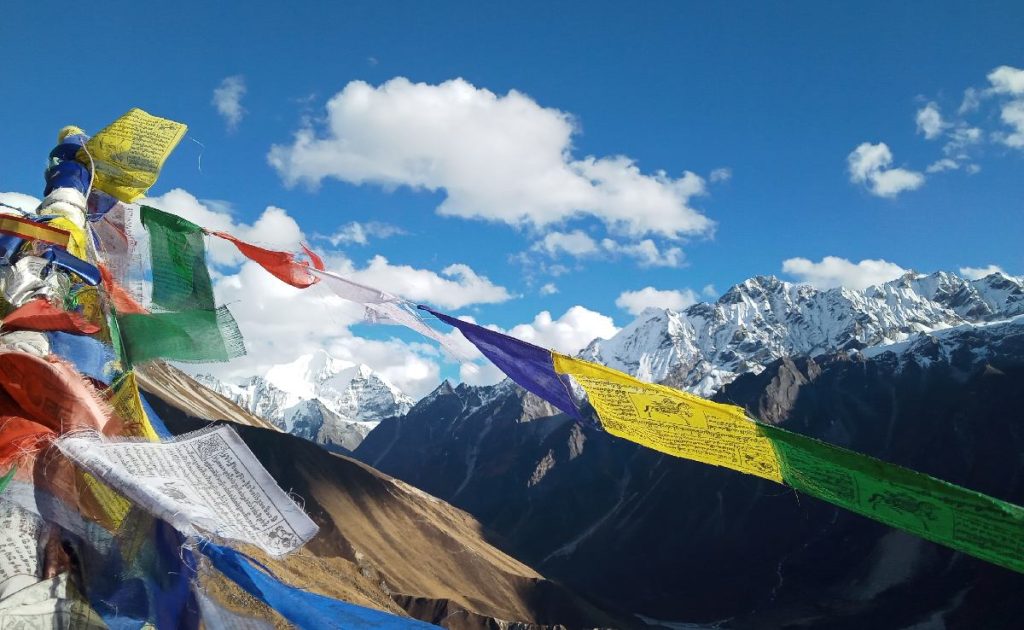
You will see prayer flags, mani walls, monasteries, chortens, and traditional homes throughout the region. Many villages also feature whitewashed walls and mud-brick buildings that reflect the area’s long history.

The culture also connects closely with the landscape. Mountain passes and old trade routes once linked Upper Mustang with Tibet. Traders and local communities used these routes for centuries.

Today, many traditions remain an important part of local identity. Visiting Upper Mustang therefore offers more than sightseeing. It gives travelers a chance to understand a living Himalayan culture.

Things to Do in Upper Mustang

There are many ways to experience Upper Mustang. Trekking remains one of the best options for travelers who want to explore the region slowly.

Walking between villages allows you to appreciate the changing landscape. You can also stop at monasteries, visit historic settlements, and photograph the colorful cliffs and dry valleys.

Lo Manthang travel should also include time for cultural exploration. Walk through the old town, visit local monasteries, and learn about the history of the Kingdom of Lo.

Some travelers choose to explore parts of Upper Mustang by jeep. This option can help visitors cover more distance in less time. However, trekking offers a closer connection with the landscape and villages.

You can also plan your journey around the Tiji Festival. This provides a special opportunity to experience local Buddhist traditions and community celebrations.

Best Time to Visit Upper Mustang
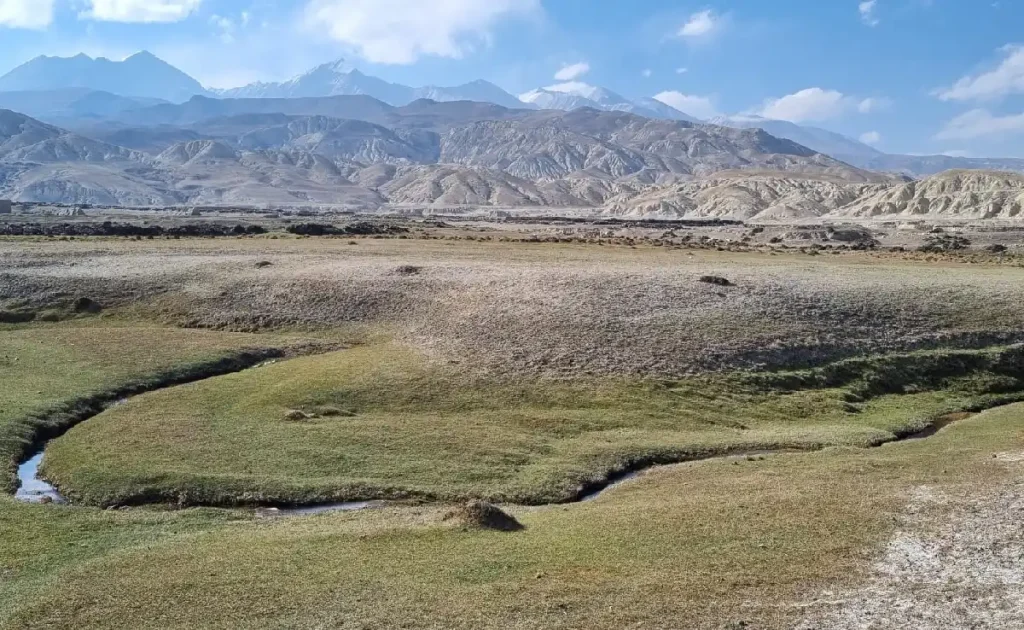
Upper Mustang has a different climate from many other trekking regions in Nepal. Its location in the rain shadow means that the area receives less monsoon rainfall.

Because of this, Upper Mustang can be a good trekking destination during the summer months. However, spring and autumn remain popular because of generally clear weather and comfortable trekking conditions.

Spring runs from March to May. During this period, the weather becomes warmer, and the skies often remain clear.

Autumn lasts from September to November. These months usually offer good mountain views and stable trekking conditions.

Winter can be very cold and windy. Snow may also affect high passes and remote trails. Therefore, winter travelers need careful planning and appropriate equipment.

Always check current weather and trail conditions before starting your journey.

Travel Tips for Upper Mustang

Planning ahead is essential for an Upper Mustang Travel Guide. The region is restricted, so you need the required special permit before entering the area.

You should also plan your transportation and accommodation in advance. Facilities become more basic as you travel farther into the region.

Altitude is another important consideration. Upper Mustang includes several high-altitude settlements and passes. Walk at a steady pace and give your body time to adjust.

Weather can also change quickly. Pack warm layers, sun protection, rain protection, and comfortable trekking shoes.

Respect local culture throughout your journey. Dress appropriately when visiting religious sites and follow local customs inside monasteries. Also, avoid leaving waste along the trail.

Finally, take your time. Upper Mustang rewards travelers who slow down and appreciate its villages, landscapes, monasteries, and people.

Upper Mustang offers a rare combination of culture, history, and dramatic Himalayan landscapes. Its dry valleys and colorful cliffs create a setting that looks very different from the greener trekking regions of Nepal.

At the same time, the monasteries, traditional villages, Buddhist festivals, and historic trade routes reveal a rich cultural heritage. Lo Manthang remains the heart of this experience and gives visitors a closer look at the region’s past and present.

For travelers seeking something beyond the usual Nepal trekking routes, an Upper Mustang Travel Guide can be the starting point for an unforgettable journey. The region combines adventure with culture and offers a deeper connection with the Himalayan way of life.
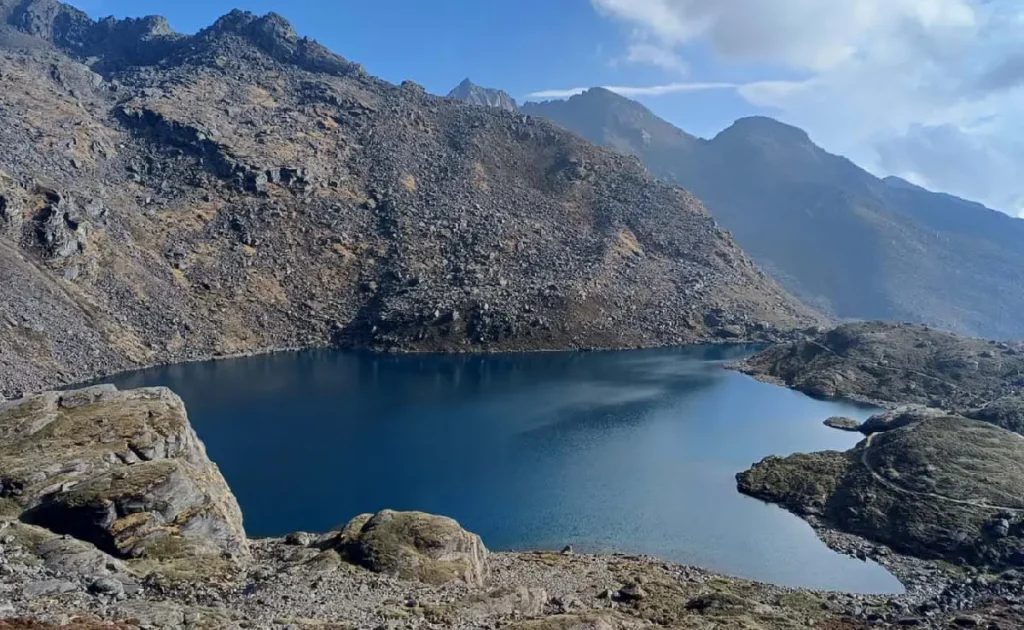
Bhairav Kunda Trek: A Sacred Journey Through the Himalayas

Bhairav Kunda Trek

Why Choose the Bhairav Kunda Trek?

Nepal offers many trekking routes, but the Bhairav Kunda Trek stands out for its combination of mountain scenery and spiritual significance. The trail leads to Bhairav Kunda Lake, a sacred alpine lake named after Bhairav, a fierce form of Lord Shiva. Many devotees consider the lake spiritually significant and visit it as a pilgrimage site.

The trail also offers beautiful views of the Jugal Himal, Gaurishankar, Dorje Lakpa, and surrounding high ridges. Since fewer trekkers visit this route, you can enjoy a quieter and more peaceful experience than on many of Nepal’s popular trekking trails.

Major Highlights of the Bhairav Kunda Trek

Bhairav Kunda Lake

The main attraction of the trek is Bhairav Kunda Lake itself. The lake sits in a beautiful alpine landscape surrounded by mountains and open high-altitude terrain. Its peaceful setting makes it an ideal place to rest and enjoy the natural surroundings.

The lake also holds deep religious importance for local communities and Hindu and Buddhist pilgrims. During Janai Purnima, many devotees visit Bhairav Kunda and take ritual dips in the sacred water.

Spectacular Himalayan Views

The trek rewards you with impressive views of several Himalayan ranges. On clear days, you can see the Jugal Himal, Gaurishankar, and Dorje Lakpa. You may also catch views toward the Tibetan Plateau from higher sections of the route.

These mountain views give the Bhairav Kunda Trek a true Himalayan atmosphere. The scenery feels even more impressive because the trek takes place over a relatively short distance.

Villages, Forests, and Alpine Landscapes

The route takes you through a variety of landscapes. You will pass through traditional Tamang and Sherpa villages, forests, farmland, alpine meadows, and rocky terrain.

As you gain altitude, the landscape gradually changes. Green vegetation gives way to open hills and more rugged terrain near the lake. This variety keeps the trail interesting throughout the journey.

Trekking Experience and Trail Atmosphere

The Bhairav Kunda Trek offers a moderate trekking experience, but the high altitude makes the final ascent more demanding. You need reasonable physical fitness to handle the uphill sections comfortably.

The trail changes as you climb higher. Lower sections often feature wider paths and more vegetation. Higher sections become steeper and more exposed, with fewer trees and more alpine terrain.

The peaceful atmosphere adds another attraction to the trek. You can walk through quiet forests, pass local villages, and enjoy long stretches of mountain scenery without the crowds found on Nepal’s more famous trekking routes.

When you finally reach Bhairav Kunda Lake, the open landscape creates a calm and almost meditative atmosphere. The combination of the sacred lake, mountain air, and surrounding peaks makes the journey especially rewarding.

Things to Do at Bhairav Kunda

Once you reach Bhairav Kunda Lake, take some time to enjoy the peaceful surroundings. Sit near the shore, admire the mountains, and appreciate the quiet atmosphere before continuing your journey.

Pilgrims can also learn about the religious traditions associated with the lake. During Janai Purnima, devotees visit the area to perform rituals and take a sacred dip in the lake.

The trek also offers plenty of opportunities for photography. The lake, surrounding ridges, changing clouds, villages, forests, and distant Himalayan peaks create beautiful scenes throughout the day.

If you enjoy cultural experiences, take time to observe village life along the route. Meeting local people and seeing traditional settlements can add another dimension to your trekking experience.

Best Time to Visit Bhairav Kunda

Spring and autumn are the best seasons for the Bhairav Kunda Trek. During these months, the weather usually remains clearer, and the trails offer better conditions for trekking. You can also enjoy clearer views of the surrounding Himalayan peaks.

Spring, from March to May, brings pleasant temperatures and colorful vegetation to the lower sections of the trail. Autumn, from September to November, usually offers stable weather and excellent mountain visibility.

Janai Purnima falls during the monsoon season and brings many pilgrims to Bhairav Kunda. However, heavy rainfall can make the trails slippery and increase the risk of landslides. Trekkers should take extra care if they plan to visit during this period.

Winter can also offer beautiful views and a peaceful experience. However, temperatures drop significantly at higher elevations, and snow can make some sections more challenging.

For the best combination of comfortable trekking conditions and mountain views, spring and autumn remain the ideal seasons to visit Bhairav Kunda.

Travel Tips for Trekkers

Bhairav Kunda sits at an elevation of more than 4,000 meters, so you should take altitude seriously. Even though the trek does not take as long as many famous Himalayan routes, the elevation can make the climb physically demanding.

Walk at a steady pace and avoid rushing the final ascent. Drink enough water throughout the trek and give your body time to adjust to the increasing altitude. If you experience symptoms of altitude sickness, do not ignore them.

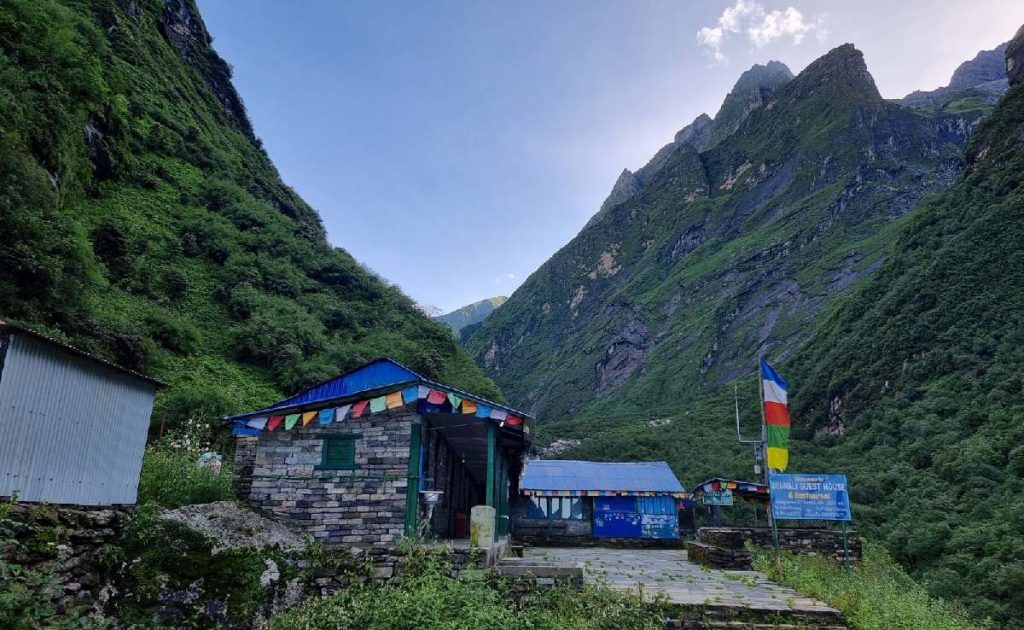
Accommodation and food facilities can be basic along the route. Teahouses may not operate in every section, so check the available facilities before starting your trek and carry the essentials you need.

Mountain weather can change quickly. Pack warm and waterproof clothing, even when the weather looks favorable at the beginning of the trek. Good trekking shoes, a warm sleeping bag, a headlamp, and basic first-aid supplies can also make the journey more comfortable.

You should also plan your transportation carefully. Some roads leading toward the trailhead can be rough, especially during the monsoon season.

Finally, remember that Bhairav Kunda is a sacred site. Respect local customs, keep the surroundings clean, and avoid disturbing religious activities or sacred areas.

The Bhairav Kunda Trek offers a unique combination of Himalayan scenery, cultural experiences, and spiritual significance. The route takes you through traditional villages, forests, alpine landscapes, and rugged mountain terrain before reaching the peaceful shores of Bhairav Kunda Lake.

For trekkers looking for a quieter alternative to Nepal’s crowded trekking routes, Bhairav Kunda offers an excellent experience. Its short duration also makes it an attractive option for travelers who want to experience the Himalayas without committing to a long expedition.

With beautiful mountain views, a sacred alpine lake, and a peaceful trail, Bhairav Kunda is one of the rewarding short treks near Kathmandu.

Travel Diaries: A Journey Through Nepal’s Memorable Experiences

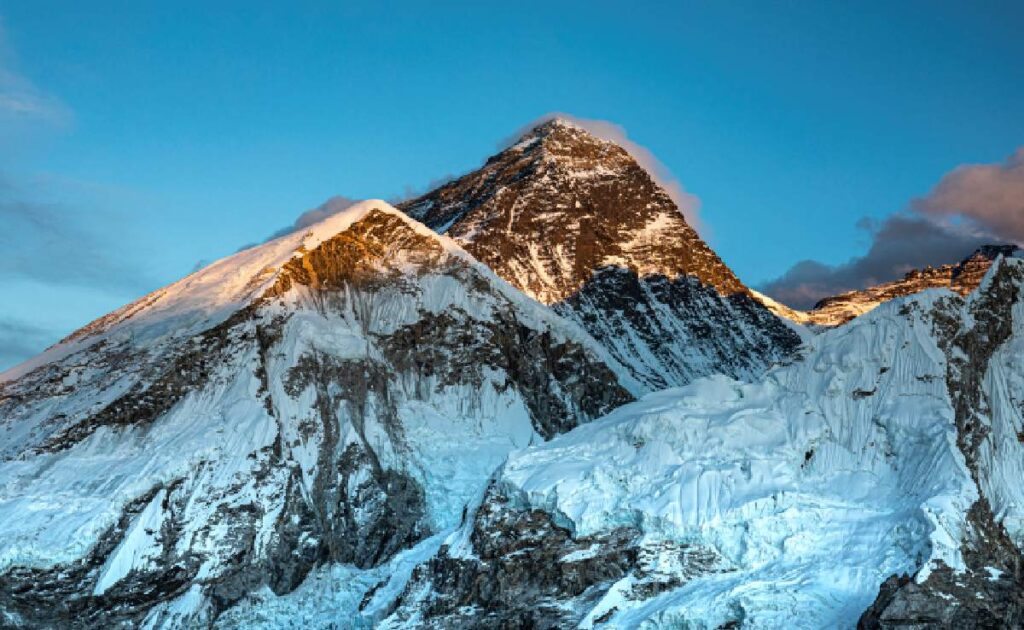
Everest Base Camp Trek

Nepal is a land where natural beauty meets deep spirituality. Moreover, from the hot plains of the Terai to the towering peaks of the Himalayas, the country offers travelers countless memorable experiences in Nepal. Lush landscapes, diverse cultures, and centuries-old traditions make Nepal a must-visit destination for anyone seeking adventure, culture, and serenity.

Trekking the Himalayas: Magical Mountains

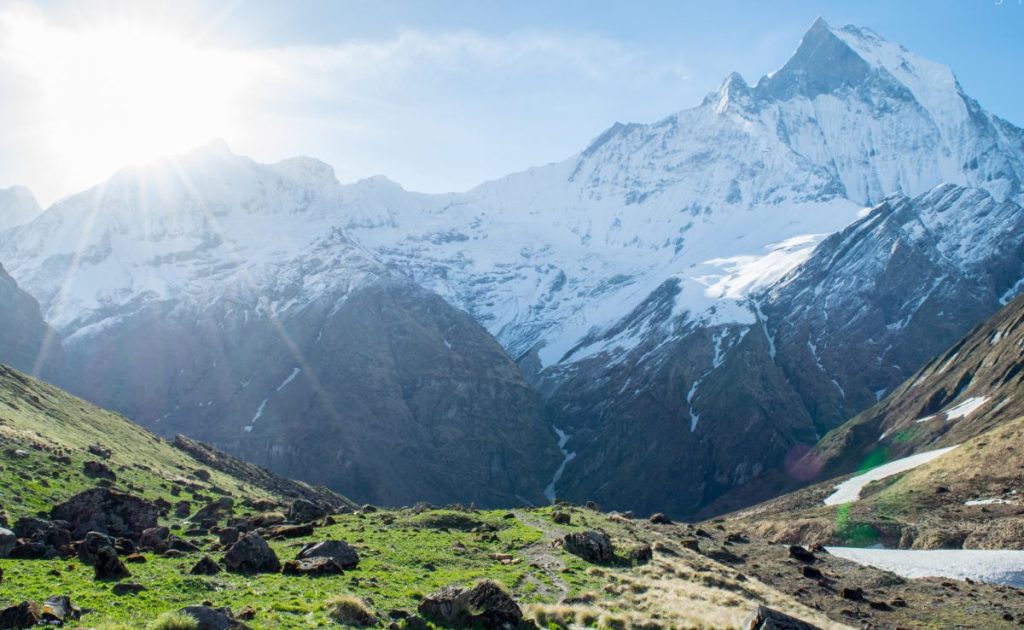
Nepal is home to eight of the world’s ten highest mountains. In addition, every year, travelers arrive to explore high-altitude villages inhabited by Gurungs, Magars, and Sherpas. As a result, trekking in the Himalayas is a feast for the senses, offering stunning views of snowcapped peaks and green valleys. Furthermore, these treks combine physical challenge with breathtaking scenery, making them among the most memorable experiences in Nepal.

Spiritual Journey: Temples, Monasteries & Rituals

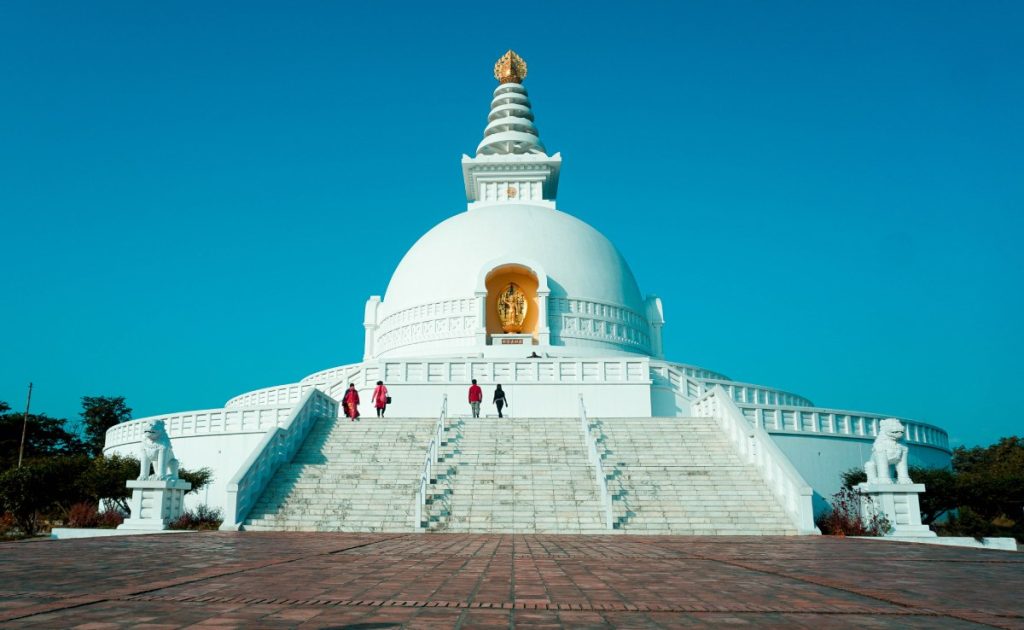
Lumbini Peace Stupa

Religion is deeply woven into daily life in Nepal. Additionally, temples, monasteries, and local rituals create a strong spiritual atmosphere. Visiting Pashupatinath, Swayambhunath, and the quiet monasteries of Lumbini allows travelers to connect with their inner self. Therefore, experiencing local festivals, prayer ceremonies, and sacred rituals is one of the most unique ways to enjoy memorable experiences in Nepal.

Hidden Gems: Off-the-Beaten-Path Adventures

Upper Mustang

Nepal’s rugged landscapes hide many unspoiled destinations. For example, remote areas like the Manaslu Circuit, Rara Lake, Khaptad National Park, Bandipur, Ilam, and Dolpo offer peace, beauty, and authentic cultural encounters. Similarly, exploring these places allows travelers to enjoy solitude, nature, and local traditions in a way few other countries can provide. Off-the-beaten-path adventures are essential for truly memorable experiences in Nepal.

People & Hospitality: Heartfelt Connections

Nepal is home to diverse ethnic communities, including Thakalis, Tharus, Gurungs, and Limbus. Moreover, despite cultural differences, local values of kindness and hospitality bind them together. Travelers are welcomed with warm smiles, generous hearts, and genuine friendliness. As a result, interacting with local communities adds a deeply personal touch, making these moments unforgettable and among the most cherished memorable experiences in Nepal.

Cultural Festivities: Colors, Music & Celebration

Lalitpur the Music City

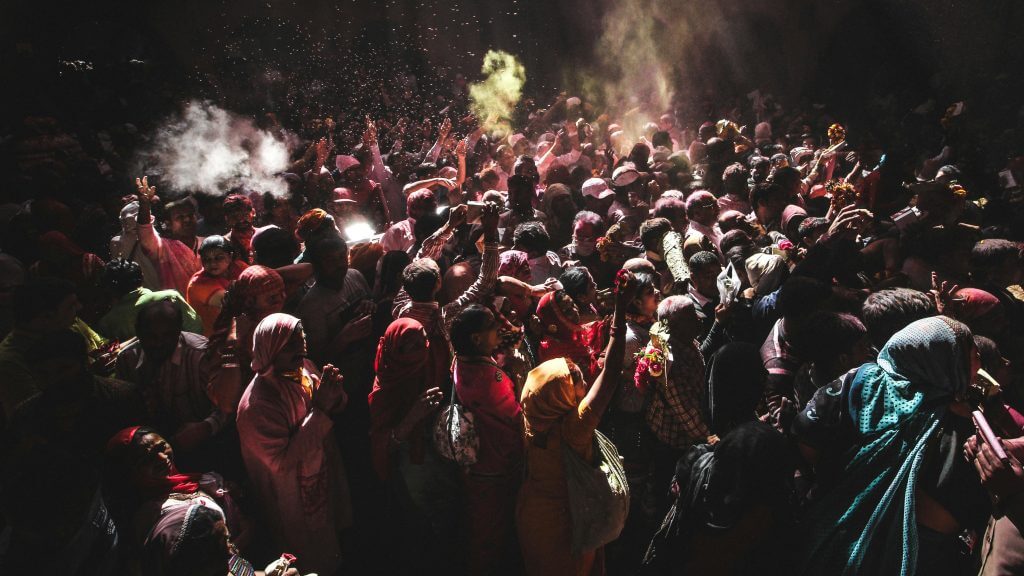
Nepal celebrates over 50 festivals each year. In particular, major celebrations like Dashain, Tihar, and Holi captivate visitors with vibrant colors, music, and ritual. Traditional jatras, Lhosar, Udhauli, and Ubhauli bring the local culture to life. Consequently, experiencing these festivities allows travelers to witness Nepalese traditions firsthand and enjoy rich cultural experiences in Nepal.

Final Thoughts

From trekking the Himalayas to spiritual journeys, hidden gems, and colorful festivals, Nepal offers countless ways to create lasting memories. Additionally, interacting with warm-hearted communities, exploring serene landscapes, and witnessing ancient traditions ensure every traveler leaves with extraordinary stories. Therefore, planning your trip with these moments in mind guarantees some of the most memorable experiences in Nepal you will ever have.

Nepal Diaries – Trekking, Festivals, and Adventures in May

Himalayan peaks in Nepal – Nepal best travel destination

Are you thinking about visiting Nepal in May? You’re choosing one of the best times to explore the country. May sits perfectly between the cold of late winter and the heavy monsoon rains. The mornings are usually clear, afternoons are warm, and the evenings are pleasant.

From colorful festivals to trekking and wildlife adventures, May offers the perfect combination of culture, nature, and adventure. Let’s plan this trip together!

Weather in Nepal in May

May in Nepal is generally warm and a bit humid, especially in the lower lands like Kathmandu, Pokhara, and the Terai plains.

  • Kathmandu: Daytime temperatures range from 20°C to 30°C, while nights remain cool.
  • Pokhara: Slightly warmer than Kathmandu.
  • Terai (Chitwan, Bardiya): Can get very hot, sometimes above 35°C during the day.

In the hills and mountains, temperatures drop as you gain altitude. Compared to winter, the weather is milder. Expect crisp mornings and chilly nights above 3,000 meters.

Trekking & Outdoor Activities

May is ideal for trekking in regions like Annapurna, Everest, and Langtang. Trails are clear, tea-houses are open, and you avoid the busy autumn peak season.

Tips for trekking in May:

  • Start early in the morning to avoid afternoon heat.
  • Afternoon hikes may feel warm and humid, especially at lower altitudes.
  • Shorter treks around Pokhara, like Poon Hill, are perfect this month.
  • Paragliding and boating on Phewa Lake are also great options.

Festivals & Cultural Events

Holi Celebration

Nepal in May is full of colorful celebrations. The most important festival is Buddha Jayanti, celebrating the birth, enlightenment, and death of Lord Buddha.

  • Lumbini: Major celebrations at Buddha’s birthplace.
  • Kathmandu: Boudhanath and Swayambhunath stupas shine with butter lamps, prayer flags, and decorations.
  • Local communities: Many smaller festivals (jatras) involve music, rituals, and traditional dances.

Experiencing these festivals gives you a real taste of Nepalese culture and spirituality.

Wildlife & Nature Experiences

May is lively for nature lovers. National parks like Chitwan and Bardiya are full of sounds from birds and animals.

  • Animals such as deer, monkeys, elephants, and tigers are easier to spot near water sources.
  • Trekking paths and village hills bloom with colorful flowers.
  • Rhododendron blossoms may still be visible, and forests are green and fresh.

Travel Tips for Nepal in May

Here’s how to make the most of your trip:

  • Pack light, comfortable clothes for warm and humid weather.
  • Bring a light jacket or fleece for cooler nights and higher altitudes.
  • A rain jacket is useful because pre-monsoon showers are common.
  • Sunglasses, a hat, and sunscreen are essential.
  • Start hikes early in the day and drink plenty of water.
  • Mosquito repellent is recommended, especially in the Terai.
  • Book transport and accommodation in advance around holidays to avoid crowds.

Final Words

Visiting Nepal in May is all about enjoying warm mornings, clear mountain views, and vibrant cultural life. Trails are quieter than autumn, nature is lush, and festivals make every city and village come alive.

With a little planning and the right travel tips, May offers the perfect mix of culture, adventure, and nature. So, let’s plan your trip together and make it unforgettable!

Nepal Diaries: Exploring the World’s Most Nature-Connected Country

Nepal has been recognized as the world’s most “nature-connected” country in a groundbreaking study published in the prestigious journal Ambio. This title highlights how deeply nature is woven into the lives, culture, and traditions of the Himalayan nation. For travelers, it means a unique opportunity to experience nature-connected travel in Nepal like nowhere else.

What Does “Nature-Connected” Mean?

Upper Mustang

Being nature-connected goes beyond living near forests or mountains. It reflects the emotional, spiritual, and daily bond people feel with the natural world. In Nepal, nature is more than scenery, it is a teacher, a healer, and a sacred presence.

The study shows that spirituality, cultural practices, and everyday interactions with the environment are the strongest indicators of this connection. Nature-connected travel in Nepal allows visitors to experience this bond firsthand — through festivals, rituals, and everyday life.

Nepal’s Stunning Natural Diversity

Nepal is a land of contrasts and ecological richness. Within just 200 kilometers, the landscape rises from subtropical plains to the icy peaks of the Himalayas, including Mount Everest.

This variety creates unique experiences for travelers:

  • High mountains: Ten of the world’s tallest peaks offer unmatched trekking and mountaineering adventures.
  • Lush jungles and national parks: Chitwan and Bardia are home to rhinos, tigers, elephants, and fascinating birdlife.
  • Sacred rivers: Gandaki and Bagmati flow from glacial origins to fertile plains, nourishing both land and spirit.
  • Alpine meadows, terraced hills, and pristine lakes: Places like Rara and Phewa offer serenity and breathtaking scenery.
  • Rich biodiversity: Over 6,500 species of flowering plants and 900 bird species thrive here.

Moreover, nature is part of daily life in Nepal. From monks chanting in mountain monasteries to farmers honoring the land in rituals, every moment reflects the country’s nature-connected spirit.

Experience Nature-Connected Travel in Nepal

Visitors can truly feel Nepal’s connection with nature through immersive experiences:

  • Trekking ancient Himalayan trails under snow-capped peaks
  • Meditating in sacred groves and monasteries
  • Sharing tea and stories with local villagers in the hills
  • Exploring national parks to observe wildlife responsibly
  • Participating in local festivals that celebrate the natural world

Additionally, these experiences allow travelers to understand how nature shapes culture, spirituality, and everyday life in Nepal.

A Call to the World

Nepal’s recognition as the most nature-connected country is a reminder of how humans can thrive when living in harmony with the environment. In a time of global climate challenges, Nepal offers a model for respectful, mindful, and enriching interaction with nature.

For travelers, this means a journey that nurtures not only the senses but also the soul. By exploring, observing, and participating in Nepalese life, you connect with nature in a way that stays with you forever.

Step Into Nature-Connected Travel in Nepal

At Himalayan Circuit, we invite you to experience Nepal fully, not just as a destination, but as a way of living. Trek, meditate, explore, and reconnect with the natural world the Nepalese way.

Nepal Diary: 10-Day Culture, Adventure & Himalayas

Welcome to Nepal, a beautiful country filled with towering mountains, rich culture, and exciting adventures! Whether you’re coming to explore the temples of Kathmandu, trek through the stunning Annapurna mountains, or relax by the lakes in Pokhara, Nepal offers something for everyone. Here’s a simple 10-day Nepal itinerary to help you plan your unforgettable Nepal journey.

Day 1: Arrival in Kathmandu – Welcome to Nepal

Your adventure starts in Kathmandu, the lively capital city of Nepal. After landing at Tribhuvan International Airport(1,400m / 4,593ft), our team will greet you and take you to your hotel. Spend the afternoon exploring Thamel, a popular area full of shops, cafes, and local restaurants. Don’t forget to try momo (Nepali dumplings) or dal bhat (lentil curry with rice) for a taste of local food.

Day 2: Kathmandu City Tour – Discover Nepal’s History

On Day 2, explore the cultural heart of Kathmandu. Visit Swayambhunath (also called the Monkey Temple) (1,402m / 4,600ft), a stunning Buddhist stupa with panoramic views of the city. Next, head to Boudhanath Stupa (1,350m / 4,429ft), one of the largest stupas in the world. Spend time walking around and spinning the prayer wheels to feel the peaceful energy.

In the afternoon, visit Kathmandu Durbar Square (1,400m / 4,593ft), a historic area with beautiful temples and palaces. If you have time, take a short trip to Patan or Bhaktapur, two ancient cities known for their amazing architecture and art.

Day 3: Fly to Pokhara – Your Lakeside Getaway

On Day 3, fly or drive to Pokhara (827m / 2,713ft), a peaceful city surrounded by mountains and lakes. The flight takes just 25 minutes, or you can enjoy a scenic 6-7 hour drive. Once in Pokhara, check into your hotel and relax by Phewa Lake. You can take a boat ride, visit the Tal Barahi Temple on an island, or enjoy the calm atmosphere by the lake. In the evening, take a walk along the lakeside to enjoy the stunning views.

Day 4-6: Annapurna Trek – Hiking in the Himalayas

For the next three days, get ready for an exciting trek in the Annapurna region. The Ghorepani Poon Hill Trek is one of the most popular short treks, offering amazing views of the Himalayas and a chance to experience local culture.

Day 4: Drive to Nayapul (1,010m / 3,313ft), the start of your trek. From there, hike to Tikhedhunga (1,570m / 5,151ft) or Ulleri (2,050m / 6,726ft), passing through lush forests and traditional villages.
Day 5: Continue trekking to Ghorepani (2,874m / 9,429ft), a beautiful village surrounded by rhododendron trees.
Day 6: Wake up early to hike to Poon Hill (3,210m / 10,531ft) for a breathtaking sunrise view of the Annapurnaand Dhaulagiri mountain ranges. Afterward, trek to Tadapani (2,630m / 8,629ft) for the night.

If you prefer a different trek, other great options include the Ghandruk – Landruk Trek, Dhampus-Australian Camp Trek, or Mardi Himal Trek.

Day 7-8: Relax and Explore Pokhara

After your trek, head back to Pokhara (827m / 2,713ft) to relax and enjoy some free time.

Day 7: Visit Peace Pagoda (1,100m / 3,609ft) for a stunning view of Pokhara and the surrounding mountains. You can also check out Devi’s Fall and Gupteshwor Cave, or try exciting activities like paragliding or zip-lining for a rush of adrenaline.
Day 8: Take it easy with a walk around the lakeside, visit local shops, or simply relax with a book at one of Pokhara’s cozy cafes.

Day 9: Return to Kathmandu – Last Day in Nepal

On Day 9, return to Kathmandu (1,400m / 4,593ft). Use your last evening in Nepal to explore the city or do some shopping. Asan Bazaar is a great place to experience local life, while the Garden of Dreams offers a peaceful escape. Enjoy a farewell dinner at a traditional Nepali restaurant and reflect on your amazing journey.

Day 10: Departure – Farewell to Nepal

On your final day, our team will take you to the airport for your flight home. As you leave Nepal, take one last look at the majestic Himalayas and cherish the beautiful memories from your 10-Day Nepal Itinerary.

This 10-day Nepal itinerary offers a perfect mix of culture, adventure, and relaxation. From the ancient temples of Kathmandu to the serene lakes of Pokhara and the spectacular Annapurna trek, you’ll experience the best of Nepal. Whether you’re a first-time traveler or a seasoned adventurer, this trip will leave you with unforgettable memories.

Planning your trip with Himalayan Circuit ensures you have the best experience in Nepal, with expert guides, safe treks, and hassle-free travel. Get ready to explore Nepal’s incredible beauty, culture, and adventure – all in one trip!