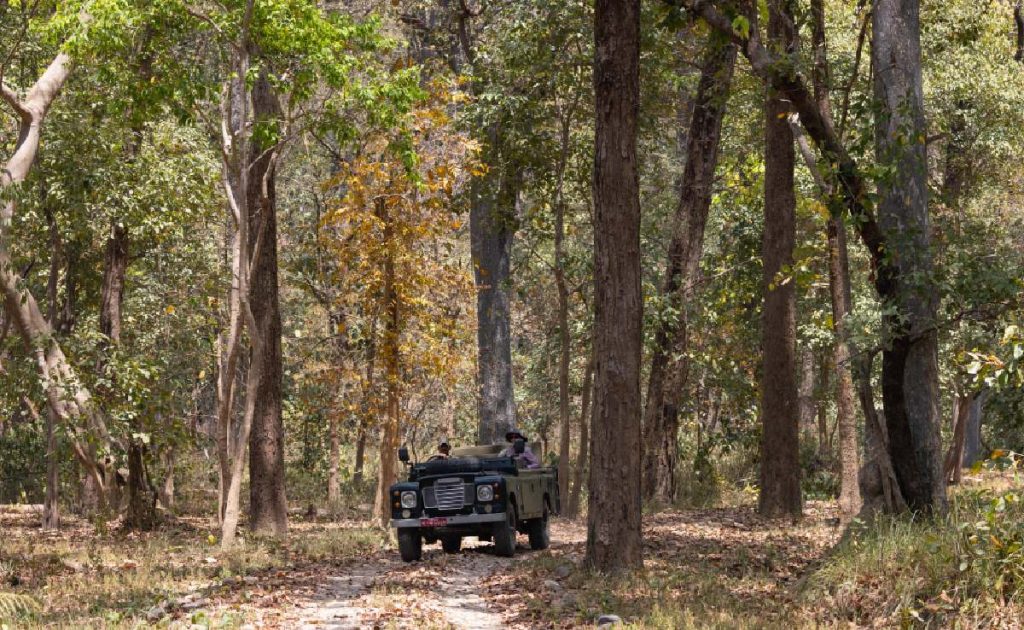
An exciting wildlife safari in Nepal offers beautiful scenery and a unique wildlife adventure experience for nature lovers, birdwatchers, and wilderness enthusiasts. You can enjoy a wildlife safari after trekking in Nepal and enjoy the surroundings of jungles, which is an excellent place to spend time with your family.
A visit to Nepal, the Himalayan nation, will not only offer mountain trekking and white-water rafting trips, but also jungle safaris in magnificent national parks. The country is home to 14 national parks and wildlife reserves, many of which are tropical jungles teeming with exotic birds and diverse wildlife.
Taking a wildlife safari in Nepal gives you the chance to see the rarest and most endangered wildlife on the planet. A Jungle Safari tour in Nepal is best enjoyed between March and April, September, October, November, and December, making it the perfect adventure for travelers of all ages.
A number of national parks in Nepal provide fantastic opportunities for wildlife safaris where you can observe a wide array of flora and fauna in their natural habitats. A wildlife safari tour in Nepal can last from 2 days to 7 days, depending on the preferences and schedules of visitors.
Here is a list of Nepal’s most popular wildlife safaris:
- Chitwan National Park:
Chitwan National Park is a UNESCO World Heritage Site established in 1973 and the most visited National Park for wildlife safari in Nepal. The Chitwan National Park is mostly covered by tropical and subtropical moist deciduous forests including grasslands, riverine forests, and sal forests.
The Chitwan National Park is a protected jungle area full of wildlife, including the iconic Royal Bengal Tiger, one-horned rhinoceros, Asian elephants, and a variety of birds.
You can enjoy jungle safaris, elephant rides, and nature walks at Chitwan National Park as well as bird watching, canoeing, and viewing wildlife such as tigers, rhinoceroses, and elephants.
You can stay at hotels such as Meghauli Serai (Taj Safari), Tigerland Safari Resort, Barahi Jungle Lodge and Green Mansions Jungle Resort around Chitwan National Park.
- Bardia National Park:
Located in Nepal’s far-western region, the Bardia National Park is renowned for its rich floral diversity and is a hidden gem for wildlife lovers. This park established in 1988 is an excellent place to observe Bengal tigers, elephants, leopards, and even the endangered Gangetic dolphin.
The park offers Jeep safaris, boating, and rafting, bird watching, overnight camping, and treehouses for those who want to explore the park’s diverse habitats, such as salt forests and grasslands. Additionally, Bardia offers the chance to explore traditional villages and experience Tharu culture.
The majority of Bardia National Park is covered by subtropical moist deciduous forests and riverine forests. You can stay at hotels such as Tiger Tops Karnali Lodge, Bardia Jungle Cottage, Rhino Lodge & Hotel Bardia, Nepal Wildlife Resort, and Bardia Adventure Resort around Bardiya National Park.
- Koshi Tappu Wildlife Reserve:
Koshi Tappu Wildlife Reserve established in 1976 is regarded as a birdwatcher’s paradise. Known to be home to over 485 species of birds, including migratory birds and endangered species, Koshi Tappu offers a unique opportunity to experience Nepal’s avian wonders.
Koshi Tappu Wildlife Reserve consists primarily of wetlands, grassland, and riverine forest. The reserve offers boating and elephant and wild buffalo tracking, along with rafting on the Sapta Koshi River and dolphin watching along the Gangetic River.
Koshi Tappu Wildlife Reserve is primarily made up of wetlands, grasslands, and riverine forests. You can stay at hotels such as Koshi Tappu Wildlife Camp, Koshi Camp, and Koshi River Resort around Koshi Tappu Wildlife Reserve.
- Sagarmatha National Park:
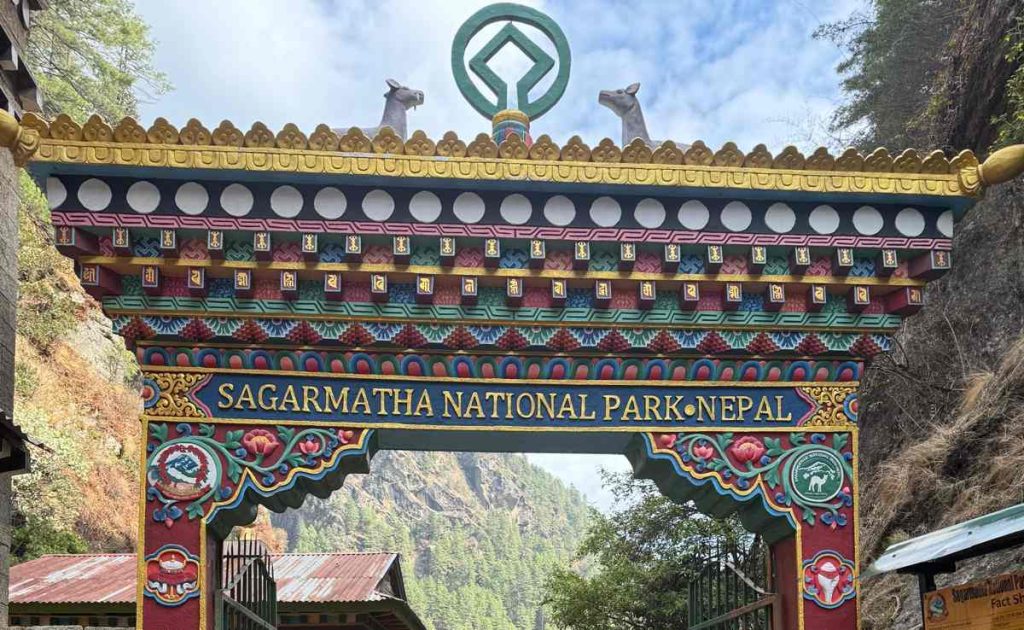
Sagarmatha National Park, founded in 1976, is known for its incredible views of Mount Everest, but it also is home to a variety of wildlife. There is a variety of wildlife in this national park in the Khumbu region of Nepal, such as Himalayan musk deer, snow leopards, and Himalayan tahr.
The park’s trails offer a great chance to spot elusive wildlife surrounded by stunning alpine scenery. Sagarmatha National Park includes forests of birch, rhododendron, and juniper trees, as well as subalpine and alpine vegetation.
Sagarmatha National Park is renowned for its Himalayan landscapes and Mount Everest, and offers trekking opportunities to see its unique mountain ecosystems. You can stay at hotels such as Yeti Mountain Home, Lukla, Hotel Everest View, Himalayan Lodge and Tashi Delek Lodge around Sagarmatha National Park.
- Langtang National Park:
The Langtang National Park is Nepal’s first Himalayan national park established in 1976, and is the perfect place to experience a wildlife safari. The park is home to deer, monkeys, and the endangered red panda and Himalayan black bear.
Enjoy a trek through the Langtang Valley, surrounded by snow-capped peaks, and explore the park’s lush forests and alpine meadows. You can visit ancient monasteries along the way and experience the local Tamang culture.
There are various types of forests in Langtang National Park, including subtropical, temperate, and alpine forests, and common tree species include oak, maple, rhododendron, and pine.
Langtang National Park has diverse flora and fauna, as well as scenic landscapes and hiking trails for those who enjoy trekking and hiking. You can stay at hotels such as Langtang View Resort, Hotel Red Panda and Langtang Ri Hotel & Lodge around Langtang National Park.
- Makalu Barun National Park:
The Makalu Barun National Park established in 1992 is an ideal choice for those who are looking for a wildlife safari that is truly remote and adventurous. Located in Eastern Nepal, this park is home to rare and elusive species like the red panda and clouded leopard.
The Makalu Barun National Park features diverse vegetation, including oaks, rhododendrons, firs, and junipers, as well as subtropical, temperate, and alpine forest types. Here you can enjoy the pristine beauty of the park, from towering peaks to dense rhododendron forests, as you trek through challenging terrain.
The Makalu Barun National Park offers a unique jungle experience with pristine wilderness, where you can hike through dense forests, catch sight of glacial lakes, and explore high-altitude meadows.
You can stay at hotels such as Makalu Homestay, Sherpa Guide Lodge, and Makalu View Lodge around Langtang National Park.
There are diverse safari experiences to choose from in Nepal’s national parks and wildlife reserves, making it an ideal destination for wildlife enthusiasts of all ages. Every destination in Nepal gives a unique glimpse into the country’s rich biodiversity, from the dense jungles of Chitwan to the remote wilderness of Bardia.
With Himalayan Circuit Treks, you can experience exotic wildlife while also supporting conservation efforts and local communities. Get ready to explore Nepal’s wild wonders when you pack your binoculars, camera, and sense of adventure.