Travel Diaries: How Travel Magazines of Nepal Inspire Journeys

travel magazines of Nepal

Travel media continues to shape how visitors experience Nepal. Beyond blogs and social media, travel magazines of Nepal offer clear stories, reliable information, and stunning visuals. These publications keep Nepal on the radar of global travelers while providing practical tips for trip planning.

For travelers, these magazines act as trusted Nepal travel guides, offering culturally rich alternatives beyond Everest and Pokhara. For advertisers, they provide platforms for visibility. In addition, they promote tourism by showcasing Nepal’s diversity.

Why Travel Magazines Matter in Nepal

Tourism in Nepal is seasonal and experience-based, so visibility is crucial. Therefore, travel magazines play a key role in storytelling. They connect urban readers, diaspora communities, airlines, and potential visitors.

For example, these magazines highlight:

  • New trekking trails
  • Boutique hotels
  • Heritage restorations
  • Festivals and conservation efforts
  • Adventure products

Because their content is locally sourced and edited, it is more relevant than generic international coverage. As a result, they give tourism entrepreneurs—guides, resort owners, airlines, a voice to share authentic stories. This helps position Nepal as more than “just mountains.”

Popular Travel Magazines in Nepal

1. Yatra Travel Magazine (Buddha Air)

Yatra reaches in-flight audiences across Nepal, including business travelers, diplomats, and domestic tourists. Each edition blends destination highlights like Mustang, Ilam, and Lumbini with lifestyle content on food, hotels, and travel personalities.

Moreover, for advertisers, Yatra offers direct access to active travelers. For readers, it serves as a practical guide to domestic travel.

2. Parikrama Magazine (Nepal Traveller)

Parikrama focuses on premium tourism and hospitality. Its polished tone appeals to hotels, tour operators, and DMCs. Articles cover heritage towns, boutique experiences, and new openings. Written in English, it targets overseas audiences and returnee Nepalis. Consequently, it is ideal for understanding Nepal’s tourism industry.

3. Wanderlust Travel Magazine

Wanderlust emphasizes photography and inspirational travel. It showcases trekking, mountain flights, rafting weekends, and community homestays. For instance, short getaway ideas like Nagarkot, Dhulikhel, Bandipur, and Bardia encourage balanced tourist movement and support local economies. Therefore, it works well for younger or first-time travelers.

4. ECS Nepal

ECS stands out for cultural depth. It covers heritage sites, artisans, Newar towns, food culture, monastery life, and festivals. ECS appeals to visitors and residents who want to explore Nepal beyond itineraries. In addition, its long-form, researched content encourages travelers to stay longer and spend more.

5. Outlook Travel Magazine

Outlook places Nepal in a broader South Asian context. It highlights trekking, wildlife, heritage, national parks, wellness retreats, and aviation developments. As a result, it builds credibility with international audiences. For travelers, it serves as an early-stage planning guide, showing Nepal as an enticing destination.

Final Thoughts

Nepal’s tourism strategy embraces travel magazines because “the more, the merrier” applies to tourism promotion. These magazines capture new destinations, document local entrepreneurs, and preserve culture. Ultimately, for travel operators, advertising in these magazines is a smart way to reach audiences. For readers, they offer inspiration and practical guidance, magazines you can hold, bookmark, and travel with.

Nepal Diary: Exploring Bus Travel in Nepal – Tips & Dos/Don’ts

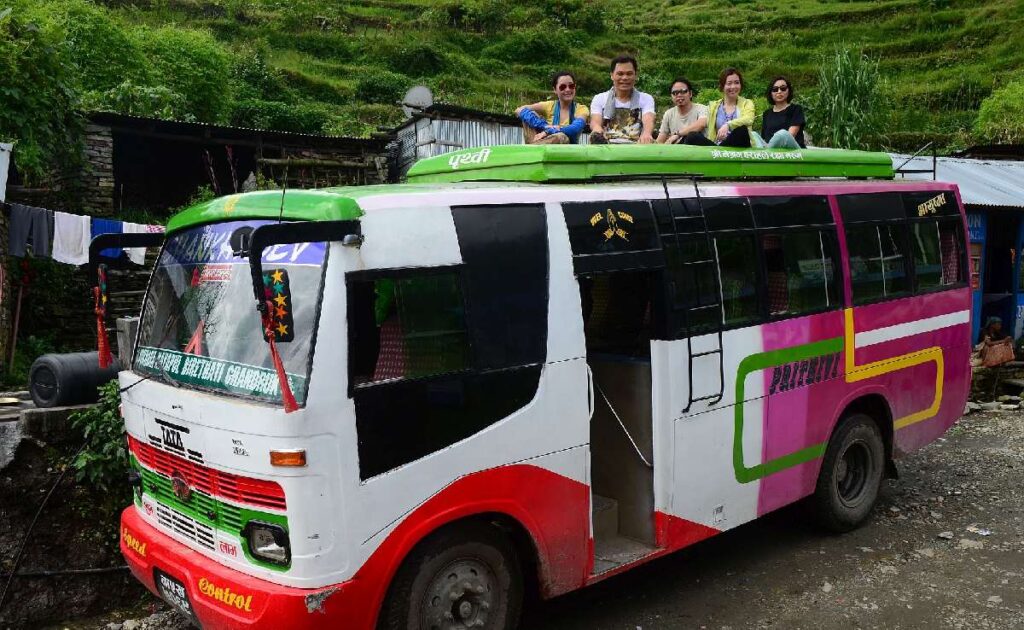
Travelling by bus is one of the easiest, most affordable, and convenient ways to explore Nepal. Bus travel in Nepal lets you relax, enjoy the scenery, and experience the countryside, mountains, and bustling cities—all from your window.

Whether you’re a first-time visitor or a seasoned traveler, following some simple guidelines can make your journey smooth and enjoyable. Let’s plan your bus trip together!

Why Bus Travel in Nepal is Popular

Firstly, tourist buses offer a stress-free way to explore Nepal. You can sit back, enjoy the views, and let professional drivers handle the logistics. Moreover, buses are comfortable, budget-friendly, and perfect for both short and long-distance trips. In addition, they allow you to witness Nepal’s beauty from a unique perspective.

Dos for a Comfortable Bus Ride

1. Book in Advance
Firstly, reserve your seat early, especially during peak season. This ensures you get your preferred seat and the best views.

2. Arrive Early
Also, reach the station at least 15–20 minutes before departure. By doing so, you avoid last-minute stress and guarantee smooth boarding.

3. Pack Smartly
Carry a small bag with essentials like water, snacks, a travel pillow, headphones, or a book. Additionally, avoid overpacking to make it easier to store your bag and move around.

4. Respect Your Seatmates
Furthermore, keep your belongings within your space and avoid leaning into someone else’s area. Respecting personal boundaries ensures a peaceful journey for everyone.

5. Stay Hydrated
Long bus rides can be dehydrating. Therefore, sip water regularly and carry well-packaged mineral water.

6. Bring Entertainment
Bus trips can get monotonous. For example, bring books, audiobooks, movies, music, or podcasts to stay entertained.

7. Be Polite to the Bus Staff
Drivers and assistants work hard to ensure your safety. Hence, be courteous, follow instructions, and dispose of trash responsibly.

Don’ts to Avoid on a Bus

1. Don’t Be Late
Buses follow tight schedules. Otherwise, arriving late can delay your trip or cause you to miss the ride entirely.

2. Avoid Overpacking
Large, heavy bags create storage issues and make traveling uncomfortable. So, pack only what you need.

3. Don’t Be Noisy
Keep conversations low and avoid loud phone calls. This way, everyone enjoys a calm environment.

4. Don’t Ignore Rest Stops
Take advantage of scheduled breaks to use the restroom, stretch, or grab a snack. In addition, rest stops help you stay refreshed and energized.

5. Don’t Panic in Case of Delays
Traffic or unexpected situations can cause delays. Therefore, stay patient; the bus staff will do their best to get you to your destination safely.

6. Don’t Leave Valuables Unattended
Always keep your belongings with you during stops. Otherwise, you risk losing them or having them stolen.

7. Don’t Distract the Driver
Avoid unnecessary conversation with the driver and refrain from strong-smelling food or heavy perfumes. Safety always comes first.

Travel Tips for Bus Journeys in Nepal

  • Additionally, enjoy the scenery from your window—mountains, rivers, and local villages make the ride memorable.

  • Carry a light jacket for cooler mountain areas.

  • Keep small snacks handy for long journeys.

  • Choose seats with the best views if possible, usually by the window.

  • Finally, be patient and flexible—roads in Nepal can be busy and unpredictable.

By following these dos and don’ts, bus travel in Nepal becomes more than just transportation—it’s part of the adventure. Then, relax, enjoy the views, and let professionals handle the logistics.

Book your tour with Himalayan Circuit, hop on a bus, and create lasting memories on the road!

Annapurna Region: Poon Hill Sunrise and Himalayan Views

In the Annapurna region, one of Nepal’s most popular experiences does not come from climbing a peak, but from a quiet hilltop at dawn. The Poon Hill Trek leads you above the Magar village of Ghorepani to a must-see sunrise viewpoint. As a result, it attracts thousands of trekkers every year.

However, behind the crowds and camera flashes lies a story of how a simple local trail grew into a world-famous trekking highlight.

From Local Footpath to Global Icon

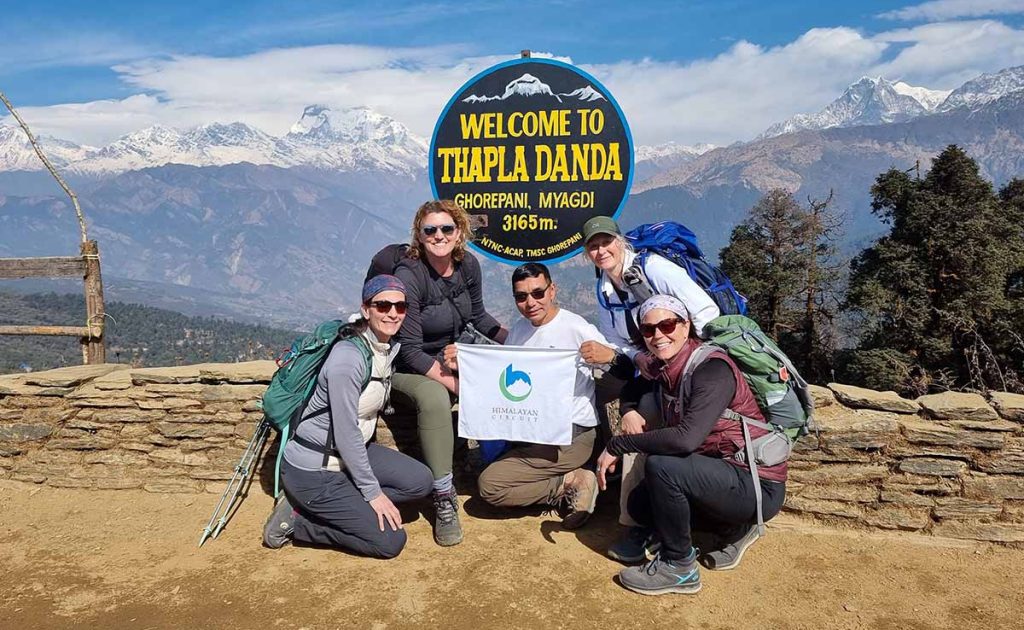
4 Clients with 1 Guide in Thapla Danda

Originally, local Magar communities used the trail for practical purposes. Villagers from Ghorepani and nearby areas climbed the ridge to collect firewood, graze livestock, or check the weather for planting and harvesting.

Later, the hill was named after the Poon Magar ethnic group, one of the oldest indigenous communities in the region.

In the 1970s and 1980s, international trekking started gaining popularity in Annapurna. Some trekkers were guided by locals to the top of the ridge just in time for sunrise. This experience, in turn, left a lasting impression and spread by word of mouth.

The Panoramic View

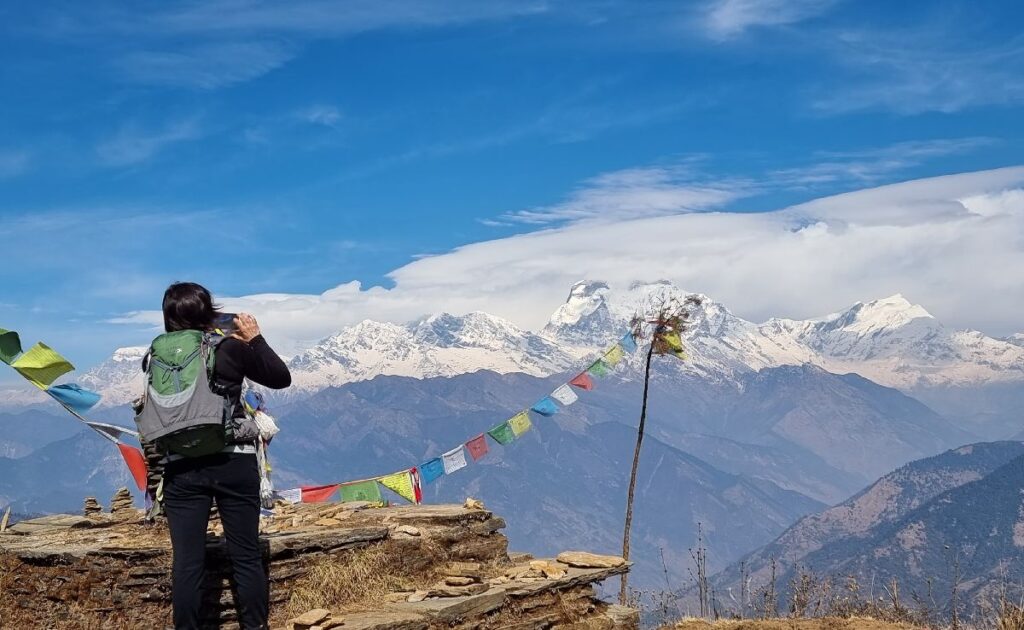
At 3,210 meters above sea level, Poon Hill offers a full 360° view of the Annapurna and Dhaulagiri ranges. When the sun rises, snowy peaks such as Annapurna South (7,219m), Machhapuchhre (6,993m), Hiunchuli, and Dhaulagiri I (8,167m) glow in gold, orange, and pink.

Meanwhile, trekkers watch the play of light, shadow, and silence, which no photo can fully capture. Over time, this sunrise became a signature attraction for those seeking a short but powerful Himalayan adventure.

Ghorepani Village: The Gateway to Sunrise

Ghorepani, a charming Magar village nestled in rhododendron forests, serves as the gateway to Poon Hill. Once, it was a stop for traders and mule caravans. By the early 1990s, it had grown into a lively lodge village.

Typically, trekkers spend the night in Ghorepani and begin the pre-dawn hike to Poon Hill, which takes 45 minutes to an hour. During the hike, headlamps twinkle along the stone-paved trail, marking the path for those climbing the ridge.

In addition, local families and lodges actively maintain the trail, protect the forests, and welcome thousands of trekkers with warmth and hospitality.

Why Poon Hill is Ideal

  • Short and Scenic: The trek can be completed in 4–6 days round-trip from Pokhara.
  • Culturally Rich: Walk through Magar and Gurung villages and stay in family-run lodges.
  • Low Altitude Risk: At 3,210m, altitude sickness is unlikely.
  • Perfect for Beginners: No technical skills are needed.
  • Flexible Connections: Easily combine with longer treks such as [ABC Trek link]

Therefore, whether it is your first Himalayan trek or a detour from a longer journey, Poon Hill delivers great reward for modest effort.

How Poon Hill Became a Must-Do

Unlike many trekking destinations promoted by tour operators, Poon Hill’s fame grew naturally. Initially, local guides suggested the sunrise experience to visiting trekkers. As a result, it eventually became known as the “Poon Hill Sunrise Trek.”

Later, tour agencies worldwide began offering it as the perfect introduction to Nepal. Consequently, a simple village path became a global trekking icon.

Ensuring Sustainability

With growing popularity comes responsibility. Therefore, sustainable trekking practices are essential. Key measures include:

  • Maintaining trails and controlling erosion
  • Reducing waste and limiting plastics
  • Supporting local lodges and guides
  • Promoting cultural respect and awareness

In addition, organizations like ACAP, local cooperatives, and eco-conscious tour operators like us Himalayan Circuit work to preserve the Poon Hill trek route. In 2024, the Annapurna Conservation Area welcomed 244,045 foreign trekkers, highlighting the importance of responsible trekking.