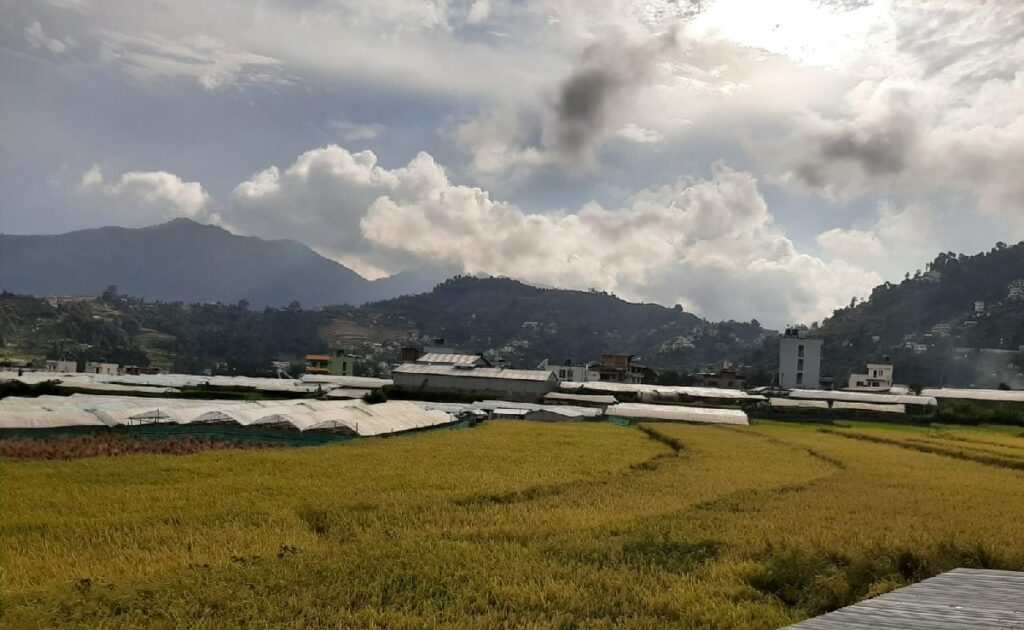
Nepal Diaries: Nepal in September – Weather, Trekking & Festivals

Nepal in September marks the transition from the monsoon season to early autumn. Rainfall begins to decrease, the landscapes turn lush and green, and travel conditions slowly improve. For many travelers, September offers a calm and rewarding way to explore Nepal before the busy trekking season begins.

The first half of the month may still bring occasional rain. From mid-September onward, mornings become clearer and mountain views start to appear. Daily life in Nepal follows a steady rhythm shaped by festivals and post-monsoon routines. As a result, September feels peaceful, authentic, and naturally vibrant.

Weather in Nepal in September
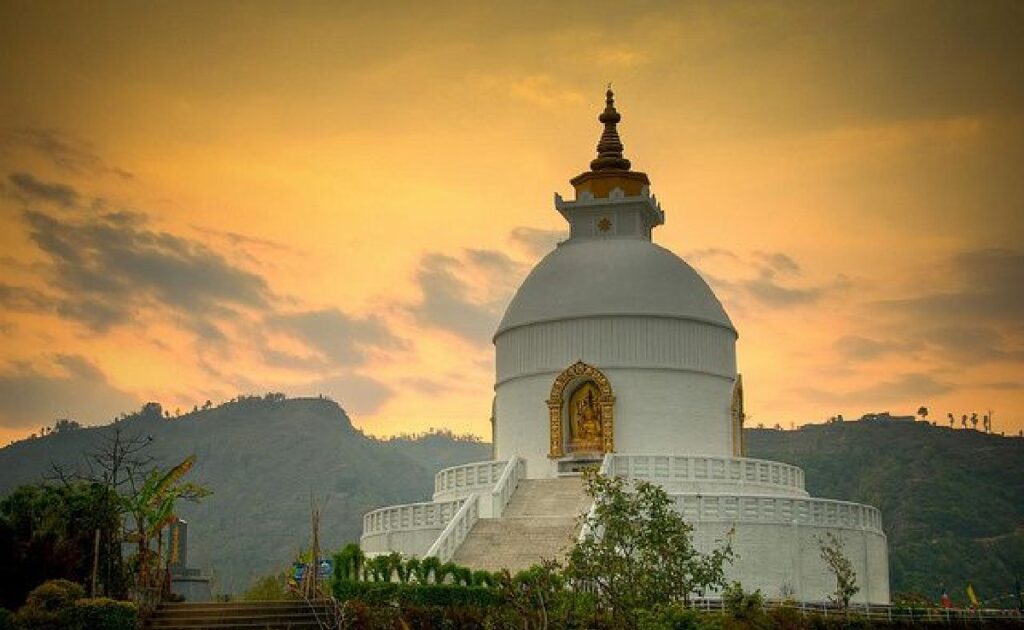
weather in September

The weather in Nepal in September changes gradually throughout the month. Early September still experiences some monsoon influence, with afternoon showers and occasional evening thunderstorms. As the month progresses, rainfall becomes lighter and less frequent.

In cities such as Kathmandu and Pokhara, daytime temperatures usually stay in the mid-20s°C. Higher-altitude regions feel cooler and more comfortable. Cloud cover slowly lifts, which improves visibility and creates better conditions for outdoor activities and travel.

Trekking in Nepal in September
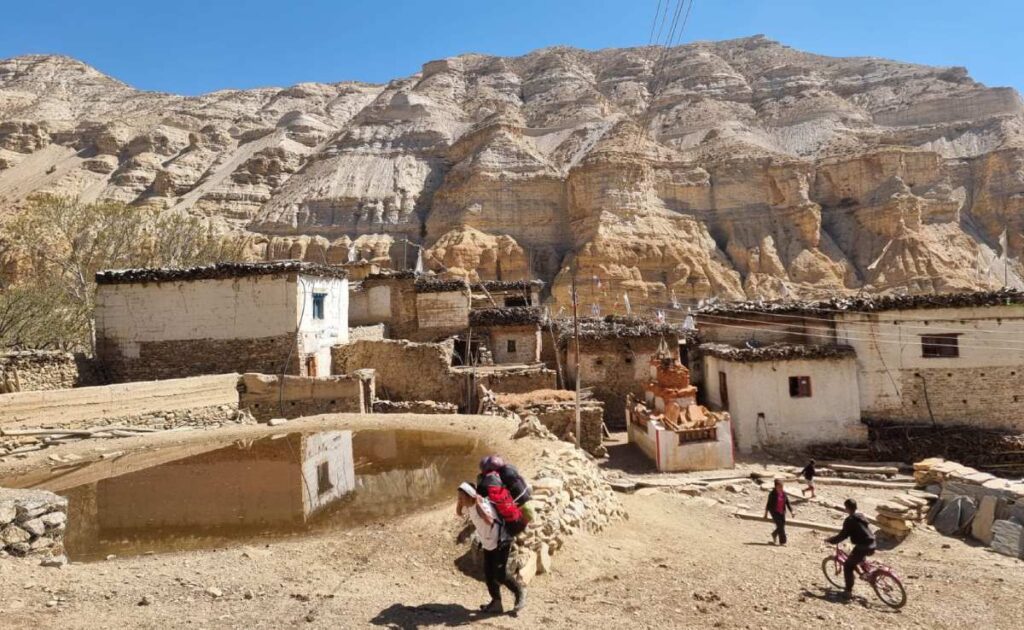
Many travelers ask if trekking in Nepal in September is possible. The answer is yes.

Trails that remain muddy during peak monsoon begin to dry. Leeches also become less common as rainfall decreases. Some high-altitude treks may need extra care in early September, but conditions improve significantly later in the month.

September suits short treks, village walks, and lower-altitude routes very well. Popular trekking regions reopen fully and remain quieter than in October. Because of this, teahouses offer better availability and a relaxed atmosphere. Clear mornings make the best time for hiking, while afternoons stay warm and comfortable.

Festivals and Cultural Events in September
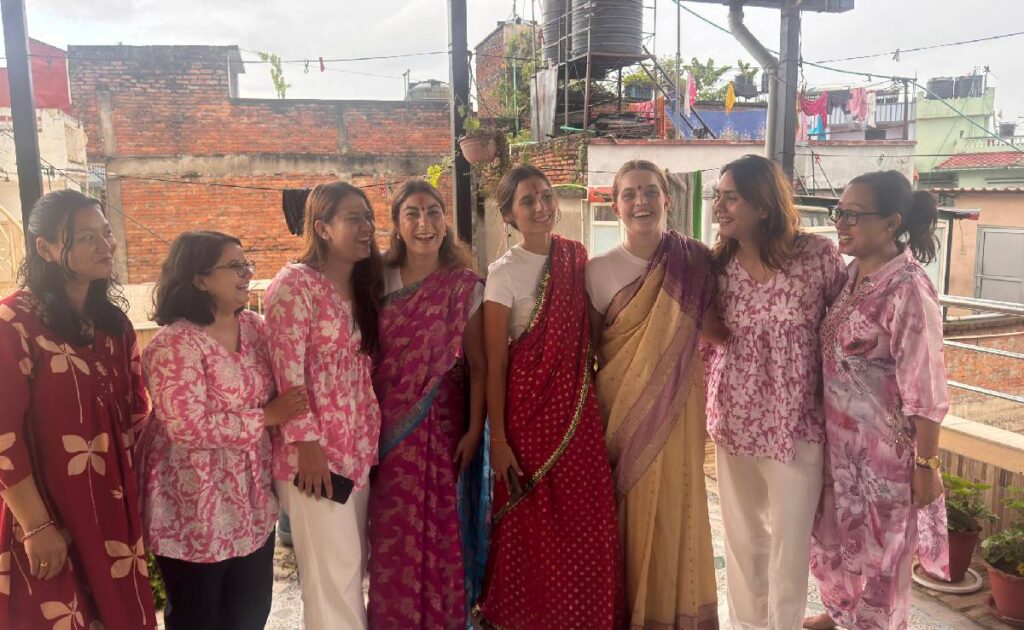
Teej festival - which falls on september
Foreigners celebrating teej frestival in traditional Nepali attire.

September is a culturally rich month in Nepal. Several important festivals take place, offering travelers a deeper connection with local traditions.

Indra Jatra is one of the most significant festivals in the Kathmandu Valley. Locals celebrate the god of rain with masked dances, chariot processions, and traditional music. Streets around Kathmandu Durbar Square fill with color, energy, and ritual performances.

Teej, an important Hindu festival celebrated by women, often falls in September based on the lunar calendar. Women wear red clothing, fast, dance, and visit temples. The festival adds strong emotion and cultural depth to towns and cities.

These events remain largely local and non-commercial, giving visitors a genuine cultural experience.

Wildlife and Nature Experiences
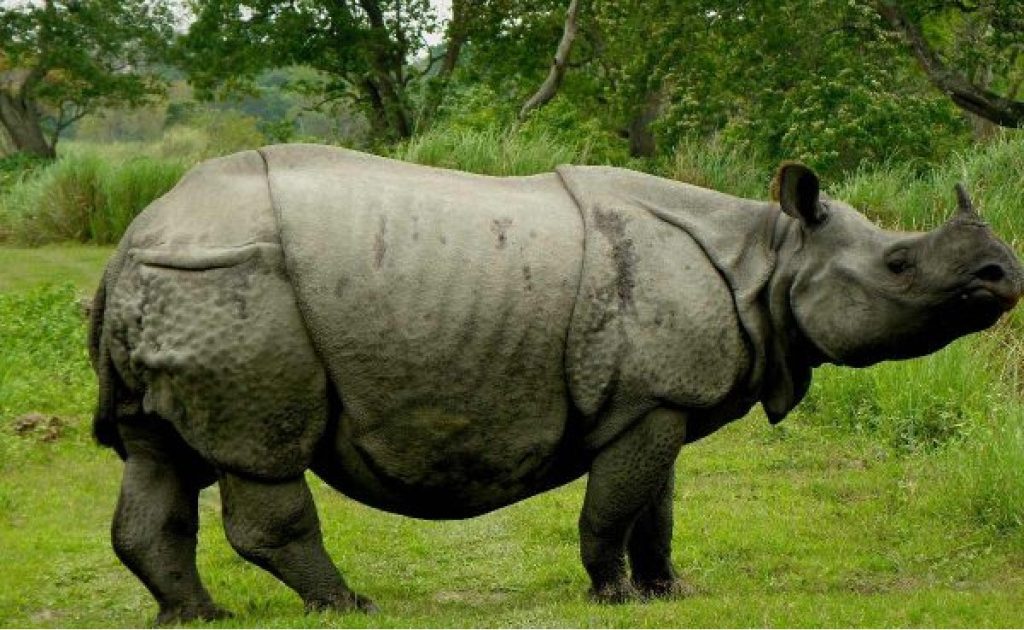
Nepal in September showcases nature at its most vibrant. Hills, forests, and terraced rice fields appear fresh and green after the monsoon rains. Rivers and waterfalls run full, shaping dramatic landscapes across the country.

National parks in the Terai, such as Chitwan and Bardia, look greener and more alive. Wildlife activity increases, and birdlife becomes especially active in wetlands and forest areas. While humidity remains high, nature feels energetic and thriving.

This month works well for lakeside walks in Pokhara, forest hikes in Shivapuri, and countryside exploration among farming communities.

Travel Tips for Nepal in September

Flexibility plays an important role when traveling in Nepal in September. Early in the month, rain can still cause minor delays. From mid-September onward, travel becomes smoother and more predictable.

Pack a light rain jacket, quick-dry clothing, and comfortable walking shoes with good grip. Plan outdoor activities early in the morning for the best weather and visibility. Toward the end of the month, accommodation demand increases, so booking in advance helps.

September rewards travelers who enjoy shoulder seasons. It offers comfort, natural beauty, and cultural depth without heavy crowds.

Final Thoughts on Nepal in September

Nepal in September offers a balance of greenery, culture, and improving travel conditions. While skies may not stay blue every day, the country feels fresh, festive, and peaceful. Nature remains lush, and local life continues at a gentle pace.

For travelers who value nature, culture, and quiet exploration, September is an excellent time to visit Nepal. With the right preparation and flexible plans, the month allows you to experience Nepal in an authentic and memorable way.

So, be flexible to weather, pack your necessary gears and book your trip to Nepal during September with Himalayan Circuit.
Nepal Diaries – Trekking, Festivals, and Adventures in May

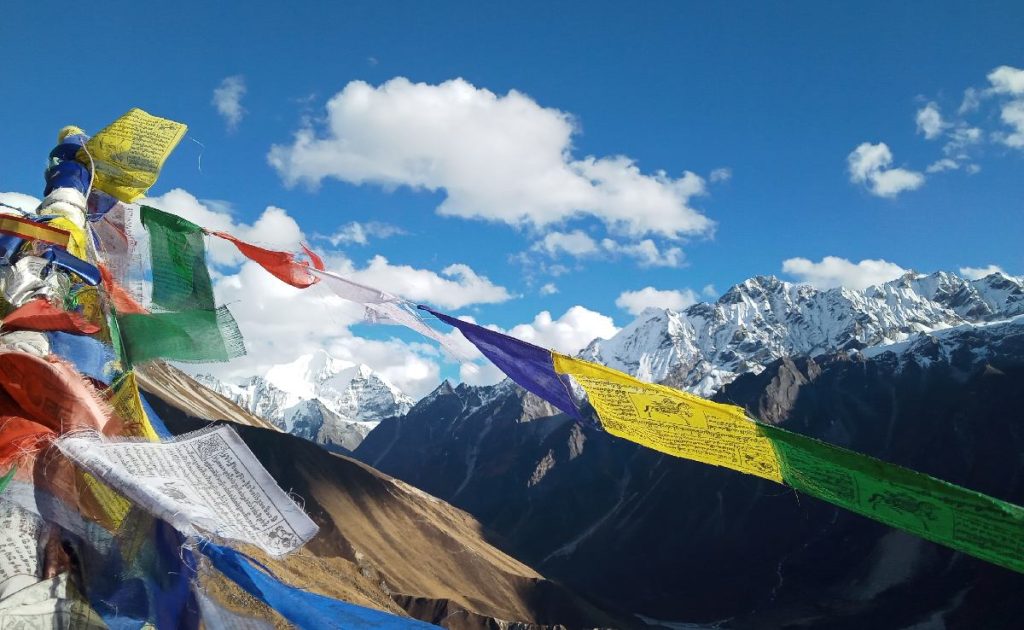
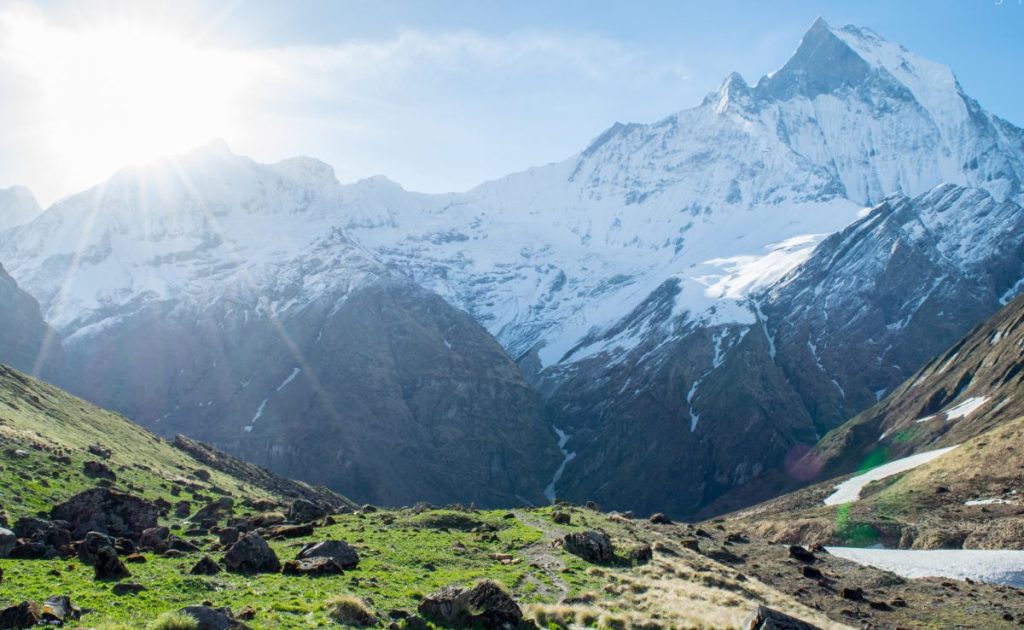
Himalayan peaks in Nepal – Nepal best travel destination

Are you thinking about visiting Nepal in May? You’re choosing one of the best times to explore the country. May sits perfectly between the cold of late winter and the heavy monsoon rains. The mornings are usually clear, afternoons are warm, and the evenings are pleasant.

From colorful festivals to trekking and wildlife adventures, May offers the perfect combination of culture, nature, and adventure. Let’s plan this trip together!

Weather in Nepal in May

May in Nepal is generally warm and a bit humid, especially in the lower lands like Kathmandu, Pokhara, and the Terai plains.

  • Kathmandu: Daytime temperatures range from 20°C to 30°C, while nights remain cool.
  • Pokhara: Slightly warmer than Kathmandu.
  • Terai (Chitwan, Bardiya): Can get very hot, sometimes above 35°C during the day.

In the hills and mountains, temperatures drop as you gain altitude. Compared to winter, the weather is milder. Expect crisp mornings and chilly nights above 3,000 meters.

Trekking & Outdoor Activities

May is ideal for trekking in regions like Annapurna, Everest, and Langtang. Trails are clear, tea-houses are open, and you avoid the busy autumn peak season.

Tips for trekking in May:

  • Start early in the morning to avoid afternoon heat.
  • Afternoon hikes may feel warm and humid, especially at lower altitudes.
  • Shorter treks around Pokhara, like Poon Hill, are perfect this month.
  • Paragliding and boating on Phewa Lake are also great options.

Festivals & Cultural Events

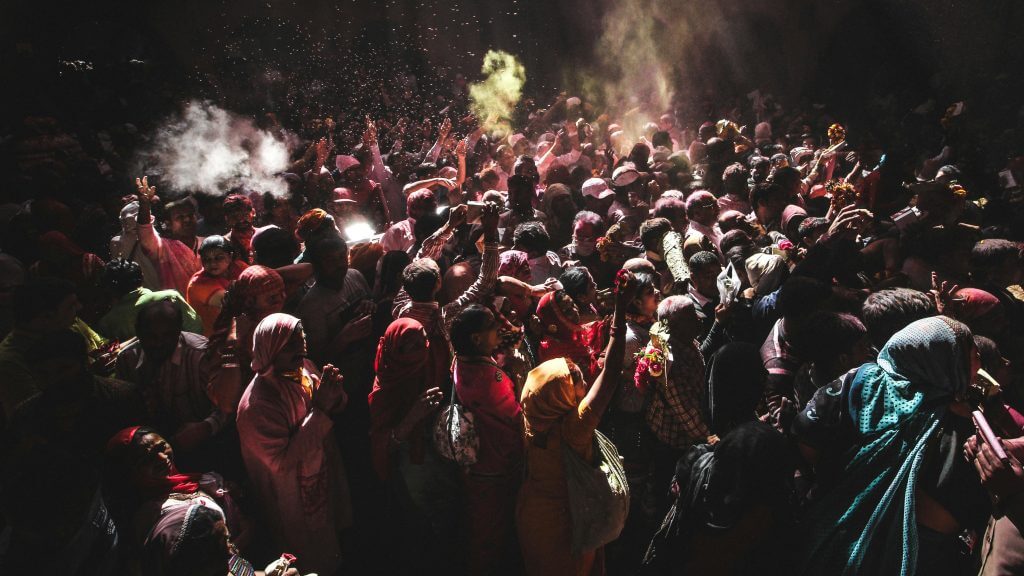
Holi Celebration

Nepal in May is full of colorful celebrations. The most important festival is Buddha Jayanti, celebrating the birth, enlightenment, and death of Lord Buddha.

  • Lumbini: Major celebrations at Buddha’s birthplace.
  • Kathmandu: Boudhanath and Swayambhunath stupas shine with butter lamps, prayer flags, and decorations.
  • Local communities: Many smaller festivals (jatras) involve music, rituals, and traditional dances.

Experiencing these festivals gives you a real taste of Nepalese culture and spirituality.

Wildlife & Nature Experiences

May is lively for nature lovers. National parks like Chitwan and Bardiya are full of sounds from birds and animals.

  • Animals such as deer, monkeys, elephants, and tigers are easier to spot near water sources.
  • Trekking paths and village hills bloom with colorful flowers.
  • Rhododendron blossoms may still be visible, and forests are green and fresh.

Travel Tips for Nepal in May

Here’s how to make the most of your trip:

  • Pack light, comfortable clothes for warm and humid weather.
  • Bring a light jacket or fleece for cooler nights and higher altitudes.
  • A rain jacket is useful because pre-monsoon showers are common.
  • Sunglasses, a hat, and sunscreen are essential.
  • Start hikes early in the day and drink plenty of water.
  • Mosquito repellent is recommended, especially in the Terai.
  • Book transport and accommodation in advance around holidays to avoid crowds.

Final Words

Visiting Nepal in May is all about enjoying warm mornings, clear mountain views, and vibrant cultural life. Trails are quieter than autumn, nature is lush, and festivals make every city and village come alive.

With a little planning and the right travel tips, May offers the perfect mix of culture, adventure, and nature. So, let’s plan your trip together and make it unforgettable!

Nepal Diaries: Exploring the World’s Most Nature-Connected Country

Nepal has been recognized as the world’s most “nature-connected” country in a groundbreaking study published in the prestigious journal Ambio. This title highlights how deeply nature is woven into the lives, culture, and traditions of the Himalayan nation. For travelers, it means a unique opportunity to experience nature-connected travel in Nepal like nowhere else.

What Does “Nature-Connected” Mean?

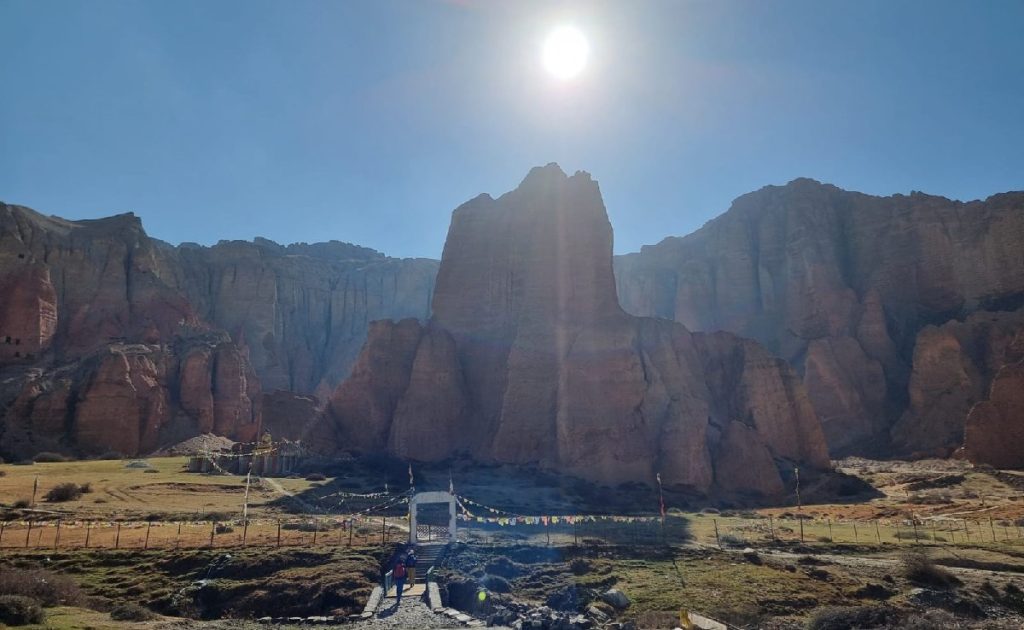
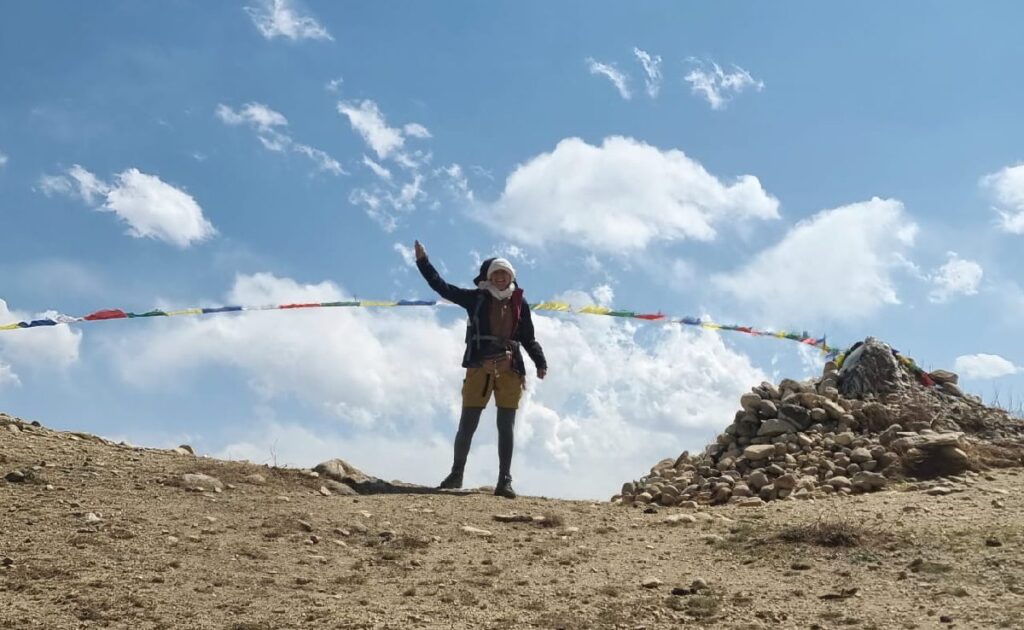
Upper Mustang

Being nature-connected goes beyond living near forests or mountains. It reflects the emotional, spiritual, and daily bond people feel with the natural world. In Nepal, nature is more than scenery, it is a teacher, a healer, and a sacred presence.

The study shows that spirituality, cultural practices, and everyday interactions with the environment are the strongest indicators of this connection. Nature-connected travel in Nepal allows visitors to experience this bond firsthand — through festivals, rituals, and everyday life.

Nepal’s Stunning Natural Diversity

Nepal is a land of contrasts and ecological richness. Within just 200 kilometers, the landscape rises from subtropical plains to the icy peaks of the Himalayas, including Mount Everest.

This variety creates unique experiences for travelers:

  • High mountains: Ten of the world’s tallest peaks offer unmatched trekking and mountaineering adventures.
  • Lush jungles and national parks: Chitwan and Bardia are home to rhinos, tigers, elephants, and fascinating birdlife.
  • Sacred rivers: Gandaki and Bagmati flow from glacial origins to fertile plains, nourishing both land and spirit.
  • Alpine meadows, terraced hills, and pristine lakes: Places like Rara and Phewa offer serenity and breathtaking scenery.
  • Rich biodiversity: Over 6,500 species of flowering plants and 900 bird species thrive here.

Moreover, nature is part of daily life in Nepal. From monks chanting in mountain monasteries to farmers honoring the land in rituals, every moment reflects the country’s nature-connected spirit.

Experience Nature-Connected Travel in Nepal

Visitors can truly feel Nepal’s connection with nature through immersive experiences:

  • Trekking ancient Himalayan trails under snow-capped peaks
  • Meditating in sacred groves and monasteries
  • Sharing tea and stories with local villagers in the hills
  • Exploring national parks to observe wildlife responsibly
  • Participating in local festivals that celebrate the natural world

Additionally, these experiences allow travelers to understand how nature shapes culture, spirituality, and everyday life in Nepal.

A Call to the World

Nepal’s recognition as the most nature-connected country is a reminder of how humans can thrive when living in harmony with the environment. In a time of global climate challenges, Nepal offers a model for respectful, mindful, and enriching interaction with nature.

For travelers, this means a journey that nurtures not only the senses but also the soul. By exploring, observing, and participating in Nepalese life, you connect with nature in a way that stays with you forever.

Step Into Nature-Connected Travel in Nepal

At Himalayan Circuit, we invite you to experience Nepal fully, not just as a destination, but as a way of living. Trek, meditate, explore, and reconnect with the natural world the Nepalese way.