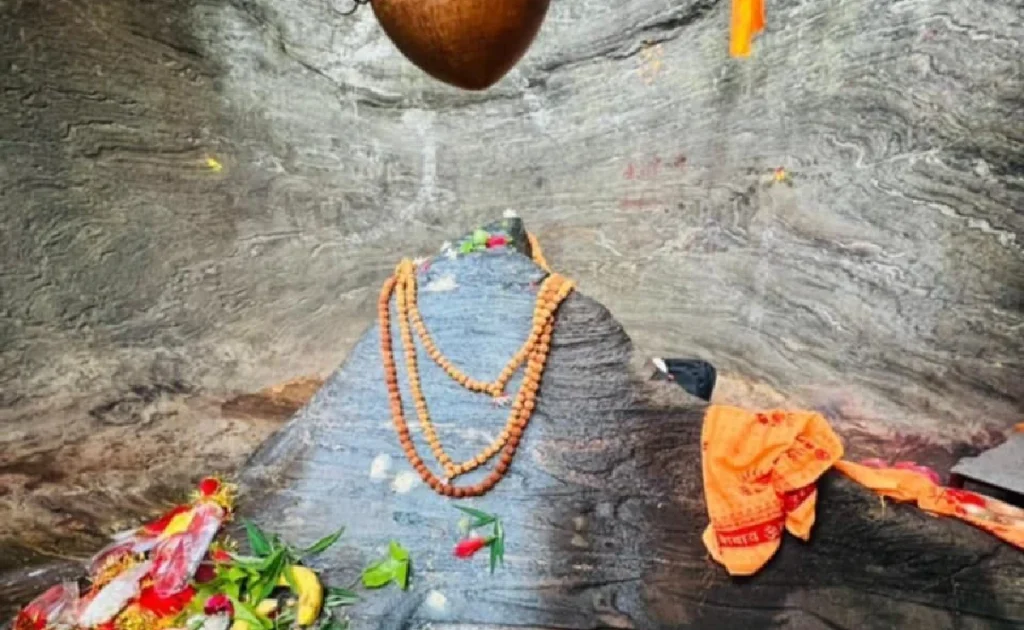
Dupcheshwor Mahadev Temple is a peaceful religious site in the hills of Nuwakot, north of Kathmandu. The temple offers more than a simple place of worship. It brings together local beliefs, Hindu traditions, nature, and peaceful mountain surroundings.
Unlike the busy temples of Kathmandu, Dupcheshwor offers a quieter experience. The shrine sits among rocks and green hills near the Suryamati, also known as the Tadi River. The natural setting adds to the calm atmosphere.
For travelers looking for a spiritual escape near Kathmandu, this temple offers a simple and meaningful experience. You can visit the shrine, learn about local traditions, and enjoy the peaceful surroundings.
Where Is Dupcheshwor Mahadev Temple?
Dupcheshwor Mahadev Temple lies in Nuwakot District, around 60 to 65 kilometers north of Kathmandu. It is also about 35 kilometers east of Bidur, the district headquarters.
Most visitors travel to the area by road. After reaching the nearby settlement, you can take a short walk to the temple.
The journey itself is part of the experience. As you leave Kathmandu, the busy city environment slowly changes into green hills and rural landscapes. The road then leads deeper into the peaceful surroundings of Nuwakot.
The final walk to the temple adds to the experience. You can enjoy the fresh air and observe the natural landscape before reaching the shrine.
Why Visit Dupcheshwor Mahadev?
There are several reasons to visit Dupcheshwor. For many devotees, the main reason is spiritual. The temple holds an important place in local religious life and attracts visitors seeking blessings and peace.
The shrine stands among large natural rocks. This setting gives the temple a different character from many urban temples.
Local beliefs also add to its importance. Many devotees visit the temple to pray for personal wishes and family well-being. These beliefs form an important part of the temple’s spiritual identity.
At the same time, the area offers a chance to relax. You can spend time near the river, enjoy the hills, and take a break from the noise of Kathmandu.
Major Highlights of Dupcheshwor Mahadev Temple
Natural Setting
One of the main attractions is the temple’s natural surroundings. Large rocks, green hills, and the nearby river create a peaceful setting.
The combination of nature and spirituality makes the visit special. You can explore the rocky area and enjoy the quiet atmosphere around the shrine.
Religious Festivals
The temple becomes much more active during major Hindu festivals. These include Maha Shivaratri, Teej, Janai Purnima, Balachaturdashi, and Dhanyapurnima.
Dhanyapurnima holds particular importance for the local community. During the festival, many pilgrims gather at the temple to pray and take part in religious activities.
The atmosphere changes completely during these events. More visitors arrive, local traditions become more visible, and the temple becomes a lively center of community life.
If you want a quiet visit, regular days may be better. However, festival periods offer a chance to experience the religious and cultural side of Dupcheshwor.
A Sacred Site in Nuwakot
Local people often refer to Dupcheshwor as the “second Pashupati” of Bagmati Province. This name reflects the temple’s importance among devotees.
The temple has become an important religious site in Nuwakot. It also attracts visitors who want to explore lesser-known cultural destinations near Kathmandu.
Story and Spiritual Significance
A local legend explains the origin of the temple. According to the story, a cow regularly disappeared from its herd.
People later discovered the cow pouring milk over a particular stone. They considered this a sign of divine power and began to worship the stone as a form of Lord Shiva.
The shrine was once known as Dudheshwor Mahadev. Over time, people began to call it Dupcheshwor Mahadev.
This story remains an important part of the temple’s identity. It also helps explain why the natural stone shrine holds such deep meaning for local devotees.
Things to Do at Dupcheshwor Mahadev
The main activity is, of course, worship. Visitors can pray, offer traditional items, and seek blessings at the shrine.
However, there is more to do around the temple. You can explore the rocky landscape and walk through the surrounding area.
The nearby river also provides a peaceful place to sit and enjoy nature. The green hills and fresh mountain air make the area suitable for a short break from city life.
Photography can also be enjoyable. The rocks, river, hills, temple, and surrounding villages offer different views throughout the day.
If you visit during a festival, you can experience a much livelier atmosphere. You may see pilgrims, religious ceremonies, and local cultural activities.
Best Time to Visit Dupcheshwor Mahadev
You can visit Dupcheshwor Mahadev throughout the year. However, the experience depends on when you travel.
Festival periods are ideal for travelers who want to experience the temple’s religious traditions. Maha Shivaratri and Dhanyapurnima are especially important times to visit.
The temple becomes busier during these festivals. Therefore, you should expect larger crowds and more traffic on the roads.
For peace and quiet, choose a regular day outside the major festivals. You will have more time to explore the temple and enjoy the surrounding nature.
Spring and autumn can also offer pleasant conditions for a visit. The weather is often comfortable, and the green hills create a beautiful setting.
Travel Tips for Visitors
A visit to Dupcheshwor Mahadev Temple does not require a long trek. Still, comfortable walking shoes are useful for the final section of the journey.
Carry drinking water, especially if you plan to explore the surrounding area. You should also bring sun protection during sunny days.
Festival periods can attract large crowds. As a result, roads may become busier than usual. Plan your journey with extra travel time.
Most importantly, respect the religious nature of the site. Follow local customs and dress appropriately when visiting the shrine.
Avoid littering and help keep the temple and river area clean. Small actions like these help protect the peaceful character of the site.
Final Thoughts
Dupcheshwor Mahadev Temple offers a simple combination of faith, nature, and local history. Its peaceful setting makes it different from the crowded religious sites found in Kathmandu.
The temple’s natural stone shrine, local legends, festivals, and nearby river all add to the experience. At the same time, the surrounding hills offer a pleasant escape from the city.
For travelers looking for a lesser-known religious destination near Kathmandu, Dupcheshwor is worth considering. It offers a chance to slow down, experience local traditions, and enjoy the peaceful landscape of Nuwakot. If you would like to explore Dupcheshwor and other hidden cultural gems of Nepal, contact us to plan your journey with a local travel expert.

