Inside Humla: Culture, Traditions and Mountain Life

Humla Culture

Unlike busy tourist destinations, Humla offers a slower way to experience the Himalayas. Here, traditions still influence everyday life. They appear in local villages, religious practices, farming, architecture, and seasonal activities.

For travelers who want to understand Himalayan life beyond the popular trekking routes, Humla culture offers a fascinating experience.

Where Is Humla?

Humla lies in northwestern Nepal along the border with Tibet. Simikot serves as the district headquarters and the main entry point for most travelers visiting the region.

The district remains one of the most remote areas of Nepal. Its location has helped local communities maintain many traditional ways of life.

Humla also has a diverse population. The southern and central areas have a strong Khas cultural influence. In contrast, the northern regions, especially around Limi Valley and Namkha, show a strong Tibetan cultural influence.

As a result, Humla brings together different languages, religions, traditions, and ways of life within one mountain district.

Why Is Humla Culture So Special?

Humla culture stands out because of its diversity and strong connection to the natural environment. The region does not have one single cultural identity.

In southern and central Humla, Khas traditions, the Nepali language, and Hindu customs shape everyday life. Further north, Buddhist communities maintain Tibetan-influenced traditions, languages, and religious practices.

The region also has a long history of trade and pilgrimage across the Himalayas. These routes connected communities in Nepal and Tibet and helped shape local culture over many generations.

Religion also plays an important role in daily life. It influences festivals, farming practices, seasonal movement, and relationships with sacred places.

This close connection between people, faith, and the mountains makes Humla culture particularly distinctive.

Major Highlights of Humla Culture

Simikot and Local Village Life

Simikot is the district headquarters and the starting point for many journeys through Humla. It provides travelers with their first introduction to the region’s mountain communities and local lifestyle.

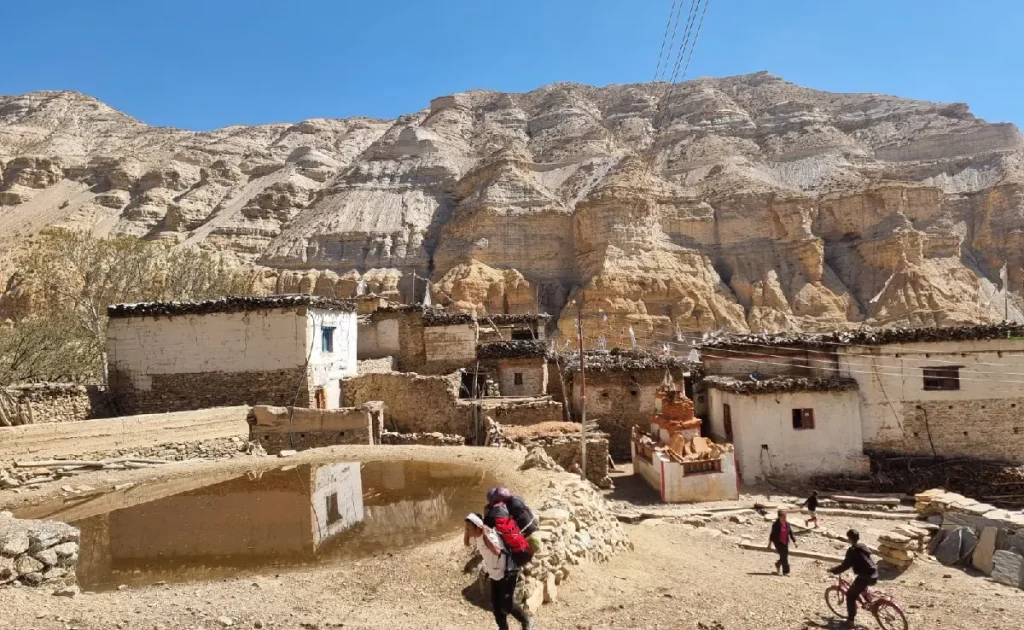
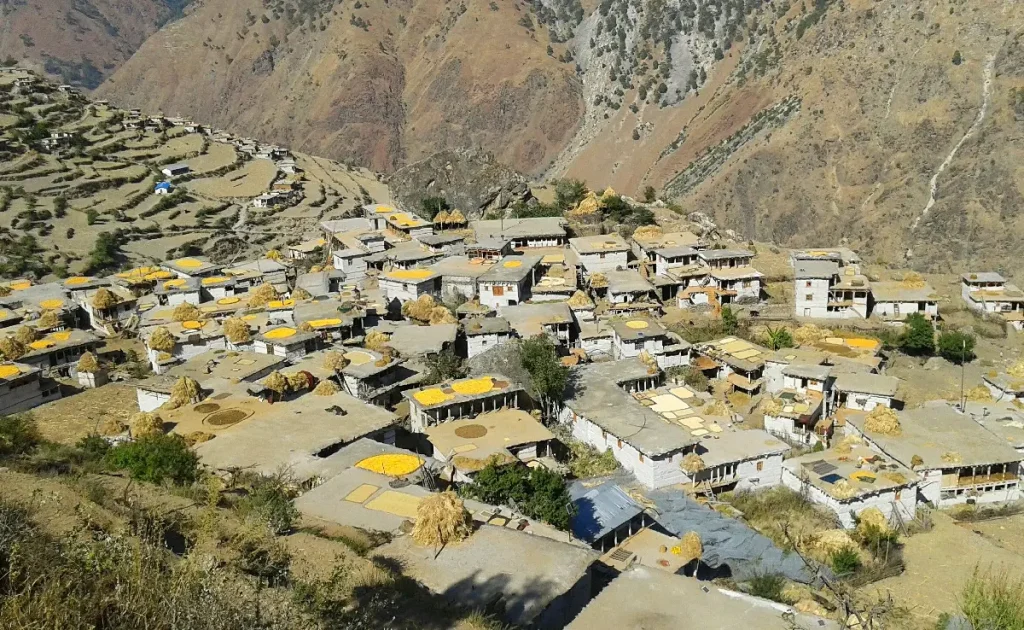
Beyond Simikot, the trail leads through traditional villages, steep mountain paths, farmland, and highland landscapes. Stone houses and small settlements reflect how people have adapted to the challenging environment.

Limi Valley and Tibetan Culture

Limi Valley offers one of the most distinctive cultural experiences in Humla. The valley has a strong Tibetan Buddhist influence that remains visible in its villages, monasteries, architecture, and religious traditions.

For centuries, communities in Limi Valley have maintained cultural practices connected to the wider Himalayan region. The valley’s remote location has also helped protect many traditional customs.

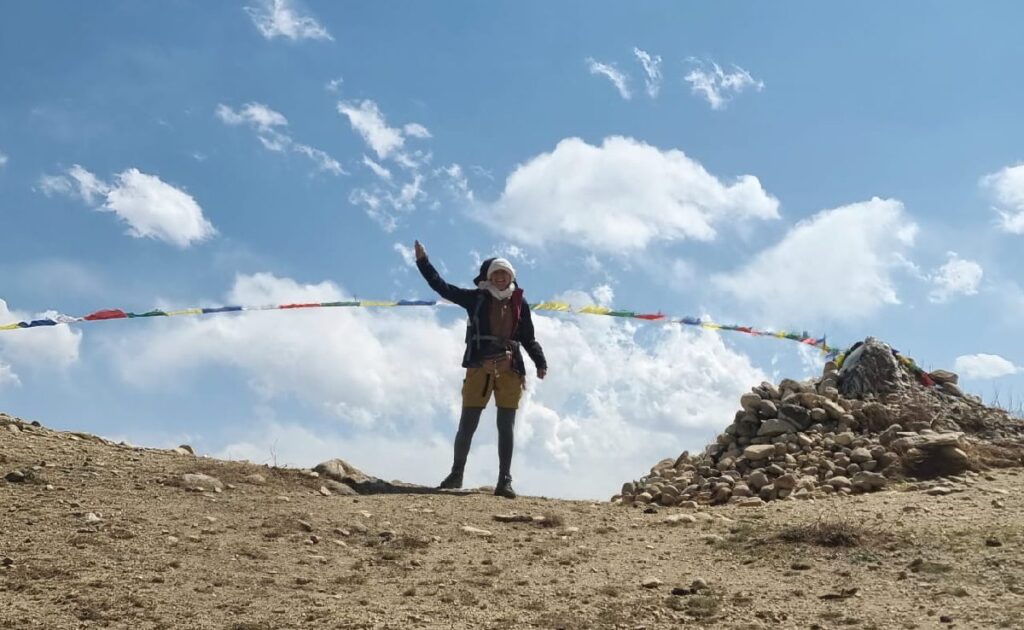
Visitors can see monasteries, chortens, mani walls, prayer flags, and traditional stone houses throughout the area. These features provide a glimpse into the daily life and spiritual traditions of the local communities.

Traditional Architecture and Religious Heritage

Architecture provides another way to understand Humla culture. Local people build many houses from stone and other materials that suit the cold mountain climate.

In Buddhist areas, monasteries, chortens, mani walls, and prayer spaces form an important part of village life. Prayer flags add color to the landscape while also carrying religious meaning.

Traditional clothing, jewelry, village design, and religious objects also reflect the region’s cultural diversity.

Ancient Trade and Pilgrimage Routes

Humla has long served as a link between communities in Nepal and Tibet. Traders, pilgrims, and local residents once traveled across mountain routes to exchange goods and maintain social connections.

These historic routes influenced the culture of northern Humla. They also helped connect remote villages with wider Himalayan communities.

Today, the old routes offer travelers a chance to experience landscapes that have played an important role in local history.

Traditions and Spiritual Life

Religion remains an important part of life in Humla. Hindu traditions, Tibetan Buddhism, Bon practices, and local spiritual traditions all contribute to the cultural landscape.

In Buddhist communities, monasteries and prayer spaces often serve as important centers of village life. People may gather there for religious ceremonies, festivals, and community activities.

Local spiritual traditions also connect people with nature and their ancestors. Sacred mountains, caves, springs, and other natural places can hold special meaning for local communities.

These beliefs often influence seasonal activities and daily routines. As a result, spiritual life in Humla extends beyond monasteries and temples.

For travelers, learning about these traditions can provide a deeper understanding of the communities they visit. However, visitors should always approach religious sites and local customs with respect.

Mountain Life in Humla

Life in Humla depends heavily on altitude, weather, and geography. Villages can sit far from major roads, markets, and other services. As a result, local communities have developed ways to adapt to the demanding mountain environment.

People rely on several traditional livelihoods. Agriculture, livestock rearing, small-scale trade, and seasonal herding all play important roles.

In the higher regions, families may move livestock between different grazing areas as the seasons change. This practice helps communities make use of available pasture throughout the year.

Walking also remains an important part of daily life. Long trails connect villages, fields, grazing areas, and neighboring settlements.

The landscape shapes local architecture as well. Stone houses provide protection from cold temperatures and strong mountain winds.

Together, these practices show how closely mountain life in Humla connects people with their environment.

Things to Experience in Humla

Humla rewards travelers who take their time. Instead of rushing between attractions, spend time observing local life and exploring the surrounding villages.

Walking through Simikot and nearby settlements offers an easy introduction to the region. You can observe traditional houses, local farming practices, and everyday village activities.

Limi Valley provides an even deeper cultural experience. Its Buddhist heritage, traditional villages, mountain landscapes, and slower pace of life make it a fascinating destination for cultural travelers.

You can also visit monasteries and other religious sites along the route. Always ask for permission before entering restricted areas or photographing people during religious activities.

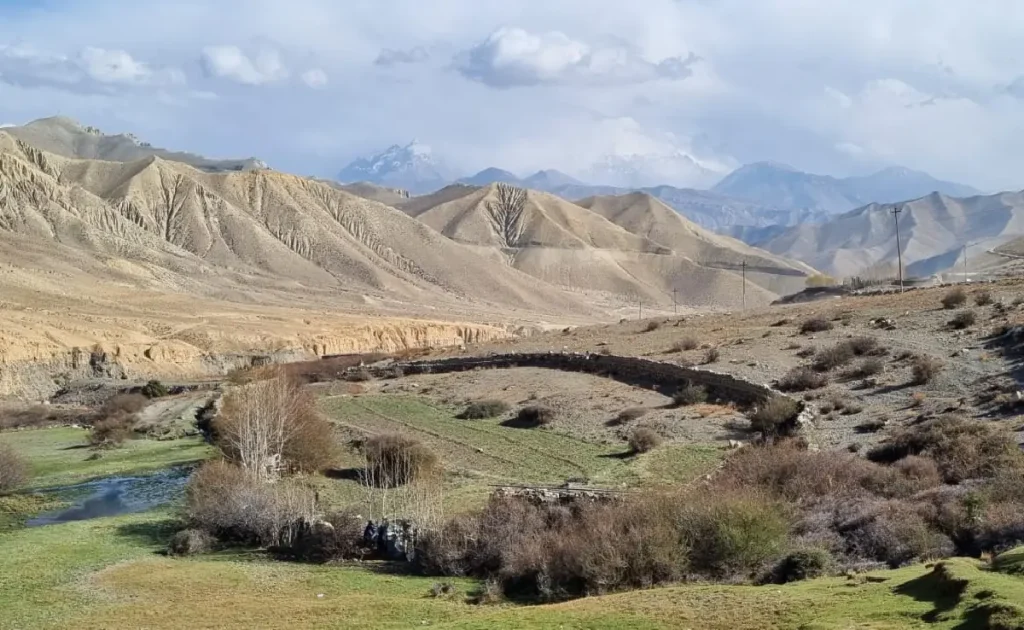
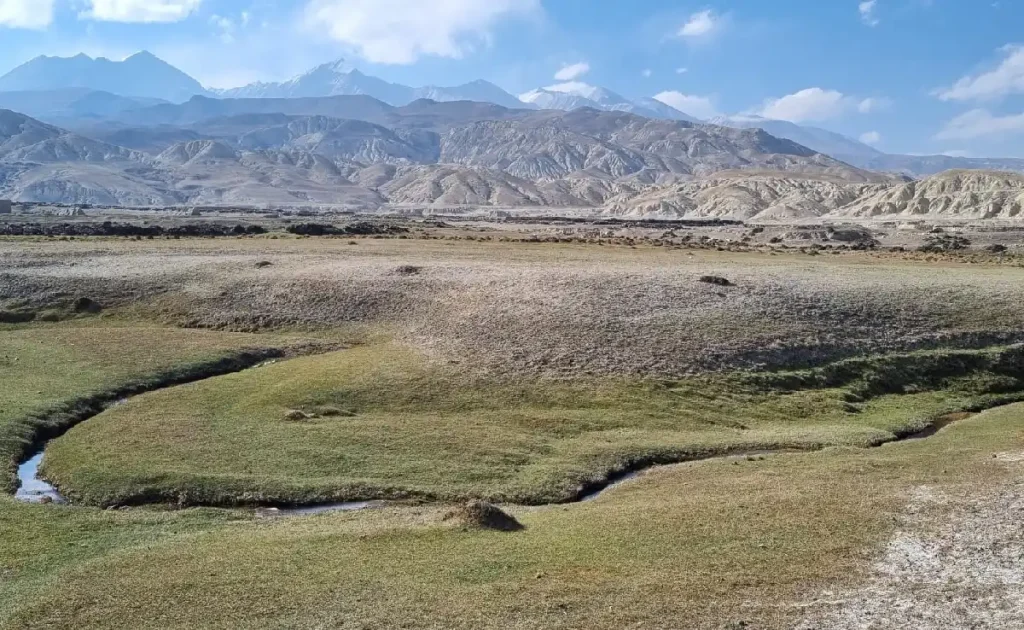
Another rewarding experience is simply walking through the landscape. The combination of high mountains, traditional settlements, grazing lands, and ancient trails creates a strong sense of place.

Humla is therefore ideal for travelers who want to experience culture as part of everyday life, rather than simply visit a list of tourist attractions.

Best Time to Visit Humla

Weather plays an important role when planning a trip to Humla. The region’s remote location and high elevation can make travel more difficult during unfavorable weather.

Spring and autumn generally offer good conditions for trekking and cultural journeys. From March to May, temperatures become more comfortable, and the landscape becomes greener and more colorful.

Autumn, from September to November, usually brings clearer skies and good mountain visibility. These conditions make it an excellent season for exploring villages and trekking through the region.

Humla’s rain-shadow areas can also provide trekking opportunities during parts of the monsoon season. However, weather and trail conditions can vary between different parts of the district. Travelers should check current local conditions before planning their journey.

Winter brings colder temperatures and can make high-altitude travel more challenging. Some routes may also become difficult because of snow and freezing conditions.

Humla offers much more than dramatic Himalayan scenery. Its diverse communities, traditional villages, spiritual practices, historic trade routes, and mountain livelihoods create a rich cultural landscape.

The combination of Khas and Tibetan influences makes the region especially interesting. In addition, the remote villages and highland environment provide a closer look at how people have adapted to life in the Himalayas.

For travelers who want to understand Humla culture and experience traditional mountain life, this remote corner of Nepal offers something genuinely different.

Humla may require more time and effort to reach than Nepal’s popular destinations. However, that journey is part of the experience. The reward is an opportunity to explore a region where culture, community, and the mountains remain closely connected.

Bhairav Kunda Trek: A Sacred Journey Through the Himalayas

Bhairav Kunda Trek

Why Choose the Bhairav Kunda Trek?

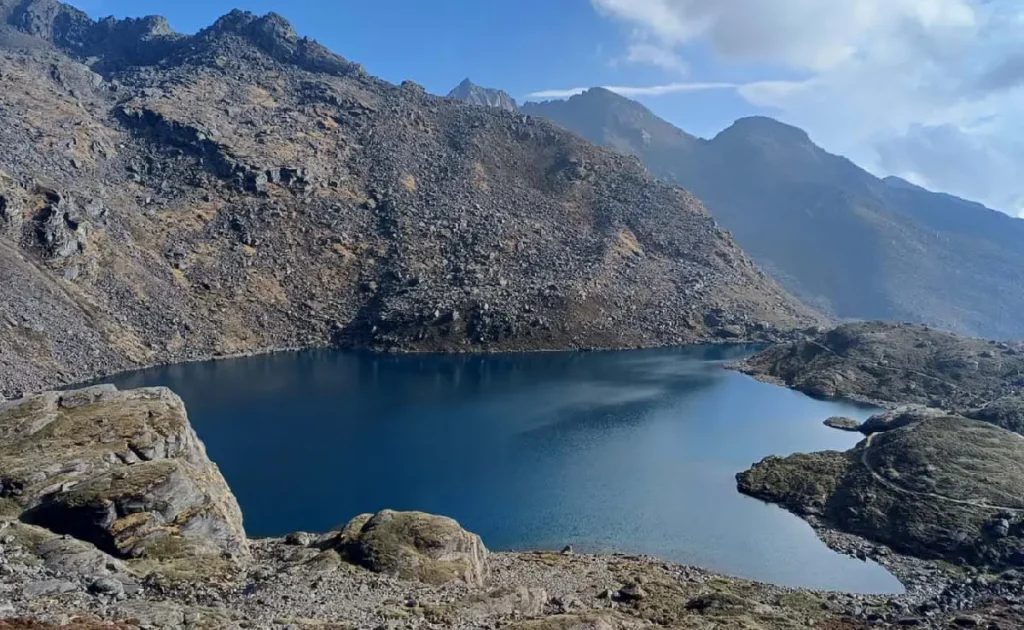
Nepal offers many trekking routes, but the Bhairav Kunda Trek stands out for its combination of mountain scenery and spiritual significance. The trail leads to Bhairav Kunda Lake, a sacred alpine lake named after Bhairav, a fierce form of Lord Shiva. Many devotees consider the lake spiritually significant and visit it as a pilgrimage site.

The trail also offers beautiful views of the Jugal Himal, Gaurishankar, Dorje Lakpa, and surrounding high ridges. Since fewer trekkers visit this route, you can enjoy a quieter and more peaceful experience than on many of Nepal’s popular trekking trails.

Major Highlights of the Bhairav Kunda Trek

Bhairav Kunda Lake

The main attraction of the trek is Bhairav Kunda Lake itself. The lake sits in a beautiful alpine landscape surrounded by mountains and open high-altitude terrain. Its peaceful setting makes it an ideal place to rest and enjoy the natural surroundings.

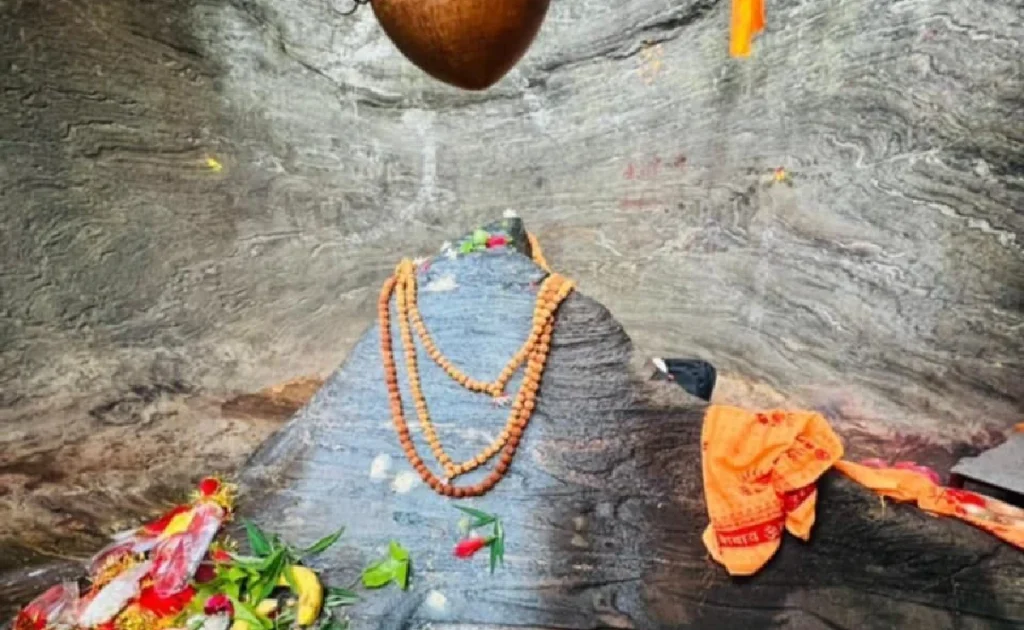
The lake also holds deep religious importance for local communities and Hindu and Buddhist pilgrims. During Janai Purnima, many devotees visit Bhairav Kunda and take ritual dips in the sacred water.

Spectacular Himalayan Views

The trek rewards you with impressive views of several Himalayan ranges. On clear days, you can see the Jugal Himal, Gaurishankar, and Dorje Lakpa. You may also catch views toward the Tibetan Plateau from higher sections of the route.

These mountain views give the Bhairav Kunda Trek a true Himalayan atmosphere. The scenery feels even more impressive because the trek takes place over a relatively short distance.

Villages, Forests, and Alpine Landscapes

The route takes you through a variety of landscapes. You will pass through traditional Tamang and Sherpa villages, forests, farmland, alpine meadows, and rocky terrain.

As you gain altitude, the landscape gradually changes. Green vegetation gives way to open hills and more rugged terrain near the lake. This variety keeps the trail interesting throughout the journey.

Trekking Experience and Trail Atmosphere

The Bhairav Kunda Trek offers a moderate trekking experience, but the high altitude makes the final ascent more demanding. You need reasonable physical fitness to handle the uphill sections comfortably.

The trail changes as you climb higher. Lower sections often feature wider paths and more vegetation. Higher sections become steeper and more exposed, with fewer trees and more alpine terrain.

The peaceful atmosphere adds another attraction to the trek. You can walk through quiet forests, pass local villages, and enjoy long stretches of mountain scenery without the crowds found on Nepal’s more famous trekking routes.

When you finally reach Bhairav Kunda Lake, the open landscape creates a calm and almost meditative atmosphere. The combination of the sacred lake, mountain air, and surrounding peaks makes the journey especially rewarding.

Things to Do at Bhairav Kunda

Once you reach Bhairav Kunda Lake, take some time to enjoy the peaceful surroundings. Sit near the shore, admire the mountains, and appreciate the quiet atmosphere before continuing your journey.

Pilgrims can also learn about the religious traditions associated with the lake. During Janai Purnima, devotees visit the area to perform rituals and take a sacred dip in the lake.

The trek also offers plenty of opportunities for photography. The lake, surrounding ridges, changing clouds, villages, forests, and distant Himalayan peaks create beautiful scenes throughout the day.

If you enjoy cultural experiences, take time to observe village life along the route. Meeting local people and seeing traditional settlements can add another dimension to your trekking experience.

Best Time to Visit Bhairav Kunda

Spring and autumn are the best seasons for the Bhairav Kunda Trek. During these months, the weather usually remains clearer, and the trails offer better conditions for trekking. You can also enjoy clearer views of the surrounding Himalayan peaks.

Spring, from March to May, brings pleasant temperatures and colorful vegetation to the lower sections of the trail. Autumn, from September to November, usually offers stable weather and excellent mountain visibility.

Janai Purnima falls during the monsoon season and brings many pilgrims to Bhairav Kunda. However, heavy rainfall can make the trails slippery and increase the risk of landslides. Trekkers should take extra care if they plan to visit during this period.

Winter can also offer beautiful views and a peaceful experience. However, temperatures drop significantly at higher elevations, and snow can make some sections more challenging.

For the best combination of comfortable trekking conditions and mountain views, spring and autumn remain the ideal seasons to visit Bhairav Kunda.

Travel Tips for Trekkers

Bhairav Kunda sits at an elevation of more than 4,000 meters, so you should take altitude seriously. Even though the trek does not take as long as many famous Himalayan routes, the elevation can make the climb physically demanding.

Walk at a steady pace and avoid rushing the final ascent. Drink enough water throughout the trek and give your body time to adjust to the increasing altitude. If you experience symptoms of altitude sickness, do not ignore them.

Accommodation and food facilities can be basic along the route. Teahouses may not operate in every section, so check the available facilities before starting your trek and carry the essentials you need.

Mountain weather can change quickly. Pack warm and waterproof clothing, even when the weather looks favorable at the beginning of the trek. Good trekking shoes, a warm sleeping bag, a headlamp, and basic first-aid supplies can also make the journey more comfortable.

You should also plan your transportation carefully. Some roads leading toward the trailhead can be rough, especially during the monsoon season.

Finally, remember that Bhairav Kunda is a sacred site. Respect local customs, keep the surroundings clean, and avoid disturbing religious activities or sacred areas.

The Bhairav Kunda Trek offers a unique combination of Himalayan scenery, cultural experiences, and spiritual significance. The route takes you through traditional villages, forests, alpine landscapes, and rugged mountain terrain before reaching the peaceful shores of Bhairav Kunda Lake.

For trekkers looking for a quieter alternative to Nepal’s crowded trekking routes, Bhairav Kunda offers an excellent experience. Its short duration also makes it an attractive option for travelers who want to experience the Himalayas without committing to a long expedition.

With beautiful mountain views, a sacred alpine lake, and a peaceful trail, Bhairav Kunda is one of the rewarding short treks near Kathmandu.