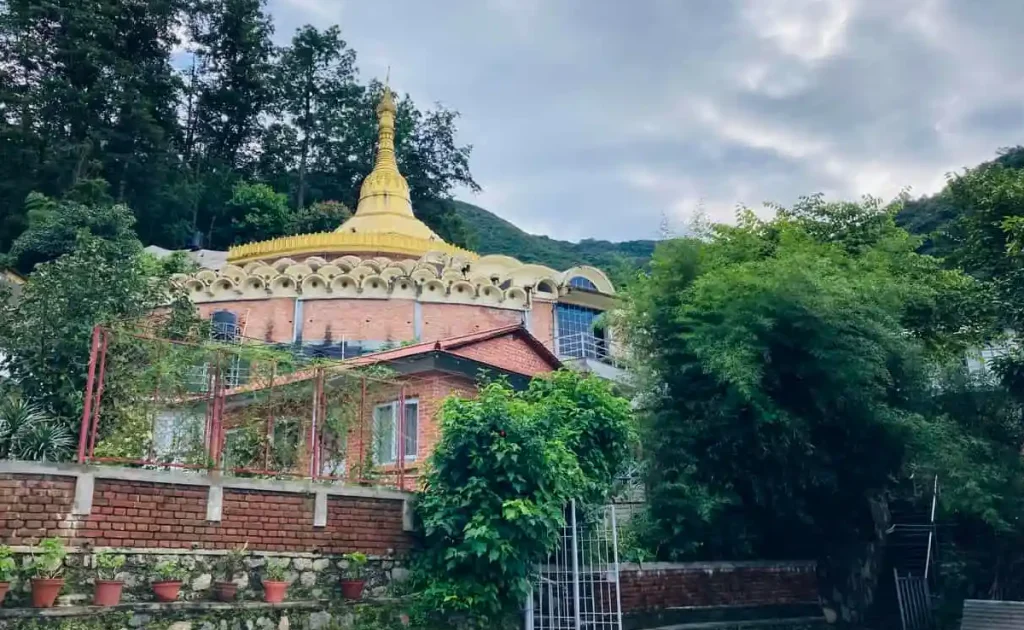
Buddhist Tradition: Festivals, Culture & Spirituality in Nepal

Buddhist Festival in Nepal

Nepal has a special place in Buddhist history and culture. Lumbini, in present-day Nepal, is traditionally recognized as the birthplace of Siddhartha Gautama, the Buddha. Buddhist festivals in Nepal bring this heritage to life through prayers, ceremonies, processions, music, and traditional celebrations.

Throughout the year, monasteries, stupas, and sacred sites across the country welcome devotees and visitors. These celebrations offer travelers a chance to experience Nepal’s Buddhist heritage and learn about local traditions. They also reflect important Buddhist values such as compassion, wisdom, peace, generosity, and harmony.

Significance of Buddhist Festivals in Nepal

Buddhist festivals play an important role in the religious and cultural life of Nepal. They help communities preserve traditions and pass them from one generation to the next. At the same time, they give devotees opportunities to practice generosity, kindness, meditation, and mindfulness.

Many celebrations include visits to monasteries and stupas. Devotees may light butter lamps, offer flowers, pray, chant sacred texts, and take part in religious processions. These activities also bring families and communities together.

Furthermore, Buddhist festivals contribute to Nepal’s cultural tourism. Visitors can experience religious ceremonies while learning about the country’s diverse Buddhist traditions. For travelers interested in history, culture, and spirituality, these celebrations offer a different way to discover Nepal.

Major Buddhist Festivals Celebrated in Nepal

Nepal celebrates many Buddhist festivals throughout the year. Some have national importance, while others remain closely connected to particular ethnic groups and communities.

Here are some of the most significant celebrations travelers can experience.

Buddha Jayanti: Celebrating the Life of the Buddha

Buddha Jayanti is one of the most important Buddhist festivals in Nepal. The festival commemorates three major events in the life of Siddhartha Gautama: his birth, enlightenment, and Mahaparinirvana.

Buddha Jayanti falls on the full moon of the month of Baisakh. Devotees gather at Buddhist temples, monasteries, and stupas to offer prayers and take part in religious activities.

Lumbini hosts some of the largest celebrations because of its connection to the Buddha’s birth. Monasteries and temples organize prayer ceremonies, meditation sessions, teachings, and processions. Devotees also offer flowers, butter lamps, candles, and other offerings.

Kathmandu also becomes lively during Buddha Jayanti. Large gatherings take place around Boudhanath Stupa and Swayambhunath. Thousands of devotees visit these sacred sites to pray and pay their respects.

For visitors, Buddha Jayanti offers a unique opportunity to witness Buddhist traditions in Nepal. The atmosphere combines devotion, community, and peaceful celebration.

Lhosar Festivals: Celebrating the Himalayan New Year

Lhosar refers to New Year celebrations observed by several Himalayan communities in Nepal. Different communities celebrate different forms of Lhosar, and each has its own traditions and calendar.

Sonam Lhosar

The Tamang community celebrates Sonam Lhosar as an important New Year festival. Families and communities come together for traditional food, music, dance, religious ceremonies, and social gatherings.

Tamang communities often decorate their surroundings and wear traditional clothing during the celebrations. The festival provides an opportunity for younger generations to connect with their cultural heritage.

Gyalpo Lhosar

Tibetan and Sherpa communities celebrate Gyalpo Lhosar according to the Tibetan calendar. Monasteries hold prayers and religious ceremonies to welcome the New Year.

During the festival, people may light butter lamps, make offerings, raise prayer flags, and gather for cultural performances. Families also come together to share food and exchange good wishes.

Tamu Lhosar

The Gurung community celebrates Tamu Lhosar as its New Year festival. Traditional music, dance, food, and community gatherings form an important part of the celebration.

The festival allows Gurung communities to celebrate their heritage and strengthen connections between families and generations.

Gunla Festival: A Sacred Newar Buddhist Tradition

Gunla is an important festival in Newar Buddhism, particularly in the Kathmandu Valley. The festival follows the Nepal Sambat lunar calendar and centers on religious devotion, discipline, and spiritual practice.

During Gunla, devotees visit Buddhist temples, monasteries, and sacred sites, often beginning their religious activities early in the morning. Boudhanath and Swayambhunath become important gathering places during the festival.

One of the most recognizable features of Gunla is Gunla Baja, a traditional musical tradition performed during religious processions. The sound of devotional music fills the streets as groups visit sacred sites.

For travelers interested in Newar Buddhist culture, Gunla offers a fascinating glimpse into the living religious traditions of the Kathmandu Valley.

Samyak Festival: A Celebration of Generosity

Samyak is one of the important festivals of Newar Buddhism. The celebration has a strong connection with generosity, compassion, and community.

The festival is particularly associated with Patan. One of its most notable features is the public display of numerous images of Dipankara Buddha brought from different temples.

Devotees gather to offer food, donations, and prayers. Acts of generosity form a central part of the celebration. The festival also brings different communities together and strengthens social connections.

For visitors interested in Newar Buddhist heritage, Samyak provides an opportunity to learn about religious traditions that have developed in the Kathmandu Valley over centuries.

Mani Rimdu Festival: Buddhist Tradition in the Everest Region

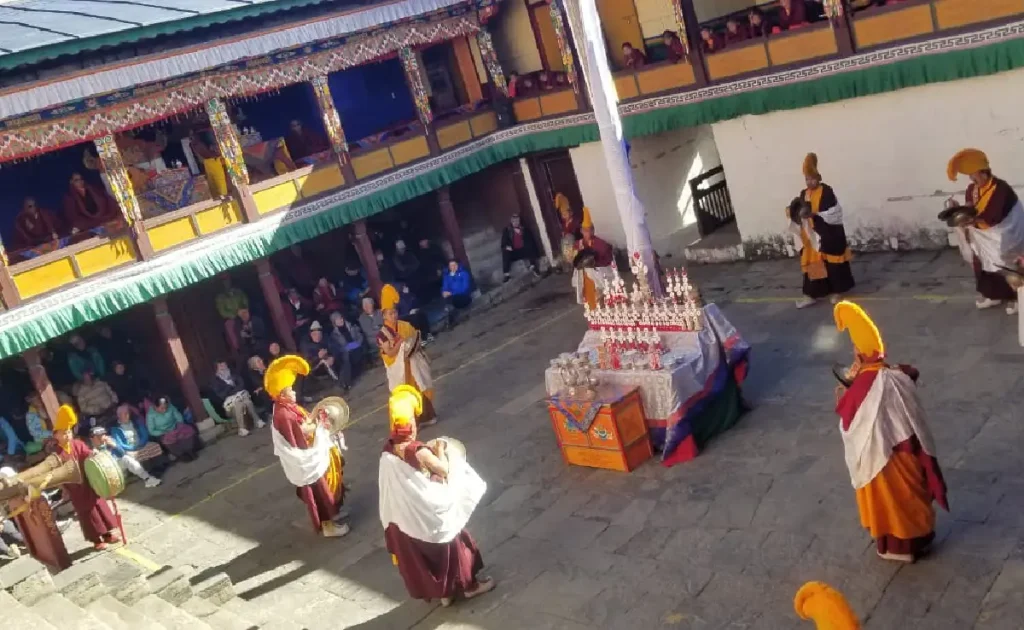
Mani Rimdu is one of the best-known Buddhist festivals in Nepal’s Himalayan region. The Sherpa community celebrates the festival, particularly at Tengboche Monastery in the Everest region.

Monks perform elaborate religious rituals, prayers, and sacred mask dances during the celebration. The dances represent important Buddhist teachings and stories.

The festival also includes blessings and ceremonies that bring monks and local communities together. Its traditions reflect the strong connection between Sherpa culture and Tibetan Buddhism.

For trekkers in the Everest region, Mani Rimdu can provide a rare opportunity to experience Himalayan Buddhist culture beyond the mountain landscape itself. However, travelers should remember that the festival remains a religious event first and a tourist experience second.

Travel Tips for Experiencing Buddhist Festivals

Visitors can enjoy Buddhist festivals in Nepal while respecting the communities and traditions around them. A few simple practices can make the experience more meaningful.

  • Check the festival dates in advance. Many Buddhist festivals follow lunar calendars, so their dates change each year. Confirm the dates before planning your trip.
  • Dress respectfully. Wear modest clothing when visiting monasteries, temples, and other religious sites.
  • Arrive early. Popular celebrations can attract large crowds. Arriving early can help you find a suitable place to observe the ceremonies.
  • Ask before taking photographs. Photography may be welcome in many places, but visitors should ask permission before photographing monks, worshippers, or private religious activities.
  • Follow local instructions. Some ceremonies have specific customs for visitors. Watch how local devotees behave and follow the guidance of monks or organizers.
  • Be respectful during ceremonies. Avoid interrupting prayers, processions, or religious rituals for photographs or personal reasons.

By following these simple practices, travelers can experience Nepal’s Buddhist festivals with greater understanding and respect.

Why Experience Buddhist Festivals in Nepal?

Buddhist festivals offer more than colorful celebrations. They provide a window into the beliefs, traditions, and daily lives of Nepal’s Buddhist communities.

Each festival also has its own character. Buddha Jayanti connects visitors with the life and teachings of the Buddha. Lhosar highlights the cultural traditions of Himalayan communities. Gunla and Samyak reveal the richness of Newar Buddhism. Mani Rimdu offers insight into the spiritual traditions of the people in Everest region .

Together, these celebrations show the diversity of Buddhist traditions found across Nepal.

For travelers, attending a festival can also create a deeper connection with the places they visit. Instead of simply seeing a monastery or stupa, visitors can witness how local communities use these sacred spaces as part of their living religious traditions.

Buddhist festivals in Nepal bring together faith, culture, community, and centuries-old traditions. From the sacred sites of Lumbini and Kathmandu to the high Himalayan villages of the Everest region, each celebration offers a different perspective on Buddhist life in Nepal.

These festivals also reflect values that remain central to Buddhist traditions, including compassion, generosity, wisdom, peace, and harmony.

For travelers who want to understand Nepal beyond its mountains and landscapes, experiencing a Buddhist festival can be a memorable part of the journey. With respect and an open mind, visitors can learn about the country’s diverse Buddhist heritage while witnessing traditions that continue to connect communities across generations.
Buddhist Traditions: The Meaning and Significance of Prayer Flags

Prayer flags in Buddhism are one of the most recognizable symbols of Himalayan spiritual culture. In Nepal, you can see these colorful flags around ancient stupas, Buddhist monasteries, mountain villages, and high Himalayan trekking routes.

For many travelers, prayer flags are more than colorful decorations. They represent faith, hope, compassion, and the connection between nature and spirituality. Today, they have become an important part of Nepal’s cultural identity and a memorable sight for visitors exploring the country.

What Are Prayer Flags?

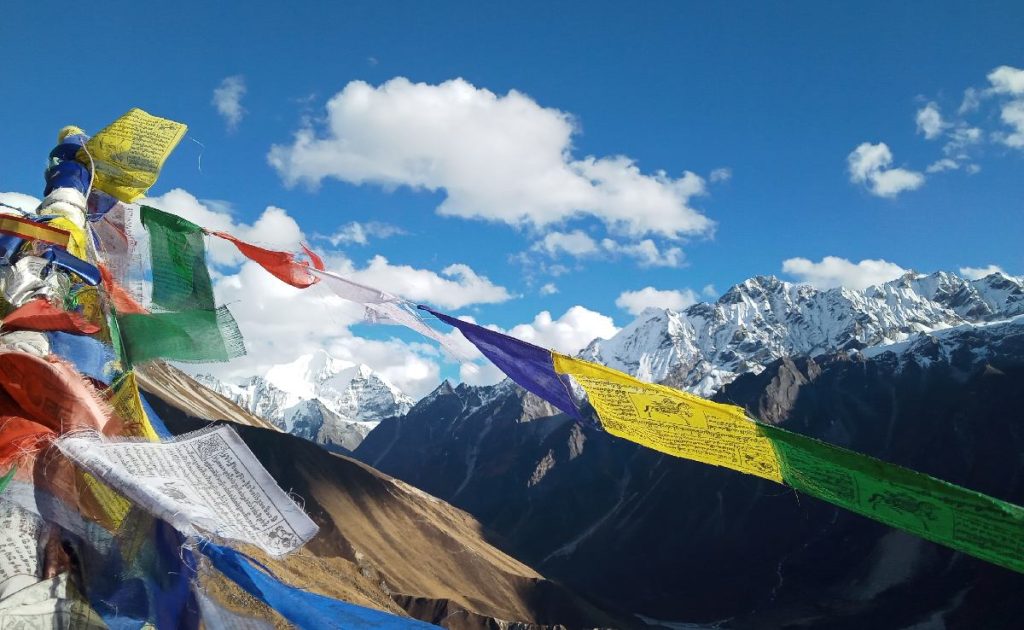
Buddhist prayer flags are colorful pieces of cloth printed with sacred symbols, prayers, and mantras. In Tibetan Buddhist traditions, people commonly refer to them as Lungta, meaning “Wind Horse.” Many practitioners believe that the wind carries the blessings and positive intentions written on the flags into the surrounding world.

People traditionally display prayer flags in two main ways. Horizontal prayer flags hang in rows between trees, buildings, mountain passes, and other high places. Vertical prayer flags hang from poles and often appear near monasteries, temples, and open spaces.

The flags often feature Buddhist symbols, images, and mantras. One of the best-known is Om Mani Padme Hum,” a mantra closely associated with compassion.

The five colors of prayer flags also hold important traditional meanings. They connect the flags with elements of nature and different spiritual qualities:

  • Blue represents the sky and space.
  • White represents air and wind.
  • Red represents fire.
  • Green represents water.
  • Yellow represents earth.

Together, these colors reflect balance, harmony, and the connection between people and the natural world.

Historical Origin of Prayer Flags

Prayer flags have a long history within the Himalayan region. Their development connects with older Himalayan traditions as well as the growth of Tibetan Buddhism. Over time, Buddhist communities incorporated prayer flags into religious practices and gave them the spiritual meaning they hold today.

Buddhist traditions spread across the Himalayan region through centuries of cultural exchange. In Nepal, prayer flags became closely connected with Buddhist communities, monasteries, stupas, and sacred mountain landscapes.

Today, you can find them throughout Nepal, particularly in areas with strong Tibetan Buddhist and Himalayan Buddhist traditions. They appear around monasteries and stupas, along trekking trails, and at mountain passes.

In many Himalayan communities, people display prayer flags as an act of devotion and goodwill. Families may put up new flags during religious festivals, ceremonies, or important moments in life. Through this tradition, they express prayers and positive wishes for themselves, their families, and others.

Spiritual Significance of Prayer Flags in Buddhism

The spiritual meaning of prayer flags lies at the heart of their importance in Tibetan Buddhist traditions. People use them to express wishes for peace, compassion, wisdom, and the well-being of all living beings.

Many practitioners believe that the wind carries the prayers and mantras printed on the flags. As the flags move, the prayers symbolically spread into the surrounding environment.

The gradual fading of the flags also carries meaning. Rather than viewing old and faded flags as something negative, Buddhist traditions can connect this natural process with impermanence, an important Buddhist principle. Wind, sunlight, and rain slowly wear down the fabric, reminding people that everything in life changes.

The constant movement of the flags can also serve as a reminder of the changing nature of life. Their presence encourages reflection on compassion, mindfulness, and the connection between people and their surroundings.

For visitors, thousands of prayer flags moving against a Himalayan landscape can create a peaceful and emotional experience. However, their significance goes much deeper than their visual beauty.

Prayer Flags in Nepal as a Cultural Attraction

Prayer flags are among the most recognizable visual symbols of Himalayan Buddhist culture. Their bright colors create a striking contrast with ancient temples, monasteries, villages, and snow-covered mountains.

Travelers can see prayer flags in many parts of Nepal. In the Kathmandu Valley, Boudhanath Stupa and Swayambhunath offer some of the most famous places to experience Buddhist culture and see prayer flags. Pilgrims, monks, local residents, and travelers visit these sacred sites throughout the year.

Prayer flags also appear along some of Nepal’s most popular trekking routes. Travelers heading toward Everest Base Camp encounter them around mountain villages, monasteries, bridges, and high-altitude landscapes. The Everest region, including places such as Namche Bazaar, offers many opportunities to see prayer flags against dramatic Himalayan scenery.

Similarly, trekkers on the Annapurna Circuit can encounter prayer flags around villages, monasteries, bridges, and mountain passes. Their presence adds a distinctive cultural character to the Himalayan landscape.

For many travelers, seeing prayer flags fluttering in the mountain wind becomes one of the memorable moments of a Nepal trip. Some visitors also purchase small prayer flags as souvenirs. However, it is important to understand their religious significance rather than treating them only as decorative objects.

Respecting Prayer Flags and Local Traditions

Although prayer flags have become popular with travelers, they remain sacred religious objects for many Buddhist communities. Visitors should therefore treat them with care and respect.

People traditionally place prayer flags in high locations so the wind can carry the prayers and positive intentions. Do not step on prayer flags or place them directly on the ground. If a flag has fallen onto a path, avoid walking over it.

Travelers should also show respect when taking photographs around monasteries, stupas, and other religious sites. Some locations may have specific customs or restrictions, so it is always better to observe local practices.

Learning about the meaning behind prayer flags can make a visit to Nepal more meaningful. Instead of seeing them simply as colorful decorations, travelers can appreciate them as part of a living cultural and spiritual tradition.

Why Are Prayer Flags Important in Nepal?

Prayer flags connect Nepal’s natural landscapes with its rich spiritual traditions. You can find them in busy areas of Kathmandu as well as in remote Himalayan villages. Their presence across such different environments shows how deeply Buddhist traditions have become part of the cultural landscape of Nepal.

For travelers, they also provide a glimpse into the beliefs and traditions of the communities they encounter during their journey. A line of flags above a mountain trail or beside a centuries-old stupa can tell a story about faith, nature, and the passage of time.

Prayer flags are much more than colorful pieces of cloth. They express prayers, compassion, hope, and positive intentions while reflecting important ideas within Tibetan Buddhist traditions.

From the ancient stupas of Kathmandu to the high mountain trails of the Himalayas, prayer flags have become an unforgettable part of the Nepalese landscape. Their movement in the wind reminds us of change, connection, and the relationship between people and nature.

For anyone exploring Nepal, taking a moment to understand the meaning behind these flags can add a deeper cultural dimension to the journey. Their colors may catch your eye first, but their spiritual and cultural significance is what makes them truly special.

Shopping Malls in Kathmandu: 7 Best Places to Visit and shop

Places for shopping in Kathmandu

Kathmandu is famous for its ancient temples, bustling markets, and UNESCO World Heritage Sites. However, the city also offers a modern side that many visitors overlook. Over the past decade, shopping malls in Kathmandu have become popular destinations for shopping, dining, and entertainment. They combine international brands, local boutiques, restaurants, cinemas, and family-friendly attractions, making them perfect places to spend a relaxing afternoon.

Whether you are searching for the latest fashion, electronics, souvenirs, or simply a comfortable place to unwind, Kathmandu’s shopping malls have something for everyone. Many of these malls are conveniently located near major tourist areas, allowing visitors to combine sightseeing with a modern shopping experience.

In this guide, you’ll discover the seven best shopping malls in Kathmandu, along with useful tips to help you enjoy your visit.

Why Visit Shopping Malls in Kathmandu?

Modern shopping malls offer much more than retail stores. Today, they serve as social and entertainment hubs where families, friends, and travellers gather to shop, eat, watch movies, and relax.

Most shopping malls in Kathmandu provide air-conditioned interiors, spacious parking, cafés, restaurants, cinemas, children’s play areas, and a wide variety of local and international brands. As a result, they offer a comfortable escape from the busy streets, especially during hot afternoons or the monsoon season.

For international visitors, these malls also provide an opportunity to experience Nepal’s modern lifestyle. Alongside well-known international brands, you’ll find locally made handicrafts, clothing, beauty products, and souvenirs. Therefore, shopping malls are an excellent place to experience both traditional and contemporary Nepal.

The 7 Best Shopping Malls in Kathmandu

From premium shopping centres to popular local malls, Kathmandu Valley offers plenty of choices. Here are the best shopping malls worth visiting during your stay.

1. Durbar Marg Trade Center

Located along the prestigious Durbar Marg, the Durbar Marg Trade Center sits in one of Kathmandu’s most fashionable commercial districts. Surrounded by luxury hotels, cafés, restaurants, and designer stores, it attracts both locals and international visitors throughout the year.

The shopping centre features fashion boutiques, lifestyle brands, beauty stores, and speciality shops. Moreover, its central location makes it easy to visit while exploring nearby attractions such as the Garden of Dreams or Narayanhiti Palace Museum.

If you enjoy premium shopping in a relaxed atmosphere, this is an excellent place to begin your shopping experience in Kathmandu.

Highlights

  • Fashion and lifestyle stores
  • Central location
  • Nearby cafés and restaurants
  • Easy access from Thamel and Durbar Marg

2. Civil Mall

Civil Mall, located near Sundhara, has been one of Kathmandu’s most popular shopping destinations for many years. Thanks to its convenient location and affordable shopping options, it remains a favourite among locals, students, and families.

The mall offers several floors of retail stores selling clothing, footwear, electronics, cosmetics, and household goods. In addition, visitors can enjoy restaurants, cafés, and a multiplex cinema, making it an ideal destination for a full day of entertainment.

Because of its wide selection of products and reasonable prices, Civil Mall is an excellent choice for travellers looking to shop without spending a fortune.

Highlights

  • Affordable shopping
  • Multiplex cinema
  • Restaurants and cafés
  • Convenient city location

3. Kathmandu Mall

Situated in the heart of Kathmandu near Tripureshwor, Kathmandu Mall is one of the city’s longest-established shopping centres. Its central location makes it easily accessible for office workers, students, and tourists exploring the surrounding area.

Inside, you’ll find fashion outlets, electronics stores, bookstores, restaurants, mobile phone shops, and various service providers. The mall caters to different budgets, allowing visitors to browse everything from everyday essentials to branded products.

Furthermore, its location close to several major attractions makes it a convenient stop during a day of sightseeing.

Highlights

  • Central location
  • Fashion and electronics
  • Restaurants and cafés
  • Suitable for every budget

4. City Center

Located in Kamalpokhari, City Center combines modern architecture with a lively shopping atmosphere. It has become one of Kathmandu’s most stylish shopping complexes, attracting visitors who enjoy fashion, dining, and entertainment.

The mall features clothing stores, beauty salons, cafés, restaurants, bookstores, and lifestyle brands. Throughout the year, City Center also hosts promotional events, exhibitions, and seasonal celebrations, creating a vibrant atmosphere for visitors.

Its proximity to Durbar Marg makes it an excellent place to relax after exploring Kathmandu’s cultural attractions.

Whether you want to enjoy a coffee, shop for clothing, or simply spend a few hours indoors, City Center offers something for everyone.

Highlights

  • Fashion and lifestyle shopping
  • Excellent dining options
  • Seasonal events and exhibitions
  • Modern shopping environment

5. Labim Mall

Located in Pulchowk, Lalitpur, Labim Mall is one of the most modern and upscale shopping malls in Kathmandu Valley. Its spacious design, clean environment, and excellent mix of international and Nepali brands make it a favourite among locals, expatriates, and tourists.

The mall offers a wide variety of fashion boutiques, beauty stores, bookstores, electronics shops, and lifestyle brands. In addition, visitors can enjoy numerous cafés and restaurants serving both Nepali and international cuisine.

Labim Mall also hosts seasonal exhibitions, live performances, cultural events, and weekend markets throughout the year. Therefore, every visit offers something new beyond shopping.

Whether you are looking for premium fashion or a relaxing place to spend the afternoon, Labim Mall provides one of the best shopping experiences in Kathmandu.

Highlights

  • Premium shopping experience
  • International and local brands
  • Restaurants and cafés
  • Cultural events and exhibitions

6. KL Tower

Located in Chabahil, KL Tower has quickly become one of Kathmandu’s most popular destinations for shopping and entertainment. Its modern facilities and lively atmosphere make it especially attractive for young people and families.

The shopping complex features clothing stores, electronics outlets, supermarkets, beauty shops, and various lifestyle brands. Furthermore, the spacious food court offers everything from traditional Nepali dishes to international fast food and cafés.

One of the biggest attractions is the cinema complex, where visitors can enjoy the latest Nepali and international movies. As a result, KL Tower is an excellent place to spend an entire afternoon with family or friends.

Highlights

  • Modern shopping environment
  • Large food court
  • Multiplex cinema
  • Family-friendly atmosphere

7. Bhat-Bhateni Super Market and Department Store

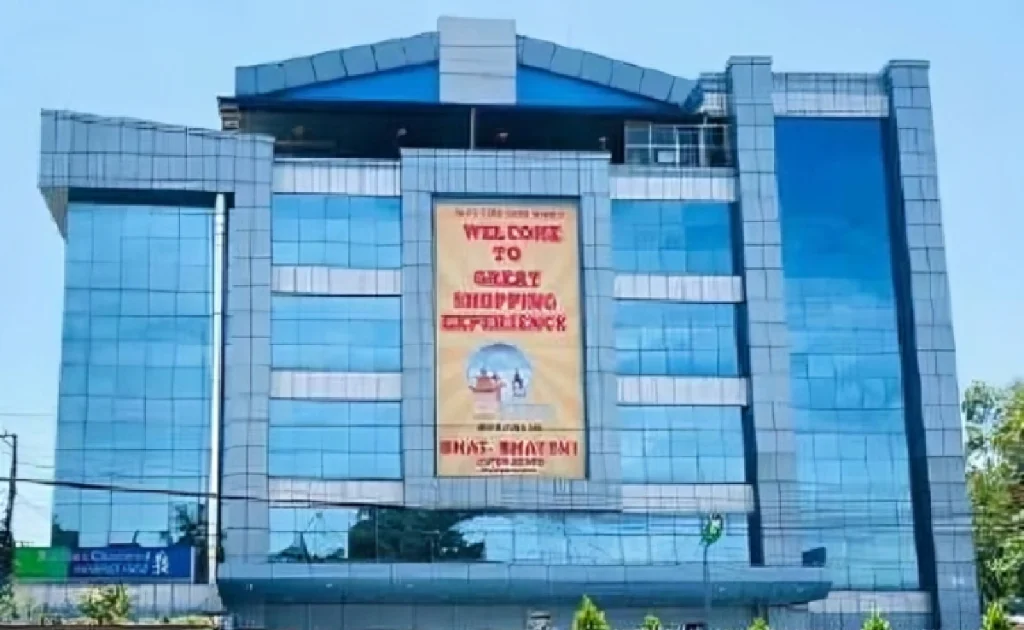
No list of shopping malls in Kathmandu would be complete without mentioning Bhat-Bhateni Super Market and Department Store. As Nepal’s largest retail chain, it has transformed the country’s shopping culture and continues to expand with branches across Kathmandu Valley.

Unlike a traditional shopping mall, Bhat-Bhateni is a modern department store where visitors can purchase almost everything under one roof. From groceries and fresh produce to electronics, clothing, cosmetics, household goods, and imported products, the selection is impressive.

Its fixed prices, excellent product variety, and convenient locations make it a favourite among both locals and international visitors. Many travellers also visit Bhat-Bhateni to buy Nepali snacks, gifts, and everyday essentials before continuing their journey.

Highlights

  • Nepal’s largest retail chain
  • Groceries, fashion, electronics, and household goods
  • Multiple locations across Kathmandu Valley
  • Convenient one-stop shopping

Shopping, Dining, and Entertainment

One of the biggest advantages of visiting shopping malls in Kathmandu is that they offer much more than shopping. Most malls feature a wide range of restaurants, cafés, bakeries, and food courts where visitors can enjoy both local and international cuisine.

Whether you are craving authentic Nepali food, Asian dishes, Italian pizza, or a quick coffee break, you will find plenty of options. In addition, many malls include cinemas, children’s play areas, gaming zones, and seasonal events that make them enjoyable destinations for the whole family.

For travellers, these modern shopping centres provide a comfortable place to relax after a busy day of sightseeing. They also offer clean facilities, convenient parking, and a pleasant indoor environment throughout the year.

Best Time to Visit Shopping Malls in Kathmandu

You can visit shopping malls in Kathmandu at any time of the year. However, the shopping experience becomes even more exciting during Nepal’s major festivals.

During Dashain, Tihar, and the Nepali New Year, most malls decorate their interiors and offer attractive discounts, promotional events, and cultural performances. These festive celebrations create a lively atmosphere for both locals and visitors.

If you prefer a quieter shopping experience, weekdays are usually the best time to visit. Shopping in the morning or early afternoon also allows you to avoid the evening crowds.

Shopping Tips for Visitors

To make the most of your shopping experience, keep these useful tips in mind:

  • Visit on weekdays for a quieter atmosphere.
  • Carry both cash and a bank card, as payment options may vary between stores.
  • Compare prices before purchasing expensive electronics or branded products.
  • Look for seasonal discounts during major Nepali festivals.
  • Combine your shopping trip with nearby attractions such as Thamel, Durbar Marg, or Patan for a full day of sightseeing.

By planning ahead, you can enjoy a relaxed and rewarding shopping experience while exploring the modern side of Kathmandu.

Although Kathmandu is famous for its temples, heritage sites, and traditional markets, its modern shopping centres provide another exciting way to experience the city. From premium lifestyle destinations like Labim Mall and City Center to the convenience of Civil Mall, KL Tower, and Bhat-Bhateni, every shopping centre offers something unique.

Whether you want to shop for fashion, enjoy local and international cuisine, watch the latest movie, or simply spend a relaxing afternoon indoors, shopping malls in Kathmandu provide a comfortable and enjoyable experience for every traveller.

Next time you visit Nepal’s capital, set aside a few hours to explore these modern shopping destinations. They perfectly complement Kathmandu’s rich cultural heritage and offer a different perspective on the city’s vibrant lifestyle.


Wellness and Health: Discover Vipassana Meditation in Kathmandu

Vipassana Meditation Kathmandu

Nepal attracts millions of visitors with its Himalayan mountains, ancient temples, and rich spiritual traditions. However, many travellers now come for another reason. They seek peace, reconnect with themselves, and discover mindfulness through Vipassana meditation. Today, Vipassana meditation in Kathmandu has become one of Nepal’s most sought-after spiritual experiences.

The Kathmandu Valley offers peaceful monasteries, meditation centres, and quiet hilltop retreats where visitors can step away from busy daily life. Whether you are a beginner or an experienced meditator, the valley provides an ideal setting for self-discovery.

What Is Vipassana Meditation?

Vipassana is one of the world’s oldest meditation techniques. It originated from the teachings of the Buddha more than 2,500 years ago. The word Vipassana means “to see things as they truly are.”

Unlike guided relaxation or visualisation exercises, Vipassana encourages practitioners to observe their thoughts, emotions, and physical sensations without reacting to them. This simple but powerful practice helps develop mindfulness, emotional balance, and inner awareness.

Most Vipassana courses follow a structured daily routine. Participants observe Noble Silence, avoid distractions, and spend several hours each day practising meditation. Over time, many people report greater mental clarity, improved concentration, and reduced stress.

Why Choose Kathmandu for Vipassana Meditation?

The Kathmandu Valley has served as Nepal’s spiritual centre for centuries. Ancient monasteries, sacred stupas, and forested hills create an atmosphere that naturally supports meditation and reflection.

Today, Vipassana meditation Kathmandu attracts travellers from around the world. Many visitors combine meditation retreats with visits to UNESCO World Heritage Sites, Buddhist monasteries, and traditional villages.

Places such as Boudhanath Stupa and Swayambhunath offer peaceful surroundings filled with prayer flags, spinning prayer wheels, and the sound of monks chanting. These sacred places inspire mindfulness even before a retreat begins.

Best Vipassana Meditation Centres in Kathmandu Valley

Kathmandu Valley offers several excellent meditation centres. Each one provides a different atmosphere while following the same core principles of Vipassana practice.

Dhamma Shringa – Budhanilkantha

Dhamma Shringa is Nepal’s largest and best-known Vipassana meditation centre. It sits on the peaceful slopes of Shivapuri National Park, about 12 kilometres north of Kathmandu.

The centre regularly organises traditional 10-day courses as well as shorter programmes. Fresh mountain air, forest surroundings, and a quiet environment allow participants to focus entirely on meditation.

Dhamma Kitti – Kirtipur

Dhamma Kitti lies in the historic town of Kirtipur, only a short drive from central Kathmandu.

Its smaller size creates a more intimate environment for meditation. The centre welcomes both beginners and experienced practitioners who want to develop mindfulness without travelling far from the city.

Dhamma Nibha – Kakani

Dhamma Nibha sits in the peaceful hills of Kakani, around one hour from Kathmandu.

The centre overlooks beautiful forests and mountain landscapes. Its natural surroundings encourage relaxation and deep concentration. Visitors often appreciate the cool climate, fresh air, and quiet setting throughout their retreat.

Anandakuti Vihar – Swayambhu

Anandakuti Vihar stands near the famous Swayambhunath Stupa, also known as the Monkey Temple.

Although it functions primarily as a Buddhist monastery, it also welcomes visitors interested in meditation and Buddhist philosophy. Its historic atmosphere makes it an excellent place to experience Nepal’s living spiritual heritage.

Benefits of Joining a Vipassana Retreat

Many people choose Vipassana meditation Kathmandu to improve their mental and emotional well-being.

Regular meditation helps reduce stress and anxiety. It also improves concentration, emotional stability, and self-awareness.

Participants learn how to observe their thoughts without judgement. As a result, they often develop greater patience, resilience, and inner peace.

Many visitors describe a Vipassana retreat as one of the most meaningful experiences of their journey through Nepal.

What to Expect During a Retreat

Most traditional Vipassana courses follow a clear daily schedule.

Participants wake early, meditate for several hours, eat simple vegetarian meals, and spend the day practising mindfulness. Mobile phones, books, music, and unnecessary conversations remain outside the meditation environment.

Although the schedule requires discipline, many participants discover that the quiet routine helps them focus more deeply and understand themselves better.

Best Time to Visit

Spring and autumn offer the best conditions for Vipassana meditation Kathmandu.

From March to May, visitors enjoy pleasant temperatures, blooming flowers, and clear skies. September to November also provides comfortable weather and excellent mountain views.

Winter offers another good option for travellers seeking extra peace and fewer crowds, although temperatures become cooler in the surrounding hills.

Travel Tips for Meditation Visitors

Pack comfortable clothing that allows you to sit for long periods. Choose simple outfits that respect local customs and monastery rules.

Register early because many courses fill quickly, especially during spring and autumn.

Before visiting monasteries or meditation centres, learn about local customs and dress modestly. Respect the rules of silence and follow the instructions given by teachers.

Finally, combine your retreat with visits to Boudhanath Stupa, Pashupatinath Temple, Patan Durbar Square, or Swayambhunath. These sacred places will deepen your understanding of Nepal’s spiritual heritage.

At last, Vipassana meditation Kathmandu offers far more than a meditation course. It provides an opportunity to slow down, reflect, and reconnect with yourself in one of the world’s most spiritual destinations.

Whether you choose Dhamma Shringa, Dhamma Kitti, Dhamma Nibha, or Anandakuti Vihar, each centre offers a unique path towards mindfulness and inner peace.

For travellers seeking more than sightseeing, Kathmandu Valley delivers an unforgettable combination of meditation, Buddhist culture, natural beauty, and genuine hospitality. A Vipassana retreat may become the most meaningful part of your journey through Nepal.