Nepal Diaries – Trekking, Festivals, and Adventures in May

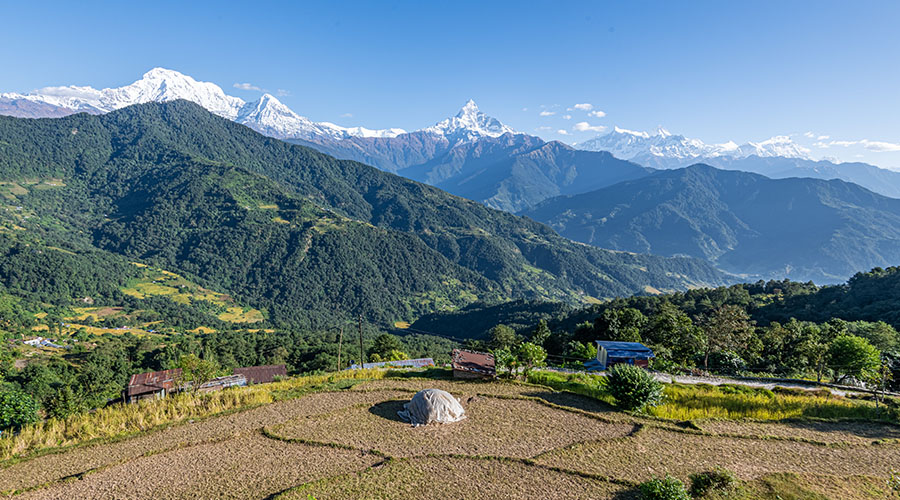
Himalayan peaks in Nepal – Nepal best travel destination

Are you thinking about visiting Nepal in May? You’re choosing one of the best times to explore the country. May sits perfectly between the cold of late winter and the heavy monsoon rains. The mornings are usually clear, afternoons are warm, and the evenings are pleasant.

From colorful festivals to trekking and wildlife adventures, May offers the perfect combination of culture, nature, and adventure. Let’s plan this trip together!

Weather in Nepal in May

May in Nepal is generally warm and a bit humid, especially in the lower lands like Kathmandu, Pokhara, and the Terai plains.

  • Kathmandu: Daytime temperatures range from 20°C to 30°C, while nights remain cool.
  • Pokhara: Slightly warmer than Kathmandu.
  • Terai (Chitwan, Bardiya): Can get very hot, sometimes above 35°C during the day.

In the hills and mountains, temperatures drop as you gain altitude. Compared to winter, the weather is milder. Expect crisp mornings and chilly nights above 3,000 meters.

Trekking & Outdoor Activities
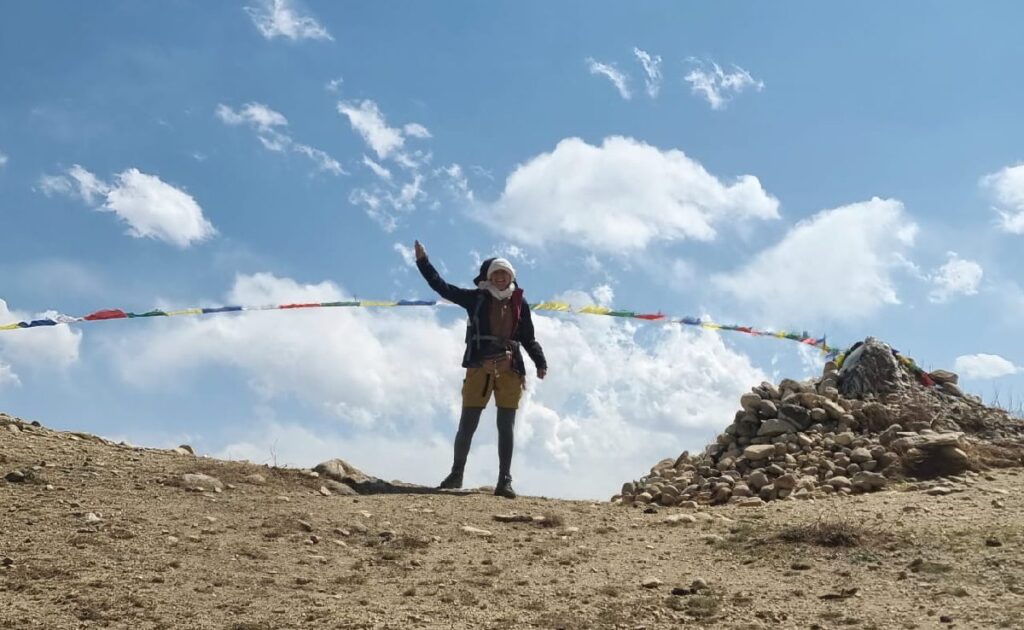
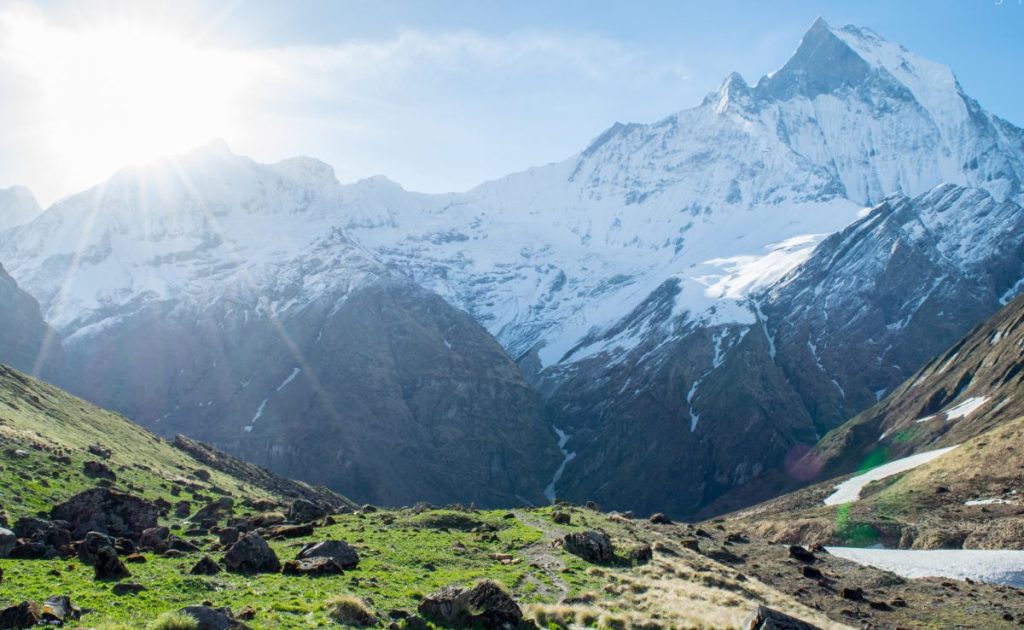
May is ideal for trekking in regions like Annapurna, Everest, and Langtang. Trails are clear, tea-houses are open, and you avoid the busy autumn peak season.

Tips for trekking in May:

  • Start early in the morning to avoid afternoon heat.
  • Afternoon hikes may feel warm and humid, especially at lower altitudes.
  • Shorter treks around Pokhara, like Poon Hill, are perfect this month.
  • Paragliding and boating on Phewa Lake are also great options.

Festivals & Cultural Events
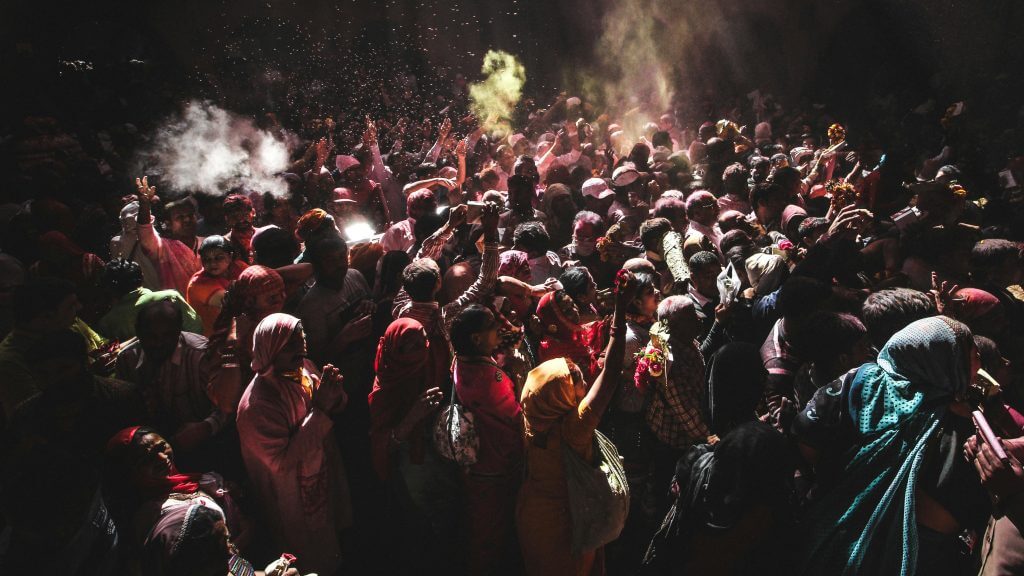
Holi Celebration

Nepal in May is full of colorful celebrations. The most important festival is Buddha Jayanti, celebrating the birth, enlightenment, and death of Lord Buddha.

  • Lumbini: Major celebrations at Buddha’s birthplace.
  • Kathmandu: Boudhanath and Swayambhunath stupas shine with butter lamps, prayer flags, and decorations.
  • Local communities: Many smaller festivals (jatras) involve music, rituals, and traditional dances.

Experiencing these festivals gives you a real taste of Nepalese culture and spirituality.

Wildlife & Nature Experiences

May is lively for nature lovers. National parks like Chitwan and Bardiya are full of sounds from birds and animals.

  • Animals such as deer, monkeys, elephants, and tigers are easier to spot near water sources.
  • Trekking paths and village hills bloom with colorful flowers.
  • Rhododendron blossoms may still be visible, and forests are green and fresh.

Travel Tips for Nepal in May

Here’s how to make the most of your trip:

  • Pack light, comfortable clothes for warm and humid weather.
  • Bring a light jacket or fleece for cooler nights and higher altitudes.
  • A rain jacket is useful because pre-monsoon showers are common.
  • Sunglasses, a hat, and sunscreen are essential.
  • Start hikes early in the day and drink plenty of water.
  • Mosquito repellent is recommended, especially in the Terai.
  • Book transport and accommodation in advance around holidays to avoid crowds.

Final Words

Visiting Nepal in May is all about enjoying warm mornings, clear mountain views, and vibrant cultural life. Trails are quieter than autumn, nature is lush, and festivals make every city and village come alive.

With a little planning and the right travel tips, May offers the perfect mix of culture, adventure, and nature. So, let’s plan your trip together and make it unforgettable!
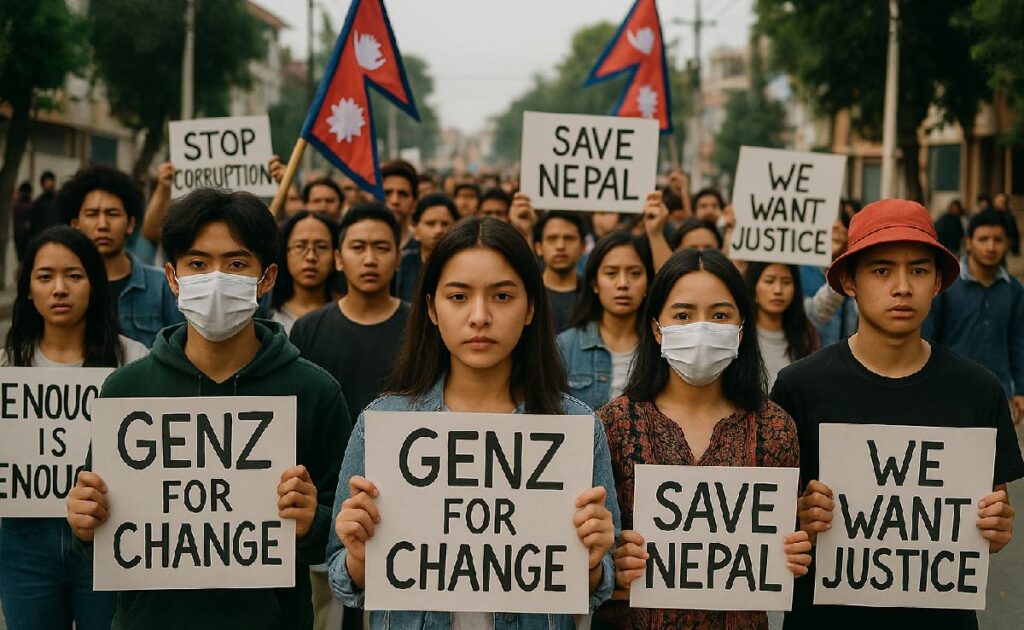
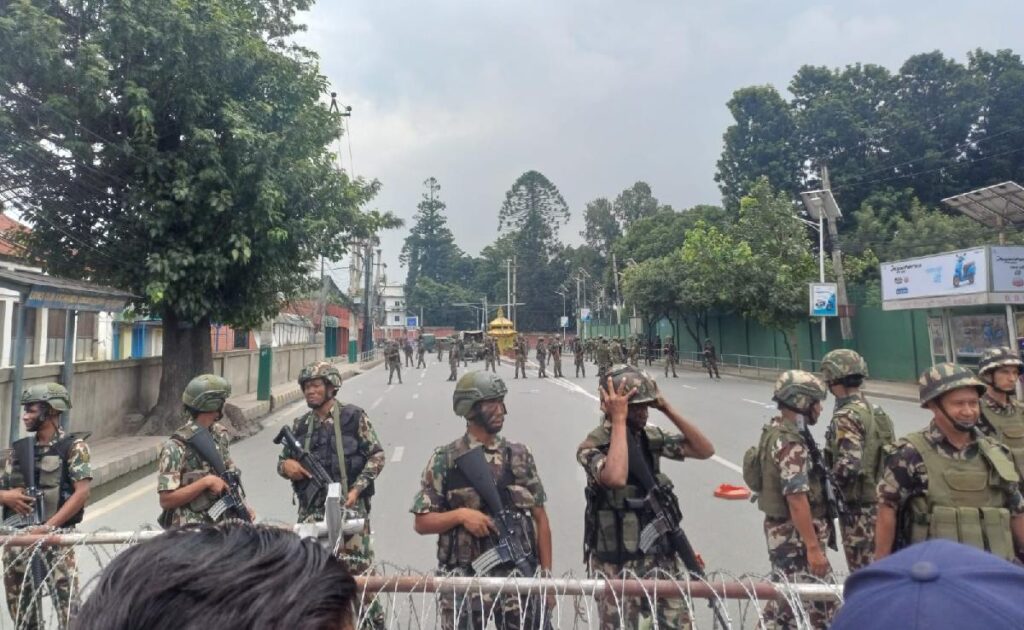
Nepal Travel News: Safe Journeys After the Gen Z Awakening

A Peaceful Youth Movement in Nepal

Ensuring safety for everyone: Army presence on the roads during recent demonstrations in Nepal

In early September 2025, Nepal entered a historic moment. On September 8 and 9, young people across the country raised their voices in large-scale demonstrations. While global headlines created concerns, Nepal travel safety 2025 remained strong, with peaceful protests that showed the unity and determination of Gen Z. This movement highlighted the energy, awareness, and growing democratic voice of Nepal’s youth.

What made these demonstrations different was their digital strength. They were organized through TikTok, Discord, Instagram, and Facebook. In this way, young Nepalis mobilized with clear purpose and discipline. At the same time, the phrase Nepo Babies became popular, showing a rejection of hereditary politics and unearned privilege.

In many areas, the demonstrations stayed peaceful and respectful. Protesters made efforts to protect public spaces and, in several cases, even helped tourists continue their travel plans safely.

Nepal Travel Safety 2025: What Travelers Should Know About Recent Events

Nepali youth taking a stand for transparency and accountability.

Some demonstrations included unrest, but tourists were not affected, and local guides and communities ensured that travel continued smoothly throughout the country.

This was not an anti-tourism movement, it was against corruption. Therefore, protesters avoided disturbing tourism services. In fact, many of them helped tourists pass safely through protest areas.

For example, one travel vlogger, @wehatethecold, posted videos showing locals guiding tourist vehicles. His story proved that Nepal’s cultural value Atithi Devo Bhava (Guests are Gods) is alive even during unrest.

While a few luxury hotels linked to politicians were targeted, no harm was done to airports, trekking trails, heritage sites, or transport hubs. In short, Nepal’s travel infrastructure remained intact.

Travel Impact: Minimal and Managed

During the two-day protest, there were short-term disruptions. For instance, some flights were delayed, and a few shops closed. However, no tourists were harmed. In addition, local guides and homestays continued to support visitors.

The Nepal Tourism Board also released a public message. They confirmed that Nepal was safe, and that the Gen Z movement showed democratic maturity, not instability.

Swift Return to Normal

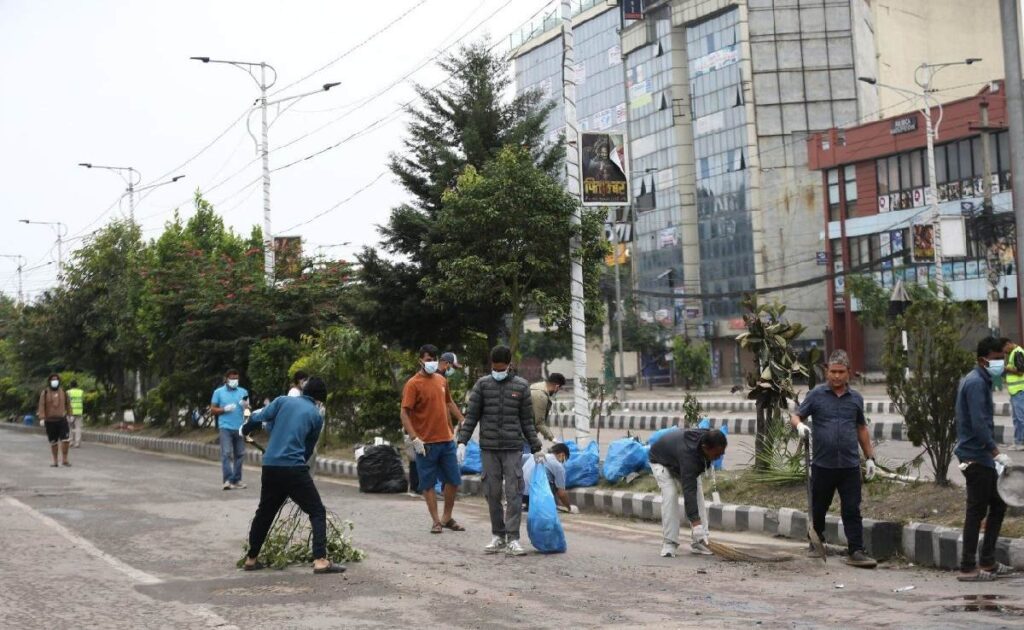
Youth in action: Gen Z volunteers cleaning streets after the demonstrations.

Within 48 hours, daily life in Nepal returned to normal. Roads reopened, flights resumed, and all tourism services restarted. Consequently, travelers are once again enjoying one of Nepal’s best seasons: autumn.

At the same time, local businesses responded quickly. Tour operators and homestays began offering flexible bookings and discounts. Their goal was to encourage visitors and rebuild confidence.

The Positive Role of Gen Z

The youth movement gave new energy to Nepal’s democracy. As a result, young voices are now part of national discussions. There is also more focus on ethical governance, digital transparency, and fair development.

For travelers, this shift means a stronger tourism system built on fairness, sustainability, and cultural respect. Moreover, you can expect more eco-friendly treks, community tours, and easy-to-use digital tools.

In addition, Gen Z is inspiring new businesses. Young Nepalis are building apps, travel platforms, and ethical tour companies. These efforts connect visitors directly with local communities.

Why Nepal Is Safe to Visit Now

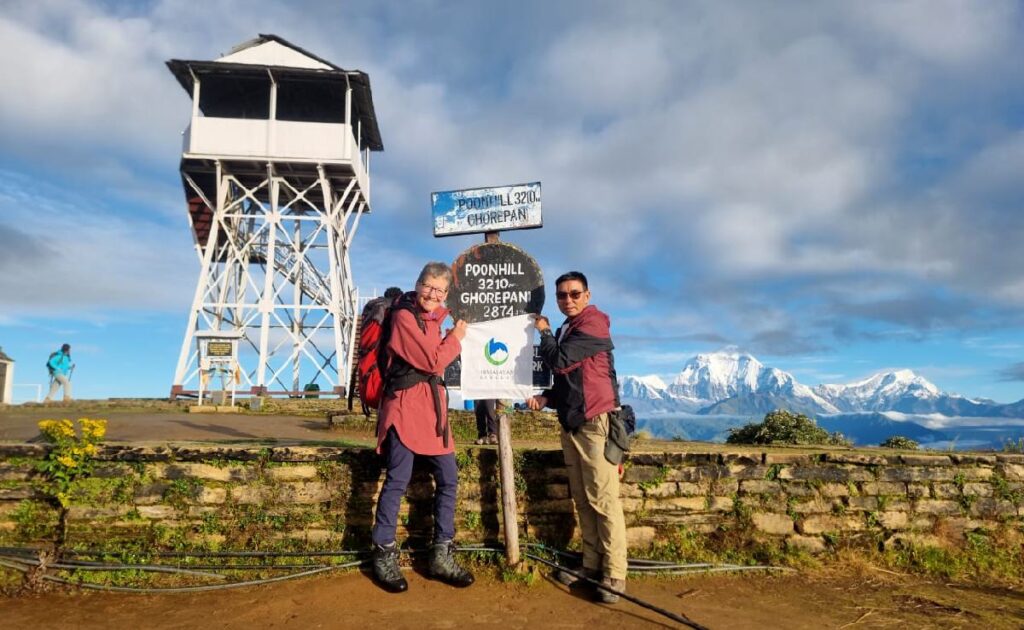
Trekking safely amid recent events: Our guest enjoys the breathtaking views from Poon Hill while travel operations in Nepal continue smoothly.

Here are the main reasons to plan your trip with confidence:

  • Peaceful environment in both cities and villages
  • Fully operational airports, hotels, and trekking routes
  • Helpful local guides and communities
  • Clear safety assurances from the tourism board
  • No travel restrictions or advisories
  • Real-time support through digital tools

Therefore, whether you want trekking, culture, or spiritual renewal, Nepal is ready for you.

Nepal Is Stronger Than Ever

The Gen Z awakening has not weakened Nepal, it has strengthened it. On the contrary, the country is calm, united, and determined to give visitors a safe and memorable experience.

From the Himalayas to the valleys, the atmosphere is positive. As a result, travelers will find resilience, hospitality, and renewal.

Travel With Confidence

Nepal safe to travel

Nepal is open and safe. Finally, book your trip today and experience a country where youth-led change meets timeless hospitality.

At Himalayan Circuit, we are back in the office, our trips are running, and our guides are ready to welcome you. Come explore Nepal, where resilience and hospitality never fade.

Annapurna Region: Lodges Blend Comfort and Himalayan Heritage

Discover how Annapurna trekking transformed from tough camping trips in the 1950s to today’s cozy, community-driven lodge adventures, blending comfort with Himalayan magic.

Picture yourself in a warm tea house, enjoying a hot meal while gazing at Annapurna’s snow-covered peaks. For modern trekkers, this is the heart of the journey—comfy beds, friendly hosts, and stunning views. However, trekking in Nepal wasn’t always so inviting. It started as a rugged, self-reliant adventure. This is the story of how Annapurna’s trekking culture evolved into a sustainable, culturally rich experience that draws adventurers from around the globe.

The First Steps: Camping Treks (1950s)

In the 1950s, trekking for fun didn’t exist in Nepal. Visitors came for climbing mountains or conducting research. For example, Lt. Col. Jimmy Roberts, a British Gurkha officer, saw Annapurna’s potential for adventure. He launched Nepal’s first guided treks, which were tough to organize. Specifically, these trips needed:

  • Large teams of porters to carry supplies

  • Tents, sleeping bags, and cooking stoves

  • Chefs to make meals

  • Food for weeks on remote trails As a result, these early treks opened Annapurna’s beauty to adventurers, but they were expensive and kept trekkers separate from local communities.

The Camping Boom: Tented Treks (1960s–1970s)

In the 1960s, Nepal welcomed more global travelers, and trekking became a way to explore the Himalayas without climbing peaks. Agencies in Kathmandu and Pokhara offered camping treks, with Annapurna’s valleys and villages as top destinations. However, these trips had challenges:

  • High costs due to many support staff

  • Little connection with locals, as trekkers relied on their own teams

  • Harm to trails and forests from large groups Consequently, these issues pushed the need for a better, more sustainable way to trek.

The Tea House Shift: Rise of Lodges (1980s–1990s)

In the 1980s, a local initiative changed everything. Families along routes like the Annapurna Circuit, Annapurna Base Camp, and Ghorepani–Poon Hill opened their homes to trekkers. These “tea houses” offered simple rooms, shared bathrooms, and warm meals like dal bhat. For instance, this shift allowed trekkers to:

  • Travel light without heavy gear

  • Bond with Nepali families and culture

  • Support village economies As a result, lodge trekking became cheaper, more flexible, and deeply engaging, making Annapurna open to more explorers.

Today’s Lodges: Comfort and Connection (2000s–Present)

By the 2000s, lodge trekking became Annapurna’s main attraction. As tourism grew, tea houses improved. Today, trekkers enjoy:

  • Cozy rooms with warm blankets

  • Hot showers powered by solar energy

  • Meals from Nepali classics to Western dishes

  • Wi-Fi and trail signs in some villages Despite these upgrades, many lodges are still family-run, keeping the authentic charm. For example, sharing tea in Ghandruk or waking to mountain views in Tadapani feels personal and unforgettable.

Why It Works: A Sustainable Model

The move from camping to lodges is a win for everyone. Here’s why:

  • Villages thrive: Lodge income helps families afford schools and healthcare.

  • Nature benefits: Fewer porters mean less strain on trails and forests.

  • Trekkers win: Lightweight travel suits all ages and skill levels. Moreover, projects like the Natural Annapurna Trekking Trails (NATT) promote green practices, protect trails, and ensure fair pay for guides and porters.

Keeping the Magic Alive

As roads reach deeper into the Himalayas, preserving lodge trekking’s spirit is key. For instance, efforts include:

  • Eco-friendly lodges to reduce waste

  • Community projects to boost local economies

  • Training for hosts to improve hospitality

  • Trail protection to keep the wilderness alive These steps ensure Annapurna remains a special place for meaningful travel.

Why Annapurna Awaits

From Jimmy Roberts’ bold treks to today’s welcoming tea houses, Annapurna’s story is one of adventure and connection. Lodge trekking blends excitement, comfort, and bonds with Nepal’s people and landscapes. At Himalayan Circuit, we’re passionate about guiding you through sustainable, authentic treks that create lasting memories.

Ready to explore Annapurna’s trails? Join Himalayan Circuit for the best lodge routes and cultural experiences. Contact us to start your journey!

Pokhara Diary: Kathmandu & Pokhara Cultural Exploration Tour

Nepal's Cultural and Adventure Escape

This 10-day itinerary is perfect for first-time visitors who want to experience Kathmandu and Pokhara: Nepal’s Cultural and Adventure Escape—trek to stunning mountain viewpoints, relax by peaceful lakes, and explore the ancient temples of Kathmandu, all in just 10 days.

Day 1-3: Kathmandu – Explore Nepal’s Cultural Heart

Start your Nepal adventure in the bustling capital city, Kathmandu. Dive into its rich history, spiritual sites, and vibrant atmosphere by visiting some of the most iconic UNESCO World Heritage sites:

  • Swayambhunath Stupa (Monkey Temple): Known for its panoramic views of the city and monkeys roaming around, this ancient stupa offers a fascinating blend of culture and natural beauty.
  • Durbar Square: This historical palace complex is a perfect introduction to Kathmandu’s medieval architecture and royal heritage.
  • Boudhanath Stupa: One of the largest stupas in Nepal, offering a serene environment to observe Tibetan Buddhist rituals and the daily life of pilgrims.
  • Pashupatinath Temple: A sacred Hindu site on the banks of the Bagmati River, where you can witness traditional cremation ceremonies and vibrant spiritual activities.

If you have extra time, take a day trip to nearby towns like Bhaktapur or Patan to experience more of Nepal’s medieval architecture, traditional arts, and crafts.

Day 4-7: Annapurna Trek (Short Trek) – Stunning Views of the Annapurna Range

Leave the city behind and head into the mountains for a 3-day trek to Ghorepani and Poon Hill. This trek offers stunning panoramic views of the Annapurna and Dhaulagiri mountain ranges, and the sunrise at Poon Hill is one of Nepal’s most unforgettable experiences.

  • Day 1: Drive or fly to Pokhara, then drive to Nayapul (about 1.5 hours). Begin your trek to Tikhedhunga or Ulleri, passing through villages and scenic landscapes.
  • Day 2: Trek to Ghorepani for a rest day with beautiful views of the Annapurna Range.
  • Day 3: Wake up early to hike up to Poon Hill for a breathtaking sunrise. Afterward, trek to Tadapani and continue the descent to Pokhara.

This short trek is perfect for beginners and offers an unforgettable experience in the heart of the Himalayas, without requiring advanced trekking skills.

Day 8-10: Pokhara & Kathmandu – Adventure and Relaxation

Pokhara: After completing your trek, take some time to relax in Pokhara, a peaceful lakeside city. Spend your days enjoying the stunning natural beauty and outdoor activities:

  • Phewa Lake: Enjoy a leisurely boat ride or just relax by the lake with the Annapurna mountains in the backdrop.
  • World Peace Pagoda:   Hike up to the pagoda for panoramic views of the Pokhara valley, Phewa Lake, and the towering peaks of the Annapurna range.
  • Sarangkot: For an early morning adventure, hike or drive up to Sarangkot to catch the incredible sunrise over the Annapurna Range and Machapuchare (Fishtail Mountain).

Optional: If you’re looking for some excitement, paragliding is a must-do activity in Pokhara. Experience soaring above the valley with incredible views, or try zip-lining for a rush of adrenaline.

Kathmandu: On your last day, either return to Kathmandu by a short flight (25 minutes) or drive back (6 hours). Once back, you can either relax or visit any remaining cultural sites that you may have missed at the start of your trip, or even enjoy a day trip to Nagarkot for a Himalayan sunrise before departure.

Why Visit Kathmandu & Pokhara?

Kathmandu and Pokhara are two of the most popular destinations in Nepal. Kathmandu offers rich cultural experiences with its temples, historic sites, and vibrant atmosphere. Pokhara, on the other hand, is a beautiful, peaceful city known for its natural beauty, lakes, and adventure activities like trekking, paragliding, and boating.

This 10-day itinerary allows you to explore the best of Kathmandu and Pokhara: Nepal’s Cultural and Adventure Escape, combining cultural sightseeing with outdoor adventure and stunning natural beauty. Whether you’re trekking to Poon Hill or relaxing by Phewa Lake, this trip offers the perfect balance of excitement and relaxation. Ideal for first-time visitors, it’s a great way to experience the heart of Nepal.

The Best Trekking Trails in the Annapurna Region

Annapurana Base Camp

A walk in nature is like witnessing a thousand miracles. Trekking in Nepal gives you the chance to relax and awaken your inner spirituality, inspired by its natural beauty, cultural diversity, and the gracious hospitality of its people. 

Nepal is a dreamland for adventure lovers, with majestic mountains, gentle slopes, and fertile valleys. There is a vast variety of terrains, from steamy jungles and the lowlands of Terai to the highest peaks on earth. People of all ages and capabilities can trek in Nepal, choosing to climb to wild and lofty places or easy, short hikes.

The Annapurna trekking trails are considered some of the best in the world, thanks to the spiritual and visual experiences they offer. Snow-covered slopes, tropical jungles, bamboo forests, eco-systems, and a diversity of cultures make it a perfect trekking destination.

Located in the North-central part of Nepal, the Annapurna region includes 30 peaks higher than 6,000 metres. In 1950, Maurice Herzog became the first to reach the summit. The region is bordered on the East by the Marshyangdi River, the Kali Gandaki Gorge in the West, the Pokhara Valley in the South, and the Nepal-Tibetan border in the North. 

According to Hindu mythology, the mountain is the home of the goddess Annapurna, who nourishes her people with food and water.


What makes the Annapurna Trekking Trails so special?

Annapurna

Trekking is in between hiking and climbing: walking along a variety of trails with your equipment during the day and camping in the mountains at night. Trekking trails in Annapurna can take days or even weeks to complete depending on their length.

The trails here display environmental and cultural diversity, such as bamboo forests, tropical jungles, snow-covered slopes, and the humbling Himalayas. Here are some more reasons to visit this beautiful place:

  • The trekking trails in this region are very well protected and the authorities of Nepal are working hard to increase safety for tourists, especially in the case of medical emergencies.
  • The climate is mild during the trekking season, so you won’t get too hot!
  • There is a wide variety of accommodations in the Annapurna trekking region, from traditional tea house lodges to Western-style luxury hotels.
  • Visiting the snowy peaks, interacting with the local people, and experiencing the cultural and spiritual sites, such as Buddhist Stupas and Hindu shrines, are just a few of the experiences that will make the trip memorable.
  • Enjoy the delicious local cuisine, such as momo (Nepalese dumplings), nutritious soups, traditional Dal bhat and yak burgers.
  • The Annapurna region is a great place for trekkers of all levels of experience. 
  • The area offers affordable prices.


Top Trekking Trails in Annapurna:

Trekking in Annapurna region

The Annapurna Sanctuary is a short and easy trek that takes you up to 1,130 metres in altitude and offers comfortable accommodation. Starting in Pokhara it passes rhododendrons, birches, oaks, and bamboo plants. Upon reaching the Sanctuary, you can see Machhapuchre, Fang, Gangapurna, Annapurna I, moraine fields, and glaciers.

ThorangLa Pass

The Annapurna Circuit trek is considered one of the world’s classics as you pass through conifer forests, murky jungle rivers, and ice wastes. The snow-covered Thorung La Pass (5,416m), the Hindu holy site Muktinath (3,750m), river gorges, and Buddhist pilgrimage sites make it one of the best trekking destinations in the world.

Poon Hill

The Poon Hill trek offers beautiful forests, enchanting villages and stunning mountain views that showcase what trekking in Nepal has to offer. Seeing the sunrise passing through the shining Annapurna I (8,091m), Himchuli (6,441m), and Fishtail (6,993m) is the major highlight of this trek. Poonhill itself is another major attraction. 

  • Tilicho trek

Tilicho Lake

The Tilicho trek gives you the chance to explore the highest lake in the world. Trekking starts from Manang and continues through pine forests and screed slopes to a pass at 5,005m with spectacular views of the lake. It is one of the finest routes in Nepal, combining a varied landscape, people, culture, and many waterfalls.

  • Khopra Ridge trek

Landscape view of Himalaya

The Khopra Danda trek offers a peaceful journey through beautiful villages, lush forests, and lofty viewpoints alongside Annapurna South. The main attractions are views of Dhaulagiri (8,167m) and Khayer Lake (4,600m).

  • Nar-Phu trek

Trekking in mountains

The trail follows wild and difficult terrain that is particularly suitable for braver trekkers. Attractions include narrow gorges, yak herding, stone houses, prayer flags, Kang La Pass and high mountains. Trekkers also call it Kang La Pass trek, as you need to cross it at 5,320m.

The Annapurna trekking trails appeal to those seeking an adventurous journey in the Nepali Himalayan region while experiencing diverse scenery, geology, and climates. Check out the Himalayan Circuit website if you are looking for exciting trek packages in the Annapurna region. 

Pack your bags and get ready to witness the unexpected beauty of these natural wonders in Nepal!