Why Choose the Bhairav Kunda Trek?
Nepal offers many trekking routes, but the Bhairav Kunda Trek stands out for its combination of mountain scenery and spiritual significance. The trail leads to Bhairav Kunda Lake, a sacred alpine lake named after Bhairav, a fierce form of Lord Shiva. Many devotees consider the lake spiritually significant and visit it as a pilgrimage site.
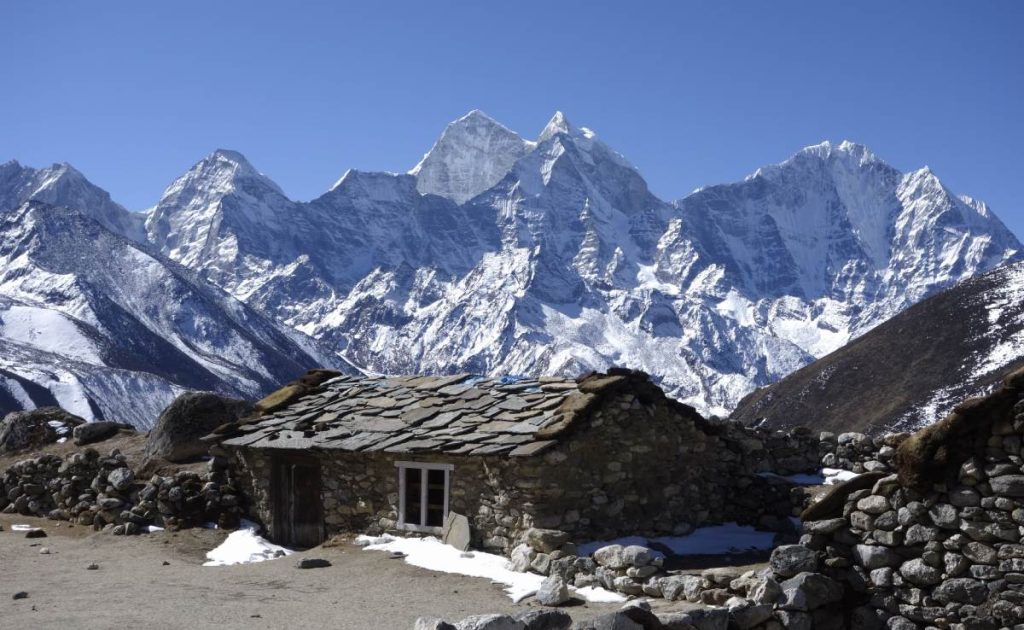
The trail also offers beautiful views of the Jugal Himal, Gaurishankar, Dorje Lakpa, and surrounding high ridges. Since fewer trekkers visit this route, you can enjoy a quieter and more peaceful experience than on many of Nepal’s popular trekking trails.
Major Highlights of the Bhairav Kunda Trek
Bhairav Kunda Lake
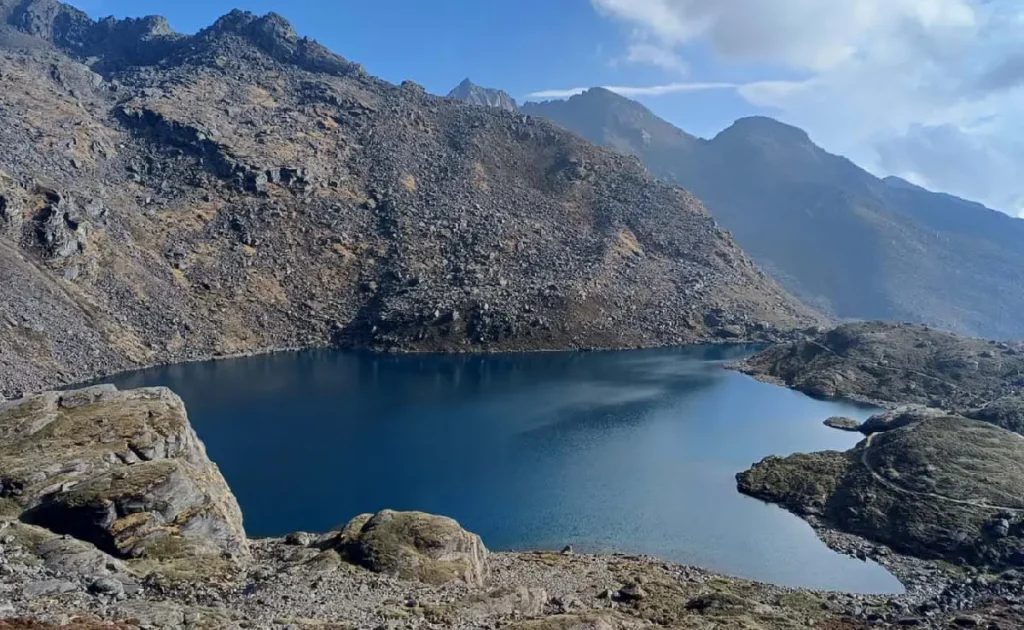
The main attraction of the trek is Bhairav Kunda Lake itself. The lake sits in a beautiful alpine landscape surrounded by mountains and open high-altitude terrain. Its peaceful setting makes it an ideal place to rest and enjoy the natural surroundings.
The lake also holds deep religious importance for local communities and Hindu and Buddhist pilgrims. During Janai Purnima, many devotees visit Bhairav Kunda and take ritual dips in the sacred water.
Spectacular Himalayan Views
The trek rewards you with impressive views of several Himalayan ranges. On clear days, you can see the Jugal Himal, Gaurishankar, and Dorje Lakpa. You may also catch views toward the Tibetan Plateau from higher sections of the route.
These mountain views give the Bhairav Kunda Trek a true Himalayan atmosphere. The scenery feels even more impressive because the trek takes place over a relatively short distance.
Villages, Forests, and Alpine Landscapes
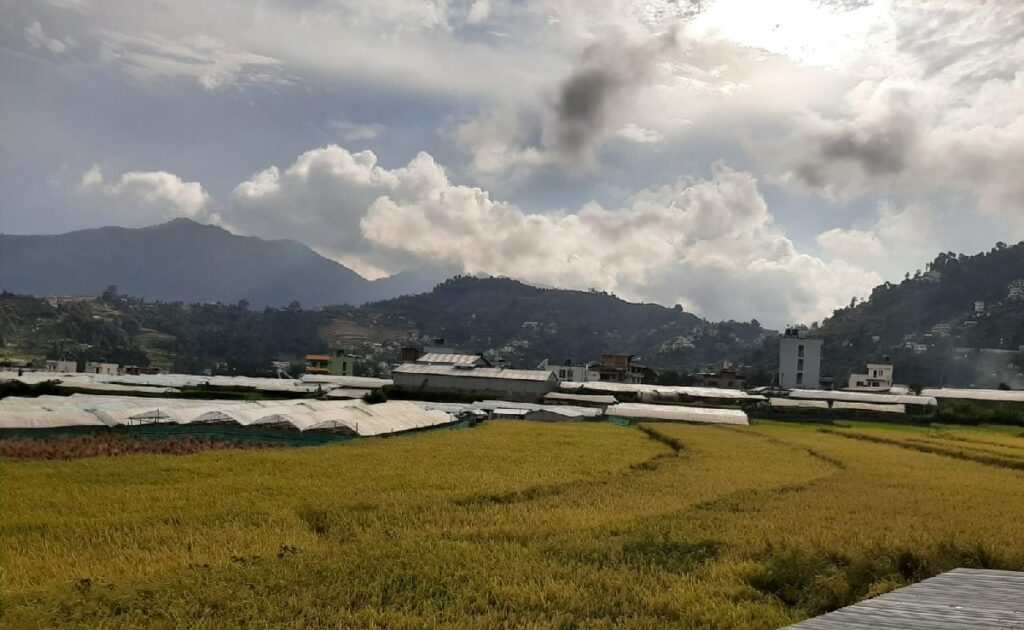
The route takes you through a variety of landscapes. You will pass through traditional Tamang and Sherpa villages, forests, farmland, alpine meadows, and rocky terrain.
As you gain altitude, the landscape gradually changes. Green vegetation gives way to open hills and more rugged terrain near the lake. This variety keeps the trail interesting throughout the journey.
Trekking Experience and Trail Atmosphere
The Bhairav Kunda Trek offers a moderate trekking experience, but the high altitude makes the final ascent more demanding. You need reasonable physical fitness to handle the uphill sections comfortably.
The trail changes as you climb higher. Lower sections often feature wider paths and more vegetation. Higher sections become steeper and more exposed, with fewer trees and more alpine terrain.
The peaceful atmosphere adds another attraction to the trek. You can walk through quiet forests, pass local villages, and enjoy long stretches of mountain scenery without the crowds found on Nepal’s more famous trekking routes.
When you finally reach Bhairav Kunda Lake, the open landscape creates a calm and almost meditative atmosphere. The combination of the sacred lake, mountain air, and surrounding peaks makes the journey especially rewarding.
Things to Do at Bhairav Kunda
Once you reach Bhairav Kunda Lake, take some time to enjoy the peaceful surroundings. Sit near the shore, admire the mountains, and appreciate the quiet atmosphere before continuing your journey.
Pilgrims can also learn about the religious traditions associated with the lake. During Janai Purnima, devotees visit the area to perform rituals and take a sacred dip in the lake.
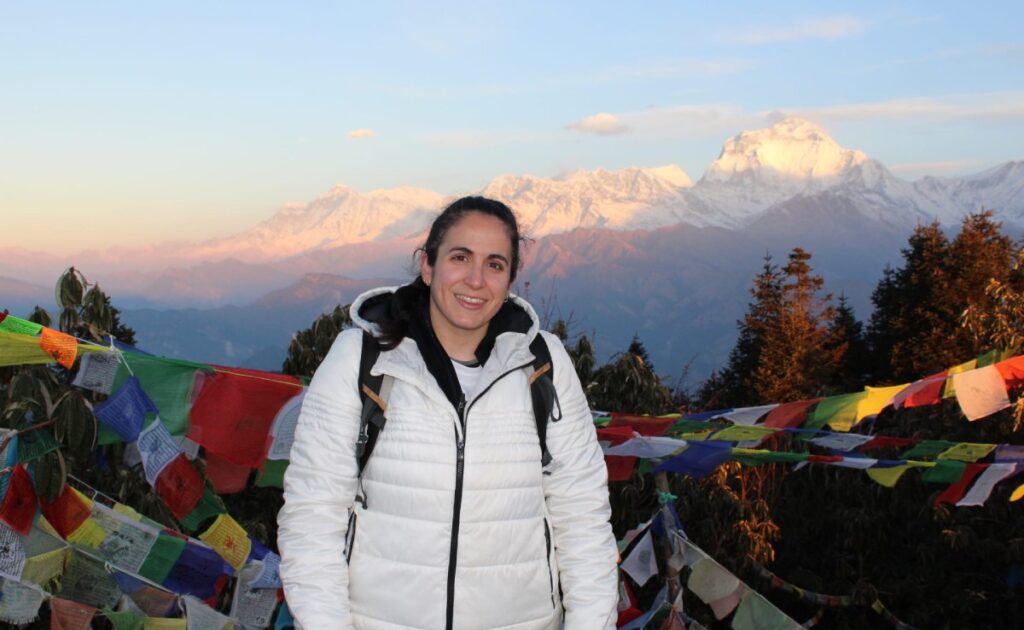
The trek also offers plenty of opportunities for photography. The lake, surrounding ridges, changing clouds, villages, forests, and distant Himalayan peaks create beautiful scenes throughout the day.
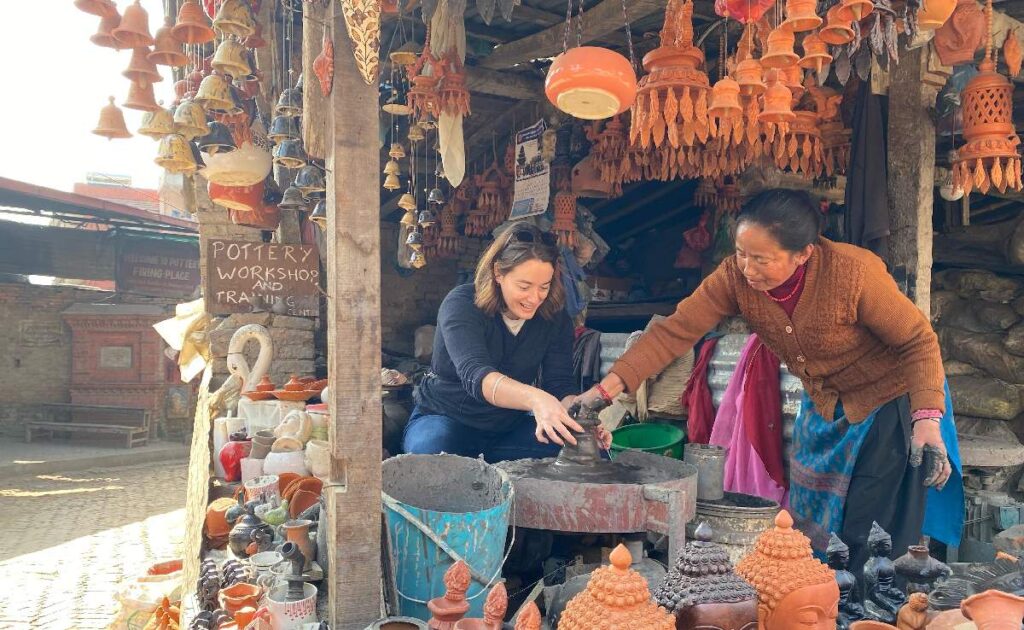
If you enjoy cultural experiences, take time to observe village life along the route. Meeting local people and seeing traditional settlements can add another dimension to your trekking experience.
Best Time to Visit Bhairav Kunda
Spring and autumn are the best seasons for the Bhairav Kunda Trek. During these months, the weather usually remains clearer, and the trails offer better conditions for trekking. You can also enjoy clearer views of the surrounding Himalayan peaks.
Spring, from March to May, brings pleasant temperatures and colorful vegetation to the lower sections of the trail. Autumn, from September to November, usually offers stable weather and excellent mountain visibility.
Janai Purnima falls during the monsoon season and brings many pilgrims to Bhairav Kunda. However, heavy rainfall can make the trails slippery and increase the risk of landslides. Trekkers should take extra care if they plan to visit during this period.
Winter can also offer beautiful views and a peaceful experience. However, temperatures drop significantly at higher elevations, and snow can make some sections more challenging.
For the best combination of comfortable trekking conditions and mountain views, spring and autumn remain the ideal seasons to visit Bhairav Kunda.
Travel Tips for Trekkers
Bhairav Kunda sits at an elevation of more than 4,000 meters, so you should take altitude seriously. Even though the trek does not take as long as many famous Himalayan routes, the elevation can make the climb physically demanding.
Walk at a steady pace and avoid rushing the final ascent. Drink enough water throughout the trek and give your body time to adjust to the increasing altitude. If you experience symptoms of altitude sickness, do not ignore them.
Accommodation and food facilities can be basic along the route. Teahouses may not operate in every section, so check the available facilities before starting your trek and carry the essentials you need.
Mountain weather can change quickly. Pack warm and waterproof clothing, even when the weather looks favorable at the beginning of the trek. Good trekking shoes, a warm sleeping bag, a headlamp, and basic first-aid supplies can also make the journey more comfortable.
You should also plan your transportation carefully. Some roads leading toward the trailhead can be rough, especially during the monsoon season.
Finally, remember that Bhairav Kunda is a sacred site. Respect local customs, keep the surroundings clean, and avoid disturbing religious activities or sacred areas.
The Bhairav Kunda Trek offers a unique combination of Himalayan scenery, cultural experiences, and spiritual significance. The route takes you through traditional villages, forests, alpine landscapes, and rugged mountain terrain before reaching the peaceful shores of Bhairav Kunda Lake.
For trekkers looking for a quieter alternative to Nepal’s crowded trekking routes, Bhairav Kunda offers an excellent experience. Its short duration also makes it an attractive option for travelers who want to experience the Himalayas without committing to a long expedition.
With beautiful mountain views, a sacred alpine lake, and a peaceful trail, Bhairav Kunda is one of the rewarding short treks near Kathmandu.