Nepal Diary: Exploring Bus Travel in Nepal – Tips & Dos/Don’ts

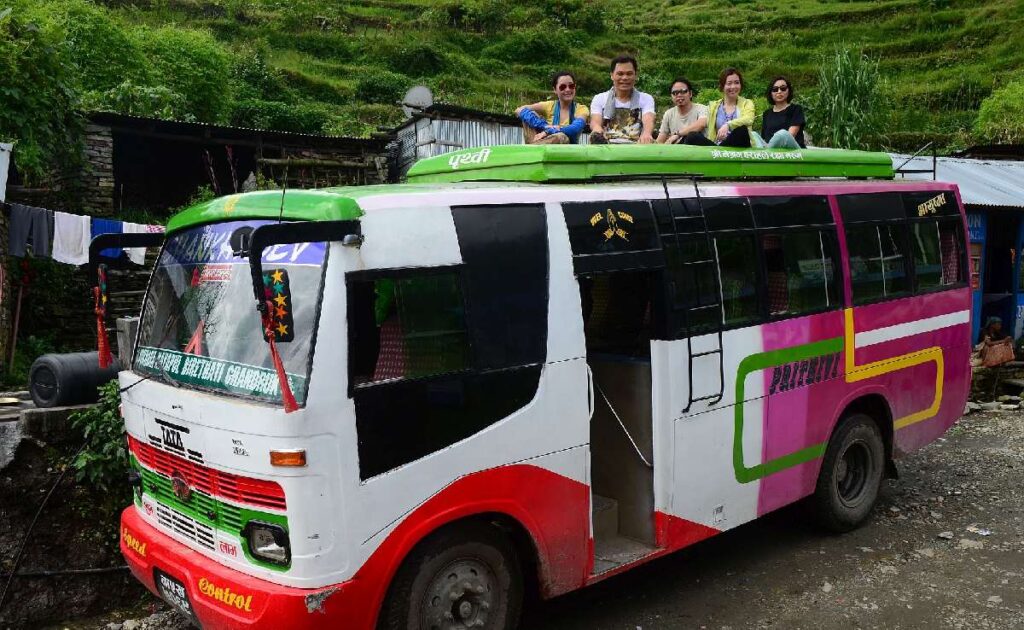
Travelling by bus is one of the easiest, most affordable, and convenient ways to explore Nepal. Bus travel in Nepal lets you relax, enjoy the scenery, and experience the countryside, mountains, and bustling cities—all from your window.

Whether you’re a first-time visitor or a seasoned traveler, following some simple guidelines can make your journey smooth and enjoyable. Let’s plan your bus trip together!

Why Bus Travel in Nepal is Popular

Firstly, tourist buses offer a stress-free way to explore Nepal. You can sit back, enjoy the views, and let professional drivers handle the logistics. Moreover, buses are comfortable, budget-friendly, and perfect for both short and long-distance trips. In addition, they allow you to witness Nepal’s beauty from a unique perspective.

Dos for a Comfortable Bus Ride

1. Book in Advance
Firstly, reserve your seat early, especially during peak season. This ensures you get your preferred seat and the best views.

2. Arrive Early
Also, reach the station at least 15–20 minutes before departure. By doing so, you avoid last-minute stress and guarantee smooth boarding.

3. Pack Smartly
Carry a small bag with essentials like water, snacks, a travel pillow, headphones, or a book. Additionally, avoid overpacking to make it easier to store your bag and move around.

4. Respect Your Seatmates
Furthermore, keep your belongings within your space and avoid leaning into someone else’s area. Respecting personal boundaries ensures a peaceful journey for everyone.

5. Stay Hydrated
Long bus rides can be dehydrating. Therefore, sip water regularly and carry well-packaged mineral water.

6. Bring Entertainment
Bus trips can get monotonous. For example, bring books, audiobooks, movies, music, or podcasts to stay entertained.

7. Be Polite to the Bus Staff
Drivers and assistants work hard to ensure your safety. Hence, be courteous, follow instructions, and dispose of trash responsibly.

Don’ts to Avoid on a Bus

1. Don’t Be Late
Buses follow tight schedules. Otherwise, arriving late can delay your trip or cause you to miss the ride entirely.

2. Avoid Overpacking
Large, heavy bags create storage issues and make traveling uncomfortable. So, pack only what you need.

3. Don’t Be Noisy
Keep conversations low and avoid loud phone calls. This way, everyone enjoys a calm environment.

4. Don’t Ignore Rest Stops
Take advantage of scheduled breaks to use the restroom, stretch, or grab a snack. In addition, rest stops help you stay refreshed and energized.

5. Don’t Panic in Case of Delays
Traffic or unexpected situations can cause delays. Therefore, stay patient; the bus staff will do their best to get you to your destination safely.

6. Don’t Leave Valuables Unattended
Always keep your belongings with you during stops. Otherwise, you risk losing them or having them stolen.

7. Don’t Distract the Driver
Avoid unnecessary conversation with the driver and refrain from strong-smelling food or heavy perfumes. Safety always comes first.

Travel Tips for Bus Journeys in Nepal

  • Additionally, enjoy the scenery from your window—mountains, rivers, and local villages make the ride memorable.

  • Carry a light jacket for cooler mountain areas.

  • Keep small snacks handy for long journeys.

  • Choose seats with the best views if possible, usually by the window.

  • Finally, be patient and flexible—roads in Nepal can be busy and unpredictable.

By following these dos and don’ts, bus travel in Nepal becomes more than just transportation—it’s part of the adventure. Then, relax, enjoy the views, and let professionals handle the logistics.

Book your tour with Himalayan Circuit, hop on a bus, and create lasting memories on the road!

Nepal Travel News: Explore Lalitpur Music City, UNESCO’s Musical Gem

Lalitpur music city, also known as Patan or Manigal, has long been celebrated for its vibrant festivals, stunning art, and deep spiritual traditions. In 2025, Lalitpur officially earned international recognition as a UNESCO Music City, joining a prestigious network of creative cities worldwide. This designation highlights the city’s rich musical heritage, connecting centuries-old traditions with global appreciation.

A City Where Music Breathes

Solo Travelling in Nepal
Patan Durbar Square

In Lalitpur music city, music is more than performance, it is a way of life. Sacred beats from dhimay and ponga drums blend with melodic chants of Newar Buddhism, shaping festivals, rituals, and everyday moments. One of the most iconic examples is Kartik Naach, Nepal’s oldest musical dance drama, performed annually in Patan’s historic courtyards. Dating back to the 17th century Malla period, this multi-day performance combines masked dance, live traditional music, and spiritual storytelling. Instruments like the naykhin, dhaa, and bhusya create a soundscape that reflects centuries of cultural continuity.

Throughout the year, Lalitpur music city resonates with music during festivals such as:

  • Bungadyah Jatra – devotional music honoring Rato Machhindranath
  • Gumlā Bājā – spontaneous ensemble performances in public squares
  • Indra Jatra and Yenya Punhi – music guiding processions and rituals
  • Newar weddings and guthi ceremonies – ceremonial drumming and folk songs

This recognition celebrates Lalitpur not only as a historical treasure but also as a living center of musical tradition.

Why Visit Lalitpur Music City Now?

Travelers to Lalitpur music city can experience Nepal through sound:

  • Witness spontaneous performances during the Gumlā Bājā festival
  • Explore traditional Newari instrument-making in hidden alleys
  • Visit the Music Museum of Nepal to dive deeper into the valley’s musical legacy
  • Stroll through Patan Durbar Square, a UNESCO World Heritage Site since 1979
  • Attend Kartik Naach, a rare fusion of music, dance, and mythology A Tale of Origins and Legends
Lalitpur the Music City
Experience the magic of Kartik Naach in Lalitpur Music City, where centuries-old music, dance, and mythology come alive.

The name Lalitpur honors a farmer named Lalit, who helped bring God Rato Machhindranath to the valley during a drought. Today, the Bungadyah Jatra, a month-long chariot festival, celebrates this divine arrival with music, devotion, and community spirit.

Part of a Global Creative Movement

Lalitpur now joins a dynamic cohort of cities recognized in 2025, including:

  • New Orleans (USA), Kyiv (Ukraine), Kisumu (Kenya) – Cities of Music
  • Giza (Egypt), Ho Chi Minh City (Vietnam), São Paulo (Brazil) – Cities of Film
  • Aberystwyth (UK), Abuja (Nigeria), Gdańsk (Poland) – Cities of Literature
  • Quito (Ecuador), Rovaniemi (Finland), Kashan (Iran) – Cities of Architecture

 This designation emphasizes culture-led sustainable development, connecting Lalitpur with creative initiatives around the globe.

Nepal: A Creative Powerhouse

With Lalitpur’s recognition as a music city, Nepal now hosts two UNESCO Creative Cities:

  • Kathmandu – City of Film (2023)
  • Lalitpur – Music City (2025)

Together, they position the Kathmandu Valley as a hub of South Asian creativity, blending visual, cinematic, and musical heritage.

Looking Ahead: Global Stage in Morocco

Lalitpur will soon share its rhythms at the 2026 UNESCO Creative Cities Annual Conference in Essaouira, Morocco, a fellow City of Music since 2019. This platform will allow collaboration, idea exchange, and global recognition of Lalitpur’s musical legacy.

Let the music of Lalitpur guide your journey. Come for the temples and art, stay for the rhythms that tell stories of gods, kings, and everyday life.

Nepal Travel News: Safe Journeys After the Gen Z Awakening

A Peaceful Youth Movement in Nepal

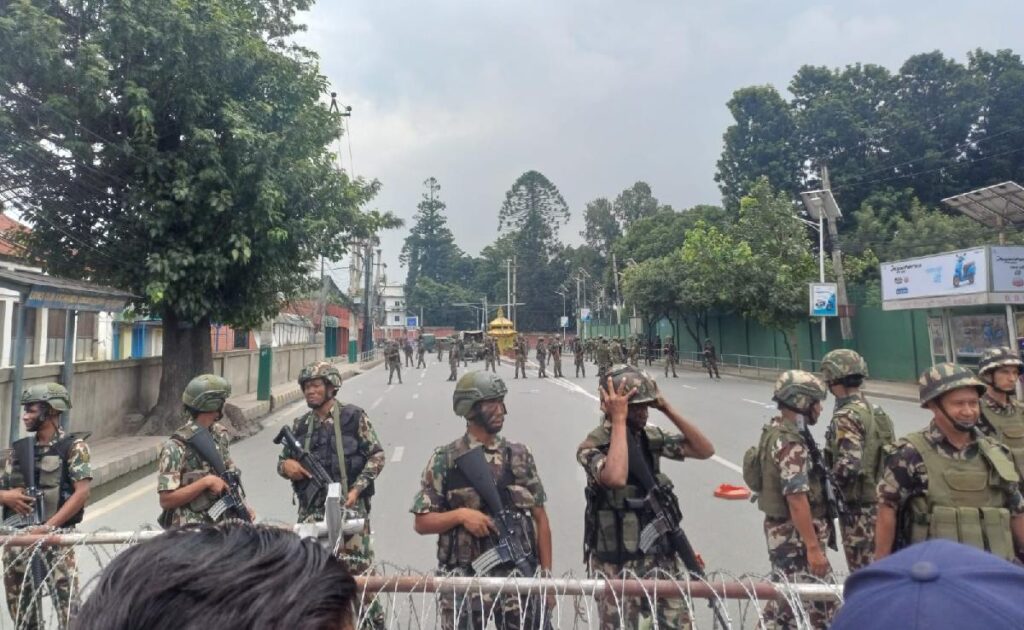
Ensuring safety for everyone: Army presence on the roads during recent demonstrations in Nepal

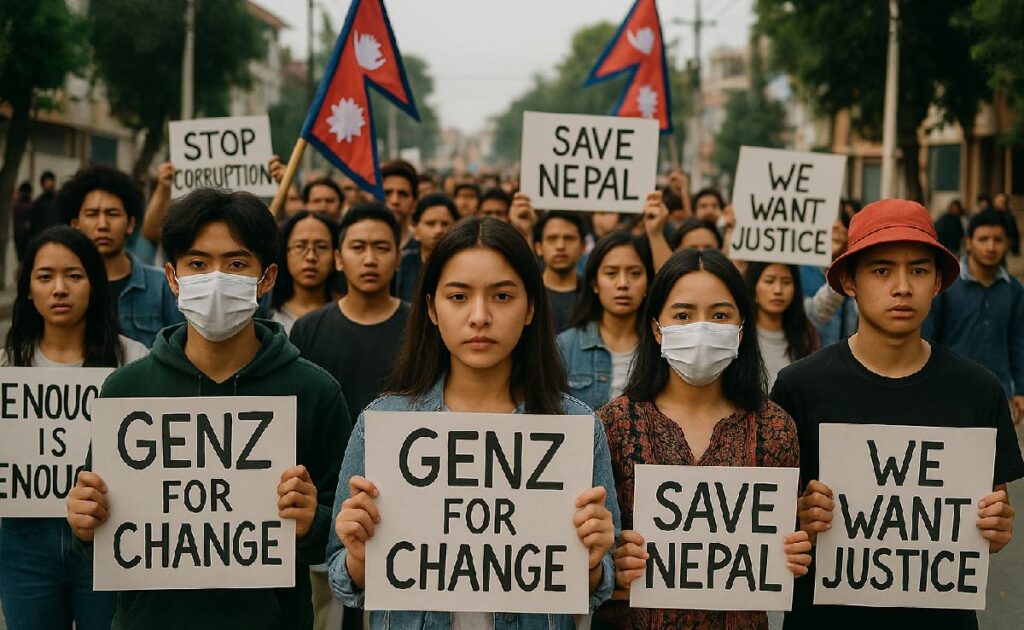
In early September 2025, Nepal entered a historic moment. On September 8 and 9, young people across the country raised their voices in large-scale demonstrations. While global headlines created concerns, Nepal travel safety 2025 remained strong, with peaceful protests that showed the unity and determination of Gen Z. This movement highlighted the energy, awareness, and growing democratic voice of Nepal’s youth.

What made these demonstrations different was their digital strength. They were organized through TikTok, Discord, Instagram, and Facebook. In this way, young Nepalis mobilized with clear purpose and discipline. At the same time, the phrase Nepo Babies became popular, showing a rejection of hereditary politics and unearned privilege.

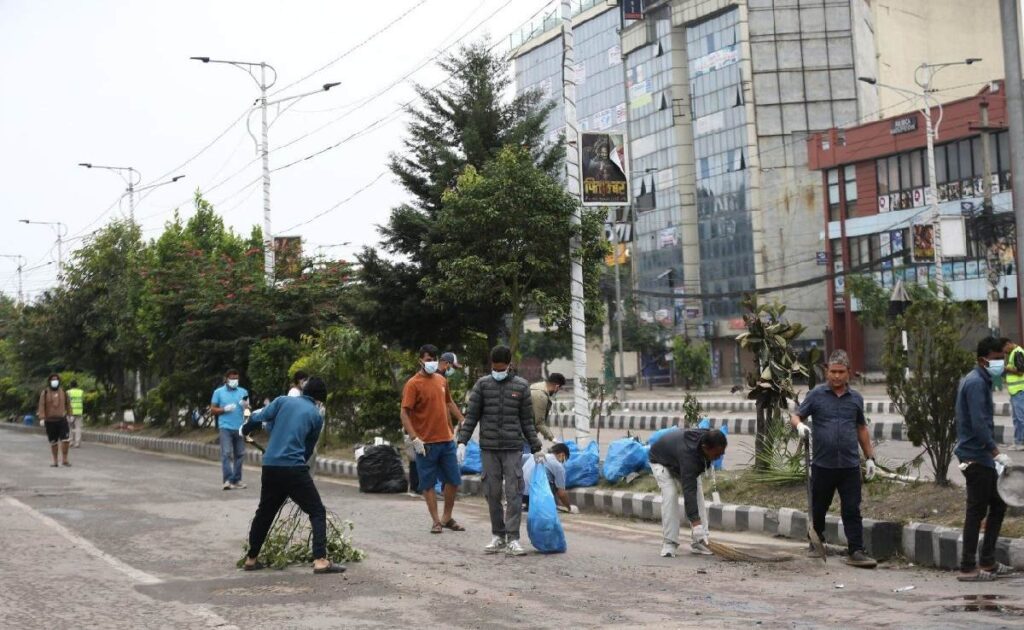
In many areas, the demonstrations stayed peaceful and respectful. Protesters made efforts to protect public spaces and, in several cases, even helped tourists continue their travel plans safely.

Nepal Travel Safety 2025: What Travelers Should Know About Recent Events

Nepali youth taking a stand for transparency and accountability.

Some demonstrations included unrest, but tourists were not affected, and local guides and communities ensured that travel continued smoothly throughout the country.

This was not an anti-tourism movement, it was against corruption. Therefore, protesters avoided disturbing tourism services. In fact, many of them helped tourists pass safely through protest areas.

For example, one travel vlogger, @wehatethecold, posted videos showing locals guiding tourist vehicles. His story proved that Nepal’s cultural value Atithi Devo Bhava (Guests are Gods) is alive even during unrest.

While a few luxury hotels linked to politicians were targeted, no harm was done to airports, trekking trails, heritage sites, or transport hubs. In short, Nepal’s travel infrastructure remained intact.

Travel Impact: Minimal and Managed

During the two-day protest, there were short-term disruptions. For instance, some flights were delayed, and a few shops closed. However, no tourists were harmed. In addition, local guides and homestays continued to support visitors.

The Nepal Tourism Board also released a public message. They confirmed that Nepal was safe, and that the Gen Z movement showed democratic maturity, not instability.

Swift Return to Normal

Youth in action: Gen Z volunteers cleaning streets after the demonstrations.

Within 48 hours, daily life in Nepal returned to normal. Roads reopened, flights resumed, and all tourism services restarted. Consequently, travelers are once again enjoying one of Nepal’s best seasons: autumn.

At the same time, local businesses responded quickly. Tour operators and homestays began offering flexible bookings and discounts. Their goal was to encourage visitors and rebuild confidence.

The Positive Role of Gen Z

The youth movement gave new energy to Nepal’s democracy. As a result, young voices are now part of national discussions. There is also more focus on ethical governance, digital transparency, and fair development.

For travelers, this shift means a stronger tourism system built on fairness, sustainability, and cultural respect. Moreover, you can expect more eco-friendly treks, community tours, and easy-to-use digital tools.

In addition, Gen Z is inspiring new businesses. Young Nepalis are building apps, travel platforms, and ethical tour companies. These efforts connect visitors directly with local communities.

Why Nepal Is Safe to Visit Now

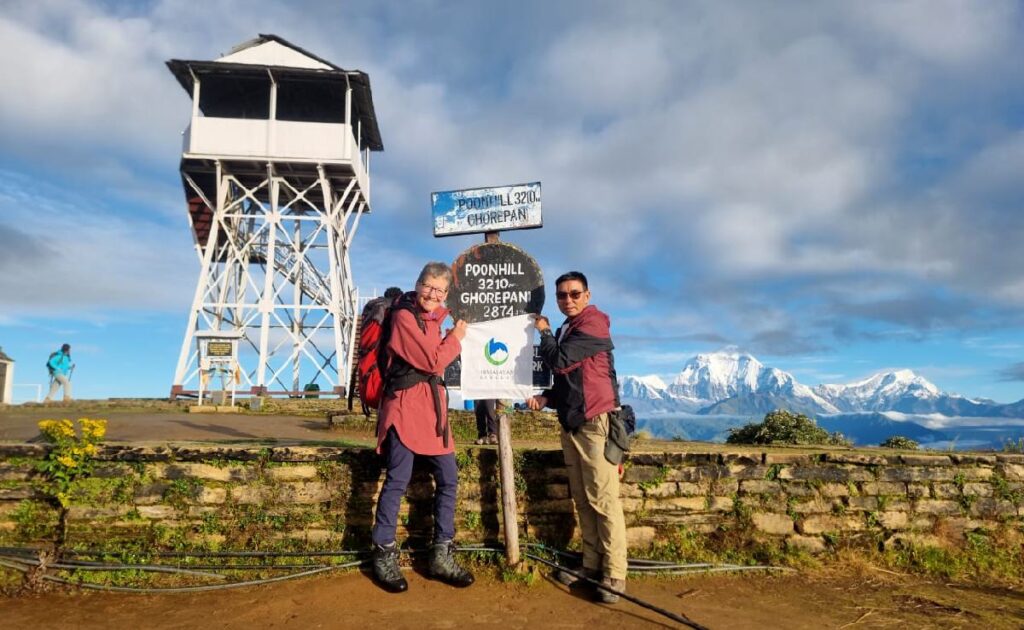
Trekking safely amid recent events: Our guest enjoys the breathtaking views from Poon Hill while travel operations in Nepal continue smoothly.

Here are the main reasons to plan your trip with confidence:

  • Peaceful environment in both cities and villages
  • Fully operational airports, hotels, and trekking routes
  • Helpful local guides and communities
  • Clear safety assurances from the tourism board
  • No travel restrictions or advisories
  • Real-time support through digital tools

Therefore, whether you want trekking, culture, or spiritual renewal, Nepal is ready for you.

Nepal Is Stronger Than Ever

The Gen Z awakening has not weakened Nepal, it has strengthened it. On the contrary, the country is calm, united, and determined to give visitors a safe and memorable experience.

From the Himalayas to the valleys, the atmosphere is positive. As a result, travelers will find resilience, hospitality, and renewal.

Travel With Confidence

Nepal safe to travel

Nepal is open and safe. Finally, book your trip today and experience a country where youth-led change meets timeless hospitality.

At Himalayan Circuit, we are back in the office, our trips are running, and our guides are ready to welcome you. Come explore Nepal, where resilience and hospitality never fade.