Nepal Diary: Airport Arrival Guide – What You Need to Know

Airport arrival procedure in Nepal

First Impressions: Welcome to Nepal

The airport arrival procedure in Nepal can be overwhelming for first-time visitors. Tribhuvan International Airport in Kathmandu is the main entry point, and understanding what to expect—from visa on arrival to hotel check-in—makes your journey smoother and stress-free.

Nepal is a land where towering mountains meet timeless traditions. Your first encounter with it usually begins at Tribhuvan International Airport in Kathmandu, where most travelers land.

The airport can get busy. But knowing what to expect will help you move through the process with ease. This guide by Himalayan Circuit walks you through everything—from immigration and baggage claim to SIM cards and hotel check-in.

At the Airport: What to Expect

As your plane descends into Kathmandu, you’ll see green hills and distant snowy peaks. The airport itself is small and lively, filled with voices from across the world.

After deplaning:

  • If you already have a visa, go to the “Foreigners with Visa” desk.
  • If not, use the visa machines, then head to “Foreigners without Visa”, pay your visa fee, and continue to immigration.
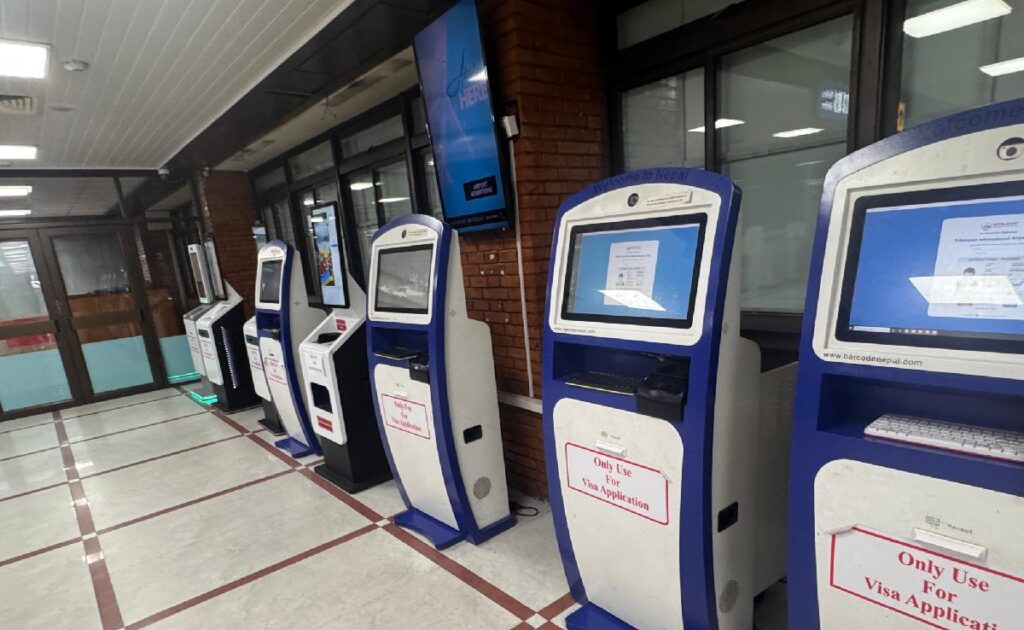
VIsa Machines

Immigration and Passport Control

Passport control is the next stop. During peak season, expect a short wait. Otherwise, the process is simple.

Join the correct queue—one for Nepali citizens, and one for foreigners. Keep these ready:

  • Your passport
  • Arrival form
  • Visa or visa payment receipt

Once the immigration check is complete, the next step in the airport arrival procedure in Nepal is collecting your luggage at the baggage claim area.

Baggage Claim and Customs

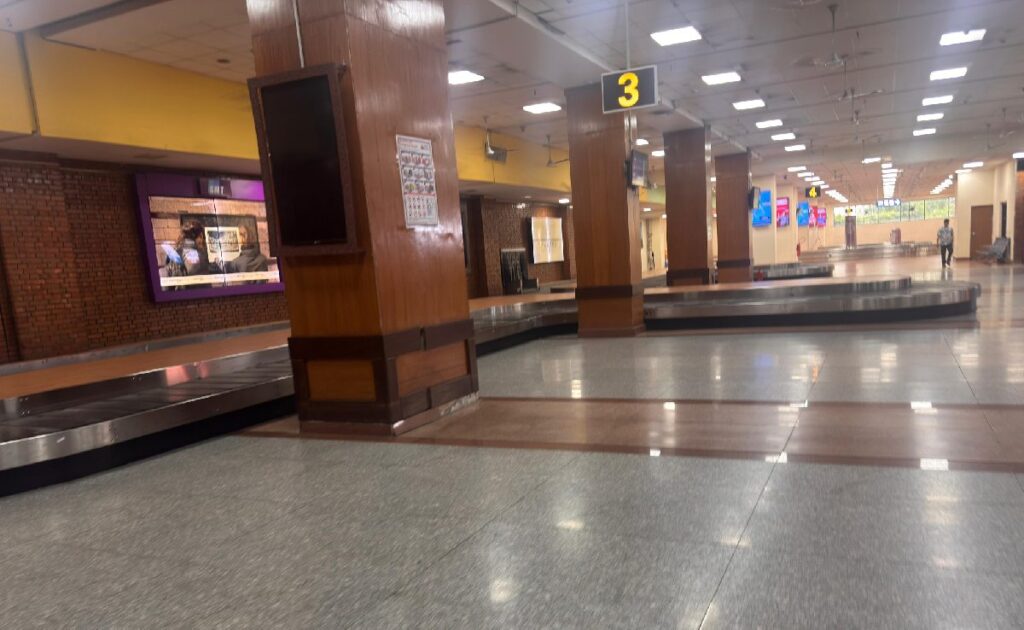
The baggage claim area is basic but functional. Look for your flight number on the screens above the belts. Keep in mind:

  • Sometimes only one belt works
  • Bags may show up on a different belt

Avoid paying porters unless you want help—trolleys are free. For lost or damaged luggage, go to the airline service desk nearby.

At customs, follow the:

  • Green channel if you have nothing to declare
  • Red channel if you’re carrying items like expensive electronics or large cash amounts

Random checks can happen, so keep receipts for valuable items.

Exiting the Airport: Transport and Help

After customs, you’ll exit through the arrival gate. Here, you’ll see:

  • Hotel representatives
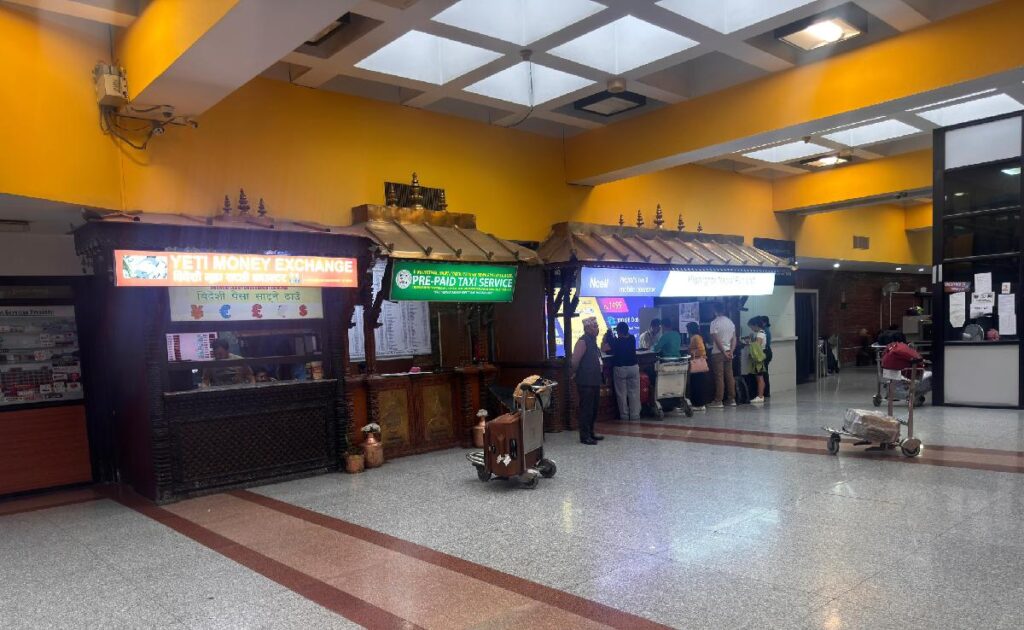
  • Taxi counters with fixed rates

It’s safer and easier to book through official counters or your hotel, rather than bargaining outside.

Safety and Security Tips

Nepal is generally safe. Still, be smart:

  • Keep your passport and cash secure
  • Don’t share personal info with strangers
  • Ask for help only from uniformed staff, tourist police, or information desks

Currency Exchange and SIM Cards

Currency exchange booths and ATMs are available inside the airport. The rates may not be the best, but they’re fine for small amounts.

Before leaving, visit a telecom booth for a local SIM card. Ncell and NTC are the main providers. Skip the tourist packages—they cost more. A regular SIM should be around NPR 150.

Hotel Check-in

Once you’ve exchanged currency and bought your SIM, head to your hotel. Have your passport and booking confirmation ready. Most hotels will need them to register your stay.

Arriving in a new country is the start of a fresh adventure. While Nepal’s airport process may seem a bit formal, it’s designed to keep things smooth and secure.

With the right info in hand, you’ll move through the airport with confidence—and start focusing on what really matters: the beauty, culture, and warm hospitality that Nepal has to offer.

Nepal Travel News: The International Airports in Nepal

Airport arrival procedure in Nepal

International airports in Nepal are playing a major role in reshaping the country’s tourism landscape. With the addition of modern gateways in Pokhara and Bhairahawa, Nepal is more connected than ever

However, things are changing. Nepal is now improving its aviation sector to support its growing tourism. The openings of Pokhara International Airport and Gautam Buddha International Airport in Bhairahawa have made travel easier and more direct.

These new airports help share tourism benefits across the country. They reduce travel time, support local economies, and allow visitors to reach different parts of Nepal more easily.

In this blog, The Himalayan Circuit gives you a detailed look at Nepal’s existing and upcoming international airports.

1. Tribhuvan International Airport – Kathmandu’s Main Gateway

Tribhuvan International Airport, once called Gauchaur Airport, is Nepal’s oldest and busiest international airport. Renamed in 1955, it’s located in Kathmandu, the heart of Nepal’s political and cultural life.

TIA has a 3,350-meter runway and connects Nepal to over 40 cities in 17 countries. Major airlines like Qatar Airways and Turkish Airlines operate flights here.

Thanks to its central location, travelers can quickly access key attractions such as Swayambhunath (Monkey Temple), Pashupatinath Temple, Patan, and Bhaktapur. These UNESCO World Heritage Sites are just a short drive away.

Moreover, TIA is the main starting point for treks to the Everest, Langtang, and Annapurna regions.

2. Bhairahawa’s Gautam Buddha International Airport

In May 2022, Gautam Buddha International Airport opened in Bhairahawa. Named after Lord Buddha, who was born nearby in Lumbini, this is Nepal’s second international airport.

The airport lies about 270 kilometers from Kathmandu. Its 3,000-meter runway and modern terminal can handle large planes and many passengers. This makes travel more convenient for both domestic and international tourists.

Because it is close to the Indian border, this airport offers easy access to southern Nepal. Its biggest advantage is its direct connection to Lumbini, a spiritual hub and UNESCO site.

In addition, travelers can explore Kapilvastu Museum and Chitwan National Park, both nearby.

3. Pokhara International Airport – Nepal’s New Tourism Hub

Pokhara International Airport, opened in 2023, is another major addition to Nepal’s aviation system. Built with help from China, this airport replaces the older domestic terminal.

It meets international standards with longer runways and upgraded terminals. As a result, reaching Pokhara—one of Nepal’s top tourist cities—is now quicker and more comfortable.

The airport is useful for those heading to the Annapurna region or Muktinath Temple. Visitors can also enjoy local highlights like Phewa Lake, Sarangkot, World Peace Pagoda, and Begnas Lake.

4. The Future of International Airports in Nepal – Nijgadh

Nijgadh International Airport is a proposed airport in Bara District, about 150 kilometers from Kathmandu. This large-scale project is being planned to reduce traffic at TIA.

It is expected to have one of the longest runways in South Asia and will handle millions of travelers every year. The goal is to create a major travel hub for the eastern and central Terai region.

The airport will also improve access to places like Parsa National Park and Gadhimai Temple, helping promote tourism and development.

Nepal’s international airports in Nepal plays a key role in tourism, trade, and cultural exchange. As more airports open and old ones improve, travel becomes smoother and more accessible.

For visitors, this means shorter trips, fewer layovers, and easier access to Nepal’s top destinations. In short, these gateways are shaping a more connected and welcoming future.

With every new flight, Nepal opens up a little more—inviting the world to experience its beauty, culture, and adventure.