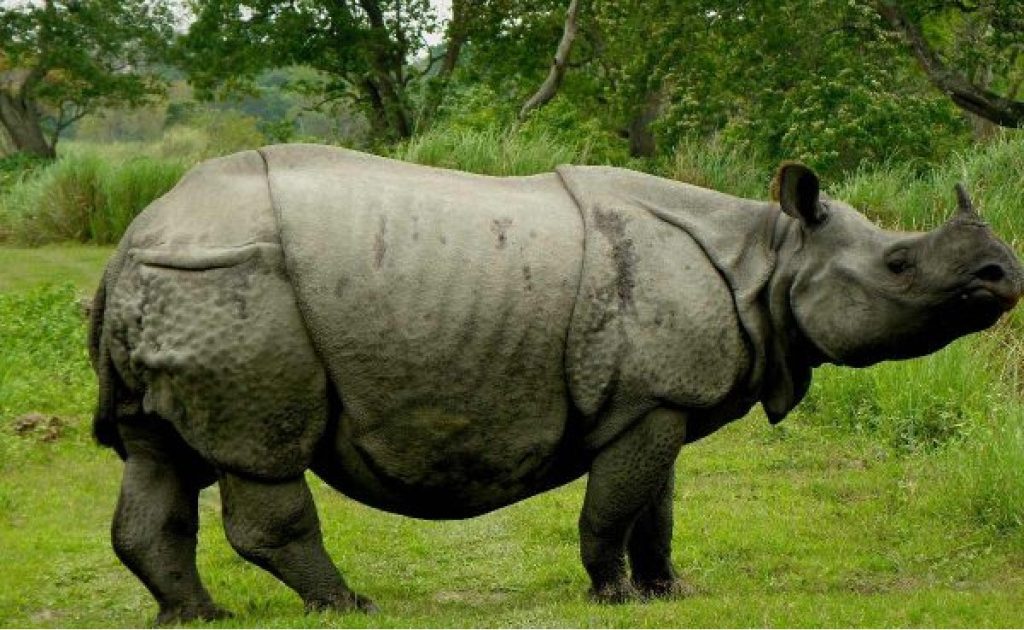
Nepal is one of the most stunningly beautiful countries in Asia with gorgeous landscapes, pristine mountains, and a wealth of wildlife. Nepal is home to a variety of fascinating species, but the rhinoceros stands out as a major tourist attraction.
Tourists from all over the world visit Nepal to witness the rhinoceros, one of its most popular tourist attractions. The natural beauty of Nepal and the abundance of wildlife make it an ideal location for those who love nature and animals.
One-horned rhinoceros are one of the rarest and most endangered animals in the world, and Nepal is fortunate enough to be one of the few countries where they are preserved in their natural habitat.
Chitwan National Park, situated over 370 square miles in Nepal’s southern plains, provides a sanctuary for these critically endangered animals. The park houses more than 600 rhinoceroses, making it a popular wildlife destination.
Tourists flock to Chitwan National Park to see the majestic Rhinos roaming freely, and there is no doubt that they are the park’s most famous celebrity. The majority of hotels in Chitwan have a Rhino statue to attract more guests, as the statue of the Rhino is believed to attract more guests.
Cultural Significance:
Rhinoceroses are considered sacred animals in Nepalese culture, and their presence is deeply ingrained in folklore and tradition. The locals believe that spotting a rhino is good luck and protection against evil spirits.
One-horned rhinoceros in Nepal’s Chitwan National Park is especially revered as a manifestation of Lord Ganesh, the elephant-headed deity who symbolizes prosperity and wisdom. Hinduism associates the rhinoceros with many gods, including Lord Vishnu and his mount, Indra, and the king of gods.
Traditionally, rhinoceros are portrayed as symbols of strength and endurance in songs and dances such as Deuda and Bela. There is a cultural significance to rhinoceroses that extends beyond mythology to conservation efforts since rhinoceros conservation contributes not only to biodiversity protection but also to the preservation of Nepal’s cultural heritage.
The presence of these majestic creatures in Nepal is a major attraction for tourists, who flock to the country in order to witness them up close and immerse themselves in the heritage of Nepal.
Ecological Importance:
The rhinoceros is not just an icon of Nepal’s culture, but also an indispensable member of its ecosystem, as herbivores, rhinoceroses disperse seeds and maintain the balance of the ecosystem.
The rhino not only contributes to wildlife conservation but also protects and maintains its habitat. They contribute significantly to the conservation and development of grasslands and their ecosystems.
Rhinos mainly feed on grasses, which control vegetation growth and maintain mosaic landscapes within their territories. Their grazing activities affect plant community structures and enhance nutrient distribution.
Moreover, the animals disperse seeds through digestion, thereby aiding forest regeneration. Protecting rhinoceros populations in Nepal is therefore crucial for the preservation of biodiversity and sustainable ecological processes.
Breathtaking wildlife experiences:
You can see a variety of wild animals in their natural habitat on a trip to Nepal, which is a unique opportunity for wildlife enthusiasts. Visitors to the park can see rhinoceroses along with elephants, Bengal tigers, and countless bird species while they are on their safari in the park.
Awe-inspiring pictures of these endangered giants can be found at Chitwan and Bardia, two of the country’s lush national parks. If you embark on an elephant-back safari through dense grasslands and marshes, there is a good chance that you will see rhinoceroses grazing peacefully or paddling in rivers.
Additionally, Nepal’s commitment to wildlife conservation creates even greater interest in rhinoceros sightings, since the Nepalese government has taken strict measures to protect this endangered species.
Several anti-poaching units, habitat management programs, and community conservation programs have led to the increase in rhino populations in recent years. The wildlife of Nepal is being actively protected, which makes it a popular destination for eco-conscious tourists.
The rhinoceroses in Nepal have become a major tourist attraction due to their cultural significance, ecological importance, and breathtaking wildlife experiences.
Taking a Rhinoceros tour in Nepal offers wildlife enthusiasts the opportunity to experience close encounters with rhinos, while at the same time contributing to the ongoing conservation efforts in Nepal.
So, on your next vacation, visit Nepal and enjoy wildlife viewing at Chitwan National Park with Himalayan Circuit Treks for a wildlife tour that gives you the opportunity to see these majestic creatures in their natural setting.
No Comments yet!