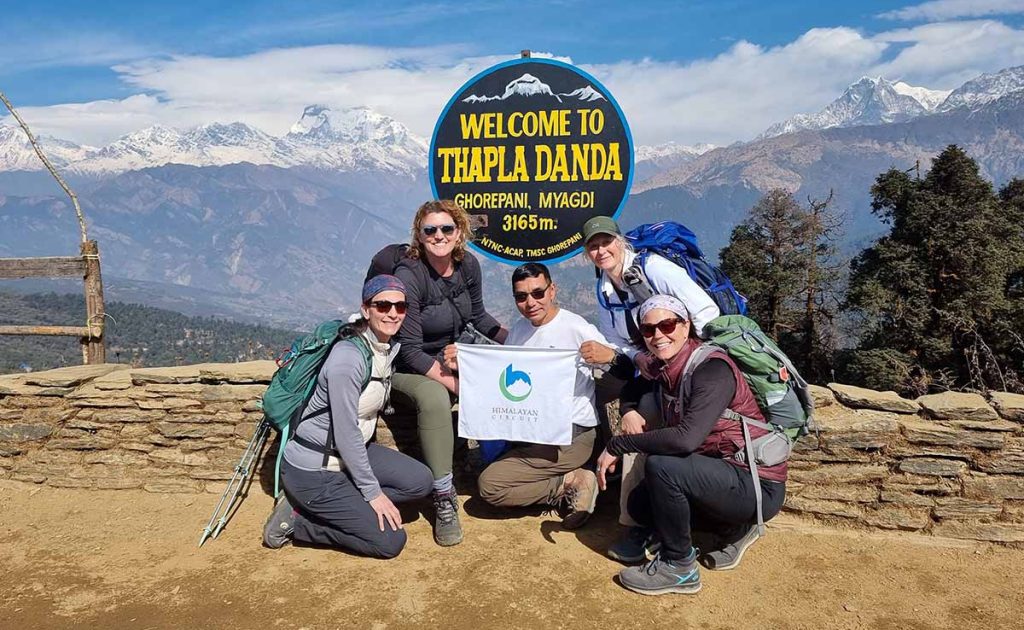
Trekking in Nepal is one of the most popular activities in the country, and it is an incredibly beautiful experience. Known for both its culture and natural beauty, the country is one of the most beautiful places to travel.
The Nepalese regard guests as gods. Getting some quality adventure time to you is always a great experience. While trekking in Nepal can be fun, there are also some risks you might encounter, and we think your safety is more important than anything else.
Considering your safety as a priority, the Nepal Government has banned solo trekking in the country. The experience of trekking in Nepal is even better with a guide, as guides can offer a variety of great experiences.
For more information about the benefits of trekking in Nepal with a guide, visit our blog “Benefits of trekking with a guide”.
Trekking in Nepal is a popular activity for tourists; however, solo trekking can be challenging and risky. Himalayan Circuit trek presents the following risks associated with solo trekking in Nepal:
Injuries:
The slippery hills or unmanaged pavements commonly found on trekking trails can cause minor injuries or even major ones. A solo trekker is more likely to suffer an accident or injury since they are alone and have no one to assist them in an emergency.
There is a possibility of sustaining injuries, including falls, sprains, and other types, if you are unfamiliar with the area or have little experience on the trails. Our Himalayan Circuit team, recommends hiring a guide, since we value safety above all else.
Fear of Getting Lost:
Trekking in Nepal can be challenging, especially if you find yourself lost in the wilderness without a guide to guide you. If you are walking in the wilderness with no one to assist you in your map reading and to point out the way, you are more likely to lose track.
While GPS is an efficient and easy navigation tool, a map and compass should always be carried as there is only a poor internet connection. Nature can turn you down even with good navigation skills, such as wild winds, fogs, overgrown paths, and snow-covered paths.
Cultural misunderstandings:
Nepal is a country with diverse cultures, so trekkers may encounter cultural differences they are unfamiliar with. It is especially challenging for solo trekkers to navigate these differences, which can lead to misunderstandings.
It is also important for trekkers to follow the customs and traditions of the locals so as not to offend them. What’s more exciting than learning about a new culture and participating in local celebrations when traveling with a guide?
Mentally drain
Solo trekking means having only yourself with you. As you trek through the remote area of the Himalayas, you will be alone; you will not have anyone to share your feelings, no one to hear your laughter, and many other things. Solo trekking in Nepal can be mentally draining due to this isolation.
The experience of trekking alone without talking to others becomes so boring; walking in nature without any sound of the city creates a sense of loneliness and mental instability. A long walk to the destination will make you anxious. The best way to avoid this feeling is to hire a guide and make your trekking more enjoyable.
Attacks of thief
The incidence of humans attacking trekkers is very rare in Nepal, but we cannot ignore such cases; sometimes you may encounter it if you are all alone. There is a possibility that you may be rubbed or looted by the people.
This does not mean that you should avoid people, but that you should maintain a certain distance from them by being friendly with them. We also recommend that you avoid hanging out with the people you are just getting to know.
Carry your luggage
Solo trekking means you won’t have a guide or porter helping you carry your luggage or goods, such as water bottles, bags, food, cameras, etc. You are responsible for carrying everything yourself.
It will be challenging for solo trekkers to reach their destination within the stipulated timeframes with their luggage. So, why not hire a guide and porter to accompany you while trekking so that you can experience the trek more fully?
Ultimately, trekking solo in Nepal can be a risky and challenging experience. It is important for trekkers to be aware of the potential risks associated with solo treks and take appropriate measures to mitigate them.
The Himalayan Circuit trek recommends hiring a guide, trekking in a group, and carrying a reliable communication device in order to reduce the risks associated with solo trekking and to get the most out of the experience.
No Comments yet!