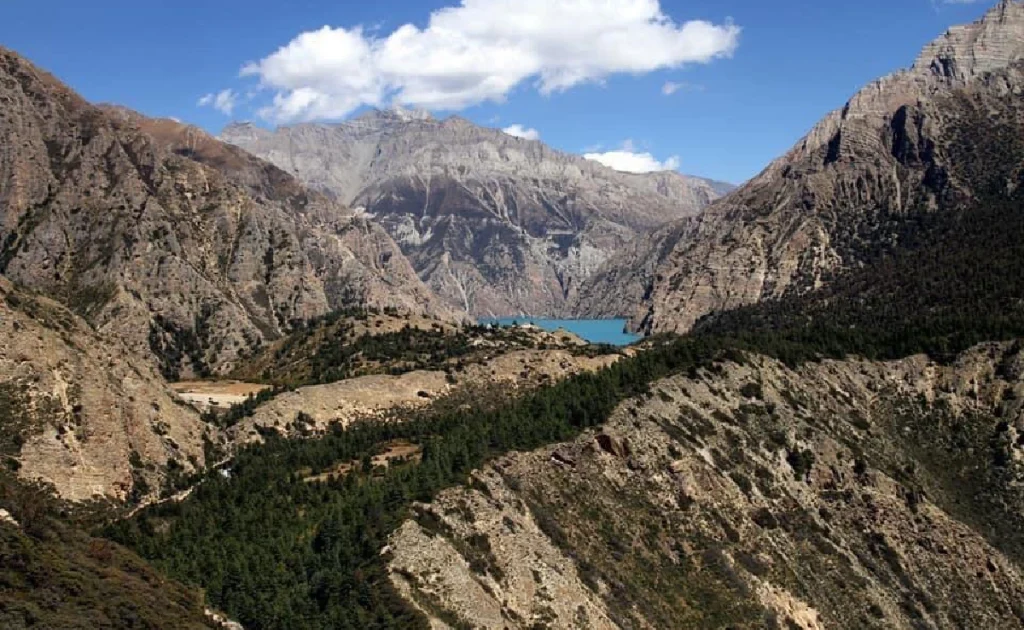
Everest, Annapurna, Kathmandu, and Pokhara are world-famous. However, Nepal offers far more than its iconic peaks and lively cities. Across the hills and deep into the far west, you will find hidden gems in Nepal, quiet villages, serene lakes, sacred meadows, and gentle trails that invite you to slow down.
Moreover, these places provide authentic culture, local cuisine, and warm hospitality often without the crowds. If you prefer meaningful travel and unique experiences, then these off-the-beaten-path destinations are well worth adding to your itinerary with us. Ultimately, they reward patience with depth and genuine connection.
Why Explore Hidden Gems in Nepal?
Choosing lesser-known destinations often leads to a more peaceful and fulfilling experience. In particular, you will enjoy pristine nature, intact traditions, and deeper interactions with local communities. As a result, your trip becomes more personal, more reflective, and more memorable.
Additionally:
- You will capture striking landscapes without the usual lines and noise.
- You will support communities through fair, locally led tourism.
- You will find time to relax, take photos, go on gentle hikes, and simply be present.
In short, Nepal’s quieter corners combine culture, nature, and calm in a single journey. Consequently, they appeal to travelers seeking depth rather than speed.
Hidden Gems in Nepal (with Practical Tips)
1) Tansen (Palpa): Heritage, Hills, and Handicrafts
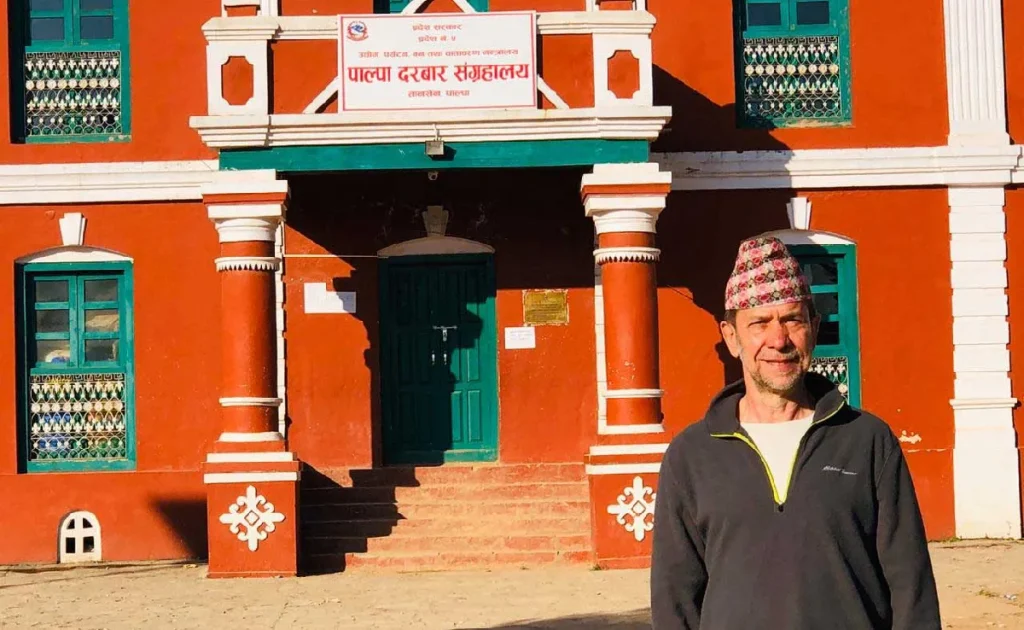
Why go: A charming hill town in western Nepal with Newari houses, narrow lanes, and sacred temples, ideal for culture lovers who value tranquility. Notably, the historic core remains walkable and welcoming.
Highlights: Rani Mahal (often called the “Taj Mahal of Nepal”), family-run eateries, and artisan-made textiles and metalwork.
Best time: October–April (clear skies and pleasant temperatures).
How to get there: About 7–8 hours by road from Pokhara or 8–9 hours from Kathmandu.
Pro tip: For sunrise, start early at Srinagar Hill. On clear days, the panorama is exceptional. Furthermore, late afternoons offer soft light for photography.
2) Khaptad National Park: Sacred Meadows of the Far West
Why go: A serene, spiritually significant plateau with rolling grasslands, mixed forests, and wide mountain panoramas ideal for nature and peace seekers. Beyond the scenery, the area carries strong cultural reverence.
Highlights: Khaptad Baba Ashram, seasonal wildflowers, and open-sky meadows frequented by herders.
Best time: April–June and September–November.
How to get there: Fly to Dhangadhi or Bajhang, then continue by road and trail with a local guide.
Pro tip: Trails are less marked. Therefore, hire a local guide for navigation and cultural context. In addition, check park regulations ahead of time.
3) Rara Lake: Nepal’s Shimmering Blue Jewel

Why go: Nepal’s largest lake, wrapped in tranquil forests and gentle hills, remote, pristine, and photogenic. Even at midday, the water remains strikingly blue.
Highlights: Lakeside walks, non-motorized boating, sunrise reflections, and birdwatching.
Best time: September–November and April–June.
How to get there: Fly via Nepalgunj to Talcha (Mugu), then a short trek to the lake. Alternatively, go overland for a longer yet scenic route.
Pro tip: Pack layers; even on sunny days the weather can shift quickly. Consequently, a windproof jacket and warm hat are helpful.
4) Ilam (Eastern Nepal): Tea Gardens and Soft Morning Light
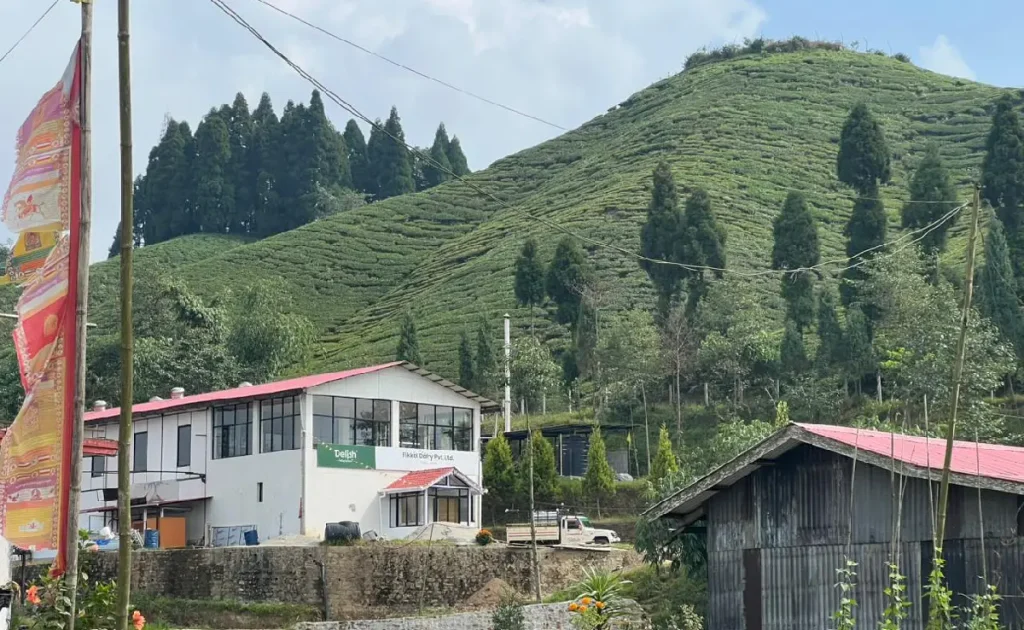
Why go: Rolling tea estates, cool weather, and peaceful rural life, ideal for slow travel and mindful mornings. In contrast to busier hubs, Ilam rewards unhurried explorers.
Highlights: Garden walks, village stays, sunrise viewpoints, and organic teas.
Best time: October–December for clear skies; March–May for lush, green hills.
How to get there: Fly to Bhadrapur and drive 3–4 hours; or travel overland from Kathmandu (long yet beautiful).
Pro tip: Visit a local tea cooperative for tasting and farm-to-cup stories. Additionally, plan a golden-hour photo walk along the tea rows.
5) Gokyo Lakes: Quiet Majesty in the Everest Region
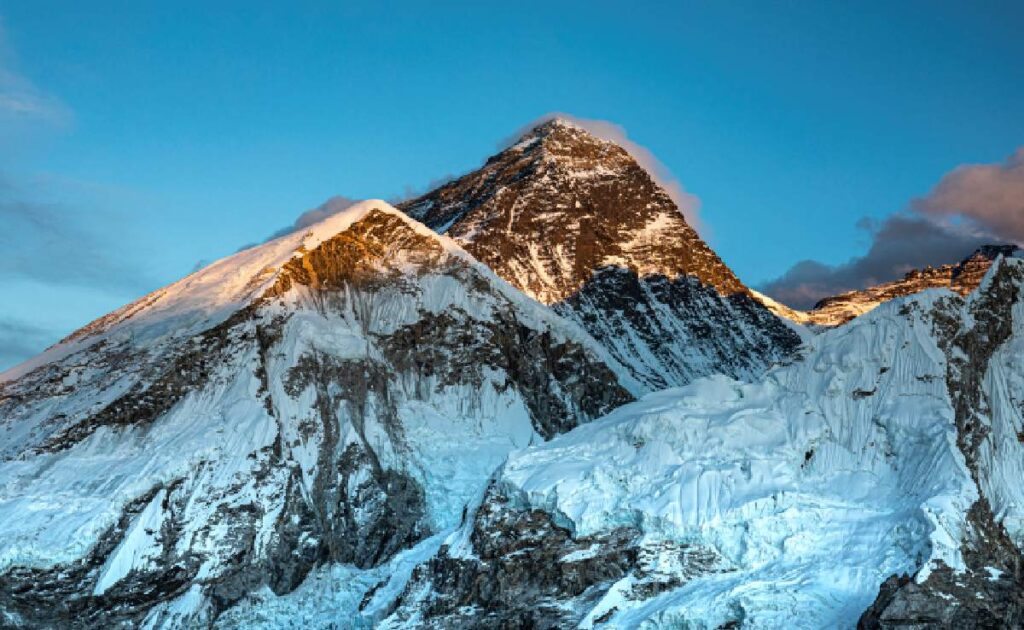
Why go: A spectacular alternative to the classic Everest Base Camp route, with fewer crowds and surreal blue lakes. Moreover, views from Gokyo Ri reveal glaciers and high peaks in every direction.
Highlights: The chain of Gokyo Lakes, Ngozumpa Glacier vistas, and sunrise from Gokyo Ri.
Trek grade: Moderate to strenuous (due to altitude).
Best time: March–May and October–November.
How to get there: Fly to Lukla, then trek via the quieter Gokyo Valley.
Pro tip: Acclimatize slowly. Add a rest day around Machhermo or Dole to enjoy the scenery and stay safe. Consequently, you reduce the risk of AMS.
6) Ruby Valley: Culture-Rich Trails Between Langtang and Manaslu
Why go: A lesser-known trekking corridor with Tamang and Gurung villages, hot springs, and open mountain views, perfect for cultural immersion. Because lodges are simpler, the experience remains genuinely local.
Highlights: Village homestays, traditional kitchens, hillside farms, and quiet ridgelines.
Trek grade: Easy to moderate (flexible routes for different fitness levels).
Best time: October–December and March–May.
How to get there: Drive from Kathmandu to Syabrubesi or Dhading trailheads; then trek with a local guide.
Pro tip: Choose community lodges or homestays to keep your spending local and your experience authentic. In addition, ask about seasonal festivals or gatherings.
Practical Tips for Offbeat Travel in Nepal
- Plan for time: Remote journeys can be long; therefore, build buffers for weather, permits, and road conditions.
- Cash matters: ATMs are scarce; consequently, carry sufficient cash in small denominations.
- Pack smart: Layers, a warm jacket, snacks, a power bank, a water filter, and a basic first-aid kit. Moreover, bring sun protection for high altitudes.
- Hire local guides: For safety, translation, route finding, and respectful access to sacred spaces. As a bonus, you’ll gain stories you’d otherwise miss.
- Travel kindly: Respect local customs, minimize plastic, and choose ethical operators. Ultimately, your choices shape better futures for host communities.
There is so much more to Nepal than its famous peaks and popular trails. From Tansen’s heritage lanes and Ilam’s tea terraces to Rara’s mirror-like waters, Khaptad’s sacred meadows, Gokyo’s blue lakes, and Ruby Valley’s welcoming villages these hidden gems in Nepal invite you to slow down and connect deeply.
When you are ready to avoid the crowds and discover authentic Nepal, we can help design a quiet, culturally rich journey that matches your pace and interests. In the end, a thoughtful route turns travel into a meaningful exchange.
No Comments yet!