
Nepal is a secular country where the people of diverse religious belief live in harmony. Nepal’s sacred places have a long history dating back to the days before the country was unified.
Nepal is believed to be the home to 33 million god and goddess. Temples and religious sites located in different corners of Nepal are dedicated to these god and goddess. There is a strong belief among the Nepalese people that their wish gets fulfilled when they visit the temple and pray.
The Nepalese people visit these sacred places because they have a deep conviction that God is present there. The religious mythologies attached to the sacred sites have kept them religious to this day. Devotees offer milk, sweets, fruits, garlands, and bow down to the shrine to seek blessings from the god.
The following are the sacred places in Nepal that Nepalese visit more frequently.
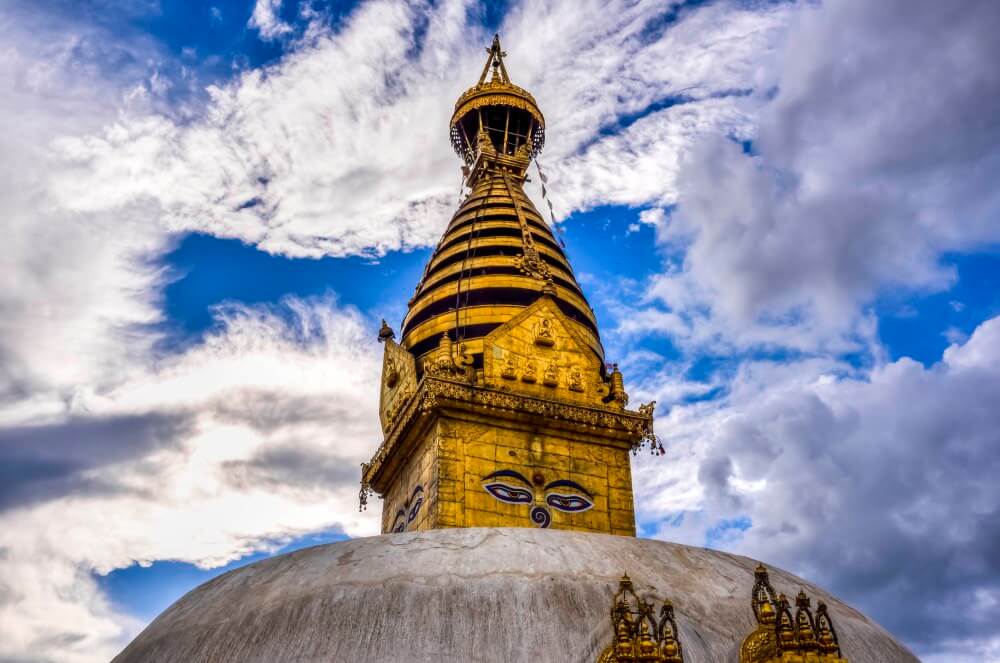
It was once said that there are more temples in Kathmandu Valley than houses, and more statues of gods and goddesses than residents. The Kathmandu valley is like an open air museum, filled with religious aspects, and people of all cultures live in harmony. The beautiful valley is home to seven UNESCO world heritage sites and is a sacred place for Hindus and Buddhists alike.
The Boudhanath Stupa and Swyambhunath Stupa are sacred Buddhist pilgrimage destinations that attract pilgrims from all over the world. Similarly, Pashupatinath Temple, Changunarayan Temple, Swyambhunath Temple and Budhanilkantha Temple area must visit pilgrimage sites for Hindus. A visit to this city rich with cultural and religious aspects is not to be missed out on.

Lumbini is the birthplace of Lord Buddha and is one of the holiest places to visit in Nepal. Also listed in World Heritage Sites, Lumbini is home to many eye catching monasteries and Buddhist centers built by various countries with strong Buddhist traditions.
The site is one of the four sacred sites that Buddha reportedly suggested to his disciples and followers to visit. There are several religiously significant attractions in Lumbini such as the Maya Devi temple, Ashoka pillar and the remains of the Lumbini palace that you should not miss-out visiting.
- Muktinath Temple
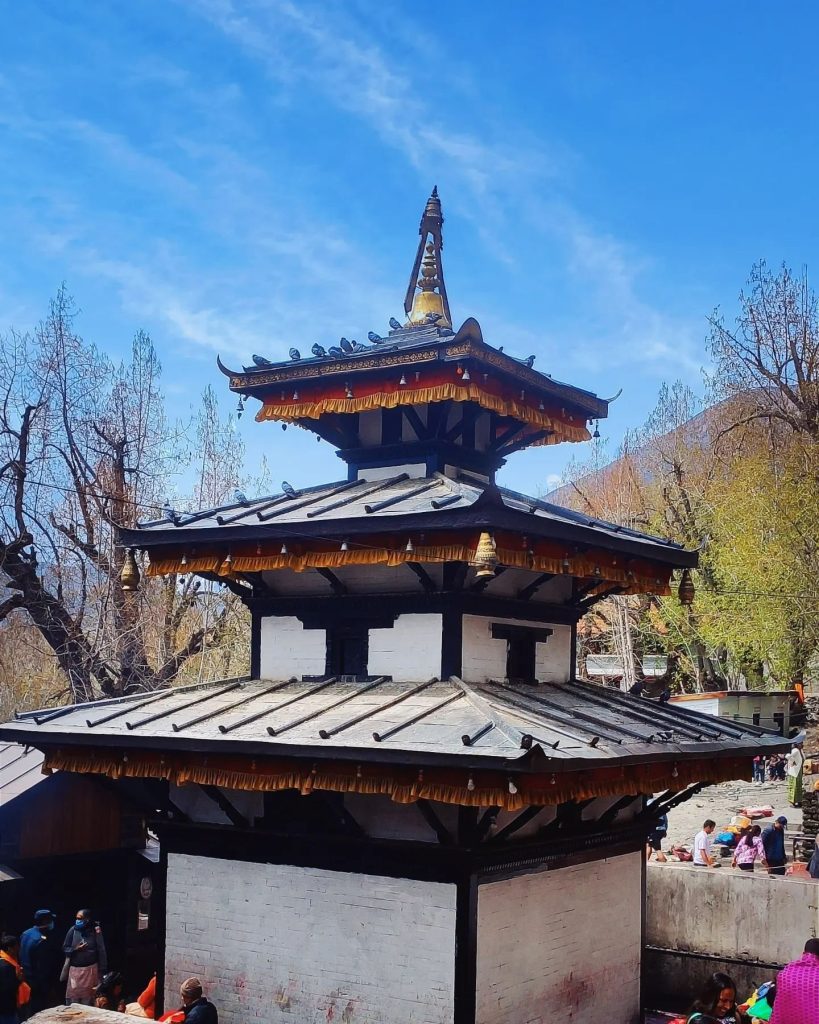
Muktinath Temple (3,710m) is a sacred place to both Hindus and Buddhists located in Mustang district of Nepal. As a symbol of religious symbiosis, this temple represents the fusion of Hindu and Buddhist religion. Devotees visit here with a belief that taking a bath in the 108 waterspouts (Muktidhara), releases all the negativity from their bodies and receive salvation. It is said that the holy shrine has arisen on its own and is also one of 108 Vaishnava shrines.
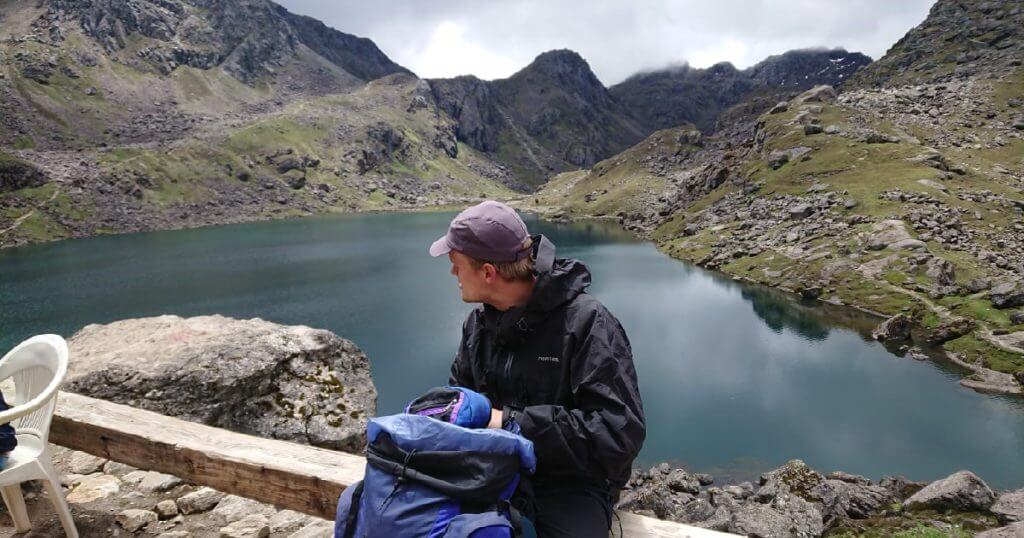
Gosaikunda, located in Langtang National Park, is a holy place for Hindus, and thousands of pilgrims flock here every year during the Janai Purnima and Gangadashahara festivals. According to Hindu mythology, gods Shiva and Gauri lived here. Located 4,380m above sea level, this Hindu pilgrimage site is also a popular trekking destination.
There are all total 108 holy lakes in this region which makes a visit to this sacred place exciting and spiritual for visitors. Lake Gosaikunda is also one of the major highlights of Langtang trek.
- Janakpur Dham
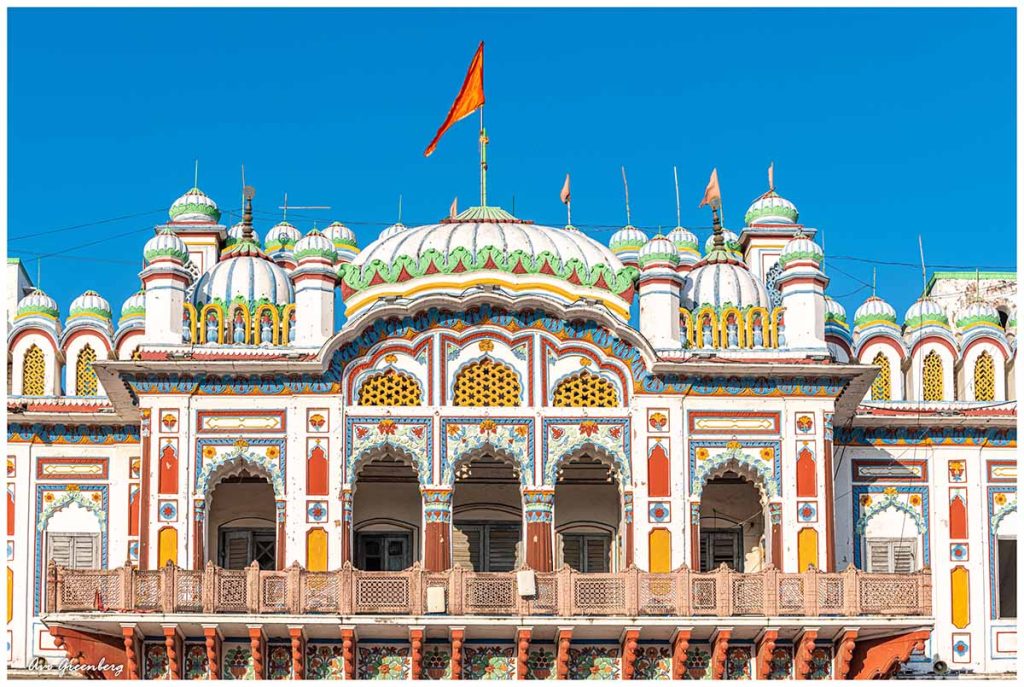
Janakpur is a major pilgrimage site for Hindus because it is the place where Goddess Sita was born and where she married Lord Ram. This sacred place is just not known for beautiful temples and monuments, but also for its arts, rich cultural history, literature and language. The Janaki Temple dedicated to Goddess Sita, Ram Mandir, Vivah Mandap, Gangasagar and Swargadwar are major attractions for visitors. Hindu pilgrims from all part of Nepal and India visit this holy site due to its religious wealth.
- Halesi Mahadev Temple
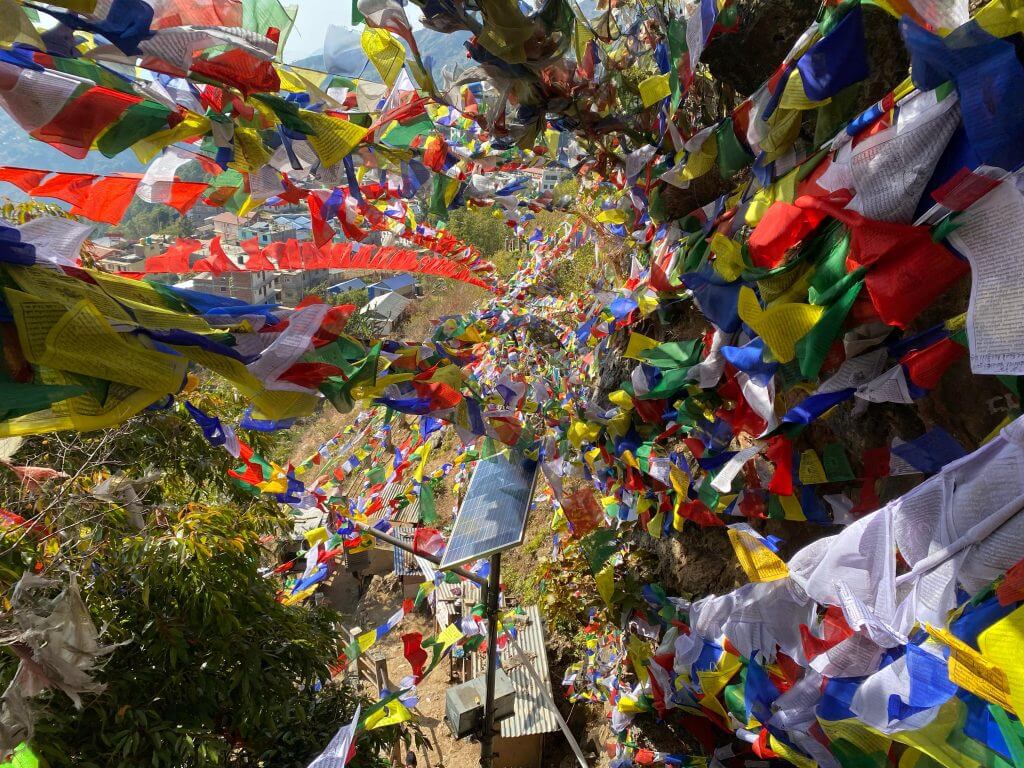
Known as Pashupatinath of western Nepal, the Haleshi Mahadev Temple (3,100 ft) in Khotang district is a sacred place to Hindu, Buddhists and Kirantis. According to traditional beliefs, sinners cannot pass through this passage, but by confessing wrongdoing they will be able to pass. It is said that devotees come from far and wide to worship Lord Shiva, with a belief that Haleshi Mahadev grants prosperity to poor and knowledge and wisdom to ignorant.
- Pathivara Temple
The Pathivara temple is a sacred place for Hindus as well as Limbu people. It is located in Taplejung district at an elevation of 3,794 meters (12,444.32 feet), which is also a secondary route of the Kanchenjunga trek.
A visit to this sacred place tests our devotion and patience as it offers a thrilling journey to reach the temple. It is believed that Goddess Pathivara possesses supernatural powers and is capable of fulfilling the requests of those who visit her temple and make offerings.
- Chitwan Devghat
Devghat is a popular pilgrimage site in Chitwan, located at the junction of the Kali Gandaki and Trisuli River. As per Hindu Culture, “Ghat” denotes a sacred place where cremation and last rituals are conducted or performed by the family members or close relatives after the death of Hindu people.
Devghat is a must-visit sacred place for Hindu followers and spiritual seekers as the area is surrounded with numerous temple, cave, and historical sites. A holy bath here is believed to wash away sins, which draws devotees from far and wide to take a holy bath.
- Dolakha Bhimsen
Dolakha Bhimsen popularly known as Bhimeshwor temple lies in Dolakaha district of eastern Nepal. The temple situated in the lap of Mt. Gauri Shankar is regarded as the abode of Lord Shiva and his consort Goddess Parvati. There is a belief that Bhimsen’s statue occasionally emits fluid-like drops, which signals any bad fortune that might happen in the country. Numerous people visit and perform puja in this sacred temple to make god happy.
- Baraha Chhetra (Kshetra)
Baraha Kshetra is a Hindu pilgrimage site in Sunsari district, located at the junction of Sapta Koshi and Koka River. This sacred place is one of the oldest shrines in Nepal, mentioned and glorified in multiple Puranas including Varaha Purana, Brahma Purana, and Skanda Purana and is even included in the epic Mahabharata.
It is believed that the lifting of a stone in front of the temple will determine whether a person is sinless or sinful. It is said that only the persons of virtue can lift the stone. According to Hindu belief, people who have lost their parents must perform sradda (offering to ancestors) at this sacred place so that their parents’ souls will cross the astral River Baitarni and not wander between the heaven and hell.
All of these fascinating facts about the temple make it a popular pilgrimage site and a must visit sacred place in Nepal.
Visit the sacred places of Nepal at least once in your lifetime to bring good luck and positivity in your life.
No Comments yet!