Nepal Travel News: How Homestay Tourism Has Evolved in Nepal

Welcome in sirubari

Nepal, a country renowned for its majestic Himalayas, vibrant cultures, and spiritual magnetism, has evolved into a multi-dimensional travel destination. Beyond its well-trodden trekking trails and heritage cities, one of the most transformative tourism trends in recent decades has been the development of homestay tourism. Homestays, as an alternative to commercial hotels, have empowered rural communities, preserved cultural heritage, and promoted sustainable and inclusive tourism. This article traces the chronological journey of homestay tourism in Nepal and analyzes its current landscape.

The Roots: Ecotourism and Community Participation

The seeds of homestay tourism in Nepal were sown in the late 1980s through the concept of community-based ecotourism. Ghandruk, a scenic Gurung village nestled in the Annapurna Conservation Area, became a pioneering site for this initiative. Managed under the auspices of the Annapurna Conservation Area Project (ACAP), this early experiment introduced the idea that local people could be key custodians and beneficiaries of tourism. The approach combined nature conservation, cultural preservation, and economic development.

By placing communities at the heart of tourism, this model demonstrated how tourism could serve as a tool for rural empowerment rather than exploitation. Although homestays were not formally structured at this stage, the Ghandruk pilot laid the conceptual foundation for future developments.

Timeline of Community Homestay Development in Nepal

Homestay tourism has become an engine of rural transformation in Nepal, evolving from modest conservation efforts to a thriving network of community-powered hospitality across the nation. The table below chronicles major developments—highlighting the communities involved, geographic expansion, and the progression toward sustainable and inclusive tourism.

Year / Period Community Homestays & Milestones Location / Entity Significance
Late 1980s Community-based ecotourism initiated Ghandruk (ACAP) Foundation for participatory tourism[1]
1998 First structured homestay community Sirubari, Syangja First model homestay village[2]
2000 Cultural immersion homestay started Ghale Gaun, Lamjung Gurung cultural tourism[2]
2002–2007 UNDP-backed homestay proliferation Mustang, Ilam, Poverty alleviation through tourism[3]
2008 Homestays recognized in tourism policy MoCTCA Policy-level inclusion[4]
2010 Homestay directives formalized Government of Nepal Legal framework established[5]
2009–2010 New community homestays Lwang Ghalel, Bhakunde Expansion to new hill villages[6]
2011 Tharu community homestay begins Dalla, Bardiya Terai eco-cultural tourism[7]
2012 CHN founded; new trekking homestay Panauti, Narchyang Digital access and offbeat trekking[8]
2013 Jungle and hill homestays expanded Amaltari, Patlekhet Wildlife and cultural blend[8]
2014 Homestays in eastern Nepal initiated Shree Antu (Ilam), Namje (Dhankuta) Tea and Magar heritage tourism[8]
2016 Homestays legally classified as tourism businesses Industrial Enterprises Act Eligible for loans and grants[9]
2019 Remote homestay expansion Chillikot, Dang Mid-west inclusion[10]
2020–2021 Pandemic pivot to domestic tourism Nationwide Hygiene protocols and local marketing[11]
2024 CHN’s Community Connect & Machhapuchchhre Homestay relaunched Kaski Post-COVID revival with 23 organic homes[12]

This enriched timeline reflects the growing complexity and reach of Nepal’s community homestay movement—from the early days in Sirubari and Ghandruk to recent additions in Eastern and mid-west regions. It demonstrates how policy frameworks, digital platforms like CHN, and renewed post-pandemic resilience have woven a diverse tapestry of community tourism across mountains, hills, and plains.

Conclusion

The history of homestay tourism in Nepal is not merely a record of projects and policies; it is a story of people and places—of ordinary families turning their homes into windows to Nepal’s heart and soul. From the pioneering model in Sirubari to the digital outreach of CHN’s Community Connect, homestays have evolved into more than just lodging—they are powerful tools for cultural preservation, economic inclusion, and responsible travel.

As Nepal continues to position itself as a sustainable tourism destination, investing in the homestay sector—through capacity building, quality assurance, infrastructure, and inclusive governance—will be key. In the face of globalization, climate change, and evolving travel preferences, homestays offer a grounded, human-scale approach that reconnects travelers with authenticity, communities with opportunity, and tourism with purpose.

References

Government of Nepal, Ministry of Culture, Tourism and Civil Aviation. (2008). Tourism Policy 2008. Kathmandu, Nepal: MoCTCA.

Government of Nepal, Ministry of Culture, Tourism and Civil Aviation. (2010). Homestay Operation Directives 2010 (2067 B.S.). Kathmandu: MoCTCA.

Nepal Tourism Board. (2019). Homestay Program in Nepal: Opportunities and Challenges. Kathmandu: NTB Research Division.

United Nations Development Programme (UNDP). (2007). Tourism for Rural Poverty Alleviation Programme: Final Evaluation Report. Kathmandu: UNDP Nepal.

Nepal Rastra Bank. (2021). Impact of Tourism on Rural Economies: A Study on Homestay and Local Enterprises. Kathmandu: NRB Publications.

Shrestha, P. M., & Shrestha, B. R. (2015). Community-based Homestay Tourism in Nepal: Practices and Prospects. The Gaze: Journal of Tourism and Hospitality, 7(1), 1–21. https://doi.org/10.3126/gaze.v7i0.14046

Regmi, R. R. (2020). Rural Tourism and Homestay in Nepal: A Study of Community Empowerment in Sirubari and Ghalegaun. Kathmandu University School of Management (Master’s Thesis).

By: HC Research Team

Spiritual & Wellness: Homestay Experiences in Nepal

Homestays in Nepal

Homestays in Nepal offer a special chance to experience the heart of Nepali communities. Staying with a local family lets you share their way of life, traditions, and stories. You are welcomed not just as a guest but as a friend or family member.

These stays are more than just a place to sleep. For example, whether you’re cooking together or laughing over a shared meal, you’ll take part in everyday life. Homestays in Nepal range from simple guest rooms in busy cities to shared spaces in peaceful mountain villages. In this blog, Himalayan Circuit shows you the beauty, warmth, and honest hospitality that make homestays in Nepal so special.

Experiencing Life with a Local Family in Nepal

Arrival and First Impressions

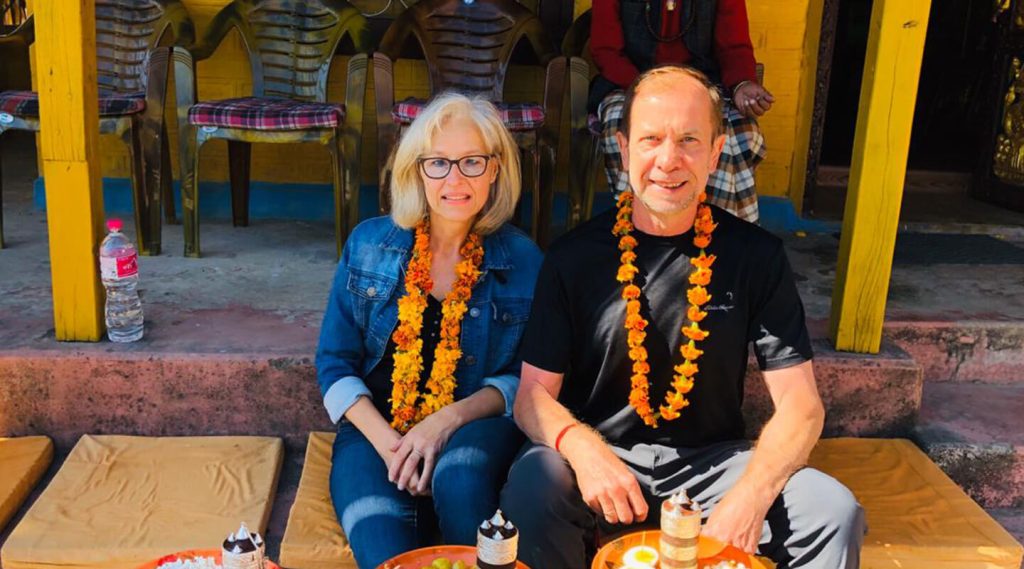
As soon as you arrive, warm smiles and traditional Nepali greetings welcome you. Locals press their palms together and say Namaste. Sometimes, they also greet you with garlands, tika, flowers, or a khada (a traditional scarf).

You’ll get a short tour of the house. Most homes are cozy and simple, built in the Nepali style. After settling in, the family introduces you to the surroundings and explains the way of life you’ll enjoy during your stay.

Daily Life and Routine with the Family

Living with a local family lets you see how people in Nepal spend their days. You will surely discover things that surprise you. For instance, the day often starts with a morning prayer and a short puja, followed by a comforting cup of tea.

Throughout the day, family members share the housework. Meanwhile, children get ready for school. You’ll see people working in the fields, filled with crops that change with the seasons. You are welcome to join them, whether gathering fresh produce or helping with simple tasks around the house.

In rural areas, animals are a big part of daily life. Tending to them is important, and you can take part in this too. In the evening, the family comes together for dinner. They sit as a group and talk over big plates of dal bhat, sharing stories and laughter.

Nepali Cuisine: Cooking and Dining with the Family

Learning how to Cook the Nepali Meal.

There is no fixed menu at a homestay. Instead, you simply eat what the family eats. The meals are simple but full of rich flavors. Common dishes include dal bhat, dhido, momo, sel roti, and gundruk, all made with fresh local ingredients.

What’s more, you can learn to cook these traditional meals. The hosts are happy to teach you. Cooking and eating these warm, home-cooked meals with the family makes every meal feel like a celebration of togetherness.

Cultural Immersion and Festive Celebrations

One of the best parts of staying with a local family is joining their festivals. These events bring Nepal’s colorful culture and long-standing traditions to life.

Festivals like Dashain, Tihar, Holi, Teej, and Losar are celebrated all year. Each one blends religious devotion, cultural practices, and community bonding. Every festival has its own customs, prayers, foods, and joyful activities. Being part of these celebrations with locals is a rich and unforgettable experience.

Exploring the Village

In today’s fast-moving world, spending time in these quiet villages is refreshing. Each day brings new discoveries. For example, you might walk along narrow paths, wander through green fields, or simply breathe in the clean, fresh air while listening to birds.

The Bonding Experience and Life Lessons

By the end of your stay, you won’t feel like a guest anymore. You’ll feel like part of the family. Even neighbours often stop to say hello or invite you for tea.

Experiencing life with a local family in Nepal fills you with love and warmth. You’ll learn the value of simplicity, the strength of community, and the beauty of small moments. Nepali people believe in Atithi Devo Bhava — “The guest is god.” As a result, you will feel not just welcomed but truly cherished.

Throughout your stay, you’ll find a new family and a new place to call home. It’s about noticing the small, beautiful rhythms of village life while creating memories that stay with you forever.

Annapurna Region: Ghandruk & Landruk Himalayan Trek

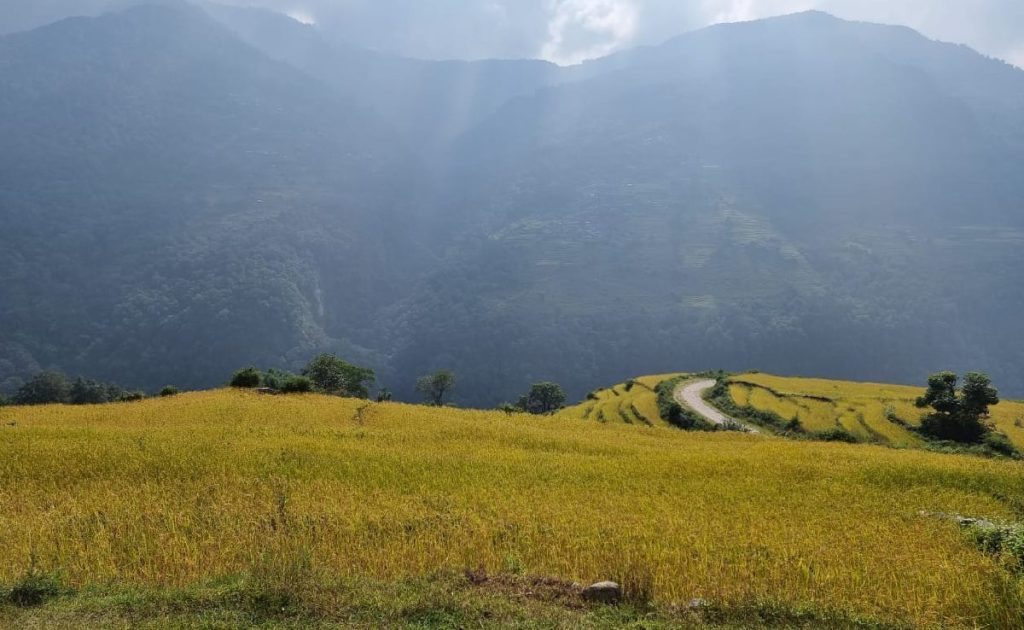
Rice terraces in Ghandruk village

Ghandruk & Landruk Tranquil Trek offers a relaxing yet unforgettable journey through the stunning Annapurna region of Nepal. Ideal for families, beginners, and those seeking a moderate trek, this trail blends breathtaking mountain views, cultural experiences, and easy hiking.

Whether you’re visiting Nepal for the first time or you’re a seasoned trekker looking for a gentle route, this trek provides a perfect balance of adventure and relaxation, with plenty of opportunities to explore local villages, ancient cultures, and the majestic Himalayas.

Why Choose the Ghandruk & Landruk Trek?

  • Gentle Trails: Short, comfortable trekking days with gradual slopes make this trek ideal for all fitness levels.
  • Stunning Views: Capture panoramic views of the Annapurna and Machhapuchhre (Fishtail Peak) mountain ranges.
  • Cultural Insights: Visit Ghandruk and Landruk, where you can experience the traditions of the Gurung people.
  • Australian Camp: A peaceful spot perfect for sunrise and sunset views of the Annapurna and Dhaulagiri ranges.

Day-by-Day Itinerary for Ghandruk & Landruk Tranquil Trek

Day 1: Arrival in Kathmandu

Arrive at Kathmandu, Nepal’s capital, known for its rich history and culture. After checking into your hotel, enjoy a leisurely stroll through Thamel, the bustling tourist hub. Relax and prepare for your adventure.

  • Elevation: 1,400 meters / 4,593 feet
  • Overnight: Kathmandu

Day 2: Drive to Pokhara

Drive to Pokhara, a scenic lakeside city at the base of the Annapurna range. The 6-7 hour drive offers views of villages, rivers, and terraced fields. After checking in, enjoy a boat ride on Phewa Lake and explore the lakeside area.

  • Elevation: 820 meters / 2,690 feet
  • Distance: 200 km / 124 miles
  • Duration: 6-7 hours by road

Day 3: Drive to Phedi & Trek to Pothana

Start your trek with a 1-hour drive to Phedi. From there, a 3-4 hour trek takes you to Pothana, a peaceful village with panoramic views of the Annapurna mountains. Walk through rhododendron forests and enjoy the majestic views of Machapuchare (Fishtail Peak).

  • Elevation: Pothana (1,890 meters / 6,201 feet)
  • Distance: 9 km / 5.5 miles
  • Duration: 3-4 hours

Day 4: Trek from Pothana to Landruk

Trek from Pothana to Landruk, passing through terraced fields and local villages. The hike takes about 5-6 hours, offering spectacular views of the Annapurna range. Visit traditional Gurung villages to learn about local culture.

  • Elevation: Landruk (1,640 meters / 5,381 feet)
  • Distance: 10 km / 6.2 miles
  • Duration: 5-6 hours

Day 5: Trek from Landruk to Ghandruk

Today’s trek takes you to Ghandruk, a beautiful Gurung village with stone houses and stunning views. The trek takes about 5 hours and passes through terraced fields and forests. Ghandruk is famous for its rich culture and incredible views of the Annapurna massif.

  • Elevation: Ghandruk (2,012 meters / 6,601 feet)
  • Distance: 10 km / 6.2 miles
  • Duration: 5 hours

Day 6: Trek from Ghandruk to Nayapul & Drive to Pokhara

Descend from Ghandruk to Nayapul (about 5-6 hours), passing through scenic forests and villages. Afterward, drive back to Pokhara for some relaxation. Enjoy an evening by Phewa Lake or explore the city further.

  • Elevation: Nayapul (1,070 meters / 3,510 feet)
  • Distance: 15 km / 9.3 miles
  • Duration: 5-6 hours trekking + 1.5-hour drive

Day 7: Drive Back to Kathmandu

Drive back to Kathmandu (6-7 hours) and enjoy the scenic beauty along the way. Once you arrive, you’ll have some free time to shop for souvenirs or explore local landmarks like Swayambhunath (Monkey Temple).

  • Elevation: 1,400 meters / 4,593 feet
  • Distance: 200 km / 124 miles
  • Duration: 6-7 hours by road

Day 8: Departure

On your final day, you’ll be transferred to Tribhuban International Airport for your flight back or onward travel. Reflect on the amazing journey you’ve experienced through the Annapurna region.

Essential Trekking Tips

  1. Fitness: This trek is suitable for all fitness levels. A moderate fitness level will make the journey more enjoyable.
  2. Best Time to Trek: The best seasons to trek are Spring (March-May) and Autumn (September-November), offering clear skies and amazing views.
  3. Packing: Pack light and bring comfortable trekking shoes, warm layers, sunscreen, a camera, and a water bottle.
  4. Altitude: The highest point is Ghandruk at 2,012 meters (6,601 feet). Altitude sickness is unlikely, but take it slow and stay hydrated.
  5. Hydration: Carry a refillable water bottle and purification tablets for safe drinking water.
  6. Cultural Etiquette: Respect the local customs, especially in villages like Ghandruk and Landruk, where you can learn about the Gurung way of life.
  7. Guides & Porters: Consider hiring a local guide or porter. They provide valuable insight into local culture and offer assistance during the trek.

The Ghandruk & Landruk Tranquil Trek in the Annapurna region is an ideal trek for those seeking a relaxed adventure with stunning views, cultural experiences, and easy-paced hiking. Whether you’re a first-time trekker or an experienced hiker looking for a gentle route, this trek will leave you with unforgettable memories of Nepal’s natural beauty and the warm hospitality of the Gurung people.

Nepal Diary: Frequently Asked Questions for Traveling in Nepal

FAQs about traveling to Nepal

Planning a trip to Nepal? At Himalayan Circuit, we are dedicated to making your journey unforgettable. Whether you’re visiting for the first time or returning for more adventure, we’ve put together a list of frequently asked questions (FAQs) about traveling to Nepal to help you prepare. This guide covers everything from visa requirements to travel tips, ensuring your trip to Nepal goes smoothly.

1. Do I need a visa to visit Nepal?

Yes, most international travelers need a tourist visa to visit Nepal. You can obtain a 15-day visa for $30 USD (or the equivalent in Nepali Rupees) upon arrival at Tribhuvan International Airport in Kathmandu or at land border entry points. You can also apply for an eVisa online before your trip via the Nepal eVisa website. Visa extensions are available if you wish to stay longer.

2. When is the best time to travel to Nepal?

Best Time to Visit Nepal: A Quick Guide

The best time to visit Nepal is during autumn (September to November) and spring (March to May). These seasons offer clear skies, mild temperatures, and excellent conditions for trekking, sightseeing, and outdoor adventures.

Autumn (September to November)

Autumn provides crisp weather, fresh trails, and stunning Himalayan views, making it ideal for trekking. It’s also the season for major festivals like Dashain and Tihar, adding a cultural touch to your visit.

Spring (March to May)

Spring brings warmer temperatures and blooming rhododendron forests, perfect for trekking and exploring Nepal’s natural beauty. It’s also the best time for clear views of the Himalayas.

Winter (December to February)

Winter can be cold, especially in higher altitudes, but it’s still great for lower-altitude treks and cultural tours in places like Kathmandu and Pokhara.

Monsoon (June to August)

The monsoon season brings heavy rains, making trekking challenging. However, if you’re focused on cultural sightseeing, the lush landscapes can still be beautiful.

3. What vaccinations do I need before traveling to Nepal?

Vaccinations are recommended for travelers heading to Nepal. Common vaccines include:

  • Routine vaccines: MMR, DTaP, Polio, Flu.
  • Travel-related vaccines: Hepatitis A, Hepatitis B, Typhoid, and Malaria (if visiting high-risk areas). It’s important to visit your healthcare provider 4-6 weeks before your trip. For more information on vaccinations, check out the CDC Travel Health page.

4. What currency is used in Nepal, and how can I exchange money?

The official currency in Nepal is the Nepalese Rupee (NPR), denoted as NRs. Notes are available in denominations of 5, 10, 20, 50, 100, 500, and 1000 rupees, while coins are available in 1, 2, and 5 rupees. While US dollars are accepted in major tourist areas, it’s recommended to use local currency for everyday purchases.

How to Exchange Money in Nepal

You can exchange foreign currency at banks, money exchange offices, or ATMs in cities like Kathmandu, Pokhara, and Chitwan. For the most accurate rates, visit Nepal Rastra Bank or reliable exchange counters.

Using Credit Cards in Nepal

In Kathmandu and other major cities, you can use credit cards (Visa, MasterCard, American Express) at many tourist spots, but cash is preferred in rural areas and remote villages. Always carry enough cash for your trip.

ATMs in Nepal

ATMs are available in larger cities, and most charge a fee (around 500 NPR) for foreign card withdrawals. ATM access is limited in remote areas, so it’s best to withdraw enough cash before heading out.

Cash on Trekking Routes

If you’re trekking in Nepal, cash is king. While some popular trekking routes may have ATMs, they are limited, and fees are high. Carry enough Nepalese Rupees to cover your entire trek.

For up-to-date exchange rates, visit Nepal Rastra Bank.

5. Is Nepal a safe destination for tourists?

Yes, Nepal is generally a safe destination for travelers. The country is peaceful, and the locals are welcoming. However, like any travel destination, it’s important to remain cautious, especially in unfamiliar areas.

Safety Tips for Traveling in Nepal:

  1. Be Mindful of the Monsoon Season
    Mudslides and rockslides are common during the monsoon (June to August), especially in remote regions. Check the weather before trekking.
  2. Stay Safe in Crowded Areas
    Petty theft can occur in busy tourist spots. Keep your belongings secure.
  3. Trekking Safety
    Hire a certified guide for trekking in high-altitude areas and be mindful of altitude sickness.
  4. Respect Local Culture
    Nepal has a rich cultural heritage—respect local traditions and customs to ensure a positive experience.

For more detailed safety advice, check out our Safe Trip Abroad Handbook, available on our website.

Nepal is a generally safe country for tourists, but being cautious and prepared will help you have a worry-free trip.

6. What are the best transportation options in Nepal?

In Nepal, you’ll find several transportation options:

  • Flights: We recommend flying with Buddha Air, which is known for its reliable domestic flights. You can book flights from Kathmandu to Pokhara, Chitwan, and other cities. Visit Buddha Air for more information.
  • Tourist buses: Comfortable and affordable, these buses connect major tourist cities like Kathmandu, Pokhara, and Chitwan.
  • Private vehicles: Great for flexibility and comfort, ideal for group travel.
  • Public transport: Taxis and local buses are available, though they can be crowded and less reliable.

7. What are the food available in Nepal?

Nepal offers a rich and diverse food culture influenced by its many regions and ethnic groups. From traditional Nepali dishes to street food and international cuisine, there’s something for every traveler to enjoy. Here’s a guide to the food in Nepal that you can expect during your visit:

1. Traditional Nepali Cuisine:

  • Dal Bhat: The cornerstone of Nepali meals, dal bhat consists of lentil soup (dal) served with steamed rice (bhat). This hearty dish is often accompanied by vegetables, pickles (achar), and sometimes meat or fish. It’s a nutritious and filling meal that is typically eaten twice daily by locals.
  • Momo: Nepali dumplings, filled with spiced meat (usually chicken, pork, or buffalo) or vegetables, are a popular street food and snack. They can be steamed or fried and are often served with a spicy dipping sauce.
  • Sel Roti: This traditional Nepali rice donut is made from rice flour, sugar, and milk, commonly served during festivals and celebrations.

2. Nepali Street Food:

  • Chatamari: Known as Nepali pizza, chatamari is a rice crepe topped with meat, eggs, or vegetables. It’s a favorite in the Newar community and can be found in Kathmandu and Bhaktapur.
  • Samosas: These fried, triangular pastries are filled with spiced potatoes, peas, and sometimes meat. Samosas are a popular snack and street food throughout Nepal.

3. Spices and Flavors:

Nepali cuisine is flavorful, with an emphasis on spices like turmeric, cumin, garlic, and ginger. Achar, a spicy pickle made from fruits, vegetables, or even meats, is often served alongside meals to add an extra layer of flavor.

4. Beverages in Nepal:

  • Chiya: Nepali tea is typically served with milk and sugar, and it’s a popular drink throughout the day, especially in the morning or during breaks.
  • Raksi: A traditional alcoholic drink made from rice or millet, raksi is commonly consumed during festivals and celebrations.

5. Vegetarian and Vegan Dishes:

Given Nepal’s strong Hindu and Buddhist influences, there are many vegetarian and vegan options. Dishes like vegetable curry, dal, lentils, and spinach-based dishes are widely available and commonly eaten.

6. International Cuisine:

In major tourist cities like Kathmandu and Pokhara, you’ll find international food options, including pizza, pasta, and even fast food chains. However, local Nepali cuisine is the real highlight of your visit.

When visiting Nepal, expect a variety of traditional Nepali foods like dal bhat, momos, and thukpa, along with delicious street food such as chatamari and samosas. Whether you prefer vegetarian or meat-based dishes, Nepal’s cuisine will offer something to satisfy every palate. Be sure to try these local specialties for an authentic food experience!


8. What should I pack for my trip to Nepal?

Packing for Nepal depends on your activities, but here’s a general packing list to help ensure you’re ready for anything, from trekking in the Himalayas to exploring Kathmandu.

1. Trekking Gear

If you’re planning on trekking, make sure to pack:

  • Comfortable hiking boots: Choose sturdy, well-broken-in boots for comfort and protection.
  • Warm clothing: Layering is key, especially in the mountains where temperatures can drop even in summer.
  • Quality backpack: A comfortable, well-fitting backpack is essential for carrying your gear during treks.
  • Sleeping bag: If you’re trekking, a good sleeping bag suitable for the altitude is necessary for comfort and warmth.

2. Clothing

Nepal’s weather can vary greatly by region and altitude:

  • Light clothes for warm weather: Cotton shirts, shorts, and comfortable shoes for lowland and city exploration.
  • Extra layers for cooler mountain temperatures: Fleece jackets, down jackets, and thermals are crucial for the chilly mountain evenings and early mornings.

3. Health and Personal Items

  • Medications: If you’re on any regular medication, make sure to bring enough for your entire trip, as some prescriptions may be hard to find.
  • Sunscreen: The Nepali sun can be intense, especially in higher altitudes. Be sure to pack high-SPF sunscreen to protect your skin.
  • Hand sanitizer: Handy for keeping clean when handwashing facilities are limited.
  • Insect repellent: Especially important if you’re traveling during the monsoon season (June to August) when mosquitoes are more prevalent.

4. Travel Essentials

  • Power adapter: Nepal uses Type C, D, and M plugs, so be sure to bring a universal adapter for your devices.
  • Camera: You’ll want to capture the stunning landscapes, vibrant culture, and historic sites. Don’t forget extra memory cards and batteries.
  • Good map: Whether you’re trekking or exploring cities, a reliable map of Nepal or a trekking guidebook can be invaluable.

5. Other Helpful Items

  • Water bottle: Stay hydrated, especially if you’re trekking in remote areas.
  • Travel insurance details: Always carry a copy of your travel insurance information in case of emergencies.
  • Flashlight or headlamp: Essential for trekking in remote areas where electricity might be scarce.

Your Nepal packing list will depend on your specific plans, but with these essential items for trekking, clothing, health, and travel essentials, you’ll be well-prepared for your adventure. Whether you’re trekking in the mountains or exploring the streets of Kathmandu, make sure you’re equipped for all of Nepal’s incredible experiences!

9. Do I need a guide for trekking in Nepal?

Hiring a licensed trekking guide is highly recommended when trekking in Nepal, especially in remote or high-altitude regions. A professional guide can ensure your safety, enrich your experience, and help you navigate Nepal’s stunning but challenging trekking routes. Here’s why hiring a guide is a smart choice for your trek:

1. Safety and Altitude Sickness Prevention

Trekking at high altitudes in Nepal, such as on the Everest Base Camp trek or the Annapurna Circuit, poses the risk of altitude sickness. A licensed trekking guide is trained to identify symptoms of altitude sickness and implement acclimatization techniques to help minimize risks. Guides also know the proper procedures to follow in case of emergency, ensuring your safety throughout the trek.

2. Local Expertise and Cultural Insights

A licensed guide will offer local knowledge and cultural insights, enriching your experience as you explore Nepal’s mountain villages, temples, and natural beauty. They can explain the region’s history, share local stories, and suggest hidden gems along the trekking trail that you might miss on your own.

3. Navigating Trekking Routes and Trails

Nepal’s trekking routes can be challenging, especially in remote areas with rugged terrain. A certified trekking guide is familiar with the trails and ensures that you stay on the right path. They also help manage difficult sections of the trek, ensuring you don’t get lost or waste time on incorrect routes.

4. Logistics and Permits

Guides handle all the essential logistics of your trek, including arranging permits, accommodation, and meals along the way. Their knowledge of local guesthouses and restaurants will help you find the best places to rest, ensuring a comfortable and stress-free trekking experience.

5. A More Enjoyable Experience

Beyond safety and logistics, a guide makes your trekking experience more enjoyable. They can recommend the best spots for photography, help you engage with locals, and make your trek more culturally immersive. A guide helps you get the most out of your Nepal trek, whether you’re hiking through villages, monasteries, or national parks.

While some trekkers may choose to go solo, hiring a licensed guide for trekking in Nepal is strongly recommended, especially for high-altitude treks or remote regions. Guides enhance your safety, help you prevent altitude sickness, and provide valuable cultural insights that make your trek more memorable. To ensure a smooth and enjoyable experience, it’s always best to book your licensed trekking guide through a trusted agency.

For more information on certified guides, visit the Nepal Tourism Board.

10. How can I prevent altitude sickness in Nepal?

Altitude sickness is common above 2,500 meters (8,200 feet). To reduce the risk:

  • Ascend slowly and allow time for acclimatization.
  • Drink plenty of water and avoid alcohol.
  • If you feel symptoms like headache or dizziness, descend to a lower altitude and seek medical help immediately. For more information, visit the CDC Travel Health page on altitude sickness.

11. How can I stay connected in Nepal?

Staying connected in Nepal is easy, whether you’re in Kathmandu, Pokhara, or the Himalayas. With reliable mobile networks, affordable data plans, and eSIM technology, keeping in touch is hassle-free. Here’s everything you need to know about staying connected in Nepal:

  1. Purchase a Local SIM Card in Nepal

One of the most affordable and convenient ways to stay connected is by purchasing a local SIM card. NTC Nepal (Nepal Telecom) and NCell Nepal offer competitive data plans, voice calls, and SMS services for both short-term and long-term visitors. You can buy a SIM card at Tribhuvan International Airport in Kathmandu, local mobile shops, or service centers in major cities like Pokhara and Chitwan. Be sure to bring your passport for SIM registration.

  1. eSIM Options for Travelers in Nepal

If you have an eSIM-compatible phone, Nepal offers a great option for staying connected without needing a physical SIM card. NTC Nepal and NCell Nepal both provide eSIM services, allowing you to activate local mobile data without the hassle of swapping SIM cards. You can also use global eSIM providers like Airalo, Truphone, or GigSky for international data plans that work in Nepal.

  1. Mobile Network Coverage in Nepal

In major cities like Kathmandu and Pokhara, mobile network coverage is reliable, and you can easily access mobile data and voice calls. However, as you head into more remote areas or embark on trekking routes in the Himalayas, mobile coverage can be spotty. For areas with limited coverage, consider renting a satellite phone for uninterrupted communication.

  1. Wi-Fi Access in Hotels and Cafes

Free Wi-Fi is widely available in hotels, cafes, and tourist spots in cities like Kathmandu and Pokhara. However, Wi-Fi speeds can be slower in more rural areas. In popular tourist spots, you can enjoy free internet access, though it may not always be as fast as you’re used to.

  1. Use Messaging Apps and Social Media

Most messaging apps like WhatsApp, Facebook Messenger, and Viber work well in Nepal, especially if you have mobile data or Wi-Fi. These apps are widely used by locals and travelers alike, allowing for easy communication, including voice calls and video chats.

Whether you’re in a city or trekking through remote areas, staying connected in Nepal is easy with a local SIM card, eSIM service, and reliable Wi-Fi options. eSIM technology offers an added convenience for those with compatible devices, eliminating the need for physical SIM cards. If you’re venturing into the mountains, be prepared for limited mobile coverage and consider satellite phones for communication. With these simple steps, you’ll enjoy seamless connectivity during your Nepal adventure.

For more details on SIM cards, check NTC Nepal or NCell Nepal.

12. What cultural norms should I follow in Nepal?

Nepal is a country steeped in rich cultural traditions and religious customs. As a visitor, it’s essential to respect these local norms to ensure a positive and respectful experience. Here are some key cultural etiquette tips to follow when traveling in Nepal:

1. Remove Your Shoes Before Entering Temples and Sacred Sites

In Nepal, it is customary to remove shoes when entering temples, monasteries, or any sacred sites. This is a sign of respect for the holy space and is an important part of Nepali culture. You may also be asked to remove your shoes when visiting local homes or certain cultural buildings.

2. Greet with Namaste

The traditional Nepali greeting is Namaste, where you press your palms together in a prayer-like gesture and bow slightly. This respectful greeting is commonly used when meeting someone or saying goodbye. It’s a sign of goodwill and respect for others, especially in the context of Nepal’s Hindu and Buddhist traditions.

3. Dress Modestly, Especially in Religious Sites

Nepal is a conservative society, especially in religious and rural areas. Modest dress is important when visiting religious sites like temples and monasteries. For both men and women, covering the shoulders and knees is considered respectful. Avoid wearing revealing clothing in sacred areas or when interacting with local communities.

4. Avoid Public Displays of Affection

Public displays of affection, such as kissing or hugging, are generally not appropriate in Nepal, particularly in more rural or conservative areas. While this may be accepted in some tourist spots, it’s best to refrain from such behavior to respect local customs.

5. Be Mindful of Local Customs and Traditions

Nepal is home to a diverse population with varying ethnic and religious practices. Always be respectful and ask for permission before taking photos of people, particularly in rural areas or sacred spaces. Also, when engaging with local customs, always take care to approach them with respect and openness.

By following these cultural norms in Nepal, you’ll show respect for the country’s traditions and ensure a more fulfilling travel experience. Removing shoes, greeting with Namaste, dressing modestly, and avoiding public affection are just a few ways to honor Nepal’s cultural values. Remember, understanding and respecting local customs will help you connect with the Nepali people and make your trip more enjoyable. For more travel tips and personalized assistance, visit HimalayanCircuit.com and start planning your adventure in Nepal!

13. Is Nepal only for trekkers?

Absolutely not! While Nepal is globally renowned for its trekking adventures, it offers a wide variety of attractions for all types of travelers. Whether you’re interested in culture, wildlife, or simply relaxing in stunning landscapes, Nepal has something for everyone. Here’s what else you can enjoy in Nepal besides trekking:

1. Cultural Tours in Kathmandu Valley

Nepal is rich in history and culture, and the Kathmandu Valley is a treasure trove of UNESCO World Heritage Sites. Explore the ancient cities of Kathmandu, Patan, and Bhaktapur, with their stunning temples, palaces, and Durbar Squares. Discover Nepal’s vibrant art and architecture while learning about its fascinating history.

2. Wildlife Safaris in Chitwan and Bardia National Parks

For nature enthusiasts, Nepal is home to incredible wildlife safaris in Chitwan National Park and Bardia National Park. Experience the thrill of spotting bengal tigers, one-horned rhinoceroses, and a variety of birds and animals. These parks offer unforgettable wildlife experiences, perfect for families and adventure seekers alike.

3. Scenic Boat Rides on Phewa Lake in Pokhara

If you’re looking for a more relaxing experience, enjoy a serene boat ride on Phewa Lake in Pokhara. Surrounded by lush hills and the stunning Annapurna Range, the lake offers a peaceful setting for leisurely activities suhttps://himalayancircuit.com/tour/pokhara-city-tourch as kayaking, fishing, or just enjoying the view.

4. Explore Nepal’s Temples, Monasteries, and Tibetan Settlements

Nepal is home to several temples, monasteries, and Tibetan settlements that offer insight into the country’s rich spiritual heritage. Visit sacred places like the Swayambhunath Stupa (Monkey Temple), Lumbini (the birthplace of Buddha), and the monasteries in the Everest region to deepen your cultural and spiritual connection with Nepal.

5. Adventure Sports and Outdoor Activities

For those seeking adrenaline, Nepal offers a range of adventure sports including paragliding in Pokhara, white-water rafting on the Trisuli River, and mountain biking in the hills. Whether you’re a thrill-seeker or a nature lover, there’s plenty to do beyond trekking.

Nepal is not just for trekkers; it’s a diverse destination with a wealth of cultural, natural, and spiritual experiences. Whether you’re interested in exploring ancient temples, going on a wildlife safari, or enjoying outdoor adventures, Nepal offers something for every traveler.

Start planning your Nepal itinerary today and discover the many faces of this beautiful country!

We hope this FAQ has helped you prepare for your trip. At Himalayan Circuit, we’re here to assist with all your travel needs. If you have any more questions or need help planning your trip, don’t hesitate to reach out.

Get ready to explore the breath-taking beauty, rich culture, and warm hospitality of Nepal!
Everest Region: Tea House and Lodge Stays Across the Everest Region

The trek to Everest Base Camp (EBC) is a once-in-a-lifetime adventure, and the Tea Houses along the way provide a memorable experience. Often run by Sherpa families, the rustic yet charming accommodations add to the trek’s authenticity with a “pay as you stay” style. 

Treks to Everest Base Camp along with a teahouse stay have become synonymous with Everest Base Camp trek. A teahouse is generally a stopover where trekkers get food, stay overnight, and use other services.

The Nepalese Himalayas Teahouses provide a comfortable yet humble approach to trekking in the Everest Base Camp Trek.  Also, it gives you a chance to meet other trekkers and see a typical Nepal that you wouldn’t see camping alone.

The Himalayan Circuit Treks highly recommend teahouse trekking since you will have the opportunity to meet and speak with the local people, who are very hospitable, kind, and accommodating.

What to expect in Tea House Lodge Accommodations in Everest:

  • The quality, services, and facilities of tea houses can vary depending on their elevation. The tea houses at lower elevations offer more amenities than those at higher elevations. 
  • A twin-room accommodation is available at almost all tea houses on the Everest Base Camp Trek, and there is also the possibility of getting a single room during off-trekking seasons, but you have to share it with fellow trekkers during peak seasons.
  • You can expect a pillow, bedsheet, coverlet, or duvet in the bedroom, but there is no heating system in the rooms, so if you want an extra blanket or duvet, you can get it on request. 
  • On Everest Base Camp Trek Trails, tea houses offer a variety of hygienic and nutritious cuisine including typical Nepali dishes like Dal, bhat, tarkari, as well as momo, noodles, potatoes, soup, pizza, meat, etc. As Lukla and Namche are the tourist hubs of this region, the tea houses at Lukla and Namche include many international and national 5-star hotels’ menus.
  • The Everest Region offers cold showers for free, and many tea houses offer hot showers using gas geysers or solar geysers. There are tea houses that also provide hot bucket water, but for the hot shower, you have to pay extra.
  • Internet access is available in most tea houses on Everest Base Camp Trek, but Wi-Fi hot spots require extra charges. Internet connectivity at Lukla and Namche bazaar is surprisingly strong; however, at higher elevations, it will be weak.
  • Many tea houses along the Everest Base Camp Trekking Trails have good facilities for toilets and bathrooms. While lower-elevation tea houses have modern flush toilets, higher elevation tea houses have manual flush toilets, and some even have traditional squat toilets outside in the middle of the night. 
  • You can book Tea House Lodge Accommodations in Everest on-site or through a travel agency. Book your Tea House Lodge Accommodations through a reputed travel agency who will assist you in arranging this as part of their trekking packages.

Tea House Lodge Accommodation in Everest:

  • Lukla:

The trek to Everest begins and ends in Lukla, which is also known as the gateway to the Everest region. Since the trail from Lukla to Phakding is only 3-4 hours long, trekkers usually do not accommodate in Lukla on the first day. Instead, they go to Phakding for an overnight stay. 

The teahouses in Lukla offer standard, comfortable, clean rooms and you can order from a menu of your choice, except for alcoholic beverages. There are several teahouses in Lukla, including Sunny Garden Hotel, Nest Teahouse, Khumbu Resort, and Buddha Lodge.

  • Phakding:

After arriving at Lukla, you will begin trekking to Phakding and stay in well-managed teahouses in Phakding standard where you can get reasonable accommodations. The Tea House Lodges in Phakding offer a wide range of accommodations, from luxury lodges to backpacker teahouses.

A variety of accommodations are available at the hotel, including rooms at a moderate price, as well as rooms with nice furnishings, as well as luxury accommodations. Phakding has several teahouses, including Hotel Snowland, Kala Patthar Lodge, Hotel Beer Garden, and Hotel Mountain.

  • Namche Bazaar:

A major sherpa town in the Khumbu region, Namche is known for its high-quality lodges, affordable teahouses, markets, restaurants, cafes, museums, and other attractions. A few days are recommended here to help you acclimatize before you continue your trek.

Your teahouse or lodge will provide all essential amenities and provide you with a menu of your choice. Several teahouses are available in Namche, including the Hilton Hotel, the Sherpaland Hotel, the Green Tara Hotel, and the Namche Guest House.

  • Tengboche:

Tengboche is usually the next stop after Namche Bazaar, on the other side of Imja Khola. The village of Tengboche is situated on the slopes of Mt. Khumbila, one of Tibet’s most sacred mountains. 

The region is home to some of the most renowned monasteries in Khumbu. While staying in the local lodges, you can attend the morning prayers at Tengboche monastery, where you will feel a sense of peace and new vibrations.

Tengboche’s typical tea houses and lodging accommodations are simple stone and wood structures with a kitchen, dining hall, and bathroom.  Tengboche’s most popular teahouses are Himalayan, Tengboche Guest House, and Hotel Tashi Delek.

Dingboche:

Dingboche is a remote area with only a few teahouses for trekkers to stay in at an elevation of 4400m above sea level. There aren’t many single rooms available here, but there are still a few teahouses with attached bathrooms.

Solo travelers who are traveling during peak trekking season are unlikely to get accommodation unless they reserve their rooms early. Many trekkers spend an extra night in Dingboche in order to further acclimatize.

Dingboche teahouses or lodges typically have a kitchen, a dining room, and a bathroom. Hotel Good Luck, Hotel Yak, Hotel Valley View, and Hotel Summit are the most popular Tea House Lodge Accommodations.

  • Lobuche:

A bustling place during peak seasons, Lobuche is home to hundreds of trekkers, porters, and Sherpas. Lobuche has a lot of primitive lodging accommodations, and the number of options and quality decrease as you go higher. 

Lobuche’s teahouses are generally stone huts with shared bunks although a few modern lodges have opened in recent years. In comparison to teahouses at lower latitudes, the amenities and room facilities are obviously inferior. 


There are now shared bathrooms, squatty toilets, a dining hall with a fireplace, and charging ports in the teahouses as well. The most popular teahouses in Lobuche include Hotel Mother Earth, Himalayan Eco Lodge, New EBC Guest House, and Oxygen Home.

Gorekshep:

A trek to Everest Base Camp requires more than 5180 meters of elevation, and Gorekshep is the last Tea House Lodge accommodation location. Only a few teahouses are found here, and most of them are crowded during peak seasons. 

Despite the simple and basic nature of teahouses, there are only one or two standard teahouses at Gokyo, with or without attached bathrooms. Gorekshep has several popular lodges and teahouses, including Yeti Resort, Snowland Highest Inn, Everest Inn, Himalayan Lodge, and Buddha Lodge.

A  trek to Everest Base Camp offers you a variety of accommodation facilities according to the elevation and location. You can book your Everest Base Camp trek with Himalayan Circuit Treks for the best teahouse lodge accommodation in Everest in advance.

Luxury Travel: Top 5 Luxury Stays to Experience in Lumbini

Lumbini is a Buddhist pilgrimage site of great significance for Buddhists all over the world located in the Kapilvastu district. Spiritual seekers and historians visit this sacred destination to gain insight into history and gain historical knowledge.

Currently, Lumbini is home to more than twenty-five monasteries and centers for Buddhist meditation. Furthermore, Lumbini has been the site of various carved monasteries built by different countries. Among them are Japan, China, Myanmar, Sri Lanka, and Germany. 

The accommodations in Lumbini are relatively basic and simple, however you can still get a comfortable stay at hotels, resorts, and villas. Almost all hotels are within walking distance of the main attractions.

When visiting Lumbini, you’ll want to stay somewhere that’s comfortable, convenient, and offers a serene atmosphere. Himalayan Circuit Treks presents the best five accommodations in Lumbini, offering a perfect blend of tranquility and cultural immersion.

The following are 5 of the best accommodations in Lumbini:

  • Lumbini Buddha Garden:

Lumbini Buddha Garden is a peaceful and tranquil hotel located on the Telar River, Parsa Chauraha in Rummindei, 1.4 km from Lumbini. The semi-natural garden provides a haven of tranquility that acts as a spiritual ‘buffer zone’ away from the outside world. 

Located in a natural environment, Lumbini Buddha Garden Resort gives you a sense of harmony with nature. The Garden is located near Lumbini Grove, the birthplace of Buddha. Here, you can learn about Buddhism and meditate in a peaceful environment.

There is a tour desk at the hotel that can assist you with sightseeing arrangements, car rental , and currency exchange arrangements.  Based on the level of service provided, the resort could possibly be classified as a budget hotel in Lumbini.

  • Siddhartha Lumbini Green Resort:

Siddhartha Lumbini Green Resort is located in Bhagwanpur and features an outdoor swimming pool, a garden, a terrace, a restaurant that offers room service, and a water park. Additionally, the resort offers a leisure center and a spa. 

Siddhartha Lumbini Green Resort offers a range of accommodations, including rooms with balconies, air conditioning, safety deposit boxes, and flat-screen TVs. Some of the rooms have a balcony, and some of the rooms have a balcony attached to the hotel.

You can take advantage of free WiFi and the 24-hour front desk at the resort. A nearby airport is Gautam Buddha International Airport, 68 kilometers from Siddhartha Lumbini Green Resort.  

  • Tiger Palace Resort

Tiger Palace Resort is a luxury retreat located in Bhairahawa that is 27 km from Maya Devi Temple, offering luxurious accommodations, superb leisure facilities, and excellent dining options, making it ideal for weddings, conferences, and vacations. 

The resort provides a sophisticated and thrilling getaway that is easily accessible from Kathmandu or India. The resort features air-conditioned rooms with a desk, a kettle, a fridge, a minibar, a safety deposit box, a flat-screen television, and a shared bathroom.

Restaurants at Tiger Palace Resort serve American, Chinese, and Indian cuisine, as well as provide vegan, dairy-free, and halal options. A terrace is provided in the hotel accommodation, and you can also play table tennis at Tiger Palace Resort, and cycling is popular in the area.

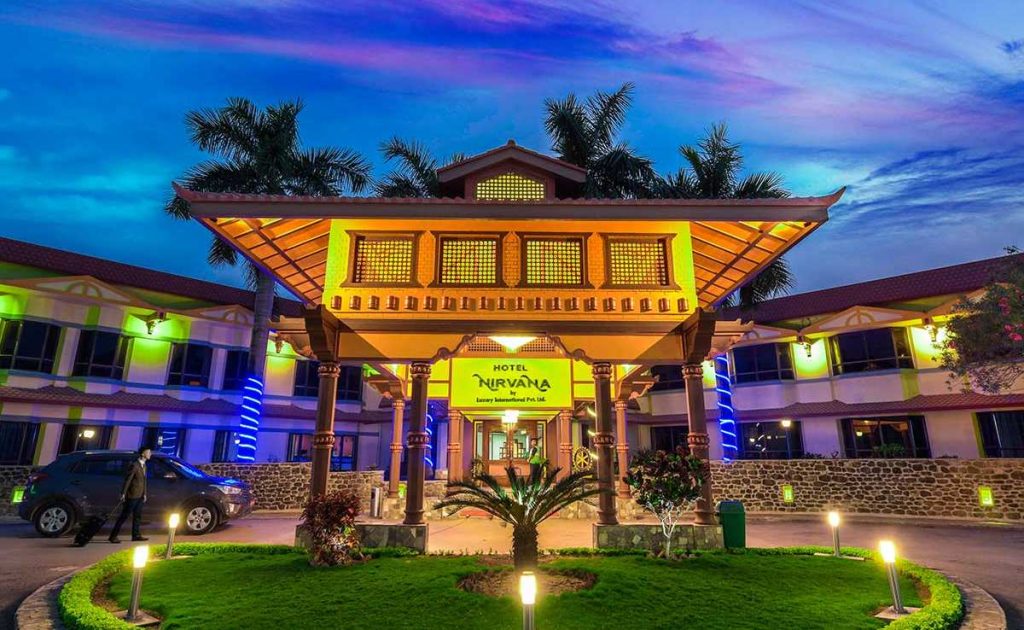
  • Hotel Nirvana Luxury International

Hotel Nirvana located 2 km from Bhairahawa Airport, 4 km from the Sunauli border (Nepal-India Border) & 22 km from Lumbini Sacred Garden is a perfect place for people to come and spend time, discover the grandeur of Lord Buddha’s birthplace, the ancient heritage, in a modern, comfortable hotel.

With its reputation for providing uncompromising service to its guests, Nirvana Hotel has been able to promote itself through word-of-mouth instead of relying on outside promotion. An intertwinement of tradition and modernity, Hotel Nirvana offers all the modern amenities yet offers traditional hospitality in a contemporary setting.

You can visit the Maya Devi Temple within 15 minutes of Hotel Nirvana Luxury International. You can enjoy recreation amenities such as a fitness center, garden view, wireless Internet access, concierge services, gift shops, and newsstands, and eat at the restaurant or order room service (limited hours).

  • Pawan Palace by Pawan Group of Hotels

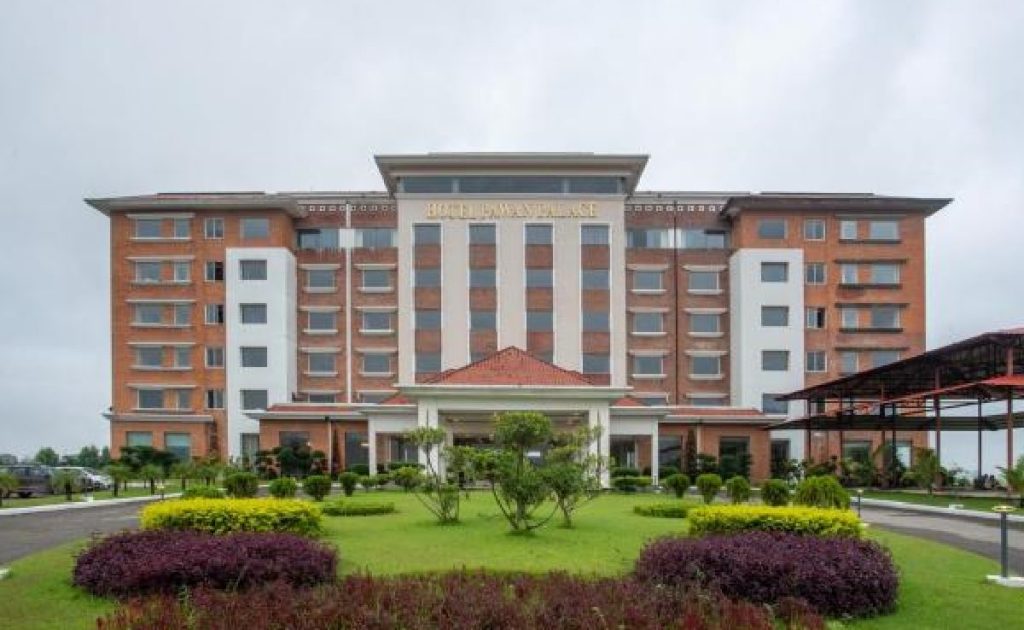
With its seasonal outdoor pool, free parking, garden, and restaurant, Pawan Palace by Pawan Group of Hotels is located 3.1 km from Lumbini Museum. A 24-hour front desk, room service, airport transfers, and car rental are provided by this 5-star hotel.

This hotel is conveniently located near Lumbini Development Trust, offering easy access to attractions and restaurants. The hotel also provides an array of amenities in order to make your stay as enjoyable and comfortable as possible.

The hotel offers air conditioning, a seating area, a flat-screen TV with satellite channels, a safety deposit box, and a private bathroom with a bidet, free toiletries, and a hair dryer. There are a la carte, buffet, and continental breakfast options available every day.

Lumbini attracts tourists from all over the world to observe the birthplace of Gautam Buddha, and the accommodations listed above cater to their various needs and preferences. 

There is no better way to experience tranquility, cultural immersion, or modern amenities than at these accommodations, which offer a perfect blend of comfort and spirituality. 

Plan your trip to Lumbini and experience a tranquil experience with a Himalayan Circuit Trek that will inspire and rejuvenate you with each step of your trek.

Luxury Travel: Best Tea House Lodges for Your Annapurna Trip

The Annapurna Circuit Trek is one of the best treks in Nepal, with 5416 meters of altitude at the highest point of the trip. The teahouse lodge accommodations are basic but very clean and comfortable in Annapurna.

You will be able to see Himalayan fauna and flora, explore bamboo and rhododendron forests, and marvel at the panoramic views of the snowcapped mountains during the Annapurna Circuit Trek.

Consider yourself on your way to the sunset trek, and you need to find a safe place to lay your head before your next adventure. Wouldn’t it be great to stay at Base Camp Trek Accommodations and let your tiredness and worries slip away?

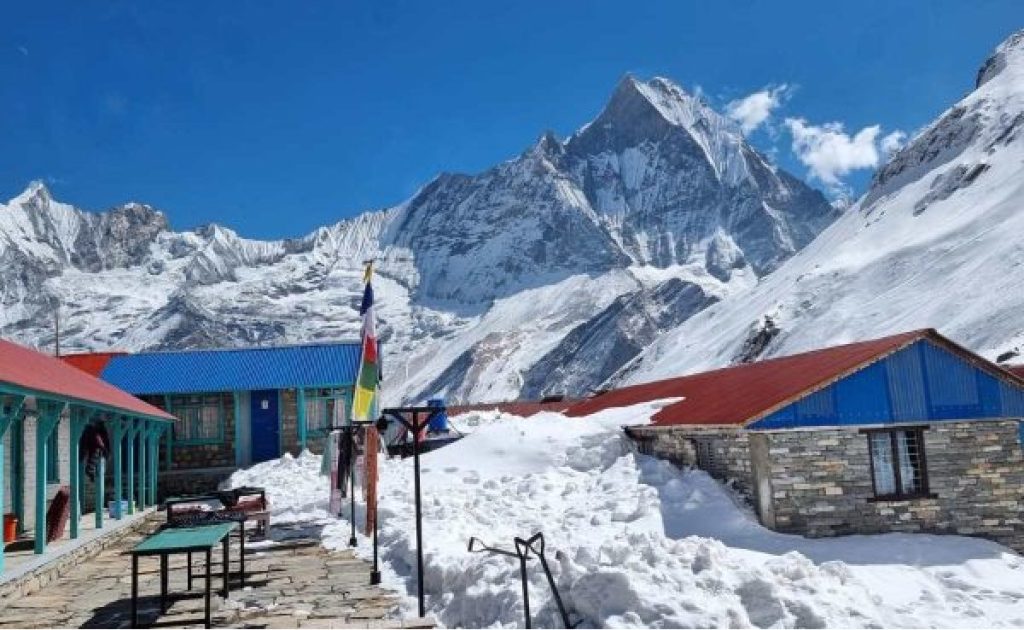
The Teahouse Lodge Accommodation in Annapurna Base Camp Trek is a popular and local accommodation for Annapurna Base Camp Trekkers. A simple wooden bed, pillow, and blanket are the basic accommodations provided in the local teahouse.

Most of the teahouses on the Annapurna Base Camp Trek Accommodation are built and operated by locals to offer basic amenities for trekkers to rest and to provide a chance to explore the picturesque village and its unique culture.

Tea House Lodge Accommodation in Annapurna Base Camp Trek Routes

  • Ulleri

You can stay in more than 20 teahouses in the enchanting village of Ulleri, where wooden rooms come with an attached bathroom and a sit-down toilet, along with a comfortable mattress.

There are a number of teahouses in Ulleri that serve authentic Nepali food and meals such as chicken fried rice, crab fried rice, and hash brown potatoes, and they are not that expensive due to Ulleri’s proximity to Pokhara.

  • Ghorepani: 

Upper and Lower Ghorepani are the gateways to the Annapurna region, both places provide accommodations, but we recommend staying at Upper Ghorepani for a clearer view of the mountains. Although Upper Ghorepani is more expensive than Lower Ghorepani.

Ghorepani hotel offers the best rooms made of bricks and concrete with the best views of the surroundings. Most of the rooms are soundproofed against the outside construction works and provide stunning views of the mountains in the background.

  • Tadapani:

Tadapani offers several teahouses, all of which offer both hot and cold showers and Western-style bathrooms, along with basic accommodation facilities, timber plasterboard walls, creaky old window frames, and stunning mountain views.

  • Ghandhruk

Ghandruk is one of Nepal’s most popular tourist destinations with around 300 hotels and homestays. You can expect to pay a variety of prices for hotels and homestays in Ghandruk, depending on the type of accommodation you choose. 

Dal, Bhat, and Tarkari are some of the most popular lunch and dinner choices at Ghandruk, while pizza, burgers, and other foods are also available. There are a number of teahouses and homestays that charge guests for Gurung attire for photo shoots.

  • Chhomrong

Chamrong is an ideal stop for the night after Ghandruk, as it offers decent accommodations, including beds, cushions, and electric blankets, as well as the pleasure of its own hospitality and gastronomic culture. 

Teahouses in Chhomrong serve organic vegetables and Dal Bhat, a traditional Tarkari dish. Your morning tour can include a visit to the Chhomrong organic farm that supplies organic vegetables to the teahouses of Chhomrong.

  • Dovan

If you are trekking to ABC, Dovan is one of the best places to stay; at this height, there are teahouses with western bathrooms and showers, and it is one of the busiest areas in the country.

You can choose from Upper and Lower Dovan accommodations, with Lower Dovan having brighter, more comfortable rooms. If you wish to experience the lively vibes here, stay at Lower Dovan.

  • Deurali

Deurali has a limited number of teahouses and limited rooms, so you’ll have to share a room with at least three or four other people. There is no private room available, even if you pay more. 

It would be best to skip your accommodation plan at Deurali in the winter season and walk directly to Base Camp if you are planning to trek to Annapurna during the winter season.

You will find hotels in the Base Camp to be quite expensive, in comparison to other tea house Lodge accommodation in Annapurna. There is a high probability of snowstorms in this area, which is the main reason for its high costs.

With the growing number of tourists in this region, Annapurna Base Camp recently announced plans to expand its teahouses. A small number of hotels are currently operating, and a few more are in the process of being built.  

A trip to the Base Camp and the views you get from it is worth more than any amount of money you might spend in one of the base camp hotels.

There are a lot of people who enter Nepal each year in order to trek, so it is a great place to go on an adventure vacation.  Annapurna Base Camp trekking offers good accommodation standards and friendly hospitality, along with good service and easy accessibility.

Trekking and exploring can be challenging. Explore the beauty of Annapurna with exciting trekking packages and make your trip memorable by booking your tour package with Himalayan Circuit Treks.

Luxury Travel: Heritage Accommodations and Stays in Kathmandu

Nepal’s Kathmandu Valley is a beautiful valley in the heart of the country, famous for its unique cultural heritage, ancient temples, and vibrant traditions. Experiencing this captivating region requires finding the perfect accommodation to immerse oneself in the authentic Nepalese culture. 

The Kathmandu Valley is home to a wide range of heritage accommodations that have been carefully restored to their former splendor. While enjoying a comfortable and memorable stay, these establishments offer an ideal gateway to savor the rich cultural heritage of the valley. 

Each accommodation has its own unique charm, from ancient palaces to intricately carved Newari houses. These establishments provide an enchanting setting for an unforgettable stay with stylishly decorated rooms and rooftop terraces offering panoramic valley views.

Kathmandu Valley offers a wide range of accommodations for everyone, from traditional courtyards and panoramic views to opulent palaces and quaint guest houses. With a hotel that blends traditional Nepalese aesthetics and modern conveniences, exploring is easier.

The Himalayan Circuit introduces you to five of the best heritage accommodations in Kathmandu Valley, where you can discover the country’s cultural splendor.

Tour Highlights:

  • Visit the Kathmandu Valley and enjoy its rich cultural heritage.
  • Discover the charm and warmth of traditional Nepalese architecture.
  • You’ll be able to explore ancient temples, vibrant markets, and UNESCO World Heritage Sites all within walking distance.
  • Experience luxurious accommodations surrounded by historical artifacts and an ambiance that is comfortable and luxurious.
  • Experience traditional entertainment and delicious local cuisine at these heritage hotels.

Best Heritage Accommodations in Kathmandu Valley

  • Kantipur Temple House

Kantipur Temple House offers a quiet oasis amidst Kathmandu’s historical treasures, providing a seamless blend of modern comfort and traditional Nepalese aesthetics. 

The meticulously restored Newari house showcases red brick walls and handmade wooden furniture and traditional courtyards, creating an atmosphere of tranquility. 

You can relax in the garden after your visit to the cultural highlights of Kathmandu or take part in a yoga or meditation class after your visit. 

There are a number of organic international dishes served in the restaurant, which has a classic Nepalese décor and offers outdoor dining in its rooftop garden.

  • The Dwarika’s Hotel

If you’re looking for a truly immersive travel experience, this luxury hotel offers a unique blend of luxury and culture. You will enjoy the hotel’s luxurious rooms, Ayurvedic spa, and collection of Newari artifacts that will make your stay a memorable one.

The Dwarika’s Hotel showcases a collection of 13th-century artifacts modeled after the palaces of Newar Kings. The hotel is surrounded by exquisite artwork and antique furniture complemented by meticulously crafted wood and terracotta works.   

  • Hotel Shanker

Located next to Kathmandu’s regal Narayanhiti Palace Museum, Hotel Shanker is a luxury heritage hotel for those seeking a tranquil escape from the city’s hustle and bustle. 

This hotel offers a swimming pool, a fitness center, and a variety of dining options to its guests, all while immersed in a rich historical ambiance and adorned with traditional Nepalese art and decor.

  • Hotel Yak & Yeti

Hotel Yak & Yeti is the perfect blend of modern amenities and timeless heritage, featuring a beautiful color palette that perfectly complements the hotel’s design. The elegance of the building’s interiors, its intricate woodwork, and its sweeping staircase give you a feeling of a bygone era.

The hotel offers a variety of room types, including suites with a private balcony overlooking the garden or majestic mountains as well as rooms with a shared bathroom. With multiple restaurants, a casino, and a spa, you’re sure to have a luxurious and memorable stay at Hotel Yak & Yeti.

  • Kathmandu Guest House

Kathmandu Guest House, which was established in 1968, holds a significant place in the history of tourism in Nepal as it has hosted countless travelers and adventurers, making it a symbol of Nepali hospitality. 

Kathmandu Guest House offers a homely ambiance and traditional architecture along with serene gardens and comfortable rooms. The hotel is located near major attractions and offers a wide array of services to suit the needs of all travelers.

The best way to experience the cultural heritage of Kathmandu Valley is by staying in a heritage accommodation. With Kantipur Temple House, The Dwarika’s Hotel, Hotel Shanker, Hotel Yak & Yeti, and Kathmandu Guest House, you can experience history, charm, and comfort in a truly remarkable way. 

Get a taste of Nepal’s cultural tapestry in these accommodations and prepare yourself for an incredible journey in Kathmandu. Take a trip to Kathmandu Valley with Himalayan Circuit Treks for the best heritage accommodation in the city.

Luxury Travel: The Rise of International Chain Hotels in Nepal

Nestled in the breathtaking Himalayan mountain range, Nepal is known for its rich cultural heritage, vibrant traditions, and warm hospitality. Nepal primarily boasts trekking trails and ancient temples, an international chain hotel has added a new dimension of luxury.

Nepal is not only attracting tourists from around the world, but it is also attracting international hotel chains to invest in its hotel industry. Dozens of 5-Star Hotels are going to operate in Nepal in 2024, which are estimated to cost 35 billion, with 1500 rooms being built. 

International Chain Hotels in Nepal offer a variety of restaurants, spacious rooms with panoramic views of Nepal’s beautiful landscapes, and lobbies decorated with traditional Nepali art.

Among the popular hotel chains that are going to operate in Nepal include Sheraton, Hilton, St. Regis, Ramada, Le Méridien, Holiday Inn, Crown Plaza, etc. Currently, 5-star hotels are being constructed in Nepal in different locations including Kathmandu, Pokhara, Butwal, Itahari, Biratnagar, and Bhairahawa. 

Among the hotels expected to open in 2024 are:

  • Royal Tulip, Chitwan:

A luxury brand of the Louvre Hotel Group is expanding its global footprint with the signing of the first Royal Tulip in Chitwan, Nepal. The Royal Tulip Hotel is located in the Chitwan National Park, which is a UNESCO World Heritage Site. The hotel will be the perfect gateway for exploring magnificent wilderness and rich flora and fauna of the country. Nearing completion, Royal Tulip will have 64 apartments and villas with garden views.

  • Lemon Tree Premier, Kathmandu:

Lemon Tree Premier, Budhanilkanth, Kathmandu, Nepal, is a franchise hotel owned by Lemon Tree Hotels Limited which opened on January 1, 2024. The hotel has 102 furnished rooms, two restaurants, three conference rooms, a banquet hall, spacious swimming pool, fitness center, spa, casino, and other public spaces. There are many World Heritage sites within short distance of the hotel, as well as spectacular views of the city and mountains.

  • Mercure Kathmandu:

Mercure Kathmandu is managed by Kathmandu Accor, providing proximity and connectivity to the city’s main attractions. Located near the airport, the hotel is close to many attractions in the city like the Swayambhunath Stupa and Pashupatinath Temple, both World Heritage Sites. The Hotel will offer all-day running restaurants, bars, outdoor swimming pools, and a meeting room, set in a valley surrounded by breathtaking Himalayas.

  • Wyndham Hotels and Resorts, Itahari:

American hotel chain Wyndham Hotels & Resorts is building a hotel in Itahari and is set to operate in 2024. This hotel is close to many business centers and commercial establishments in Itahari. The hotel is expected to offer all the amenities of a five-star hotel, including 80 rooms, all-day dining, a lobby lounge and delicatessen, a terrace bar, a fitness center and spa, conference, and event halls, as well as an outdoor pool with a children’s area, which will appeal to both business and leisure guests. 

  • Hotel Queen Tower, Bandipur: 

Hotel Queen Tower is aiming to open in 2024 at the popular tourist destination Bandipur. The 17-floor Queen Tower hotel offers a beautiful view of the hills and valleys of Bandipur Valley and its various districts. A panorama of sunrise can be viewed from the hotel. There will be 78 rooms at the hotel, a Wax Museum, a Planetarium, a Ghost Bungalow, a conference center that holds 1000 guests, a restaurant, and a swimming pool.

  • Other Hotels:

Other five start hotels that are supposed to operate in 2024 include: 

  • An international hotel chain, Holiday Inn will open a hotel on Lumbini Road in Bhairahawa with roughly 125 rooms. 
  • Butwal is building its first 5-star hotel, which will have around 108 rooms. 
  • Raddison International Hotel Chain plans to open its first 5-star hotel in Biratnagar, which will operate along with its shopping mall. 
  • Guna Group is converting its apartment located in Gwarko, Kathmandu into a 5-star hotel.

A growing number of international hotel chains are being constructed in Nepal to provide gracious hospitality to the world. There is a wide variety of international chain hotels in Nepal, in addition to local establishments, which result in a diverse and enriching hospitality landscape.

The international chain hotels bring a whole new dimension to Nepal’s tourism scene, allowing travelers to enjoy both the luxury of international standards and the warmth of Nepalese hospitality in a single hotel. 

The development of these hotels has established Nepal as not only a trekking paradise but also a retreat for those seeking a luxurious retreat in the Himalayas’ serenity. So, pack your bags and embark on a journey through Nepal’s finest international chain hotels with Himalayan Circuit Treks.

Wildlife & Nature: Explore the Best Wildlife Safari Stays in Nepal

Nepal is a land of unparalleled natural beauty and home to an array of wildlife, making it the perfect destination for wildlife lovers. The dense jungles of Chitwan National Park and the majestic plains of Bardia National Park make Nepal an ideal place to observe exotic wildlife

Wildlife safaris in Nepal combine thrilling adventures with a tranquil natural environment that offers a chance to see rare species. Wildlife safaris in Nepal are not just about observing wildlife; they’re also about gaining a deeper understanding of nature’s intricate balance.

The right accommodation is crucial to making the most of your wildlife safari experience. This blog explores some of the best accommodations in Nepal that offer an immersive experience and are near the rich wildlife habitats while providing a comfortable stay.

Tiger Tops Tharu Lodge:

Built from local materials, Tiger Tops Tharu Lodge features a selection of comfortable rooms and safari tents with attached bathrooms. There is an organic garden supplying food for the kitchen throughout the grounds, and a pool in the greenest, most peaceful part.

Elephant bathing, snack preparation, and observation of their natural behavior are some of the most magical experiences at the lodge. For travelers interested in social and environmental responsibility and in spending time with Asian elephants without harming them, the lodge is a great choice.

Barahi Jungle Lodge:

Located on the Rapti River, Barahi is a luxury collection of standalone cottages furnished with bamboo and sustainable wood, and with tile floors and balconies.

You can take a jeep safari, a boat safari, and jungle walks from the lodge, and you can also enjoy nightly cultural performances each night. 

If you are looking for a place that combines modern amenities with a true jungle experience, you are sure to like the jungle report. 

Tiger Tops Karnali Lodge:

Karnali Lodge offers a unique opportunity to get off the beaten track, discover nature, and reconnect with yourself. Bardia is Nepal’s best tiger habitat, and this is your best chance to see tigers.

The Karnali Lodge offers the opportunity to immerse oneself in nature and relax in the tranquility of a jungle setting. Experience the ultimate river safari on foot, by jeep, or by walking with one of our expert naturalists. 

You may see an Asiatic elephant, a mighty tiger, or a svelte leopard, or choose to relax in a sunny spot in the Lodge’s garden, watching nature go by. It is the perfect place to relax with a good book and a delicious beverage during a hot summer day.

Racy Shade Resort:

There are a range of safari activities offered by Racy Shade jungle lodge, including Jeep safaris, elephant rides, and boat cruises. There are many species of animals to be found in Bardiya’s jungles, including elephants, rhinoceroses, and tigers.

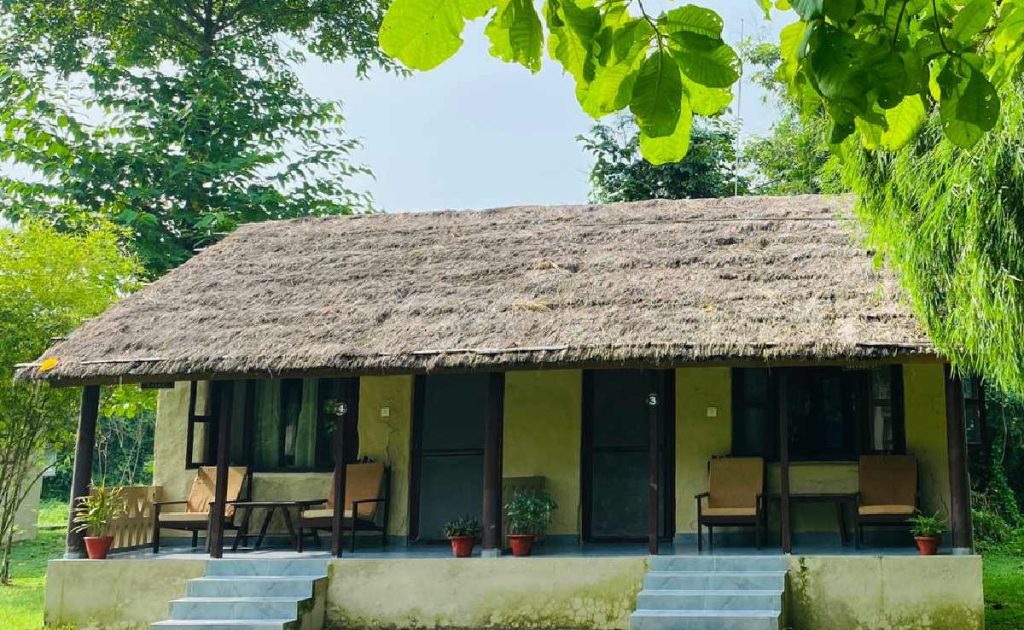
Racy Shade offers comfortable rooms, tasty food, and knowledgeable jungle guides at a more affordable price. There are small huts with shady patios and thatched roofs, as well as wildlife roaming around the huts.

Sarang Wildlife Sanctuary:

The Sarang Wildlife Sanctuary is a unique jungle lodge built on 18.1 acres of jungle property featuring modern comforts and amenities along with traditional Tharu tribe cottages. 

The operational concept is rooted in conservation, responsible tourism, and a commitment to local communities. Hotel activities are self-contained, and the hotel has its own restaurant, elephants, boats, and off-road vehicles. 

Sarang Wildlife Sanctuary offers a variety of all-inclusive packages that can be customized according to your needs. With its traditional Tharu village design and modern amenities, Sarang is a great choice for travelers on a mid-range budget.

Landmark Forest Park:

This eco-friendly forest park in Chitwan National Park shows how tourism can preserve the environment to make travel more attractive and their stay more memorable, rather than destroy it. 

Located in the vicinity of a forest, Landmark Forest Park is the only luxury resort of its kind where you can see wild animals frequently. Upon entering the garden, one feels the tranquility of the area, and a swimming pool adds to the sense of relaxation.

The Landmark Forest Park offers 72 luxurious AC Deluxe rooms, cottages, and suites, as well as a restaurant and bar, as well as experienced staffs who have worked in major hotels in Nepal and abroad.

You can have a truly memorable wildlife safari in Nepal by staying at the right accommodations. You will experience true immersion in nature with all of these accommodations. 

Book your wildlife safari tour early with the Himalayan Circuit treks, as these accommodations can fill up quickly. Embark on a wildlife safari in Nepal and discover the wonders of nature.