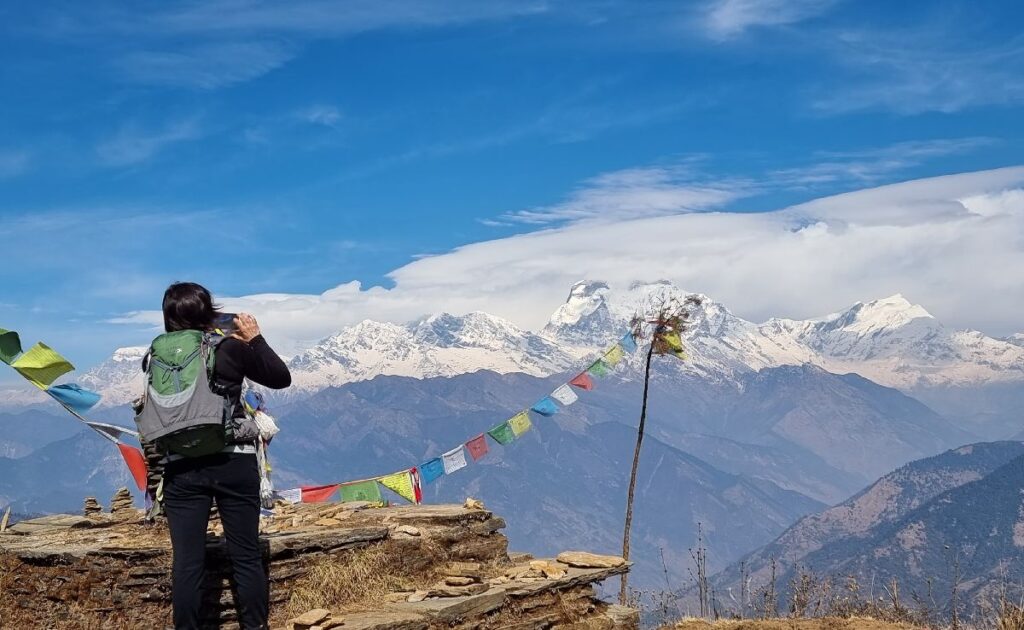
Nepal Opens 97 Peaks for Free Climbing Beyond Everest

Nepal, the land of majestic mountains and unparalleled adventure, is making headlines again. The government has opened 97 previously restricted peaks for free climbing to promote tourism in its remote western regions. This bold move aims to diversify mountaineering tourism, reduce congestion on Mount Everest, and create income opportunities for local communities.

(CNNNews18BBC)

Why Nepal is Opening New Peaks

For decades, Mount Everest has dominated the mountaineering scene in Nepal, attracting thousands of climbers annually. However, overcrowding, rising costs, and environmental concerns have prompted authorities to shift attention to lesser-known regions.

Benefits of the initiative include:

  • Affordable Adventure: Permit fees for 97 peaks are waived for the next two years, making Himalayan mountaineering accessible to more adventurers.
  • Economic Upliftment: Tourism in Karnali and Sudurpashchim provinces, which have limited infrastructure, will generate jobs and income for local communities.
  • Decongesting Everest: Encouraging climbers to explore alternative peaks will reduce pressure on Everest’s heavily trafficked routes.

Himal Gautam, Director at the Department of Tourism, said:
“The aim is to bring more visitors to remote regions, create jobs, and generate income for local communities. This initiative will also help promote Nepal’s unexplored mountain destinations.”

Details of the Newly Accessible Peaks

  • Number of Peaks: 97 (77 in Karnali, 20 in Sudurpashchim)
  • Altitude Range: 5,870 meters (19,258 ft) – 7,132 meters (23,399 ft)
  • Notable Peaks: Saipal (7,030 m), Api (7,132 m), Api West (7,076 m)

Many of these peaks remain “virgin,” awaiting their first climbers, offering a unique opportunity to explore untouched Himalayan landscapes.

New Rules for Mount Everest Climbers

Alongside opening new peaks, Nepal is introducing stricter regulations for Everest aspirants:

  • Climbers must first scale at least one 7,000-meter peak within Nepal.
  • Everest permit fees will increase from USD 11,000 to USD 15,000 per person, effective September 1, 2025.
  • These measures aim to ensure climbers are experienced and to maintain safety and environmental standards.

(Outside OnlineTravel and Tour World)

Challenges and Considerations

While this initiative is a game-changer, climbers should be aware of the following:

  • Remote Access: Sudurpashchim is 535 km from Kathmandu, Karnali 400 km; both require flights and challenging road travel.
  • Limited Amenities: Basic accommodation and services; climbers must prepare adequately.
  • Environmental Responsibility: Increased tourism may impact fragile ecosystems. Authorities are implementing safety and sustainability guidelines.

Why You Should Consider These Peaks

  • Discover untouched regions of Nepal away from the Everest crowd.
  • Experience authentic Himalayan adventure with fewer climbers on the trails.
  • Contribute to local communities and sustainable tourism.

Whether you are a seasoned climber or an aspiring adventurer, these newly opened peaks provide an affordable, challenging, and rewarding experience in the Himalayas.

Plan Your Adventure with Himalayan Circuit

Himalayan Circuit can help craft custom itineraries, obtain permits, and arrange local guides for these new peaks. Explore Nepal beyond Everest and experience the hidden gems of the western Himalayas.

Email: connect@himalayancircuit.com
WhatsApp / Cell: +977 9851121494

References:

  1. CNN Travel: Nepal opens 97 mountains for free climbing
  2. News18: Nepal opens untouched peaks for tourists
  3. BBC: Nepal opens 97 peaks for free climbing
  4. Travel + Leisure Asia: Nepal opens 97 remote peaks
  5. Outside Online: Everest & 97 Peaks
  6. Travel and Tour World: Free access to 97 peaks
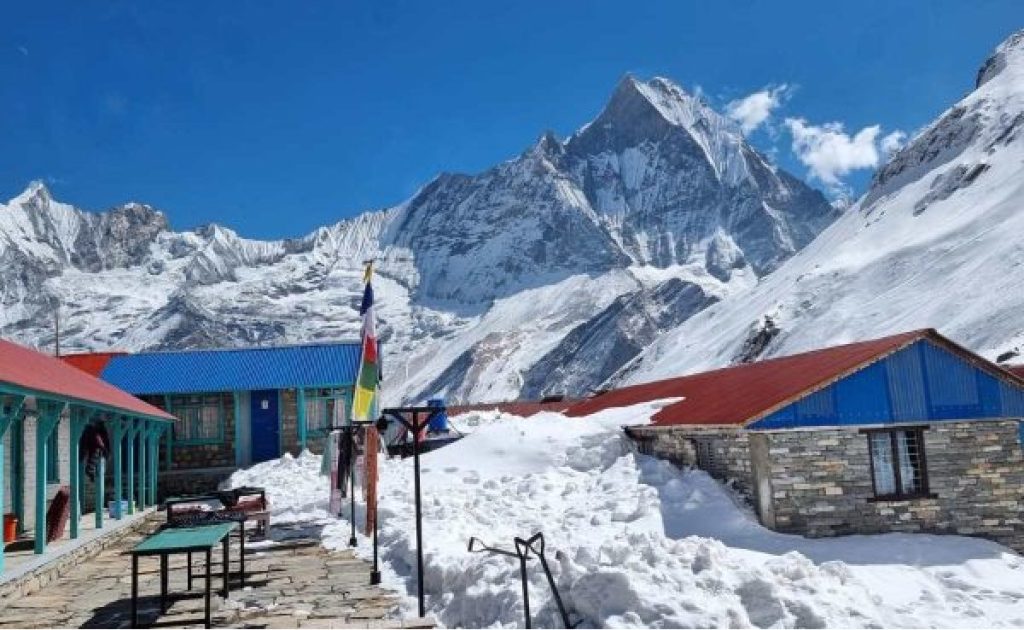
Top 10 Treks Around the World

Trekking in lust green forst

It is often said that, “the best view comes after the hardest climbs”. All you require is a fit pair of legs, sturdy pair of lungs and a strenuous sprit to tackle the trekking trails. There are several factors to consider when determining the top mountains in the world, and some of the tallest peaks are relatively easy to climb. 

No matter your level of experience or altitude preference, you’ll find a trekking route to fit your needs. There are lots of options for every level of trekkers. Here, we’ve put together a list of best treks throughout the world, from jungle trails to breathe-taking mountain trails of Nepal.

Trekking in Annapurna region

Distance: 131 km (81 miles)

Duration: 15-21 Days

Level: Moderate to challanging

Annapurna Circuit has been named as the best long-distance treks in the world, as you will get to see diverse climatic zones, world’s deepest Kaligandaki gorge (2,520 m), world’s highest Tilicho Lake (4919m), Mt. Dhaulagiri (8167 m), Mt. Annapurna I (8091 m) and diverse Nepalese landscape and culture. The Annapurna trek is a great way to see a little bit of everything that Nepal has to offer. As you journey down from the highest point of the trek Throng La Pass (5416 m), you will see Tibetan-influenced temples, Hindu temples, and the local communities of the Mustang Valley.

  • Kungsleden (The King’s Trail)

kungsleden, sweden

Distance: 105 km

Duration: 10-12 days

Level: Easy to moderate

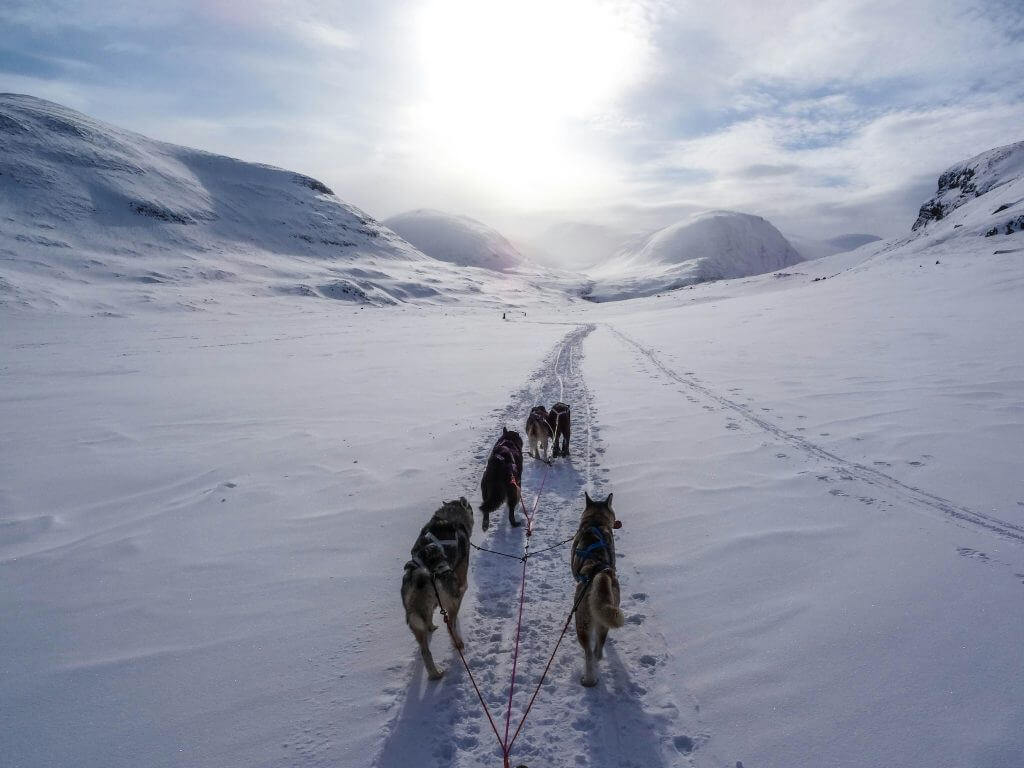
The Kungsleden trekking trail takes you through one of Sweden’s most beautiful mountain landscapes and is ideal for first-time hikers as well as experienced mountaineers. This trekking trail is popularly known as the ‘King of Trails’ and reaches an altitude of 3,770 feet of elevation at the Tjäktja Pass, the highest point of the trek. Kungsleden offers high mountain peaks, birch and coniferous forest, lakes and wetlands, and passes through four national parks i.e. Sarek, Abisko, Pieljekaise and Stora Sjöfallet, which are among the most breathtaking place on earth.

  • GR20, Corsica, France

GR20, France, Croatia

Distance: 168 km (Round trip)

Duration: 15 days

Level: Difficult

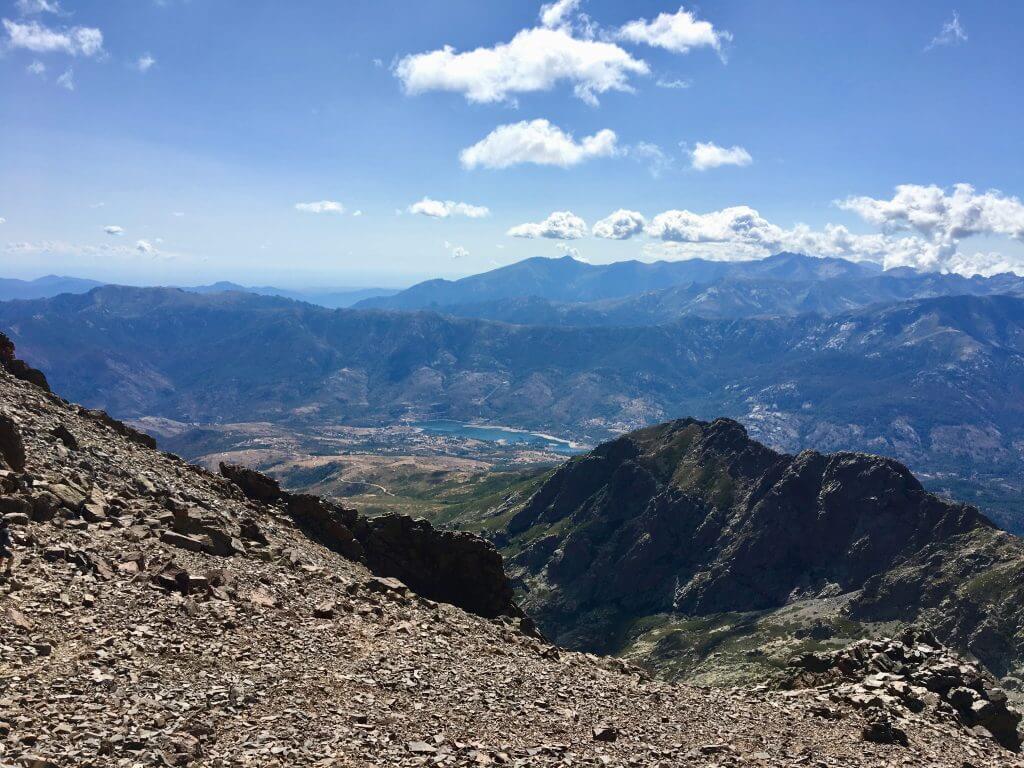
The GR20 is one of Europe’s toughest and longest long-distance trekking trails with a highest altitude of 2141 meters. Mountain walkers with a good sense of balance are required for this trek as it includes scrambling, ladders, the use of chains, and a confident footstep while climbing the rocky landscape and mountain ridges. This is one of the best trekking trails of the world with spectacular views and stunning rock formations.

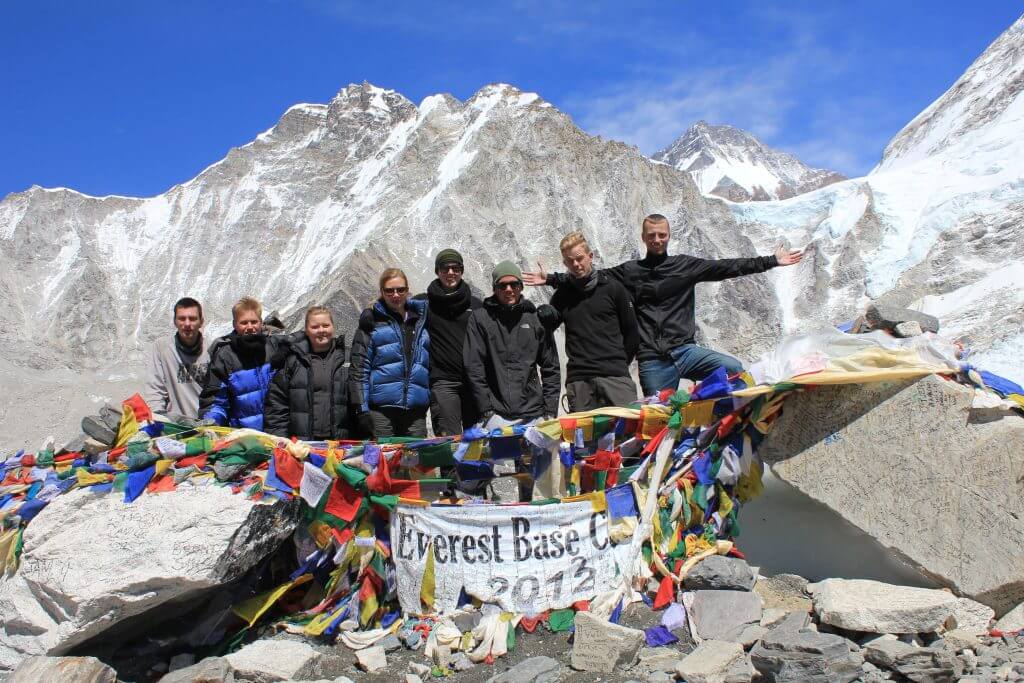
Everest base camp

Distance: 80 miles (130km) round trip

Duration: 2 weeks

Level: Moderate

Getting to Everest base camp is more than just a trek since every bend in this trail feels like “the path to heaven. In this trekking region you can see the world’s tallest mountain, Mt Everest (8848m), which is the Jewel of Nepal. The Khumbu glacier, winding river valleys, mountain monasteries, and Sherpa villages will test your endurance and muscles to the limit.

Kanchanjunga

Distance: 220 km

Duration: 21 Days

Level: Difficult

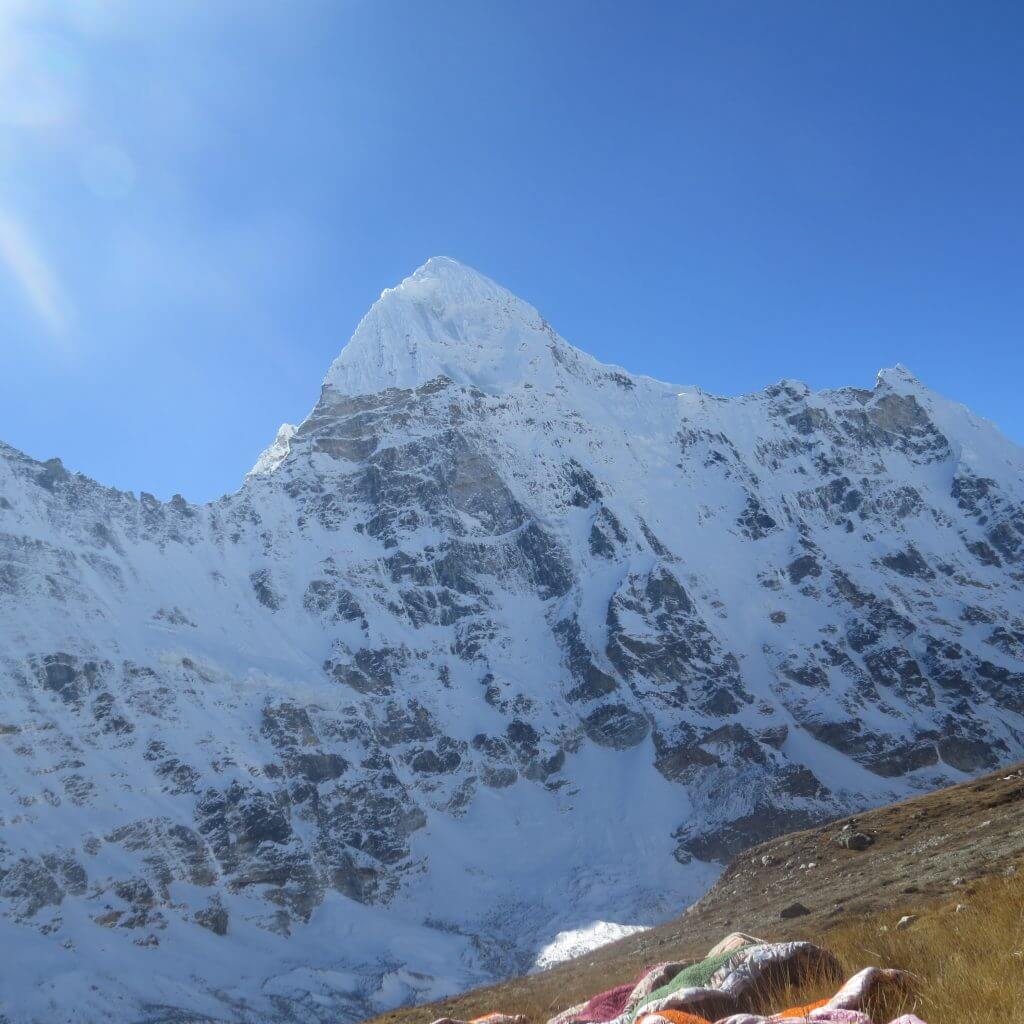
Kanchenjunga trekking route is one of the unexplored trekking routes located in eastern Nepal that offers wonderful snow-capped mountains, scenic routes, delightful views and breathetaking views of the Himalayas. As we walk along this trekking route, we will get to see amazing valleys, amazing cultures and traditions, spectacular views of frozen lake, massive wildlife in Kanchenjunga conservation area and a glimpse of third highest mountain on earth, Mt. Kanchenjunga (8586m).

  • Kilimanjaro, Tanzania 

Kilimanjaro

Distance: 37-90 km

Duration: 5-9 days

Level: Moderate

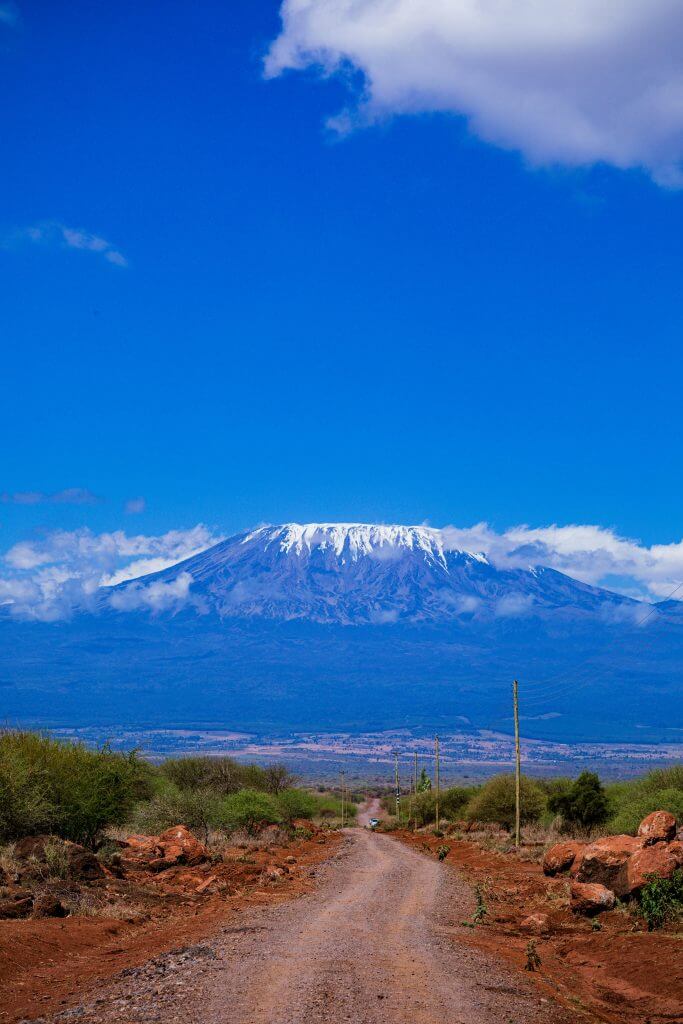
A trip to Mount Kilimanjaro (5895m) on the African continent is an experience of a lifetime since it’s the tallest freestanding mountain in the world. The trekking trail leads from hot deserts of Africa to alpine fields, snow-covered peaks, tropical rain forests, and moorlands of Kilimanjaro in just a few days – the perfect for those seeking something new. 

  • Markha Valley Trek, Ladakh, India

Distance: 80km

Duration: 6-7 days

Level: Moderate

Markha Valley Trek offers a great deal of value for a classic trekking route and is a fantastic option for trekking in summer months in the Himalayas. As you trek through the Markha Valley in Ladakh, you will experience some of northern India’s most spectacular scenery, beautiful villages surrounded by towering mountains, as well as many monasteries that have earned this region the nickname “Little Tibet”. Home stays are available along the trek, which offers an in-depth look into local life. This trek reaches a maximum elevation of 5260m at Kongmaru La.

  • Routeburn Track, New Zealand

Distance: 32km

Duration: 3-4 days

Level: Moderate

A walk along the Routeburn Track opens up a breathtaking panoramic view of snow-capped peaks, glacial valleys, glistering alpine lakes and Routeburn River. It features impressive views of Mt Tutuko (2746m), Fiordland’s highest peak, the stunning  kōtukutuku (tree fuschia), and Harris Saddle, the track’s highest elevation at 1,255 metres. Also, the Routeburn Track offers great options for guided and independent day hikes. 

  • Gunung Rinjani, Indonesia

Gunung Rinjani

Distance: 24 km

Duration: 2 Days

Level: Moderate

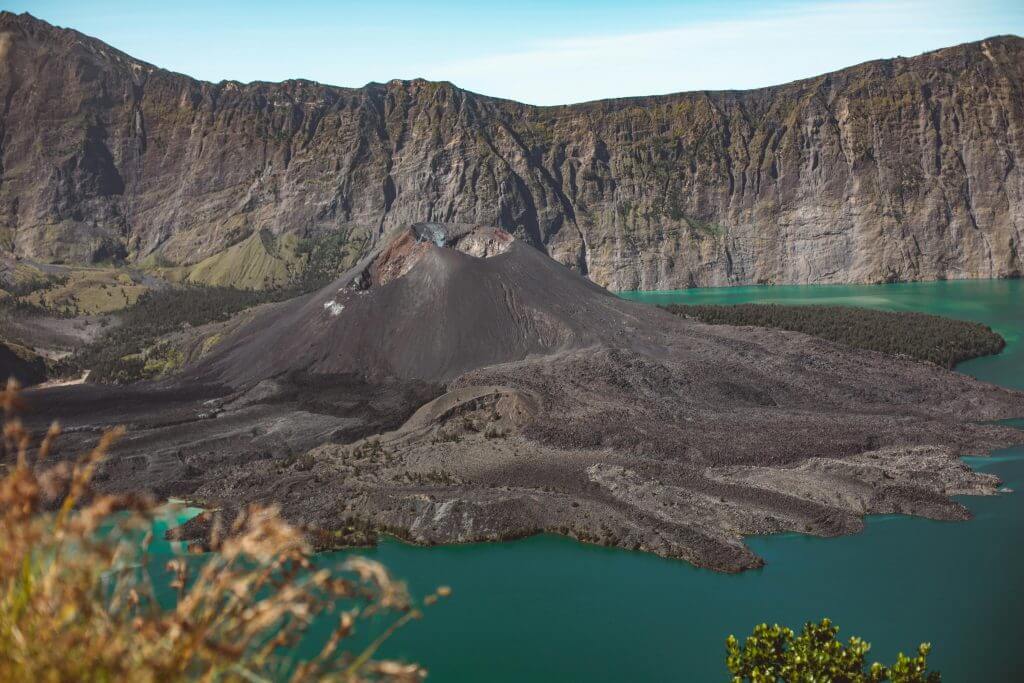
Mount Rinjani(3726m) popularly known as Gunung Rinjani, is an active volcano on the Indonesian Island of Lombok in Indonesia and has been a favorite destination for backpackers. A variety of religious activities take place in the mountain, which is sacred to both the Hindus and the Sasak tribes. Mount Rinjani is a part of Gunung Rinjani National Park, which covers 41,330 hectares where the tropical flora and fauna of Southeast Asia and Australasia meets. 

  • The Haute Route, France-Switzerland

Distance: 125 miles (200km)

Duration: 10-12 days

Level: Medium-High

The beautiful route takes you to the wildest part of Switzerland as you pass deep valleys, rocky peaks, endless glaciers, lagoons of surreal colors, and village huts filled with friendly people and pure mountain air. The route begins in Chamonix, in front of the famous Mont Blanc, which is the highest mountain in Europe. After crossing over several passes that reach nearly 3,000 meters high, the tour comes to an end in Zermatt.

Going to the mountains is like going home and wilderness is a necessity. The best trekking trails around the world are waiting for your footsteps, so when are you going on your next trek?