Nepal Diaries: A Journey Through the Tributaries of the Koshi River

Tributaries of the Koshi River

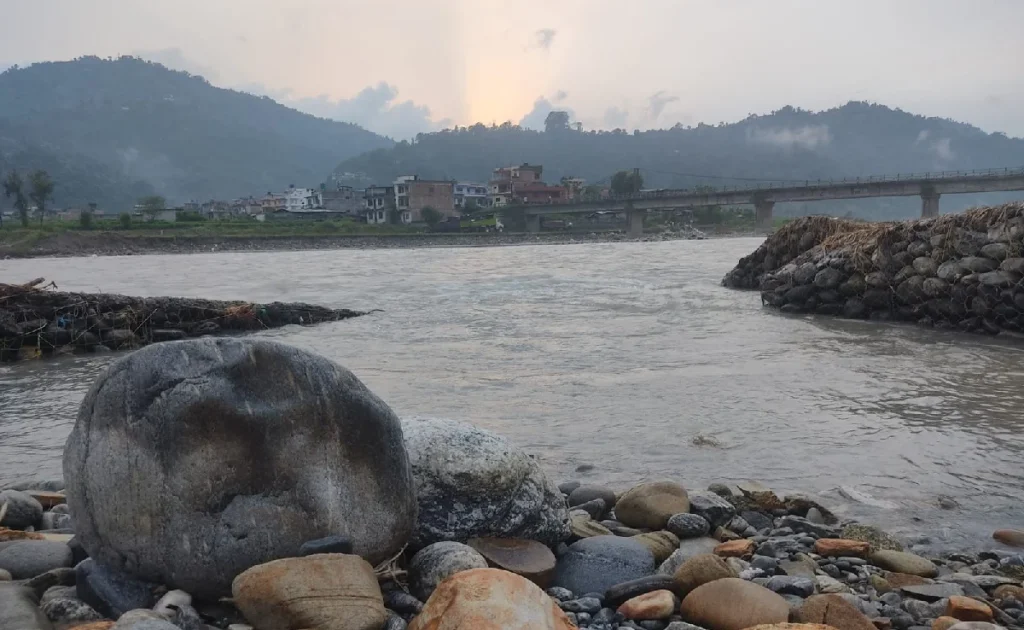
Nepal is a country of rivers, flowing from the pristine Himalayas through green hills and down to the Terai plains. Among these waterways, the Koshi River stands out as one of the most significant, shaped by the powerful tributaries of the Koshi River that originate across the Himalayan region. Formed by the meeting of major rivers like the Sun Koshi, Arun, and Tamur, the Koshi system carries both natural beauty and cultural importance as it travels from Nepal into India.

The Koshi is also called Sapta Koshi, named after the seven tributaries that come together to form it. Stretching about 720 km and draining an area of around 74,500 km² across Tibet, Nepal, and Bihar, the Koshi system is vital to the eastern region of Nepal. This blog explores the major tributaries that make the Koshi River so important.

Overview of the Koshi River System

The Koshi River is a transboundary river with seven main tributaries:

  • Indrawati
  • Tama Koshi
  • Dudh Koshi
  • Sun Koshi
  • Likhu
  • Arun
  • Tamur

These rivers meet at Tribeni, forming the Sapta Koshi. From there, it flows south through Nepal’s Terai and continues into India.

These tributaries are the lifeblood of eastern Nepal. They carve valleys, feed forests, support farms, and connect the high mountains to the plains. Many of these rivers are also tied to spiritual and cultural stories, with names like Kausika mentioned in ancient Hindu scriptures such as the Rigveda.

Major Tributaries of the Koshi River

Arun River

  • Length: ~915 km
  • Contribution: ~37% of Koshi’s water
  • Attractions: Arun Valley Trek, Barun Valley

The Arun River starts from the Shishapangma glacier in Tibet and enters Nepal through Sankhuwasabha district. It plays a key role in hydroelectric power generation. The surrounding area also supports diverse plants and animals.

Tama Koshi

  • Length: 92 km
  • Attractions: Upper Tama Koshi Hydropower Project, Jiri Gateway

Locally known as the river of copper”, Tama Koshi originates from the Rongshar Chu and Lapchi Gang rivers near the Nepal-Tibet border. The river flows through Dolakha district, cutting narrow valleys and steep gorges. Moreover, it has high hydropower potential, significant environmental value, and a rich cultural legacy.

Dudh Koshi

  • Attractions: Everest Base Camp Trek, Sagarmatha National Park

Dudh Koshi is one of the highest elevated rivers in Nepal. Its milky white water comes from glaciers in the Khumbu region near Everest. The river flows through Solukhumbu district, passing several villages along the trekking route to Everest Base Camp. Eventually, it joins the Sun Koshi to form the Sapta Koshi River.

Sun Koshi

  • Attractions: Rafting, trekking in Sindhupalchok and Dolalghat

Known as the “river of gold”, Sun Koshi originates in Tibet and is fed by Himalayan snowmelt. Its steady flow makes it ideal for white-water rafting and kayaking. The river passes through Sindhupalchok, Ramechhap, and Sindhuli districts, supporting life, energy, and culture, before joining other tributaries like Tama Koshi, Bhote Koshi, and Indravati to form the Koshi River. It contributes 44% of the total water flow.

Indrawati River

  • Attractions: Melamchi Valley, Sindhupalchok scenery

Though smaller, the Indrawati River is very important. It begins at 5,850 m above sea level in the high Himalayas. It flows through narrow gorges in Sindhupalchok and Kavrepalanchok districts, supporting agriculture, villages, and local ecosystems.

Bhote Koshi

  • Attractions: Bhote Koshi Rafting, Bungee Jumping at The Last Resort

Bhote Koshi is famous for its speed and steep gradient. Called the Poiqu River in Tibet, it starts near the Shishapangma glacier. Flowing through deep gorges and rocky cliffs, it merges with the Sun Koshi at Bahrabise, helping form the powerful Sapta Koshi.

Likhu River

  • Attractions: Local trekking, rural exploration

The Likhu River is a smaller tributary joining Sun Koshi. Though minor, it is crucial for local farming and settlements, and adds to the Koshi’s overall flow.

Cultural and Environmental Importance

These rivers are more than just water sources. They shape Nepal’s landscape, support biodiversity, and are central to cultural and spiritual life. From the glaciers near Everest to the fertile plains of Terai, each tributary tells a story. Moreover, they provide hydropower, support agriculture, and attract adventure tourism like rafting, trekking, and bungee jumping.

The Koshi River and its tributaries form a complex and vital network in eastern Nepal. From the icy glacial waters of Dudh Koshi to the rapid currents of Bhote Koshi, each river brings life, energy, and culture.

Exploring these rivers is more than geography — it is a journey into Nepal’s natural beauty and cultural heritage. Let the Koshi guide your next adventure, and discover the stories hidden in every valley with Himalayan Circuit.
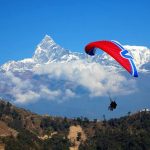
Nepal Opens 97 Peaks for Free Climbing Beyond Everest

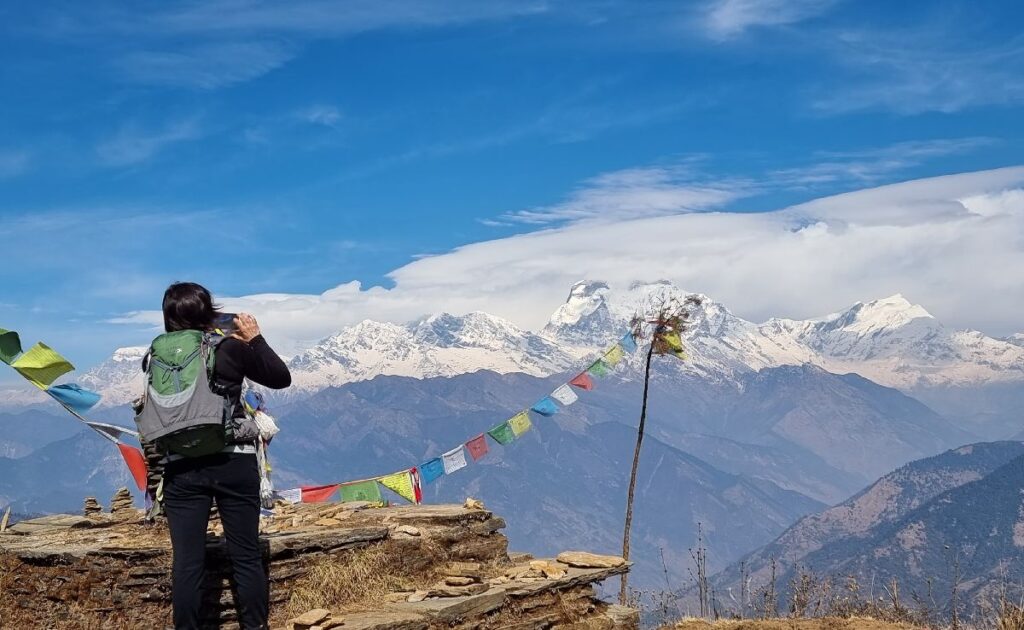
Nepal, the land of majestic mountains and unparalleled adventure, is making headlines again. The government has opened 97 previously restricted peaks for free climbing to promote tourism in its remote western regions. This bold move aims to diversify mountaineering tourism, reduce congestion on Mount Everest, and create income opportunities for local communities.

(CNNNews18BBC)

Why Nepal is Opening New Peaks

For decades, Mount Everest has dominated the mountaineering scene in Nepal, attracting thousands of climbers annually. However, overcrowding, rising costs, and environmental concerns have prompted authorities to shift attention to lesser-known regions.

Benefits of the initiative include:

  • Affordable Adventure: Permit fees for 97 peaks are waived for the next two years, making Himalayan mountaineering accessible to more adventurers.
  • Economic Upliftment: Tourism in Karnali and Sudurpashchim provinces, which have limited infrastructure, will generate jobs and income for local communities.
  • Decongesting Everest: Encouraging climbers to explore alternative peaks will reduce pressure on Everest’s heavily trafficked routes.

Himal Gautam, Director at the Department of Tourism, said:
“The aim is to bring more visitors to remote regions, create jobs, and generate income for local communities. This initiative will also help promote Nepal’s unexplored mountain destinations.”

Details of the Newly Accessible Peaks

  • Number of Peaks: 97 (77 in Karnali, 20 in Sudurpashchim)
  • Altitude Range: 5,870 meters (19,258 ft) – 7,132 meters (23,399 ft)
  • Notable Peaks: Saipal (7,030 m), Api (7,132 m), Api West (7,076 m)

Many of these peaks remain “virgin,” awaiting their first climbers, offering a unique opportunity to explore untouched Himalayan landscapes.

New Rules for Mount Everest Climbers

Alongside opening new peaks, Nepal is introducing stricter regulations for Everest aspirants:

  • Climbers must first scale at least one 7,000-meter peak within Nepal.
  • Everest permit fees will increase from USD 11,000 to USD 15,000 per person, effective September 1, 2025.
  • These measures aim to ensure climbers are experienced and to maintain safety and environmental standards.

(Outside OnlineTravel and Tour World)

Challenges and Considerations

While this initiative is a game-changer, climbers should be aware of the following:

  • Remote Access: Sudurpashchim is 535 km from Kathmandu, Karnali 400 km; both require flights and challenging road travel.
  • Limited Amenities: Basic accommodation and services; climbers must prepare adequately.
  • Environmental Responsibility: Increased tourism may impact fragile ecosystems. Authorities are implementing safety and sustainability guidelines.

Why You Should Consider These Peaks

  • Discover untouched regions of Nepal away from the Everest crowd.
  • Experience authentic Himalayan adventure with fewer climbers on the trails.
  • Contribute to local communities and sustainable tourism.

Whether you are a seasoned climber or an aspiring adventurer, these newly opened peaks provide an affordable, challenging, and rewarding experience in the Himalayas.

Plan Your Adventure with Himalayan Circuit

Himalayan Circuit can help craft custom itineraries, obtain permits, and arrange local guides for these new peaks. Explore Nepal beyond Everest and experience the hidden gems of the western Himalayas.

Email: connect@himalayancircuit.com
WhatsApp / Cell: +977 9851121494

References:

  1. CNN Travel: Nepal opens 97 mountains for free climbing
  2. News18: Nepal opens untouched peaks for tourists
  3. BBC: Nepal opens 97 peaks for free climbing
  4. Travel + Leisure Asia: Nepal opens 97 remote peaks
  5. Outside Online: Everest & 97 Peaks
  6. Travel and Tour World: Free access to 97 peaks

Nepal Diary: Your Mountain Flights Guide Experience in Nepal

Mountain Flight in Nepal

Watching the sunrise over the Himalayan peaks from a plane window is a memory that lasts forever. A mountain flight in Nepal offers a chance to witness some of the world’s highest mountains, including Mount Everest, Cho Oyu, and Lhotse, without the demands of trekking. From the comfort of your seat, soak in sweeping views of snow-covered summits rising above 8,000 meters.

The Everest scenic flight is perfect for travelers who want to experience the grandeur of the Himalayas but have limited time or physical constraints. This Himalayan sightseeing tour combines ease and elevation, making it one of the most accessible highlights of Nepal adventure tourism.

Why You Should Take a Mountain Flight in Nepal

  • See Mount Everest and other peaks up close without trekking

  • Experience the Himalayas from the comfort of a plane seat

  • Fits easily into short Nepal itineraries

  • Ideal for families, solo travelers, and seniors

  • No need for trekking gear or physical preparation

  • Safer and less weather-dependent than high-altitude treks

  • Capture stunning aerial photos and videos

  • Fly over glaciers, ridges, valleys, and Sherpa villages

  • Enjoy peaceful views of clouds, snowfields, and mountain terrain

  • Combine with other attractions in Nepal for a full adventure

The In-Flight Experience

A mountain flight in Nepal lasts about 45 minutes to 1 hour, operating daily from Tribhuvan International Airport, Kathmandu. Small aircraft with large windows ensure everyone has a clear view of the mountains.

As the flight departs early in the morning, you’ll leave behind the city and fly toward a world of snow and silence. The landscape shifts from green hills to deep valleys and then to jagged ridges and glistening peaks. You’ll get uninterrupted views of snow-covered summits and the endless sky.

Each passenger receives a mountain range map to identify peaks, and the pilot often announces landmarks as you fly by. Cameras click constantly as travelers capture the beauty around them. The aircraft flies close enough to the mountains to feel like you’re among them, not just above.

On the return leg, you’ll notice new angles and landscapes you missed on the way out, giving a fresh perspective on the Himalayas before landing back in Kathmandu.

Best Time for Mountain Flights in Nepal

The best months for a mountain flight in Nepal are January to May and September to December. During these seasons, skies are usually clear and visibility is excellent. You’ll see sparkling peaks, clear lakes, and glaciers in their full glory.

Flights operate year-round, but monsoon and winter months can bring unpredictable weather. It’s best to plan your flight in the recommended seasons for the clearest views.

The Himalayas have mesmerized travelers for generations. While trekking and climbing are classic ways to explore them, an Everest scenic flight offers an easy and breathtaking alternative. It’s one of the best ways to experience the beauty of Nepal’s mountains with minimal effort.

If your journey brings you to Nepal, don’t miss this adventure. Book your Everest scenic flight with Himalayan Circuit, sit back, and let the Himalayas take your breath away.