Homestay in Nepal – Dalla, Where Culture Meets Conservation

Nepal’s Terai region is a land of contrasts—lush jungles filled with wildlife, traditions rooted in community, and inspiring stories of change. At the heart of this vibrant landscape lies Dalla Homestay, a community-based tourism initiative that lets travelers experience the wild beauty of Bardiya National Park while living alongside the welcoming people of Dalla.

With Himalayan Circuit’s newest offering, you can now take part in a journey that goes beyond sightseeing—connecting nature, culture, and purpose.

The Birth of Dalla Homestay: A Story of Community Innovation
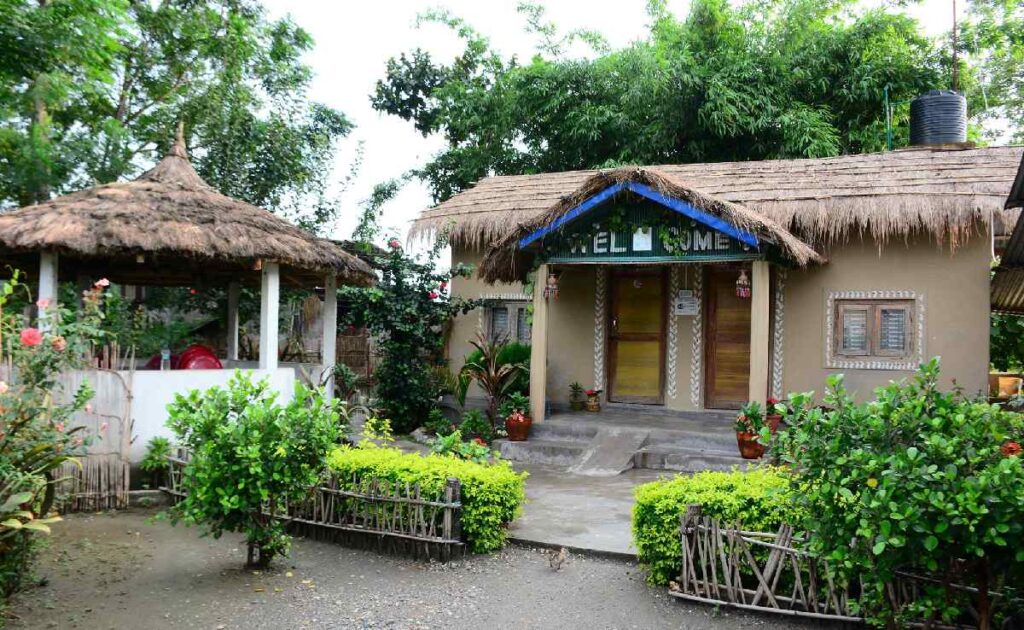
Dalla Homestay Bardia

The story of Dalla is not only about tourism—it is about revival, empowerment, and vision. According to WWF Nepal, the change began when conservation efforts started in the village. With WWF’s support, the people of Dalla restored degraded forests and protected wildlife habitats. As a result, a new idea emerged: why not invite the world to see this transformation firsthand?

Through dialogue and collective action, the community created Dalla Homestay. Today, 20 households host travelers, offering not just rooms but also stories, smiles, and a sense of belonging.

Key outcomes of this change include:

  • Cleaner villages through organized waste management
  • Women’s empowerment, with many now leading in hospitality and enterprise
  • Sustainable income, with tourism revenue supporting education, health, and local development

In short, Dalla’s journey is a living example of how local action and global awareness can work together to create meaningful change.

Bardiya National Park: Nepal’s Untamed Wilderness

Tiger in Bardia National Park

Covering more than 968 square kilometers, Bardiya National Park is Nepal’s largest protected area in the Terai. It was first established as the Karnali Wildlife Reserve in 1976. Later, when 1,500 households were relocated, nature was given the space to thrive.

Today, Bardiya is home to some of the world’s most iconic species, including:

  • Royal Bengal Tigers—one of the best places in Nepal to spot them in the wild
  • One-horned Rhinos—thriving thanks to strong conservation efforts
  • Asian Elephants, Gangetic Dolphins, and more than 400 bird species

Visitors can enjoy jeep safaris, river excursions, birdwatching, and guided jungle walks. At the same time, they learn about the delicate balance between conservation and community life.

What to Expect at Dalla Homestay
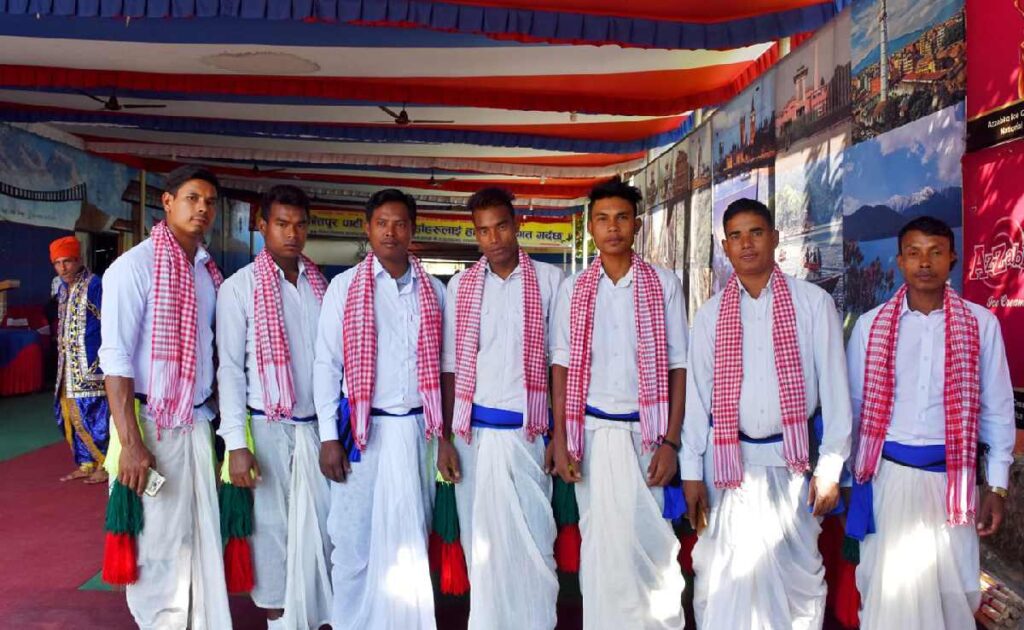
Staying at Dalla Homestay is more than just accommodation—it is a cultural exchange. Guests stay in traditional Tharu homes, eat local cuisine made from fresh ingredients, and take part in daily village life.

Activities include:

  • Cultural performances with Tharu music and dance
  • Cooking classes led by local hosts
  • Nature walks guided by community members
  • Storytelling evenings around the fire

Each family has been trained in hospitality. Therefore, you enjoy comfort while still experiencing authenticity.

Why Choose Dalla Homestay with Himalayan Circuit?

Himalayan Circuit has always championed responsible tourism. With Dalla Homestay, we continue our mission to connect travelers with meaningful experiences that support local communities and protect natural heritage.

By choosing this journey, you:

  • Support grassroots conservation
  • Empower local women and youth
  • Experience Nepal beyond the tourist trail

Book Your Journey Today

Your stay at Dalla Homestay Bardiya is more than a visit—it’s a contribution to conservation and community. So, are you ready to explore Bardiya’s wild heart and Dalla’s warm soul?

Learn more & book now
Unique Experiences: How Federalism Impacts Nepal’s Tourism

Federalism in Nepal

In 2015, federalism in Nepal was officially adopted, marking a significant milestone after years of political challenges. This change introduced a new era of hope and opportunity by decentralizing power among three levels of government: federal, provincial, and local. Each tier now holds distinct responsibilities, including managing development priorities such as tourism—an essential pillar of Nepal’s economy.

Beyond administrative tasks like planning and budgeting, federalism in Nepal has encouraged governments to engage more with local communities to craft policies that reflect regional identities and needs. Consequently, tourism is evolving to become more inclusive and community-driven. No longer confined to traditional hubs like Kathmandu and Pokhara, it is flourishing across Nepal’s diverse provinces.

Understanding Nepal’s Federal Structure

Federalism in Nepal establishes a framework comprising one federal government, seven provincial governments, and 753 local governments, each with clearly defined roles. The federal government oversees national policies, while provincial governments address regional issues. Local governments manage the everyday needs of their communities.

This division enhances service efficiency and accountability, enabling each government level to operate autonomously yet collaboratively. Striking this balance supports national unity while empowering local autonomy, allowing Nepal to effectively serve its diverse population.

The Impact of Federalism on Tourism

Federalism empowers provinces to develop tourism strategies tailored to their unique strengths. This autonomy allows regions to promote local attractions, improve infrastructure, and foster community-based initiatives such as homestays and trained local guides. As a result, tourism is becoming more dispersed and sustainable, offering authentic experiences beyond the well-known destinations.

Below is an overview of how each province is utilizing federalism to shape its tourism landscape:

1. Koshi Province: Adventure and Authenticity

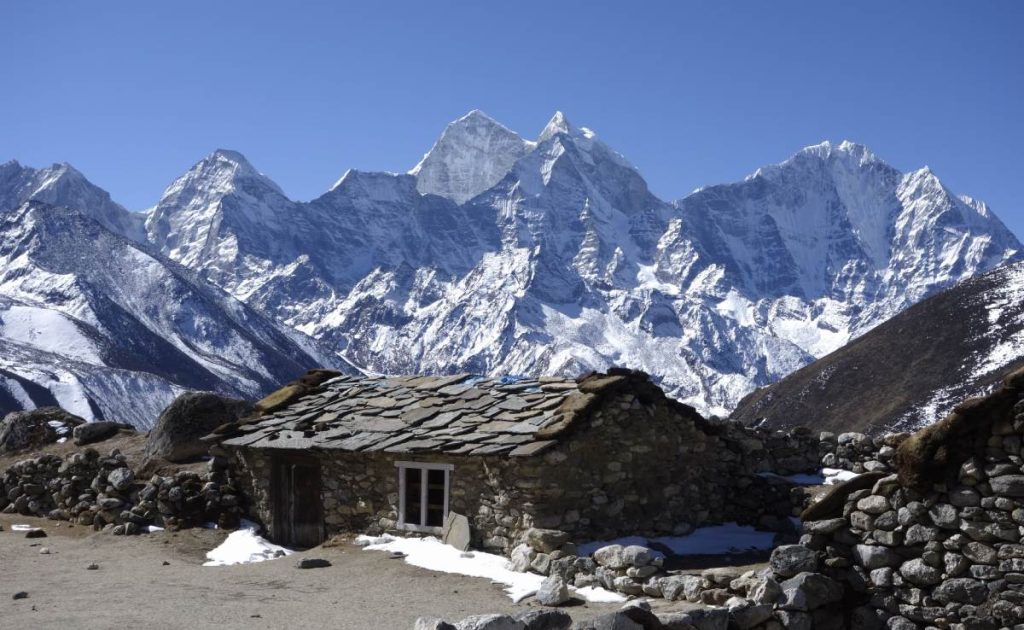
Everest Region Trek: Lukla to Tengboche Adventure
The majestic peaks of the Everest Region lie in Koshi Province.

Home to iconic peaks like Everest, Kanchenjunga, and Makalu, Koshi Province is renowned as an adventure tourism hotspot. However, tourism development here is marked by careful planning and community involvement. Improved infrastructure and connectivity are opening remote areas to visitors, while initiatives like homestays ensure that tourism benefits local residents. This approach preserves the region’s adventurous spirit and fosters meaningful travel experiences.

2. Madhesh Province: Cultural Richness and Wildlife

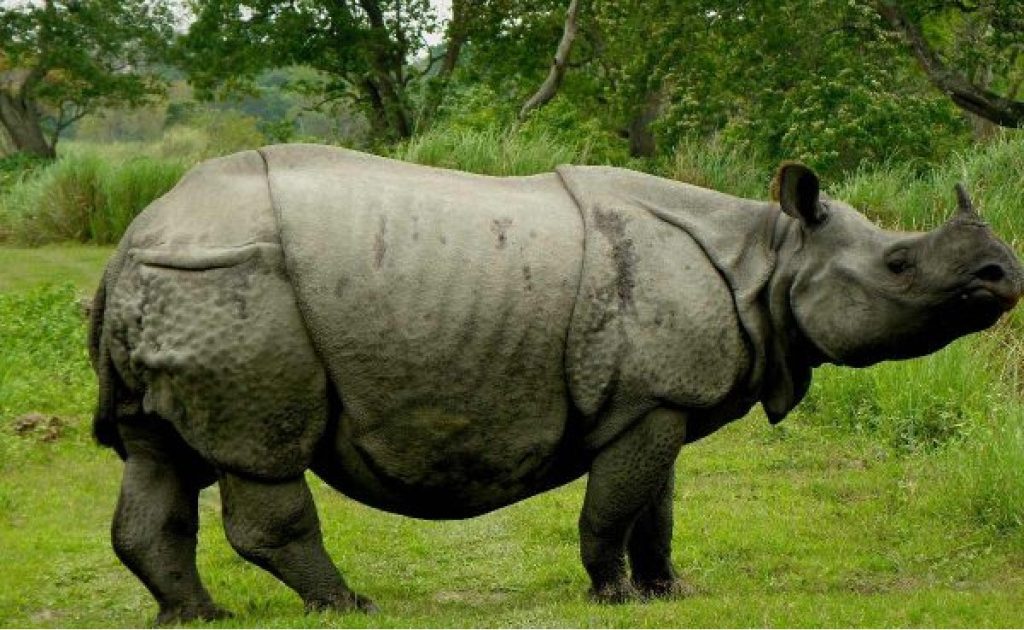
Rhino in Chitwan National Park
The endangered one-horned rhinoceros (Gainda), spotted in Chitwan National Park, which lies in Madhesh Province.

Madhesh Province offers a different but equally valuable tourism experience. Known for its vibrant cultural festivals, historic towns, and warm hospitality, it reflects Nepal’s diverse heritage. The province’s lowland Terai region is home to important wildlife reserves, including parts of the Chitwan National Park, attracting nature lovers and safari enthusiasts. Though tourism here is still developing, Madhesh holds great potential to enrich Nepal’s overall travel offerings.

3. Bagmati Province: Preserving Cultural Heritage

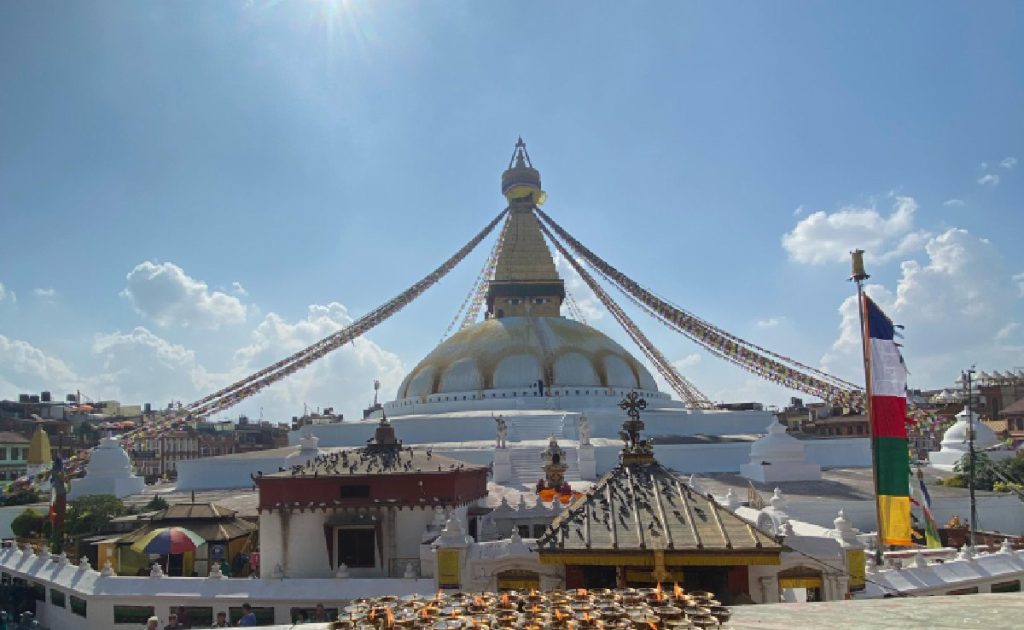
Boudhanath Stupa
 The largest dome-shaped stupa in the world, Boudhanath Stupa, lies in Bagmati Province. 

Bagmati Province, which includes the Kathmandu Valley, is Nepal’s cultural heartland. It boasts ancient temples, palaces, and UNESCO World Heritage Sites that chronicle Nepal’s rich history. Coordinated efforts between provincial and federal authorities have led to restoration projects and enhanced visitor facilities. These developments are helping cultural tourism thrive while safeguarding the valley’s historic character and offering a welcoming environment for visitors.

4. Gandaki Province: Embracing Eco-Friendly Tourism

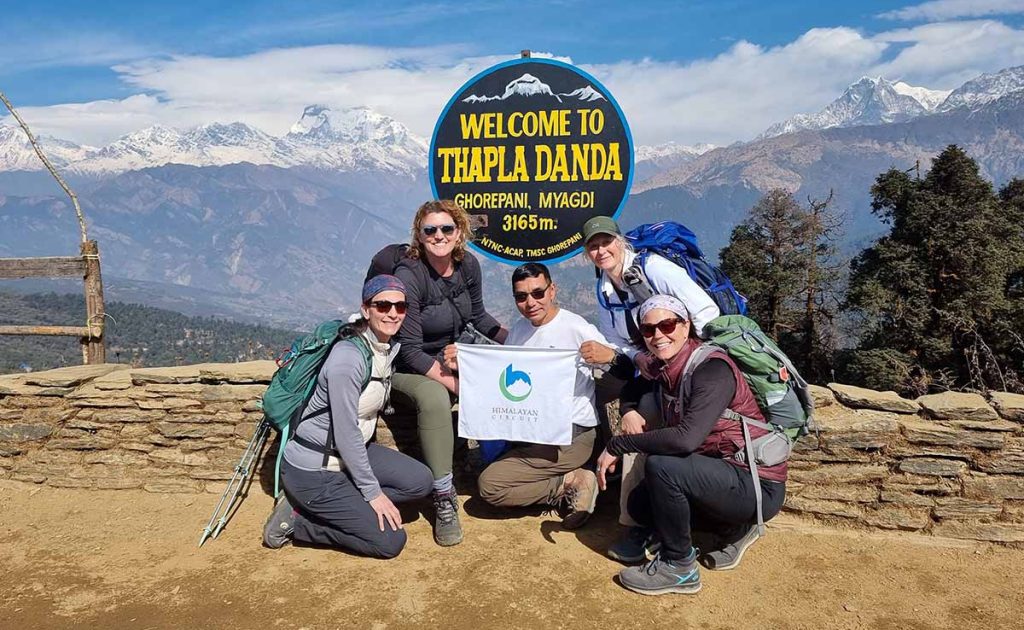
4 Clients with 1 Guide in Thapla Danda
With the Annapurna range behind them, clients enjoy the beauty of Gandaki Province.

Gandaki Province captivates with its natural beauty, from serene lakes to the Annapurna trekking circuit. Here, tourism development prioritizes environmental conservation. Upgraded infrastructure and trekking routes have improved accessibility, while eco-friendly initiatives such as waste management programs and eco-lodges promote sustainable tourism. This balance ensures that the province’s natural charm remains intact for future generations.

5. Lumbini Province: Nurturing Spiritual Tourism

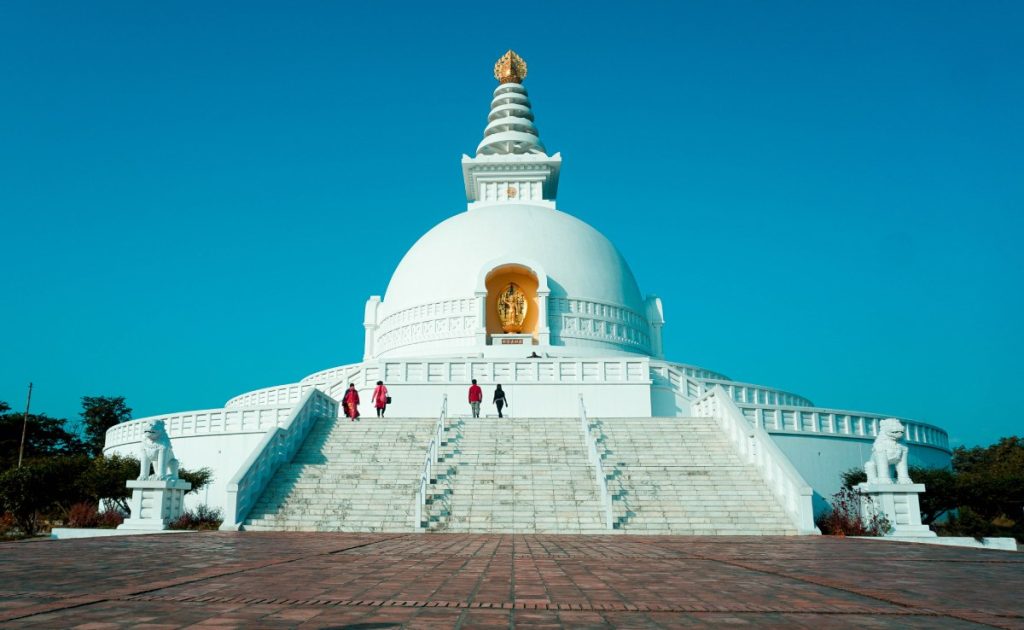
Lumbini Peace Stupa
Located in Lumbini Province, the World Peace Stupa of Lumbini stands as a symbol of harmony and devotion.

As the birthplace of Buddha, Lumbini Province holds profound spiritual significance. It attracts pilgrims and visitors from around the world. Recent investments in transportation, visitor centers, and heritage preservation enhance the visitor experience while respecting the area’s sacred character. This thoughtful development supports a sustainable model that honors Lumbini’s cultural and spiritual legacy.

6. Karnali and Sudurpashchim Provinces: Unlocking Hidden Potential

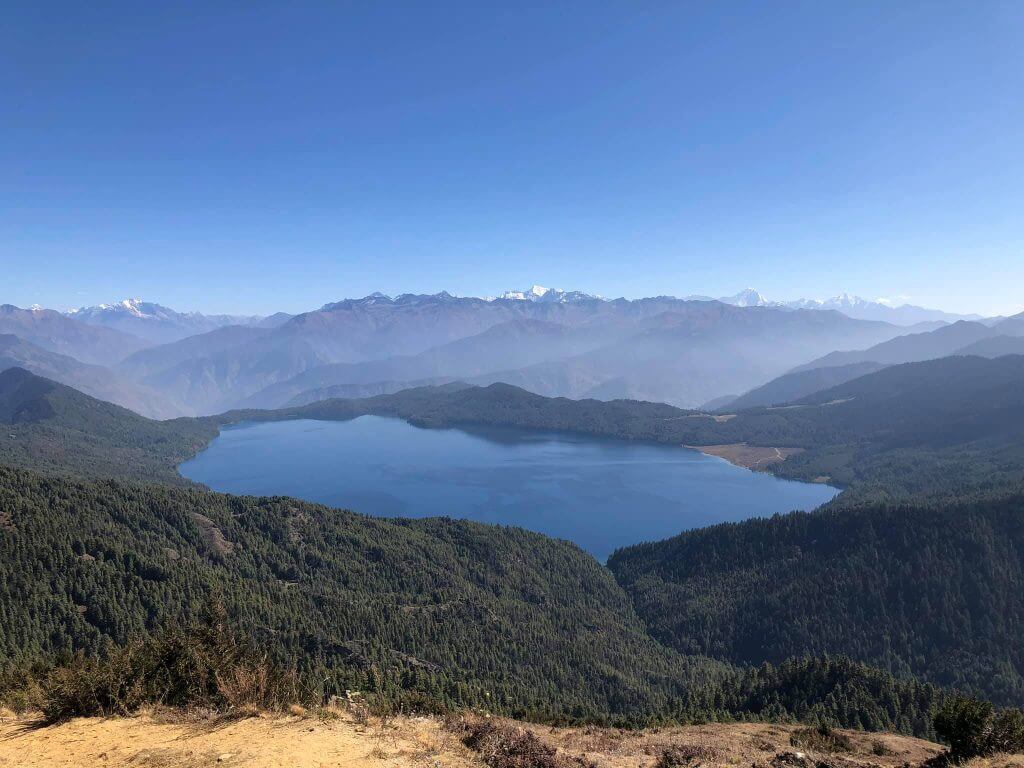
Rara Lake
The largest fresh water lake of Nepal, Rara lake, which lies in the Karnali Province

Karnali and Sudurpashchim, known for their vast rural landscapes and untouched natural beauty, have long remained off the beaten path. Recent infrastructure improvements and community skill-building programs are gradually opening these provinces to tourism. This growth is intentionally paced to preserve cultural integrity and environmental sustainability, fostering inclusive economic development that benefits local communities.

Looking Ahead: A Harmonious Future for Tourism in Nepal

Federalism in Nepal has paved the way for a more balanced and responsible approach to tourism. When all levels of government collaborate effectively, investments can be targeted to revive heritage sites, protect natural resources, and create authentic experiences that showcase each region’s unique character. This unified effort transforms Nepal’s diverse landscapes into a cohesive narrative of sustainable tourism, ensuring that the benefits of growth reach every corner of the country.

If you seek to explore Nepal beyond the usual routes, discover the stories and cultures woven into each province. Experience the country through journeys that reflect its true spirit and local pride.

Nepal Travel News: How Homestay Tourism Has Evolved in Nepal

Welcome in sirubari

Nepal, a country renowned for its majestic Himalayas, vibrant cultures, and spiritual magnetism, has evolved into a multi-dimensional travel destination. Beyond its well-trodden trekking trails and heritage cities, one of the most transformative tourism trends in recent decades has been the development of homestay tourism. Homestays, as an alternative to commercial hotels, have empowered rural communities, preserved cultural heritage, and promoted sustainable and inclusive tourism. This article traces the chronological journey of homestay tourism in Nepal and analyzes its current landscape.

The Roots: Ecotourism and Community Participation

The seeds of homestay tourism in Nepal were sown in the late 1980s through the concept of community-based ecotourism. Ghandruk, a scenic Gurung village nestled in the Annapurna Conservation Area, became a pioneering site for this initiative. Managed under the auspices of the Annapurna Conservation Area Project (ACAP), this early experiment introduced the idea that local people could be key custodians and beneficiaries of tourism. The approach combined nature conservation, cultural preservation, and economic development.

By placing communities at the heart of tourism, this model demonstrated how tourism could serve as a tool for rural empowerment rather than exploitation. Although homestays were not formally structured at this stage, the Ghandruk pilot laid the conceptual foundation for future developments.

Timeline of Community Homestay Development in Nepal

Homestay tourism has become an engine of rural transformation in Nepal, evolving from modest conservation efforts to a thriving network of community-powered hospitality across the nation. The table below chronicles major developments—highlighting the communities involved, geographic expansion, and the progression toward sustainable and inclusive tourism.

Year / Period Community Homestays & Milestones Location / Entity Significance
Late 1980s Community-based ecotourism initiated Ghandruk (ACAP) Foundation for participatory tourism[1]
1998 First structured homestay community Sirubari, Syangja First model homestay village[2]
2000 Cultural immersion homestay started Ghale Gaun, Lamjung Gurung cultural tourism[2]
2002–2007 UNDP-backed homestay proliferation Mustang, Ilam, Poverty alleviation through tourism[3]
2008 Homestays recognized in tourism policy MoCTCA Policy-level inclusion[4]
2010 Homestay directives formalized Government of Nepal Legal framework established[5]
2009–2010 New community homestays Lwang Ghalel, Bhakunde Expansion to new hill villages[6]
2011 Tharu community homestay begins Dalla, Bardiya Terai eco-cultural tourism[7]
2012 CHN founded; new trekking homestay Panauti, Narchyang Digital access and offbeat trekking[8]
2013 Jungle and hill homestays expanded Amaltari, Patlekhet Wildlife and cultural blend[8]
2014 Homestays in eastern Nepal initiated Shree Antu (Ilam), Namje (Dhankuta) Tea and Magar heritage tourism[8]
2016 Homestays legally classified as tourism businesses Industrial Enterprises Act Eligible for loans and grants[9]
2019 Remote homestay expansion Chillikot, Dang Mid-west inclusion[10]
2020–2021 Pandemic pivot to domestic tourism Nationwide Hygiene protocols and local marketing[11]
2024 CHN’s Community Connect & Machhapuchchhre Homestay relaunched Kaski Post-COVID revival with 23 organic homes[12]

This enriched timeline reflects the growing complexity and reach of Nepal’s community homestay movement—from the early days in Sirubari and Ghandruk to recent additions in Eastern and mid-west regions. It demonstrates how policy frameworks, digital platforms like CHN, and renewed post-pandemic resilience have woven a diverse tapestry of community tourism across mountains, hills, and plains.

Conclusion

The history of homestay tourism in Nepal is not merely a record of projects and policies; it is a story of people and places—of ordinary families turning their homes into windows to Nepal’s heart and soul. From the pioneering model in Sirubari to the digital outreach of CHN’s Community Connect, homestays have evolved into more than just lodging—they are powerful tools for cultural preservation, economic inclusion, and responsible travel.

As Nepal continues to position itself as a sustainable tourism destination, investing in the homestay sector—through capacity building, quality assurance, infrastructure, and inclusive governance—will be key. In the face of globalization, climate change, and evolving travel preferences, homestays offer a grounded, human-scale approach that reconnects travelers with authenticity, communities with opportunity, and tourism with purpose.

References

Government of Nepal, Ministry of Culture, Tourism and Civil Aviation. (2008). Tourism Policy 2008. Kathmandu, Nepal: MoCTCA.

Government of Nepal, Ministry of Culture, Tourism and Civil Aviation. (2010). Homestay Operation Directives 2010 (2067 B.S.). Kathmandu: MoCTCA.

Nepal Tourism Board. (2019). Homestay Program in Nepal: Opportunities and Challenges. Kathmandu: NTB Research Division.

United Nations Development Programme (UNDP). (2007). Tourism for Rural Poverty Alleviation Programme: Final Evaluation Report. Kathmandu: UNDP Nepal.

Nepal Rastra Bank. (2021). Impact of Tourism on Rural Economies: A Study on Homestay and Local Enterprises. Kathmandu: NRB Publications.

Shrestha, P. M., & Shrestha, B. R. (2015). Community-based Homestay Tourism in Nepal: Practices and Prospects. The Gaze: Journal of Tourism and Hospitality, 7(1), 1–21. https://doi.org/10.3126/gaze.v7i0.14046

Regmi, R. R. (2020). Rural Tourism and Homestay in Nepal: A Study of Community Empowerment in Sirubari and Ghalegaun. Kathmandu University School of Management (Master’s Thesis).

By: HC Research Team

Community Based Tourism in Nepal

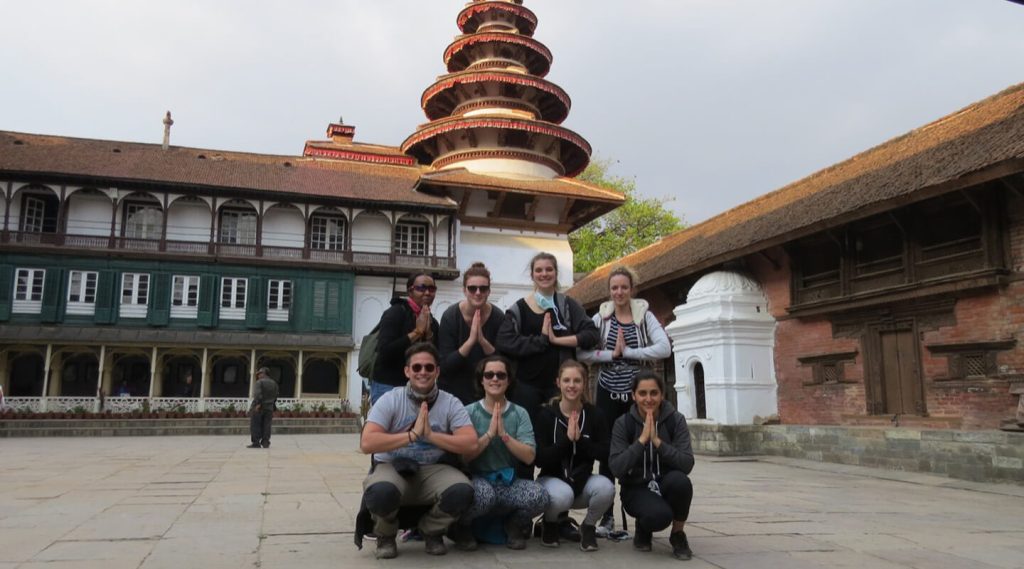
Kathmandu City

Imagine yourself visiting a completely different place from your hometown, with a totally different culture and a lifestyle that you’re completely unfamiliar with. You might find dozens of destinations searching in Google but being part of community-based tourism in Nepal is the best gateway to discover new places and get real life experience of rural lifestyles, preferably in an unspoiled traditional village. Here, visitors can explore the wildlife, local habitats, and be a part of the local culture and rituals. The best way to understand Nepal’s traditions and culture is by visiting its villages.

Community based tourism (CBT) is a form of sustainable tourism that allows travellers to engage with the local communities they visit and learn more about their culture and daily lives. CBT provides travellers with the opportunity to learn about another culture, diversity, customs, language, social norms, cultural beliefs, etc.  This type of tourism in Nepal consists of activities such as home stays, village tours, storytelling, cooking and crafting together and farm visits, etc where visitors can observe the local culture and interact with local community members.  The hospitality and friendly attitude towards tourists makes them feel at home.

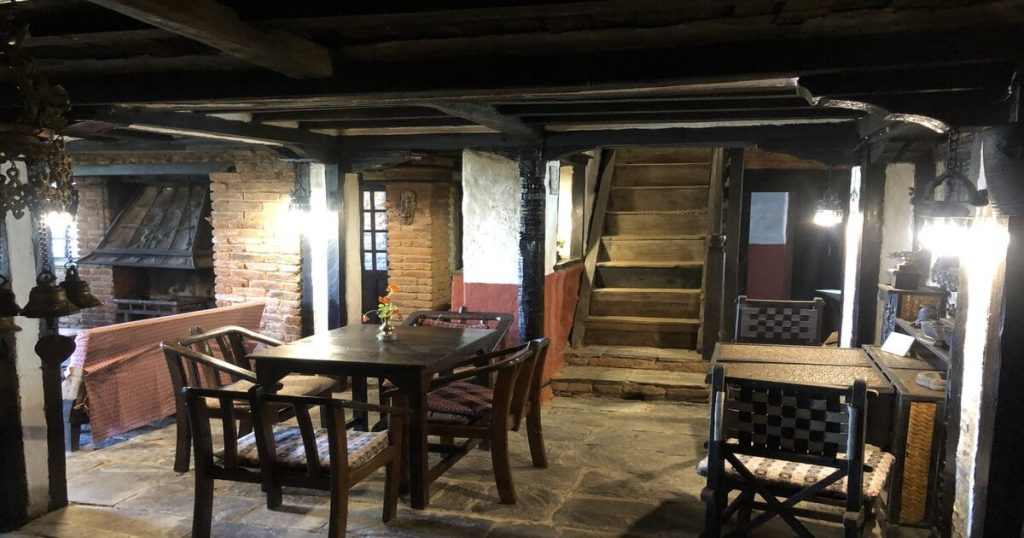
Bandipur homestay

Home stays and other forms of community-based tourism are gaining popularity among travellers today given that they provide authentic, unique experiences while also providing value to local communities. There is already a growing niche market as more and more people today are interested in getting to know the local communities and interacting with the local people. Community-based tourism was developed with the objective of alleviating poverty in low-income and minority communities by developing and promoting the local tradition, culture and local resources.  Members of a community join together and take collective actions to achieve all forms of well-being including social, economic, cultural and environmental.

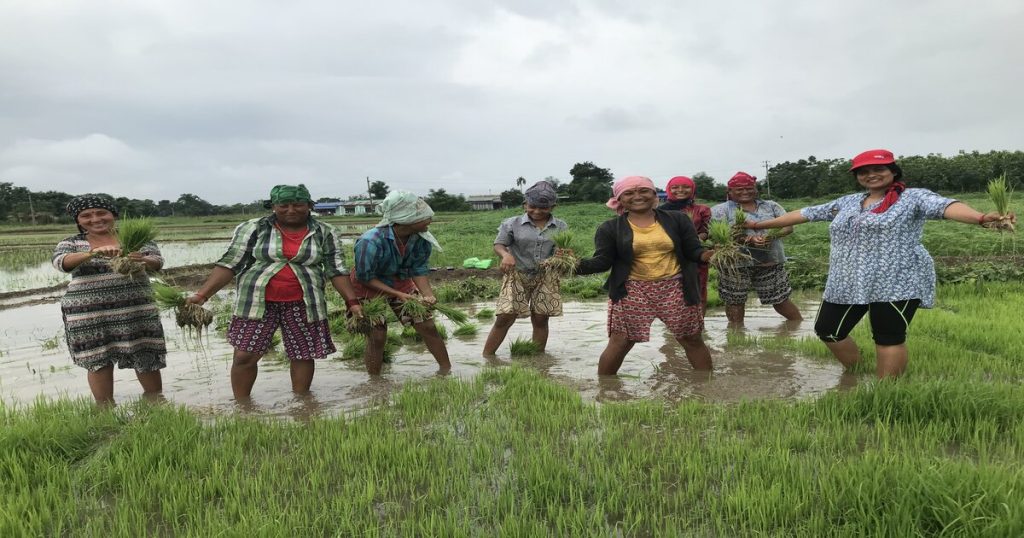
rice plantation

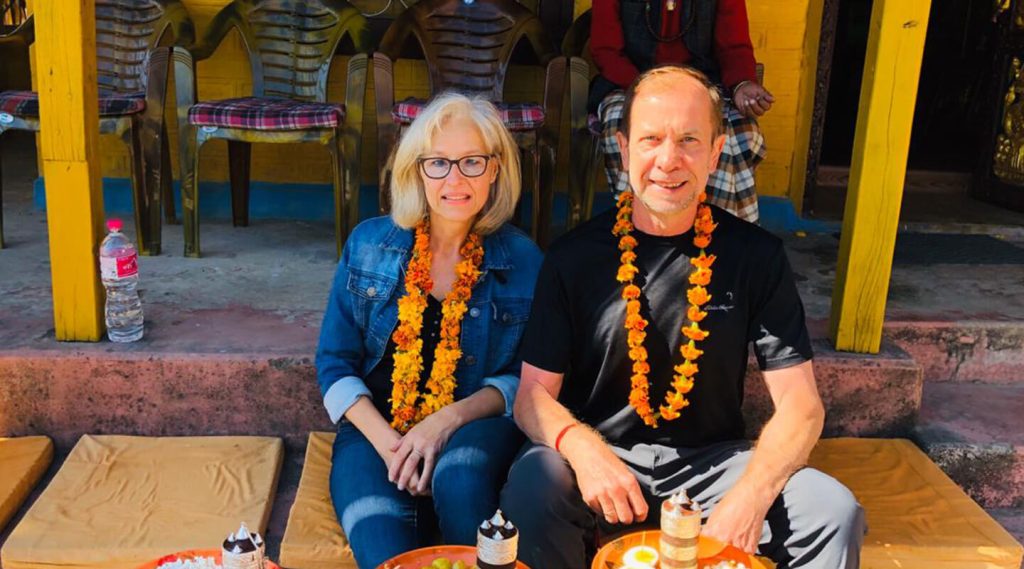
Nepal offers a unique experience for foreign tourists by allowing them to stay with the family as members, and not as guests. These tourists become part of the community during their stay. The villagers greet visitors with flowers, tikas, and even Panche Baza (traditional Nepalese music) in some of the villages. They are also invited to take part in local festivals, rice plantations, production of handicraft works, milking a cow, and even cooking.  People of rural villages in Nepal take pride in talking about their everyday lives and sharing personal stories with guests. The villages in Nepal are also known for their breathtaking views of the Himalayas and beautiful sunrises, which tourists will not want to miss out on. 

Welcome in sirubari

‘Community-based tourism’ originated in Nepal in the Gurung community of Sirubari, Syangja, by developing the village as a model with the purpose of experiencing local life. Homestays including Ghalegaun, Kaulepani, Balthali, Madi village, Machhapuchhre, Ghandruk and Panauti are some of the other popular community based tourism destinations in Nepal. One of the most important aspects of this form of tourism in Nepal is that visitors can experience a completely different environment, breathe fresh air, and eat organic foods and vegetables. Waking up to the sunrise with shining mountains in the background, exploring natural beauty during the day, and engaging in cultural programs in the evening can make anyone forget their home place.

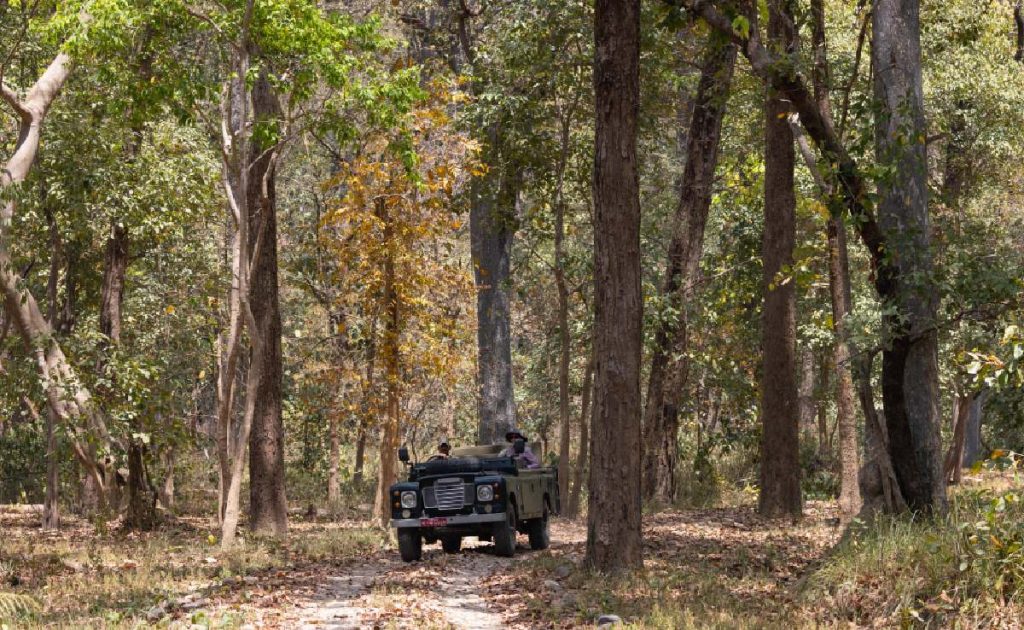
foreigner in chitwan national park

Travelers during hiking, trekking or short tours in different regions of Nepal can engage in different community based activities like purchasing local made products, having a meal at a local tea house lodge or by engaging in cultural programs organized by the local community. Travelers can also participate in cooking with local people as a form of responsible tourism, tasting the local food, learning about traditional recipes, or even taking cooking classes. Taking part in and appreciating local festivals gives the community a sense of pride and inspires people to preserve their culture. The visitor may participate in community projects in various areas, such as parks, health clinics, schools, orphanages, protected areas, libraries, conservation research centers, and protected areas, and an extensive range of other worthy projects. Travelers who are interested in community development can volunteer in the school or instruct local women contributing to their personal growth.

Community-based tourism benefits both hosts and guests, as it enables tourists to gain a true sense of belonging in the community and experience authentic travel, while also ensuring that the revenue generated by tourism stays within the community. Tourism based on the community not only preserves the environment, but also fosters cultural preservation, environmental protection, social responsibility, and enhances livelihoods while enhancing a deeper connection between hosts and visitors.