
Trekking during the Holi Festival in Nepal

Holi Celebration

Nepal is a land of diverse cultures and traditions, with its unique festivals and stunning natural beauty. One of the most vibrant festivals in Nepal is Holi, also known as the Festival of Colors. This festival celebrates the victory of good over evil and the arrival of spring. 

Trekking during the Holi Festival in Nepal is a unique and unforgettable experience that combines the joy and festivity of Holi with the natural beauty of Nepal’s landscapes. This tour will take you on a journey to some of the best trekking destinations in Nepal during the Holi Festival.

You will witness and participate in the traditional Holi celebrations of different ethnic groups while trekking through remote villages, scenic routes, and diverse landscapes. You will have an opportunity to interact with the locals, explore the culture and traditions of Nepal, and create unforgettable memories.

The Holy festivals in Nepal are celebrated with great enthusiasm and are a wonderful time to explore the country’s rich culture and natural beauty. To learn more about Holi festival tour in Nepal, you can check out our blog Holi Festival Tour in Nepal.

The colorful and joyous festival is celebrated across the country, and it is a perfect time to experience the beauty of Nepal’s landscapes and culture through trekking. The Himalayan Circuit presents the highlights of trekking during the Holi Festival in Nepal and some of the best trekking destinations.

Why Trek During Holi?

Trekking in lust green forst

Trekking during Holi offers a unique and unforgettable experience. Not only can you enjoy the natural beauty of Nepal’s mountains and landscapes, but you can also witness and participate in the festivities of Holi. 

The trekking trails in Nepal are usually less crowded during the festival, as many locals are celebrating with their families and friends. This means you can enjoy a quieter and more peaceful trekking experience, with plenty of opportunities to immerse yourself in the local culture.

Another benefit of trekking during Holi is the weather. Spring is one of the best times to trek in Nepal, as the weather is usually clear and dry. This means you can enjoy stunning views of the Himalayas and other natural landscapes. 

The days are also longer during the spring, giving you more time to explore and enjoy the scenery.

Best trekking destinations during the Holi Festival Tour:

Himalayan circuit offers you the best trekking destinations in Nepal for Holi festival tours:
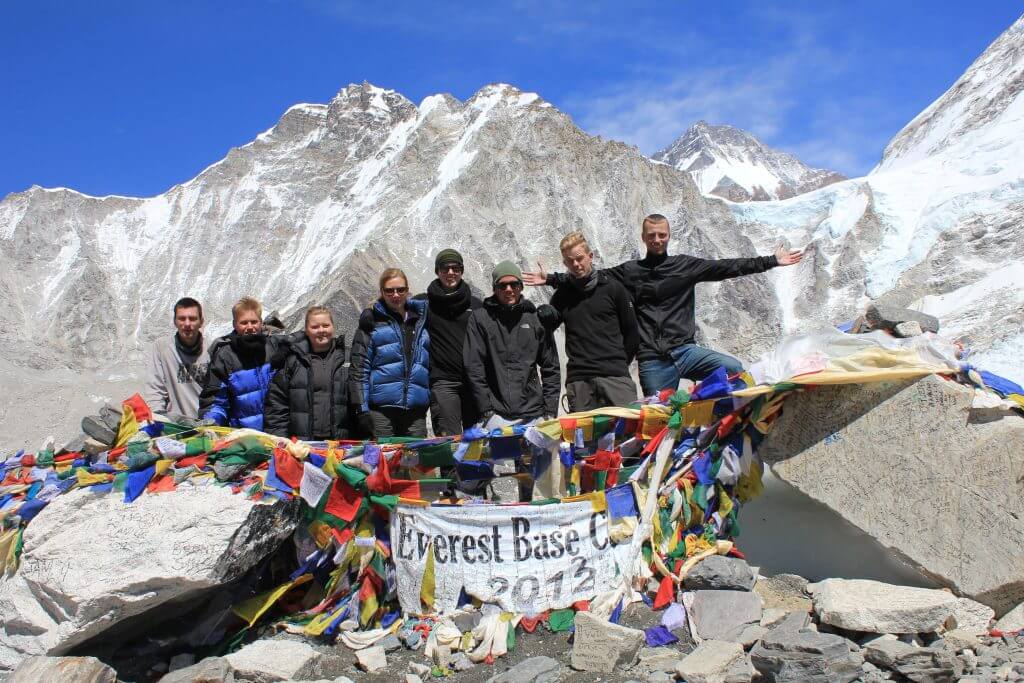
Everest base camp

Spring is one of the best times to trek to Everest Base Camp, as the weather is usually clear and dry. The trek takes around two weeks and offers stunning views of the Himalayas, as well as the chance to experience the unique Sherpa culture.

Annapurana Base Camp

This trek is one of the most popular and adventurous treks in Nepal, offering stunning views of the Annapurna range, diverse landscapes, and rich cultural experiences. 

During the Holi Festival, you can trek through remote villages and experience the traditional Holi celebrations of the Gurung and Thakali people.

Langtang Valley

Langtang Valley trek is another great option during the Holy Festival in Nepal. The trek takes around 7-9 days and offers breathtaking views of the Langtang mountain range. You can also experience the cultural traditions of the local communities during the festival.

Upper Mustang

The Upper Mustang region is a remote area in Nepal that is rich in Tibetan culture and history. Trekking in this region is particularly stunning during the Holy Festival, as you can witness local traditions and festivities. 

The trek typically takes around 10-14 days and can be done during the spring or autumn. 
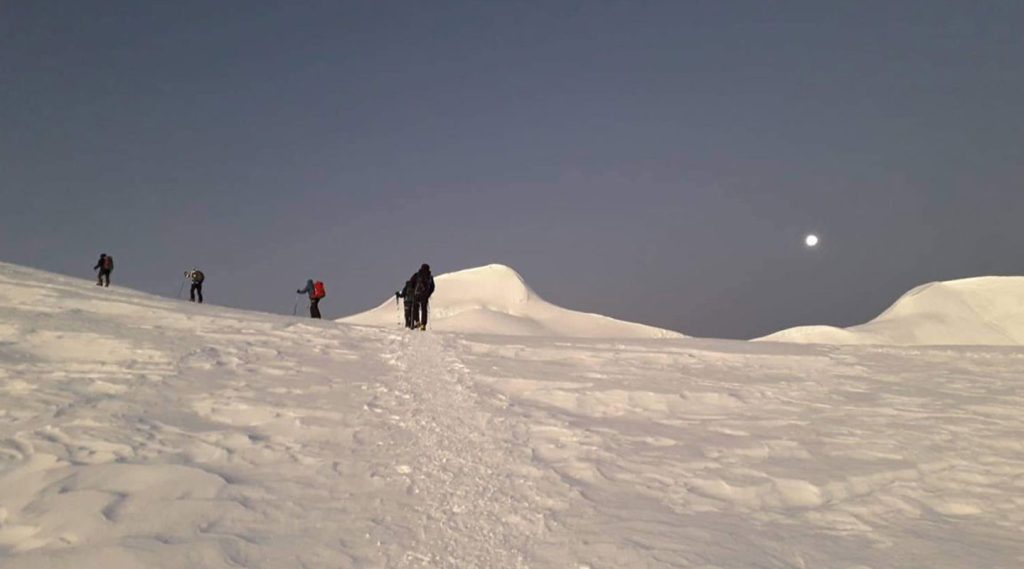
Island Peak

The Khumbu region, located in northeastern Nepal, is home to many of the world’s highest peaks, including Mount Everest. 

This area is particularly beautiful during the Holy Festival, and you can experience local traditions and festivities. The trek typically takes around 10-14 days and can be done during the spring or autumn. 

  • Trek to Tsum Valley:

The Tsum Valley is a hidden gem in Nepal that is rich in Buddhist culture and history. The trek to Tsum Valley is particularly beautiful during the Holy Festival, as you can witness local traditions and festivities. 

The trek typically takes around 14-18 days and can be done during the spring or autumn.

Trekking during the Holi Festival in Nepal is a fantastic way to experience the beauty of Nepal’s landscapes and culture. It is a unique and unforgettable experience that should be on every trekker’s bucket list. 

Nepal offers a variety of trekking destinations, each with its own charm, and during Holi, you can experience the traditional Holi celebrations of different ethnic groups. 

Book your trip with the Himalayan Circuit with the right planning and preparation to create unforgettable memories. So, pack your bags and come to Nepal to experience the best of both worlds!
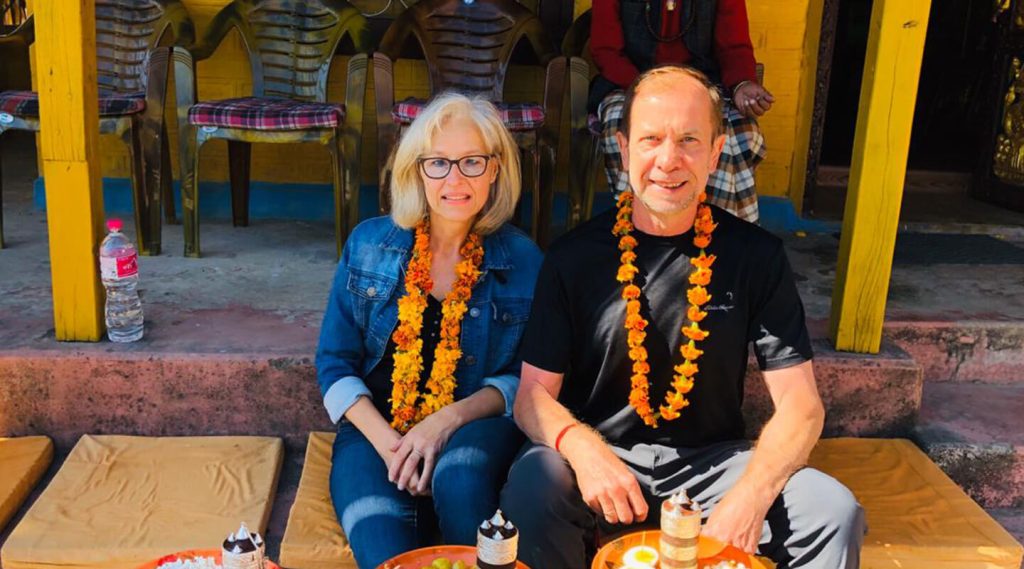
Cultural Experiences in Nepal

Welcome in sirubari

‘Thomas Wolfe’ once said that culture is the arts elevated to a set of beliefs. Similarly, a culture is a reflection of its community or nation. You gain a better understanding of life by interacting with people from different cultures. 

A Cultural Tour of Nepal is a unique experience that allows you to see the lives of the local people and the traditions of the region in a real and authentic way. By visiting a spiritual monastery or meeting the Living Goddess in Kathmandu through a cultural tour, you can experience the rich culture of the country. 

With its rich culture, fascinating art, and unique and varied architecture, Nepal is one of the best countries for cultural sightseeing tours. People will be fascinated by the diversity of people, their cultures, languages, and traditions. 

It is home to Hinduism and Buddhism, which are characterized by a wide variety of gods and goddesses, as well as temples, Stupas, and monasteries.

The hospitality culture of Nepal is recognized for its warmth and friendliness. The festivals, rituals, and practices of Nepal are unique and renowned worldwide. 

The Himalayan Circuit Treks and Expeditions organize the most specific programs to allow tourists an opportunity to discover Nepalese culture and its rich heritage, history, and jungle safaris. 

Our cultural sightseeing tour program offers you the opportunity to see almost every ethnic group’s culture, tradition, and manner, as we have 61 ethnic groups and 71 dialects.

The cultures in Kathmandu 

Changunarayan templel

Experience the unique culture and heritage of local villagers and craftspeople, and visit serene, tranquil temples and sacred Buddhist sites while starting your journey from the cultural, religious, and political heart of the Kathmandu valley, known as the “City of Temples.”

The Kathmandu Valley is a melting pot of both Hindu and Buddhist traditions where you’ll find amazing woodcarving, paintings, sculptures, a unique architectural heritage, and traditions filled with color and prayer.

A visit to the valley’s temples and Stupas is the best way to experience the city’s diverse artistic, cultural, and traditional attractions. You can get a deeper sense of Kathmandu’s culture by visiting Pashupatinath templeBoudhanath Stupa, Swayambhunath Stupa, and Changunarayan temple to name some.

The different Durbar Squares of Kathmandu are the next top choices as they offer excellent glimpses into the true and historic culture. It is a real pleasure to observe the world’s finest artifacts and architecture in Bhaktapur Durbar SquareKathmandu Durbar Square, and Patan Durbar Square.

Cultures in Terai Region 

A part of Nepal’s southern lowlands known as the Terai is home to one of the most important Buddhist sites in the world, as well as a most stunning Hindu temple that attracts pilgrims from all over the world.  

Tarai is home to the Tharu people and the Madhesi. Although the culture and lifestyle of these people are unique, Aryan culture and Hinduism heavily influence their social lives. 

There are several ethnic groups in Terai culture and society, including the Tharu, Madhesi, Dhimals, Satars, Muslims, Jhangads, Musahars, and Rajbansi. The way of life, dances, traditions, and death rites of Terai culture make it unique to all people. 

Cultures in Hilly Region 

Kathmandu Swyambhu

The hilly regions of Nepal are home to Nepal’s art, culture, history, and traditions. This region is home to Kathmandu, Nepal’s capital city, as well as major cities such as Bhaktapur, Lalitpur, Gorkha, Pokhara, Tansen, and more. 

People living in the hilly regions include the Brahmin, Chhetri, Thakuri, Rai, Limbu, Tamang, Newar, Gurung, Magar, and Raute. Hinduism, Tibetan Buddhism, and Christianity are the three major religions of the caste groups.

A unique aspect of the hilly region is that one community solves the problems of another. No matter the caste or ethnicity, all communities experience life crisis situations, and all communities celebrate the festivals of one community.

Cultures in Himalayan Region 

mustang

The Bhotia people of Nepal live in the high mountains between 7000 feet and 15000 feet above sea level. They follow Tibetan Buddhism and Shamanism and belong to the Tibeto-Mongoloid race. 

Nepal’s culture and customs in the Himalayas and Mountains are among the finest in the world. Nepal’s mountains and the Himalayas are also known all over the world as a trekking paradise. 

Building Stupas for religious merit and piling pebbles for longevity are common practices in the Himalayan region. Mountain goddesses are adorned with colorful flags before entering the mountains. Flags are seen on the roofs of every home to bring auspicious marks to the family.

A number of festivals are observed in the Himalayan region. Performing the Dumje festival is considered the most important part of the festival because it brings peace to the community. Religious beliefs contribute to bringing peace to people. 

The tours of Nepal aren’t just tours; they’re a glimpse into a culture possessed by profound mysticism to which travelers are invariably baffled. You can experience a rich, vibrant culture through a cultural tour that is more than just a holiday.