Homestay in Nepal – Dalla, Where Culture Meets Conservation

Nepal’s Terai region is a land of contrasts—lush jungles filled with wildlife, traditions rooted in community, and inspiring stories of change. At the heart of this vibrant landscape lies Dalla Homestay, a community-based tourism initiative that lets travelers experience the wild beauty of Bardiya National Park while living alongside the welcoming people of Dalla.

With Himalayan Circuit’s newest offering, you can now take part in a journey that goes beyond sightseeing—connecting nature, culture, and purpose.

The Birth of Dalla Homestay: A Story of Community Innovation
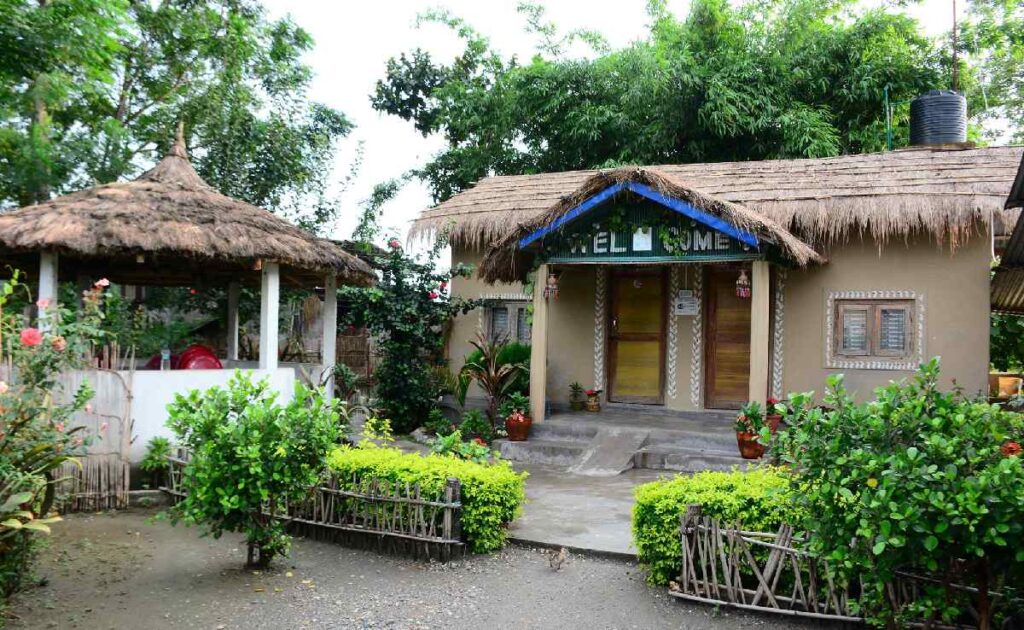
Dalla Homestay Bardia

The story of Dalla is not only about tourism—it is about revival, empowerment, and vision. According to WWF Nepal, the change began when conservation efforts started in the village. With WWF’s support, the people of Dalla restored degraded forests and protected wildlife habitats. As a result, a new idea emerged: why not invite the world to see this transformation firsthand?

Through dialogue and collective action, the community created Dalla Homestay. Today, 20 households host travelers, offering not just rooms but also stories, smiles, and a sense of belonging.

Key outcomes of this change include:

  • Cleaner villages through organized waste management
  • Women’s empowerment, with many now leading in hospitality and enterprise
  • Sustainable income, with tourism revenue supporting education, health, and local development

In short, Dalla’s journey is a living example of how local action and global awareness can work together to create meaningful change.

Bardiya National Park: Nepal’s Untamed Wilderness
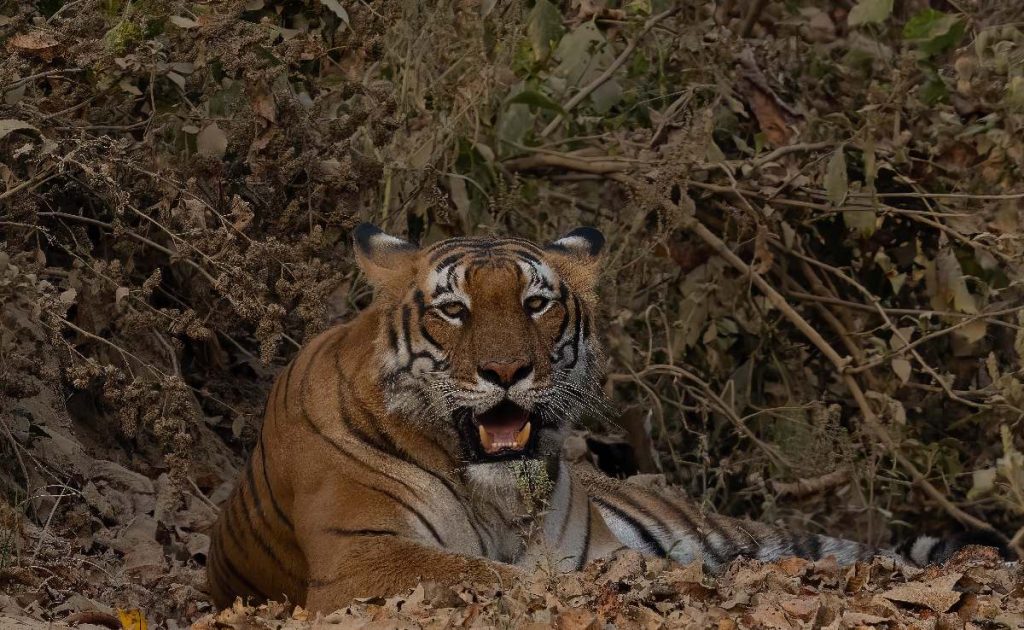
Tiger in Bardia National Park

Covering more than 968 square kilometers, Bardiya National Park is Nepal’s largest protected area in the Terai. It was first established as the Karnali Wildlife Reserve in 1976. Later, when 1,500 households were relocated, nature was given the space to thrive.

Today, Bardiya is home to some of the world’s most iconic species, including:

  • Royal Bengal Tigers—one of the best places in Nepal to spot them in the wild
  • One-horned Rhinos—thriving thanks to strong conservation efforts
  • Asian Elephants, Gangetic Dolphins, and more than 400 bird species

Visitors can enjoy jeep safaris, river excursions, birdwatching, and guided jungle walks. At the same time, they learn about the delicate balance between conservation and community life.

What to Expect at Dalla Homestay
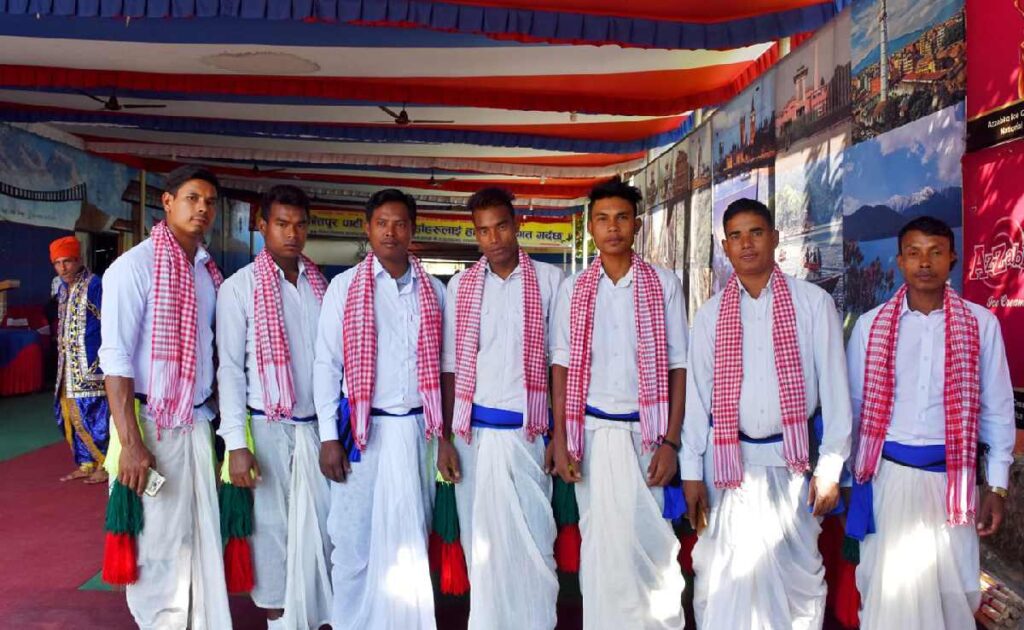
Staying at Dalla Homestay is more than just accommodation—it is a cultural exchange. Guests stay in traditional Tharu homes, eat local cuisine made from fresh ingredients, and take part in daily village life.

Activities include:

  • Cultural performances with Tharu music and dance
  • Cooking classes led by local hosts
  • Nature walks guided by community members
  • Storytelling evenings around the fire

Each family has been trained in hospitality. Therefore, you enjoy comfort while still experiencing authenticity.

Why Choose Dalla Homestay with Himalayan Circuit?

Himalayan Circuit has always championed responsible tourism. With Dalla Homestay, we continue our mission to connect travelers with meaningful experiences that support local communities and protect natural heritage.

By choosing this journey, you:

  • Support grassroots conservation
  • Empower local women and youth
  • Experience Nepal beyond the tourist trail

Book Your Journey Today

Your stay at Dalla Homestay Bardiya is more than a visit—it’s a contribution to conservation and community. So, are you ready to explore Bardiya’s wild heart and Dalla’s warm soul?

Learn more & book now
Nepal Travel News: How Homestay Tourism Has Evolved in Nepal

Welcome in sirubari

Nepal, a country renowned for its majestic Himalayas, vibrant cultures, and spiritual magnetism, has evolved into a multi-dimensional travel destination. Beyond its well-trodden trekking trails and heritage cities, one of the most transformative tourism trends in recent decades has been the development of homestay tourism. Homestays, as an alternative to commercial hotels, have empowered rural communities, preserved cultural heritage, and promoted sustainable and inclusive tourism. This article traces the chronological journey of homestay tourism in Nepal and analyzes its current landscape.

The Roots: Ecotourism and Community Participation

The seeds of homestay tourism in Nepal were sown in the late 1980s through the concept of community-based ecotourism. Ghandruk, a scenic Gurung village nestled in the Annapurna Conservation Area, became a pioneering site for this initiative. Managed under the auspices of the Annapurna Conservation Area Project (ACAP), this early experiment introduced the idea that local people could be key custodians and beneficiaries of tourism. The approach combined nature conservation, cultural preservation, and economic development.

By placing communities at the heart of tourism, this model demonstrated how tourism could serve as a tool for rural empowerment rather than exploitation. Although homestays were not formally structured at this stage, the Ghandruk pilot laid the conceptual foundation for future developments.

Timeline of Community Homestay Development in Nepal

Homestay tourism has become an engine of rural transformation in Nepal, evolving from modest conservation efforts to a thriving network of community-powered hospitality across the nation. The table below chronicles major developments—highlighting the communities involved, geographic expansion, and the progression toward sustainable and inclusive tourism.

Year / Period Community Homestays & Milestones Location / Entity Significance
Late 1980s Community-based ecotourism initiated Ghandruk (ACAP) Foundation for participatory tourism[1]
1998 First structured homestay community Sirubari, Syangja First model homestay village[2]
2000 Cultural immersion homestay started Ghale Gaun, Lamjung Gurung cultural tourism[2]
2002–2007 UNDP-backed homestay proliferation Mustang, Ilam, Poverty alleviation through tourism[3]
2008 Homestays recognized in tourism policy MoCTCA Policy-level inclusion[4]
2010 Homestay directives formalized Government of Nepal Legal framework established[5]
2009–2010 New community homestays Lwang Ghalel, Bhakunde Expansion to new hill villages[6]
2011 Tharu community homestay begins Dalla, Bardiya Terai eco-cultural tourism[7]
2012 CHN founded; new trekking homestay Panauti, Narchyang Digital access and offbeat trekking[8]
2013 Jungle and hill homestays expanded Amaltari, Patlekhet Wildlife and cultural blend[8]
2014 Homestays in eastern Nepal initiated Shree Antu (Ilam), Namje (Dhankuta) Tea and Magar heritage tourism[8]
2016 Homestays legally classified as tourism businesses Industrial Enterprises Act Eligible for loans and grants[9]
2019 Remote homestay expansion Chillikot, Dang Mid-west inclusion[10]
2020–2021 Pandemic pivot to domestic tourism Nationwide Hygiene protocols and local marketing[11]
2024 CHN’s Community Connect & Machhapuchchhre Homestay relaunched Kaski Post-COVID revival with 23 organic homes[12]

This enriched timeline reflects the growing complexity and reach of Nepal’s community homestay movement—from the early days in Sirubari and Ghandruk to recent additions in Eastern and mid-west regions. It demonstrates how policy frameworks, digital platforms like CHN, and renewed post-pandemic resilience have woven a diverse tapestry of community tourism across mountains, hills, and plains.

Conclusion

The history of homestay tourism in Nepal is not merely a record of projects and policies; it is a story of people and places—of ordinary families turning their homes into windows to Nepal’s heart and soul. From the pioneering model in Sirubari to the digital outreach of CHN’s Community Connect, homestays have evolved into more than just lodging—they are powerful tools for cultural preservation, economic inclusion, and responsible travel.

As Nepal continues to position itself as a sustainable tourism destination, investing in the homestay sector—through capacity building, quality assurance, infrastructure, and inclusive governance—will be key. In the face of globalization, climate change, and evolving travel preferences, homestays offer a grounded, human-scale approach that reconnects travelers with authenticity, communities with opportunity, and tourism with purpose.

References

Government of Nepal, Ministry of Culture, Tourism and Civil Aviation. (2008). Tourism Policy 2008. Kathmandu, Nepal: MoCTCA.

Government of Nepal, Ministry of Culture, Tourism and Civil Aviation. (2010). Homestay Operation Directives 2010 (2067 B.S.). Kathmandu: MoCTCA.

Nepal Tourism Board. (2019). Homestay Program in Nepal: Opportunities and Challenges. Kathmandu: NTB Research Division.

United Nations Development Programme (UNDP). (2007). Tourism for Rural Poverty Alleviation Programme: Final Evaluation Report. Kathmandu: UNDP Nepal.

Nepal Rastra Bank. (2021). Impact of Tourism on Rural Economies: A Study on Homestay and Local Enterprises. Kathmandu: NRB Publications.

Shrestha, P. M., & Shrestha, B. R. (2015). Community-based Homestay Tourism in Nepal: Practices and Prospects. The Gaze: Journal of Tourism and Hospitality, 7(1), 1–21. https://doi.org/10.3126/gaze.v7i0.14046

Regmi, R. R. (2020). Rural Tourism and Homestay in Nepal: A Study of Community Empowerment in Sirubari and Ghalegaun. Kathmandu University School of Management (Master’s Thesis).

By: HC Research Team

Spiritual & Wellness: Homestay Experiences in Nepal

Homestays in Nepal

Homestays in Nepal offer a special chance to experience the heart of Nepali communities. Staying with a local family lets you share their way of life, traditions, and stories. You are welcomed not just as a guest but as a friend or family member.

These stays are more than just a place to sleep. For example, whether you’re cooking together or laughing over a shared meal, you’ll take part in everyday life. Homestays in Nepal range from simple guest rooms in busy cities to shared spaces in peaceful mountain villages. In this blog, Himalayan Circuit shows you the beauty, warmth, and honest hospitality that make homestays in Nepal so special.

Experiencing Life with a Local Family in Nepal

Arrival and First Impressions

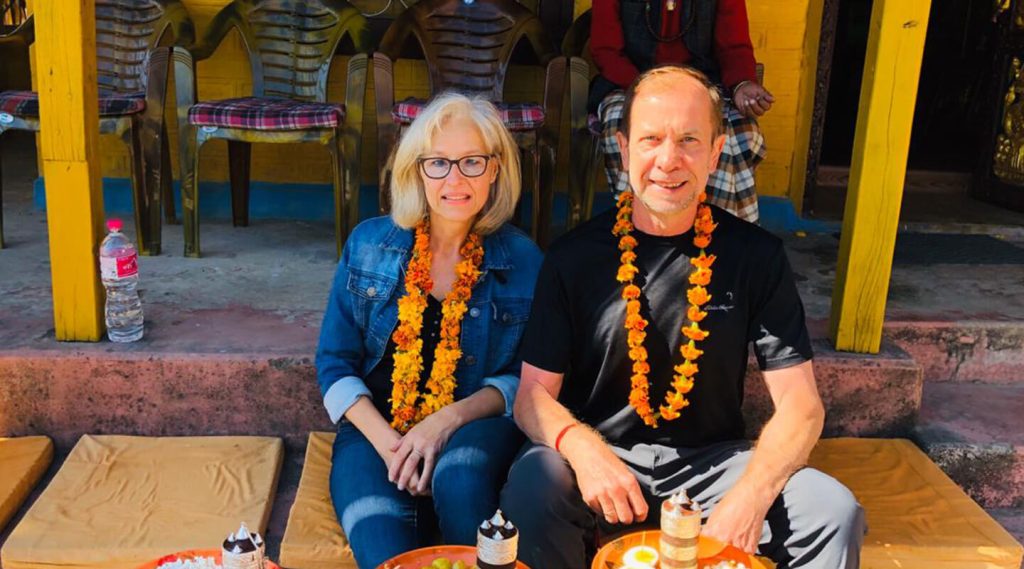
As soon as you arrive, warm smiles and traditional Nepali greetings welcome you. Locals press their palms together and say Namaste. Sometimes, they also greet you with garlands, tika, flowers, or a khada (a traditional scarf).

You’ll get a short tour of the house. Most homes are cozy and simple, built in the Nepali style. After settling in, the family introduces you to the surroundings and explains the way of life you’ll enjoy during your stay.

Daily Life and Routine with the Family

Living with a local family lets you see how people in Nepal spend their days. You will surely discover things that surprise you. For instance, the day often starts with a morning prayer and a short puja, followed by a comforting cup of tea.

Throughout the day, family members share the housework. Meanwhile, children get ready for school. You’ll see people working in the fields, filled with crops that change with the seasons. You are welcome to join them, whether gathering fresh produce or helping with simple tasks around the house.

In rural areas, animals are a big part of daily life. Tending to them is important, and you can take part in this too. In the evening, the family comes together for dinner. They sit as a group and talk over big plates of dal bhat, sharing stories and laughter.

Nepali Cuisine: Cooking and Dining with the Family

Learning how to Cook the Nepali Meal.

There is no fixed menu at a homestay. Instead, you simply eat what the family eats. The meals are simple but full of rich flavors. Common dishes include dal bhat, dhido, momo, sel roti, and gundruk, all made with fresh local ingredients.

What’s more, you can learn to cook these traditional meals. The hosts are happy to teach you. Cooking and eating these warm, home-cooked meals with the family makes every meal feel like a celebration of togetherness.

Cultural Immersion and Festive Celebrations

One of the best parts of staying with a local family is joining their festivals. These events bring Nepal’s colorful culture and long-standing traditions to life.

Festivals like Dashain, Tihar, Holi, Teej, and Losar are celebrated all year. Each one blends religious devotion, cultural practices, and community bonding. Every festival has its own customs, prayers, foods, and joyful activities. Being part of these celebrations with locals is a rich and unforgettable experience.

Exploring the Village

In today’s fast-moving world, spending time in these quiet villages is refreshing. Each day brings new discoveries. For example, you might walk along narrow paths, wander through green fields, or simply breathe in the clean, fresh air while listening to birds.

The Bonding Experience and Life Lessons

By the end of your stay, you won’t feel like a guest anymore. You’ll feel like part of the family. Even neighbours often stop to say hello or invite you for tea.

Experiencing life with a local family in Nepal fills you with love and warmth. You’ll learn the value of simplicity, the strength of community, and the beauty of small moments. Nepali people believe in Atithi Devo Bhava — “The guest is god.” As a result, you will feel not just welcomed but truly cherished.

Throughout your stay, you’ll find a new family and a new place to call home. It’s about noticing the small, beautiful rhythms of village life while creating memories that stay with you forever.