Travel Diaries: A Journey Through Nepal’s Memorable Experiences

Everest Base Camp Trek

Nepal is a land where natural beauty meets deep spirituality. Moreover, from the hot plains of the Terai to the towering peaks of the Himalayas, the country offers travelers countless memorable experiences in Nepal. Lush landscapes, diverse cultures, and centuries-old traditions make Nepal a must-visit destination for anyone seeking adventure, culture, and serenity.

Trekking the Himalayas: Magical Mountains
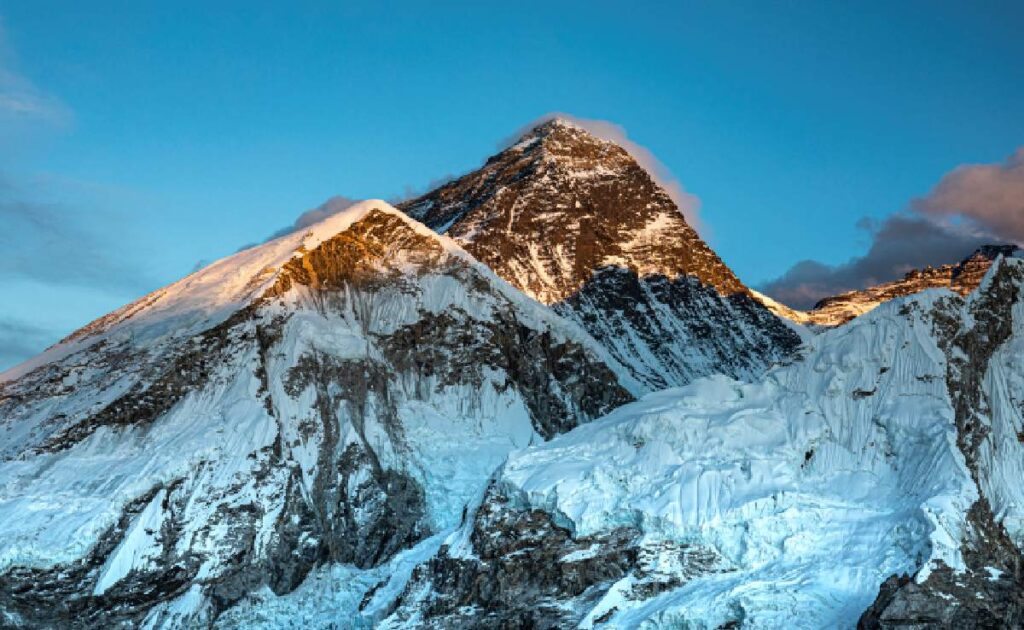
Nepal is home to eight of the world’s ten highest mountains. In addition, every year, travelers arrive to explore high-altitude villages inhabited by Gurungs, Magars, and Sherpas. As a result, trekking in the Himalayas is a feast for the senses, offering stunning views of snowcapped peaks and green valleys. Furthermore, these treks combine physical challenge with breathtaking scenery, making them among the most memorable experiences in Nepal.

Spiritual Journey: Temples, Monasteries & Rituals
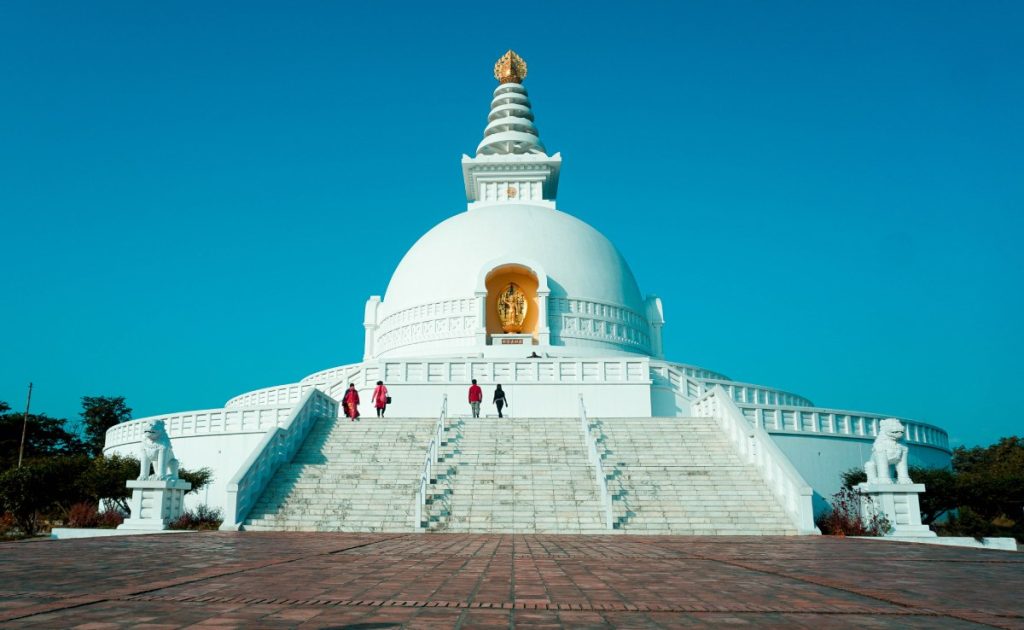
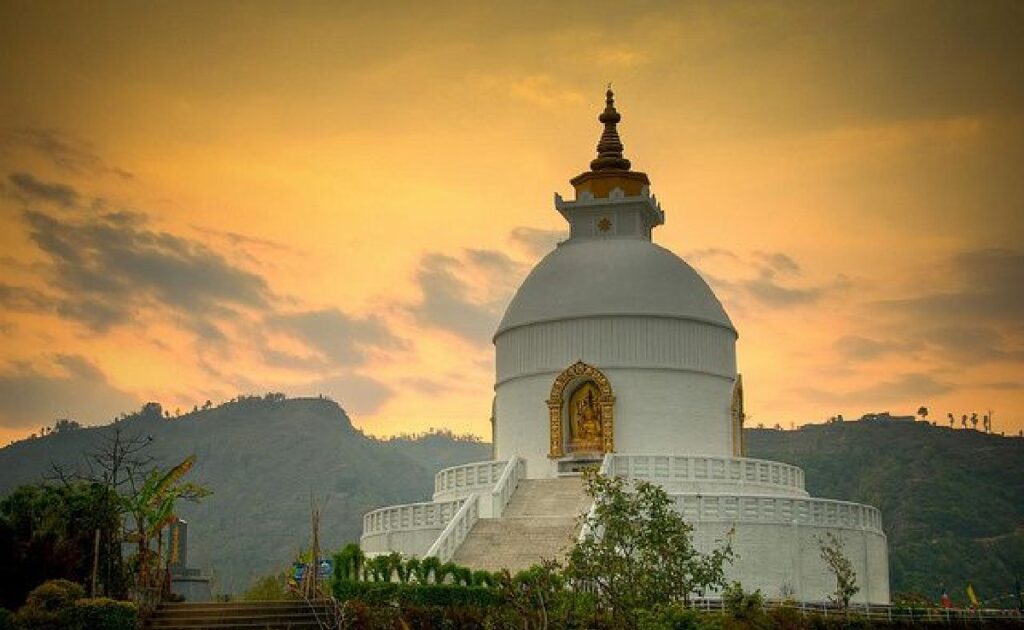
Lumbini Peace Stupa

Religion is deeply woven into daily life in Nepal. Additionally, temples, monasteries, and local rituals create a strong spiritual atmosphere. Visiting Pashupatinath, Swayambhunath, and the quiet monasteries of Lumbini allows travelers to connect with their inner self. Therefore, experiencing local festivals, prayer ceremonies, and sacred rituals is one of the most unique ways to enjoy memorable experiences in Nepal.

Hidden Gems: Off-the-Beaten-Path Adventures
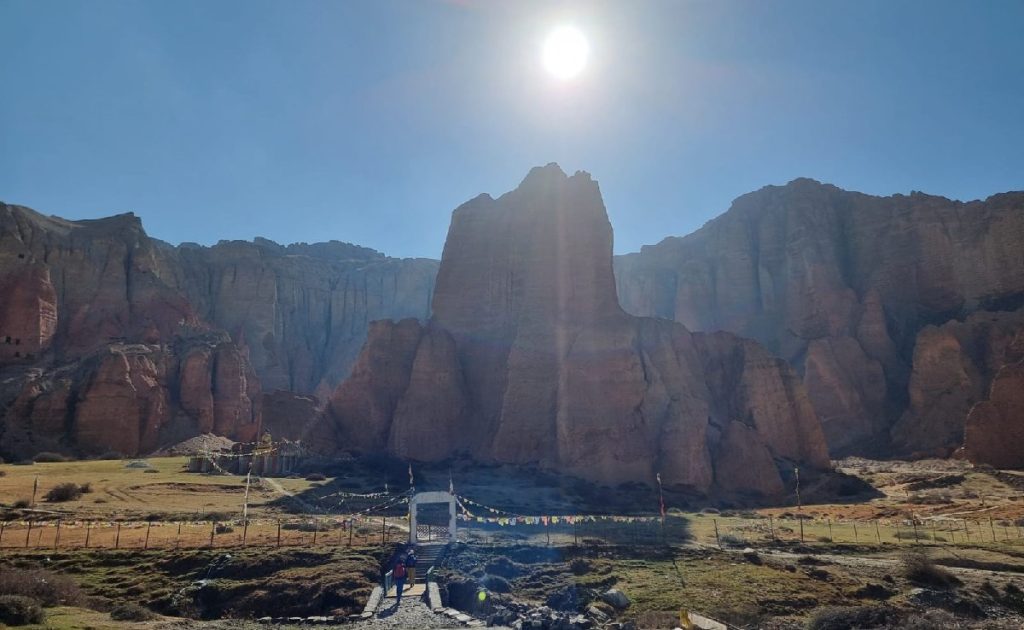
Upper Mustang

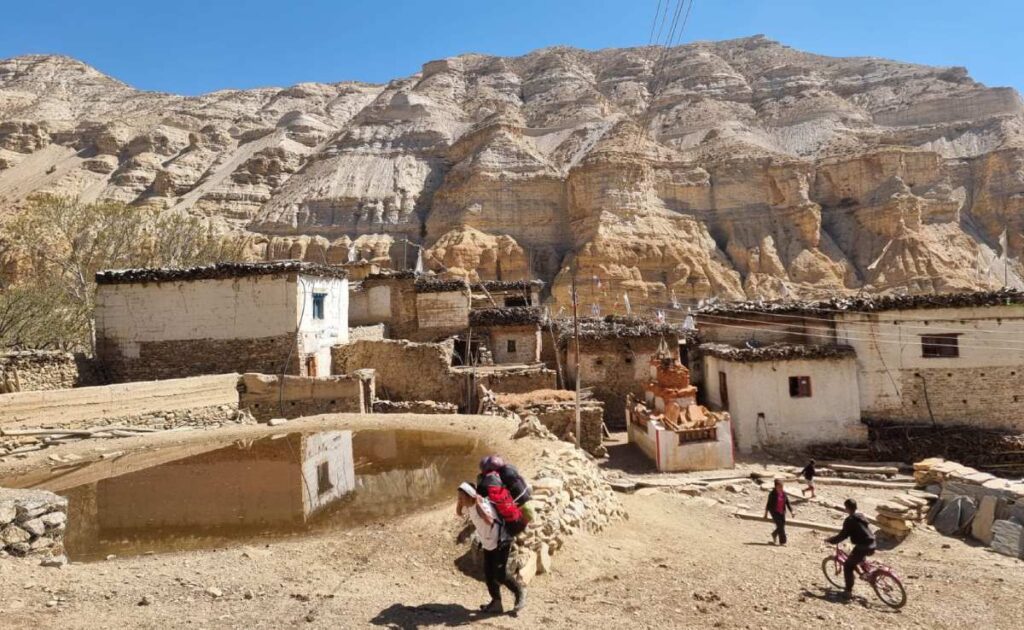
Nepal’s rugged landscapes hide many unspoiled destinations. For example, remote areas like the Manaslu Circuit, Rara Lake, Khaptad National Park, Bandipur, Ilam, and Dolpo offer peace, beauty, and authentic cultural encounters. Similarly, exploring these places allows travelers to enjoy solitude, nature, and local traditions in a way few other countries can provide. Off-the-beaten-path adventures are essential for truly memorable experiences in Nepal.

People & Hospitality: Heartfelt Connections

Nepal is home to diverse ethnic communities, including Thakalis, Tharus, Gurungs, and Limbus. Moreover, despite cultural differences, local values of kindness and hospitality bind them together. Travelers are welcomed with warm smiles, generous hearts, and genuine friendliness. As a result, interacting with local communities adds a deeply personal touch, making these moments unforgettable and among the most cherished memorable experiences in Nepal.

Cultural Festivities: Colors, Music & Celebration

Lalitpur the Music City

Nepal celebrates over 50 festivals each year. In particular, major celebrations like Dashain, Tihar, and Holi captivate visitors with vibrant colors, music, and ritual. Traditional jatras, Lhosar, Udhauli, and Ubhauli bring the local culture to life. Consequently, experiencing these festivities allows travelers to witness Nepalese traditions firsthand and enjoy rich cultural experiences in Nepal.

Final Thoughts

From trekking the Himalayas to spiritual journeys, hidden gems, and colorful festivals, Nepal offers countless ways to create lasting memories. Additionally, interacting with warm-hearted communities, exploring serene landscapes, and witnessing ancient traditions ensure every traveler leaves with extraordinary stories. Therefore, planning your trip with these moments in mind guarantees some of the most memorable experiences in Nepal you will ever have.
Nepal Diaries: Nepal in September – Weather, Trekking & Festivals

Nepal in September marks the transition from the monsoon season to early autumn. Rainfall begins to decrease, the landscapes turn lush and green, and travel conditions slowly improve. For many travelers, September offers a calm and rewarding way to explore Nepal before the busy trekking season begins.

The first half of the month may still bring occasional rain. From mid-September onward, mornings become clearer and mountain views start to appear. Daily life in Nepal follows a steady rhythm shaped by festivals and post-monsoon routines. As a result, September feels peaceful, authentic, and naturally vibrant.

Weather in Nepal in September

weather in September

The weather in Nepal in September changes gradually throughout the month. Early September still experiences some monsoon influence, with afternoon showers and occasional evening thunderstorms. As the month progresses, rainfall becomes lighter and less frequent.

In cities such as Kathmandu and Pokhara, daytime temperatures usually stay in the mid-20s°C. Higher-altitude regions feel cooler and more comfortable. Cloud cover slowly lifts, which improves visibility and creates better conditions for outdoor activities and travel.

Trekking in Nepal in September

Many travelers ask if trekking in Nepal in September is possible. The answer is yes.

Trails that remain muddy during peak monsoon begin to dry. Leeches also become less common as rainfall decreases. Some high-altitude treks may need extra care in early September, but conditions improve significantly later in the month.

September suits short treks, village walks, and lower-altitude routes very well. Popular trekking regions reopen fully and remain quieter than in October. Because of this, teahouses offer better availability and a relaxed atmosphere. Clear mornings make the best time for hiking, while afternoons stay warm and comfortable.

Festivals and Cultural Events in September

Teej festival - which falls on september
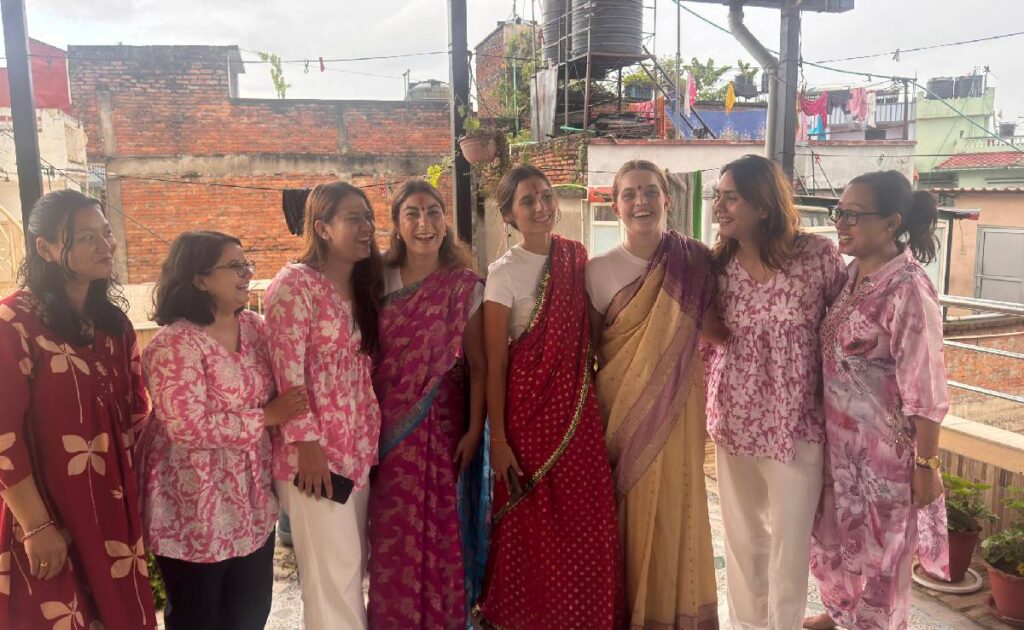
Foreigners celebrating teej frestival in traditional Nepali attire.

September is a culturally rich month in Nepal. Several important festivals take place, offering travelers a deeper connection with local traditions.

Indra Jatra is one of the most significant festivals in the Kathmandu Valley. Locals celebrate the god of rain with masked dances, chariot processions, and traditional music. Streets around Kathmandu Durbar Square fill with color, energy, and ritual performances.

Teej, an important Hindu festival celebrated by women, often falls in September based on the lunar calendar. Women wear red clothing, fast, dance, and visit temples. The festival adds strong emotion and cultural depth to towns and cities.

These events remain largely local and non-commercial, giving visitors a genuine cultural experience.

Wildlife and Nature Experiences

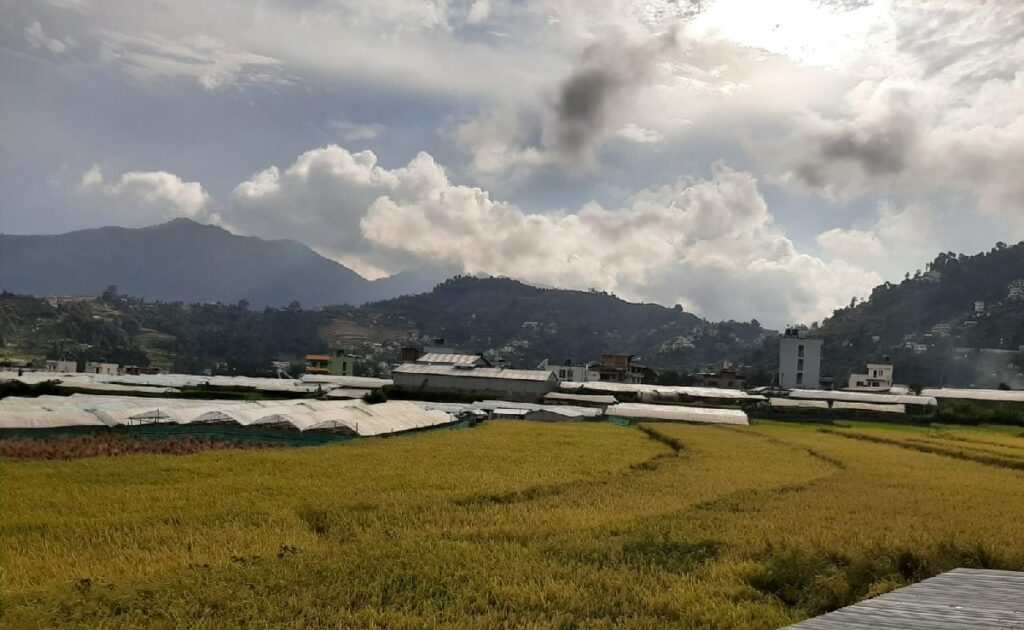
Nepal in September showcases nature at its most vibrant. Hills, forests, and terraced rice fields appear fresh and green after the monsoon rains. Rivers and waterfalls run full, shaping dramatic landscapes across the country.

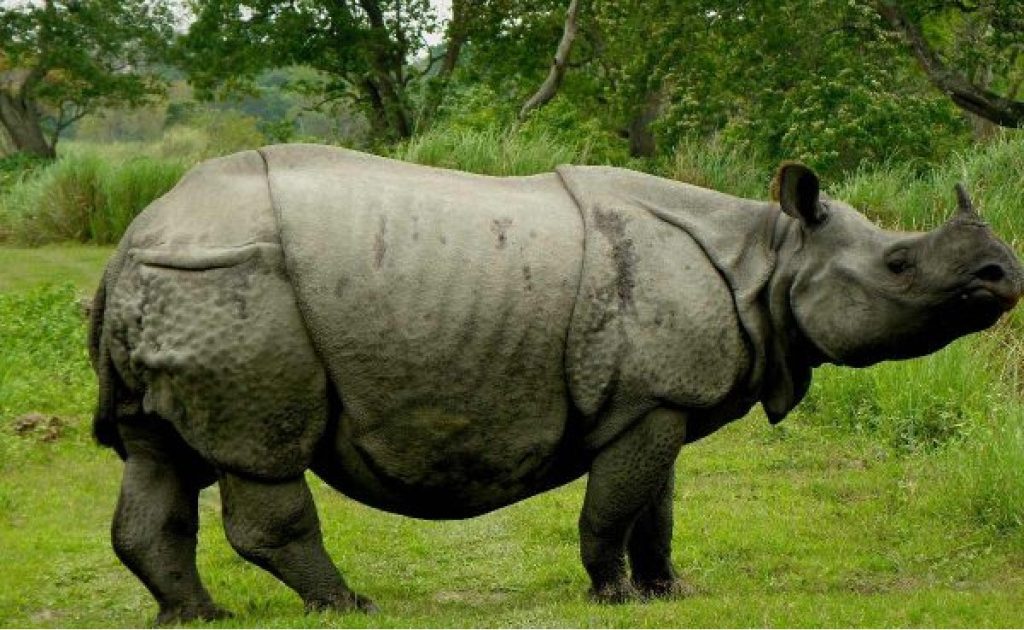
National parks in the Terai, such as Chitwan and Bardia, look greener and more alive. Wildlife activity increases, and birdlife becomes especially active in wetlands and forest areas. While humidity remains high, nature feels energetic and thriving.

This month works well for lakeside walks in Pokhara, forest hikes in Shivapuri, and countryside exploration among farming communities.

Travel Tips for Nepal in September

Flexibility plays an important role when traveling in Nepal in September. Early in the month, rain can still cause minor delays. From mid-September onward, travel becomes smoother and more predictable.

Pack a light rain jacket, quick-dry clothing, and comfortable walking shoes with good grip. Plan outdoor activities early in the morning for the best weather and visibility. Toward the end of the month, accommodation demand increases, so booking in advance helps.

September rewards travelers who enjoy shoulder seasons. It offers comfort, natural beauty, and cultural depth without heavy crowds.

Final Thoughts on Nepal in September

Nepal in September offers a balance of greenery, culture, and improving travel conditions. While skies may not stay blue every day, the country feels fresh, festive, and peaceful. Nature remains lush, and local life continues at a gentle pace.

For travelers who value nature, culture, and quiet exploration, September is an excellent time to visit Nepal. With the right preparation and flexible plans, the month allows you to experience Nepal in an authentic and memorable way.

So, be flexible to weather, pack your necessary gears and book your trip to Nepal during September with Himalayan Circuit.

Nepal Travel News: Explore Lalitpur Music City, UNESCO’s Musical Gem

Lalitpur music city, also known as Patan or Manigal, has long been celebrated for its vibrant festivals, stunning art, and deep spiritual traditions. In 2025, Lalitpur officially earned international recognition as a UNESCO Music City, joining a prestigious network of creative cities worldwide. This designation highlights the city’s rich musical heritage, connecting centuries-old traditions with global appreciation.

A City Where Music Breathes

Solo Travelling in Nepal
Patan Durbar Square

In Lalitpur music city, music is more than performance, it is a way of life. Sacred beats from dhimay and ponga drums blend with melodic chants of Newar Buddhism, shaping festivals, rituals, and everyday moments. One of the most iconic examples is Kartik Naach, Nepal’s oldest musical dance drama, performed annually in Patan’s historic courtyards. Dating back to the 17th century Malla period, this multi-day performance combines masked dance, live traditional music, and spiritual storytelling. Instruments like the naykhin, dhaa, and bhusya create a soundscape that reflects centuries of cultural continuity.

Throughout the year, Lalitpur music city resonates with music during festivals such as:

  • Bungadyah Jatra – devotional music honoring Rato Machhindranath
  • Gumlā Bājā – spontaneous ensemble performances in public squares
  • Indra Jatra and Yenya Punhi – music guiding processions and rituals
  • Newar weddings and guthi ceremonies – ceremonial drumming and folk songs

This recognition celebrates Lalitpur not only as a historical treasure but also as a living center of musical tradition.

Why Visit Lalitpur Music City Now?

Travelers to Lalitpur music city can experience Nepal through sound:

  • Witness spontaneous performances during the Gumlā Bājā festival
  • Explore traditional Newari instrument-making in hidden alleys
  • Visit the Music Museum of Nepal to dive deeper into the valley’s musical legacy
  • Stroll through Patan Durbar Square, a UNESCO World Heritage Site since 1979
  • Attend Kartik Naach, a rare fusion of music, dance, and mythology A Tale of Origins and Legends
Lalitpur the Music City
Experience the magic of Kartik Naach in Lalitpur Music City, where centuries-old music, dance, and mythology come alive.

The name Lalitpur honors a farmer named Lalit, who helped bring God Rato Machhindranath to the valley during a drought. Today, the Bungadyah Jatra, a month-long chariot festival, celebrates this divine arrival with music, devotion, and community spirit.

Part of a Global Creative Movement

Lalitpur now joins a dynamic cohort of cities recognized in 2025, including:

  • New Orleans (USA), Kyiv (Ukraine), Kisumu (Kenya) – Cities of Music
  • Giza (Egypt), Ho Chi Minh City (Vietnam), São Paulo (Brazil) – Cities of Film
  • Aberystwyth (UK), Abuja (Nigeria), Gdańsk (Poland) – Cities of Literature
  • Quito (Ecuador), Rovaniemi (Finland), Kashan (Iran) – Cities of Architecture

 This designation emphasizes culture-led sustainable development, connecting Lalitpur with creative initiatives around the globe.

Nepal: A Creative Powerhouse

With Lalitpur’s recognition as a music city, Nepal now hosts two UNESCO Creative Cities:

  • Kathmandu – City of Film (2023)
  • Lalitpur – Music City (2025)

Together, they position the Kathmandu Valley as a hub of South Asian creativity, blending visual, cinematic, and musical heritage.

Looking Ahead: Global Stage in Morocco

Lalitpur will soon share its rhythms at the 2026 UNESCO Creative Cities Annual Conference in Essaouira, Morocco, a fellow City of Music since 2019. This platform will allow collaboration, idea exchange, and global recognition of Lalitpur’s musical legacy.

Let the music of Lalitpur guide your journey. Come for the temples and art, stay for the rhythms that tell stories of gods, kings, and everyday life.

Festival in Nepal: Tihar Festival Nepal – Five-Day Festival of Lights

Tihar Festival in Nepal

Nepal shines in bright colors, flickering lamps, and joyful celebrations every year during Tihar, the five-day festival that honors life, light, and devotion. Known as the festival of lights, Tihar turns streets, homes, and temples into dazzling displays of marigold garlands, flickering diyos, and colorful rangoli patterns. Also, the festival blends faith, culture, and happiness, reflecting the rich traditions and heart of Nepal.

Celebrating Life and Light

Tihar, also called Deepawali, is a Hindu festival celebrated over five days, each honoring a different part of life. It allows people to show gratitude, respect, and devotion, not only to deities but also to animals and loved ones.

Famous Legends About Tihar

  • The Legend of Bhai Tika: Yamaraj, the god of death, once visited a sister’s home to take her brother’s life. She performed rituals, applied tika, and made offerings with devotion. Impressed by her sincerity, Yamaraj spared her brother’s life. Today, sisters continue this ritual to bless and protect their brothers.

  • The Legend of Laxmi Puja: Goddess Laxmi, the goddess of wealth, visits homes that are clean and well-lit. Families light lamps, decorate with flowers, and prepare offerings to invite prosperity and remove darkness.

  • The Legend of Lord Rama: After Lord Rama defeated Ravana in Lanka, he returned to his kingdom, Ayodhya, along with Sita and Lakshman. The people celebrated their return by lighting rows of lamps throughout the city to welcome them and drive away darkness. This tradition of lighting lamps shows the victory of good over evil and light over darkness, which continues to inspire Tihar’s glowing celebrations.

Tihar in Today’s World

Even in today’s fast-paced world, Tihar remains very meaningful. For example, Bhai Tika teaches the value of family bonds, Laxmi Puja encourages mindfulness and gratitude, and people worship animals including crows, dogs, cows, and oxen to show respect for all living beings. Furthermore, Tihar invites people to slow down, honor relationships, and reflect on the blessings often taken for granted. These long-lasting lessons, expressed through lights, rituals, legends, and songs, keep Tihar alive and meaningful for generations.

The Days of Tihar and Their Celebrations

Kaag Tihar (Crow Day)

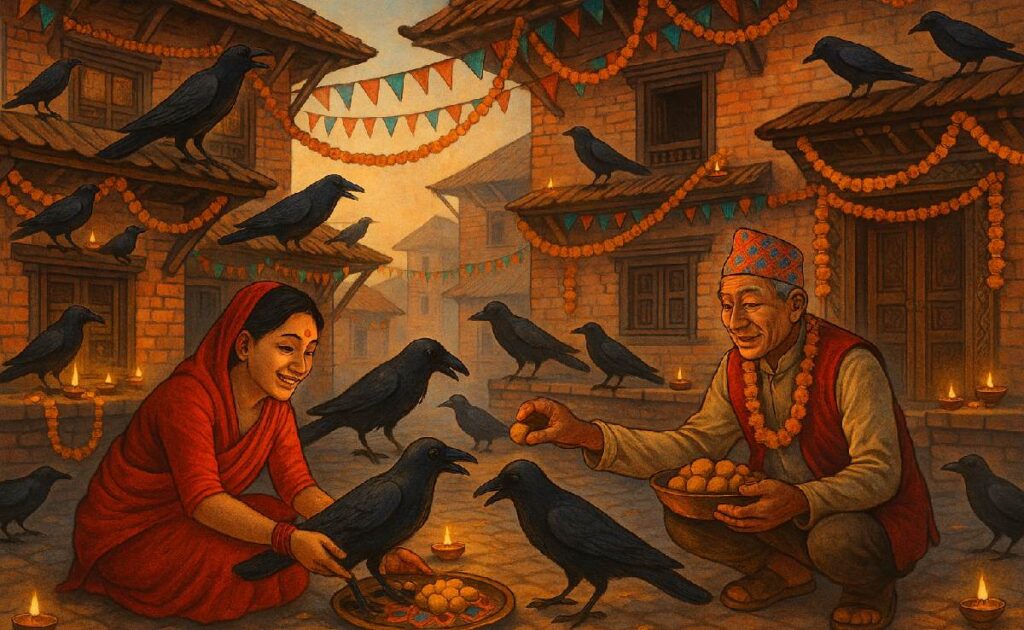
AI generated picture of Kaag tihar

Tihar begins with Kaag Tihar, dedicated to crows, believed to be messengers of death. People offer sweets and food to crows to ward off bad luck and invite blessings for the year ahead. Also, this ritual reminds us to honor nature and the creatures that share our world.

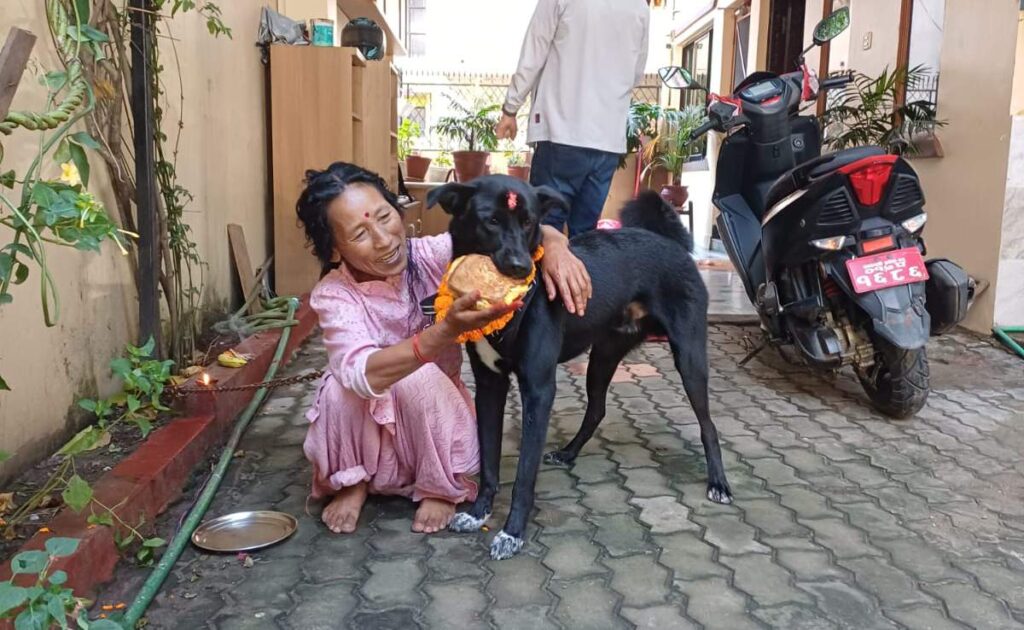
Kukur Tihar (Dog Day)

Kukur Tihar celebrates dogs for their loyalty and protection. People decorate dogs with flower garlands, tika, and special treats, showing their important role in our lives. In addition, people express gratitude to these faithful companions, recognizing the bond between humans and animals.

Laxmi Puja (Goddess of Wealth)

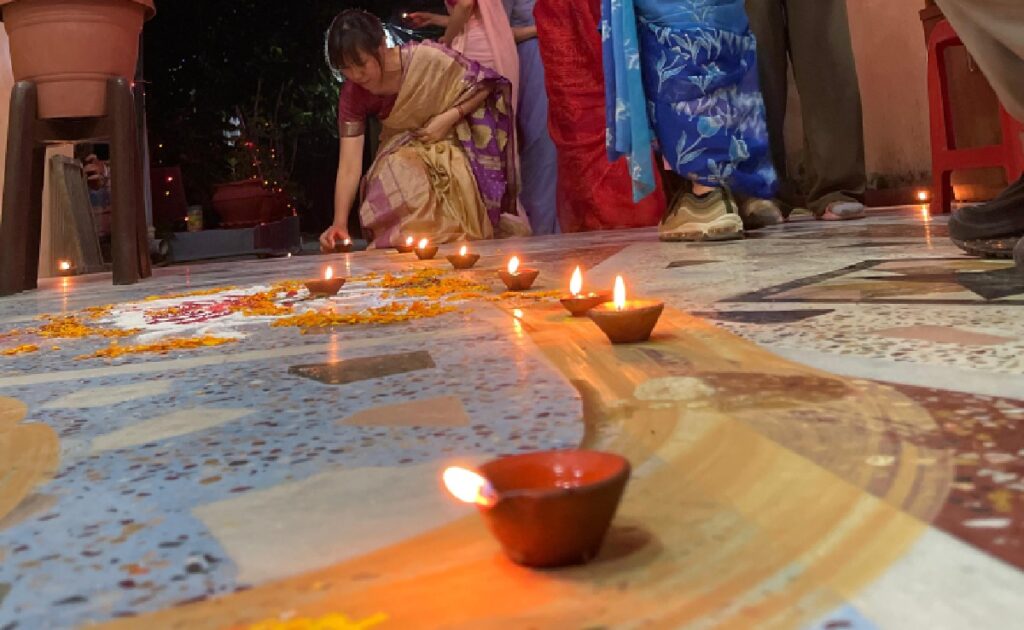
In the evening, Laxmi Puja fills homes with light and devotion. Families worship Goddess Laxmi, clean their houses, draw colorful rangoli patterns, and prepare traditional sweets like sel roti to invite prosperity. Laxmi enters only clean and well-lit homes, teaching mindfulness and gratitude.

Govardhan Puja and Mha Puja

Tihar Festival in Nepal
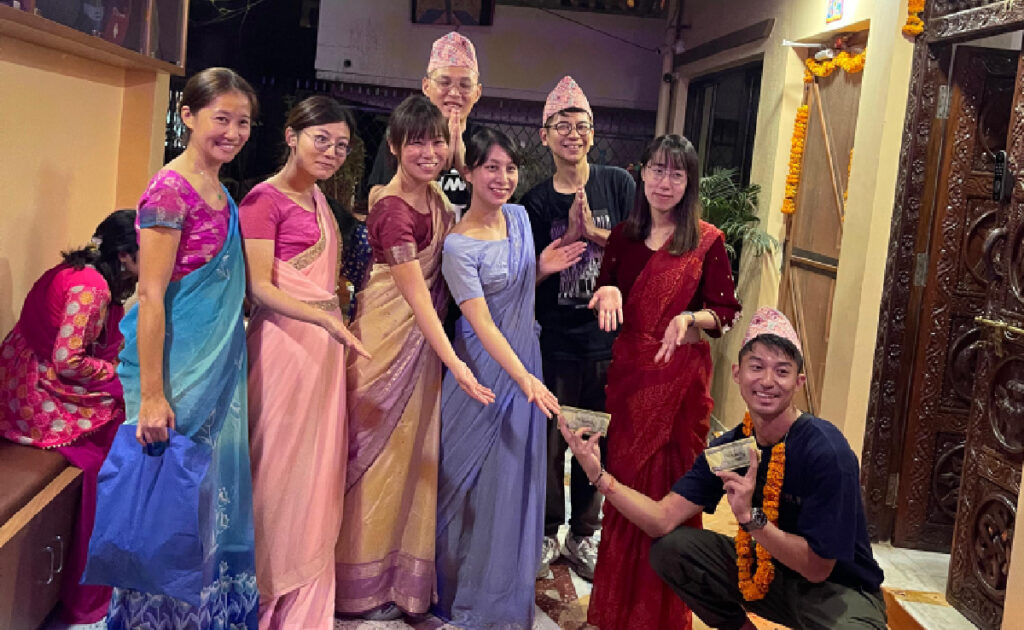
Foreigners are enjoying their time immersing themselves in the vibrant Nepali culture during the Tihar Festival

Govardhan Puja honors oxen for their hard work in agriculture and their role in supporting human life. Among the Newar community, Mha Puja, or self-worship, symbolizes purification, self-respect, and spiritual renewal for the coming year. The day also marks the New Year according to the lunar calendar, which this year turns 1146. The Newar people call it “Nhu Daya Bhintuna”, meaning Happy New Year in their language. These rituals remind people to respect all living beings, honor cultural heritage, and celebrate new beginnings.

Bhai Tika (Siblings’ Day)

The festival ends with Bhai Tika, celebrating the sacred bond between brothers and sisters. Sisters apply multi-colored tika on their brothers’ foreheads, offer garlands, and pray for their health and prosperity, while brothers give blessings and gifts. Furthermore, the day brings laughter, feasts, and family bonding, reinforcing love, care, and protection among siblings.

Tihar 2025 Dates

  • Kaag Tihar (Crow Day): 19 October
  • Kukur Tihar (Dog Day): 20 October
  • Laxmi Puja (Goddess of Wealth): 20 October
  • Govardhan Puja and Mha Puja: 22 October
  • Bhai Tika (Siblings’ Day): 23 October

Why Visit Nepal During Tihar

Experiencing Tihar in Nepal is like stepping into a living cultural masterpiece. Streets sparkle with thousands of oil lamps, neighbourhoods echo with traditional Deusi and Bhailo songs, and homes overflow with warmth, laughter, and delicious Nepali sweets.

Tihar offers a deep experience of real Nepali traditions, rituals, and faith, beautiful sights for photographers and travelers, and unique moments like seeing animal worship, colorful rangoli, and community celebrations. Also, the festival provides a moment of reflection, reminding people of gratitude, respect, and the beauty of human and animal bonds.

Even today, the Tihar Festival of Nepal invites people to slow down, honor relationships, respect nature, and reflect on the blessings often taken for granted. In addition, these long-lasting lessons, expressed through lights, rituals, legends, and songs, keep Tihar alive and magical for generations.

Although this year’s Tihar is already underway, travelers can plan ahead for Tihar 2026. Tentative dates are: Laxmi Puja – 8 November, Govardhan Puja – 10 November, and Bhai Tika – 11 November. Visiting Nepal during the Tihar festival allows people to experience the festival in its full glory, with streets illuminated, songs echoing through neighborhoods, and homes filled with warmth, light, and tradition.