Nepal Diary: Exploring Bus Travel in Nepal – Tips & Dos/Don’ts

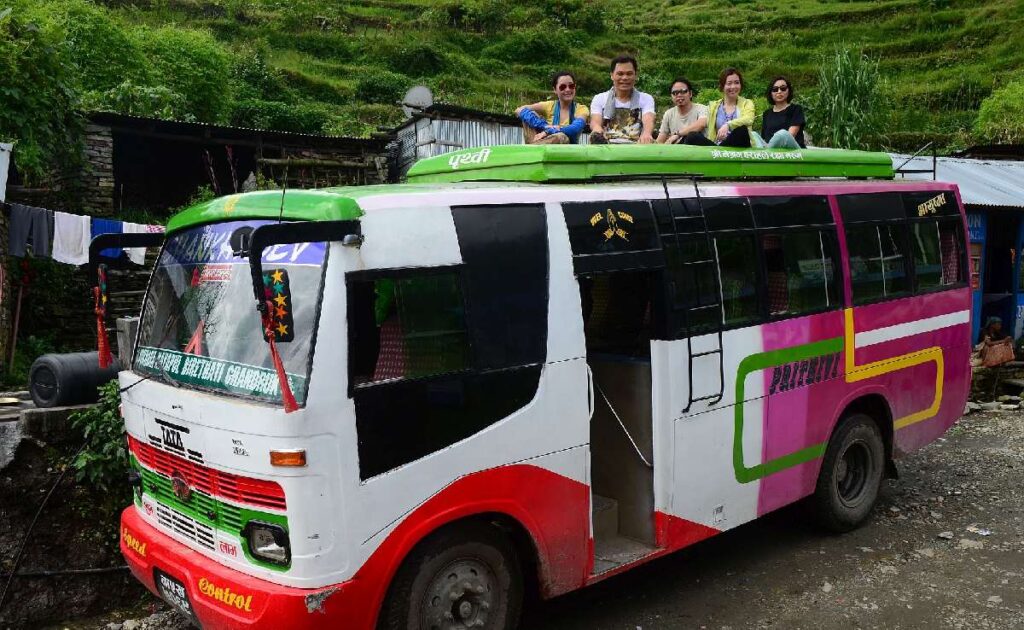
Travelling by bus is one of the easiest, most affordable, and convenient ways to explore Nepal. Bus travel in Nepal lets you relax, enjoy the scenery, and experience the countryside, mountains, and bustling cities—all from your window.

Whether you’re a first-time visitor or a seasoned traveler, following some simple guidelines can make your journey smooth and enjoyable. Let’s plan your bus trip together!

Why Bus Travel in Nepal is Popular

Firstly, tourist buses offer a stress-free way to explore Nepal. You can sit back, enjoy the views, and let professional drivers handle the logistics. Moreover, buses are comfortable, budget-friendly, and perfect for both short and long-distance trips. In addition, they allow you to witness Nepal’s beauty from a unique perspective.

Dos for a Comfortable Bus Ride

1. Book in Advance
Firstly, reserve your seat early, especially during peak season. This ensures you get your preferred seat and the best views.

2. Arrive Early
Also, reach the station at least 15–20 minutes before departure. By doing so, you avoid last-minute stress and guarantee smooth boarding.

3. Pack Smartly
Carry a small bag with essentials like water, snacks, a travel pillow, headphones, or a book. Additionally, avoid overpacking to make it easier to store your bag and move around.

4. Respect Your Seatmates
Furthermore, keep your belongings within your space and avoid leaning into someone else’s area. Respecting personal boundaries ensures a peaceful journey for everyone.

5. Stay Hydrated
Long bus rides can be dehydrating. Therefore, sip water regularly and carry well-packaged mineral water.

6. Bring Entertainment
Bus trips can get monotonous. For example, bring books, audiobooks, movies, music, or podcasts to stay entertained.

7. Be Polite to the Bus Staff
Drivers and assistants work hard to ensure your safety. Hence, be courteous, follow instructions, and dispose of trash responsibly.

Don’ts to Avoid on a Bus

1. Don’t Be Late
Buses follow tight schedules. Otherwise, arriving late can delay your trip or cause you to miss the ride entirely.

2. Avoid Overpacking
Large, heavy bags create storage issues and make traveling uncomfortable. So, pack only what you need.

3. Don’t Be Noisy
Keep conversations low and avoid loud phone calls. This way, everyone enjoys a calm environment.

4. Don’t Ignore Rest Stops
Take advantage of scheduled breaks to use the restroom, stretch, or grab a snack. In addition, rest stops help you stay refreshed and energized.

5. Don’t Panic in Case of Delays
Traffic or unexpected situations can cause delays. Therefore, stay patient; the bus staff will do their best to get you to your destination safely.

6. Don’t Leave Valuables Unattended
Always keep your belongings with you during stops. Otherwise, you risk losing them or having them stolen.

7. Don’t Distract the Driver
Avoid unnecessary conversation with the driver and refrain from strong-smelling food or heavy perfumes. Safety always comes first.

Travel Tips for Bus Journeys in Nepal

  • Additionally, enjoy the scenery from your window—mountains, rivers, and local villages make the ride memorable.

  • Carry a light jacket for cooler mountain areas.

  • Keep small snacks handy for long journeys.

  • Choose seats with the best views if possible, usually by the window.

  • Finally, be patient and flexible—roads in Nepal can be busy and unpredictable.

By following these dos and don’ts, bus travel in Nepal becomes more than just transportation—it’s part of the adventure. Then, relax, enjoy the views, and let professionals handle the logistics.

Book your tour with Himalayan Circuit, hop on a bus, and create lasting memories on the road!

Nepal Diaries: Rhododendrons, Festivals, and the Spirit of Spring

Hike from Dhampus to Australian Camp

March is one of the best months to visit Nepal. Winter slowly gives way to spring, rhododendrons bloom along the hillsides, and trekking trails look inviting. The combination of mild warmth, clear skies, and beautiful landscapes makes March ideal for sightseeing, cultural experiences, and outdoor adventures.

Whether you are a first-time visitor, traveling with family, or planning to combine city tours, short treks, and wildlife exploration, March offers something for everyone.

Weather in March

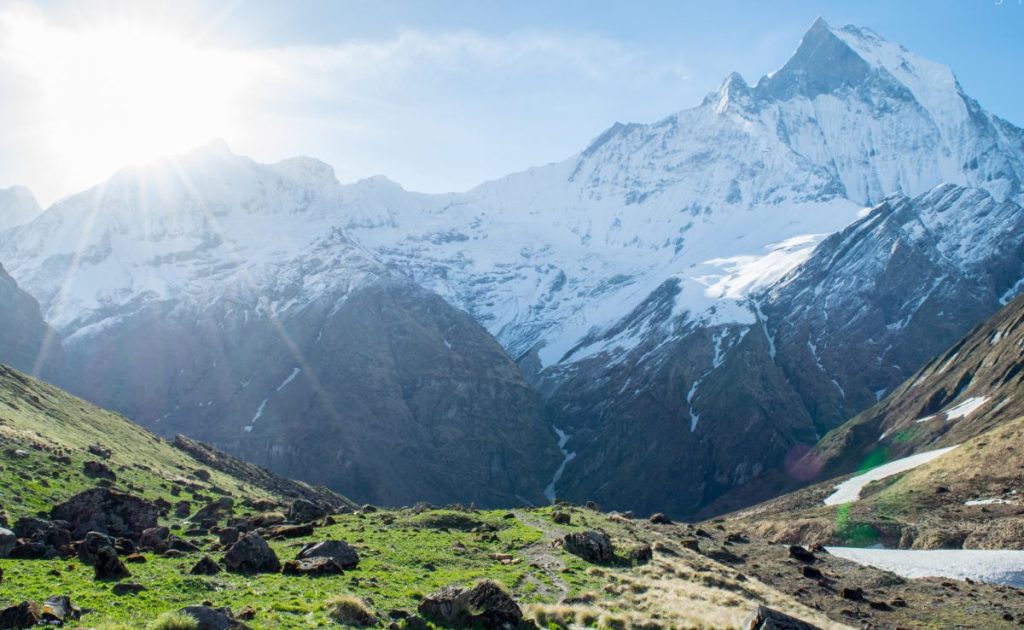
Himalayan peaks in Nepal – Nepal best travel destination

March marks the beginning of spring in Nepal. Daytime temperatures in Kathmandu and the mid-hills range from 18°C to 25°C, making sightseeing very comfortable. Early mornings and evenings are cooler, especially in Kathmandu, Pokhara, Chitwan, and other major cities.

Skies are generally clear, and trekking trails are safer than in icy winter months. You may experience short spring showers toward the end of the month, so a light rain jacket can be useful. In the mountains, unexpected cold or new snowfalls can occur, so pack warm hats and gloves if you plan to explore higher elevations.

Trekking and Outdoor Activities

Everest Base Camp Trek

March is one of the best months for trekking in Nepal. Weather is stable, trails are clear, and crowds are moderate.

Tips: Start hikes early to avoid afternoon haze, dress in warm layers, and monitor snow conditions in higher passes. If you’re new to the region, hiring a local guide is recommended for flexibility and safety.

Festivals and Cultural Events

Holi Celebration

March is lively with colorful festivals:

  • Holi, the Festival of Colors: Kathmandu, Patan, and Pokhara transform into playful clouds of color. Join in, but protect your camera and wear clothes you don’t mind getting messy.
  • Local Jatras and Temple Fairs: Smaller festivals happen in hill towns and around the Kathmandu Valley. These are excellent opportunities to experience Newar culture and try seasonal sweets.

Ask your hotel or guide about local events so you can join respectfully, dress modestly, and buy colors from trusted shops.

Wildlife and Nature Experiences

If you want a break from the mountains, visit Nepal’s Terai lowlands in March.

  • Chitwan and Bardiya National Parks: Clear skies and warmer days make wildlife spotting easier. Look for rhinos, tigers, deer, gharials, and a variety of birds.
  • Mountain Flora: In the hills and mountains, rhododendrons and wildflowers bloom, making treks even more scenic.

Spring is perfect for hikes around Pokhara or the Kathmandu Valley. Don’t forget your binoculars and follow park regulations to protect wildlife.

Travel Tips for March

  • Pack layers: T-shirts for midday, fleece or jackets for evenings, and windproof outerwear for hiking.
  • Footwear: Good trekking boots are essential, as some trails may be wet or muddy.
  • Sun protection: Higher altitudes mean stronger UV rays. Bring sunscreen, sunglasses, and a hat.
  • Protect valuables: Use zip-lock bags or dry bags for phones and cameras, especially during festivals.
  • Cash: ATMs work in major towns, but bring cash for mountain lodges.
  • Flights: Check domestic flight schedules; weather can still cause delays.

So, is March a good time to visit Nepal? Absolutely. You can enjoy pleasant sightseeing weather, ideal trekking conditions, blossoming hillsides, and colorful festivals all in one trip.

March allows for a well-rounded itinerary, a few days of city tours in Kathmandu, trekking in Annapurna or Langtang, and a wildlife trip in Chitwan can all fit together.

Be flexible with the weather, pack your gear wisely, and experience the beauty and culture of Nepal this March with Himalayan Circuit.