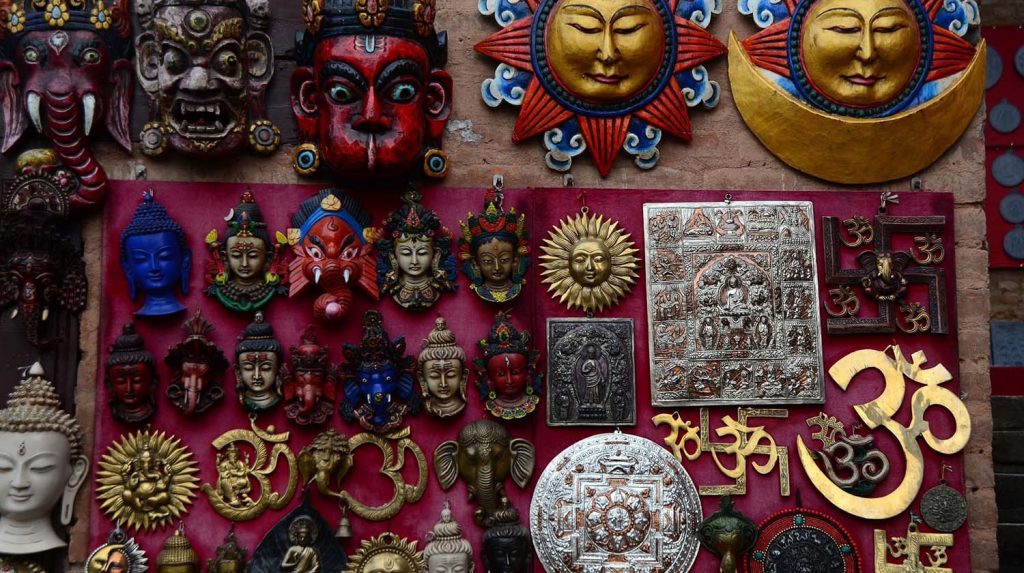
Leo Tolstoy once stated that “Art is not a handicraft, it is the transmission of feeling the artist has experienced”. Art plays a crucial role in human life, as it is used to convey human emotions and feelings.
The arts and crafts traditions of Nepal reflect the country’s rich culture and tradition. Two millenniums old Hindu and Buddhist heritage have survived many onslaughts and continue to influence Nepalese art and craft.
The skills and strategies for making handicraft products that have been passed down from generation to generation reveal not only the artistic talent and skill of craftsmen, but also the social, religious, and cultural values prevalent in different regions of the country.
The Nepali handicrafts industry practices and preserves ages-old culture and traditions. More than 20 different handicraft items from Nepal are exported to over 85 countries today, making them among the most popular exports of the country.
Nepalese art and crafts are not only seen in the souvenirs you’d find in the shops, but also in their religious architecture, weapons, sculptures, paintings, weaving, and pottery.
Without further ado, let’s take a quick look at some of Nepal’s arts and crafts:
Stone Statues:
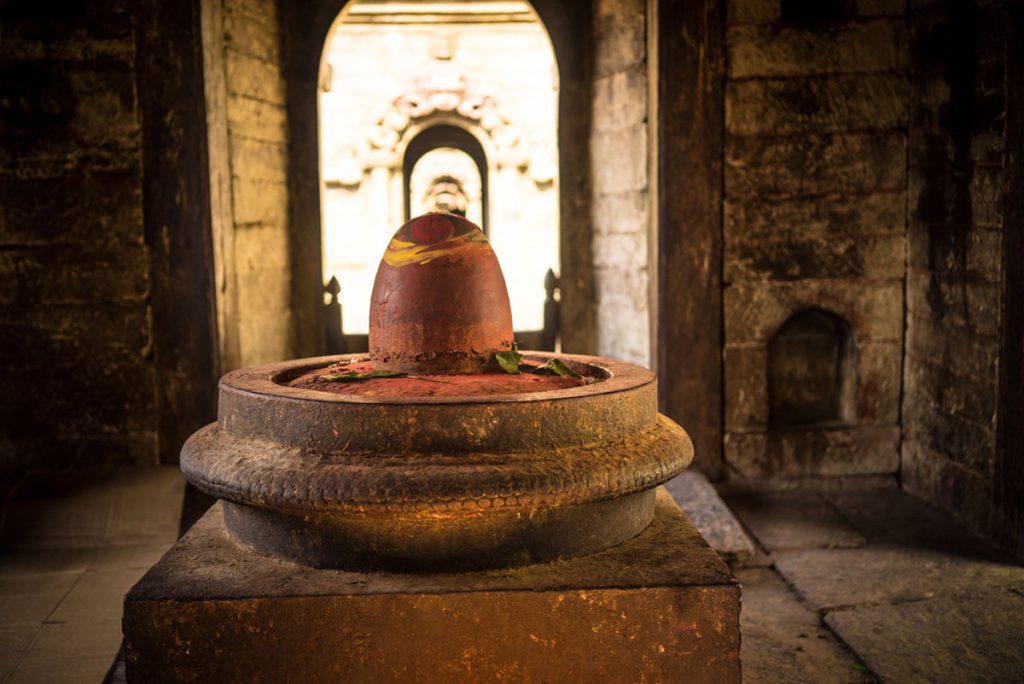
The old and ancient settlements of Kathmandu Valley feature a wide variety of stone sculpture as well as architectural art dating back to centuries. Kathmandu’s medieval temples and durbar squares are open-air museums with beautiful stone carvings of gods, kings, and mythical animals.
There is a wide range of stone arts (such as stone statues, giant stone water taps, stone temples) displayed throughout the streets of Patan, Bhaktapur and Kathmandu that were created by highly acclaimed Nepalese artisans.
There are now a number of stone sculptures available for purchase. By promoting hand carving and hand finishing arts, the Himalayan circuit aims to preserve the cultural heritage of Nepal and promote the techniques and tools used over hundreds of years by generations of craftsmen.
Thangka- Painting:
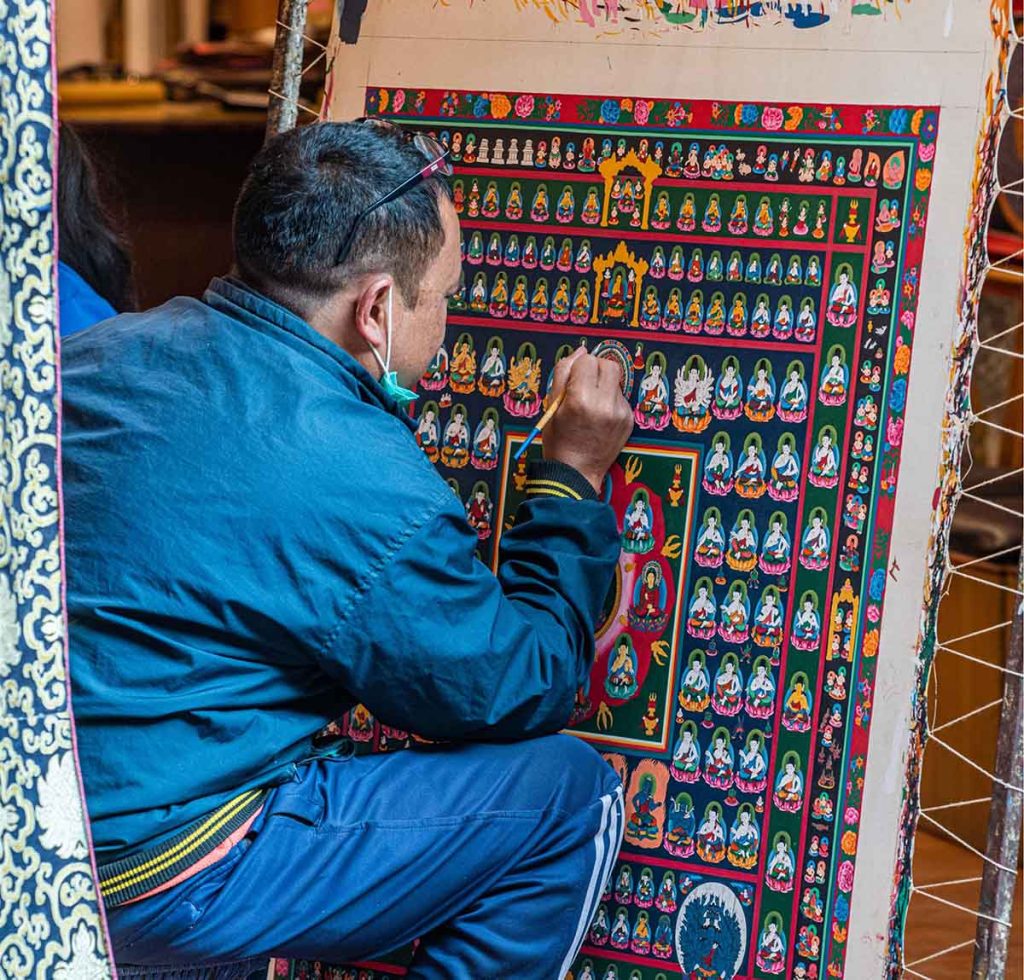
Thangkas also known as paubhas (meaning “message from the temple”) are Buddhist paintings of cotton and silk that depicts a Buddhist deity or scene. Paintings of Thangkas are used for devotional and decorative purposes, as well as a tool for teaching.
There are different symbolic meanings associated with each of the colors, patterns, and designs in Nepalese Thangka paintings. Each painting has a unique message and spiritual benefit to the household in which it resides.
Typically, a Buddhist deity is at the center of a Thangka painting which is surrounded by other religious figures. Thangkas come in a wide variety of styles and represent a number of Buddhist and Hindu deities such as Tara, Buddha, the Wheel of life, and Mandala.
You can participate in the Thangka workshop where painters show you how art is created and its significance.
Wood Carving:
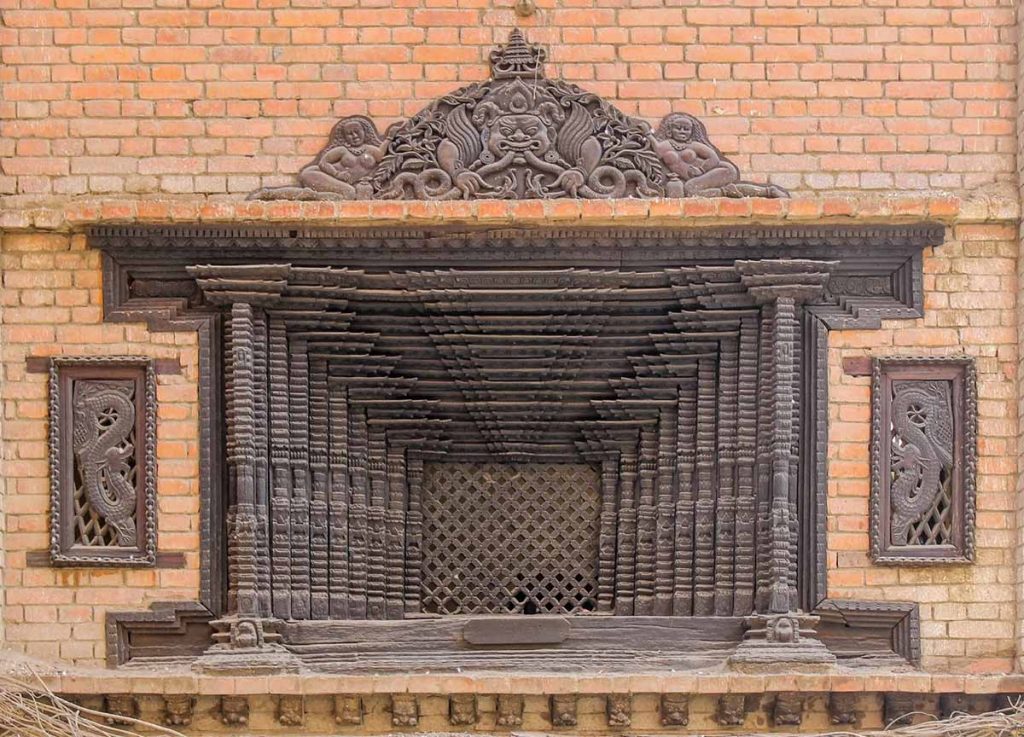
Since ancient times, woodcraft has been a highlight of Nepalese architecture. One of the many examples of this fascinating piece of art can be found in Basantapur, Kathmandu, built in about 1596.
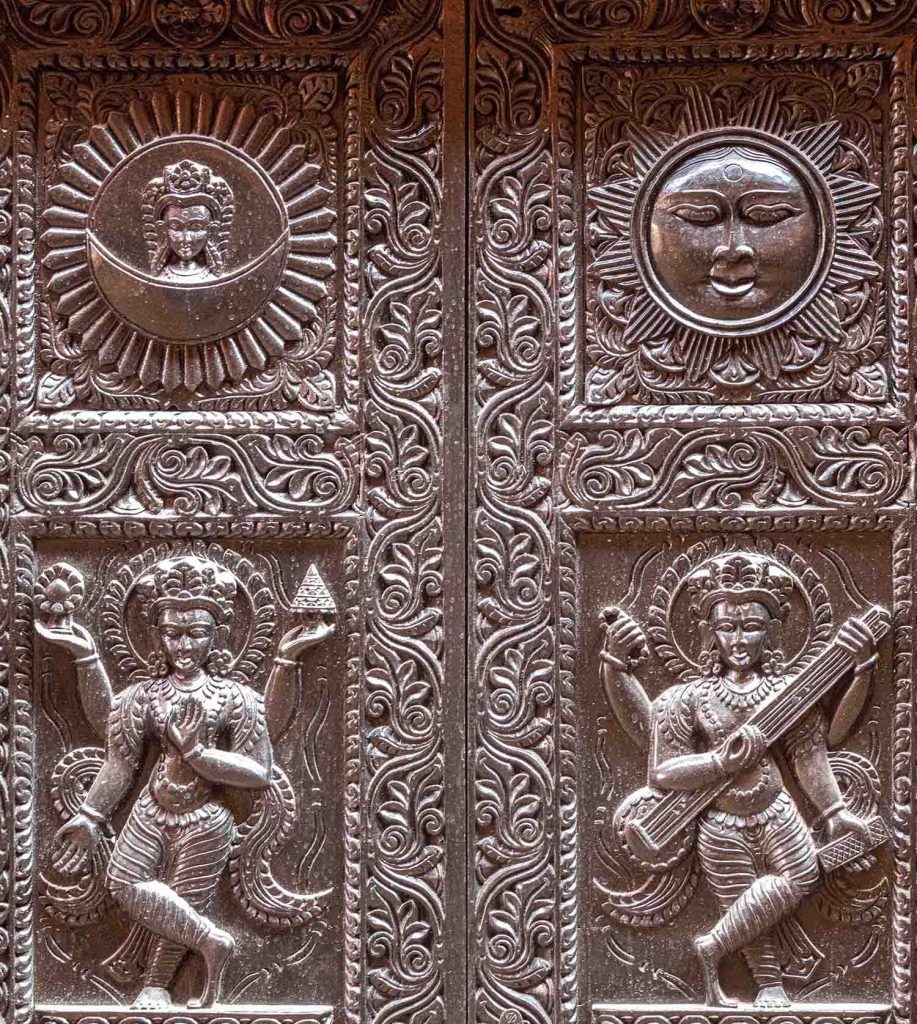
The designs of the wood carvings mostly depict deities, demons, animals, symbols, and intricate patterns that are drawn from Holy Scriptures and myths of Buddhists or Hindus.
A wide range of wooden pottery and handicrafts are available at Bhaktapur’s pottery markets. A wide variety of wooden items is available, including wooden decor items, wooden flutes, wooden bracelets, and more.
The art of wood-carving is present in literally every corner of Kathmandu. You can see wooden structures in temple columns, pillars and beams, doors and windows in homes and offices, photo frames, furniture, and mirror frames with finely carved figures or intricate patterns.
Shilpakars are one of Bhaktapur’s oldest clans known for their skill in wood carving. Spend the evening with Shilpakar learning more about this heritage through a traditional Nepalese dinner.
Pottery:
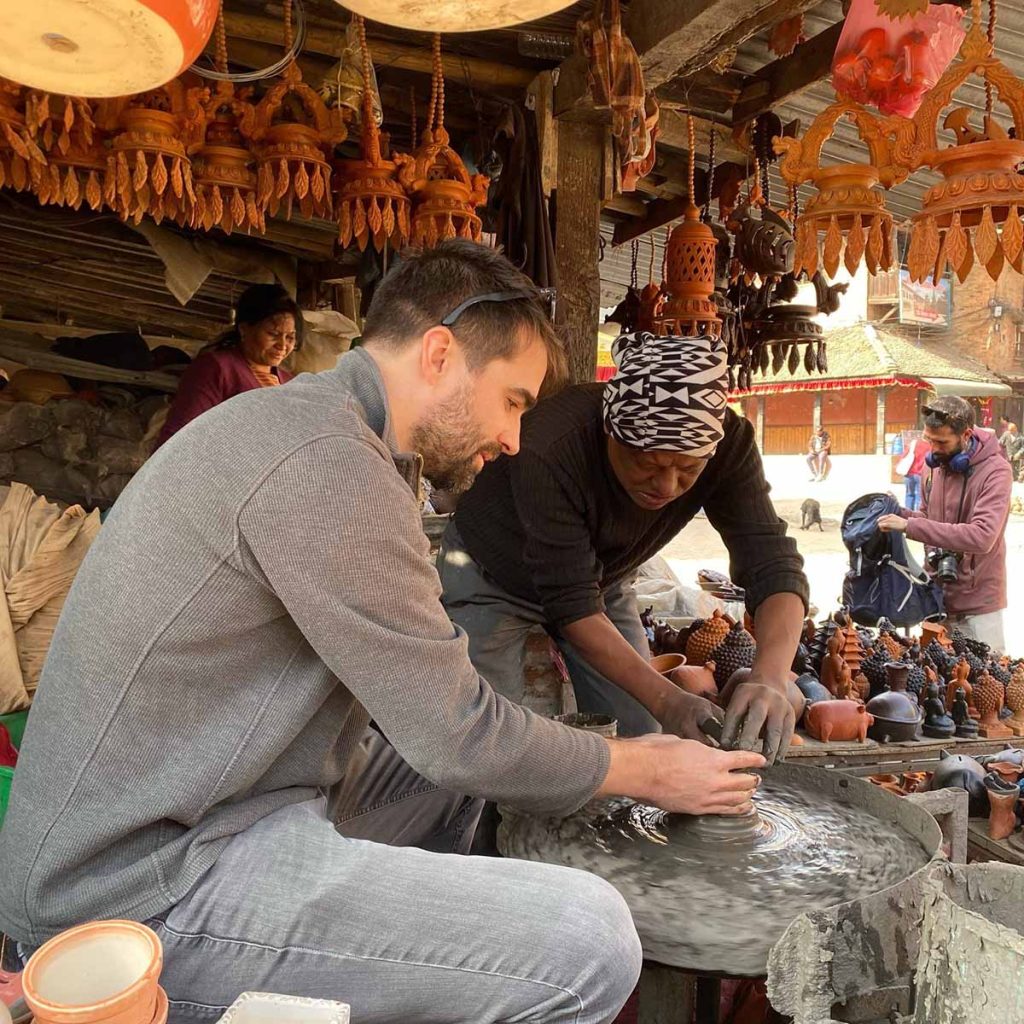
Nepal’s pottery craft is unique and it dates back thousands of years. Most villages in Nepal use ceramic water pots as a means of collecting, storing, and transporting water. The ceramic vessels also keep the water cool.
The art of Nepali pottery has been passed down from generation to generation. Bhaktapur and Thimi are the major centers of pottery making in Nepal. Thimi is a beautiful town located between Kathmandu and Bhaktapur.
Most of the ceramics made in Bhaktapur are superior to those made elsewhere because they are mostly made from black clay called Dyo Cha, which means literally “clay of God” and is only found in Bhaktapur. The material is said to be supple and elastic.
Mithila Chitrakala(Mithila Paintings):
The Mithila paintings usually depict the men and the scenes associated with the ancient epics. The sun, moon, and holy plants such as tulsi are also widely depicted in paintings, as well as royal court scenes or social events like weddings.
The Mithila Art depicts mythological and religious events in natural colors on paper and cloth. Using natural dyes and pigments, and by adding twigs, brushes, nib-pens, and matchsticks, the painting is characterized by eye-catching geometric patterns.
Mithila images often depict deities such as Vishnu, Ganesh, Radha, Krishna, Sita, and Ram. The Hindu tradition includes ritual content for special occasions, such as births and marriages, as well as festivals, such as Holi, Durga Puja, Kali Puja, Upanayana.
Nepal takes pride in its rich heritage and culture, which are reflected in every piece of art and handicraft produced. Your creative eye will be delighted by some beautifully-crafted pieces of art in Nepal!