
Spiritual & Wellness: Narayan Temple – Spiritual Journey in Kathmandu

In ancient times, it was believed there were more temples in Kathmandu than houses, as well as more statues of gods and goddesses than people. Kathmandu Valley’s rich culture with over 6000 temples, majestic buildings, monuments, arts, museums, etc makes it one of the world’s greatest cultural destinations.

Narayana Temple is located among the thriving and culturally vibrant streets of the Kathmandu and comes to represent the rich cultural heritage of the region. Due to its rich history, magnificent architecture, and peaceful atmosphere, the ancient temple is a significant place of worship for pilgrims from around the World.

Lord Vishnu, one of the major deities of Hinduism, is worshipped in many temples around Kathmandu, including Budhanilkantha Temple and the four famous Narayana temples dedicated to his Narayana form. According to the legends, the four Narayan temples at the four corners of the city are believed to protect the valley from evil. 

According to legends, in ancient times, to ensure Kathmandu’s prosperity, the rulers ordered the placement of Vishnu/Narayan Shrines at all cardinal points of Kathmandu valley from which the gods could watch and protect the valley. Here are the lists of 5 major Vishnu temples located in Kathmandu valley. 

  • Budhanilkantha Temple at the base of Shivapuri Hill

The Budhanilkantha Temple is a Hindu open-air temple dedicated to Lord Vishnu located below Shivapuri Hill in Kathmandu Valley. The temple, also called Narayanthan, is dedicated to Lord Vishnu, and you can see a floating statue of Lord Vishnu surrounded by water on all sides.

The Lord Vishnu stands five meters (17 fits) tall and is enshrined in a tank thirteen meters (43 fits) long with his legs crossed and his sleeping body resting on Ananta’s coils and 11 hooded heads. Vishnu holds four symbols in his four hands: the Shankha as a conch shell, the Chakra as a disc, the Gada as a club, and the Padma as a lotus flower.

There are thousands of pilgrims visiting the temple every year during Haribondhini Ekadashi on the 11th day of the Hindu month of Kartik (October – November). Every year, Budhanilkantha also holds a big fair to mark the auspicious dates of Ekadashi, Harishayani, and Haribodhini, which mark the Hindu belief of Lord Vishnu’s four-month sleep.

  • Changu Narayan Temple at Bhaktapur:

The Changu Narayan Temple lies about 15 kilometers east of Kathmandu in the Bhaktapur district of Nepal and is a UNESCO World Heritage Site. The Changu Narayan Temple is among the finest examples of Lichhavi art and architecture in Nepal, and it is also the oldest temple in the country.

The Changu Narayan Temple is treasure hub with statues, inscriptions, and ornaments, and is a popular tourist destination and pilgrimage site. The carvings of Lord Vishnu’s eleven avatars and other deities simply provide a visual delight.

Changu Narayan Temple is a unique example of Hindu and Buddhist religious sites coexisting with symbolic and artistic values closely tied to legends, rituals, and festivals. The temple is often visited during Harishayani Ekadashi in Ashadh and Haribodhini Ekadashi in Kartik by many devotees. However, you can the temple all year round.

  • Ichangu Narayan at Nagarjun Hill

There are many hidden gems in the Kathmandu Valley, and Ichangu Narayan is certainly one of them. The Ichangu Narayan temple is situated about 3km northwest of Swayambhunath. It is dedicated to Vishnu in his incarnation as Narayan, which means ‘the eternal man’. 

This temple is magnificent and has an extremely peaceful and authentic atmosphere. In addition, the path to Ichangu Narayan is very nice and well-preserved. This temple can be visited all year long, but it becomes spectacular during Tihar when marigold flowers bloom on the perfectly bent hills. 

  • Bishankhu Narayan at Godawari

Bhishankhu Narayan at Godawari, Kathmandu is said to have been built between 43-143 AD by Lichhavi king Haridutta Varma at Bandegoun. The object of worship is a plain rock at this temple, which is relatively simple. There are rich water resources around the temple, as well as thick forests surrounding it.

In the temple, there is a tiny gap between the rocks where the locals believe that you can determine your status as a sinner based on the stone. The gap is said to create either gluttony or arrogance in those who get stuck in it. 

During the festival of Thulo Ekadashi in Kartik, the temple is particularly popular among local devotees. However, you can visit the temple all year round as the view from this temple is scenic and pleasant.

  • Shesh Narayan Temple at Pharping

Sheshnarayan temple lies under a cliff face just outside the medieval town of Pharping, sharing its boundary with Rigzin Drubte Ghatshal monastery, the oldest Buddhist monastery in the town. This combination of sacred sites in the same place explains why religion has been tolerated in Nepal since the beginning of time.

A few statues carved during the Licchavi period are on display in the courtyard, including lively representations of Garuda and Hanuman. There are many koi carp in the surrounding ponds, as well as an arch-framed image of Aditya, which is submerged in the water. You can visit the temple all year around. 

The Narayan Temple of Kathmandu Valley combines history, architecture, and spirituality in a mesmerizing way. The ancient walls of this place and the sacred air that fills the air make you part of a lifelong narrative that transcends space and time. 

Whether you are a history enthusiast, architecture enthusiast, or spiritual seeker, you will find that visiting the Narayan Temple is an unforgettable experience that will transport you back in time. So, explore the religious aspect of Nepal, visiting the Narayan Temples of Kathmandu valley with the Himalayan Circuit Treks. 
Wildlife & Nature: Explore Tiger Tracking Adventures in Nepal

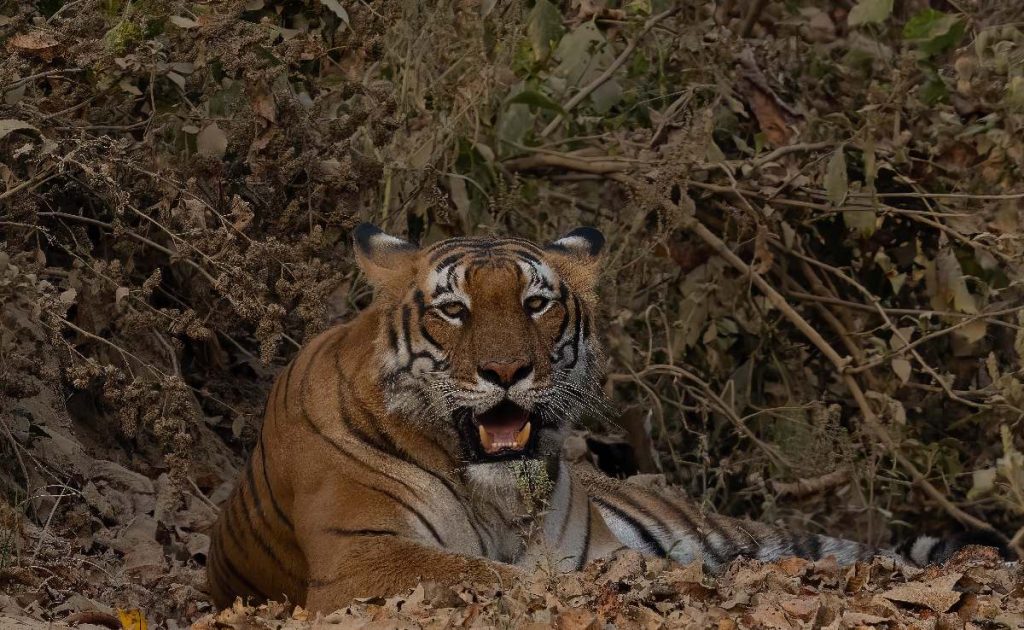
Tiger in Bardia National Park

Nepal is not just a country full of mountains and temples, but it’s also a country full of wildlife, so tiger tracking tours are perfect for adventure and nature lovers. Among the most thrilling jungle experiences in Nepal are tiger tracking in Chitwan National Park, Bardia National Park and Koshi Tappu Wildlife Reserve.

You can view the flora and fauna and learn about the historical heritage and culture along with watching wild animals and scenery while relaxing. Tiger tracking tours in Nepal primarily focus on observing animal tracks, signs, and sounds, particularly the sounds of tigers. 

The diverse ecosystems and protected areas of Nepal make it the perfect destination for tracking and observing Bengal tigers in their natural habitat. With this tiger tracking tour, you’ll experience some exhilarating moments and improve your tracking abilities.

In this blog, the Himalayan Circuit Treks aims to explore three popular tiger tracing destinations in Nepal: Bardiya National Park, Chitwan National Park, and Koshi Tappu Wildlife Reserve.

Tiger Tracing Tour in Bardiya National Park:

A Bardia tiger tracking tour offers jungle walks, elephant safaris, bird watching, and canoeing. Along with a Tiger tracking tour, you will also experience elephant bathing, traditional shows, dances, and many other activities.

Since this trip is especially conducted in Bardia National Park, it will include an active exploration of the park’s diverse wildlife, especially the Bengal tiger. As the national park was originally set aside for hunting, Bardia National Park is remote, challenging, and offers wildlife a unique adventure.

The trip is ideal for those who are passionate about animals and would like to learn more about them. A visit to Bardia National Park will allow you to spot the Royal Bengal Tiger, among other beautiful animals, including Wild Elephants, great one-horned rhinos, black bucks and swamp deer. 

The Tiger Tracking Tour includes not only tiger tracking adventures, but also other jungle activities within the national park, such as river safaris, jeep safaris, the traditional Tharu dance within the hotel or resort, and many more activities that will enhance your senses.

Tiger Tracing Tour in Chitwan National Park:

A haven for wildlife enthusiasts and nature lovers alike, Chitwan National Park is renowned for its rich biodiversity, but one species stands out among all of them – the majestic Bengal tiger. Experience a tiger tracing tour in Chitwan National Park if you’re looking for an unforgettable adventure.

The park is listed as a UNESCO World Heritage site and offers a rare opportunity to see Bengal tigers in their natural habitat. A park guide and tracker will assist you in exploring the park’s lush forests, grasslands, and riverine landscapes while providing information about their conservation efforts.

There are many exciting wildlife experiences on a Chitwan Tiger Tracking Tour, including elephant bathing, sunset watching, and jeep safaris in addition to tiger tracking. In addition, the itinerary includes a visit to a Tharu community and a breeding center for elephants and crocodiles.

If you’re looking for an exciting adventure, where you can observe the beauty of the Bengal tiger up close, Chitwan National Park awaits you. Experience the enchanting jungles and the roar of the wild to awaken your spirit of exploration and conservation.

Tiger Tracing Tour in Koshi Tappu Wildlife Reserve:

Koshi Tappu Wildlife Reserve is a hidden gem for nature lovers and wildlife lovers in Nepal’s Terai region. It’s known for its amazing variety of avian species and its wetlands, but it’s also home one of the most elusive and magnificent creatures on the planet: the Bengal tiger. 

You’ll discover the reserve’s remarkable diversity of wildlife as you explore its lush grasslands and marshlands. Koshi Tappu Wildlife Reserve guarantees an unforgettable Tiger Tracing Tour experience for those who embark on it.

You can observe an array of wildlife in their natural habitat as you traverse the reserve’s extensive network of trails. A tiger encounter is the ultimate goal of the tour, but it offers so much more, from the tranquil wetlands to the mesmerizing sounds of birds, to just being immersed in nature’s embrace.

The Koshi Tappu Wildlife Reserve offers more than just an adventure; it provides the opportunity to experience nature at its purest. It is the beauty and resilience of these magnificent creatures that inspire us in our appreciation of the complexity of the animal kingdom.

Religious significance of Tiger in Nepal:

The tiger is a symbol of strength, power, and ferocity, attributes associated with Durga, the goddess who rides a tiger and is revered as fierce and protective. Worshipers seek Durga’s blessings for courage and protection by worshiping the tiger as a manifestation of her.

Manjushree is also associated with the tiger in some regions of Nepal, and it represents his courage and strength as he overcomes obstacles on his spiritual journey.

Nepal reveres tigers as sacred animals and depictions of them appear in religious art, sculpture, and temple carvings as symbols of divine power. The conservation of tigers plays a powerful cultural and spiritual role in Nepal, where nature, religion, and humanity must be balanced through tiger conservation.

Efforts in the tiger Conservation:

The Nepalese government has taken significant steps to preserve tigers, which further contributed to the growth of tigers in this country. This iconic species has been protected through various initiatives implemented by the government and conservation organizations.

Nepal’s tiger conservation efforts are focused on providing tigers with a safe haven and sustaining their populations within protected areas such as national parks and wildlife reserves. Additionally, the government has stepped up law enforcement and conservation programs at the community level to curb poaching.

With the importance of international support for tiger conservation, Nepal has welcomed renowned personalities like Leonardo DiCaprio to raise awareness. He was able to observe the conservation efforts underway in Nepal during his visit, and he expressed his support for these efforts as well as brought tiger conservation to the attention of a global audience.

How to protect tigers?

A number of measures need to be taken to protect tigers. The International Union for Conservation of Nature (IUCN) provides guidelines and strategies for tiger’s conservation. A number of national parks and wildlife reserves have been established in Nepal to protect tigers and their habitats, including Bardia and Chitwan.

Promoting Tiger Tracking Tourism:

Developing responsible and sustainable practices is crucial for promoting Tiger Tracking Tourism. The number of tourists should be limited, trained guides should be used, and maintaining a safe distance from the animals is essential for minimizing disturbance to tigers.

Himalayan Circuit Treks’ Tiger Tracking Tourism contributes to the country’s tourism revenue and promotes its image as a wildlife conservation destination. 

Himalayan Circuit Treks provides well-managed and ethical tiger tracking experiences to visitors in order to contribute to the economy and conservation of the country.

Final Words:

The Tiger Tracing Tour destinations in Nepal not only offer the thrill of tracking tigers, but also offer a chance to experience the incredible biodiversity and rich cultural heritage of the country. 

So, pack your bags, grab your binoculars, and prepare for an unforgettable experience in the land of Himalayas booking your Tiger Tracing Tour with the Himalayan Circuit Treks.