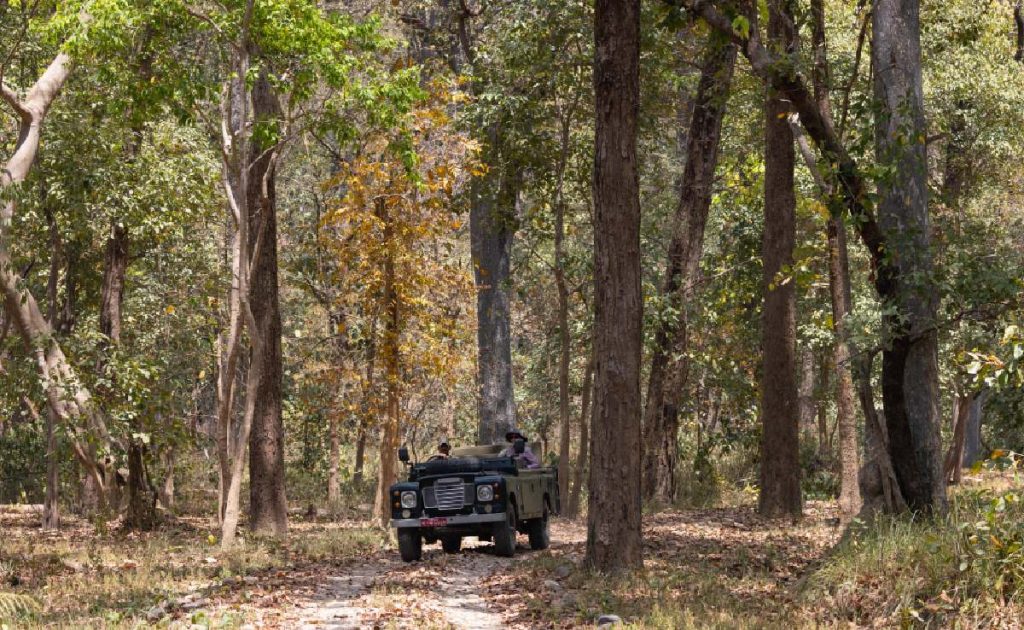
Nepal’s Terai region is a land of contrasts—lush jungles filled with wildlife, traditions rooted in community, and inspiring stories of change. At the heart of this vibrant landscape lies Dalla Homestay, a community-based tourism initiative that lets travelers experience the wild beauty of Bardiya National Park while living alongside the welcoming people of Dalla.
With Himalayan Circuit’s newest offering, you can now take part in a journey that goes beyond sightseeing—connecting nature, culture, and purpose.
The Birth of Dalla Homestay: A Story of Community Innovation
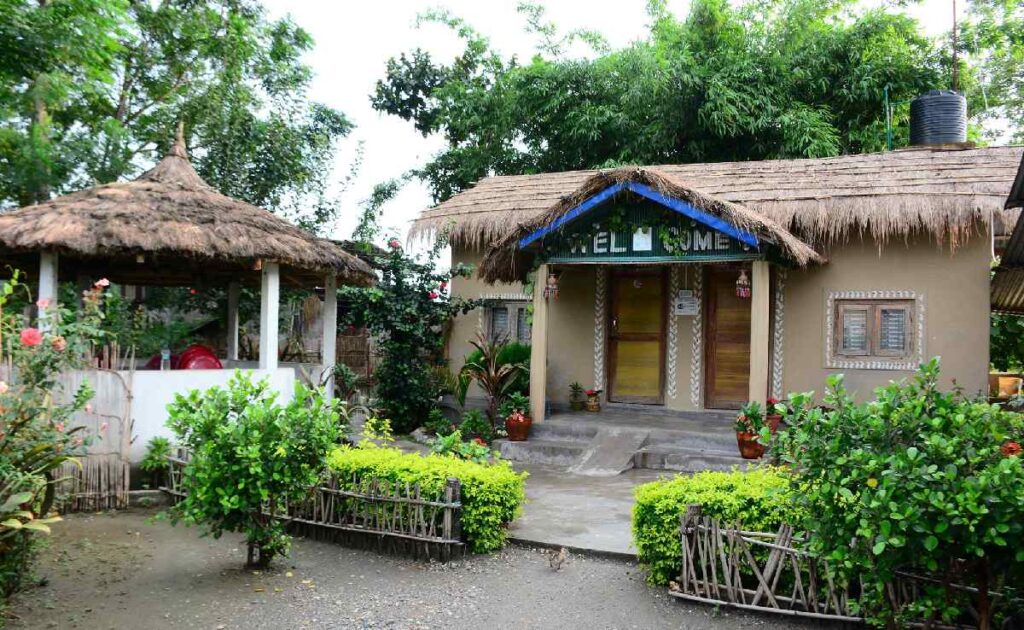
The story of Dalla is not only about tourism—it is about revival, empowerment, and vision. According to WWF Nepal, the change began when conservation efforts started in the village. With WWF’s support, the people of Dalla restored degraded forests and protected wildlife habitats. As a result, a new idea emerged: why not invite the world to see this transformation firsthand?
Through dialogue and collective action, the community created Dalla Homestay. Today, 20 households host travelers, offering not just rooms but also stories, smiles, and a sense of belonging.
Key outcomes of this change include:
- Cleaner villages through organized waste management
- Women’s empowerment, with many now leading in hospitality and enterprise
- Sustainable income, with tourism revenue supporting education, health, and local development
In short, Dalla’s journey is a living example of how local action and global awareness can work together to create meaningful change.
Bardiya National Park: Nepal’s Untamed Wilderness
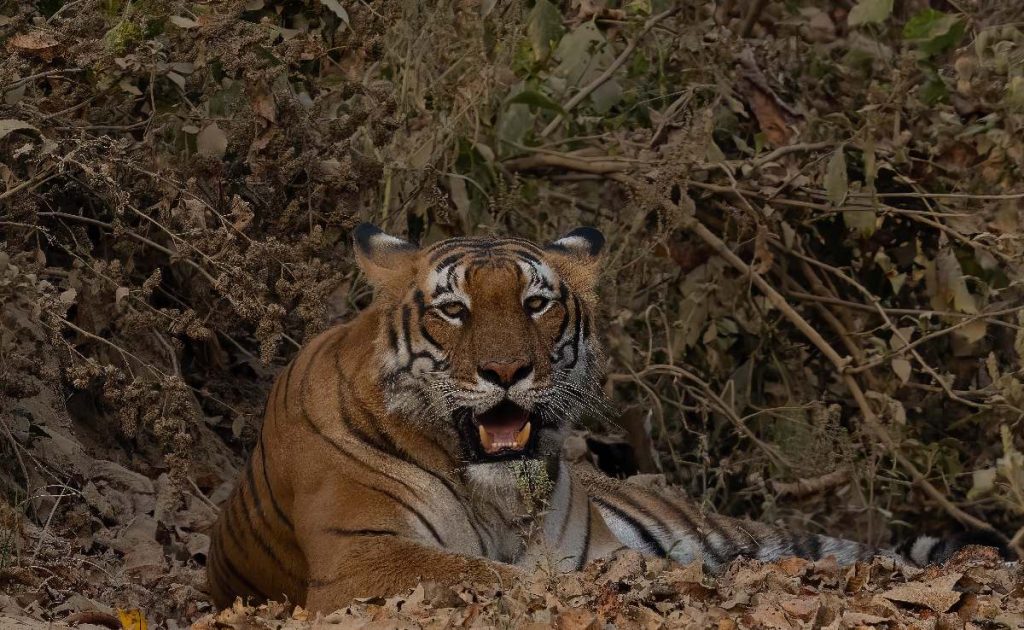
Covering more than 968 square kilometers, Bardiya National Park is Nepal’s largest protected area in the Terai. It was first established as the Karnali Wildlife Reserve in 1976. Later, when 1,500 households were relocated, nature was given the space to thrive.
Today, Bardiya is home to some of the world’s most iconic species, including:
- Royal Bengal Tigers—one of the best places in Nepal to spot them in the wild
- One-horned Rhinos—thriving thanks to strong conservation efforts
- Asian Elephants, Gangetic Dolphins, and more than 400 bird species
Visitors can enjoy jeep safaris, river excursions, birdwatching, and guided jungle walks. At the same time, they learn about the delicate balance between conservation and community life.
What to Expect at Dalla Homestay
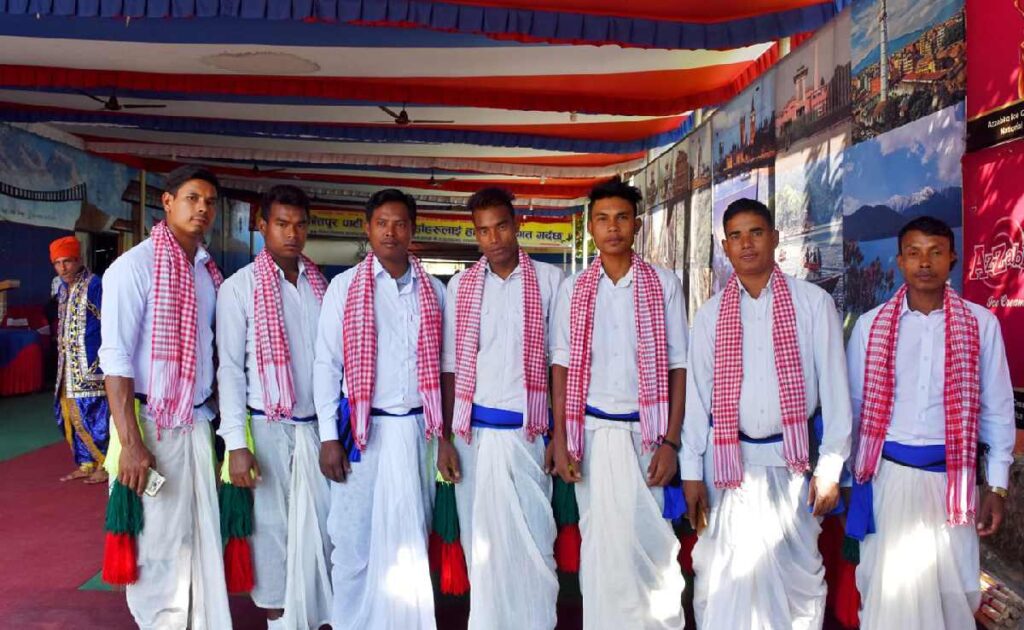
Staying at Dalla Homestay is more than just accommodation—it is a cultural exchange. Guests stay in traditional Tharu homes, eat local cuisine made from fresh ingredients, and take part in daily village life.
Activities include:
- Cultural performances with Tharu music and dance
- Cooking classes led by local hosts
- Nature walks guided by community members
- Storytelling evenings around the fire
Each family has been trained in hospitality. Therefore, you enjoy comfort while still experiencing authenticity.
Why Choose Dalla Homestay with Himalayan Circuit?
Himalayan Circuit has always championed responsible tourism. With Dalla Homestay, we continue our mission to connect travelers with meaningful experiences that support local communities and protect natural heritage.
By choosing this journey, you:
- Support grassroots conservation
- Empower local women and youth
- Experience Nepal beyond the tourist trail
Book Your Journey Today
Your stay at Dalla Homestay Bardiya is more than a visit—it’s a contribution to conservation and community. So, are you ready to explore Bardiya’s wild heart and Dalla’s warm soul?
Learn more & book now