The Chitwan National Park in Nepal’s southern belt offers a perfect balance between wildlife viewing and cultural exploration. It is a wonderful example of how nature provides a delicate balance between human interaction and the beauty of the natural world.
The Chitwan National Park is home to a wide range of activities, including elephant rides, jungle safaris, canoeing, elephant bathing, canoeing, jungle walks, elephant breeding centers, tharu cultural programs, watching the sunset from the riverbank, bird watching, etc.
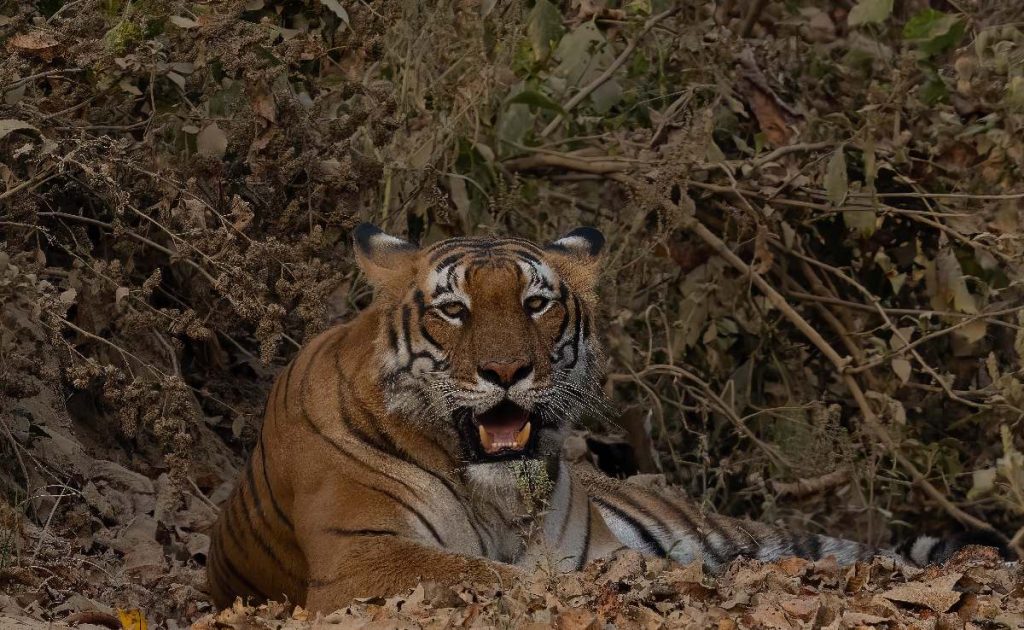
There is also a diverse range of vegetation in the park, including tropical and subtropical forests, grasslands, and freshwater wetlands. This park has over 500 species of birds, as well as a Bengal tiger, Asian elephant, leopard, sloth bear, and crocodile, among others.
Overview of Chitwan National Park
Located in Nepal’s Terai region, in the south-central part of the country, the Chitwan National Park has a total area of 932 square kilometers. Chitwan is a land with unique flora and fauna and has one of the last populations of single-horned Asiatic rhinoceros, as well as Bengal Tigers.
Besides the wildlife and ecosystem of Chitwan National Park, the Tharu people have lived there for centuries and have contributed greatly to the conservation of the park’s culture, customs, and way of life.
You can enjoy guided nature walks in the national park and learn about its plants and animals. The park also offers opportunities for you to experience the culture and traditions of the Tharu people by visiting their traditional villages and participating in cultural activities.
History of Chitwan National Park
The Chitwan National Park was established in 1973 as Nepal’s first national park. The park was created to protect wildlife and natural resources and to conduct research and conservation.
The Chitwan National Park was designated a World Heritage Site by UNESCO in 1984 based on its ecological, cultural, and recreational importance. Additionally, the park is part of the Chitwan-Annapurna Landscape, which is vital to biodiversity conservation and sustainable development.
Things to do in this World Heritage Site
- You can explore the park’s wildlife and diverse ecosystems on an elephant safari or in a jeep.
- You will have a great time bird-watching in Chitwan as the park has over 500 different species of birds.
- See the wide variety of wildlife in the park, including tigers, rhinoceroses, crocodiles, birds, and mammals.
- Take a drive through the park in a jeep for a different perspective.
- Explore the Rapti River in a canoe or raft and see crocodiles and other aquatic creatures.
- Discover Tharu culture and traditions by visiting nearby villages.
- Visit the Elephant Breeding Center to observe baby elephants up close and learn about elephant conservation.
- Explore the park’s diverse flora and fauna on a guided nature walk or hike.
- Swim with the elephants in Rapti River and get up close to these gentle giants.
- Observe the Tharu stick dance and cultural show performed by the locals.
The significance of Chitwan National Park’s status as a UNESCO Natural Heritage Site:
- A Sanctuary of Biodiversity:
There is a wide variety of flora and fauna in Chitwan National Park. Its lush forests, grasslands, and wetlands are a haven for countless species, such as Bengal tigers, one-horned rhinoceros, Asian elephants, and a variety of birds.
The park’s diversity can be attributed to several factors, such as intact ecosystems and its commitment to conservation efforts.
- Successes in conservation:
The UNESCO status of Chitwan National Park honors its outstanding conservation achievements, which have been instrumental in saving endangered species, like the one-horned rhinoceros.
This success story demonstrates how conservation initiatives can have a positive impact by restoring habitats, combating poaching, and engaging communities.
Cultural Heritage Preservation:
The Chitwan National Park is famous for its biodiversity, but it is also home to indigenous communities, such as the Tharu. Tharu’s rich cultural heritage has been preserved through sustainable tourism practices and community involvement.
Immerse yourself in the traditions of the Tharu people, witnessing their unique art, music, dance, and cuisine. Besides the natural heritage of Chitwan National Park, it also protects the cultural diversity of the country.
Ecotourism and Sustainable Practices:
The eco-friendly lodges and resorts within Chitwan National Park adhere to sustainable principles, including using renewable energy, managing waste, and supporting local communities.
Following sustainable tourism practices will minimize your environmental impact while you experience Chitwan National Park’s wonders.
With guided safaris, nature walks, and bird-watching tours, you can discover the park’s diverse flora and fauna while maintaining the ecosystem’s integrity.
A UNESCO Natural Heritage Site, Chitwan National Park is a testament to Nepal’s commitment to preserving its natural and cultural heritage, reflecting the country’s commitment to preserving its rich heritage.
This park is a model for maintaining the delicate balance of humans and nature due to its thriving biodiversity, successful conservation efforts, sustainable tourism practices, and community involvement.
The Himalayan circuit offers the chance to make unforgettable memories while experiencing Chitwan’s wilderness serenity while traversing Nepal’s natural heritage.