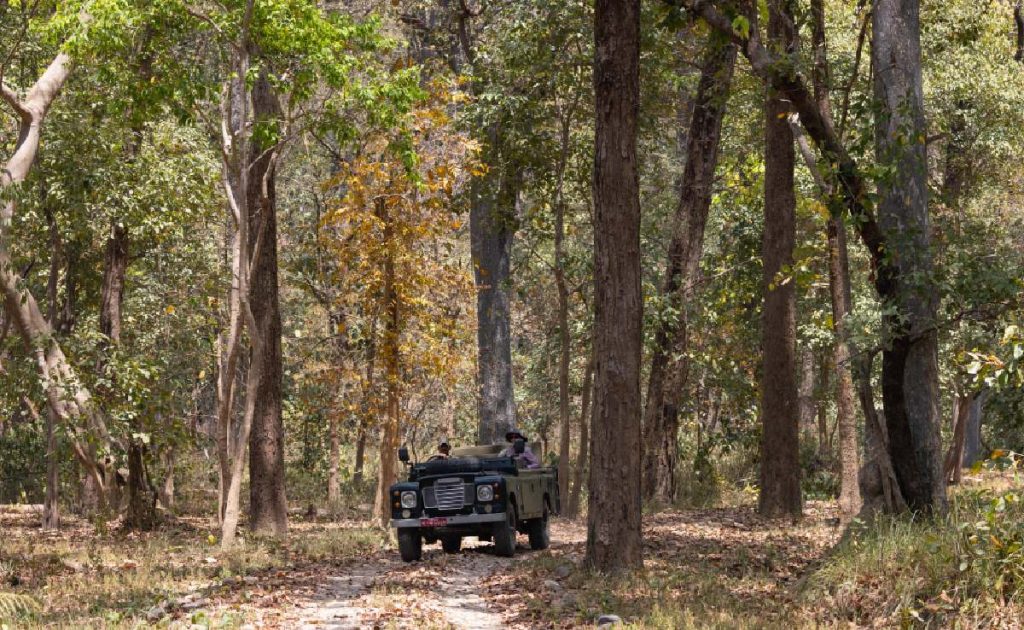
A wildlife safari tour in Nepal offers you a rare opportunity to experience the natural wonders and observe majestic wildlife up close. There is something special about Nepal’s diverse ecosystem and biodiversity, which makes it an exceptional destination for nature lovers.
Nepal is home to several national parks and reserves, from the Terai lowlands to the High Himalayas that protect the country’s biodiversity. You can encounter wild animals in Nepal’s natural habitat and experience authentic off-the-beaten-path wildlife experiences on a safari.
You can experience the extraordinary biodiversity and natural beauty of Nepal through wildlife safaris. Nepal offers wildlife enthusiasts a variety of wildlife experiences, from dense jungles in Chitwan National Park to breathtaking scenery in Bardia National Park.
To fully enjoy this unforgettable experience, you need to prepare and be aware of certain things beforehand. Himalayan Circuit Treks recommends nine things that should be kept in mind while on a wildlife safari in Nepal in order to ensure a fulfilling and responsible experience.
- Choose the Right Time and Place:
Wildlife safari tours in Nepal are more adventurous when you choose the right season and location to view specific wildlife species. There are a variety of factors that influence wildlife sightings, including season, migration patterns, and weather.
- Be proactive and secure permits:
For a seamless safari experience, it is essential to obtain the necessary permits in advance, since permits are required for wildlife safaris in Nepal’s national parks, which are often limited and require advance planning.
Moreover, hiring an experienced guide or tour operator can make the trip safer and provide valuable insight.
- Pack smart:
For a comfortable and safe wildlife safari, you should pack the right gear and essentials. You should wear lightweight, breathable clothing that is appropriate for the weather conditions.
A wide-brimmed hat, insect repellents, and sunblock are among the things you’ll need to keep yourself protected. It would be beneficial to take along binoculars, a camera, and a field guide when traveling to observe wildlife.
- Respect Wilderness:
Wildlife safaris are mainly intended to observe wildlife in their natural habitat without disturbing or endangering them, so respecting wildlife and staying at a safe distance is essential.
The approach, touch, or provoked behavior of a person may disrupt the natural behavior of an animal, which is why an experienced guide’s instructions are crucial to the safety of both humans and animals.
- Practicing responsible photography:
Photography is an essential part of a wildlife safari, but responsible photography should be practiced to prevent disruption to the animals.
Keeping the animals’ personal space and not intruding on their natural habitat is vital to capturing memorable photographs ethically, so avoid flash photography and loud camera noises.
- Safety First:
There are certain risks associated with wildlife safaris, so personal safety and well-being should be prioritized.
To prevent illness, make sure that you have a first aid kit on hand, have the right medical insurance, and remain up-to-date on your vaccinations.
Follow safety regulations, use designated trails, and communicate with fellow travelers about planned routes to ensure a hassle-free and secure experience.
- Preserve the Environment:
Wildlife safaris should adhere to strict litter disposal practices, and visitors should leave no traces of their visit. Conservation of the environment should be at the forefront of every safari.
To conserve wildlife’s natural tendencies and promote their wellbeing, it is important to reduce plastic waste and transport it back for proper disposal, as well as respect fire bans, noise pollution bans, and feeding wildlife bans.
- Contribute to local communities and conservation efforts:
When you book a wildlife safari in Nepal, you are supporting local economies and conservation efforts by staying in local accommodations, buying local crafts, and supporting local initiatives. Participating in local conservation projects or participatory programs can help to preserve Nepal’s biodiversity.
- Follow Your Guide:
It is recommended to hire a local expert guide who is knowledgeable about the area, animal behavior, and safety protocols when visiting a wildlife safari. It will be easier for you to enjoy your adventure if you follow their instructions and follow their lead.
Wildlife safaris in Nepal are a magical escape into the natural world. Observing these simple, yet crucial guidelines will ensure your safety and the welfare of the wildlife you hope to see.
A wildlife safari in Nepal offers much more than just seeing animals: it allows you to connect with nature and appreciate Nepal’s rich biodiversity.
Experience the adventure of a lifetime with Himalayan Circuit Treks, packed with enthusiasm, patience, and respect for nature.
No Comments yet!