Nepal Opens 97 Peaks for Free Climbing Beyond Everest

Nepal, the land of majestic mountains and unparalleled adventure, is making headlines again. The government has opened 97 previously restricted peaks for free climbing to promote tourism in its remote western regions. This bold move aims to diversify mountaineering tourism, reduce congestion on Mount Everest, and create income opportunities for local communities.

(CNNNews18BBC)

Why Nepal is Opening New Peaks

For decades, Mount Everest has dominated the mountaineering scene in Nepal, attracting thousands of climbers annually. However, overcrowding, rising costs, and environmental concerns have prompted authorities to shift attention to lesser-known regions.

Benefits of the initiative include:

  • Affordable Adventure: Permit fees for 97 peaks are waived for the next two years, making Himalayan mountaineering accessible to more adventurers.
  • Economic Upliftment: Tourism in Karnali and Sudurpashchim provinces, which have limited infrastructure, will generate jobs and income for local communities.
  • Decongesting Everest: Encouraging climbers to explore alternative peaks will reduce pressure on Everest’s heavily trafficked routes.

Himal Gautam, Director at the Department of Tourism, said:
“The aim is to bring more visitors to remote regions, create jobs, and generate income for local communities. This initiative will also help promote Nepal’s unexplored mountain destinations.”

Details of the Newly Accessible Peaks

  • Number of Peaks: 97 (77 in Karnali, 20 in Sudurpashchim)
  • Altitude Range: 5,870 meters (19,258 ft) – 7,132 meters (23,399 ft)
  • Notable Peaks: Saipal (7,030 m), Api (7,132 m), Api West (7,076 m)

Many of these peaks remain “virgin,” awaiting their first climbers, offering a unique opportunity to explore untouched Himalayan landscapes.

New Rules for Mount Everest Climbers

Alongside opening new peaks, Nepal is introducing stricter regulations for Everest aspirants:

  • Climbers must first scale at least one 7,000-meter peak within Nepal.
  • Everest permit fees will increase from USD 11,000 to USD 15,000 per person, effective September 1, 2025.
  • These measures aim to ensure climbers are experienced and to maintain safety and environmental standards.

(Outside OnlineTravel and Tour World)

Challenges and Considerations

While this initiative is a game-changer, climbers should be aware of the following:

  • Remote Access: Sudurpashchim is 535 km from Kathmandu, Karnali 400 km; both require flights and challenging road travel.
  • Limited Amenities: Basic accommodation and services; climbers must prepare adequately.
  • Environmental Responsibility: Increased tourism may impact fragile ecosystems. Authorities are implementing safety and sustainability guidelines.

Why You Should Consider These Peaks

  • Discover untouched regions of Nepal away from the Everest crowd.
  • Experience authentic Himalayan adventure with fewer climbers on the trails.
  • Contribute to local communities and sustainable tourism.

Whether you are a seasoned climber or an aspiring adventurer, these newly opened peaks provide an affordable, challenging, and rewarding experience in the Himalayas.

Plan Your Adventure with Himalayan Circuit

Himalayan Circuit can help craft custom itineraries, obtain permits, and arrange local guides for these new peaks. Explore Nepal beyond Everest and experience the hidden gems of the western Himalayas.

Email: connect@himalayancircuit.com
WhatsApp / Cell: +977 9851121494

References:

  1. CNN Travel: Nepal opens 97 mountains for free climbing
  2. News18: Nepal opens untouched peaks for tourists
  3. BBC: Nepal opens 97 peaks for free climbing
  4. Travel + Leisure Asia: Nepal opens 97 remote peaks
  5. Outside Online: Everest & 97 Peaks
  6. Travel and Tour World: Free access to 97 peaks
Nepal Travel News: Overview of Tourism Associations in Nepal

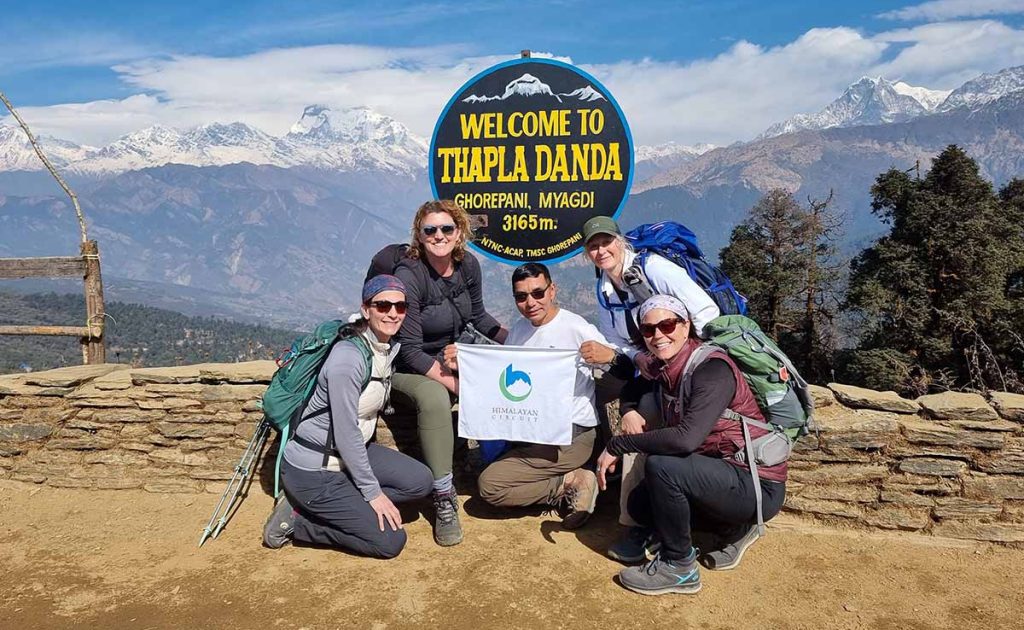
4 Clients with 1 Guide in Thapla Danda

Tourism Associations in Nepal play a vital role in shaping the country’s rapidly growing travel industry. Once known mainly for Mount Everest, Nepal has become a dream destination for travelers worldwide. Behind the scenes, these associations work hard to promote adventure, culture, and sustainable tourism — making Nepal’s tourism identity stronger each year.

Over the years, the tourism industry has expanded beyond trekking and mountaineering. It now includes adventure sports, cultural tourism, eco-tourism, and wellness travel. As a result, tourism contributes significantly to the national economy, creates employment, supports rural development, and connects Nepal with the global travel scene.

From the chaotic charm of Kathmandu and the scenic beauty of Pokhara to remote trekking routes and UNESCO World Heritage sites, travelers are often amazed by the experiences they can gain in such a small country.

Importance of Tourism Associations

Have you wondered how Nepal’s tourism industry stays organized, professional, and continues to grow? A big part of the credit goes to the country’s tourism associations. These organizations work behind the scenes to keep everything running smoothly.

They protect the interests of tour operators, guides, hoteliers, and adventure companies. At the same time, they help set quality standards, provide training, and ensure services are safe and reliable.

Tourism associations act as the glue that holds the entire travel industry together. Without them, it would be difficult to ensure quality, safety, and sustainability in this sector.

This blog explores the most influential organizations shaping Nepal’s tourism landscape.

Major Tourism Associations in Nepal

Nepal Tourism Board (NTB)

The Nepal Tourism Board is the national tourism organization, established in 1998. Its mission is to develop, promote, and market Nepal as a must-visit destination.

Since its formation, NTB has united the government and the private sector to promote Nepal through campaigns like “Visit Nepal.” It also helps boost local tourism entrepreneurs and create global visibility.

Nepal Association of Tour and Travel Agents (NATTA)

Founded in 1966 by forward-thinking travel professionals, NATTA is one of the oldest tourism organizations in Nepal. It is dedicated to strengthening Nepal’s tour and travel industry.

It represents a wide network of tour operators, travel agencies, and transport service providers across the country. NATTA also advocates for a better business environment and offers training programs to improve professionalism.

Hotel Association of Nepal (HAN)

HAN serves as the voice of Nepal’s hospitality industry. Its mission is to promote and strengthen hospitality services across the country.

Established in 1966/67, this non-profit organization works for the welfare of hoteliers. It ensures that hotels meet international standards while promoting sustainable practices. HAN also partners with the government and global tourism bodies to boost Nepal’s hospitality image.

Tourist Guide Association of Nepal (TURGAN)

TURGAN is a professional organization dedicated to the rights and welfare of licensed tourist guides and escorts. These individuals play a key role in welcoming and guiding visitors.

TURGAN promotes accurate information, ethical guiding practices, and enriching visitor experiences. In addition, it offers training and certification to ensure guides meet national and international standards.

Other Notable Associations

The Pacific Asia Travel Association (PATA) connects Nepal with broader Asia-Pacific travel trends and global markets.

The Trekking Agencies Association of Nepal (TAAN) represents trekking agencies. It ensures that trekking across the Himalayas is safe, well-regulated, and sustainable.

The Nepal Mountaineering Association (NMA) promotes mountaineering and coordinates climbing expeditions. It plays a major role in managing peak climbing activities.

For river adventures, the Nepal Association of Rafting Agents (NARA) supports rafting and kayaking operators. It promotes eco-friendly and safe practices in water sports.

The Tourism Entrepreneurs Women Association of Nepal (TEWAN) adds a gender-inclusive dimension. It empowers women through training, advocacy, and entrepreneurship support.

Together, these associations keep Nepal’s tourism industry thriving, exciting, and more inclusive than ever.

Driving Growth Through Collaboration

Nepal’s tourism industry depends heavily on the teamwork found within its associations. By bringing together diverse voices, these tourism associations in Nepal create a collaborative and innovative environment.

Their efforts build trust among stakeholders and provide stability in times of change. They also nurture talent and ensure long-term growth.

To conclude, it’s the people working behind the scenes — united by shared goals — who truly shape the future of tourism in Nepal.

Nepal Travel News: 57 New Peaks Opened for Climbing in 2024/25

Mountaineering in Nepal

Nepal, a global hub for climbers and trekkers, is once again elevating its adventure offerings. As part of its tourism development plans for the fiscal year 2024/25, the government has announced the opening of 57 new peaks for mountaineering in Nepal. This decision, approved by the Council of Ministers on October 7, follows recommendations from the Department of Tourism.

Why More Peaks Are Being Opened

Many mountains in Nepal remain unexplored due to their remote locations, harsh climates, or technical challenges. To promote tourism and offer more diverse options, the government is expanding access to a wider range of peaks. According to Rakesh Gurung, Director of the Adventure Tourism and Mountaineering Section, these newly opened peaks are intended to make mountaineering in Nepal more accessible to both beginners and seasoned climbers.

A Range of New Adventures

The 57 new peaks range from 5,000 to 6,500 meters in elevation. With this addition, Nepal now has 461 peaks open for mountaineering. Yet, this is just a fraction of the total — over 2,000 peaks in the country are suitable for climbing.

This expansion supports both tourism and local economies, while also drawing attention to lesser-known Himalayan regions.

Ideal for Beginners and Off-the-Beaten-Path Explorers

One of the highlights of these new peaks is their accessibility. Unlike Everest, Annapurna, or Manaslu, many of the newly opened mountains are lower in altitude, making them perfect for novice climbers or those looking for a new kind of Himalayan adventure.

These routes bring a refreshing twist to mountaineering in Nepal, offering moderate challenges and breathtaking landscapes with fewer crowds.

Notable Peaks Among the 57

  • Pathibhara South East (Taplejung): The highest among the new entries, located near the Kanchenjunga range.

  • Ghyambu Peak (Dolpa): The shortest of the group, this peak offers a unique experience in western Nepal.

Only eight of the 57 peaks are below 6,000 meters, but they are just as rewarding as their taller counterparts.

Explore With Himalayan Circuit 

Whether you’re taking your first steps in the Himalayas or seeking new trails, mountaineering in Nepal has never been more exciting. Himalayan Circuit offers guided climbs, personalized itineraries, and expert support to ensure your experience is both safe and unforgettable.

With the addition of these 57 new peaks, Nepal continues to establish itself as a paradise for mountaineers. This move not only diversifies adventure tourism but also supports sustainable travel by encouraging visitors to explore beyond the traditional routes.

So, if you’ve ever dreamed of standing on a Himalayan summit — now’s the time. Let the thrill of mountaineering in Nepal guide your next adventure.