Annapurna Region: How Altitude Gain Shapes ABC Trek

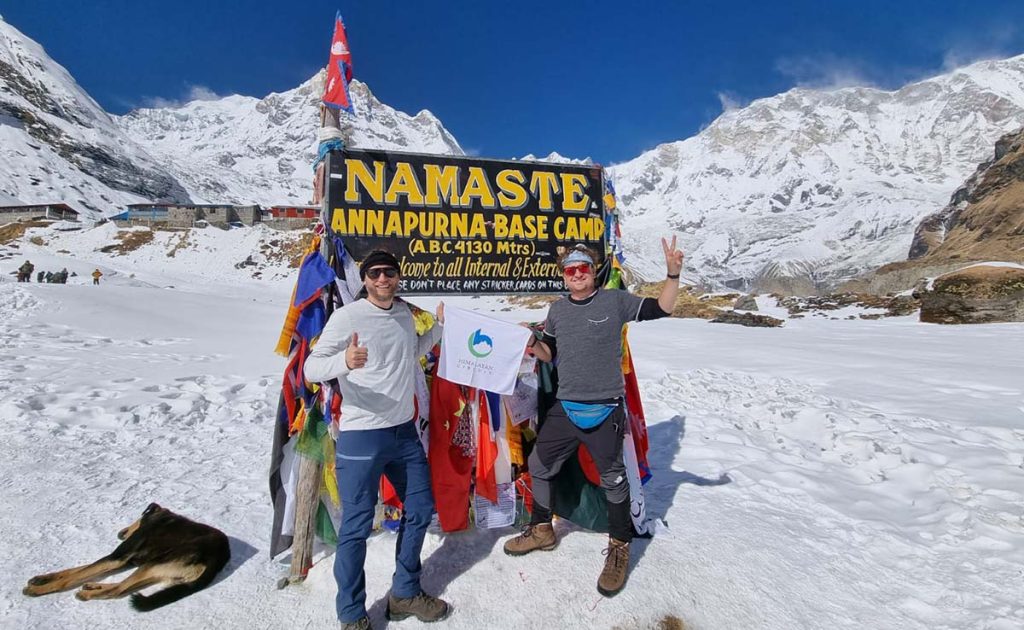
Two Trekkers holding himalayan circuit Banner in Annapurna Base Camp

Trekking to Annapurna Base Camp is more than just a mountain adventure — it’s a journey into the soul of Nepal. As you walk deeper into this natural masterpiece, glaciers begin to shine, rivers roar beside you, and the warmth of ancient villages keeps your spirit grounded. The gradual ABC trek altitude gain adds a quiet rhythm to the journey, shaping how you move, breathe, and experience the Himalayas.

The Annapurna Base Camp trek (ABC trek) showcases Nepal’s remarkable Himalayan landscape and rich cultural heritage. The route gains altitude gradually — from around 1,000 meters at the starting point to 4,130 meters at base camp — making the elevation itself a key part of the story. This slow but steady climb offers not only changing landscapes but also the chance to connect more deeply with nature and your own resilience.
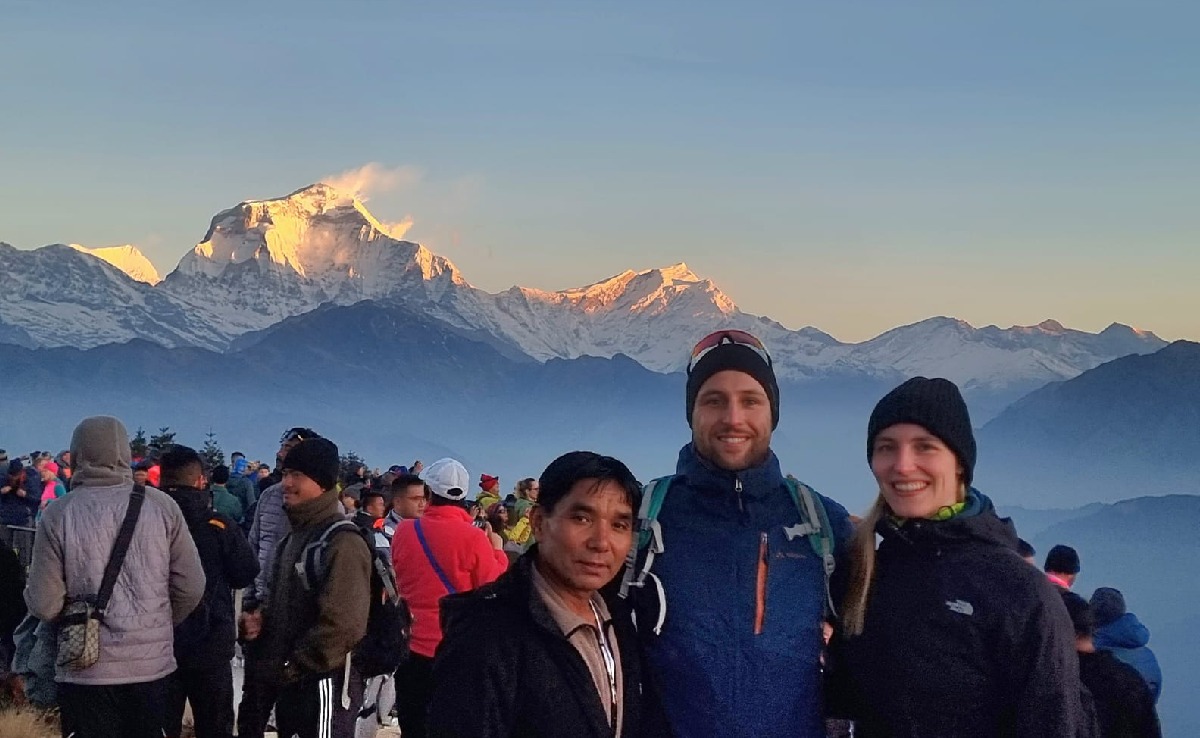
ABC trek altitude gain view from Poon Hill
One of the most rewarding altitude milestones: the golden views from Poon Hill.

Overview of the Annapurna Base Camp Trek

The ABC trek leads you to the base of Mount Annapurna, within the Annapurna Conservation Area in Gandaki Province. Depending on your chosen route and pace, you can complete the trek in 7 to 12 days.

The journey begins at Nayapul and winds through Gurung and Magar villages, offering a beautiful cultural experience along with the scenery. Highlights include the panoramic sunrise from Poon Hill, the sacred Machhapuchhre Base Camp, and the rejuvenating hot springs at Jhinu Danda.

Spring (March–May) and autumn (September–November) are the best times to trek — offering clear skies, pleasant temperatures, and vibrant rhododendron blooms or post-monsoon freshness.

Altitude Gain Throughout the Trek

The most fascinating part of the trek is the ABC trek altitude gain — how the elevation changes step by step, shaping both the physical experience and the surrounding environment.

Here’s a general breakdown of altitude progression:

Location Altitude (m) Approx. Gain
Nayapul ~1,010 Starting Point
Ulleri 2,070 +1,060 m
Ghorepani 2,840 +770 m
Poon Hill 3,210 +370 m (optional hike)
Tadapani 2,610 Descent
Chhomrong 2,170 Further descent
Sinuwa 2,360 +190 m
Deurali 3,230 +870 m
Annapurna Base Camp 4,130 +900 m

As you rise higher, your breath shortens, the air gets cooler, and the forested trails give way to alpine landscapes and the dramatic amphitheater of the Annapurna Sanctuary. Each elevation point carries its own sense of achievement.

Acclimatization and Health Tips

If there’s one golden rule for the ABC trek, it’s this: don’t rush.
Your body needs time to adjust to the changing altitude, and pushing too hard can risk altitude sickness — even below 4,000 meters.

Tips to stay safe and healthy:

  • Walk slow and steady, especially above 2,500 meters.
  • Stay hydrated — drink water frequently, even if you’re not thirsty.
  • Eat warm, digestible meals and avoid alcohol or heavy fried foods.
  • Rest when needed, and listen to your body.
  • Carry a basic first aid kit with essentials like Diamox, antiseptic cream, and band-aids.
  • If symptoms like headache, nausea, or dizziness appear — descend and inform your guide.

Altitude should never be taken lightly, but with awareness and care, it becomes part of the beauty of the trek.

Packing Tips for High-Altitude Trekking

When packing for the ABC trek, aim for function over excess. Every item should serve a purpose — because each gram adds up, especially when the air gets thinner.

Must-pack essentials:

  • Layered clothing (base layers, insulation, waterproofs)
  • Quality trekking boots and socks
  • Trekking poles (especially helpful for steep descents)
  • Warm jacket, gloves, and hat
  • Reusable water bottle or hydration bladder
  • Headlamp and power bank
  • First aid kit and personal meds

A manageable backpack lightens the strain on your body and lets you focus more on the scenery — not your shoulders.

The gradual altitude gain of the Annapurna Base Camp trek might seem like just numbers on a map — but in truth, it’s what gives the journey its rhythm. It’s a quiet force that shapes every part of your experience: the views, the pace, your breath, and even your thoughts.

The ABC trek is not just about reaching 4,130 meters. It’s about how you get there — with patience, presence, and deep respect for the mountains.

Let the altitude teach you humility. Let the landscapes remind you to pause. And let each step pull you closer to something more meaningful than just a destination.

The Best Trekking Trails in the Annapurna Region

Annapurana Base Camp

A walk in nature is like witnessing a thousand miracles. Trekking in Nepal gives you the chance to relax and awaken your inner spirituality, inspired by its natural beauty, cultural diversity, and the gracious hospitality of its people. 

Nepal is a dreamland for adventure lovers, with majestic mountains, gentle slopes, and fertile valleys. There is a vast variety of terrains, from steamy jungles and the lowlands of Terai to the highest peaks on earth. People of all ages and capabilities can trek in Nepal, choosing to climb to wild and lofty places or easy, short hikes.

The Annapurna trekking trails are considered some of the best in the world, thanks to the spiritual and visual experiences they offer. Snow-covered slopes, tropical jungles, bamboo forests, eco-systems, and a diversity of cultures make it a perfect trekking destination.

Located in the North-central part of Nepal, the Annapurna region includes 30 peaks higher than 6,000 metres. In 1950, Maurice Herzog became the first to reach the summit. The region is bordered on the East by the Marshyangdi River, the Kali Gandaki Gorge in the West, the Pokhara Valley in the South, and the Nepal-Tibetan border in the North. 

According to Hindu mythology, the mountain is the home of the goddess Annapurna, who nourishes her people with food and water.


What makes the Annapurna Trekking Trails so special?

Annapurna

Trekking is in between hiking and climbing: walking along a variety of trails with your equipment during the day and camping in the mountains at night. Trekking trails in Annapurna can take days or even weeks to complete depending on their length.

The trails here display environmental and cultural diversity, such as bamboo forests, tropical jungles, snow-covered slopes, and the humbling Himalayas. Here are some more reasons to visit this beautiful place:

  • The trekking trails in this region are very well protected and the authorities of Nepal are working hard to increase safety for tourists, especially in the case of medical emergencies.
  • The climate is mild during the trekking season, so you won’t get too hot!
  • There is a wide variety of accommodations in the Annapurna trekking region, from traditional tea house lodges to Western-style luxury hotels.
  • Visiting the snowy peaks, interacting with the local people, and experiencing the cultural and spiritual sites, such as Buddhist Stupas and Hindu shrines, are just a few of the experiences that will make the trip memorable.
  • Enjoy the delicious local cuisine, such as momo (Nepalese dumplings), nutritious soups, traditional Dal bhat and yak burgers.
  • The Annapurna region is a great place for trekkers of all levels of experience. 
  • The area offers affordable prices.


Top Trekking Trails in Annapurna:

Trekking in Annapurna region

The Annapurna Sanctuary is a short and easy trek that takes you up to 1,130 metres in altitude and offers comfortable accommodation. Starting in Pokhara it passes rhododendrons, birches, oaks, and bamboo plants. Upon reaching the Sanctuary, you can see Machhapuchre, Fang, Gangapurna, Annapurna I, moraine fields, and glaciers.

ThorangLa Pass

The Annapurna Circuit trek is considered one of the world’s classics as you pass through conifer forests, murky jungle rivers, and ice wastes. The snow-covered Thorung La Pass (5,416m), the Hindu holy site Muktinath (3,750m), river gorges, and Buddhist pilgrimage sites make it one of the best trekking destinations in the world.

Poon Hill

The Poon Hill trek offers beautiful forests, enchanting villages and stunning mountain views that showcase what trekking in Nepal has to offer. Seeing the sunrise passing through the shining Annapurna I (8,091m), Himchuli (6,441m), and Fishtail (6,993m) is the major highlight of this trek. Poonhill itself is another major attraction. 

  • Tilicho trek

Tilicho Lake

The Tilicho trek gives you the chance to explore the highest lake in the world. Trekking starts from Manang and continues through pine forests and screed slopes to a pass at 5,005m with spectacular views of the lake. It is one of the finest routes in Nepal, combining a varied landscape, people, culture, and many waterfalls.

  • Khopra Ridge trek

Landscape view of Himalaya

The Khopra Danda trek offers a peaceful journey through beautiful villages, lush forests, and lofty viewpoints alongside Annapurna South. The main attractions are views of Dhaulagiri (8,167m) and Khayer Lake (4,600m).

  • Nar-Phu trek

Trekking in mountains

The trail follows wild and difficult terrain that is particularly suitable for braver trekkers. Attractions include narrow gorges, yak herding, stone houses, prayer flags, Kang La Pass and high mountains. Trekkers also call it Kang La Pass trek, as you need to cross it at 5,320m.

The Annapurna trekking trails appeal to those seeking an adventurous journey in the Nepali Himalayan region while experiencing diverse scenery, geology, and climates. Check out the Himalayan Circuit website if you are looking for exciting trek packages in the Annapurna region. 

Pack your bags and get ready to witness the unexpected beauty of these natural wonders in Nepal!