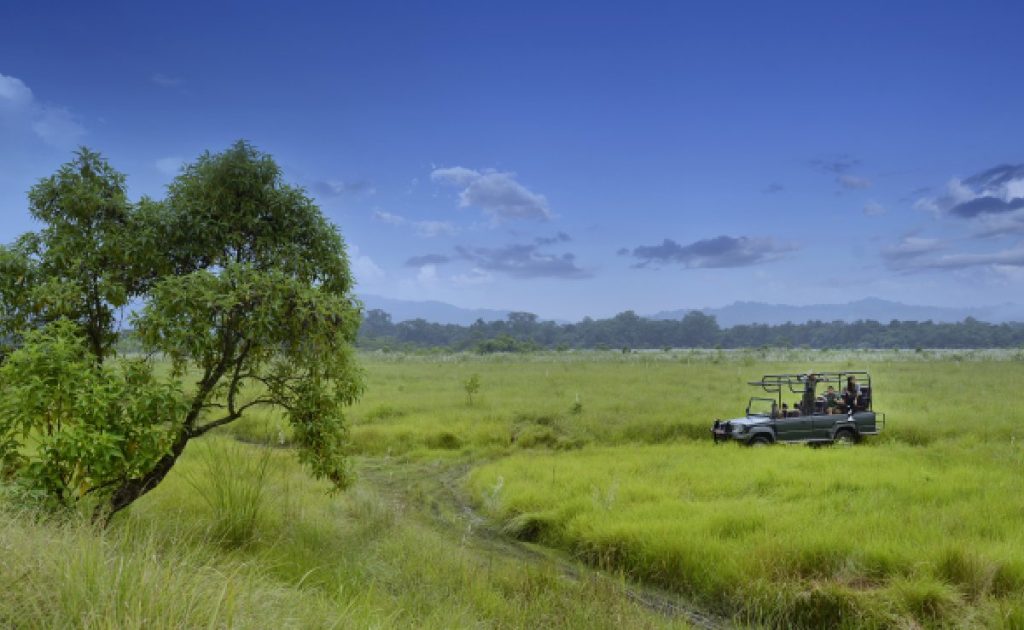
Kathmandu Diary: 10-Day Kathmandu & Chitwan Tour Experience

kathmandu-and-chitwan-10-day-tour

Nepal is a land of captivating history, culture, and wildlife, and if you’re looking to explore it all without trekking, the perfect combination of Kathmandu and Chitwan National Park awaits you. In  this Kathmandu and Chitwan 10-day itinerary takes you through the spiritual and historical heart of Kathmandu and then immerses you in the natural beauty and wildlife of Chitwan. Whether you’re a history buff, wildlife lover, or simply looking to experience Nepal’s best, this journey has it all.

Day 1-3: Explore the Heart of Kathmandu

Kathmandu, the vibrant capital of Nepal, is a treasure trove of ancient architecture, sacred temples, and lively markets. As the starting point of your adventure, Kathmandu offers a chance to immerse yourself in Nepal’s rich cultural heritage.

Must-Visit Cultural Sites in Kathmandu

  • Pashupatinath Temple: As one of the holiest Hindu temples in Nepal, Pashupatinath is located on the bank of the Bagmati River and draws thousands of pilgrims each year. The intricate temple architecture and the spiritual ceremonies make it a must-visit spot. It’s an unforgettable place for anyone interested in Hindu culture and rituals.
  • Swayambhunath Stupa (Monkey Temple): Swayambhunath, also known as the Monkey Temple, is perched on a hill offering panoramic views of Kathmandu. Surrounded by monkeys, prayer flags, and statues of Buddha, this site gives you insight into Nepal’s Buddhist culture. The serenity of the place makes it a peaceful stop on your journey.
  • Boudhanath Stupa: This massive stupa is one of the largest in Nepal and a significant Buddhist pilgrimage site. It’s a beautiful spot for reflection, with visitors walking around the stupa while chanting mantras and spinning prayer wheels. The site is lively, spiritual, and visually stunning.
  • Kathmandu Durbar Square: This UNESCO World Heritage Site is home to historic palaces, temples, and courtyards. Despite the damage caused by the 2015 earthquake, the square still holds immense cultural value, offering insight into the grandeur of Nepal’s royal past.

Day Trips to Patan and Bhaktapur:

  • Patan: A short trip from Kathmandu, Patan is known for its stunning temples, the grand Durbar Square, and traditional Newari architecture. Patan Museum, located in the square, is home to exquisite collections of religious art.
  • Bhaktapur: This medieval city, famous for its well-preserved architecture, is perfect for history enthusiasts. Explore the narrow alleys, temples, and pagodas that make Bhaktapur feel like stepping into the past. Don’t miss the iconic Bhaktapur Durbar Square and its beautiful brick architecture.

Day 4-6: Wildlife Adventure in Chitwan National Park

Next, it’s time to head south to Chitwan National Park, Nepal’s first national park and a UNESCO World Heritage Site. Located in the southern Terai plains, Chitwan offers one of the best wildlife safaris in Asia, known for its incredible biodiversity and thrilling wildlife encounters.

Wildlife Adventures in Chitwan National Park

  • Jeep Safaris: Explore Chitwan’s wildlife-rich jungles on an exciting jeep safari. You’ll have the opportunity to spot the rare one-horned rhino, Bengal tigers, wild elephants, deer, and a variety of birds. A knowledgeable guide will take you through the park, sharing fascinating details about the park’s ecosystem.
  • Canoe Rides: A canoe ride on the Rapti River is a peaceful way to observe the park’s wildlife. Glide along the water and catch glimpses of crocodiles sunbathing on the banks, as well as various bird species. It’s a tranquil experience that complements the thrilling jeep safaris.
  • Cultural Visit to Tharu Villages: Chitwan is also home to the Tharu people, an indigenous group with a unique culture and way of life. Visiting a Tharu village offers a chance to see traditional dance performances, sample local food, and understand their ancient customs. It’s an enriching cultural experience that adds depth to your Chitwan visit.

Day 7-10: Return to Kathmandu & Scenic Views of the Himalayas

After your wildlife adventure in Chitwan, return to Kathmandu for a relaxing end to your trip. You can spend a few more days soaking in the city’s energy or take a scenic day trip to Nagarkot.

Optional Day Trip to Nagarkot

For a stunning view of the Himalayas, a trip to Nagarkot is highly recommended. Located just 32 kilometres from Kathmandu, Nagarkot offers breath-taking sunrise views of the Himalayas, including Mount Everest on clear days. The views of the snow-capped peaks in the morning light are the perfect way to wrap up your Nepal journey.

Why You Should Visit Kathmandu & Chitwan

This 10-day Nepal itinerary offers the perfect mix of culture and adventure. From the temples of Kathmandu to the wildlife safaris in Chitwan, you’ll experience the best of both worlds. This trip is ideal for travelers who want to dive into the country’s rich cultural heritage and explore its natural beauty, all without needing to trek.

  • In Kathmandu, explore ancient temples, royal palaces, and vibrant squares that will leave you in awe of Nepal’s spiritual and architectural heritage.
  • In Chitwan, embark on an unforgettable safari through dense jungles and enjoy sightings of endangered species in one of the world’s most famous wildlife reserves.

Whether you’re capturing the stunning architecture of Kathmandu or spotting wildlife in Chitwan, this adventure will offer you a truly diverse and enriching Nepalese experience.
Spiritual & Wellness: Sacred Ponds – A Journey of Peace in Kathmandu

Tourism association in Nepal

Kathmandu Valley is a picturesque city that originated in the lakes. The valley was once home to a lake filled with snakes called Nagdaha, according to mythology. Legend has it that Manjushree drained it.

Ponds were built in Kathmandu primarily to supply water to stone spouts and deep wells all year round. Indigenous people in the valley preferred to build ponds within their settlement areas to beautify the landscape and organize their activities. 

Kathmandu Valley’s water system is considered one of its most impressive technological achievements. This system uses underground clay pipes to supply water to hitis (water spouts) from ponds fed by monsoon rains or water canals. 

There were several ponds constructed during the architecturally rich eras of the Lichhavis (second to ninth centuries) and the Mallas (14th to 16th centuries). The valley is home to more than a hundred ancient lakes and ponds.

Some major Ponds of Kathmandu Valley include:

  • Taudaha (Chobar):

Located some 6 km southwest of Kathmandu, Taudaha pond is not only of cultural significance but also has a diverse flora and fauna. “Ta” means snake and “Daha” means lake. The name is derived from tribal people in Nepal, the Newaris.

Taudaha is a pilgrimage spot both for Buddhists and Hindus in Nepal. The pond is the valleys only remaining natural lake that provides habitat to a large number of wetland birds, making it an important ecological resource. 

Taudaha pond is a wetland that is recharged naturally by nearby water sources, making it a great place for a quiet, relaxing time alone or with friends. Taudaha pond also has a variety of fish and migratory birds.

  • Nagdaha (Dhapakhel):

Nagdaha is a mysterious pond about 4.5 km from Satdobato, in Dhapakhel village. Nagdaha is a beautiful lake of great religious importance, believed to have been originated from a stone tap within the Gaukhureshwar temple on the north-west shore.

Nagdaha pond are known as natural habitats for migratory birds, aquatic plants and fish. The pond offers beautiful views of Phulchoki, Santaneshwar and Kotadada, as well as sunsets and sunrises. This pond can be a fascinating experience as it is surrounded by mountains, trails, forests and temples.

  • Siddhapokhari (Bhaktapur):

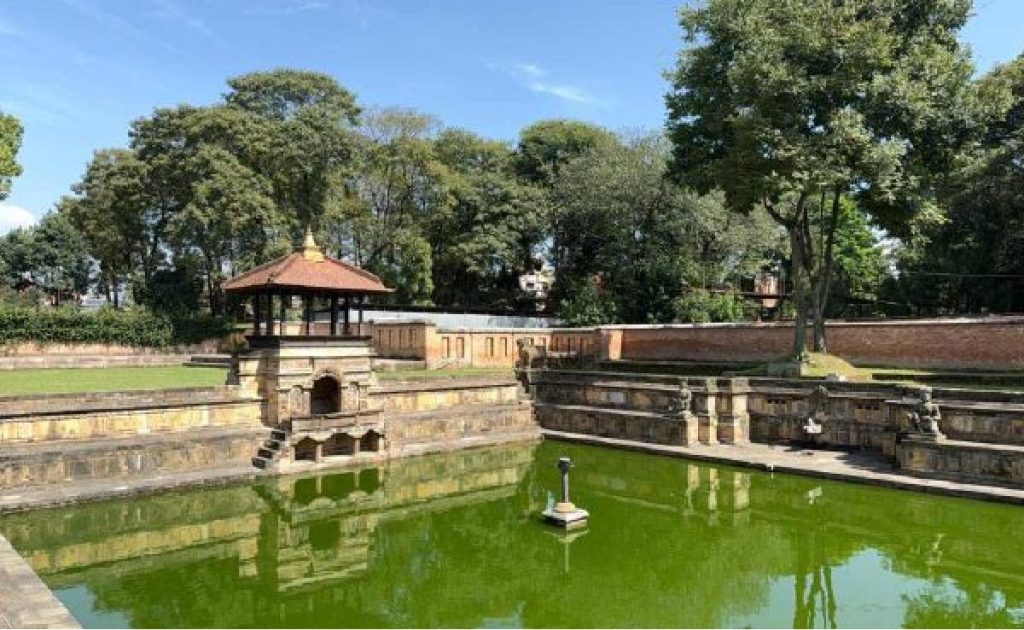
Siddha Pokhari is a rectangular artificial lake located near Bhaktapur Durbar Square’s main entrance. Built in the 15th century, it is one of the oldest and most traditional ponds in Kathmandu. 

There are intricate stone carvings and traditional architecture surrounding the pond, which is believed to have been used for religious and ceremonial purposes. 

The calm and peaceful pond allows you to relax while feeding the fish and enjoy the silence. Visitors and locals alike enjoy the historical significance and beauty of Bhaktapur’s pond.

  • Pim Bahal Pokhari (Patan):

Pim Bahal Pokhari is a large pond surrounded by buildings in Patan. It was built in the 14th century and is one of the most well-known historical ponds in the city. Using rainwater and the support of the community, Pim Bahal Pokhari is the only pond in the area that runs on rainwater.

Pond’s pool represents their ancestral heritage. There’s a Chandeshwari temple built in 1663 on the north side of the pond, and a stupa near Pimbahal pond. A visit to the area is worth it because of its historical significance and cultural appeal.

  • Ranipokhari (Kathmandu):

Located in the heart of Kathmandu, Nepal, Ranipokhari is a historic artificial pond. There are much religious and aesthetic significance to the pond, one of Kathmandu’s most famous landmarks. 

King Pratap Malla built Rani Pokhari in 1670 AD to console his grieving queen after their son was trampled to death by an elephant. The pond was sanctified by collecting water from several holy sites and confluences in Nepal and India, such as Gosaikunda, Muktinath, Badrinath, and Kedarnath.  

The Ranipokhari fence features an elephant and a statue of King Pratap Malla, queen, and son. Each year, Rani Pokhari is opened on Bhai Tika, the last day of the Tihar and Chhath festivals. 

  • Nagpokhari (Kathmandu):

Naag Pokhari is a historic artificial pond situated on the eastern side of the Kathmandu. Queen Subarna Prabha constructed the pond during the 17th century.

About 125 feet long, 65 feet wide, and 7 feet deep, this pond has a surface area of 125 feet square. A golden snake statue is centered on a pond surrounded by a park. 

  • Kamalpokhari (Kathmandu)

The Kamal Pokhari Lake holds centuries of history and culture in Kathmandu, Nepal. According to legend, Kamal Pokhari was built during the Lichchhavi era. The lake has served many purposes over the centuries and is popular with Kathmandu residents.

‘Kamal Pokhari’ is more than a pond; it symbolizes Nepal’s rich heritage and history. Kamal Pokhari, a natural pond in Hattisar named for the lotus that once bloomed in its waters, has recently become the site for Chhath celebrations throughout the country, including the President.

Sacred ponds in Kathmandu Valley are more than just picturesque bodies of water – they are museums of cultural and religious history. The labyrinthine streets of Kathmandu are dotted with ponds, which stand as timeless witnesses to this enchanting region’s spiritual legacy.

Exploring these sacred ponds is a journey into Nepal’s soul, as they evoke rich mythological tales and the unwavering faith of its people. Visit these sacred ponds of Kathmandu Valley with the Himalayan Circuit trek and discover Kathmandu’s culture and spiritual heritage.

Spiritual & Wellness: Ganeshthan – A Spiritual Journey in Kathmandu

The city of Kathmandu has many monuments, temples, monasteries, and stupas associated with its traditions and cultures. A beautiful city surrounded by hills and an idyllic landscape, this city has a rich history and is the epitome of art. 

Lord Ganesh, also known as the god of wisdom, is one of the most revered of all gods and is worshipped with much devotion and fervor. The presence of his divine presence ushers in wisdom, knowledge, and prosperity for devotees. 

Kathmandu Valley is home to many ancient Ganesh temples, which have provided spiritual inspiration and solace for centuries. Ganesh temples can be found throughout the valley, each with its own religious and traditional significance. 

So, let’s embark on a journey with Himalayan Circuit Treks to explore these mystical temples and discover Nepal’s deep-rooted reverence for Lord Ganesha. The major Ganesh temples in Kathmandu Valley includes:

  • Ashok Binayak Temple (Maru Ganesh):

A Hindu temple called Ashok Binayak (Vinayaka) is located in Maru Tole on the eastern side of Kathmandu Durbar Square. Hindus worship Lord Ganesh here as the god of luck. Maru means “does not have” in the Newari language, which came from this temple. 

The temple is small but holds great significance culturally and religiously. According to legend, devotees who offer 21 or 108 sesame laddus to this temple will receive their wishes. Also, it is believed that worshipping Ganesha will ease one’s grief. 

On Tuesdays and special occasions, such as Dashain and Indra Jatra, the statue is covered with a metallic cover made of silver and other metals. 

  • Chandra Binayak (Rakta Binayak):

Chandra Binayak (Vinayak) temple, also known as Chabhil Ganeshthan, is considered one of the four famous Binayakas of the valley. The temple is located on the main street of Chabahil, Kathmandu, very close to the Chabahil stupa. 

Chandra Binayak is also known as Rakta Binayak, “rakta” means blood, and Chandra Binayak is believed to cure diseases and external injuries. Devotees often visit this temple on Tuesdays as it is Lord Ganesh’s day.

Since Ganesh is a popular Hindu deity, Hindus begin every good deed by praying to him. Those who worship Chandra Binayak are always happy and healthy.

  • Surya Binayak:

Surya Binayak (Vinayak) is a Hindu temple located on the southern hill of Bhaktapur district, Nepal. The temple is believed to be a very old Ganesh temple (about 1500 years ago during the Lichhavi period by King Vishnu Dev Barma) and it has great historical and cultural significance. 

According to legends, Surya Binayak Ganesh temple is known as the curing god, especially for deaf and dumb children. Ganesh is often prayed to by newlywed couples, students, and businessmen after fulfilling their wishes at this temple by distributing 108 laddus (one of his favorite sweets).

  • Jal Binayak:

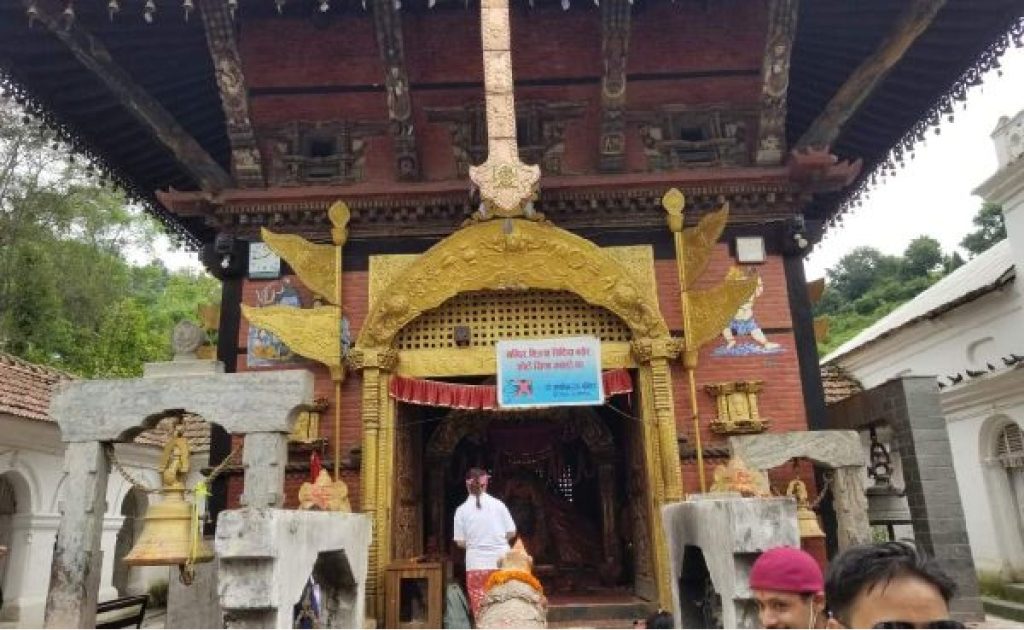
The Jal Binayak (Vinayak) temple is located in Chobhar of Kathmandu Valley, built in 1602 by Shiva Singh Malla. The temple has a roofed structure with very artistic struts and lion and mouse statues set in front.

According to the legends, the stone idol of Lord Ganesh emerged from the water at Jal Binayak temple. The idol was therefore called Jal Binayak, as Jal means water.

The temple attracts thousands of devotees who visit to take Lord Ganesh’s blessings and remove their obstacles in life.

  • Kamaladi Ganesh Temple:

Kamaladi Ganesh is also known as White Ganesh and is a prominent Ganesh temple in Kathmandu valley. On Tuesdays, there are thousands of people in the temple, making it feel like a festival day. The people believed that the main deity of the temple was found in the paddy fields. It was discovered that the idol was one of the Kathmandu Valley Pitha Ganeshas.

There is a regular pooja held in the temple every morning with flowers, tika (vermillion powder), rice, lights, and other items used in poojas. Every evening, the temple holds an evening aarati, which means offering lights to Lord Ganesh. Visiting the temple is possible at any time of year, especially on Tuesdays.

  • Karya Binayak Temple:

The Karya Binayak Temple is a Hindu temple in Lalitpur District, about 10 kilometers south of Kathmandu. ‘Karya Binayak’ means ‘Work Ganesh’ (Karya = Work and Binayak = Ganesh). 

According to legend, Karya Binayak was established to bring good luck to the Rato-Machindranath temple that was about to be built. Karya Binayak is brought to Rato Machindranath and revolved three times around the temple before being brought to the Priest’s home.

It is common for people to worship Karya Binayak before beginning any new project, work, or endeavor. According to faith, Tuesday and Saturday are auspicious days to visit the temple.

Other major Ganesh temples in Kathmandu Valley:

There are some other Ganesh temples in Kathmandu Valley that includes: Tindhara Ganesh Temple, Kopeshwor Ganesh Temple, Ranipokhari Ganesh Temple, Siddhi Ganesh Temple, Sano Gaucharan Ganesh Temple, and Lokanthali Ganesh Temple.

Ganesh temples in the Kathmandu Valley are more than just places of worship; they are sanctuaries of peace, devotion, and spiritual awakening. The ancient temples in Nepal bear witness to Nepalese faith and reverence for Lord Ganesha.

You can gain an understanding of Nepalese people’s respect for Lord Ganesha by exploring these sacred shrines and traversing the labyrinthine streets of Kathmandu. The divine presence of God offers solace, hope, and belonging to all who seek it.

You will have a deeper connection with the divine when you visit these temples when you nurture your faith with love and devotion. So, get ready to visit the Ganesh temples around Kathmandu valley with Himalayan Circuit Treks to seek Lord Ganesh’s blessings.

Spiritual & Wellness: Narayan Temple – Spiritual Journey in Kathmandu

In ancient times, it was believed there were more temples in Kathmandu than houses, as well as more statues of gods and goddesses than people. Kathmandu Valley’s rich culture with over 6000 temples, majestic buildings, monuments, arts, museums, etc makes it one of the world’s greatest cultural destinations.

Narayana Temple is located among the thriving and culturally vibrant streets of the Kathmandu and comes to represent the rich cultural heritage of the region. Due to its rich history, magnificent architecture, and peaceful atmosphere, the ancient temple is a significant place of worship for pilgrims from around the World.

Lord Vishnu, one of the major deities of Hinduism, is worshipped in many temples around Kathmandu, including Budhanilkantha Temple and the four famous Narayana temples dedicated to his Narayana form. According to the legends, the four Narayan temples at the four corners of the city are believed to protect the valley from evil. 

According to legends, in ancient times, to ensure Kathmandu’s prosperity, the rulers ordered the placement of Vishnu/Narayan Shrines at all cardinal points of Kathmandu valley from which the gods could watch and protect the valley. Here are the lists of 5 major Vishnu temples located in Kathmandu valley. 

  • Budhanilkantha Temple at the base of Shivapuri Hill

The Budhanilkantha Temple is a Hindu open-air temple dedicated to Lord Vishnu located below Shivapuri Hill in Kathmandu Valley. The temple, also called Narayanthan, is dedicated to Lord Vishnu, and you can see a floating statue of Lord Vishnu surrounded by water on all sides.

The Lord Vishnu stands five meters (17 fits) tall and is enshrined in a tank thirteen meters (43 fits) long with his legs crossed and his sleeping body resting on Ananta’s coils and 11 hooded heads. Vishnu holds four symbols in his four hands: the Shankha as a conch shell, the Chakra as a disc, the Gada as a club, and the Padma as a lotus flower.

There are thousands of pilgrims visiting the temple every year during Haribondhini Ekadashi on the 11th day of the Hindu month of Kartik (October – November). Every year, Budhanilkantha also holds a big fair to mark the auspicious dates of Ekadashi, Harishayani, and Haribodhini, which mark the Hindu belief of Lord Vishnu’s four-month sleep.

  • Changu Narayan Temple at Bhaktapur:

The Changu Narayan Temple lies about 15 kilometers east of Kathmandu in the Bhaktapur district of Nepal and is a UNESCO World Heritage Site. The Changu Narayan Temple is among the finest examples of Lichhavi art and architecture in Nepal, and it is also the oldest temple in the country.

The Changu Narayan Temple is treasure hub with statues, inscriptions, and ornaments, and is a popular tourist destination and pilgrimage site. The carvings of Lord Vishnu’s eleven avatars and other deities simply provide a visual delight.

Changu Narayan Temple is a unique example of Hindu and Buddhist religious sites coexisting with symbolic and artistic values closely tied to legends, rituals, and festivals. The temple is often visited during Harishayani Ekadashi in Ashadh and Haribodhini Ekadashi in Kartik by many devotees. However, you can the temple all year round.

  • Ichangu Narayan at Nagarjun Hill

There are many hidden gems in the Kathmandu Valley, and Ichangu Narayan is certainly one of them. The Ichangu Narayan temple is situated about 3km northwest of Swayambhunath. It is dedicated to Vishnu in his incarnation as Narayan, which means ‘the eternal man’. 

This temple is magnificent and has an extremely peaceful and authentic atmosphere. In addition, the path to Ichangu Narayan is very nice and well-preserved. This temple can be visited all year long, but it becomes spectacular during Tihar when marigold flowers bloom on the perfectly bent hills. 

  • Bishankhu Narayan at Godawari

Bhishankhu Narayan at Godawari, Kathmandu is said to have been built between 43-143 AD by Lichhavi king Haridutta Varma at Bandegoun. The object of worship is a plain rock at this temple, which is relatively simple. There are rich water resources around the temple, as well as thick forests surrounding it.

In the temple, there is a tiny gap between the rocks where the locals believe that you can determine your status as a sinner based on the stone. The gap is said to create either gluttony or arrogance in those who get stuck in it. 

During the festival of Thulo Ekadashi in Kartik, the temple is particularly popular among local devotees. However, you can visit the temple all year round as the view from this temple is scenic and pleasant.

  • Shesh Narayan Temple at Pharping

Sheshnarayan temple lies under a cliff face just outside the medieval town of Pharping, sharing its boundary with Rigzin Drubte Ghatshal monastery, the oldest Buddhist monastery in the town. This combination of sacred sites in the same place explains why religion has been tolerated in Nepal since the beginning of time.

A few statues carved during the Licchavi period are on display in the courtyard, including lively representations of Garuda and Hanuman. There are many koi carp in the surrounding ponds, as well as an arch-framed image of Aditya, which is submerged in the water. You can visit the temple all year around. 

The Narayan Temple of Kathmandu Valley combines history, architecture, and spirituality in a mesmerizing way. The ancient walls of this place and the sacred air that fills the air make you part of a lifelong narrative that transcends space and time. 

Whether you are a history enthusiast, architecture enthusiast, or spiritual seeker, you will find that visiting the Narayan Temple is an unforgettable experience that will transport you back in time. So, explore the religious aspect of Nepal, visiting the Narayan Temples of Kathmandu valley with the Himalayan Circuit Treks. 

Festivals & Culture: Chhath Parva – Festival to Worship the Sun God

Chhat is a four-day festival celebrated by the people of Terai region of Nepal each year during the month of Kartik-Mangsir (October – November) on the fourth day of the lunar calendar to commemorate the Sun-god. This festival celebrates the rising and setting of the sun. 

A celebration of this festival is held to thank God for supporting life on earth and to ask for the blessings of God’s divine Sun god and his wife. The Hindu religion believes that the sun provides health benefits, progress, positivity, prosperity, longevity, and well-being. 

Nepalese celebrate Chhath mostly in the Terai region, which involves holy baths, fasting, abstinence from drinking water (Vratta), standing in water for long periods of time, and making prayers to the setting and rising suns.

The rising and setting sun are worshiped according to Vedic tradition. There is also a belief that bathing and worshipping the Sun heals skin diseases. Furthermore, Chhath practice improves the immune system of the devotee.

History of Chhath Puja

A Chhath Puja is an occasion dedicated to purity, devotion, and offering prayers to Sun God. Its origin is uncertain, but certain beliefs associate it with the Ramayana and Mahabharata epics.

It is believed that Lord Rama initiated Chhath Puja. Lord Rama and Sita observed a fast in honor of the Sun god upon returning to Ayodhyana. The ritual is subsequently evolved in Chhath Puja.

Karna, a famous character from the Mahabharata, is said to be the child of the Sun god and Kunti. It is beleived that Karna used to offer prayers while standing in the water. Another story mentions how Draupadi and the Pandavas also performed similar pujas to restore their kingdom.

Rituals Involved in Chhath Puja

  • First day: Nahaye Khaye (first day):

Nahaye Khaye marks the beginning of Chhat Parva, which means bathing and eating. The day is celebrated by cleaning houses, taking baths, and offering prasad to the sun god. Following the offering to Lord Suriya, the whole family eats prasad together.

  • Second Day: Rasiaav-Roti or Rasiya Roti:

Chhath Parva’s second day is known as Rasiya Roti or Rasiaav Roti, and it is one of the hardest days of the festival. Devotees do not eat or drink anything until sunset. 

As the sun sets on the second day of the festival, devotees break their fast by eating Kheer (rice pudding), Puris, and fruits after presenting offerings to the setting sun in large bodies of water. 

The fast continues for two more days without even drinking water.

  • Third Day: Sandhya Arghya:

Families and worshipers prepare offerings or “Prasad” at home for the main day of the festival, which is preceded by pujas around the home. Devotees worship the setting sun on this day and make offerings reflecting their beliefs. 

Families and worshipers decorate the Arghya with fruits, thekuas, and rice laddus to be offered to the setting sun during the Chhath puja performed along the banks of various water sources during this day. 

The devotees also offer jal (‘holy water’) and milk to the setting sun, and after the sun has been worshipped, they perform a Varta Katha and sing songs about Chhathi Maiya. 

Fasts are not broken on this day, and are continued until the next day.

  • Fourth day: Usha Arghya:

On the final day of the festival, families, and worshippers visit riverbanks before sunrise to offer “Prasad” to the rising sun. Devotees take elders’ blessings after offering prayers to the Sun. The festival concludes after the offerings have been presented and the fast has been broken.

It’s Significance in Nepalese culture

Originally celebrated by the Mithila community in the Terai region of Nepal, Chhath Puja is one of the great festivals that Nepalese love and respect. 

Chhat pujas not only bring harmony to society but are also eco-friendly, as they don’t add pollution to the environment. Instead, they appreciate the natural resources, like rivers, being cleaned and decorated.  

Practicing Chhath Puja will help in healing the soul and bringing mental purity and peace as well as educating us about respecting what nature has given us freely. The Sun is worshipped at sunrise and sunset, as the Sun’s safe radiation boosts the body’s immunity power during that time.

Devotees can also attain mental peace through Chhath Puja, which eliminates all the negative energy and rage, as well as experience healing and purification through prayer.

Final Words:

Visit Nepal during October/November if you want to experience the charm of Chhath Puja. Enjoy the joy of Tihar, the festival of lights, and then take part in Chhath Puja alongside devotees. Experience Nepal’s festivals, cultures, traditions, and way of life during the festival season with the Himalayan Circuit.


Festivals & Culture: Explore the Tihar Festival and Its Traditions in Nepal

Tihar Festival, also called Deepawali and Yamapanchak in Nepal, is the second largest Hindu festival after Dashain. The five-day festival is also known as the Festival of Lights, one of the most popular festivals in Nepal. There is a special significance to each day of the festival.

Tihar festival celebrates the victory of God over the demons and has a rich history dating back to ancient times. During this festival, cows, crows, and dogs are also worshipped as these animals are believed to be gifts from Mother Nature. Tihar also worships Goddess Laxmi, the goddess of wealth and luck.

Tihar symbolizes the victory of humanity over darkness. Therefore, it is also considered to be one of Hinduism’s most friendly and enjoyable celebrations. 

Celebrations of the Tihar Festival

Tihar Festival has no formal ceremony, and it is similar to other festivals around the world, like Christmas and New Year. The festival of lights begins with cleaning and painting houses and rooms in honor of the gods and goddesses. 

Families and merchants decorate their homes and stores with colorful lights, and fireworks are displayed in the sky at night. Nepalis pay special homage to Laxmi in the evening, the goddess of wealth and luck, as well as offer praying to the gods for prosperity and health.

After the puja, people of all ages gather in groups on the third and fourth days of Tihar and exchange singing and dancing performances on the traditional Nepali songs Deusi and Bhailo. The performers receive blessings, especially from the elderly, and are given fruit, flowers, and money.

Tihar celebrates the bond between brothers and sisters on Bhai Tika, the last day of the festival. While praying to Lord Yama, sisters pray for their brothers’ long and prosperous lives. It is also a time of reunion and greetings between friends and relatives during this festival. 

Eachy day of Tihar has its own significance:

Day 1 – Kaag Tihar: 

Kaag Tihar marks the beginning of Tihar. Kaag means crow in Nepal and is regarded as a “bad messenger”. Crows are worshipped in Nepali society as the “Messenger of Death” and people offer grains, rice, and water to the crows. They are made happy to avoid bad news in the future.

Day 2- Kukur Tihar: 

Kukur Tihar, also known as Dog Tihar, falls on the second day of the Tihar festival. Nepalis worship dogs on this day because dogs are believed to be the protectors and guides of their souls. A garland of marigold flowers is placed around their necks, and delicious food is served to them. Dog festivals are very popular among tourists, as they demonstrate the bond between humans and dogs.

Day 3- Gai Puja/ Laxmi Puja:  

Tihar’s third day celebrates Gai (Cow) Tihar and Laxmi Puja, the worship of cows and goddess Laxmi. This is a day when cows are worshipped. The rites of worshiping cows include feeding them grass, decorating them with garlands, and affixing tikas to their foreheads. Cows are worshipped to welcome good fortune and prosperity.

Afterwards, everyone prepares for the Laxmi puja by cleaning the houses, lighting deeyas, hanging lights, and praying in the evening. Offerings of sweets, fruits, and Sel Roti (sweet rice bread) are made in front of the statue or frame of Goddess Laxmi. The young girls and boys go to play deusi bhailo after the puja.

Day 4- Govardhan Puja/ Mha Puja: 

Tihar is also a time to worship the ox, regarded as an important domestic animal, especially for farmers. They are worshiped and given fresh grass to eat. Cow dung is also worshipped during Govardhan Puja as a symbolic representation of Govardhan Mountain.

A self-worshipping festival is performed by the Newar community in Kathmandu, known as Mha Puja. Newars celebrate the start of the new year by performing pujas for themselves.

Moreover, boys and girls gather together at night to play Deusi by visiting the neighborhood. It usually involves a boy singing a song and chanting some story about the Tihar festival while a group of people rally around him. For a whole night, they visit houses in the community, collect some funds, then divide them among themselves or use them for some social welfare purpose.

Day 5- Bhai Tika:  

The final day of Tihar is Bhai Tika, which is also filled with love between brothers and sisters. Sisters prepare on this day by wearing clean clothes, cooking, and preparing tikas and garlands. Meanwhile, the brothers purchase gifts for their sisters and change into their best attire.

The sister first applies a white tika base, then adds seven different colors. Following that, they are adorned with fresh garlands and given Sel rotis, milk, and sweets.

There is a great significance behind this day. Sisters present tikas and garlands to their brothers as a way of protecting them. A gift will be given to the sister as a token of appreciation for this gesture.

Final Words:

Everybody enjoys the festival, and you can experience it in Nepal. There is a wonderful smell of sel roti, a view of kites flying in the sky, and melodious voices of youths singing.

Tihar is more than just a scene of prosperous light; it represents a spiritual journey as well. Crows will lead the way, dogs will guard the entrance to the underworld, cows will help us cross the wicked river Styx, and we will go up to Yama for judgment.

Visit Nepal this year and experience the festival of lights with the Himalayan Circuit.

Kathmandu Diary: Local Sacred Temples in Kathmandu Valley

When you think of Kathmandu Valley temples, you probably think of Pashupatinath, Nyatapola, or Kaasthamandap; however, when you’re in the city of temples, there are more temples in the city than you realize.

There are pagoda-style temples, monasteries, and stupas all over Kathmandu, and can be found just around the corner in every local community. Although they are not as well known as the Pashupatinath Temple or Swoyambhunath Stupa, Nepalese worship them as deities and guardians.

Although Nepal’s famous temples have hosted diverse ethnic groups, races, and traditions, they have maintained religious tolerance to the fullest extent. A Buddhist pilgrim site and a Hindu pilgrim site are both in the same area, as are Christians and Muslims exchanging smiles and living together.

This blog will showcase a few of those temples and highlight their significance to local communities:

  • Maitidevi:

The Maiti Devi Bhagwati Temple is located between Delhi Bazaar and Gyaneshwor and has been worshiped and maintained by Newar Vajracharyas for generations. The temple has been hosting morning and evening pujas with local priests and community members conducting pujas and other cultural activities.

Devotees come here mainly on Tuesdays, Wednesdays, and Sundays as devotees believe they will get what they ask for from Mathidevi during these days. Devotees believe that worship at this temple brings happiness to the mind and fulfills the desires of the heart.

Every year, a special fair is held here on the day of the dog festival, the ninth day of Dashain and Chaite Dashain. Decorated with many lights during Dashain, the temple is very beautiful and pleasant to visit.

  • Naxal Bhagawati:

Naxal Bhagwati is a temple dedicated to the Naxal goddess in Kathmandu, attracting hundreds of devotees every day. As one of Nepal’s most famous and oldest heritages, the Naxal Goddess is also known as Satya Swaroopini, meaning truth incarnate.

Also, Naxal is Goddess Aryamata, who fulfills all the wishes of her devotees. According to legend, the Temple of Women’s Consciousness is a shrine that encompasses concepts of sexuality, gender, and spirituality from East and West

It is also considered the ninth manifestation of the Naxal goddess Lord Durga and is visited by a large number of devotees during Dashain, especially during Asthami. Naxal Goddess Durga is known to protect her devotees from the manifestation of evil energies and evil spirits.

  • Shova Bhagawati:

Shobha Bhagawati is a shrine dedicated to the Hindu goddess Bhagawati in Kathmandu, Nepal. The temple of Shova Bhagawati is one of Nepal’s most important Shakti peeths. During Dashain, many devotees visit the temple and offer animal sacrifices on Navami, the ninth day of Dashain. 

The name ‘Shobha’, which is derived from Sanskrit, also refers to everything offered by ‘brightness’ or ‘32 lachin’. As the name suggests, the goddess Shobha is considered to be the goddess of perfection and glory. Goddess Shobha Bhagavati is believed to fulfill the wishes of her devotees.

Hindus regard Goddess Shova Bhagwati as a very powerful goddess who can fulfill the wishes of any of her devotees. The temple is a three-storey building with a copper roof and a bastion of all characteristics surrounding the temple and it is very beautiful and beautiful.

  • Ganesh temple, Gairidhara:

The Kamaladi Ganesh Temple near the Ghantaghar (Clock Tower) is dedicated to the Hindu god Ganesha, who is known for helping devotees clear obstacles. The temple also has small monuments dedicated to Durga, Mahadev, and Krishna Buddha and a beautiful pagoda-style structure.

The temple is packed with people on Tuesday, an auspicious day when devotees offer prayers to Lord Ganesha. Additionally, locals are also known to visit the temple when starting a new business, buying a new home, or buying a car to bless their success and happiness.

  • Bhatbhateni Temple Mothaa: Dyaa:

Located just across the Naxal Bhat Bhatbhaeni Street, it is very popular among Hadigaon residents and locals. The temple has rich wooden beams and an impressive exterior with stained glass panels depicting members of the Brahmayani and Astamatrika sects (goddess sects).

On the walls of the second floor, you can see home furnishings being offered, which are believed to inspire desire. In addition, they worship a Brahmin couple, and their blessings are known to cure children of their diseases.

It is believed that worshiping this temple will cure diseases of children, evil spirits and ghosts. There are many other deities in this beautiful temple. Every Sunday and Thursday, this temple is packed with worshippers.

The journey through the local sacred temples of the Kathmandu Valley is a pilgrimage for the soul. Exploring the local sacred temples of Kathmandu Valley provides insight into Nepal’s spiritual essence and highlights the profound interconnection of its varied cultural and religious traditions. 

The sacred temples of the Kathmandu Valley represent the soul-stirring beauty of Nepal’s cultural and spiritual mosaic, leaving an indelible mark on those who visit them. Experience Nepal’s rich tapestry of heritage through the Himalayan Circuit Treks to witness its soul, embodied in sacred stones, bright prayer flags, and unwavering devotion to its people.

Festivals & Culture: Dashain Festival – A Major Celebration in Nepal

Hindus in Nepal celebrate Dashain every year for fifteen days, making it the most auspicious and long festival. The festival occurs between September and October during the autumn season.

The Dashain festival is also known as Vijaya Dashami, and it is celebrated by Hindus in Nepal and Nepalese diaspora worldwide.

Dashain Festival brings families together, and markets fill with shoppers buying gifts and clothing. A variety of animals are prepared for slaughter as an offering to the deity, such as goats, sheep, buffalos, chickens, and ducks. 

The majority of businesses and firms remain closed during the festival. Dashain is a festival in Nepal celebrated by the entire country gathering with their families and friends.

History of Dashain Festival:

Dashain, one of the largest festivals in Nepal, has a rich history dating back thousands of years. This festival commemorates the triumph of good over evil spirits or demons according to Hindu mythology.

According to Hindu mythology, Goddess Durga won a war against the evil spirit Mahishasur that lasted for nine days, despite the demon’s power, despite the demon’s power, Durga was victorious. 

On the tenth day, Maa Durga killed the demon and triumphed over him, symbolizing the victory of good over evil. Dashain is also related to Ramayana’s victory over Ravana, according to Hindu beliefs.

How are different days in Dashain?

Dashain festival, which lasts 15 days, is celebrated with great joy and excitement. Among the fifteen days, the first, seventh, eighth, ninth, tenth, and fifteenth are the most important.

Day 1: Ghatasthapa

“Ghatasthapana” marks the beginning of Dashain and involves placing a Kalash (metal pot) in honor of Goddess Durga, covering it with cow dung, and planting barley seeds. Afterward, Kalash is placed in the center of a rectangular sand block, and the rest of the sand is seeded as well.

Day 7: Fulpati or Saptami

During this day, Fulpati (holy leaves from bel trees, Ashok trees, sugar cane, etc.) are brought to Hanuman Dhoka, where the Dasain Ghar (main court) and Mui Kot (main gate) are located. This day is celebrated with a majestic fua-de-joy by the Nepalese Army at Tudikhel.

Day 8: MahaAshtami

This day is considered Kal Ratri, and animal sacrifices are held at different temples and shrines honoring the Goddess Durga.

Day 9: MahaNawami

This day, Hanuman Dhoka Mul Kot Dashain Ghar and other temples dedicated to Goddess Durga perform a special puja. Animals are sacrificed, and weapons are worshipped. Taleju temple at Hanuman Dhoka is only open once a year on this day.

Day 10: Vijayadashami

The tenth day of Dashain is known as Dashami, which is the main day of the celebration. On this day, elders offer tika (rice, yoghurt, and vermilion), jamara, and blessings of success and well-being to the younger. 

This day brings family members and relatives together for celebrations, greetings, exchanges of greetings, receiving tikas and jamaras, wearing new clothes, eating delicious foods, playing swings, and having fun.

Day 15: Kojagrat Purnima

Kojagrat Purnima is the fifteenth and last day of Dashain, which is the full moon day. Kojagrata means “who is awake”. A Hindu god of wealth, Laxmi, is believed to come to earth on this particular day and give wealth to people who are awake throughout the night.

How do People Celebrate the Dashain Festival in Nepal?

There are numerous celebrations throughout Nepal that you can attend to learn more about Nepal’s religious culture, such as flying Dashain kites, buying new clothes, eating meats, playing swings, and playing cards.

  • The practice of kite-flying is believed to be an important way to remind the gods not to rain any longer. The pure blue sky is filled with colorful kites of various sizes and shapes during the Dashain Festival when people of all ages fly kites with cheerful laughter and happiness. 
  • Dashain is celebrated by playing cards with family and friends and joking around.
  • Dashain Holidays are an important time for shopping and buying new clothes, particularly in rural areas where people buy new clothes and goods during the holiday season. The festive season brings discounts in almost all of the country’s stores, which makes shopping more appealing.
  • A number of exhibitions and festivities will also be held in small bazaars during Nepal’s biggest festival, including ferries wheels and traditional swings. In the cities, you’ll also find commercial exhibitions.

Why is Dashain such a grand festival to Nepalese?

As Dashain approaches, one can observe clear skies, kids running around in their new clothes, and families gathered under the same roof. Moreover, schools and colleges are closed because Dashain is widely observed and it’s great to have children around.

People who live far away save money, buy gifts, and visit their loved ones in their villages. There is a sense of harmony formed by the Dashain festival as it brings everyone together. 

Dashain Festival means purchasing new clothes, and curtains, cleaning the house and eating delicious food. Dashain is enjoyed by everyone regardless of their age since this festival is enjoyed by everyone.

Final Words:

Dashain Festival Tour in Nepal is organized as a cultural tour during the national festival Dashain. By observing the faiths, festivals, and joys of Nepali people, this program allows you to gain an understanding of Nepal and Nepalese culture.

Himalayan Circuit organizes everything for you if you are planning a tour of Nepal during Dashain and want to celebrate in the village or in town.

Experiential trip to a Hindu Temple

Nepal is blessed with breathtaking landscapes and a profound sense of spirituality, which are embodied in an abundance of ancient temples that stand as timeless symbols of culture and devotion. 

Nepali culture is deeply rooted in Hinduism, which consists of a vast tapestry of rituals, beliefs, and practices that are woven into its history and identity. There is a spirituality that resonates throughout the Hindu Temple of Nepal where tradition fuses with modernity.

The experimental tour of the Hindu Temple of Nepal takes you on an immersive adventure, offering a glimpse into the temple’s architecture, spiritual essence, vibrant ceremonies, and warm community. You will gain a deeper understanding of Nepali Hinduism through the stories and myths that surround this sacred space.

In this blog, the Himalayan Circuit aims to take you on a journey through one of Nepal’s most sacred and enchanting Hindu temples, discovering its mystical allure that has attracted pilgrims for centuries.

Trip Highlights:

  • Visit the Pashupatinath Temple dedicated to Lord Shiva, the most significant Hindu pilgrimage site.
  • Visit some of Nepal’s major Hindu pilgrimage sites.
  • Visit ancient cities of Nepal that offers unique art and architecture.
  • Explore history and culture of Nepal.
  • Enjoy cable car ride during your visit to Manakamana Temple.
  • Opportunity to immerse yourself in the peace and tranquility of Nepal.

Pashupatinath Temple:

Pashupatinath Temple is one of the major pilgrimage sites for Hindus and is located on the banks of the sacred Bagmati River in Kathmandu. This temple dedicated to Lord Shiva represents Nepal’s cultural, religious, and architectural heritage.

You will be greeted by ornate pagoda-style architecture featuring intricate wooden carvings, as well as devotees, priests, and sadhus praying, meditating, and performing rituals as you approach the temple. 

A visit to Pashupatinath Temple is not only a spiritual experience but also an opportunity to experience Nepal’s unique blend of ancient and modern traditions.

Muktinath Temple:

Muktinath Temple dedicated to Lord Bishnu is situated in the Mustang district and stands at an elevation of 3710m above sea level. Muktinath Temple built as a pagoda-style structure is a sacred pilgrimage site for both Hindus and Buddhists. 

The Muktinath temple is clean and bare, but the spiritual power that surrounds the area is truly magical. The outer courtyard of Muktinath temple has 108 bull face taps where devotees take baths with the belief of bringing salvation after death.

The journey to Muktinath is often rigorous and involves trekking and driving over difficult terrain, but the reward of reaching this sacred temple is a spiritual awakening like no other.

Manakamana Temple:

The Manakamana Temple situated in the Gorkha district stands on a 1300-meter hill and is a sacred place of the Hindu Goddess Bhagwati, an incarnation of Parvati. This pagoda-style temple dedicated to Bhagwati is believed to fulfill devotees’ wishes who worship her with a pure heart.

A thrilling ride on a cable car above the lush valleys of the Gorkha district takes you to the Manakamana Temple. Devotees make the arduous journey to seek the blessings of the goddesses in the temple with the hope of prosperity, good health, fertility and success.

The vibrant atmosphere created by bell sounds, incense, lush forests, panoramic views, and the sight of pilgrims making offerings leaves a lasting impression on travelers.

Bindabasini Temple:

The Bindhyabasini temple, the oldest temple in Pokhara, sits 3002 feet above sea level gazing at the glorious Himalayan range. The temple dedicated to a Bhagawati goddess is believed to protect the city. 

Pokhara’s Bindhyabasini temple is of great religious significance to locals and has even become a world-renowned Hindu pilgrimage destination. As an embodiment of strength and devotion, devotees flock to Bindabasini Temple to pray for their families and well-being.

The temple’s setting against the majestic Annapurna Range adds to its divinity and grandeur, as does the spectacular view of Pokhara Valley from the temple.

Dakshinkali Temple:

Dakshinkali temple dedicated to the goddess Kali and located about 22 km from Kathmandu is one of the most sacred Hindu temples in Nepal. The temple is dedicated to Goddess Kali “the goddess of time, death, and destruction.”

As a beautiful example of traditional Nepalese architecture, Dakshinkali Temple honors Kali and represents the Newari style of architecture. A fierce and powerful aura surrounds this temple, where devotees offer sacrifices to ask for blessings and favors from the goddess. 

A visit to Dakshinkali Temple offers an opportunity to witness a different aspect of Hinduism and its deep-rooted connection to nature and spirituality.

Budhanilkantha Temple:

The Budhanilkanta temple in Budhanilkantha is renowned for its awe-inspiring statue of Lord Vishnu reclining on Ananta, a cosmic serpent. A colossal image, carved from a single stone, exudes a sense of serenity and divinity throughout the entire temple complex.

The location of this temple in the foothills of Shivpuri adds a sense of holiness where you can enjoy the sense of peace and tranquility that fills this place. This magnificent temple depicts cosmic harmony and the preservation of the universe, and it attracts a large number of devotees to seek blessings and offer prayers.

The idol and surrounding gardens at Budhanilakantha Temple provide breathtaking views for those seeking peace and meditative experiences.

Visiting these Hindu temples in Nepal is like taking a journey of the soul, experiencing devotion, culture, and nature’s beauty while learning about Nepalese culture and spirituality. 

These temples offer a profoundly enriching experience for everyone; whether you seek serenity, adventure, or a deeper understanding of Hinduism. 

Come and experience Nepal’s cultural diversity, scenic landscapes, and warm hospitality on an experiential trip to a Hindu temple with Himalayan Circuit Treks.