Kathmandu Diary: National Parks near Kathmandu Valley

With its stunning landscape, Nepal boasts a variety of bird-filled wetlands, the tallest mountain in the world, and breathtaking high-altitude lakes, as well as lowland forests teeming with animals. 

In the vicinity of the Kathmandu Valley, you will find some beautiful national parks, where you can delight in the beauty and wildlife of Nepal as well as observe a rich variety of flora and fauna; this area of Nepal is a biodiversity hotspot.

In this essay, the Himalayan Circuit Treks introduces you with the three national parks near Kathmandu Valley that you may enjoy exploring.

Shivapuri Nagarjun National Park

Located along the northern edge of the Kathmandu Valley, Shivapuri Nagarjun National Park is an excellent place to observe wildlife. Within striking distance of the capital, it can be reached on a day trip.

On your climb up the hill of Shivapuri Nagarjun National Park, you can see the Manaslu, Boudha, Langtang Lirung, Dorje Lakpa, and Ganesh Himal massifs, including Manaslu, Boudha, and Langtang Lirung.

A variety of wildlife species can be found at Shivapuri Nagarjun National Park, including clouded leopards, leopard cats, Himalayan black bears, yellow-throated martens, wild boars, and rhesus monkeys, as well as 318 species of birds and 106 kinds of moths and butterflies.

This park offers a variety of trails to popular trekking destinations such as Gosaikunda and Langtang, making it an excellent hiking base. The view of the Kathmandu Valley from the top of the hill is breathtaking and reflects the wonder of being there and the beauty of the valley.

Trekking through Shivapuri Nagarjun National Park provides trekkers with an enriching and rewarding experience, allowing them to explore the Shivapuri watershed. If you want to relax while experiencing a healthy dose of adventure, this park is the perfect getaway.

Langtang National Park

The Langtang National Park is one of Nepal’s most beautiful protected areas and has religious sites, beautiful landscapes, natural beauty, flora, fauna, remote wilderness, magnificent mountain ranges, and trekking along Tamang heritage trails, which give visitors a glimpse of local culture.

Located 32 kilometers north of Kathmandu, Langtang National Park boasts pristine vegetation, numerous hiking trails, and a diverse flora and fauna. The park is home to more than 250 birds, 46 mammals, and 1000 species of plants, making it an ideal spot to experience nature at its best.

In the Langtang Himalayan Range, there are spectacular mountain streams and waterfalls, and at its highest point, Mount Langtang Lirung, there is a mountain stream that is considered to be the most beautiful stream in the Langtang area, with views of glaciers and Himalayas.  

Among the major highlights of the National Park are Gosainkunda and its corresponding lakes, which have long been significant from a religious, cultural and natural perspective. 

For those seeking something shorter, easier to access, yet still offering the grandeur of the Himalayas, the Langtang Valley in Nepal offers nature and wildlife at an affordable price.

Chitwan National Park:

A beautiful setting and an abundance of wildlife await you at Chitwan National Park, the country’s first national park located in the subtropical Inner Terai lowlands of south-central Nepal.

Located about 60 miles (96 kilometers) away from Kathmandu, Chitwan National Park attracts thousands of tourists every year who fall in love with its wildlife safaris, bird watching, and tiger tracking.  

A huge and beautiful nature reserve, Chitwan National Park protects 932 sq km of sal forests, water marshes, and rippling grasslands in Nepal, making it one of the country’s third biggest attractions.

Chitwan National Park is home to 31% of Nepal’s mammals, 61% of its birds, 34% of its amphibians and reptiles, and 65% of its fishes. Furthermore, the park is considered one of the world’s biodiversity hotspots by Conservation International, and belongs to the 200 Global Eco-regions of WWF.

Chitwan National Park is home to One Horned Rhinos, Royal Bengal Tigers, Sloth Bears, and Leopards, along with different species of birds and reptiles. The area is also Nepal’s largest playground for wild animals. 

A popular attraction of Chitwan National Park is its Elephant Safari, which attracts tourists from around the world every year. Jeep safaris are also one of the most popular activities in Chitwan.

A must-see destination for nature lovers, Chitwan National Park offers wildlife conservation efforts and cultural experiences. So, embark on an unforgettable journey with Himalayan Circuit Treks, as you walk into the heart of nature and discover the beauty of Nepal’s National Parks near Kathmandu valley.

Experience a soul-stirring walk through Nepal’s National Parks the next time you visit Kathmandu, where you’ll get closer to nature while creating lifelong memories.

Wildlife & Nature: Memorable Bird Watching Experiences in Nepal

The bird-watching tour in Nepal is a great way to relax and enjoy nature, as well as the opportunity to see different birds from your naked eye or with the help of modern equipment such as binoculars and telescopes.

A wide variety of bird species can be observed throughout Nepal, from the sweltering plains of Koshi Tappu, Chitwan, and Bardiya to the mountainous regions of Everest and Annapurna.

The bird-watching tour gives you the chance to see wild animals and explore the local culture and traditions, as well as explore rare bird species and explore some of the famous national parks.

Tour Highlight:

  • Enjoy bird watching around Kathmandu city.
  • Enjoy bird watching in Chitwan National Park, Shuklaphanta National Park and Bardiya National Park.
  • Enjoy jungle adventures such as elephant rides, canoe rides, and jungle hikes.
  • Spectacular bird watching in Koshi Tappu Wildlife Reserve.
  • Walking through the village and jungle.
  • Wilderness jeep safari within the national park.
  • Take a walk through marshes, discover island sandbanks, and explore the inaccessible sandbanks.
  • Enjoy and capture the beautiful flora and fauna.

The Himalayan Circuit Treks presents you some of the best bird watching destinations in Nepal:

  • Around Kathmandu Valley:

The Kathmandu Valley is home to 500 species of birds, which can be spotted in areas like Shivapuri, Nargarjun, Pulchoki, Raniban, Chobhar, Taudaha, Nagdaha, and Manohara. 

The bird-watching experience in Kathmandu is wonderful, as hiking enthusiasts and adventure seekers can also be entertained, and bird watching allows you to see incredible scenery, including mountain views, wildlife exploration, interactions with local communities, and cultural and traditional experiences.

You can observe a variety of birds in the Kathmandu Valley, including raptors, pochards, common pochards, Herons, Kingfishers, Ibisbill, mallards, northern pintails, ferruginous gadwalls, northern shovelers, and many more.

  • Shivapuri National Park:

Known as Nepal’s biodiversity hot spot, Shivapuri National Park has 318 species of birds, making it an excellent place for bird watching.  You can easily spend a whole day or most of the morning in the park enjoying natural forest and birds that make the park very lively.  

Among the birds you can see in the park are Long-tailed Mountain Thrush, Northern Eagle Owl, White-rumped Vulture, Maroon Oriole, Large Hawk-Cuckoo, Red-billed Blue Magpie, Hodgeson’s Bush, Chestnut-headed Bee-Eater, Black Eagle and many more.

  • Chitwan National Park:

The Chitwan National Park is a birdwatchers’ paradise, home to many resident and migrant bird species.  Known for extensive wildlife, the Chitwan Bird Watching Tour takes you to the wonderland situated in the Lower Region of Nepal called Chitwan which is home to massive 544 bird species. 

Chitwan National Park is one of the world’s best places to observe and study rare birds.  Among the birds you can see in the park are Ferruginous Pochards, Grey-headed and Lesser Fish Eagles, White-tailed Eagles, Great Hornbills, Black-bellied Terns, Pallid Harriers, Lager Falcons, Darters, and Painted and many more.

  • Koshi Tappu Wildlife Reserve:

A birding tour in the Koshi Tappu wildlife reserve in Nepal would be a great way to see some very interesting birds. This reserve with scrub grassland and deciduous riverine forest is home to more than 450 species of birds so far.

Among the birds you can see in the reserve are 20 species of duck, herons, Indian nightjar, dusky eagle owl, black-headed cuckoo shrike, white-tailed stonechat, and striated grassbird, Black Ibis, Honey Kites, Ospreys and many more.

  • Shuklaphanta National Park:

Get a glimpse of the rich and diverse flora and fauna of Suklaphanta National Park with the Himalayan Circuit Treks. The Shuklaphanta National Park, established in 1969, is located in the Kanchanpur district in the extreme southwest of the Terai. It covers an area of 305 square kilometers.

  • Bardiya National Park:

Visit densely wooded areas, lakes, and rivers near Badia National Park to spot birds and animals, spend an entire day in the jungle watching different kinds of birds.

Among the birds you can see in this park are Bengal florican, golden-headed cisticola, white-rumped vulture, jungle prinia, silver eared mesia, sarus crane, and many more

Spending a holiday in Nepal can be one of the best ways to enjoy your vacation and explore the mystical lands of Nepal where vibrant wildlife and ecosystem thrive immensely. 

Nepal is not only a country of majestic mountains but also a birdwatcher’s paradise. For those who enjoy the sounds of birds chirping in a green colossal forest as the background to their experiences, bird watching is one of the most popular wildlife experiences in Nepal. 

For those who enjoy the sounds of birds chirping in a green colossal forest as the background to their experiences, bird watching is one of the most popular wildlife experiences in Nepal.

Wildlife & Nature: National Parks for an Exciting Wildlife Safari

An exciting wildlife safari in Nepal offers beautiful scenery and a unique wildlife adventure experience for nature lovers, birdwatchers, and wilderness enthusiasts. You can enjoy a wildlife safari after trekking in Nepal and enjoy the surroundings of jungles, which is an excellent place to spend time with your family. 

A visit to Nepal, the Himalayan nation, will not only offer mountain trekking and white-water rafting trips, but also jungle safaris in magnificent national parks. The country is home to 14 national parks and wildlife reserves, many of which are tropical jungles teeming with exotic birds and diverse wildlife.

Taking a wildlife safari in Nepal gives you the chance to see the rarest and most endangered wildlife on the planet.  A Jungle Safari tour in Nepal is best enjoyed between March and April, September, October, November, and December, making it the perfect adventure for travelers of all ages.

A number of national parks in Nepal provide fantastic opportunities for wildlife safaris where you can observe a wide array of flora and fauna in their natural habitats. A wildlife safari tour in Nepal can last from 2 days to 7 days, depending on the preferences and schedules of visitors.

Here is a list of Nepal’s most popular wildlife safaris:

  • Chitwan National Park:

Chitwan National Park is a UNESCO World Heritage Site established in 1973 and the most visited National Park for wildlife safari in Nepal.  The Chitwan National Park is mostly covered by tropical and subtropical moist deciduous forests including grasslands, riverine forests, and sal forests. 

The Chitwan National Park is a protected jungle area full of wildlife, including the iconic Royal Bengal Tiger, one-horned rhinoceros, Asian elephants, and a variety of birds. 

You can enjoy jungle safaris, elephant rides, and nature walks at Chitwan National Park as well as bird watching, canoeing, and viewing wildlife such as tigers, rhinoceroses, and elephants.

You can stay at hotels such as Meghauli Serai (Taj Safari), Tigerland Safari Resort, Barahi Jungle Lodge and Green Mansions Jungle Resort around Chitwan National Park. 

  • Bardia National Park:

Located in Nepal’s far-western region, the Bardia National Park is renowned for its rich floral diversity and is a hidden gem for wildlife lovers. This park established in 1988 is an excellent place to observe Bengal tigers, elephants, leopards, and even the endangered Gangetic dolphin.

The park offers Jeep safaris, boating, and rafting, bird watching, overnight camping, and treehouses for those who want to explore the park’s diverse habitats, such as salt forests and grasslands. Additionally, Bardia offers the chance to explore traditional villages and experience Tharu culture.

The majority of Bardia National Park is covered by subtropical moist deciduous forests and riverine forests. You can stay at hotels such as Tiger Tops Karnali Lodge, Bardia Jungle Cottage, Rhino Lodge & Hotel Bardia, Nepal Wildlife Resort, and Bardia Adventure Resort around Bardiya National Park.

  • Koshi Tappu Wildlife Reserve:

Koshi Tappu Wildlife Reserve established in 1976 is regarded as a birdwatcher’s paradise.  Known to be home to over 485 species of birds, including migratory birds and endangered species, Koshi Tappu offers a unique opportunity to experience Nepal’s avian wonders. 

Koshi Tappu Wildlife Reserve consists primarily of wetlands, grassland, and riverine forest. The reserve offers boating and elephant and wild buffalo tracking, along with rafting on the Sapta Koshi River and dolphin watching along the Gangetic River.

Koshi Tappu Wildlife Reserve is primarily made up of wetlands, grasslands, and riverine forests. You can stay at hotels such as Koshi Tappu Wildlife Camp, Koshi Camp, and Koshi River Resort around Koshi Tappu Wildlife Reserve.

  • Sagarmatha National Park:

Sagarmatha National Park, founded in 1976, is known for its incredible views of Mount Everest, but it also is home to a variety of wildlife. There is a variety of wildlife in this national park in the Khumbu region of Nepal, such as Himalayan musk deer, snow leopards, and Himalayan tahr.

The park’s trails offer a great chance to spot elusive wildlife surrounded by stunning alpine scenery. Sagarmatha National Park includes forests of birch, rhododendron, and juniper trees, as well as subalpine and alpine vegetation.

Sagarmatha National Park is renowned for its Himalayan landscapes and Mount Everest, and offers trekking opportunities to see its unique mountain ecosystems. You can stay at hotels such as Yeti Mountain Home, Lukla, Hotel Everest View, Himalayan Lodge and Tashi Delek Lodge around Sagarmatha National Park.

  • Langtang National Park:

The Langtang National Park is Nepal’s first Himalayan national park established in 1976, and is the perfect place to experience a wildlife safari. The park is home to deer, monkeys, and the endangered red panda and Himalayan black bear.

Enjoy a trek through the Langtang Valley, surrounded by snow-capped peaks, and explore the park’s lush forests and alpine meadows. You can visit ancient monasteries along the way and experience the local Tamang culture.

There are various types of forests in Langtang National Park, including subtropical, temperate, and alpine forests, and common tree species include oak, maple, rhododendron, and pine.

Langtang National Park has diverse flora and fauna, as well as scenic landscapes and hiking trails for those who enjoy trekking and hiking. You can stay at hotels such as Langtang View Resort, Hotel Red Panda and Langtang Ri Hotel & Lodge around Langtang National Park.

  • Makalu Barun National Park:

The Makalu Barun National Park established in 1992 is an ideal choice for those who are looking for a wildlife safari that is truly remote and adventurous. Located in Eastern Nepal, this park is home to rare and elusive species like the red panda and clouded leopard.

The Makalu Barun National Park features diverse vegetation, including oaks, rhododendrons, firs, and junipers, as well as subtropical, temperate, and alpine forest types. Here you can enjoy the pristine beauty of the park, from towering peaks to dense rhododendron forests, as you trek through challenging terrain.

The Makalu Barun National Park offers a unique jungle experience with pristine wilderness, where you can hike through dense forests, catch sight of glacial lakes, and explore high-altitude meadows. 

You can stay at hotels such as Makalu Homestay, Sherpa Guide Lodge, and Makalu View Lodge around Langtang National Park.

There are diverse safari experiences to choose from in Nepal’s national parks and wildlife reserves, making it an ideal destination for wildlife enthusiasts of all ages. Every destination in Nepal gives a unique glimpse into the country’s rich biodiversity, from the dense jungles of Chitwan to the remote wilderness of Bardia.

With Himalayan Circuit Treks, you can experience exotic wildlife while also supporting conservation efforts and local communities. Get ready to explore Nepal’s wild wonders when you pack your binoculars, camera, and sense of adventure.

Wildlife & Nature: Explore Tiger Tracking Adventures in Nepal

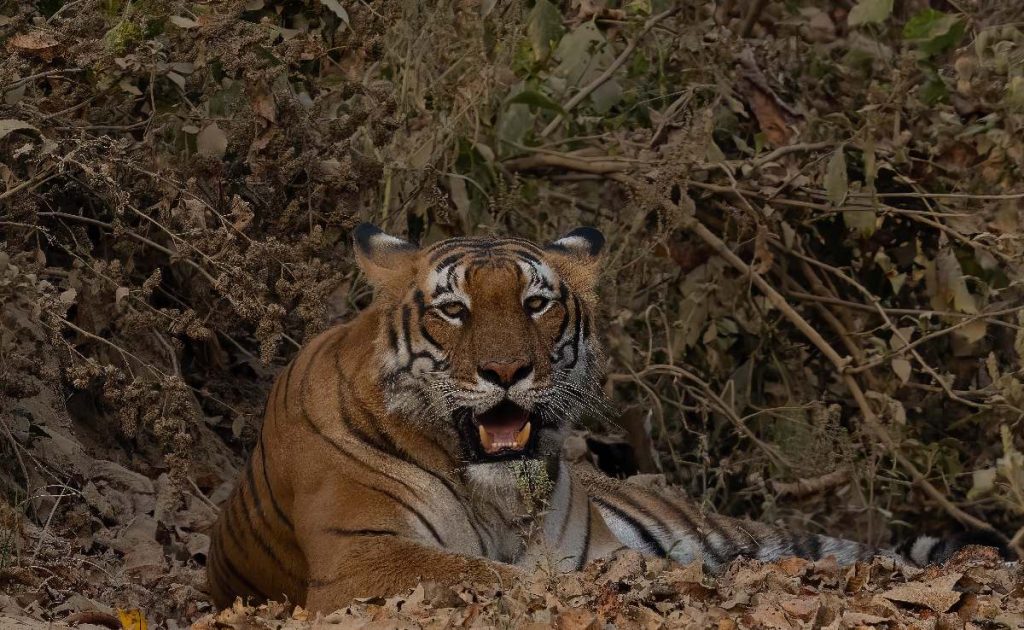
Tiger in Bardia National Park

Nepal is not just a country full of mountains and temples, but it’s also a country full of wildlife, so tiger tracking tours are perfect for adventure and nature lovers. Among the most thrilling jungle experiences in Nepal are tiger tracking in Chitwan National Park, Bardia National Park and Koshi Tappu Wildlife Reserve.

You can view the flora and fauna and learn about the historical heritage and culture along with watching wild animals and scenery while relaxing. Tiger tracking tours in Nepal primarily focus on observing animal tracks, signs, and sounds, particularly the sounds of tigers. 

The diverse ecosystems and protected areas of Nepal make it the perfect destination for tracking and observing Bengal tigers in their natural habitat. With this tiger tracking tour, you’ll experience some exhilarating moments and improve your tracking abilities.

In this blog, the Himalayan Circuit Treks aims to explore three popular tiger tracing destinations in Nepal: Bardiya National Park, Chitwan National Park, and Koshi Tappu Wildlife Reserve.

Tiger Tracing Tour in Bardiya National Park:

A Bardia tiger tracking tour offers jungle walks, elephant safaris, bird watching, and canoeing. Along with a Tiger tracking tour, you will also experience elephant bathing, traditional shows, dances, and many other activities.

Since this trip is especially conducted in Bardia National Park, it will include an active exploration of the park’s diverse wildlife, especially the Bengal tiger. As the national park was originally set aside for hunting, Bardia National Park is remote, challenging, and offers wildlife a unique adventure.

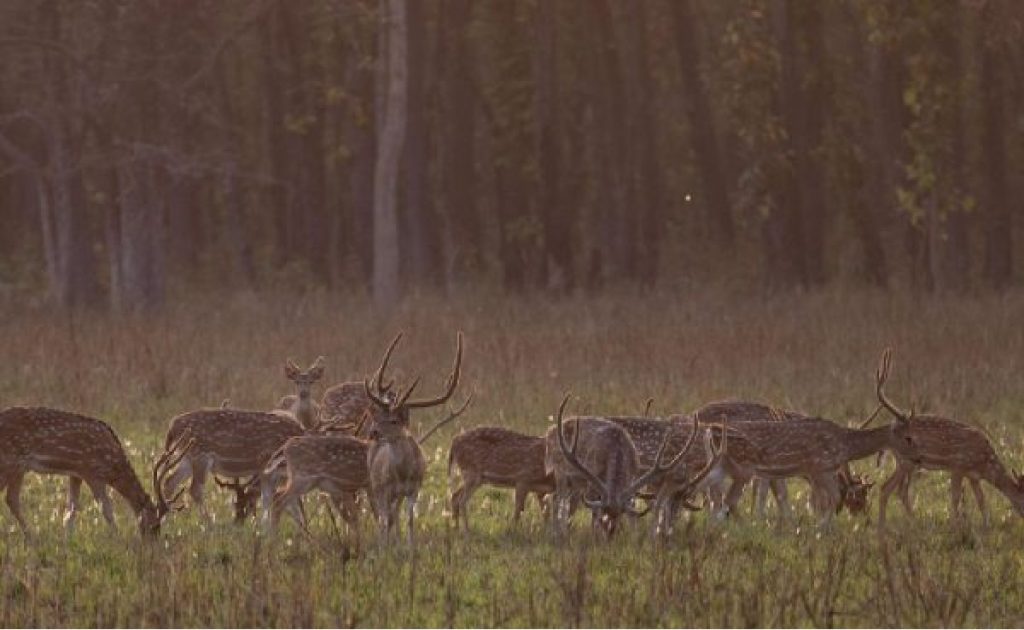
The trip is ideal for those who are passionate about animals and would like to learn more about them. A visit to Bardia National Park will allow you to spot the Royal Bengal Tiger, among other beautiful animals, including Wild Elephants, great one-horned rhinos, black bucks and swamp deer. 

The Tiger Tracking Tour includes not only tiger tracking adventures, but also other jungle activities within the national park, such as river safaris, jeep safaris, the traditional Tharu dance within the hotel or resort, and many more activities that will enhance your senses.

Tiger Tracing Tour in Chitwan National Park:

A haven for wildlife enthusiasts and nature lovers alike, Chitwan National Park is renowned for its rich biodiversity, but one species stands out among all of them – the majestic Bengal tiger. Experience a tiger tracing tour in Chitwan National Park if you’re looking for an unforgettable adventure.

The park is listed as a UNESCO World Heritage site and offers a rare opportunity to see Bengal tigers in their natural habitat. A park guide and tracker will assist you in exploring the park’s lush forests, grasslands, and riverine landscapes while providing information about their conservation efforts.

There are many exciting wildlife experiences on a Chitwan Tiger Tracking Tour, including elephant bathing, sunset watching, and jeep safaris in addition to tiger tracking. In addition, the itinerary includes a visit to a Tharu community and a breeding center for elephants and crocodiles.

If you’re looking for an exciting adventure, where you can observe the beauty of the Bengal tiger up close, Chitwan National Park awaits you. Experience the enchanting jungles and the roar of the wild to awaken your spirit of exploration and conservation.

Tiger Tracing Tour in Koshi Tappu Wildlife Reserve:

Koshi Tappu Wildlife Reserve is a hidden gem for nature lovers and wildlife lovers in Nepal’s Terai region. It’s known for its amazing variety of avian species and its wetlands, but it’s also home one of the most elusive and magnificent creatures on the planet: the Bengal tiger. 

You’ll discover the reserve’s remarkable diversity of wildlife as you explore its lush grasslands and marshlands. Koshi Tappu Wildlife Reserve guarantees an unforgettable Tiger Tracing Tour experience for those who embark on it.

You can observe an array of wildlife in their natural habitat as you traverse the reserve’s extensive network of trails. A tiger encounter is the ultimate goal of the tour, but it offers so much more, from the tranquil wetlands to the mesmerizing sounds of birds, to just being immersed in nature’s embrace.

The Koshi Tappu Wildlife Reserve offers more than just an adventure; it provides the opportunity to experience nature at its purest. It is the beauty and resilience of these magnificent creatures that inspire us in our appreciation of the complexity of the animal kingdom.

Religious significance of Tiger in Nepal:

The tiger is a symbol of strength, power, and ferocity, attributes associated with Durga, the goddess who rides a tiger and is revered as fierce and protective. Worshipers seek Durga’s blessings for courage and protection by worshiping the tiger as a manifestation of her.

Manjushree is also associated with the tiger in some regions of Nepal, and it represents his courage and strength as he overcomes obstacles on his spiritual journey.

Nepal reveres tigers as sacred animals and depictions of them appear in religious art, sculpture, and temple carvings as symbols of divine power. The conservation of tigers plays a powerful cultural and spiritual role in Nepal, where nature, religion, and humanity must be balanced through tiger conservation.

Efforts in the tiger Conservation:

The Nepalese government has taken significant steps to preserve tigers, which further contributed to the growth of tigers in this country. This iconic species has been protected through various initiatives implemented by the government and conservation organizations.

Nepal’s tiger conservation efforts are focused on providing tigers with a safe haven and sustaining their populations within protected areas such as national parks and wildlife reserves. Additionally, the government has stepped up law enforcement and conservation programs at the community level to curb poaching.

With the importance of international support for tiger conservation, Nepal has welcomed renowned personalities like Leonardo DiCaprio to raise awareness. He was able to observe the conservation efforts underway in Nepal during his visit, and he expressed his support for these efforts as well as brought tiger conservation to the attention of a global audience.

How to protect tigers?

A number of measures need to be taken to protect tigers. The International Union for Conservation of Nature (IUCN) provides guidelines and strategies for tiger’s conservation. A number of national parks and wildlife reserves have been established in Nepal to protect tigers and their habitats, including Bardia and Chitwan.

Promoting Tiger Tracking Tourism:

Developing responsible and sustainable practices is crucial for promoting Tiger Tracking Tourism. The number of tourists should be limited, trained guides should be used, and maintaining a safe distance from the animals is essential for minimizing disturbance to tigers.

Himalayan Circuit Treks’ Tiger Tracking Tourism contributes to the country’s tourism revenue and promotes its image as a wildlife conservation destination. 

Himalayan Circuit Treks provides well-managed and ethical tiger tracking experiences to visitors in order to contribute to the economy and conservation of the country.

Final Words:

The Tiger Tracing Tour destinations in Nepal not only offer the thrill of tracking tigers, but also offer a chance to experience the incredible biodiversity and rich cultural heritage of the country. 

So, pack your bags, grab your binoculars, and prepare for an unforgettable experience in the land of Himalayas booking your Tiger Tracing Tour with the Himalayan Circuit Treks.

National Parks for Trekking in Nepal

kids doing the jeep safari

The national parks of Nepal offer sweeping vistas, unique wildlife, and breathtaking landscapes, which are ideal backdrops for trekking, Nepal’s most popular activity. A number of Nepal’s largest mountains are found in beautiful national parks, including Everest, Langtang, and Makalu.

There are some of the most breathtaking landscapes in the world to trek in Nepal, making it a paradise for trekkers. The trek often passes through Nepal’s spectacular national parks, which have diverse flora and fauna and a rich cultural heritage. 

Himalayan Circuit Treks offers trekking tours in National Parks of Nepal, including:

National Park Mammals Birds Plants Adventure activities 
Sagarmatha National Park red panda, snow leopard, musk deer, Himalayan tahr, marten, Himalayan mouse hare (pika) 118 species Pine and hemlock forests dominate the lower altitudes of the park, while fir, juniper, birch, rhododendron, scrub, and alpine plants dominate the higher altitudes. Mountaineering, trekking, and wildlife viewing
Khaptad National Park 23 species 287 species 567 flowering plants Bird-watching, trekking, and wildlife viewing
Shey Phoksundo National Park A snow leopard, gray wolf, musk deer, blue sheep, goral, great Tibetan sheep, Himalayan tahr, leopard, jackal, and Himalayan black bear. There are six reptiles and 29 butterfly species in the park, including Paralasa nepalaica, the world’s highest-flying butterfly. 200 species 286 species of flora and fauna Trekking, cultural tours and wildlife viewing
Makalu-Barun National Park 88 species 433 species 25 species of rhododendron, 47 types of orchids, and 56 rare plants Mountaineering, trekking, and wildlife viewing
Rara National Park 20 species 241 species fir, pine, and birch, rhododendron, hemlock, oak, juniper and spruce Boating, trekking, and wildlife viewing


Sagarmatha National Park:

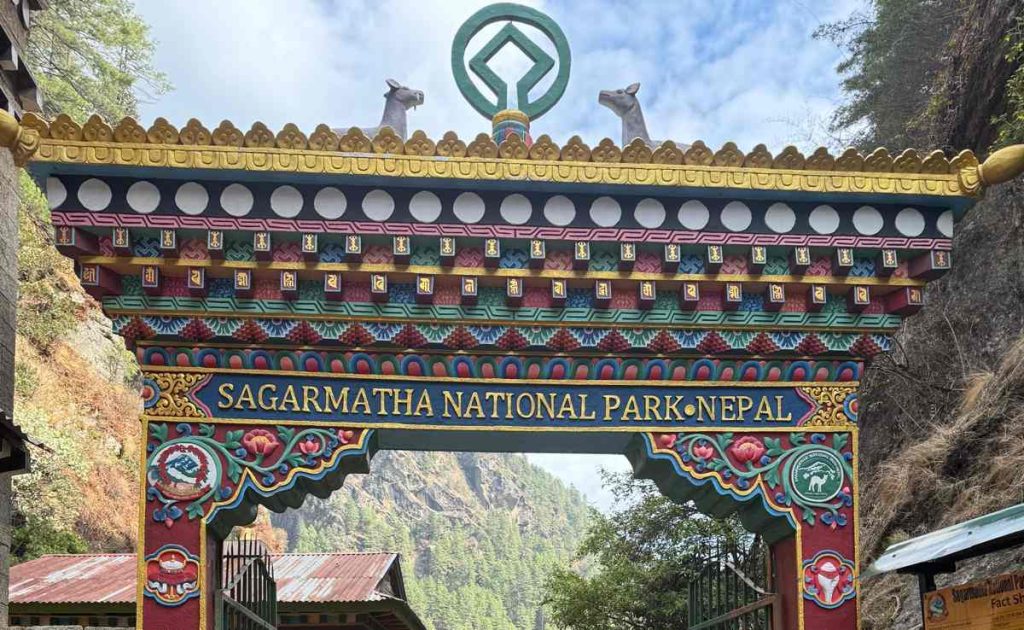
The Sagarmatha National Park, which lies 135 km from Kathmandu, is surrounded by peaks such as Mount Everest and deep gorges as well as Himalayan glaciers. A UNESCO World Heritage Site since 1976, Sagarmatha National Park is one of the most scenic masterpieces of the country.

While trekking to Sagarmatha National Park one can experience a wide range of mountain ranges, rich flora and fauna, birds, culture, tradition, and mixed beauty of nature. Most people view Mount Everest from a scenic flight instead of climbing it, while others trek to lower elevations or hike to base camp.

Sagarmatha National Park is best visited from October to November and March to May, and during these seasons you will be blown away by its incredible beauty.

Khaptad National Park:

The Khaptad National Park in Nepal offers a wilderness experience unparalleled by any other national park in the country. Khaptad region of Nepal is home to a variety of wildlife, making it the ideal trekking destination for those who want to experience nature, biodiversity, and vegetation at its best.

A unique trekking experience awaits you in the Khaptad region, which is located in a subtropical and analpine climate zone. Furthermore, the park offers breathtaking views of Mount Api and Saipal in western Nepal, as well as Khaptad Dahaa (lake), Nag Dhunga, and Upper Tribeni.

Trekking around Khaptad is best between March and May, September to November and during the full moon in July and August when Hindu pilgrims visit Khaptad Baba Ashram.

Shey Phoksundo National Park:

Shey Phoksundo National Park, the largest and only trans-Himalayan park in Nepal, offers a diverse landscape that ranks among the most scenic in the world. The Shey Phoksundo Lake is one of the most famous tourist attractions in the the National Park, and it is relatively easy to trek to this place.

Trekking around Phoksundo National Park provides incredible views, natural settlements, and mind-blowing scenery. A Lower Dolpo or Shey Phoksundo trek gives you the opportunity to experience Nepal’s most beautiful landscapes while immersing yourself in pristine natural environments.

Trekking through Shey Phoksundo National Park between March and May, September to November, will offer you breathtaking views and an opportunity to explore its wilderness.

Makalu-Barun National Park:

Makalu Barun National Park located in Eastern Nepal, is a truly unique destination for wildlife enthusiasts and nature lovers alike due to its rich and diverse natural environment, including more than 441 bird species and 78 mammal species.

Makalu Base Camp is a challenging but rewarding trek that offers a chance to explore untouched wilderness in Makalu Barun National Park. The trek is long, varied, and quite strenuous, but it is suitable for experienced hikers and nature lovers who prefer pristine nature over crowds.

It is best to trek around Khaptad between March and May and September to November when the weather is consistent enough for hikers to fully appreciate every aspect of the area.

It is best to trek around Khaptad between March and May and September to November when the weather is consistent enough for hikers to fully appreciate every aspect of the area.

Rara National Park:

Ratra National Park is located in Nepal’s north-western region, within Jumla and Mugu districts, and covers 106 square kilometers (41 square miles). In the park, you’ll find snow-capped mountains such as Ruma Kand (3731 m), Chuchemara Peak (4039 m), and Malika Kand (3444 m), which are home to a wide variety of plants and animals.

Among the trek’s highlights is Rara Lake, which winds peacefully through juniper, spruce, and pine glades and remains less crowded and largely untouched than many of its counterparts. There are views of the Himalayas in one direction, while the pristine waters of Rara Lake complement the scenery in the other direction.

You can trek around Rara National Park from February to April and October to November if you’re looking for an adventure in the wilderness.

From the highest mountains to serene lakes and diverse wildlife, Nepal’s national park offer trekkers of all skill levels and interests the chance to experience nature in its purest form.

Prepare yourself for an unforgettable adventure through Nepal’s national parks by putting your boots on, packing your bags, and getting ready to set off.