Travel Diaries: How Travel Magazines of Nepal Inspire Journeys

travel magazines of Nepal

Travel media continues to shape how visitors experience Nepal. Beyond blogs and social media, travel magazines of Nepal offer clear stories, reliable information, and stunning visuals. These publications keep Nepal on the radar of global travelers while providing practical tips for trip planning.

For travelers, these magazines act as trusted Nepal travel guides, offering culturally rich alternatives beyond Everest and Pokhara. For advertisers, they provide platforms for visibility. In addition, they promote tourism by showcasing Nepal’s diversity.

Why Travel Magazines Matter in Nepal

Tourism in Nepal is seasonal and experience-based, so visibility is crucial. Therefore, travel magazines play a key role in storytelling. They connect urban readers, diaspora communities, airlines, and potential visitors.

For example, these magazines highlight:

  • New trekking trails
  • Boutique hotels
  • Heritage restorations
  • Festivals and conservation efforts
  • Adventure products

Because their content is locally sourced and edited, it is more relevant than generic international coverage. As a result, they give tourism entrepreneurs—guides, resort owners, airlines, a voice to share authentic stories. This helps position Nepal as more than “just mountains.”

Popular Travel Magazines in Nepal

1. Yatra Travel Magazine (Buddha Air)

Yatra reaches in-flight audiences across Nepal, including business travelers, diplomats, and domestic tourists. Each edition blends destination highlights like Mustang, Ilam, and Lumbini with lifestyle content on food, hotels, and travel personalities.

Moreover, for advertisers, Yatra offers direct access to active travelers. For readers, it serves as a practical guide to domestic travel.

2. Parikrama Magazine (Nepal Traveller)

Parikrama focuses on premium tourism and hospitality. Its polished tone appeals to hotels, tour operators, and DMCs. Articles cover heritage towns, boutique experiences, and new openings. Written in English, it targets overseas audiences and returnee Nepalis. Consequently, it is ideal for understanding Nepal’s tourism industry.

3. Wanderlust Travel Magazine

Wanderlust emphasizes photography and inspirational travel. It showcases trekking, mountain flights, rafting weekends, and community homestays. For instance, short getaway ideas like Nagarkot, Dhulikhel, Bandipur, and Bardia encourage balanced tourist movement and support local economies. Therefore, it works well for younger or first-time travelers.

4. ECS Nepal

ECS stands out for cultural depth. It covers heritage sites, artisans, Newar towns, food culture, monastery life, and festivals. ECS appeals to visitors and residents who want to explore Nepal beyond itineraries. In addition, its long-form, researched content encourages travelers to stay longer and spend more.

5. Outlook Travel Magazine

Outlook places Nepal in a broader South Asian context. It highlights trekking, wildlife, heritage, national parks, wellness retreats, and aviation developments. As a result, it builds credibility with international audiences. For travelers, it serves as an early-stage planning guide, showing Nepal as an enticing destination.

Final Thoughts

Nepal’s tourism strategy embraces travel magazines because “the more, the merrier” applies to tourism promotion. These magazines capture new destinations, document local entrepreneurs, and preserve culture. Ultimately, for travel operators, advertising in these magazines is a smart way to reach audiences. For readers, they offer inspiration and practical guidance, magazines you can hold, bookmark, and travel with.

Nepal Travel News: Explore Lalitpur Music City, UNESCO’s Musical Gem

Lalitpur music city, also known as Patan or Manigal, has long been celebrated for its vibrant festivals, stunning art, and deep spiritual traditions. In 2025, Lalitpur officially earned international recognition as a UNESCO Music City, joining a prestigious network of creative cities worldwide. This designation highlights the city’s rich musical heritage, connecting centuries-old traditions with global appreciation.

A City Where Music Breathes

Solo Travelling in Nepal
Patan Durbar Square

In Lalitpur music city, music is more than performance, it is a way of life. Sacred beats from dhimay and ponga drums blend with melodic chants of Newar Buddhism, shaping festivals, rituals, and everyday moments. One of the most iconic examples is Kartik Naach, Nepal’s oldest musical dance drama, performed annually in Patan’s historic courtyards. Dating back to the 17th century Malla period, this multi-day performance combines masked dance, live traditional music, and spiritual storytelling. Instruments like the naykhin, dhaa, and bhusya create a soundscape that reflects centuries of cultural continuity.

Throughout the year, Lalitpur music city resonates with music during festivals such as:

  • Bungadyah Jatra – devotional music honoring Rato Machhindranath
  • Gumlā Bājā – spontaneous ensemble performances in public squares
  • Indra Jatra and Yenya Punhi – music guiding processions and rituals
  • Newar weddings and guthi ceremonies – ceremonial drumming and folk songs

This recognition celebrates Lalitpur not only as a historical treasure but also as a living center of musical tradition.

Why Visit Lalitpur Music City Now?

Travelers to Lalitpur music city can experience Nepal through sound:

  • Witness spontaneous performances during the Gumlā Bājā festival
  • Explore traditional Newari instrument-making in hidden alleys
  • Visit the Music Museum of Nepal to dive deeper into the valley’s musical legacy
  • Stroll through Patan Durbar Square, a UNESCO World Heritage Site since 1979
  • Attend Kartik Naach, a rare fusion of music, dance, and mythology A Tale of Origins and Legends
Lalitpur the Music City
Experience the magic of Kartik Naach in Lalitpur Music City, where centuries-old music, dance, and mythology come alive.

The name Lalitpur honors a farmer named Lalit, who helped bring God Rato Machhindranath to the valley during a drought. Today, the Bungadyah Jatra, a month-long chariot festival, celebrates this divine arrival with music, devotion, and community spirit.

Part of a Global Creative Movement

Lalitpur now joins a dynamic cohort of cities recognized in 2025, including:

  • New Orleans (USA), Kyiv (Ukraine), Kisumu (Kenya) – Cities of Music
  • Giza (Egypt), Ho Chi Minh City (Vietnam), São Paulo (Brazil) – Cities of Film
  • Aberystwyth (UK), Abuja (Nigeria), Gdańsk (Poland) – Cities of Literature
  • Quito (Ecuador), Rovaniemi (Finland), Kashan (Iran) – Cities of Architecture

 This designation emphasizes culture-led sustainable development, connecting Lalitpur with creative initiatives around the globe.

Nepal: A Creative Powerhouse

With Lalitpur’s recognition as a music city, Nepal now hosts two UNESCO Creative Cities:

  • Kathmandu – City of Film (2023)
  • Lalitpur – Music City (2025)

Together, they position the Kathmandu Valley as a hub of South Asian creativity, blending visual, cinematic, and musical heritage.

Looking Ahead: Global Stage in Morocco

Lalitpur will soon share its rhythms at the 2026 UNESCO Creative Cities Annual Conference in Essaouira, Morocco, a fellow City of Music since 2019. This platform will allow collaboration, idea exchange, and global recognition of Lalitpur’s musical legacy.

Let the music of Lalitpur guide your journey. Come for the temples and art, stay for the rhythms that tell stories of gods, kings, and everyday life.

Festival in Nepal: Tihar Festival Nepal – Five-Day Festival of Lights

Tihar Festival in Nepal

Nepal shines in bright colors, flickering lamps, and joyful celebrations every year during Tihar, the five-day festival that honors life, light, and devotion. Known as the festival of lights, Tihar turns streets, homes, and temples into dazzling displays of marigold garlands, flickering diyos, and colorful rangoli patterns. Also, the festival blends faith, culture, and happiness, reflecting the rich traditions and heart of Nepal.

Celebrating Life and Light

Tihar, also called Deepawali, is a Hindu festival celebrated over five days, each honoring a different part of life. It allows people to show gratitude, respect, and devotion, not only to deities but also to animals and loved ones.

Famous Legends About Tihar

  • The Legend of Bhai Tika: Yamaraj, the god of death, once visited a sister’s home to take her brother’s life. She performed rituals, applied tika, and made offerings with devotion. Impressed by her sincerity, Yamaraj spared her brother’s life. Today, sisters continue this ritual to bless and protect their brothers.

  • The Legend of Laxmi Puja: Goddess Laxmi, the goddess of wealth, visits homes that are clean and well-lit. Families light lamps, decorate with flowers, and prepare offerings to invite prosperity and remove darkness.

  • The Legend of Lord Rama: After Lord Rama defeated Ravana in Lanka, he returned to his kingdom, Ayodhya, along with Sita and Lakshman. The people celebrated their return by lighting rows of lamps throughout the city to welcome them and drive away darkness. This tradition of lighting lamps shows the victory of good over evil and light over darkness, which continues to inspire Tihar’s glowing celebrations.

Tihar in Today’s World

Even in today’s fast-paced world, Tihar remains very meaningful. For example, Bhai Tika teaches the value of family bonds, Laxmi Puja encourages mindfulness and gratitude, and people worship animals including crows, dogs, cows, and oxen to show respect for all living beings. Furthermore, Tihar invites people to slow down, honor relationships, and reflect on the blessings often taken for granted. These long-lasting lessons, expressed through lights, rituals, legends, and songs, keep Tihar alive and meaningful for generations.

The Days of Tihar and Their Celebrations

Kaag Tihar (Crow Day)

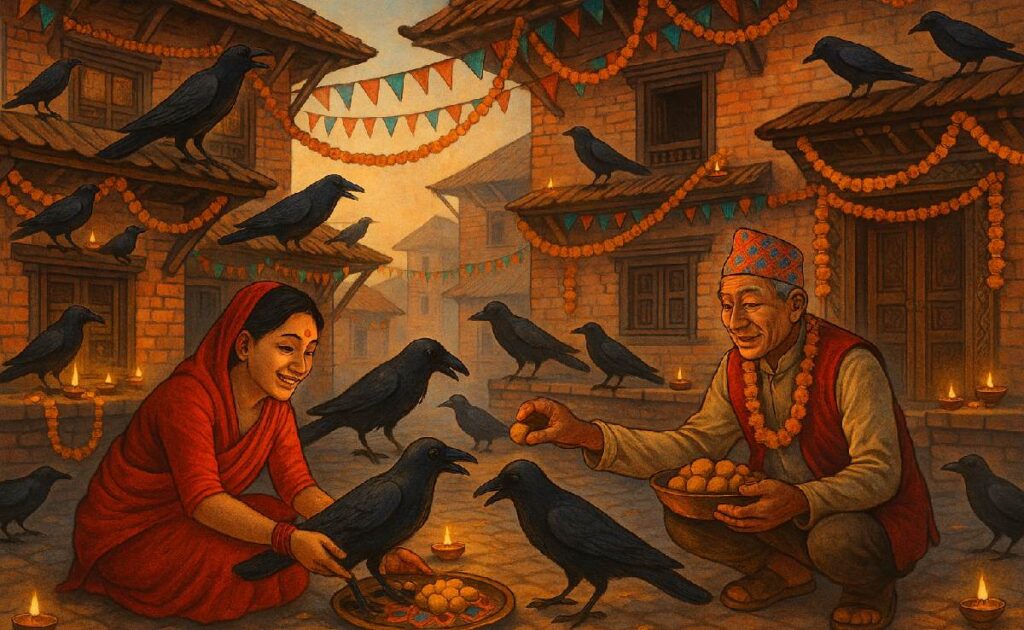
AI generated picture of Kaag tihar

Tihar begins with Kaag Tihar, dedicated to crows, believed to be messengers of death. People offer sweets and food to crows to ward off bad luck and invite blessings for the year ahead. Also, this ritual reminds us to honor nature and the creatures that share our world.

Kukur Tihar (Dog Day)

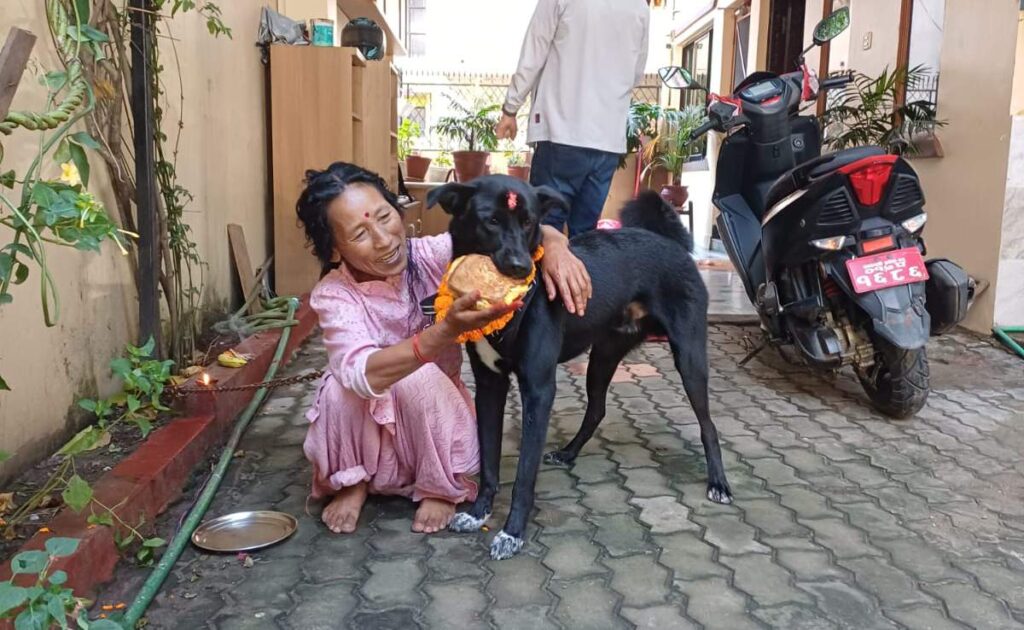
Kukur Tihar celebrates dogs for their loyalty and protection. People decorate dogs with flower garlands, tika, and special treats, showing their important role in our lives. In addition, people express gratitude to these faithful companions, recognizing the bond between humans and animals.

Laxmi Puja (Goddess of Wealth)

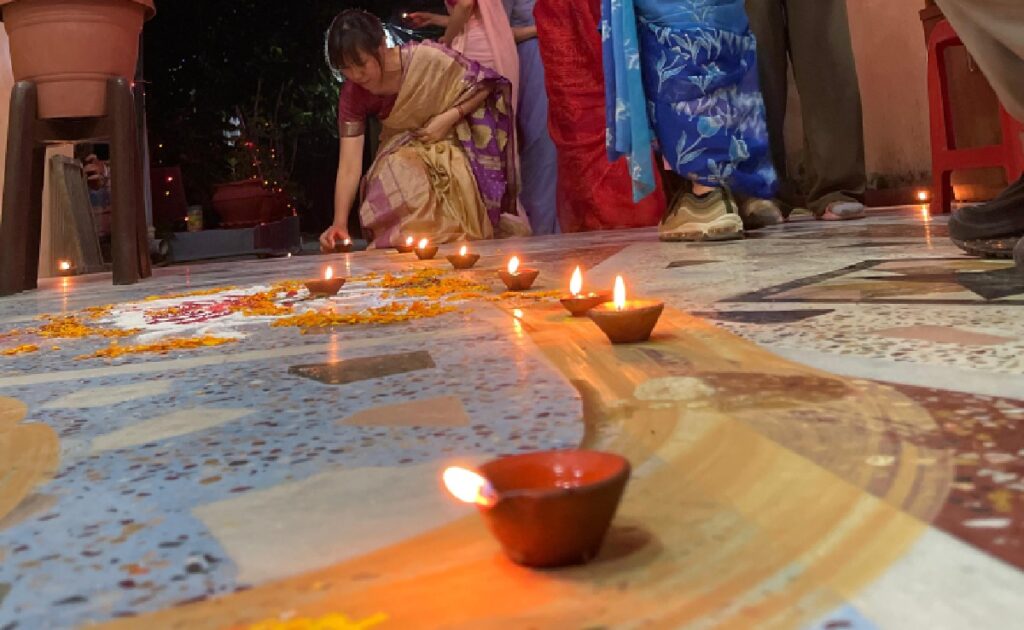
In the evening, Laxmi Puja fills homes with light and devotion. Families worship Goddess Laxmi, clean their houses, draw colorful rangoli patterns, and prepare traditional sweets like sel roti to invite prosperity. Laxmi enters only clean and well-lit homes, teaching mindfulness and gratitude.

Govardhan Puja and Mha Puja

Tihar Festival in Nepal
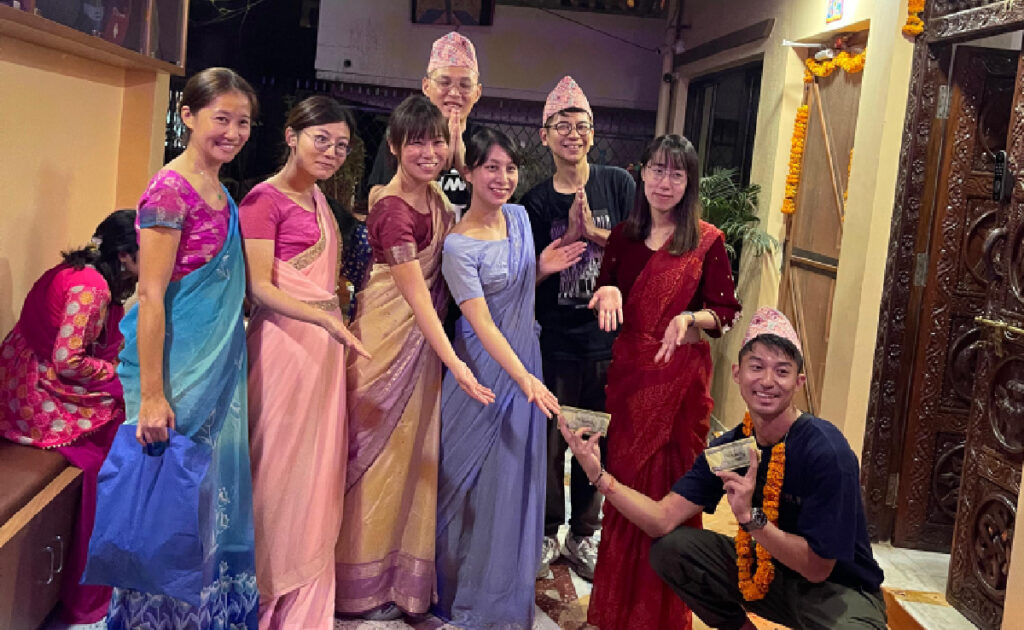
Foreigners are enjoying their time immersing themselves in the vibrant Nepali culture during the Tihar Festival

Govardhan Puja honors oxen for their hard work in agriculture and their role in supporting human life. Among the Newar community, Mha Puja, or self-worship, symbolizes purification, self-respect, and spiritual renewal for the coming year. The day also marks the New Year according to the lunar calendar, which this year turns 1146. The Newar people call it “Nhu Daya Bhintuna”, meaning Happy New Year in their language. These rituals remind people to respect all living beings, honor cultural heritage, and celebrate new beginnings.

Bhai Tika (Siblings’ Day)

The festival ends with Bhai Tika, celebrating the sacred bond between brothers and sisters. Sisters apply multi-colored tika on their brothers’ foreheads, offer garlands, and pray for their health and prosperity, while brothers give blessings and gifts. Furthermore, the day brings laughter, feasts, and family bonding, reinforcing love, care, and protection among siblings.

Tihar 2025 Dates

  • Kaag Tihar (Crow Day): 19 October
  • Kukur Tihar (Dog Day): 20 October
  • Laxmi Puja (Goddess of Wealth): 20 October
  • Govardhan Puja and Mha Puja: 22 October
  • Bhai Tika (Siblings’ Day): 23 October

Why Visit Nepal During Tihar

Experiencing Tihar in Nepal is like stepping into a living cultural masterpiece. Streets sparkle with thousands of oil lamps, neighbourhoods echo with traditional Deusi and Bhailo songs, and homes overflow with warmth, laughter, and delicious Nepali sweets.

Tihar offers a deep experience of real Nepali traditions, rituals, and faith, beautiful sights for photographers and travelers, and unique moments like seeing animal worship, colorful rangoli, and community celebrations. Also, the festival provides a moment of reflection, reminding people of gratitude, respect, and the beauty of human and animal bonds.

Even today, the Tihar Festival of Nepal invites people to slow down, honor relationships, respect nature, and reflect on the blessings often taken for granted. In addition, these long-lasting lessons, expressed through lights, rituals, legends, and songs, keep Tihar alive and magical for generations.

Although this year’s Tihar is already underway, travelers can plan ahead for Tihar 2026. Tentative dates are: Laxmi Puja – 8 November, Govardhan Puja – 10 November, and Bhai Tika – 11 November. Visiting Nepal during the Tihar festival allows people to experience the festival in its full glory, with streets illuminated, songs echoing through neighborhoods, and homes filled with warmth, light, and tradition.

Nepal Diary: Nepal Visa Guide – What You Need to Know

VIsa Machines

Nepal is a land of towering mountains, rich culture, and warm hospitality, attracting thousands of visitors every year. Whether you are planning to trek in the Himalayas, explore ancient temples, or study in Nepal, understanding the visa process is essential. This Nepal visa guide will help you learn everything you need to know — from visa types and costs to the step-by-step application process — so your journey can begin smoothly.

Types of Nepal Visas for Tourists

Nepal offers different visa types depending on your travel purpose. Knowing which visa suits your trip is the first step in your journey. This section of our Nepal visa guide explains the main visa categories:

  • Tourist Visa: The most common type for visitors. It is issued for short stays, such as trekking, sightseeing, or visiting friends and family.
  • Non-Tourist Visa: For those working in INGOs, diplomatic missions, or volunteering projects.
  • Business Visa: For foreigners wishing to invest or trade in Nepal. Requires additional documents such as company registration certificates or investment papers.
  • Transit Visa: Issued to travelers passing through Nepal for less than 24 hours, available at certain border points.
  • Student Visa: For those enrolling in Nepali institutions. Requires proof of admission and financial resources.

How to Get a Nepal Visa

There are two main ways to obtain a Nepal visa:

a) Visa on Arrival

Most nationalities are eligible. You can get this visa at Tribhuvan International Airport (Kathmandu) and selected land borders such as Bhairahawa, Birgunj, and Kakarbhitta.

Requirements:

  • Valid passport (minimum six months validity)
  • One passport-sized photograph
  • Visa fee in USD cash

b) Visa from a Nepalese Embassy or Consulate Abroad

Applying beforehand saves time and avoids long queues at the airport.
Requirements generally include:

  • Valid passport
  • Recent passport photo
  • Completed application form
  • Visa fee (varies by embassy)

Step-by-Step Visa Application Process

Following this step-by-step process in the Nepal visa guide will make your visa application smooth and stress-free:

  1. Check eligibility and visa type — Ensure your nationality qualifies for visa on arrival or if advance application is required.
  2. Prepare documents — Passport, photos, and any additional paperwork for business, student, or non-tourist visas.
  3. Complete the online visa applicationNepal’s Immigration Department offers an online form for convenience. Print the confirmation slip.
  4. Submit application — At the embassy before traveling or at the airport on arrival.
  5. Pay visa fees — As per the embassy’s instructions or in USD cash for visa on arrival.
  6. Receive visa — Check all details before leaving the counter.

Visa Fees & Duration

Visa Type Duration Fee (USD)
Tourist Visa 15 days 30
30 days 50
90 days 125
Extensions 15 days 45
Per day 3

Note: Tourists cannot exceed 150 days of stay per year without special permission.

Key Requirements for Nepal Visa

  • Valid passport (at least six months validity)
  • Passport-sized photographs
  • Completed visa application form
  • Payment for visa fees (USD cash for on arrival; embassies may accept other methods)

Our Nepal visa guide shows that with proper preparation, getting a Nepal visa is straightforward and quick. Whether you apply in advance at an embassy or obtain it on arrival, the process is user-friendly. Remember to check the latest requirements on the Department of Immigration website before your trip. With your visa in hand, you’re ready to explore Nepal’s breathtaking mountains, rich cultural heritage, and warm hospitality.

Nepal Travel News: Safe Journeys After the Gen Z Awakening

A Peaceful Youth Movement in Nepal

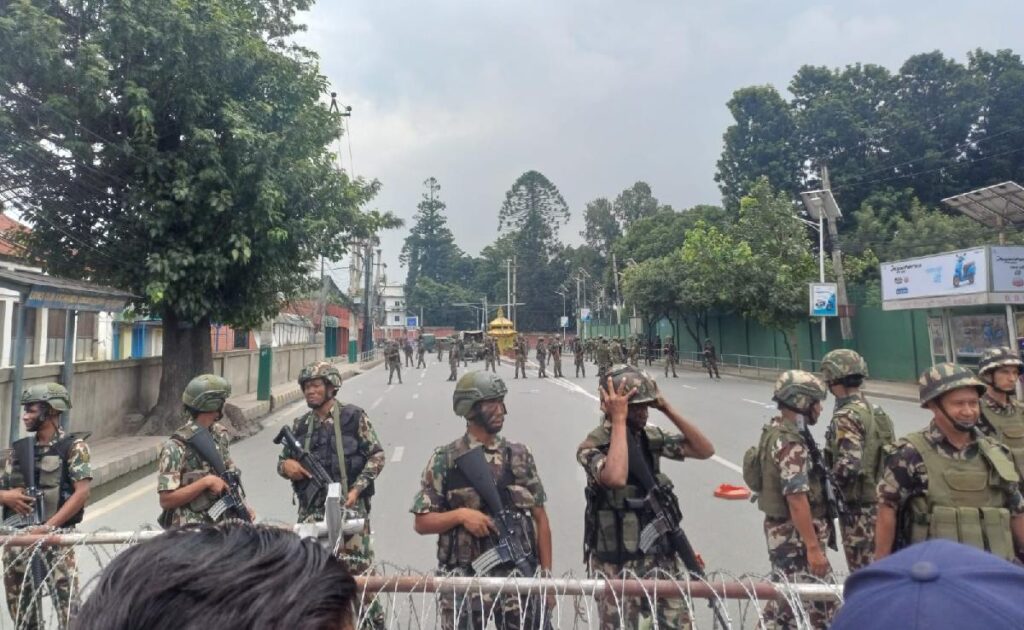
Ensuring safety for everyone: Army presence on the roads during recent demonstrations in Nepal

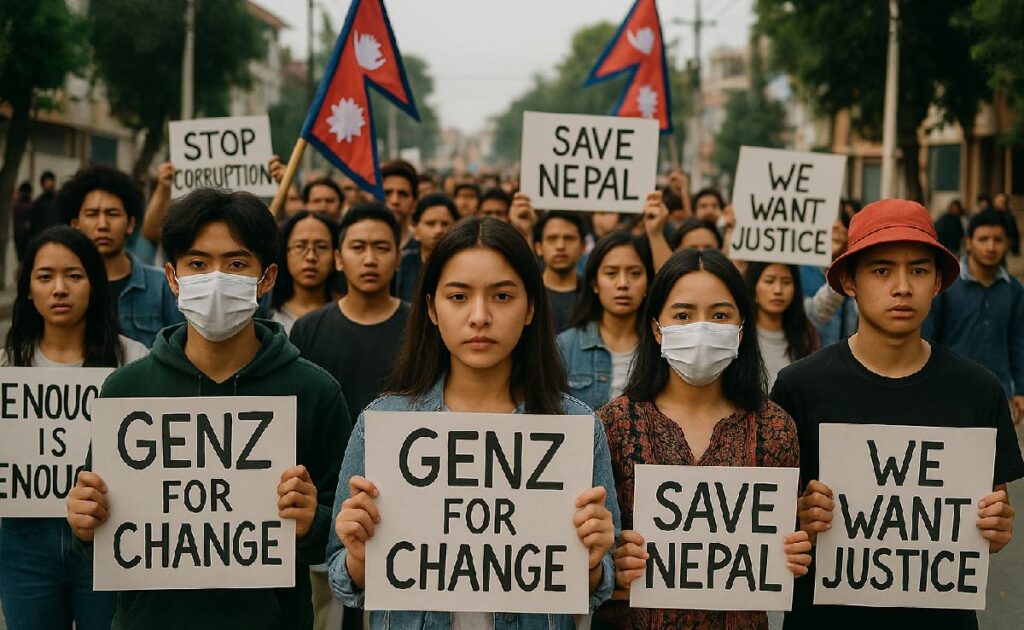
In early September 2025, Nepal entered a historic moment. On September 8 and 9, young people across the country raised their voices in large-scale demonstrations. While global headlines created concerns, Nepal travel safety 2025 remained strong, with peaceful protests that showed the unity and determination of Gen Z. This movement highlighted the energy, awareness, and growing democratic voice of Nepal’s youth.

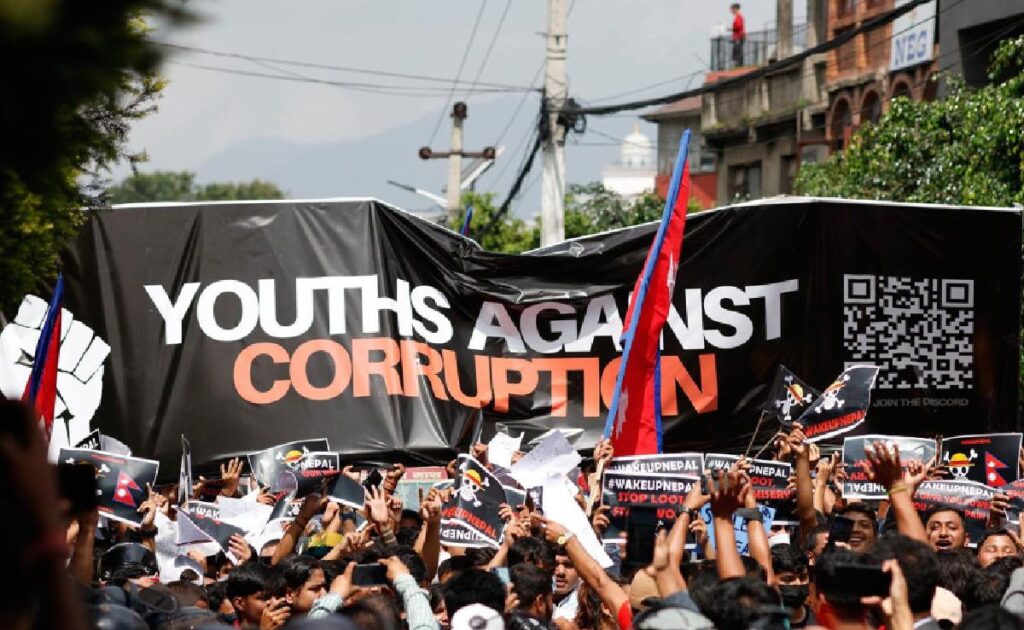
What made these demonstrations different was their digital strength. They were organized through TikTok, Discord, Instagram, and Facebook. In this way, young Nepalis mobilized with clear purpose and discipline. At the same time, the phrase Nepo Babies became popular, showing a rejection of hereditary politics and unearned privilege.

In many areas, the demonstrations stayed peaceful and respectful. Protesters made efforts to protect public spaces and, in several cases, even helped tourists continue their travel plans safely.

Nepal Travel Safety 2025: What Travelers Should Know About Recent Events

Nepali youth taking a stand for transparency and accountability.

Some demonstrations included unrest, but tourists were not affected, and local guides and communities ensured that travel continued smoothly throughout the country.

This was not an anti-tourism movement, it was against corruption. Therefore, protesters avoided disturbing tourism services. In fact, many of them helped tourists pass safely through protest areas.

For example, one travel vlogger, @wehatethecold, posted videos showing locals guiding tourist vehicles. His story proved that Nepal’s cultural value Atithi Devo Bhava (Guests are Gods) is alive even during unrest.

While a few luxury hotels linked to politicians were targeted, no harm was done to airports, trekking trails, heritage sites, or transport hubs. In short, Nepal’s travel infrastructure remained intact.

Travel Impact: Minimal and Managed

During the two-day protest, there were short-term disruptions. For instance, some flights were delayed, and a few shops closed. However, no tourists were harmed. In addition, local guides and homestays continued to support visitors.

The Nepal Tourism Board also released a public message. They confirmed that Nepal was safe, and that the Gen Z movement showed democratic maturity, not instability.

Swift Return to Normal

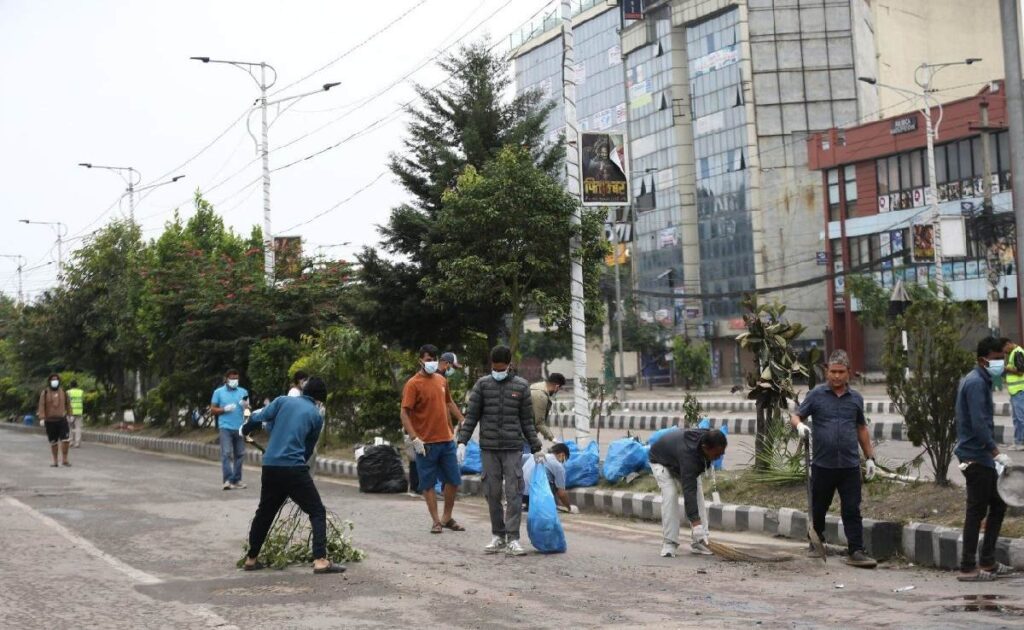
Youth in action: Gen Z volunteers cleaning streets after the demonstrations.

Within 48 hours, daily life in Nepal returned to normal. Roads reopened, flights resumed, and all tourism services restarted. Consequently, travelers are once again enjoying one of Nepal’s best seasons: autumn.

At the same time, local businesses responded quickly. Tour operators and homestays began offering flexible bookings and discounts. Their goal was to encourage visitors and rebuild confidence.

The Positive Role of Gen Z

The youth movement gave new energy to Nepal’s democracy. As a result, young voices are now part of national discussions. There is also more focus on ethical governance, digital transparency, and fair development.

For travelers, this shift means a stronger tourism system built on fairness, sustainability, and cultural respect. Moreover, you can expect more eco-friendly treks, community tours, and easy-to-use digital tools.

In addition, Gen Z is inspiring new businesses. Young Nepalis are building apps, travel platforms, and ethical tour companies. These efforts connect visitors directly with local communities.

Why Nepal Is Safe to Visit Now

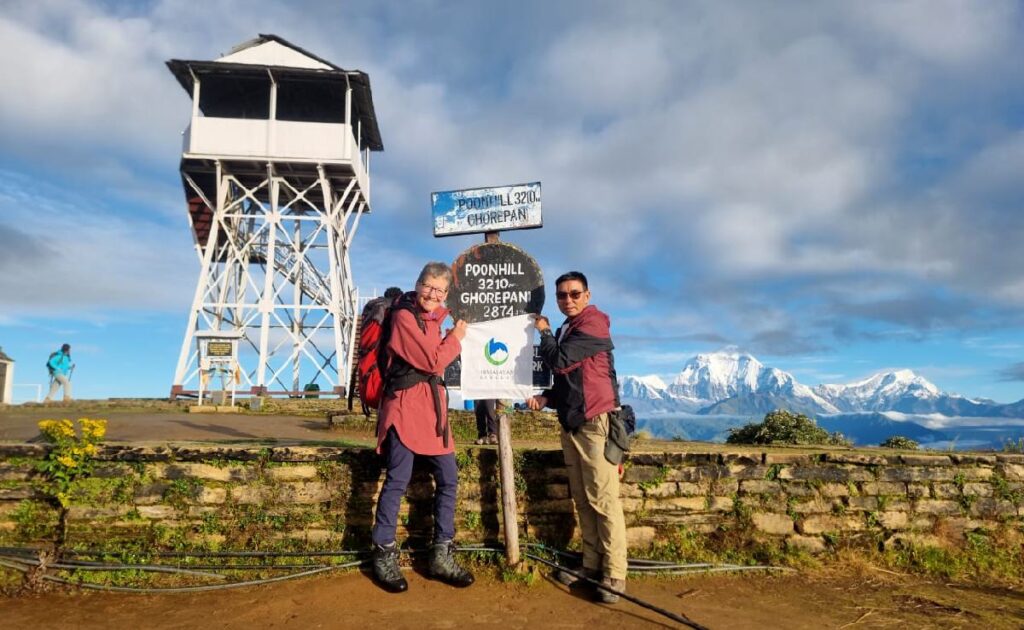
Trekking safely amid recent events: Our guest enjoys the breathtaking views from Poon Hill while travel operations in Nepal continue smoothly.

Here are the main reasons to plan your trip with confidence:

  • Peaceful environment in both cities and villages
  • Fully operational airports, hotels, and trekking routes
  • Helpful local guides and communities
  • Clear safety assurances from the tourism board
  • No travel restrictions or advisories
  • Real-time support through digital tools

Therefore, whether you want trekking, culture, or spiritual renewal, Nepal is ready for you.

Nepal Is Stronger Than Ever

The Gen Z awakening has not weakened Nepal, it has strengthened it. On the contrary, the country is calm, united, and determined to give visitors a safe and memorable experience.

From the Himalayas to the valleys, the atmosphere is positive. As a result, travelers will find resilience, hospitality, and renewal.

Travel With Confidence

Nepal safe to travel

Nepal is open and safe. Finally, book your trip today and experience a country where youth-led change meets timeless hospitality.

At Himalayan Circuit, we are back in the office, our trips are running, and our guides are ready to welcome you. Come explore Nepal, where resilience and hospitality never fade.

Nepal Travel News: A New Dawn After the Gen Z Revolution

Nepal safe to travel

In recent weeks, Nepal experienced an important moment in its democracy. A youth-led movement against corruption brought the nation into the global spotlight. Now, Nepal is safe to travel, and travelers can explore its beauty with confidence and peace of mind.

What Happened?

The Gen Z Revolution started online, with young Nepalis organizing through social media platforms like Discord. Their goal was simple: to demand honest and fair governance.

When authorities tried to silence the movement by banning social media, peaceful demonstrations spread into the streets. Unfortunately, clashes led to some deaths and injuries. However, unlike past unrest, this movement focused on civic issues rather than religion or ethnicity, it represented a peaceful protest led by a generation determined to create change.

A Turning Point for Nepal

The failure of traditional political leadership led the independent government to take action. As a result, the government announced elections for March, and for the first time, Nepal chose a female Prime Minister, a symbol of fresh beginnings and inclusive leadership.

Meanwhile, workers and citizens quickly restored normal life. Streets became calm, businesses reopened, and the people focused on rebuilding with renewed hope and determination.

Here’s why Nepal is safe to travel today.

Travelers can feel reassured by the current stability:

  • No ongoing violence – Protesters ended demonstrations peacefully.
  • No religious conflict – The movement focused on civic issues.
  • Recovery in progress – Workers are quickly restoring roads, services, and businesses.
  • New governance – With Gen Z’s influence, Nepal moves toward honesty and accountability.

Why Visit Nepal Now

Nepal is not only safe, it is ready to welcome you with open arms. Additionally, the Gen Z Revolution has reignited national pride, hospitality, and the desire to share the country’s rich culture and natural beauty with the world.

Gen Z is cleaning the areas that were damaged during the unrest.

For example, from trekking in the Himalayas and exploring ancient temples to walking the vibrant streets of Kathmandu, you’ll find a nation that is healing, hopeful, and determined to offer meaningful experiences to every visitor.

Now is the perfect time to rediscover Nepal and be part of its inspiring new chapter.

Unique Experiences: How Federalism Impacts Nepal’s Tourism

Federalism in Nepal

In 2015, federalism in Nepal was officially adopted, marking a significant milestone after years of political challenges. This change introduced a new era of hope and opportunity by decentralizing power among three levels of government: federal, provincial, and local. Each tier now holds distinct responsibilities, including managing development priorities such as tourism—an essential pillar of Nepal’s economy.

Beyond administrative tasks like planning and budgeting, federalism in Nepal has encouraged governments to engage more with local communities to craft policies that reflect regional identities and needs. Consequently, tourism is evolving to become more inclusive and community-driven. No longer confined to traditional hubs like Kathmandu and Pokhara, it is flourishing across Nepal’s diverse provinces.

Understanding Nepal’s Federal Structure

Federalism in Nepal establishes a framework comprising one federal government, seven provincial governments, and 753 local governments, each with clearly defined roles. The federal government oversees national policies, while provincial governments address regional issues. Local governments manage the everyday needs of their communities.

This division enhances service efficiency and accountability, enabling each government level to operate autonomously yet collaboratively. Striking this balance supports national unity while empowering local autonomy, allowing Nepal to effectively serve its diverse population.

The Impact of Federalism on Tourism

Federalism empowers provinces to develop tourism strategies tailored to their unique strengths. This autonomy allows regions to promote local attractions, improve infrastructure, and foster community-based initiatives such as homestays and trained local guides. As a result, tourism is becoming more dispersed and sustainable, offering authentic experiences beyond the well-known destinations.

Below is an overview of how each province is utilizing federalism to shape its tourism landscape:

1. Koshi Province: Adventure and Authenticity

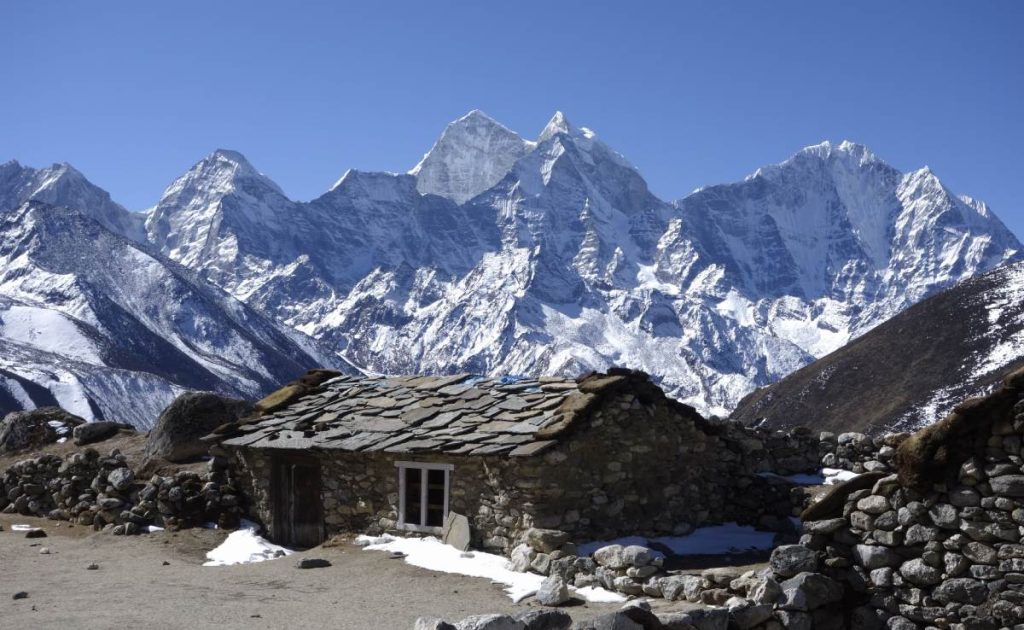
Everest Region Trek: Lukla to Tengboche Adventure
The majestic peaks of the Everest Region lie in Koshi Province.

Home to iconic peaks like Everest, Kanchenjunga, and Makalu, Koshi Province is renowned as an adventure tourism hotspot. However, tourism development here is marked by careful planning and community involvement. Improved infrastructure and connectivity are opening remote areas to visitors, while initiatives like homestays ensure that tourism benefits local residents. This approach preserves the region’s adventurous spirit and fosters meaningful travel experiences.

2. Madhesh Province: Cultural Richness and Wildlife

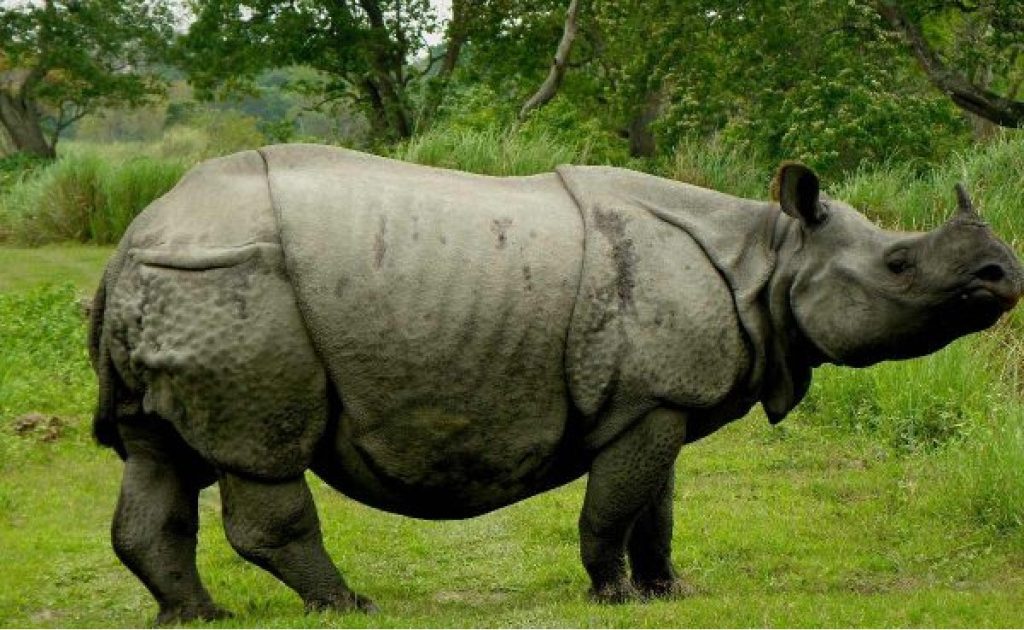
Rhino in Chitwan National Park
The endangered one-horned rhinoceros (Gainda), spotted in Chitwan National Park, which lies in Madhesh Province.

Madhesh Province offers a different but equally valuable tourism experience. Known for its vibrant cultural festivals, historic towns, and warm hospitality, it reflects Nepal’s diverse heritage. The province’s lowland Terai region is home to important wildlife reserves, including parts of the Chitwan National Park, attracting nature lovers and safari enthusiasts. Though tourism here is still developing, Madhesh holds great potential to enrich Nepal’s overall travel offerings.

3. Bagmati Province: Preserving Cultural Heritage

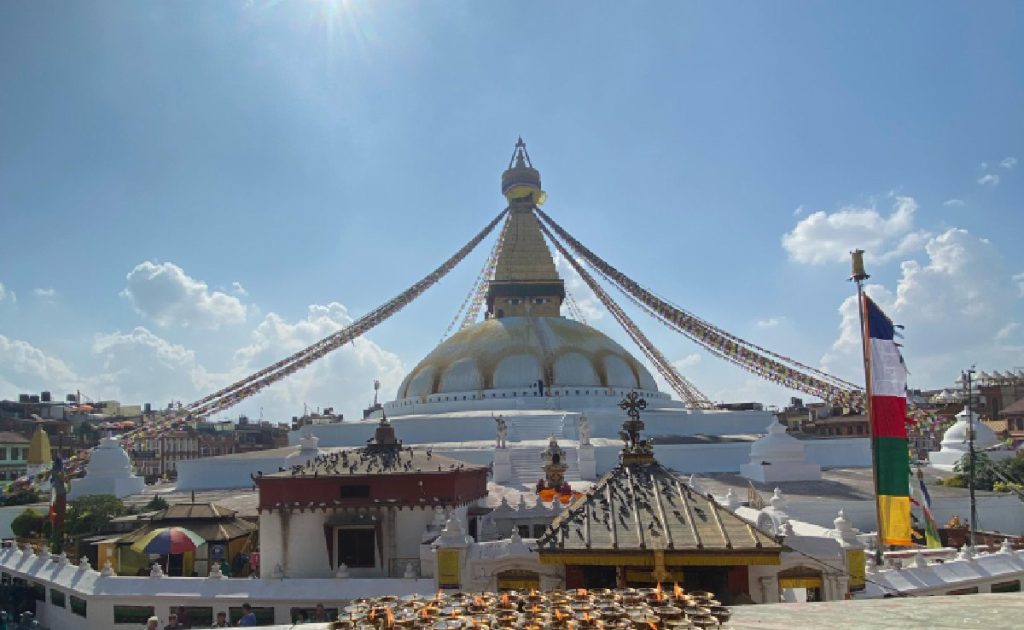
Boudhanath Stupa
 The largest dome-shaped stupa in the world, Boudhanath Stupa, lies in Bagmati Province. 

Bagmati Province, which includes the Kathmandu Valley, is Nepal’s cultural heartland. It boasts ancient temples, palaces, and UNESCO World Heritage Sites that chronicle Nepal’s rich history. Coordinated efforts between provincial and federal authorities have led to restoration projects and enhanced visitor facilities. These developments are helping cultural tourism thrive while safeguarding the valley’s historic character and offering a welcoming environment for visitors.

4. Gandaki Province: Embracing Eco-Friendly Tourism

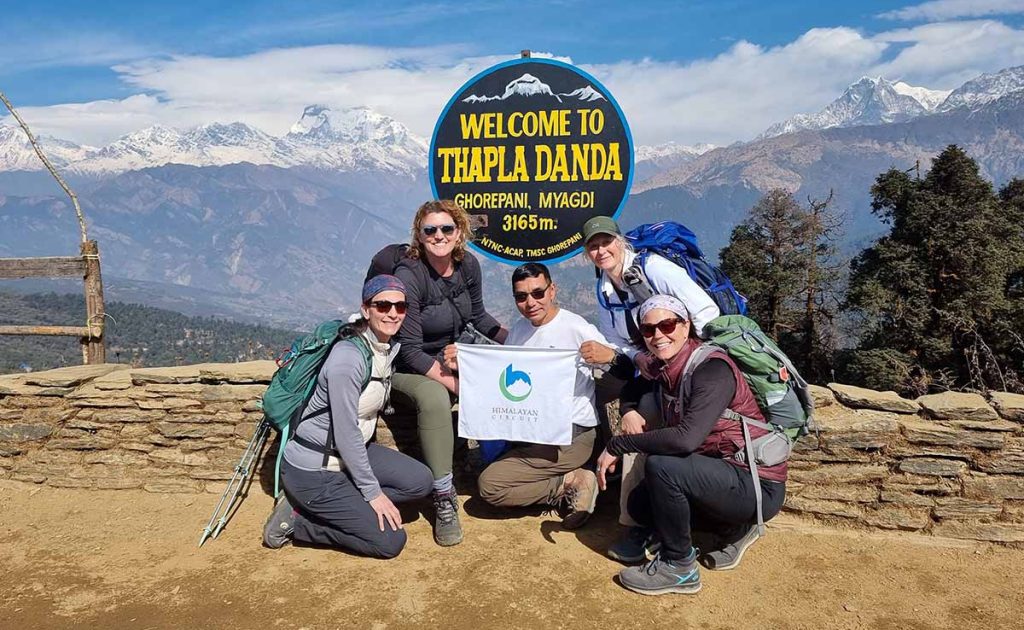
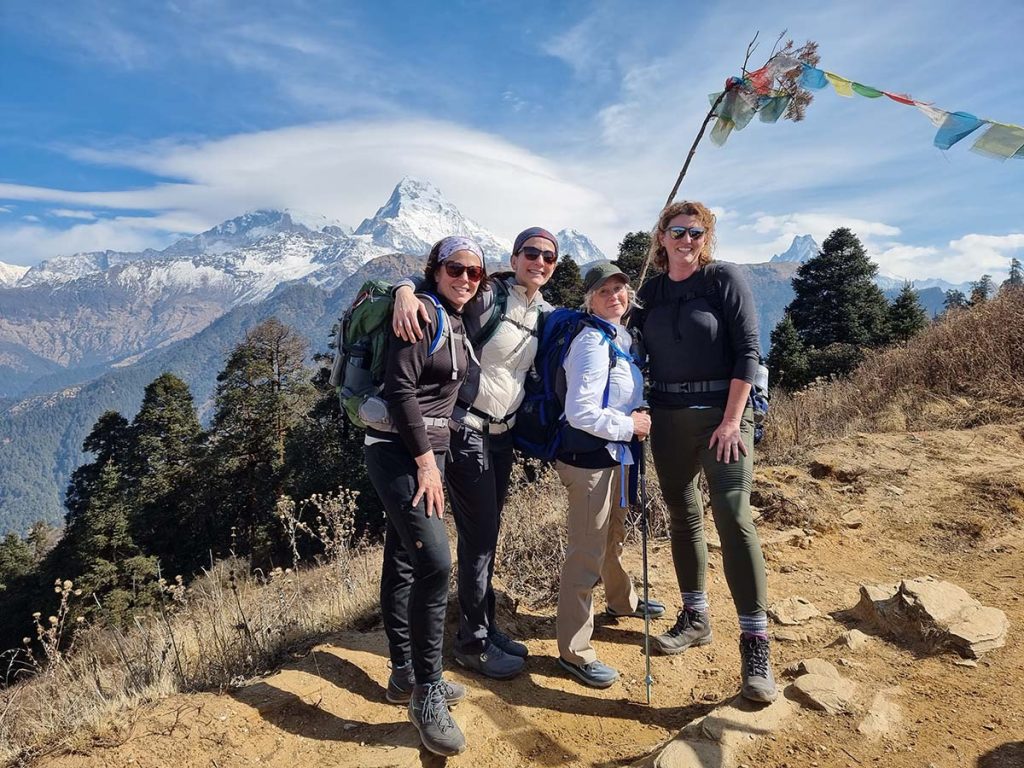
4 Clients with 1 Guide in Thapla Danda
With the Annapurna range behind them, clients enjoy the beauty of Gandaki Province.

Gandaki Province captivates with its natural beauty, from serene lakes to the Annapurna trekking circuit. Here, tourism development prioritizes environmental conservation. Upgraded infrastructure and trekking routes have improved accessibility, while eco-friendly initiatives such as waste management programs and eco-lodges promote sustainable tourism. This balance ensures that the province’s natural charm remains intact for future generations.

5. Lumbini Province: Nurturing Spiritual Tourism

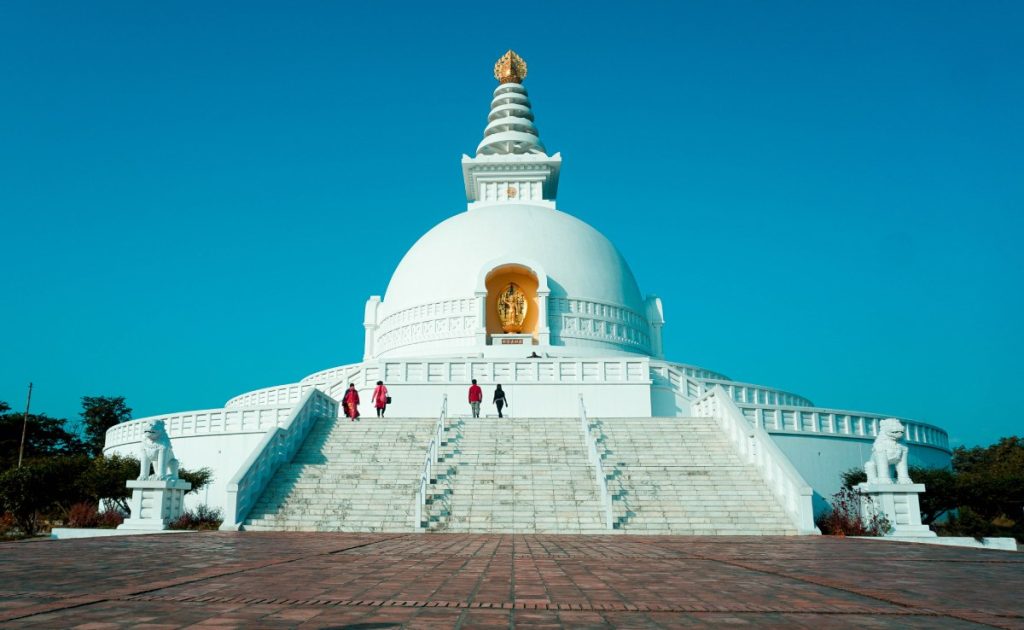
Lumbini Peace Stupa
Located in Lumbini Province, the World Peace Stupa of Lumbini stands as a symbol of harmony and devotion.

As the birthplace of Buddha, Lumbini Province holds profound spiritual significance. It attracts pilgrims and visitors from around the world. Recent investments in transportation, visitor centers, and heritage preservation enhance the visitor experience while respecting the area’s sacred character. This thoughtful development supports a sustainable model that honors Lumbini’s cultural and spiritual legacy.

6. Karnali and Sudurpashchim Provinces: Unlocking Hidden Potential

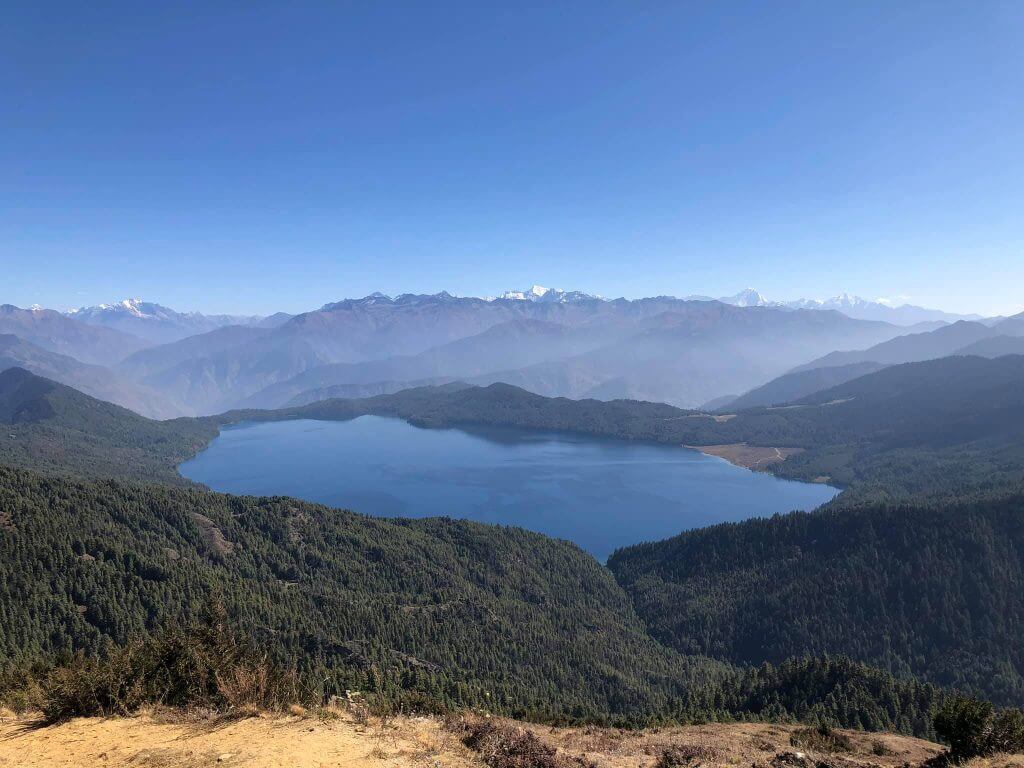
Rara Lake
The largest fresh water lake of Nepal, Rara lake, which lies in the Karnali Province

Karnali and Sudurpashchim, known for their vast rural landscapes and untouched natural beauty, have long remained off the beaten path. Recent infrastructure improvements and community skill-building programs are gradually opening these provinces to tourism. This growth is intentionally paced to preserve cultural integrity and environmental sustainability, fostering inclusive economic development that benefits local communities.

Looking Ahead: A Harmonious Future for Tourism in Nepal

Federalism in Nepal has paved the way for a more balanced and responsible approach to tourism. When all levels of government collaborate effectively, investments can be targeted to revive heritage sites, protect natural resources, and create authentic experiences that showcase each region’s unique character. This unified effort transforms Nepal’s diverse landscapes into a cohesive narrative of sustainable tourism, ensuring that the benefits of growth reach every corner of the country.

If you seek to explore Nepal beyond the usual routes, discover the stories and cultures woven into each province. Experience the country through journeys that reflect its true spirit and local pride.

Nepal Travel News: A Decade as the Best Travel Destination

Annapurna Family Trek

Why Nepal?

Nepal is widely recognized as the best travel destination in South Asia—and for good reason—it’s a place that awakens your senses, calms your soul, and fills you with adventure. From snow-covered peaks to jungle safaris, from spiritual calm to buzzing city streets, Nepal offers something truly special: diversity, depth, and discovery.

A Decade of Global Recognition

Over the past ten years,These consistent global rankings highlight why Nepal is considered the best travel destination by major outlets year after year. For example, it was named Best Value Destination by Lonely Planet in 2017, and Kathmandu was ranked #2 worldwide for solo travel by TripAdvisor in 2025.

Moreover, respected travel platforms like Forbes, National Geographic Traveller, Wanderlust, CNN Travel, and Time Magazine have spotlighted Nepal for its thrilling adventures, deep cultural roots, conservation work, and inspiring recovery after natural disasters.

Even during the quiet pandemic years (2020–2021), Nepal remained in the hearts of many future travelers. Despite limited movement, the country continued building a story of hope, resilience, and sustainability.

Global Recognition Through the Years (2015–2025)

Year Global Recognition Highlights
2015 Forbes: “10 Coolest Places to Visit” • Lonely Planet: Best Places to Travel in October • TripAdvisor: Kathmandu in Top 20 Destinations
2016 NatGeo Traveller: Cool List #6 • Rough Guides: #1 Destination • Forbes & Fodor’s: Top Global Destination
2017 Lonely Planet: Best Value Destination • Ranked #5 in “Best in Travel 2017”
2018 Much Better Adventures: Featured trekking routes (EBC, Annapurna, Langtang, Western Nepal)
2019 Forbes: Bucket List Destination • Lonely Planet: Kathmandu Top 10 Cities (#5) • Wanderlust: Conservation success • CNN: Ghandruk among “Most Picturesque Towns in Asia”
2020–21 (Pandemic) — Limited travel features, but Nepal stayed in the spotlight as a top future adventure spot
2022 Lonely Planet: Top 8 Countries to Visit
2023 TravellersQuest: Top Packages • Time 100 Next: Kathmandu Mayor Featured
2024 Time Magazine: Bardiya (Burhan Camps) in “100 Greatest Places” • Wanderlust: Wildlife & Culture Focus • Adventure.Travel: Top 5 Nepal Sites (Rara, Illam, Gosaikunda, Bandipur, Tansen) • Travelstride: Partnered Global Tour Operators
2025 Lonely Planet: Top Destination & Terai Region Featured • Much Better Adventures: #7 in Solo Adventure Travel • TripAdvisor: Kathmandu #2 Solo Destination, #21 Overall, #7 Cultural City

Best Places to See in Nepal

Nepal is full of breathtaking landscapes and soulful experiences. Whether you’re into mountains, history, or peace and quiet, here are some of the most loved places:

  • Everest Base Camp & Annapurna Circuit – Iconic treks with world-class views
  • Langtang Valley, Manaslu, and Mustang – Peaceful, scenic, and culturally rich
  • Kathmandu Valley – Ancient cities, Durbar Squares, Boudhanath, and Swayambhu
  • Chitwan & Bardiya National Parks – Wildlife havens with tigers, rhinos, and elephants
  • Lumbini – The sacred birthplace of the Buddha
  • Pokhara – A lakeside town with Himalayan reflections and relaxing vibes
  • Rara Lake, Gosaikunda, Tansen, Bandipur, Illam – Hidden gems with serene beauty

A Personal Invitation to All Travelers

Dear Travelers,
Nepal welcomes you with open arms, majestic mountains, golden temples, lush jungles, and kind-hearted people. Whether you’re seeking high-altitude adventure, timeless heritage, or quiet reflection, this land has something for your soul.

To make your journey even more special, let Himalayan Circuit be your travel companion in Nepal. We offer more than just tours—we create meaningful, safe, and unforgettable experiences, fully personalized for your needs.

Come. Explore. Experience Nepal.

Your journey begins with Himalayan Circuit.
Namaste & Welcome!

Nepal Travel News: Overview of Tourism Associations in Nepal

4 Clients with 1 Guide in Thapla Danda

Tourism Associations in Nepal play a vital role in shaping the country’s rapidly growing travel industry. Once known mainly for Mount Everest, Nepal has become a dream destination for travelers worldwide. Behind the scenes, these associations work hard to promote adventure, culture, and sustainable tourism — making Nepal’s tourism identity stronger each year.

Over the years, the tourism industry has expanded beyond trekking and mountaineering. It now includes adventure sports, cultural tourism, eco-tourism, and wellness travel. As a result, tourism contributes significantly to the national economy, creates employment, supports rural development, and connects Nepal with the global travel scene.

From the chaotic charm of Kathmandu and the scenic beauty of Pokhara to remote trekking routes and UNESCO World Heritage sites, travelers are often amazed by the experiences they can gain in such a small country.

Importance of Tourism Associations

Have you wondered how Nepal’s tourism industry stays organized, professional, and continues to grow? A big part of the credit goes to the country’s tourism associations. These organizations work behind the scenes to keep everything running smoothly.

They protect the interests of tour operators, guides, hoteliers, and adventure companies. At the same time, they help set quality standards, provide training, and ensure services are safe and reliable.

Tourism associations act as the glue that holds the entire travel industry together. Without them, it would be difficult to ensure quality, safety, and sustainability in this sector.

This blog explores the most influential organizations shaping Nepal’s tourism landscape.

Major Tourism Associations in Nepal

Nepal Tourism Board (NTB)

The Nepal Tourism Board is the national tourism organization, established in 1998. Its mission is to develop, promote, and market Nepal as a must-visit destination.

Since its formation, NTB has united the government and the private sector to promote Nepal through campaigns like “Visit Nepal.” It also helps boost local tourism entrepreneurs and create global visibility.

Nepal Association of Tour and Travel Agents (NATTA)

Founded in 1966 by forward-thinking travel professionals, NATTA is one of the oldest tourism organizations in Nepal. It is dedicated to strengthening Nepal’s tour and travel industry.

It represents a wide network of tour operators, travel agencies, and transport service providers across the country. NATTA also advocates for a better business environment and offers training programs to improve professionalism.

Hotel Association of Nepal (HAN)

HAN serves as the voice of Nepal’s hospitality industry. Its mission is to promote and strengthen hospitality services across the country.

Established in 1966/67, this non-profit organization works for the welfare of hoteliers. It ensures that hotels meet international standards while promoting sustainable practices. HAN also partners with the government and global tourism bodies to boost Nepal’s hospitality image.

Tourist Guide Association of Nepal (TURGAN)

TURGAN is a professional organization dedicated to the rights and welfare of licensed tourist guides and escorts. These individuals play a key role in welcoming and guiding visitors.

TURGAN promotes accurate information, ethical guiding practices, and enriching visitor experiences. In addition, it offers training and certification to ensure guides meet national and international standards.

Other Notable Associations

The Pacific Asia Travel Association (PATA) connects Nepal with broader Asia-Pacific travel trends and global markets.

The Trekking Agencies Association of Nepal (TAAN) represents trekking agencies. It ensures that trekking across the Himalayas is safe, well-regulated, and sustainable.

The Nepal Mountaineering Association (NMA) promotes mountaineering and coordinates climbing expeditions. It plays a major role in managing peak climbing activities.

For river adventures, the Nepal Association of Rafting Agents (NARA) supports rafting and kayaking operators. It promotes eco-friendly and safe practices in water sports.

The Tourism Entrepreneurs Women Association of Nepal (TEWAN) adds a gender-inclusive dimension. It empowers women through training, advocacy, and entrepreneurship support.

Together, these associations keep Nepal’s tourism industry thriving, exciting, and more inclusive than ever.

Driving Growth Through Collaboration

Nepal’s tourism industry depends heavily on the teamwork found within its associations. By bringing together diverse voices, these tourism associations in Nepal create a collaborative and innovative environment.

Their efforts build trust among stakeholders and provide stability in times of change. They also nurture talent and ensure long-term growth.

To conclude, it’s the people working behind the scenes — united by shared goals — who truly shape the future of tourism in Nepal.

Nepal Travel News: The International Airports in Nepal

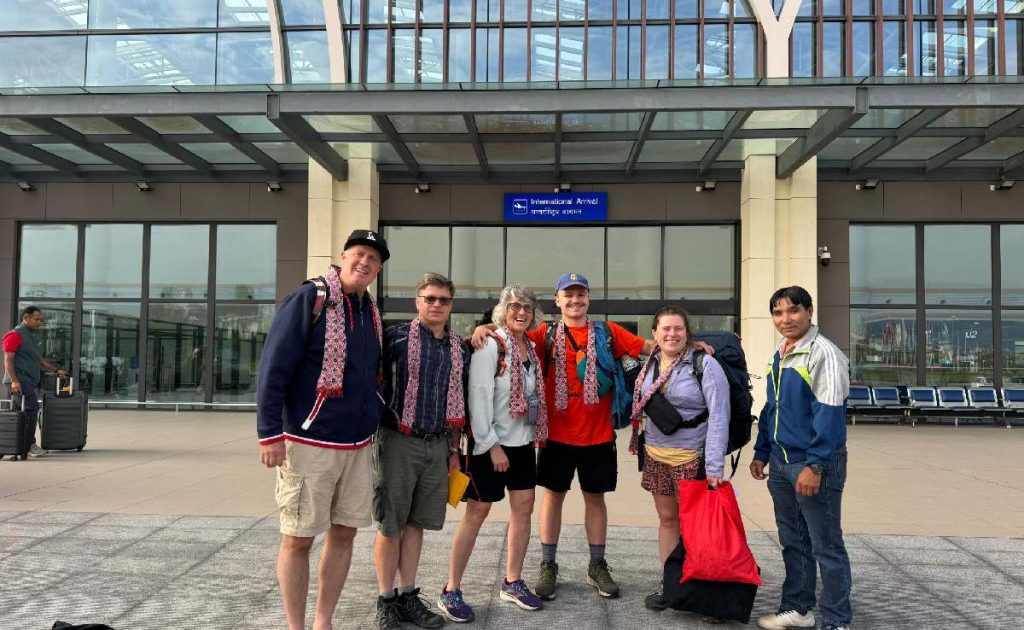
Airport arrival procedure in Nepal

International airports in Nepal are playing a major role in reshaping the country’s tourism landscape. With the addition of modern gateways in Pokhara and Bhairahawa, Nepal is more connected than ever

However, things are changing. Nepal is now improving its aviation sector to support its growing tourism. The openings of Pokhara International Airport and Gautam Buddha International Airport in Bhairahawa have made travel easier and more direct.

These new airports help share tourism benefits across the country. They reduce travel time, support local economies, and allow visitors to reach different parts of Nepal more easily.

In this blog, The Himalayan Circuit gives you a detailed look at Nepal’s existing and upcoming international airports.

1. Tribhuvan International Airport – Kathmandu’s Main Gateway

Tribhuvan International Airport, once called Gauchaur Airport, is Nepal’s oldest and busiest international airport. Renamed in 1955, it’s located in Kathmandu, the heart of Nepal’s political and cultural life.

TIA has a 3,350-meter runway and connects Nepal to over 40 cities in 17 countries. Major airlines like Qatar Airways and Turkish Airlines operate flights here.

Thanks to its central location, travelers can quickly access key attractions such as Swayambhunath (Monkey Temple), Pashupatinath Temple, Patan, and Bhaktapur. These UNESCO World Heritage Sites are just a short drive away.

Moreover, TIA is the main starting point for treks to the Everest, Langtang, and Annapurna regions.

2. Bhairahawa’s Gautam Buddha International Airport

In May 2022, Gautam Buddha International Airport opened in Bhairahawa. Named after Lord Buddha, who was born nearby in Lumbini, this is Nepal’s second international airport.

The airport lies about 270 kilometers from Kathmandu. Its 3,000-meter runway and modern terminal can handle large planes and many passengers. This makes travel more convenient for both domestic and international tourists.

Because it is close to the Indian border, this airport offers easy access to southern Nepal. Its biggest advantage is its direct connection to Lumbini, a spiritual hub and UNESCO site.

In addition, travelers can explore Kapilvastu Museum and Chitwan National Park, both nearby.

3. Pokhara International Airport – Nepal’s New Tourism Hub

Pokhara International Airport, opened in 2023, is another major addition to Nepal’s aviation system. Built with help from China, this airport replaces the older domestic terminal.

It meets international standards with longer runways and upgraded terminals. As a result, reaching Pokhara—one of Nepal’s top tourist cities—is now quicker and more comfortable.

The airport is useful for those heading to the Annapurna region or Muktinath Temple. Visitors can also enjoy local highlights like Phewa Lake, Sarangkot, World Peace Pagoda, and Begnas Lake.

4. The Future of International Airports in Nepal – Nijgadh

Nijgadh International Airport is a proposed airport in Bara District, about 150 kilometers from Kathmandu. This large-scale project is being planned to reduce traffic at TIA.

It is expected to have one of the longest runways in South Asia and will handle millions of travelers every year. The goal is to create a major travel hub for the eastern and central Terai region.

The airport will also improve access to places like Parsa National Park and Gadhimai Temple, helping promote tourism and development.

Nepal’s international airports in Nepal plays a key role in tourism, trade, and cultural exchange. As more airports open and old ones improve, travel becomes smoother and more accessible.

For visitors, this means shorter trips, fewer layovers, and easier access to Nepal’s top destinations. In short, these gateways are shaping a more connected and welcoming future.

With every new flight, Nepal opens up a little more—inviting the world to experience its beauty, culture, and adventure.

Nepal Diary: Your Mountain Flights Guide Experience in Nepal

Mountain Flight in Nepal

Watching the sunrise over the Himalayan peaks from a plane window is a memory that lasts forever. A mountain flight in Nepal offers a chance to witness some of the world’s highest mountains, including Mount Everest, Cho Oyu, and Lhotse, without the demands of trekking. From the comfort of your seat, soak in sweeping views of snow-covered summits rising above 8,000 meters.

The Everest scenic flight is perfect for travelers who want to experience the grandeur of the Himalayas but have limited time or physical constraints. This Himalayan sightseeing tour combines ease and elevation, making it one of the most accessible highlights of Nepal adventure tourism.

Why You Should Take a Mountain Flight in Nepal

  • See Mount Everest and other peaks up close without trekking

  • Experience the Himalayas from the comfort of a plane seat

  • Fits easily into short Nepal itineraries

  • Ideal for families, solo travelers, and seniors

  • No need for trekking gear or physical preparation

  • Safer and less weather-dependent than high-altitude treks

  • Capture stunning aerial photos and videos

  • Fly over glaciers, ridges, valleys, and Sherpa villages

  • Enjoy peaceful views of clouds, snowfields, and mountain terrain

  • Combine with other attractions in Nepal for a full adventure

The In-Flight Experience

A mountain flight in Nepal lasts about 45 minutes to 1 hour, operating daily from Tribhuvan International Airport, Kathmandu. Small aircraft with large windows ensure everyone has a clear view of the mountains.

As the flight departs early in the morning, you’ll leave behind the city and fly toward a world of snow and silence. The landscape shifts from green hills to deep valleys and then to jagged ridges and glistening peaks. You’ll get uninterrupted views of snow-covered summits and the endless sky.

Each passenger receives a mountain range map to identify peaks, and the pilot often announces landmarks as you fly by. Cameras click constantly as travelers capture the beauty around them. The aircraft flies close enough to the mountains to feel like you’re among them, not just above.

On the return leg, you’ll notice new angles and landscapes you missed on the way out, giving a fresh perspective on the Himalayas before landing back in Kathmandu.

Best Time for Mountain Flights in Nepal

The best months for a mountain flight in Nepal are January to May and September to December. During these seasons, skies are usually clear and visibility is excellent. You’ll see sparkling peaks, clear lakes, and glaciers in their full glory.

Flights operate year-round, but monsoon and winter months can bring unpredictable weather. It’s best to plan your flight in the recommended seasons for the clearest views.

The Himalayas have mesmerized travelers for generations. While trekking and climbing are classic ways to explore them, an Everest scenic flight offers an easy and breathtaking alternative. It’s one of the best ways to experience the beauty of Nepal’s mountains with minimal effort.

If your journey brings you to Nepal, don’t miss this adventure. Book your Everest scenic flight with Himalayan Circuit, sit back, and let the Himalayas take your breath away.

Nepal Diary: Frequently Asked Questions for Traveling in Nepal

FAQs about traveling to Nepal

Planning a trip to Nepal? At Himalayan Circuit, we are dedicated to making your journey unforgettable. Whether you’re visiting for the first time or returning for more adventure, we’ve put together a list of frequently asked questions (FAQs) about traveling to Nepal to help you prepare. This guide covers everything from visa requirements to travel tips, ensuring your trip to Nepal goes smoothly.

1. Do I need a visa to visit Nepal?

Yes, most international travelers need a tourist visa to visit Nepal. You can obtain a 15-day visa for $30 USD (or the equivalent in Nepali Rupees) upon arrival at Tribhuvan International Airport in Kathmandu or at land border entry points. You can also apply for an eVisa online before your trip via the Nepal eVisa website. Visa extensions are available if you wish to stay longer.

2. When is the best time to travel to Nepal?

Best Time to Visit Nepal: A Quick Guide

The best time to visit Nepal is during autumn (September to November) and spring (March to May). These seasons offer clear skies, mild temperatures, and excellent conditions for trekking, sightseeing, and outdoor adventures.

Autumn (September to November)

Autumn provides crisp weather, fresh trails, and stunning Himalayan views, making it ideal for trekking. It’s also the season for major festivals like Dashain and Tihar, adding a cultural touch to your visit.

Spring (March to May)

Spring brings warmer temperatures and blooming rhododendron forests, perfect for trekking and exploring Nepal’s natural beauty. It’s also the best time for clear views of the Himalayas.

Winter (December to February)

Winter can be cold, especially in higher altitudes, but it’s still great for lower-altitude treks and cultural tours in places like Kathmandu and Pokhara.

Monsoon (June to August)

The monsoon season brings heavy rains, making trekking challenging. However, if you’re focused on cultural sightseeing, the lush landscapes can still be beautiful.

3. What vaccinations do I need before traveling to Nepal?

Vaccinations are recommended for travelers heading to Nepal. Common vaccines include:

  • Routine vaccines: MMR, DTaP, Polio, Flu.
  • Travel-related vaccines: Hepatitis A, Hepatitis B, Typhoid, and Malaria (if visiting high-risk areas). It’s important to visit your healthcare provider 4-6 weeks before your trip. For more information on vaccinations, check out the CDC Travel Health page.

4. What currency is used in Nepal, and how can I exchange money?

The official currency in Nepal is the Nepalese Rupee (NPR), denoted as NRs. Notes are available in denominations of 5, 10, 20, 50, 100, 500, and 1000 rupees, while coins are available in 1, 2, and 5 rupees. While US dollars are accepted in major tourist areas, it’s recommended to use local currency for everyday purchases.

How to Exchange Money in Nepal

You can exchange foreign currency at banks, money exchange offices, or ATMs in cities like Kathmandu, Pokhara, and Chitwan. For the most accurate rates, visit Nepal Rastra Bank or reliable exchange counters.

Using Credit Cards in Nepal

In Kathmandu and other major cities, you can use credit cards (Visa, MasterCard, American Express) at many tourist spots, but cash is preferred in rural areas and remote villages. Always carry enough cash for your trip.

ATMs in Nepal

ATMs are available in larger cities, and most charge a fee (around 500 NPR) for foreign card withdrawals. ATM access is limited in remote areas, so it’s best to withdraw enough cash before heading out.

Cash on Trekking Routes

If you’re trekking in Nepal, cash is king. While some popular trekking routes may have ATMs, they are limited, and fees are high. Carry enough Nepalese Rupees to cover your entire trek.

For up-to-date exchange rates, visit Nepal Rastra Bank.

5. Is Nepal a safe destination for tourists?

Yes, Nepal is generally a safe destination for travelers. The country is peaceful, and the locals are welcoming. However, like any travel destination, it’s important to remain cautious, especially in unfamiliar areas.

Safety Tips for Traveling in Nepal:

  1. Be Mindful of the Monsoon Season
    Mudslides and rockslides are common during the monsoon (June to August), especially in remote regions. Check the weather before trekking.
  2. Stay Safe in Crowded Areas
    Petty theft can occur in busy tourist spots. Keep your belongings secure.
  3. Trekking Safety
    Hire a certified guide for trekking in high-altitude areas and be mindful of altitude sickness.
  4. Respect Local Culture
    Nepal has a rich cultural heritage—respect local traditions and customs to ensure a positive experience.

For more detailed safety advice, check out our Safe Trip Abroad Handbook, available on our website.

Nepal is a generally safe country for tourists, but being cautious and prepared will help you have a worry-free trip.

6. What are the best transportation options in Nepal?

In Nepal, you’ll find several transportation options:

  • Flights: We recommend flying with Buddha Air, which is known for its reliable domestic flights. You can book flights from Kathmandu to Pokhara, Chitwan, and other cities. Visit Buddha Air for more information.
  • Tourist buses: Comfortable and affordable, these buses connect major tourist cities like Kathmandu, Pokhara, and Chitwan.
  • Private vehicles: Great for flexibility and comfort, ideal for group travel.
  • Public transport: Taxis and local buses are available, though they can be crowded and less reliable.

7. What are the food available in Nepal?

Nepal offers a rich and diverse food culture influenced by its many regions and ethnic groups. From traditional Nepali dishes to street food and international cuisine, there’s something for every traveler to enjoy. Here’s a guide to the food in Nepal that you can expect during your visit:

1. Traditional Nepali Cuisine:

  • Dal Bhat: The cornerstone of Nepali meals, dal bhat consists of lentil soup (dal) served with steamed rice (bhat). This hearty dish is often accompanied by vegetables, pickles (achar), and sometimes meat or fish. It’s a nutritious and filling meal that is typically eaten twice daily by locals.
  • Momo: Nepali dumplings, filled with spiced meat (usually chicken, pork, or buffalo) or vegetables, are a popular street food and snack. They can be steamed or fried and are often served with a spicy dipping sauce.
  • Sel Roti: This traditional Nepali rice donut is made from rice flour, sugar, and milk, commonly served during festivals and celebrations.

2. Nepali Street Food:

  • Chatamari: Known as Nepali pizza, chatamari is a rice crepe topped with meat, eggs, or vegetables. It’s a favorite in the Newar community and can be found in Kathmandu and Bhaktapur.
  • Samosas: These fried, triangular pastries are filled with spiced potatoes, peas, and sometimes meat. Samosas are a popular snack and street food throughout Nepal.

3. Spices and Flavors:

Nepali cuisine is flavorful, with an emphasis on spices like turmeric, cumin, garlic, and ginger. Achar, a spicy pickle made from fruits, vegetables, or even meats, is often served alongside meals to add an extra layer of flavor.

4. Beverages in Nepal:

  • Chiya: Nepali tea is typically served with milk and sugar, and it’s a popular drink throughout the day, especially in the morning or during breaks.
  • Raksi: A traditional alcoholic drink made from rice or millet, raksi is commonly consumed during festivals and celebrations.

5. Vegetarian and Vegan Dishes:

Given Nepal’s strong Hindu and Buddhist influences, there are many vegetarian and vegan options. Dishes like vegetable curry, dal, lentils, and spinach-based dishes are widely available and commonly eaten.

6. International Cuisine:

In major tourist cities like Kathmandu and Pokhara, you’ll find international food options, including pizza, pasta, and even fast food chains. However, local Nepali cuisine is the real highlight of your visit.

When visiting Nepal, expect a variety of traditional Nepali foods like dal bhat, momos, and thukpa, along with delicious street food such as chatamari and samosas. Whether you prefer vegetarian or meat-based dishes, Nepal’s cuisine will offer something to satisfy every palate. Be sure to try these local specialties for an authentic food experience!


8. What should I pack for my trip to Nepal?

Packing for Nepal depends on your activities, but here’s a general packing list to help ensure you’re ready for anything, from trekking in the Himalayas to exploring Kathmandu.

1. Trekking Gear

If you’re planning on trekking, make sure to pack:

  • Comfortable hiking boots: Choose sturdy, well-broken-in boots for comfort and protection.
  • Warm clothing: Layering is key, especially in the mountains where temperatures can drop even in summer.
  • Quality backpack: A comfortable, well-fitting backpack is essential for carrying your gear during treks.
  • Sleeping bag: If you’re trekking, a good sleeping bag suitable for the altitude is necessary for comfort and warmth.

2. Clothing

Nepal’s weather can vary greatly by region and altitude:

  • Light clothes for warm weather: Cotton shirts, shorts, and comfortable shoes for lowland and city exploration.
  • Extra layers for cooler mountain temperatures: Fleece jackets, down jackets, and thermals are crucial for the chilly mountain evenings and early mornings.

3. Health and Personal Items

  • Medications: If you’re on any regular medication, make sure to bring enough for your entire trip, as some prescriptions may be hard to find.
  • Sunscreen: The Nepali sun can be intense, especially in higher altitudes. Be sure to pack high-SPF sunscreen to protect your skin.
  • Hand sanitizer: Handy for keeping clean when handwashing facilities are limited.
  • Insect repellent: Especially important if you’re traveling during the monsoon season (June to August) when mosquitoes are more prevalent.

4. Travel Essentials

  • Power adapter: Nepal uses Type C, D, and M plugs, so be sure to bring a universal adapter for your devices.
  • Camera: You’ll want to capture the stunning landscapes, vibrant culture, and historic sites. Don’t forget extra memory cards and batteries.
  • Good map: Whether you’re trekking or exploring cities, a reliable map of Nepal or a trekking guidebook can be invaluable.

5. Other Helpful Items

  • Water bottle: Stay hydrated, especially if you’re trekking in remote areas.
  • Travel insurance details: Always carry a copy of your travel insurance information in case of emergencies.
  • Flashlight or headlamp: Essential for trekking in remote areas where electricity might be scarce.

Your Nepal packing list will depend on your specific plans, but with these essential items for trekking, clothing, health, and travel essentials, you’ll be well-prepared for your adventure. Whether you’re trekking in the mountains or exploring the streets of Kathmandu, make sure you’re equipped for all of Nepal’s incredible experiences!

9. Do I need a guide for trekking in Nepal?

Hiring a licensed trekking guide is highly recommended when trekking in Nepal, especially in remote or high-altitude regions. A professional guide can ensure your safety, enrich your experience, and help you navigate Nepal’s stunning but challenging trekking routes. Here’s why hiring a guide is a smart choice for your trek:

1. Safety and Altitude Sickness Prevention

Trekking at high altitudes in Nepal, such as on the Everest Base Camp trek or the Annapurna Circuit, poses the risk of altitude sickness. A licensed trekking guide is trained to identify symptoms of altitude sickness and implement acclimatization techniques to help minimize risks. Guides also know the proper procedures to follow in case of emergency, ensuring your safety throughout the trek.

2. Local Expertise and Cultural Insights

A licensed guide will offer local knowledge and cultural insights, enriching your experience as you explore Nepal’s mountain villages, temples, and natural beauty. They can explain the region’s history, share local stories, and suggest hidden gems along the trekking trail that you might miss on your own.

3. Navigating Trekking Routes and Trails

Nepal’s trekking routes can be challenging, especially in remote areas with rugged terrain. A certified trekking guide is familiar with the trails and ensures that you stay on the right path. They also help manage difficult sections of the trek, ensuring you don’t get lost or waste time on incorrect routes.

4. Logistics and Permits

Guides handle all the essential logistics of your trek, including arranging permits, accommodation, and meals along the way. Their knowledge of local guesthouses and restaurants will help you find the best places to rest, ensuring a comfortable and stress-free trekking experience.

5. A More Enjoyable Experience

Beyond safety and logistics, a guide makes your trekking experience more enjoyable. They can recommend the best spots for photography, help you engage with locals, and make your trek more culturally immersive. A guide helps you get the most out of your Nepal trek, whether you’re hiking through villages, monasteries, or national parks.

While some trekkers may choose to go solo, hiring a licensed guide for trekking in Nepal is strongly recommended, especially for high-altitude treks or remote regions. Guides enhance your safety, help you prevent altitude sickness, and provide valuable cultural insights that make your trek more memorable. To ensure a smooth and enjoyable experience, it’s always best to book your licensed trekking guide through a trusted agency.

For more information on certified guides, visit the Nepal Tourism Board.

10. How can I prevent altitude sickness in Nepal?

Altitude sickness is common above 2,500 meters (8,200 feet). To reduce the risk:

  • Ascend slowly and allow time for acclimatization.
  • Drink plenty of water and avoid alcohol.
  • If you feel symptoms like headache or dizziness, descend to a lower altitude and seek medical help immediately. For more information, visit the CDC Travel Health page on altitude sickness.

11. How can I stay connected in Nepal?

Staying connected in Nepal is easy, whether you’re in Kathmandu, Pokhara, or the Himalayas. With reliable mobile networks, affordable data plans, and eSIM technology, keeping in touch is hassle-free. Here’s everything you need to know about staying connected in Nepal:

  1. Purchase a Local SIM Card in Nepal

One of the most affordable and convenient ways to stay connected is by purchasing a local SIM card. NTC Nepal (Nepal Telecom) and NCell Nepal offer competitive data plans, voice calls, and SMS services for both short-term and long-term visitors. You can buy a SIM card at Tribhuvan International Airport in Kathmandu, local mobile shops, or service centers in major cities like Pokhara and Chitwan. Be sure to bring your passport for SIM registration.

  1. eSIM Options for Travelers in Nepal

If you have an eSIM-compatible phone, Nepal offers a great option for staying connected without needing a physical SIM card. NTC Nepal and NCell Nepal both provide eSIM services, allowing you to activate local mobile data without the hassle of swapping SIM cards. You can also use global eSIM providers like Airalo, Truphone, or GigSky for international data plans that work in Nepal.

  1. Mobile Network Coverage in Nepal

In major cities like Kathmandu and Pokhara, mobile network coverage is reliable, and you can easily access mobile data and voice calls. However, as you head into more remote areas or embark on trekking routes in the Himalayas, mobile coverage can be spotty. For areas with limited coverage, consider renting a satellite phone for uninterrupted communication.

  1. Wi-Fi Access in Hotels and Cafes

Free Wi-Fi is widely available in hotels, cafes, and tourist spots in cities like Kathmandu and Pokhara. However, Wi-Fi speeds can be slower in more rural areas. In popular tourist spots, you can enjoy free internet access, though it may not always be as fast as you’re used to.

  1. Use Messaging Apps and Social Media

Most messaging apps like WhatsApp, Facebook Messenger, and Viber work well in Nepal, especially if you have mobile data or Wi-Fi. These apps are widely used by locals and travelers alike, allowing for easy communication, including voice calls and video chats.

Whether you’re in a city or trekking through remote areas, staying connected in Nepal is easy with a local SIM card, eSIM service, and reliable Wi-Fi options. eSIM technology offers an added convenience for those with compatible devices, eliminating the need for physical SIM cards. If you’re venturing into the mountains, be prepared for limited mobile coverage and consider satellite phones for communication. With these simple steps, you’ll enjoy seamless connectivity during your Nepal adventure.

For more details on SIM cards, check NTC Nepal or NCell Nepal.

12. What cultural norms should I follow in Nepal?

Nepal is a country steeped in rich cultural traditions and religious customs. As a visitor, it’s essential to respect these local norms to ensure a positive and respectful experience. Here are some key cultural etiquette tips to follow when traveling in Nepal:

1. Remove Your Shoes Before Entering Temples and Sacred Sites

In Nepal, it is customary to remove shoes when entering temples, monasteries, or any sacred sites. This is a sign of respect for the holy space and is an important part of Nepali culture. You may also be asked to remove your shoes when visiting local homes or certain cultural buildings.

2. Greet with Namaste

The traditional Nepali greeting is Namaste, where you press your palms together in a prayer-like gesture and bow slightly. This respectful greeting is commonly used when meeting someone or saying goodbye. It’s a sign of goodwill and respect for others, especially in the context of Nepal’s Hindu and Buddhist traditions.

3. Dress Modestly, Especially in Religious Sites

Nepal is a conservative society, especially in religious and rural areas. Modest dress is important when visiting religious sites like temples and monasteries. For both men and women, covering the shoulders and knees is considered respectful. Avoid wearing revealing clothing in sacred areas or when interacting with local communities.

4. Avoid Public Displays of Affection

Public displays of affection, such as kissing or hugging, are generally not appropriate in Nepal, particularly in more rural or conservative areas. While this may be accepted in some tourist spots, it’s best to refrain from such behavior to respect local customs.

5. Be Mindful of Local Customs and Traditions

Nepal is home to a diverse population with varying ethnic and religious practices. Always be respectful and ask for permission before taking photos of people, particularly in rural areas or sacred spaces. Also, when engaging with local customs, always take care to approach them with respect and openness.

By following these cultural norms in Nepal, you’ll show respect for the country’s traditions and ensure a more fulfilling travel experience. Removing shoes, greeting with Namaste, dressing modestly, and avoiding public affection are just a few ways to honor Nepal’s cultural values. Remember, understanding and respecting local customs will help you connect with the Nepali people and make your trip more enjoyable. For more travel tips and personalized assistance, visit HimalayanCircuit.com and start planning your adventure in Nepal!

13. Is Nepal only for trekkers?

Absolutely not! While Nepal is globally renowned for its trekking adventures, it offers a wide variety of attractions for all types of travelers. Whether you’re interested in culture, wildlife, or simply relaxing in stunning landscapes, Nepal has something for everyone. Here’s what else you can enjoy in Nepal besides trekking:

1. Cultural Tours in Kathmandu Valley

Nepal is rich in history and culture, and the Kathmandu Valley is a treasure trove of UNESCO World Heritage Sites. Explore the ancient cities of Kathmandu, Patan, and Bhaktapur, with their stunning temples, palaces, and Durbar Squares. Discover Nepal’s vibrant art and architecture while learning about its fascinating history.

2. Wildlife Safaris in Chitwan and Bardia National Parks

For nature enthusiasts, Nepal is home to incredible wildlife safaris in Chitwan National Park and Bardia National Park. Experience the thrill of spotting bengal tigers, one-horned rhinoceroses, and a variety of birds and animals. These parks offer unforgettable wildlife experiences, perfect for families and adventure seekers alike.

3. Scenic Boat Rides on Phewa Lake in Pokhara

If you’re looking for a more relaxing experience, enjoy a serene boat ride on Phewa Lake in Pokhara. Surrounded by lush hills and the stunning Annapurna Range, the lake offers a peaceful setting for leisurely activities suhttps://himalayancircuit.com/tour/pokhara-city-tourch as kayaking, fishing, or just enjoying the view.

4. Explore Nepal’s Temples, Monasteries, and Tibetan Settlements

Nepal is home to several temples, monasteries, and Tibetan settlements that offer insight into the country’s rich spiritual heritage. Visit sacred places like the Swayambhunath Stupa (Monkey Temple), Lumbini (the birthplace of Buddha), and the monasteries in the Everest region to deepen your cultural and spiritual connection with Nepal.

5. Adventure Sports and Outdoor Activities

For those seeking adrenaline, Nepal offers a range of adventure sports including paragliding in Pokhara, white-water rafting on the Trisuli River, and mountain biking in the hills. Whether you’re a thrill-seeker or a nature lover, there’s plenty to do beyond trekking.

Nepal is not just for trekkers; it’s a diverse destination with a wealth of cultural, natural, and spiritual experiences. Whether you’re interested in exploring ancient temples, going on a wildlife safari, or enjoying outdoor adventures, Nepal offers something for every traveler.

Start planning your Nepal itinerary today and discover the many faces of this beautiful country!

We hope this FAQ has helped you prepare for your trip. At Himalayan Circuit, we’re here to assist with all your travel needs. If you have any more questions or need help planning your trip, don’t hesitate to reach out.

Get ready to explore the breath-taking beauty, rich culture, and warm hospitality of Nepal!
Pokhara Diary: Kathmandu & Pokhara Cultural Exploration Tour

Nepal's Cultural and Adventure Escape

This 10-day itinerary is perfect for first-time visitors who want to experience Kathmandu and Pokhara: Nepal’s Cultural and Adventure Escape—trek to stunning mountain viewpoints, relax by peaceful lakes, and explore the ancient temples of Kathmandu, all in just 10 days.

Day 1-3: Kathmandu – Explore Nepal’s Cultural Heart

Start your Nepal adventure in the bustling capital city, Kathmandu. Dive into its rich history, spiritual sites, and vibrant atmosphere by visiting some of the most iconic UNESCO World Heritage sites:

  • Swayambhunath Stupa (Monkey Temple): Known for its panoramic views of the city and monkeys roaming around, this ancient stupa offers a fascinating blend of culture and natural beauty.
  • Durbar Square: This historical palace complex is a perfect introduction to Kathmandu’s medieval architecture and royal heritage.
  • Boudhanath Stupa: One of the largest stupas in Nepal, offering a serene environment to observe Tibetan Buddhist rituals and the daily life of pilgrims.
  • Pashupatinath Temple: A sacred Hindu site on the banks of the Bagmati River, where you can witness traditional cremation ceremonies and vibrant spiritual activities.

If you have extra time, take a day trip to nearby towns like Bhaktapur or Patan to experience more of Nepal’s medieval architecture, traditional arts, and crafts.

Day 4-7: Annapurna Trek (Short Trek) – Stunning Views of the Annapurna Range

Leave the city behind and head into the mountains for a 3-day trek to Ghorepani and Poon Hill. This trek offers stunning panoramic views of the Annapurna and Dhaulagiri mountain ranges, and the sunrise at Poon Hill is one of Nepal’s most unforgettable experiences.

  • Day 1: Drive or fly to Pokhara, then drive to Nayapul (about 1.5 hours). Begin your trek to Tikhedhunga or Ulleri, passing through villages and scenic landscapes.
  • Day 2: Trek to Ghorepani for a rest day with beautiful views of the Annapurna Range.
  • Day 3: Wake up early to hike up to Poon Hill for a breathtaking sunrise. Afterward, trek to Tadapani and continue the descent to Pokhara.

This short trek is perfect for beginners and offers an unforgettable experience in the heart of the Himalayas, without requiring advanced trekking skills.

Day 8-10: Pokhara & Kathmandu – Adventure and Relaxation

Pokhara: After completing your trek, take some time to relax in Pokhara, a peaceful lakeside city. Spend your days enjoying the stunning natural beauty and outdoor activities:

  • Phewa Lake: Enjoy a leisurely boat ride or just relax by the lake with the Annapurna mountains in the backdrop.
  • World Peace Pagoda:   Hike up to the pagoda for panoramic views of the Pokhara valley, Phewa Lake, and the towering peaks of the Annapurna range.
  • Sarangkot: For an early morning adventure, hike or drive up to Sarangkot to catch the incredible sunrise over the Annapurna Range and Machapuchare (Fishtail Mountain).

Optional: If you’re looking for some excitement, paragliding is a must-do activity in Pokhara. Experience soaring above the valley with incredible views, or try zip-lining for a rush of adrenaline.

Kathmandu: On your last day, either return to Kathmandu by a short flight (25 minutes) or drive back (6 hours). Once back, you can either relax or visit any remaining cultural sites that you may have missed at the start of your trip, or even enjoy a day trip to Nagarkot for a Himalayan sunrise before departure.

Why Visit Kathmandu & Pokhara?

Kathmandu and Pokhara are two of the most popular destinations in Nepal. Kathmandu offers rich cultural experiences with its temples, historic sites, and vibrant atmosphere. Pokhara, on the other hand, is a beautiful, peaceful city known for its natural beauty, lakes, and adventure activities like trekking, paragliding, and boating.

This 10-day itinerary allows you to explore the best of Kathmandu and Pokhara: Nepal’s Cultural and Adventure Escape, combining cultural sightseeing with outdoor adventure and stunning natural beauty. Whether you’re trekking to Poon Hill or relaxing by Phewa Lake, this trip offers the perfect balance of excitement and relaxation. Ideal for first-time visitors, it’s a great way to experience the heart of Nepal.