Nepal Tourism Enters a New Chapter
Nepal tourism is entering a promising new chapter. International visitor numbers continue to rise, and traveller confidence has returned. As a result, the country is once again attracting strong interest from markets around the world.
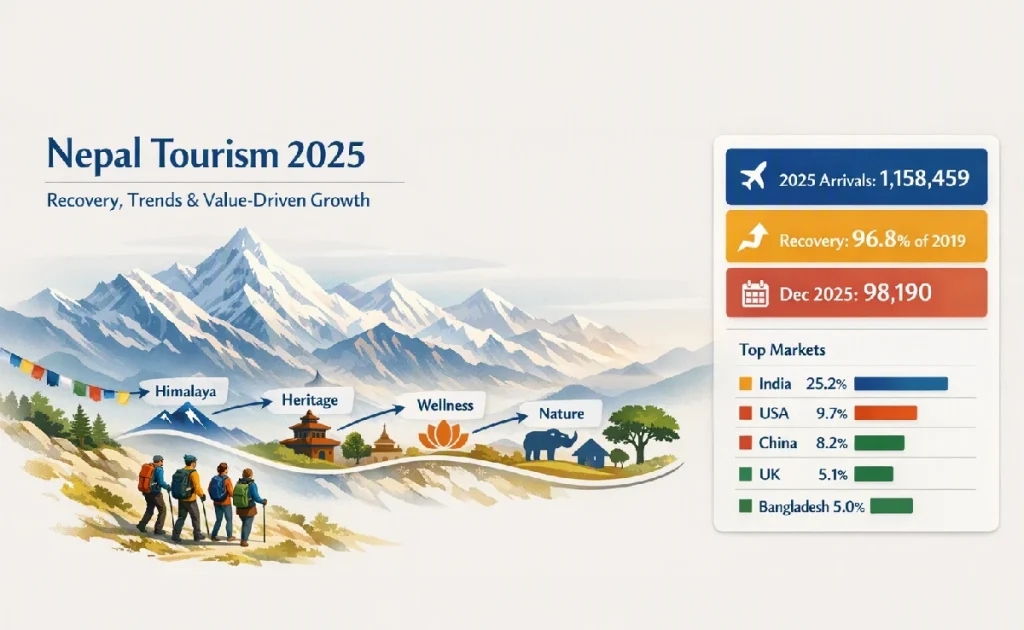
In 2025, Nepal welcomed more than 1.15 million international visitors. The sector moved close to pre-pandemic levels, and the positive trend continued into 2026. June arrivals exceeded both June 2025 and June 2019, showing that demand continues to grow.
More visitors create exciting opportunities. Travellers enjoy better connections, more accommodation choices, and a wider range of experiences. However, one important question remains. Is Nepal tourism ready for its next stage of growth?
Looking Beyond Visitor Numbers
At Himalayan Circuit, we believe numbers tell only part of the story.
Successful Nepal tourism creates memorable experiences, builds trust, supports local communities, and protects destinations for future generations. A growing industry should improve quality as well as visitor numbers.
Today’s travellers know more than ever before. They compare destinations, read reviews, and expect authentic experiences. They also value responsible travel, professional guides, comfortable accommodation, reliable transport, and clear communication throughout their journey.
Meeting these expectations requires much more than attractive itineraries. It requires strong planning, skilled people, and consistent service.
Building a Stronger Tourism Industry
A successful Nepal tourism industry depends on strong foundations.
The country must continue investing in guide training, hospitality, transport, accommodation, safety, and destination management. Every improvement strengthens the visitor experience and supports local businesses.
The industry should measure success through quality as well as growth. Better service, stronger partnerships, and reliable operations create long-term confidence among travellers.
Why Local Knowledge Matters
Local knowledge gives travellers a better experience.
Himalayan Circuit operates directly from Nepal. Our team understands seasonal conditions, local festivals, cultural traditions, transport networks, and regional differences. We also maintain close relationships with local communities and tourism partners across the country.
This knowledge allows us to solve problems quickly and design journeys that reflect local realities. Instead of following generic travel templates, we create experiences that feel authentic and personal.
Raising Standards Across Nepal Tourism
The future of Nepal tourism depends on continuous improvement.
Guides, drivers, accommodation providers, tourism planners, and local hosts all shape the visitor experience. Every part of the journey matters.
At Himalayan Circuit, we strengthen our operations through careful planning and close cooperation with trusted partners. We refine our itineraries, improve communication, and support high service standards across every journey.
Our goal remains simple. We want every traveller to leave Nepal with unforgettable memories.
Responsible Tourism Creates Long-Term Value
Responsible tourism has become an essential part of modern travel.
Nepal’s mountains, forests, rivers, wildlife, heritage sites, and local communities form the heart of the country’s tourism industry. Protecting these resources benefits both travellers and future generations.
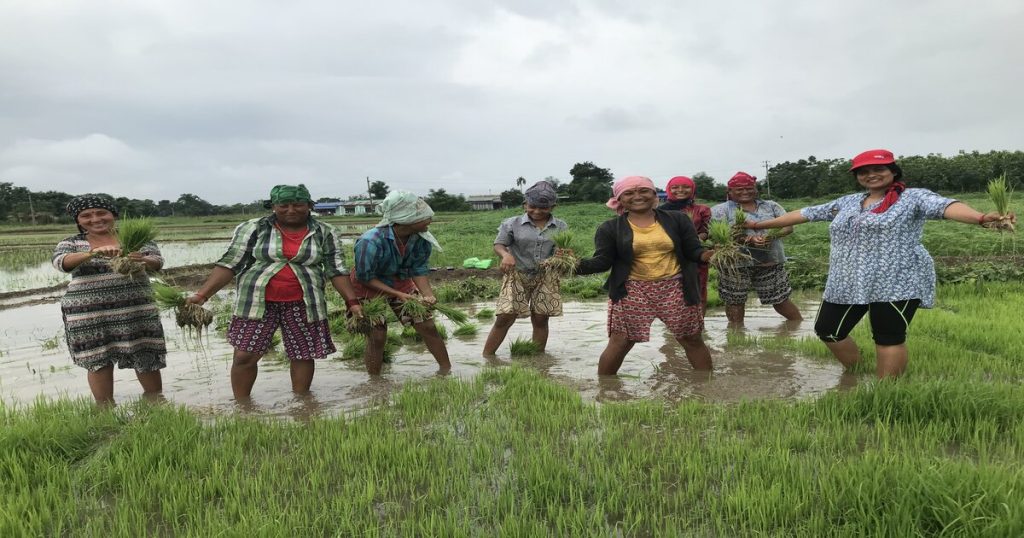
Himalayan Circuit supports community-based experiences whenever possible. We encourage responsible travel behaviour, reduce unnecessary waste, and work with local businesses that share our sustainability values.
When tourism supports local communities, everyone benefits.
Nepal Offers More Than Trekking
Many people know Nepal for its famous trekking routes. Today, however, the country offers much more.
Travellers now explore wellness retreats, spiritual journeys, wildlife safaris, heritage villages, cultural experiences, educational travel, and community-based tourism. These experiences allow visitors to connect more deeply with Nepal while spreading tourism benefits across different regions.
This diversity also encourages tourism companies to design more meaningful journeys. Instead of simply moving between attractions, travellers can spend more time learning, connecting, and experiencing local life.
Great Journeys Begin with Great People
People create unforgettable journeys.
Modern hotels, good roads, and digital booking systems improve travel, but they cannot replace genuine hospitality. Skilled guides, experienced drivers, welcoming hosts, and dedicated planners make every journey memorable.
As Nepal tourism continues to grow, the industry must invest in training, language skills, safety, hospitality, and professional development. These investments strengthen both businesses and visitor confidence.
The strongest tourism companies will always stand out because of their people.
The Future of Nepal Tourism
The recovery of Nepal tourism is real, but the work has only begun.
The next challenge involves building a stronger and more resilient tourism industry. Nepal must continue improving service standards, destination management, workforce development, and local partnerships. These improvements will help the country compete successfully in the global travel market.
At Himalayan Circuit, we see this moment as an opportunity. We continue strengthening our guide network, improving operations, expanding partnerships with responsible local businesses, and creating journeys that deliver lasting value for travellers and communities alike.
Nepal offers extraordinary landscapes, remarkable cultural heritage, and genuine hospitality. These strengths have attracted travellers for generations. The future of Nepal tourism now depends on how wisely the industry protects these assets and how well it serves every visitor.
Recovery marks an important milestone. Building a stronger, more sustainable, and more responsible tourism industry is the next step.