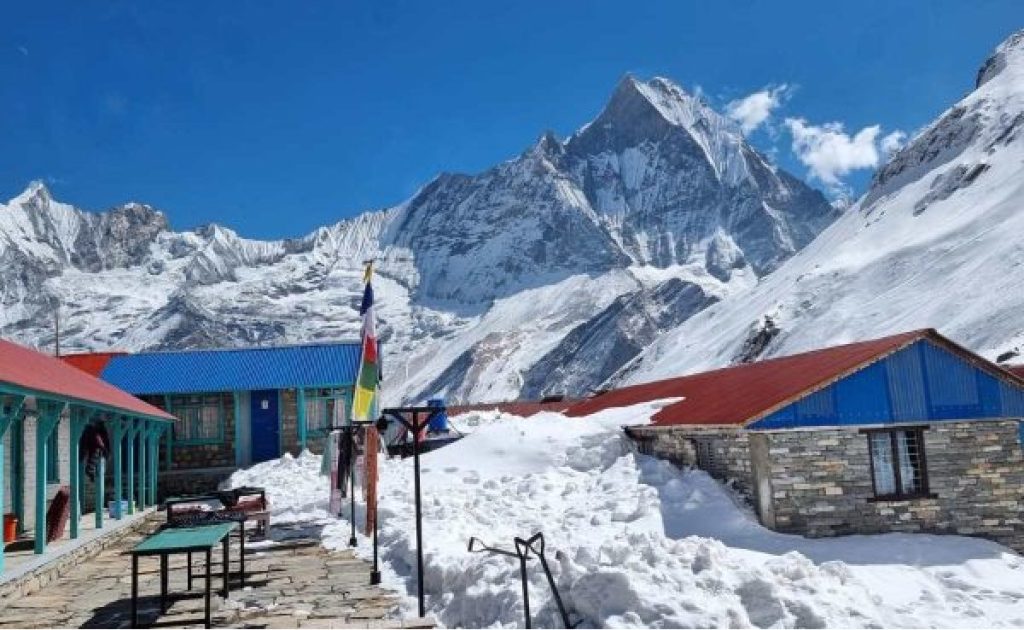
Luxury Travel: Best Tea House Lodges for Your Annapurna Trip

The Annapurna Circuit Trek is one of the best treks in Nepal, with 5416 meters of altitude at the highest point of the trip. The teahouse lodge accommodations are basic but very clean and comfortable in Annapurna.

You will be able to see Himalayan fauna and flora, explore bamboo and rhododendron forests, and marvel at the panoramic views of the snowcapped mountains during the Annapurna Circuit Trek.

Consider yourself on your way to the sunset trek, and you need to find a safe place to lay your head before your next adventure. Wouldn’t it be great to stay at Base Camp Trek Accommodations and let your tiredness and worries slip away?

The Teahouse Lodge Accommodation in Annapurna Base Camp Trek is a popular and local accommodation for Annapurna Base Camp Trekkers. A simple wooden bed, pillow, and blanket are the basic accommodations provided in the local teahouse.

Most of the teahouses on the Annapurna Base Camp Trek Accommodation are built and operated by locals to offer basic amenities for trekkers to rest and to provide a chance to explore the picturesque village and its unique culture.

Tea House Lodge Accommodation in Annapurna Base Camp Trek Routes

  • Ulleri

You can stay in more than 20 teahouses in the enchanting village of Ulleri, where wooden rooms come with an attached bathroom and a sit-down toilet, along with a comfortable mattress.

There are a number of teahouses in Ulleri that serve authentic Nepali food and meals such as chicken fried rice, crab fried rice, and hash brown potatoes, and they are not that expensive due to Ulleri’s proximity to Pokhara.

  • Ghorepani: 

Upper and Lower Ghorepani are the gateways to the Annapurna region, both places provide accommodations, but we recommend staying at Upper Ghorepani for a clearer view of the mountains. Although Upper Ghorepani is more expensive than Lower Ghorepani.

Ghorepani hotel offers the best rooms made of bricks and concrete with the best views of the surroundings. Most of the rooms are soundproofed against the outside construction works and provide stunning views of the mountains in the background.

  • Tadapani:

Tadapani offers several teahouses, all of which offer both hot and cold showers and Western-style bathrooms, along with basic accommodation facilities, timber plasterboard walls, creaky old window frames, and stunning mountain views.

  • Ghandhruk

Ghandruk is one of Nepal’s most popular tourist destinations with around 300 hotels and homestays. You can expect to pay a variety of prices for hotels and homestays in Ghandruk, depending on the type of accommodation you choose. 

Dal, Bhat, and Tarkari are some of the most popular lunch and dinner choices at Ghandruk, while pizza, burgers, and other foods are also available. There are a number of teahouses and homestays that charge guests for Gurung attire for photo shoots.

  • Chhomrong

Chamrong is an ideal stop for the night after Ghandruk, as it offers decent accommodations, including beds, cushions, and electric blankets, as well as the pleasure of its own hospitality and gastronomic culture. 

Teahouses in Chhomrong serve organic vegetables and Dal Bhat, a traditional Tarkari dish. Your morning tour can include a visit to the Chhomrong organic farm that supplies organic vegetables to the teahouses of Chhomrong.

  • Dovan

If you are trekking to ABC, Dovan is one of the best places to stay; at this height, there are teahouses with western bathrooms and showers, and it is one of the busiest areas in the country.

You can choose from Upper and Lower Dovan accommodations, with Lower Dovan having brighter, more comfortable rooms. If you wish to experience the lively vibes here, stay at Lower Dovan.

  • Deurali

Deurali has a limited number of teahouses and limited rooms, so you’ll have to share a room with at least three or four other people. There is no private room available, even if you pay more. 

It would be best to skip your accommodation plan at Deurali in the winter season and walk directly to Base Camp if you are planning to trek to Annapurna during the winter season.

You will find hotels in the Base Camp to be quite expensive, in comparison to other tea house Lodge accommodation in Annapurna. There is a high probability of snowstorms in this area, which is the main reason for its high costs.

With the growing number of tourists in this region, Annapurna Base Camp recently announced plans to expand its teahouses. A small number of hotels are currently operating, and a few more are in the process of being built.  

A trip to the Base Camp and the views you get from it is worth more than any amount of money you might spend in one of the base camp hotels.

There are a lot of people who enter Nepal each year in order to trek, so it is a great place to go on an adventure vacation.  Annapurna Base Camp trekking offers good accommodation standards and friendly hospitality, along with good service and easy accessibility.

Trekking and exploring can be challenging. Explore the beauty of Annapurna with exciting trekking packages and make your trip memorable by booking your tour package with Himalayan Circuit Treks.

Offbeat Treks: Why You Should Trek with a Guide in Nepal

Nepal is a place where snow-capped peaks touch the sky, monks meditate peacefully in mountainside monasteries, and lumbering yaks carry goods to quaint villages largely cut off from the rest of the world.

The experience of trekking in Nepal offers the unique opportunity to encounter authentic Nepal on foot, away from the crowds, skyscrapers, and the internet, as well as a connection between humans and nature that never fails. 

A trek in Nepal is more than just walking, it’s about empathy, presence, and appreciation of the natural world. You will learn about the power of wholeness as you trek along the trails if you believe in the healing power of nature

Nepal can also be challenging, especially for those who are inexperienced or unfamiliar with the local terrain and customs. This is where trekking guides come in – they can make your trekking experience safer, more enjoyable, and more meaningful. 

Why go Trekking in Nepal?

A trek in Nepal is dreams come true for many adventure enthusiasts as it offers snow-capped mountains, lush vegetation, and isolated villages that provide an unforgettable experience. As you trek through the remote areas of Nepal, you will enjoy a remote lifestyle, cultural activities, and many local cuisines. 

All levels of trekkers can enjoy Nepal’s easy to challenging trekking routes. There are numerous trekking trails in Nepal that allow visitors to get a glimpse of some of the world’s highest peaks, such as Mount Everest and Annapurna.

It is also a great opportunity for trekkers to learn about local customs, traditions, and ways of life while on a Nepal trekking trip. Getting to know the almighty mountains better by interacting with locals will be a great experience.

Why should you Trek with a Guide?

Nepal Tourism Board has made hiring a guide mandatory starting April 1st, 2023. The decision was prompted by an increasing number of lone trekkers getting lost in Nepal or experiencing other difficulties.

The guide will ensure you are well prepared for trekking and your safety is ensured by the guide, who will check your documents, procure the right permits, and ensure you are well prepared.

The guide knows which guesthouses have better food or rooms in the village (although they are usually all identical). A guide can also call ahead to reserve a room at the next guesthouse (this is only necessary during the busy season).

Most guides have good relationships with the staff at the guesthouses and can arrange for an upgraded room or even an ensuite bathroom. Further, he can identify the guesthouses with more reliable Western-style toilets and hot showers.

The Himalayan Circuit Treks presents 4 reasons why you should hire a trekking guide in Nepal.

  • Safety and Security: 

Trekking in Nepal can be dangerous if you are not properly prepared or if you take unnecessary risks. Altitude sickness, weather conditions, and physical injuries are common risks that trekkers face in Nepal. 

A trekking guide is trained to identify and mitigate these hazards and can assist in an emergency. They can also navigate the trekking routes and help you avoid potential hazards such as steep slopes, narrow paths, or unstable rocks.

  • Cultural Immersion: 

Nepal is a country with a rich cultural heritage and diverse ethnic groups. Trekking guides can help you understand and appreciate this diversity by introducing you to the local communities and their traditions. 

Trekking with a guide can also help you avoid unintentional cultural misunderstandings or offenses, which can improve your overall experience and promote mutual respect and understanding.

  • Expertise and Knowledge

Guides in Nepal are trained professionals who have extensive knowledge of the local terrain, climate, culture, and history. The terrain, altitude, and potential risks are all familiar to them.

A guide can provide you with valuable tips and advice on how to prepare for a trek, what to pack, and how to stay safe and healthy. A local guide can also tell fascinating stories and tell you about the customs and way of life of the locals.

Having a knowledgeable and experienced trekking guide will enhance your trekking experience and give you a better understanding of the country and its people.

  • Logistical Support

Trekking in Nepal requires careful planning and preparation, especially if you are trekking in remote areas. Trekking guides can provide logistical support such as arranging transportation, booking accommodation, and organizing meals. 

Additionally, they can assist you in packing and carrying your belongings, as well as managing your gear and equipment. Especially for trekkers who are unfamiliar with the local infrastructure and services, this can be very helpful.

A trekking guide can make your trip more enjoyable and safer as they provide you with expertise, knowledge, safety, security, and cultural immersion.

So, if you’re planning to trek in the Himalayas, hire a professional trekking guide from Himalayan Circuit Treks to ensure a safe, enjoyable, and memorable trip.

Offbeat Treks: Explore Winter Trekking Routes in Nepal

The Himalayan country of Nepal offers trekking in winter where you can explore mountains and hills covered in snow. Winter trekking in Nepal offers beautiful mountain views, quieter trails, and cooler temperatures that make it an ideal time to trek in Nepal.

Trekking in Nepal during the winter reveals the country’s stunning landscapes in a whole new light, with snow-covered trails leading to remote villages, frozen lakes, and the country’s highest mountains. The views you get are likely not seen even during the peak season.

The winter months in Nepal are December, January, and February, and trekking during these months is more enjoyable as snow coats Mountains and hills. Winter offers the most spectacular views with its clear skies, low precipitation, snow on the ground, and views of the mountains as a backdrop. 

You will be captivated and transformed by Nepal’s grandeur whether you are an experienced trekker or a first-time visitor. So, embark on a journey with Himalayan Circuit Treks through this magical winter season for trekking, where the mountains are clad in icy robes, revealing the Himalayan’s true beauty.

Everest View Winter Trekking:

Maximum Height: 3,880m 12,729 Ft

Everest View Trek is an alternative trek to Everest Base Camp Trek; the trek takes you halfway to the base camp, but it’s worth it. Everest View provides an excellent opportunity to view Mount Everest at its pristine best during the winter season.

From Lukla, this trek leads to charming Sherpa villages such as Namche Bazaar and Tengboche, which are both known for their hospitality and unique culture. It is a perfect combination of natural wonders and cultural diversity.

A winter trek such as this is ideal for those looking to explore the Everest region without having to tackle the challenging trek to Everest Base Camp. Moreover, you’ll also have the chance to have breakfast in a hotel with a view of Everest, Lhotse, and Ama Dablam.

Ghorepani Poon Hill Winter Trek:

Maximum Height: 3,210 M – 10,531 Ft

The Ghorepani Poon Hill trek is a classic trekking route in the Annapurna region and one of the most loved trekking trails. Poonhill is a viewpoint from Ghorepani village that offers panoramic views of both the Annapurna Massif and the Dhaulagiri Range. 

The trek takes you through the lush rhododendron forest of the Annapurna region and offers an early morning visit to Poon Hill. A sunrise at Poon Hill is particularly beautiful in the winter when it takes on pink and gold hues.

This is an ideal trek for winter adventurers. You’ll pass through picturesque Gurung villages and interact with friendly locals, learning about their way of life. This trek is an unforgettable experience with its crisp winter air and spectacular sunrise on Poon Hill.

Winter Dhampus Sarangkot Trekking:

Maximum Elevation: 1,680 M – 5,511 Ft

Winter offers a unique chance to experience the Himalayas and the unique charm of local communities on the Dhampus Sarangkot Trek. Short treks such as this are ideal for those with limited time and a desire to witness Nepal’s winter beauty.

Dhampus Sarangkot Trek is another beautiful trek that begins from Pokhara with breathtaking views of the Annapurna and Manaslu ranges from a lower elevation. The snow-covered landscapes create an ambiance of calm, and the clear winter skies make for great photography. 

The breathtaking view from Sarangkot, which includes Dhaulagiri, Fishtail, Lamjung Himal, and the Annapurna Ranges, makes the Dhampus Trek perfect for travelers all year long.

Winter Mardi Himal Trekking:

Maximum Elevation: 3,580 M – 11745 Ft

The Mardi Himal Trek is a non-beaten path trek known for its gorgeous forest views and breathtaking views of the Annapurna massif. This trek in the Annapurna region offers breathtaking views of the Annapurna, Machapuchare, and Hiunchuli peaks.

This route offers spectacular views of the Annapurna region in winter, as well as dark and majestic views of the snow-capped mountains. As you travel through lush forests and traditional villages, you’ll get a sense of local culture. 

Winter trekking in Mardi Himal is an adventure for those with an adventurous spirit and can be enjoyed at any time without prior experience. The Mardi Himal trail is quieter during winter, which enhances hikers’ sense of solitude and serenity.

Khopra Danda Winter Trek:

Maximum Elevation: (3,640 M)

Khopra Danda offers tranquility, incredible views, and an authentic cultural experience in Annapurna, making it a great alternative to Ghorepani Poon Hill Trek. Khopra Ridge offers stunning views of Dhaulagiri, and Annapurna peaks that are blanketed by snow in winter.

You’ll feel the local lifestyle while walking through rhododendron forests and charming Gurung villages. A Khopra ridge trek is one of the best winter treks in Nepal if you are looking for an off-the-beaten-path trek through picturesque villages and beautiful forests. Khopra Danda Winter Trek offers short alternatives to classic treks in the area with its famed mountain scenery, fascinating cultures, moderate difficulty, as well as a sense of seclusion and serenity.

Winter trekking in Nepal offers a unique opportunity to experience the Himalayan range in a more serene, magical, and less crowded way. Muldai Khopra Danda Winter Trek, Everest View Winter Trek, Winter Mardi Himal Trek, Ghorepani Poon Hill Winter Trek, or Winter Dhampus Sarangkot Trek all has their own charm and beauty. 

Join us on a trek to explore the winter wonders of Nepal’s trekking trails by donning your winter gear and packing your spirit of adventure. Experiencing the Himalayan winter adventure with Himalayan Circuit Treks will certainly remain in your mind for a lifetime.

Nepal Diary: Discover the Benefits of Trekking with a Guide

Should you hire a trekking guide in Nepal? It’s a definite yes! Your Nepal trekking trip will be so much more enjoyable, culturally enriching, and less stressful if you trek with a guide.

A trip to Nepal offers both an exciting and rewarding experience for those who enjoy trekking. Many of its trails traverse high-altitude terrain, providing stunning scenery as well as warm cups of tea and comfortable beds for guests to sleep in.

The Himalayas of Nepal offer some of the most spectacular trekking routes in the world, including the famous Everest Base Camp Trek, the Annapurna Circuit Trek, the Kanchanjunga Trek, the Mustang Trek, and the Langtang Trek.

Trekking in Nepal can be challenging, which is why you should consider hiring a guide to make your trip safe and enjoyable. A guide will make sure you accomplish your goal of completing your trip without any hassles.

The Nepalese government has made hiring a guide mandatory starting April 1st, 2023. The decision was prompted by an increasing number of lone trekkers getting lost in Nepal or experiencing other difficulties.

You will be well prepared for trekking and your safety will be ensured by your guide, who will ensure your documents are in order, you have the right permits and that you are well prepared for trekking.

The Himalayan Circuit Treks presents 6 reasons why you should hire a trekking guide in Nepal.

  • Safety:

Mountain peaks in Nepal are among the highest in the world, and the terrain can be treacherous and unpredictable. 

An experienced and knowledgeable guide can ensure your safety throughout your trekking adventure by explaining the region’s geography, weather patterns, and potential hazards. 

The guides can help you navigate difficult terrain, provide first aid in case of an emergency, and ensure you have the right gear.

  • Local Knowledge:

A local guide offers many advantages since they are intimately familiar with the culture, history, and geography of the area. 

Their knowledge of the region’s flora and fauna, customs, and traditions can be invaluable. You can also get recommendations for local restaurants, lodges, and other amenities, making your trekking experience more enjoyable and immersive.

  • Planning a Trek: 

Planning a trek in the Himalayas can be challenging, particularly if you are unfamiliar with the region. From arranging permits to booking accommodation and transportation, a trekking guide can handle everything for you. 

Your trekking itinerary can be tailored based on your preferences and fitness level, ensuring that you get the most out of your experience.

  • Cultural Exchange:

Cultural exchange is one of the unique benefits of trekking in the Himalayas of Nepal. 

The experience of trekking with a local guide allows you to immerse yourself in the local culture and learn about the customs and traditions of the region. 

As you travel, you will have the opportunity to interact with locals, gaining insight into their way of life and building meaningful relationships.

  • Taking care of the environment:

Nature can be experienced in much more than its beauty when trekking in the Himalayas of Nepal. Preserving it for generations to come is also important. 

An experienced trekking guide can educate you on the importance of environmental stewardship and greatly reduce your impact on the local ecosystem. 

In addition, they can make sure you follow Leave No Trace principles and leave the natural environment in as good or better condition as you found it.

  • Personalized Support:

Trekking with a guide means that you have someone by your side who can provide you with personalized assistance. 

As you push through challenging terrain and difficult weather conditions, they can provide encouragement, motivation, and guidance. 

Additionally, they can adjust the pace and difficulty of the trek to fit your abilities and preferences, ensuring a comfortable and enjoyable trek for you.

Is Hiring a Guide for Trekking Expensive?

Hiring a trek guide in Nepal can be expensive or cheap, depending on several factors, such as the route of your trek, the date, and your guide’s experience and qualifications.

Hiring a guide can also vary depending on whether you hire a licensed guide or a freelance guide, as well as the language they speak, such as French, Italian, German, and Japanese. 

Guides with specific language skills are usually more expensive, while free-lance guides are more affordable, but they lack the same qualifications, skills, and experience.

There are a variety of prices for hiring a guide for trekking in Nepal, ranging from $25 to $ 120 per day, which includes insurance, food, accommodation, and travel. 

Although it may seem expensive, it is important to consider how much value a guide can add, as well as their local knowledge and expertise, and the safety and peace of mind that they can provide.

Trekking in the Himalayan Mountains of Nepal is an adventure of a lifetime, but it’s important to keep in mind that it can be challenging and even dangerous. 

Guided trekking offers many benefits, including safety, local knowledge, personal support, and environmental stewardship.

So, if you’re planning to trek in the Himalayas, hire a professional trekking guide from Himalayan Circuit Treks to ensure a safe, enjoyable, and memorable trip.

Rhododendron View Trek

Rhododendron blooming in the mountain.

Nepal is a trekker’s paradise with a variety of trekking routes that showcase its stunning landscapes, cultural diversity and rich biodiversity. The scenic walk offering the most spectacular views of the Nepalese Himalayas is made even more spectacular by the presence of rhododendrons.

The constant throughout your Rhododendron View Trek connecting these areas is the fascinating variety of rhododendrons. These colorful and patterned flowers dominate the landscape and enhance the walk with their ethereal beauty.

You can enjoy a trek through the beautiful villages of Magar and Gurung surrounded by breathtaking mountains. The trail takes you through dense rhododendron forests filled with birds and langurs and deep, lush tropical valleys.

The best time to enjoy this trek is during the Nepalese summer from March to April, when the rhododendrons are in full bloom, adding to the beautiful colors of the Himalayan backdrop.

The Rhododendron Trek takes you through forested trails, over rivers, and over suspension bridges as well as climbing and descending several times. There will be 5 to 6 hours of trekking every day, requiring good physical fitness and strength. No prior trekking experience is necessary, but if you have one, it will surely help you.

Major Attractions:

  • A variety of rhododendrons decorate the trail, including reds, pinks, whites, and purples. The entire region comes alive with color during the flowering season.
  • You’ll have spectacular views of the Himalayas, such as Annapurna, Dhaulagiri, Machapuchare (Fishtail), etc., as you trek along this trail.
  • The opportunity to visit a traditional village and interaction with the locals offers you a chance to gain a deeper understanding of the Nepalese culture and heritage.
  • Rhododendron View Trek takes you along quieter, less crowded trails, allowing you to enjoy an immersive, tranquil experience.
  • The variety of terrains makes hiking more enjoyable, from dense rhododendron forests to terraced fields, alpine meadows, and slopes covered with rhododendrons.
  • The stunning scenery, vibrant flora and local people make this trip a great place to capture memories through photographs.

The Himalayan Circuit Treks invites you to traverse a breathtaking landscape connected with vibrant rhododendrons blooming in colors which is a truly mesmerizing experience

Excursions to Annapurna region, Milke Danda regionand Makalu Barun National Park will take you through rhododendrons, dense forests and breathtaking landscapes.

Annapurna Rhododendron View Trek: A Sunrise Spectacle

Located in the Annapurna region, this trek is known for its breathtaking views of Dhaulagiri (8,167 m) and Annapurna (8,091 m), Khopra Danda (3,670 m), and Muldai Peak (3,638 m).

Ghorepani, Tadapani, Mulde Hill, Mohare Danda have many colorful rhododendron flowers, which are supposed to be the best rhododendron view trek in Annapurna

Climbing Annapurna in spring gives you the chance to walk through picturesque villages, terraced farms and thick rhododendron forests to see vibrant flowers in bloom

Milke Danda: Tranquility and Solitude

The Milke Danda tour offers a contrasting experience of solitude and silence. You will pass through remote villages and scenic landscapes that make you feel close to nature on this trail.

Milke Danda offers more than just visual appeal as it also provides a window into the local culture. Highlights of the area are its dense rhododendron forests, with bright yellow, pink and white flowers that create a dreamlike atmosphere.

The warmth and hospitality of the villagers will give you an insight into their traditional way of life. Sharing stories with locals and tasting authentic Nepali food is a journey of outside and inside exploration.

Makalu Barun National Park: Where Wilderness Thrives

This trek takes you to the beautiful Makalu Barun National Park which is a haven for nature lovers and adventurer enthusiast. This National Park is home to a variety of flora and fauna, including rare orchids and red pandas.

Walking in the park is challenging but rewarding because of the rugged terrain and biodiversity. Rhododendron-studded mountains, lush meadows and snow-capped lakes surround this pristine wilderness.

You are surrounded by a panoramic backdrop of Makalu and Everest throughout your journey. Being completely surrounded by untouched nature is both humbling and invigorating.

The Rhododendron View Trek promises an unforgettable journey through some of the most beautiful landscapes in the country. This tour offers travelers a journey to reflect our adventurous spirit and love of nature, from breathtaking sunrises on Annapurna to serene Milke Danda to wilderness in Makalu Barun National Park.

Stunning mountain views, rhododendrons, and natural wonders make this trek a must-see for trekking enthusiasts. So, pack your bags, put on hiking boots and get ready for an adventure journey with Himalayan Circuit Treks to see the natural wonders that Nepal has to offer.

The Best Trek in Nepal for Beginners

Nepal is a paradise for trekkers. Trekkers to Nepal have fallen in love with this adventure sport after beginning their trek with a hike in the country. Trekking in Nepal offers something for everyone with its wide variety of options. 

The Himalayan Circuit presents you with eight easy treks in Nepal, ranging from three days to ten days. Do a short trek in Nepal to get an idea of what trekking is like, but if your time allows, you can go on longer hikes. 

Our Top eight Easy treks in Nepal for beginners and families are listed below to help you make the right choice.

This is a short trek in lower Annapurna, lasting three to four days. Seeing the sunrise at Ghandruk village early in the morning is one of the most magical aspects of this trek. The Himalayas will be visible from your hotel room, and you will be able to visit mountain villages with tea houses while on your vacation.

Also visible from the village are some of the world’s tallest mountains, including Hiunchuli and Machapuchare (also called Fishtail). Every trekking day will require two and a half to four hours of walking, and you won’t go higher than 6,365 feet. It is an ideal trek for those seeking easy trekking paths around Pokhara without any difficult climbs or descents.

  • Balthali Village Trek (3 Days)

The Balthali Village trek offers a wonderful view of the snow capped mountains along with traditional Nepalese villages nearby Kathmandu. It’s one of the easiest treks in Nepal and is suitable for beginners, families, and people who aren’t extremely fit as it only takes around 4 or 5 hours to walk a day. 

The Balthali village trek offers a chance to explore traditional Nepalese villages, along with Newar, Tamang, and other ethnic tribe villages. Trekking along this trail will give you a chance to experience solitude, which is rare on other popular trekking trails in Nepal.

  • Pikey Peak Trek (7 Days)

Located in the lower Khumbu region of Nepal, Pikey Peak Trek offers incredible views of Nepal’s eastern Himalayas from the summit of Pikey Peak, at 4,065 meters, and 13,336 feet high. There is an easy to moderate trail for those looking to hike in the Everest region within a short amount of time with ease.

There are many Buddhist monasteries, gompas (Buddhist fortifications), and stupas (mounds that are used for meditation) as well as the spectacular Numbur Himal range and Mount Everest to explore during your trek. As you make your way up Pikey Peak, you will gain a better understanding of ethnic Sherpa culture and traditions.   

Ghorepani Poonhill trek is considered one of the best easy treks in Nepal for beginners and families. This 5-day Poon Hill Trek with Himalayan Circuit takes you through the stunning Annapurna Region, where you will follow in the footsteps of the Gurung and Magar communities. 

Poon Hill offers one of the most spectacular sunrise views in Nepal. A beautiful view of Annapurna Massif, Nilgiri, Dhaulagiri, Mardi Himal, and Huunchuli can be enjoyed from this vantage point. As you trek through the Annapurna Conservation Area, you will be surrounded by dense rhododendron forests.

  • Khopra Danda Trek (10- 12Days)

Located in the heart of the Annapurna region, the Khopra Danda Trek, or the Khayer Lake Trek, is off-the-beaten-path trekking that offers views of Dhaulagiri (8167 m), Nilgiri (7,061 m), Bhara Shikhar (7,647 m), Annapurna I (8091 m), Machhapuchhre (6,997 m), and many more peaks not mentioned here. 

Khopra Danda Trek provides views of snow-capped mountains as well as exposure to ethnicities of the region during your 10-12-day trek in the Annapurna region. Furthermore, this is an outstanding trek trail for those who have a short period of time to trek and prefer a quiet location for their trek. 

A trek like this is a fantastic way for your children to experience the joys of trekking and exchange experiences with the locals.

  • Dhampus Sarangkot Trek (2-4 Days)

Dhampus Sarangkot trekking is a short and easy hiking tour near Pokhara that offers a taste of typical trekking in Nepal. The trek is suitable for those looking for a short trek, families with children, or people who prefer an easy trek. 

Dhampus – Sarangkot trek is an excellent short and trouble-free trekking route that offers travelers an excellent panoramic view of the Annapurna Himalayan Range, including the mighty Annapurna I (8,091 meters), Machhapuchhre (6,993 meters), Annapurna II (7,930 meters), Dhaulagiri (8,167 meters), and many others.  

A Dhampus Sarangkot Trek also offers the opportunity to observe the rural lifestyle of the ethnic groups living near Pokhara. You’re sure to enjoy the serenity, the fresh and cool air, the lush forest, and the picturesque backdrops of your Dhampus- Sarangkot Trek.

  • Panchase Trek (4-6 Days)

As a short trek around Pokhara, Panchase Trek offers a rural-cultural off-the-beaten path opportunity for visitors to discover natural beauty around Pokhara, without losing out on the breathtaking views of the Annapurna Himalaya and experiencing village life. 

The trips are short, lasting about three or four hours a day, which allows ample time for stopping to admire the scenery, taking photos, and relaxing in the villages to observe—even participate in—local village life.

A trail leads to the World Peace Pagoda, through the forest of Nepal, passing a number of villages where you can experience local life and see the flora and fauna of Nepal. Taking the trail up to 2500 meters on Panchase Hill will allow you to see a spectacular sunrise over the Himalaya Giants (if you get up early enough!).

  • Solu Trek (6 Days)

A short trekking tour to the Everest region, the Solu trek offers a great opportunity for visitors to experience Nepal’s beauty, meet the friendly Sherpa people, learn about their culture, and engage in local traditions. It is an easy and short journey to the Everest region that is designed for visitors who wish to view Mount Everest within a short time.

The trek takes six days and is fairly low in elevation, so you do not need a lot of physical strength to participate. During the trek, you’ll see monasteries, take in spectacular views of Everest, and learn about Sherpa culture.

To conclude, the above trips provide beginners with the best picks for their first experience trekking in Nepal. From easy to challenging, the Himalayan Circuit offers a variety of trekking options for those seeking higher challenges in Nepal. 

The trip to Nepal, no matter how easy or troublesome, will always be memorable. Nepal is a great place for adventure endeavors in all its aspects. Feel free to contact us if you would like to plan an unforgettable trekking adventure in Nepal.

National Parks for Trekking in Nepal

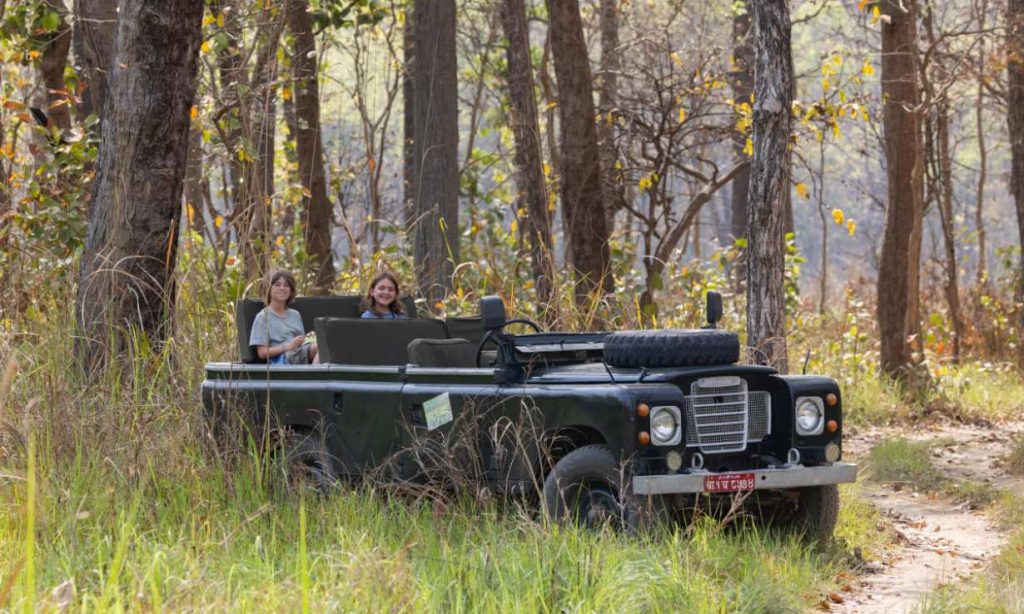
kids doing the jeep safari

The national parks of Nepal offer sweeping vistas, unique wildlife, and breathtaking landscapes, which are ideal backdrops for trekking, Nepal’s most popular activity. A number of Nepal’s largest mountains are found in beautiful national parks, including Everest, Langtang, and Makalu.

There are some of the most breathtaking landscapes in the world to trek in Nepal, making it a paradise for trekkers. The trek often passes through Nepal’s spectacular national parks, which have diverse flora and fauna and a rich cultural heritage. 

Himalayan Circuit Treks offers trekking tours in National Parks of Nepal, including:

National Park Mammals Birds Plants Adventure activities 
Sagarmatha National Park red panda, snow leopard, musk deer, Himalayan tahr, marten, Himalayan mouse hare (pika) 118 species Pine and hemlock forests dominate the lower altitudes of the park, while fir, juniper, birch, rhododendron, scrub, and alpine plants dominate the higher altitudes. Mountaineering, trekking, and wildlife viewing
Khaptad National Park 23 species 287 species 567 flowering plants Bird-watching, trekking, and wildlife viewing
Shey Phoksundo National Park A snow leopard, gray wolf, musk deer, blue sheep, goral, great Tibetan sheep, Himalayan tahr, leopard, jackal, and Himalayan black bear. There are six reptiles and 29 butterfly species in the park, including Paralasa nepalaica, the world’s highest-flying butterfly. 200 species 286 species of flora and fauna Trekking, cultural tours and wildlife viewing
Makalu-Barun National Park 88 species 433 species 25 species of rhododendron, 47 types of orchids, and 56 rare plants Mountaineering, trekking, and wildlife viewing
Rara National Park 20 species 241 species fir, pine, and birch, rhododendron, hemlock, oak, juniper and spruce Boating, trekking, and wildlife viewing


Sagarmatha National Park:

The Sagarmatha National Park, which lies 135 km from Kathmandu, is surrounded by peaks such as Mount Everest and deep gorges as well as Himalayan glaciers. A UNESCO World Heritage Site since 1976, Sagarmatha National Park is one of the most scenic masterpieces of the country.

While trekking to Sagarmatha National Park one can experience a wide range of mountain ranges, rich flora and fauna, birds, culture, tradition, and mixed beauty of nature. Most people view Mount Everest from a scenic flight instead of climbing it, while others trek to lower elevations or hike to base camp.

Sagarmatha National Park is best visited from October to November and March to May, and during these seasons you will be blown away by its incredible beauty.

Khaptad National Park:

The Khaptad National Park in Nepal offers a wilderness experience unparalleled by any other national park in the country. Khaptad region of Nepal is home to a variety of wildlife, making it the ideal trekking destination for those who want to experience nature, biodiversity, and vegetation at its best.

A unique trekking experience awaits you in the Khaptad region, which is located in a subtropical and analpine climate zone. Furthermore, the park offers breathtaking views of Mount Api and Saipal in western Nepal, as well as Khaptad Dahaa (lake), Nag Dhunga, and Upper Tribeni.

Trekking around Khaptad is best between March and May, September to November and during the full moon in July and August when Hindu pilgrims visit Khaptad Baba Ashram.

Shey Phoksundo National Park:

Shey Phoksundo National Park, the largest and only trans-Himalayan park in Nepal, offers a diverse landscape that ranks among the most scenic in the world. The Shey Phoksundo Lake is one of the most famous tourist attractions in the the National Park, and it is relatively easy to trek to this place.

Trekking around Phoksundo National Park provides incredible views, natural settlements, and mind-blowing scenery. A Lower Dolpo or Shey Phoksundo trek gives you the opportunity to experience Nepal’s most beautiful landscapes while immersing yourself in pristine natural environments.

Trekking through Shey Phoksundo National Park between March and May, September to November, will offer you breathtaking views and an opportunity to explore its wilderness.

Makalu-Barun National Park:

Makalu Barun National Park located in Eastern Nepal, is a truly unique destination for wildlife enthusiasts and nature lovers alike due to its rich and diverse natural environment, including more than 441 bird species and 78 mammal species.

Makalu Base Camp is a challenging but rewarding trek that offers a chance to explore untouched wilderness in Makalu Barun National Park. The trek is long, varied, and quite strenuous, but it is suitable for experienced hikers and nature lovers who prefer pristine nature over crowds.

It is best to trek around Khaptad between March and May and September to November when the weather is consistent enough for hikers to fully appreciate every aspect of the area.

It is best to trek around Khaptad between March and May and September to November when the weather is consistent enough for hikers to fully appreciate every aspect of the area.

Rara National Park:

Ratra National Park is located in Nepal’s north-western region, within Jumla and Mugu districts, and covers 106 square kilometers (41 square miles). In the park, you’ll find snow-capped mountains such as Ruma Kand (3731 m), Chuchemara Peak (4039 m), and Malika Kand (3444 m), which are home to a wide variety of plants and animals.

Among the trek’s highlights is Rara Lake, which winds peacefully through juniper, spruce, and pine glades and remains less crowded and largely untouched than many of its counterparts. There are views of the Himalayas in one direction, while the pristine waters of Rara Lake complement the scenery in the other direction.

You can trek around Rara National Park from February to April and October to November if you’re looking for an adventure in the wilderness.

From the highest mountains to serene lakes and diverse wildlife, Nepal’s national park offer trekkers of all skill levels and interests the chance to experience nature in its purest form.

Prepare yourself for an unforgettable adventure through Nepal’s national parks by putting your boots on, packing your bags, and getting ready to set off.

Annapurna Base Camp Trek

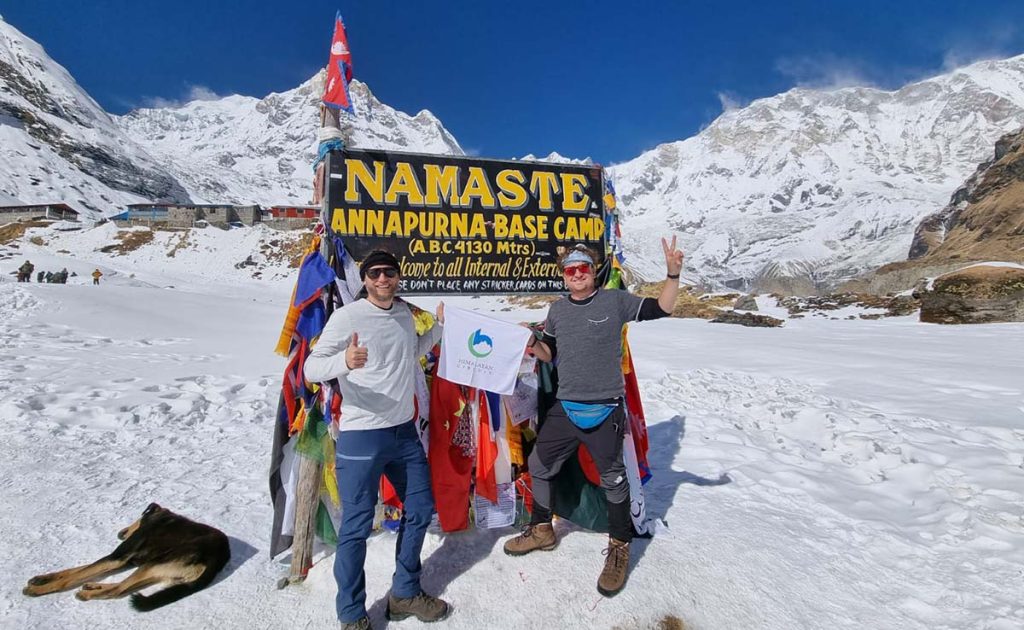
Two Trekkers holding himalayan circuit Banner in Annapurna Base Camp

An Annapurna Base Camp Trek is one of the most beautiful treks in Nepal, which offers a diverse landscape, fascinating mountain vistas, as well as beautiful ethnic villages which preserve their ancient traditions and culture.

You will enjoy the beautiful panoramic views of Annapurna Massif and Dhaulagiri Range framed by dense forests of rhododendron, pine and oak trees sheltering diverse species of wildlife and vegetation on your trek to Annapurna Base Camp. 

A beautiful view of silvery peaks greets you as you hike through ABC trek. While hiking through scenic greenery, snow-covered mountains and rhododendron forests, you’ll experience what it’s like to live in the moment.

Trekking the ABC trail is an excellent way to experience the Himalayas, as well as the hospitality of the Nepalese people. The Annapurna Base Camp trek offers a variety of natural landscapes, steep, rugged mountains, and beautiful scenery. 

Himalayan Circuit offers the ABC trek with the following highlights:

Annapurna Base Camp Trek Highlights:

  • Natural Experience: 

You will find yourself in green surroundings from the start of your ABC trek. It is certainly a peaceful nature walk to the base camp that offers a soothing experience of the outdoors. 

The sight of the rising sun behind the Himalayas reflecting the colors cast upon the mountains is nothing short of magnificent. The sunrise over the mountains is definitely a worthwhile adventure to experience early in the morning.

A breathtaking view of the mountains awaits you in the sanctuary of the mountains. This is a once-in-a-lifetime experience to be at the wonderful base camp and enjoy the breathtaking views.

  • People and Culture: 

Several ethnic groups can be seen along the Annapurna Base Camp trek route, including Brahmans, Chhetris at lower elevations, and the Mongoloid Himalayan people in the Himalayas who preserve their culture and traditions to this day.

Annapurna Base Camp is highly popular for its cultural aspect as you can encounter some of the most culturally rich villages in the Annapurna region such as Ghandruk, Tadapani, Dhampus, and Ghorepani. 

These villages have truly wonderful people who consider their guests to be gods and are always prepared to help them. ABC trek also takes you to Gurung Museum, where you experience their culture, tradition, cultural dress, and jewelry.

  • Hot springs:

Hot springs in Nepal are an ideal place to bathe while on a trek, and the natural hot springs of the Annapurna Base Camp trek rank high among trekkers. If you take ABC trek, make sure you take a dip in the hot springs. 

A great spring bath and scenic views can be found at most tea houses during Annapurna Base Camp trek. Bathing in the hot springs of Jhinu Danda, which lies on the Modi river bank, is believed to heal muscle aches and bruises. 

The sight of cascading waterfalls and hot spring baths makes you forget about the fatigue you experienced during your trek.

Why you’ll love this trip?

  • You are going to be blown away by the number of mountain ranges you will see, each with its own scenic beauty, which adds to the overall experience of the ABC trek.
  • An early morning hike to Poon Hill will allow you to witness a magical sunrise over the Annapurna ranges. 
  • Besides experiencing breathtaking views of the world’s highest mountain, the Annapurna base camp trek also offers a unique opportunity to observe the culture, tradition, and lifestyle of the local people. 
  • You will experience beautiful Himalayan wildlife and flora, unique topography and landscapes, gorges between mountains, Glacier Rivers and lakes, and typical Nepali villages on this trek. 
  • Annapurna Base Camp Trek can be combined with many trekking trails inside the Annapurna Conservation Area Project area, making it one of the most diverse trekking routes in Nepal including Poon hill, Mardi Base camp and even high adventure with Annapurna Circuit.
  • You can relax after your Annapurna Base Camp Trek in Pokhara by cruising along Phewa Tal (Lake) or getting a relaxing massage to rejuvenate your tired legs.

Annapurna Base Camp Trekking Route:

Annapurna Base Camp Trek begins in Syauli Bazar, a short drive from Pokhara. As you hike through the forest, you’ll also pass through fascinating traditional villages like Ghandurk and Chhomrong Gurung.

You will pass through stands of rhododendron trees and bamboo trees on your way to Chhomrong Gurung village. You will notice that the vegetation has thinned and the gorge has narrowed as you approach Hinku Cave.

Snow-covered ridges plunge from Hiunchuli on the left and Machhapuchhre on the right along this trail. Upon entering the sanctuary, you will see a huge amphitheater surrounded by snow-covered mountains.

Snow-capped mountain like Hiunchuli, Annapurna South, Barahi Shikhar, Annapurna I, Tent Peak, Singachuli, Glacier Dom, Gangapurna, Annapurna III, and Machhapuchhre awaits you at ABC Trek Route making the trip worthwhile and fulfilling. 

Jhinu Hot Spring is the next stop on your trek to Pokhara after this imaging view.

Annapurna Base Camp Trek: How difficult is it?

The trek is very moderate, and if you are in good health and have reasonable fitness, you can complete it without much difficulty. 

You do not need any prior trekking experience to complete this trek. The journey can be accomplished by any age group with a little determination and fitness. 

The trek is one of the most popular in Nepal and is moderately challenging but easier and shorter than other high-altitude treks, like Everest Base Camp, Makalu Base Camp, Kanchanjunga and Manaslu Base Camp. 

When to trek?

There are two best seasons for Annapurna Base Camp Trek: mid-September to November (autumn) and March to May (spring). June to August (monsoon) are rainy months, but it’s best for botanists because it has clear skies. 

Rhododendrons bloom during the months of March, April, and May, making your ABC trek a grand spectacle. 

A short hike to the ABC Trek Route offers you great opportunities for experiencing its beauty. If you want to avoid crowds, trek during the winter (December – February). 

The mornings are usually cold, but not unbearable and the days are usually warm during day hikes and most days have a clear sky with fantastic views.

The Annapurna Base Camp Trek is one of the best adventures of a lifetime that offers a true cultural, natural, and spiritual experience through the vantage points, settlements, and sacred places.

We invite you to join the Himalayan Circuit on the ABC trek to enjoy natural beauty and experience the true essence of the Himalayas.

Risks of Trekking as a Solo Traveler

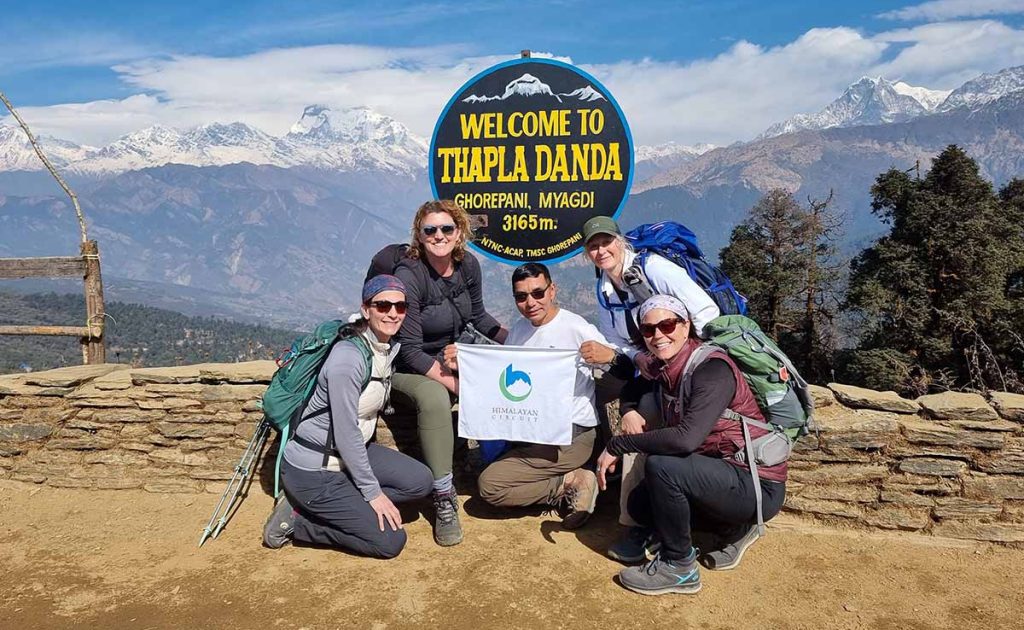
4 Clients with 1 Guide in Thapla Danda

Trekking in Nepal is one of the most popular activities in the country, and it is an incredibly beautiful experience. Known for both its culture and natural beauty, the country is one of the most beautiful places to travel.

The Nepalese regard guests as gods. Getting some quality adventure time to you is always a great experience. While trekking in Nepal can be fun, there are also some risks you might encounter, and we think your safety is more important than anything else.

Considering your safety as a priority, the Nepal Government has banned solo trekking in the country. The experience of trekking in Nepal is even better with a guide, as guides can offer a variety of great experiences. 

For more information about the benefits of trekking in Nepal with a guide, visit our blog “Benefits of trekking with a guide”. 

Trekking in Nepal is a popular activity for tourists; however, solo trekking can be challenging and risky. Himalayan Circuit trek presents the following risks associated with solo trekking in Nepal:

Injuries:

The slippery hills or unmanaged pavements commonly found on trekking trails can cause minor injuries or even major ones. A solo trekker is more likely to suffer an accident or injury since they are alone and have no one to assist them in an emergency. 

There is a possibility of sustaining injuries, including falls, sprains, and other types, if you are unfamiliar with the area or have little experience on the trails. Our Himalayan Circuit team, recommends hiring a guide, since we value safety above all else.

Fear of Getting Lost:

Trekking in Nepal can be challenging, especially if you find yourself lost in the wilderness without a guide to guide you. If you are walking in the wilderness with no one to assist you in your map reading and to point out the way, you are more likely to lose track. 

While GPS is an efficient and easy navigation tool, a map and compass should always be carried as there is only a poor internet connection. Nature can turn you down even with good navigation skills, such as wild winds, fogs, overgrown paths, and snow-covered paths.

Cultural misunderstandings:

Nepal is a country with diverse cultures, so trekkers may encounter cultural differences they are unfamiliar with. It is especially challenging for solo trekkers to navigate these differences, which can lead to misunderstandings. 

It is also important for trekkers to follow the customs and traditions of the locals so as not to offend them. What’s more exciting than learning about a new culture and participating in local celebrations when traveling with a guide?

Mentally drain

Solo trekking means having only yourself with you. As you trek through the remote area of the Himalayas, you will be alone; you will not have anyone to share your feelings, no one to hear your laughter, and many other things. Solo trekking in Nepal can be mentally draining due to this isolation.

The experience of trekking alone without talking to others becomes so boring; walking in nature without any sound of the city creates a sense of loneliness and mental instability. A long walk to the destination will make you anxious. The best way to avoid this feeling is to hire a guide and make your trekking more enjoyable.

Attacks of thief

The incidence of humans attacking trekkers is very rare in Nepal, but we cannot ignore such cases; sometimes you may encounter it if you are all alone. There is a possibility that you may be rubbed or looted by the people. 

This does not mean that you should avoid people, but that you should maintain a certain distance from them by being friendly with them. We also recommend that you avoid hanging out with the people you are just getting to know.

Carry your luggage

Solo trekking means you won’t have a guide or porter helping you carry your luggage or goods, such as water bottles, bags, food, cameras, etc. You are responsible for carrying everything yourself. 

It will be challenging for solo trekkers to reach their destination within the stipulated timeframes with their luggage. So, why not hire a guide and porter to accompany you while trekking so that you can experience the trek more fully?

Ultimately, trekking solo in Nepal can be a risky and challenging experience. It is important for trekkers to be aware of the potential risks associated with solo treks and take appropriate measures to mitigate them. 

The Himalayan Circuit trek recommends hiring a guide, trekking in a group, and carrying a reliable communication device in order to reduce the risks associated with solo trekking and to get the most out of the experience.

Solo Trekking vs Trekking with Guide

Two Trekkers in-front of the Himalayas

Great things are done when men and mountains meet. The picturesque and magical region of the Himalayas welcomes travelers to tell stories of its wonders. Nepal is home to some of the most breathtaking landscapes on the planet, including the Himalayas, and offers trekkers a unique and challenging experience. 

Nepal is a backpacker’s paradise, offering a diverse range of experiences beyond its legendary peaks, from Sherpa villages and ancient monasteries to beautiful forests and grazing yaks. With trails of varying difficulty levels, trekkers can easily choose a route that suits their ability and timeframe.

While trekking with a guide has long been the norm in Nepal, the recent ban on solo trekking has caused some controversy among the trekking community. In this blog, we will explore the pros and cons of solo trekking versus trekking with a guide in Nepal.

The Himalayan Circuit aims to explain why trekking with a guide is a worthwhile experience and compare solo trekking to trekking with a guide in this blog.

Solo Trekking:

Pros:

Solo trekking appeals to many trekkers due to its freedom and flexibility. Without a guide, you are free to choose your own pace and itinerary, and can take detours or explore side trails without worrying about keeping up with a group. 

Solo trekking also offers a more immersive experience, as you can spend more time in the company of locals and get a better understanding of the local culture.

Cons:

However, there are also several downsides to solo trekking in Nepal. One of the biggest challenges is navigation, as many trails are unmarked and can be difficult to follow, especially in bad weather or in remote areas. 

Solo trekkers also face an increased risk of accidents or injury, as they may not have access to the same level of support as those trekking with a guide.

Trekking with a guide:

Pros:

  • A guide who is familiar with the area can provide valuable information about the culture, history, and geography of the region, making the trek more educational and enriching.
  • A guide can ensure that you stay on the correct path, navigate tricky terrain, and avoid potentially dangerous situations.
  • With a guide, you won’t have to worry about planning the trek, arranging accommodation and transportation, or carrying heavy gear.
  • A guide can offer moral support, encouragement, and companionship during the trek, making it a more enjoyable experience.

Cons:

  • Hiring a guide can be expensive and may not fit within your budget.
  • A guide may have a set itinerary and schedule, which may limit your ability to explore the region at your own pace or change plans on the fly.
  • If you don’t speak the same language as your guide, communication may be difficult, which could make the trek less enjoyable.

Why should one trek with a guide?

Trekking with a guide offers several advantages over solo trekking. Guides are trained professionals who have in-depth knowledge of the area, which can enhance the trekking experience. 

They can provide valuable information about the local culture, history, and geography. Guides also have the necessary first aid and survival skills to handle emergencies. 

Additionally, trekking with a guide reduces the risk of getting lost, as they are familiar with the area and can provide navigation support. Guides can also handle the logistics of the trek, including 

Guides can also help you navigate through difficult terrain and ensure that you are safe throughout your trek. Additionally, they can arrange accommodation, food, and transportation for you, making your trek more convenient and hassle-free.

Trekking in remote areas can be a daunting experience, and having a guide with you can provide you with a sense of security and companionship. They can also help you connect with other trekkers and locals, making your trekking experience more enjoyable and memorable.

A trek in Nepal can be unforgettable, whether you trek with a guide or alone. However, trekking with a guide is highly recommended, especially for those who are new to trekking or unfamiliar with the region they are trekking in.

An experienced guide can provide you with valuable information and support to ensure that your trek is both enjoyable and safe. They can also help you navigate through difficult terrain and ensure that you are safe throughout your trek. 

So, book your next Nepal trek with the Himalayan Circuit treks with an experienced guide to enhance your trekking experience through safety, local knowledge, convenience, support, and companionship.

10 Best Reasons to Visit Nepal

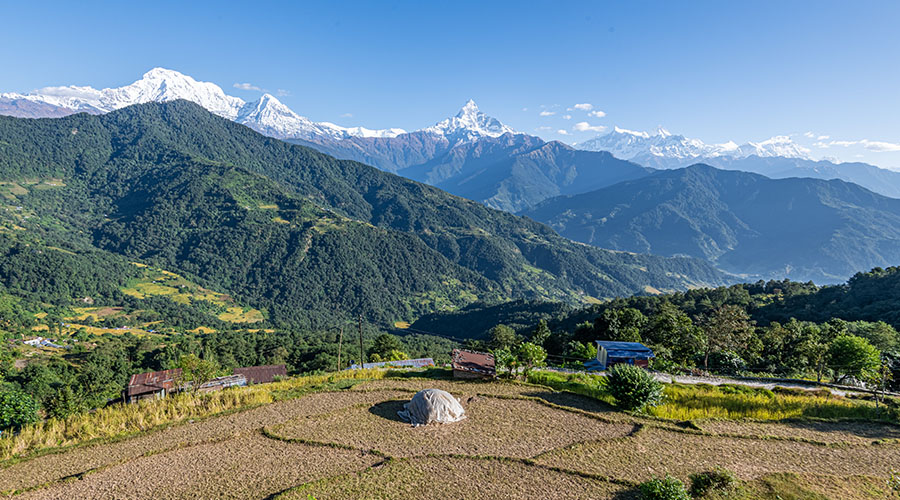
Landscape view of Himalaya

A visitor to Nepal once said, “Heaven is a myth, Nepal is real”.

A trip to Nepal is a once-in-a-lifetime experience for every traveler. The land of Nepal is unique, precious, and a perfect destination for travelers. The Nepalese are friendly, simple, and warm people who make you feel right at home.

Nepal is known worldwide as the country of Mount Everest, the highest peak in the world, and as the birthplace of Gautam Buddha, Asia’s light. Thousands of tourists visit Nepal every year to make everlasting memories in this beautiful country. 

The country’s majestic mountains, its rich culture and heritage, and the land of Buddha attract tourists from around the globe.

Whether it’s the breathtaking Himalayas or the enlightenment that this country offers, you never know what will await you on your incredible journey to Nepal. 

Check out our list of the top 10 reasons why you should visit Nepal.

  • Prepare yourself for a trek among the World’s highest peaks:

Nepal has long been a favorite destination for trekkers that come from all over the world. The country offers numerous hiking options, including a one-day trip just outside the city to an unforgettable trek up the world’s tallest mountain. 

Nepal is also known as the Kingdom of the Himalayas as it has eight of the top ten highest peaks in the world, including Mount Everest, also known as “Sagarmatha” in the local language. 

The variety of treks available in Nepal ranges from easy to difficult. Furthermore, each region in Nepal has its own unique flora and fauna, culture, heritage, and history. 

No matter whether you want a challenging trek or an easier trek with your family, Nepalese trekking offers a variety of options that cannot be found anywhere else in the world.

Among some of Nepal’s famous multiple-day trekking routes are Annapurna Base Camp, Everest Base Camp, Annapurna Circuit Trek, Ghorepani Poon Hill, Mardi Himal, and Dhampus Trek. One-day treks to Shivapuri, Nagarkot, Dhulikhel, and Nagarjun are also popular among tourists.

  • Live museum of culture and tradition:

As a live museum of culture and tradition, Nepal’s cultural and geographical diversity will leave you breathless. The entire year is filled with a variety of festivals, which are social, cultural, and religious.

Taking a tour of the different parts of Nepal and learning about each region’s customs is an enjoyable experience because of this diversity in religion and multiculturalism.

Every part of the country is inhabited by a different religion, and there is excellent tolerance between them. It is an enjoyable experience to watch the temple functions and listen to the mantras. 

  • City with the highest number of World Heritage site in the world:

Nepal is home to several UNESCO World Heritage Sites. There are seven sites in Kathmandu valley alone within the radius of 20km, including Kathmandu Durbar Square, Bhaktapur Durbar Square, Patan Durbar Square, Pashupatinath, Swayambhunath, Boudhanath, and Changunarayan. The other World Heritage Sites include Chitwan National Park, Sagarmatha National Park and Lumbini. 

As you tour the World Heritage Sites in Nepal, you will not only witness Nepal’s rich cultural heritage but also step back in time as you experience its architectural wonders. Nepal is an excellent place to visit if you want to see as many UNESCO World Heritage Sites as possible.

  • Affordable hotel, restaurants and trekking destinations:

Visiting Nepal is very affordable, so you do not have to spend a great deal of money here. Plan your trip to this country efficiently and have a great time according to your budget. 

A Nepal visit offers a beautiful country, scenic views, hospitable people, rich culture, pleasant climate, and reasonable costs. Nepal offers reasonably priced hotels, restaurants, hiking, and trekking destinations. 

Compared to other nations, domestic flights, roadways, and other travel costs are also less expensive. Moreover, you can buy items here at very low prices.

  • Delicious Dal Bhat Tarkari and MoMos:

Nepalese cuisine is among the most popular cuisines in the world due to the wide variety of flavors and tastes it combines. This makes Nepalese food so delicious anywhere it is served. 

Nepalese dishes have their own variations, and they are generally considered healthier than the cuisine of other nations in South East Asia. 

Among the best foods to try in Nepal are dhal bat, the national dish (lentil or chicken curry, boiled rice with vegetables, pickles, and roti bread), as well as momo (the Nepalese version of dumplings).

  • Be a part of average to extreme adventure activities in Nepal:

Nepal has eight of the world’s ten highest peaks, which many adventurers explore every year for trekking and climbing, making it an ideal destination for adrenaline junkies. You can engage in countless other adventurous activities on the Roof of the World.

Adventure activities of various kinds can be enjoyed in Nepal including paragliding, white water rafting, mountain flight tour, going on a safari, trekking, zip-lining, canoeing and bird watching to mention a few. 

  • Hospitality of Neplease will make you feel at home :

Nepal is a safe destination to visit. There is no danger in Kathmandu or Pokhara, which are Nepal’s two biggest cities. Out of the city, you will find many villages surrounded by lush valleys and mountains where the locals will make you feel at home. 

Nepal is known for being politically stable and the people are friendly toward visitors. Though there are some difficult hikes, there are clear paths, guides are available, and any dangers can be managed, such as altitude sickness, by considering your experience level.

  • Amazon of Asia:

Known as the Amazon of Asia, Nepal is home to an immense diversity of plant and animal life, ranging from tropical Terai jungle to snow-capped alpine terrain. 

Even though Nepal accounts for just 0.1% of the earth’s surface, it has a diverse range of wildlife, including the greater one-horned rhinoceros, the danphe (or Himalayan monal), the Bengal tiger, the red panda, and snow leopard to name some.

Ten National Parks, six Conservation Areas, three Wildlife Reserves, and one Hunting Reservation make Nepal an ideal place to encounter wildlife. Nepal is also home to a variety of rare flora and fauna.

The Terai region of Nepal is perfect for wildlife tours in Nepal where you can walk through serene forested trails. You will be able to observe various wild animals roaming around their natural habitat when you take a jungle safari.

Chitwan National Park and the Bardiya National Park are the most popular national parks in Nepal for wildlife viewing. It is possible to see rhinoceroses, elephants, tigers, leopards, and buffaloes, to name some.

  • Sacred place for Hinduism and Buddhism:

‘Hindu’ mythology has a very close connection with Nepal, and there are a number of temples, monasteries, and ancient ghats that are considered holy in Nepal. You can witness many unique rituals in these places, including architectural beauty and spiritual significance.  

Nepal is home to many spiritual sites like Lumbini, Boudha, Swayambhunath, Pashupatinath, Janki Mandir, Halesi Mahadev temple, Patan Durbar Square, Bhaktapur Durbar Square, Kathmandu Durbar Square, and Muktinath just to name a few. 

  •  Purchase handcrafted products that are only available in Nepal::

You will find many souvenir stalls at every tourist destination in the country, where you can purchase Thangkas, singing bowls, Pashminas, rice paper, Khukuris, or masks among other items. The majority of these souvenirs can only be found in Nepal.  

You can buy any of these souvenir items from Nepal for your family, friends, or beloved ones as a special gift from Nepal. You can get colorful, handmade, and unique products, especially in Kathmandu and Pokhara- great shopping destinations in Nepal. 

Nepal is a small and affordable country to visit. The food and mountains of Nepal are amazing, and the Nepalese people are very friendly and generous. 

A trip to Nepal will definitely capture your heart as it offers a variety of cultures, natural flora and fauna, unique cultural values, and social practices that make it unique from other places in the world.