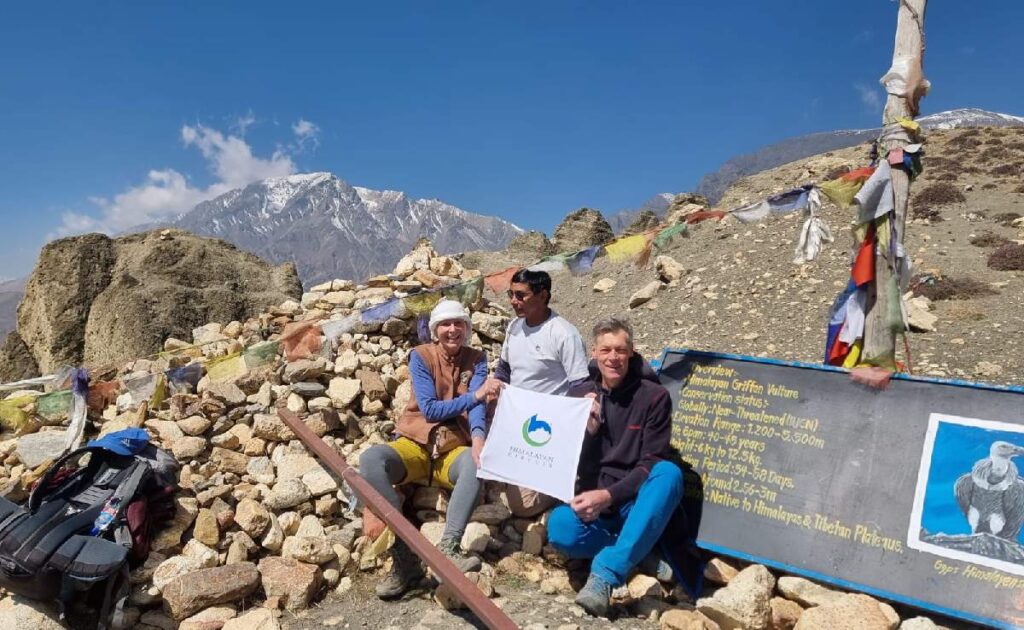
Upper Mustang: Trek Blends Culture and Desert Mystique

Discover the Upper Mustang Trek, a journey into Nepal’s “Last Forbidden Kingdom,” nestled beyond the towering Annapurna and Dhaulagiri peaks. For centuries, this remote land remained sealed, preserving a vibrant time capsule of ancient Tibetan traditions. Since opening to trekkers in 1992, Upper Mustang invites adventurers and cultural explorers to uncover its surreal deserts, sacred monasteries, and timeless heritage.

A Realm Frozen in Time
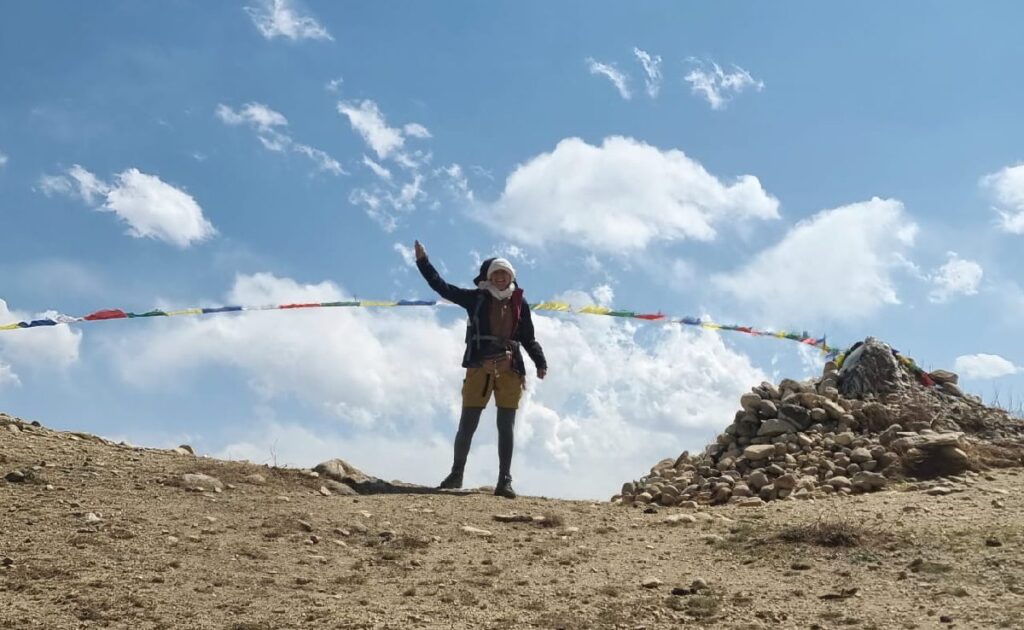
Once a thriving trade hub between Nepal and Tibet, Upper Mustang was the heart of the Kingdom of Lo. For example, its medieval capital, Lo Manthang, founded in 1380 by Ame Pal, still stands as a fortress of culture, encircled by a 6-meter-high wall. Even after the last king, Jigme Dorje Palbar Bista, passed in 2016, the region’s Tibetan heritage thrives—untouched by time.

Furthermore, Nepal shielded Upper Mustang from outsiders for decades to preserve its sanctity and proximity to Tibet. Consequently, it earned the title “Forbidden Kingdom,” safeguarding one of the world’s purest Tibetan Buddhist cultures. When the gates opened in 1992, a rare window into this sacred world was revealed.

The Trek of a Lifetime: Why Upper Mustang Captivates
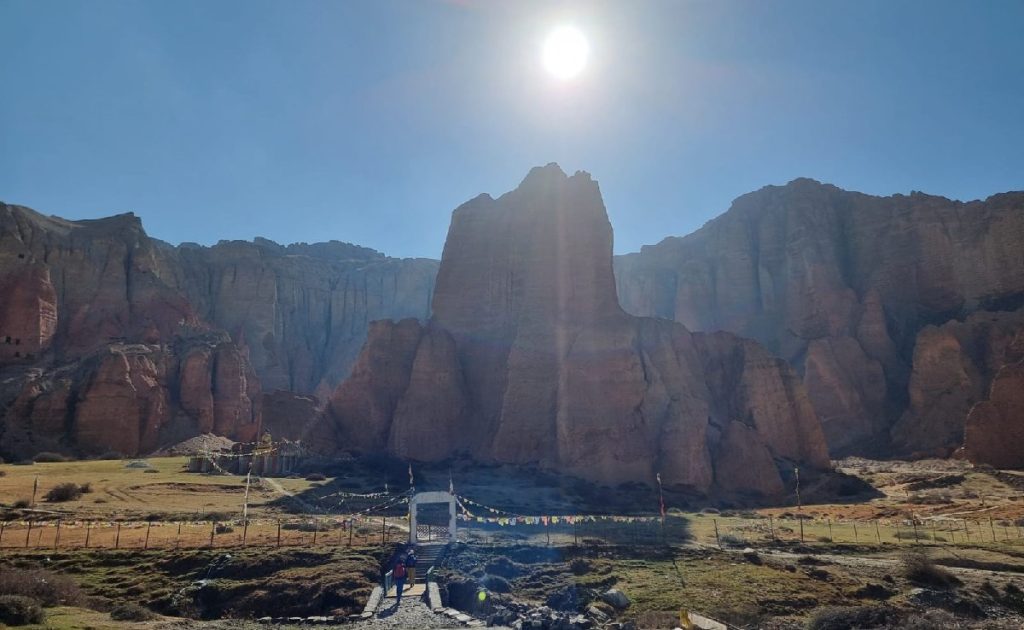
Upper Mustang

Unlike Nepal’s lush, alpine trails, Upper Mustang offers a surreal journey through a high-desert wonderland. Here’s why it’s unforgettable:

  • Otherworldly Landscapes: Picture wind-carved cliffs and golden rock formations glowing under a vast sky. For instance, in the rain shadow of Annapurna and Dhaulagiri, Mustang’s arid terrain feels like a Martian plateau. Meanwhile, dazzling views of Nilgiri and Dhaulagiri peaks add breathtaking contrast.

  • Living Tibetan Heritage: Immerse yourself in a culture unchanged for centuries. Specifically, you can visit 500-year-old monasteries adorned with vibrant murals or explore mysterious sky caves holding ancient relics. Additionally, the Tiji Festival in Lo Manthang—a three-day spectacle of masked dances—banishes evil spirits in vibrant style.

  • Exclusive Adventure: Strict permits limit visitors, ensuring an intimate trek. Therefore, this isn’t Everest’s hustle—it’s a pilgrimage through a sacred, silent land.

  • Cultural Connection: For example, chatting with monks or sipping butter tea in village teahouses lets you feel the pulse of a living Buddhist tradition.

Journey Through the Forbidden: Trek Highlights

A 12- to 16-day trek begins with a scenic flight from Pokhara to Jomsom, launching you into Upper Mustang’s magic. Key stops include:

  • Kagbeni: The gateway village, where prayer flags dance and the Kali Gandaki River roars.
  • Chele & Syangboche: Meanwhile, these cliffside hamlets feature ancient cave dwellings carved into rock faces.
  • Geling & Ghami: Wander past endless mani walls and golden barley fields swaying in the wind.
  • Charang: For instance, marvel at a red-walled monastery and a crumbling palace steeped in history.
  • Lo Manthang: The heart of Mustang, a walled city of royal palaces and gompas humming with chants.
  • Chhoser Caves: Additionally, optional detours lead to eerie, ancient caves hiding archaeological treasures.

At a moderate 3,800m max altitude, this trek focuses less on grueling climbs and more on history and culture. Typically, expect 5-6 hours of daily trekking, ideal for fit adventurers with a thirst for discovery.

Planning Your Trek: Permits & Logistics

To protect its fragile heritage, Upper Mustang’s exclusivity comes with specific rules:

  • Permit: A Restricted Area Permit (RAP) costs USD 500 per person for 10 days, plus USD 50/day thereafter.
  • Group Size: For example, a minimum of 2 trekkers, accompanied by a licensed Nepali guide, is required.
  • Access: Fly or drive to Jomsom, then trek from Kagbeni, the official entry point.

As a result, these measures keep Mustang pristine, ensuring your journey supports local communities and conservation.

Who Should Trek Upper Mustang?
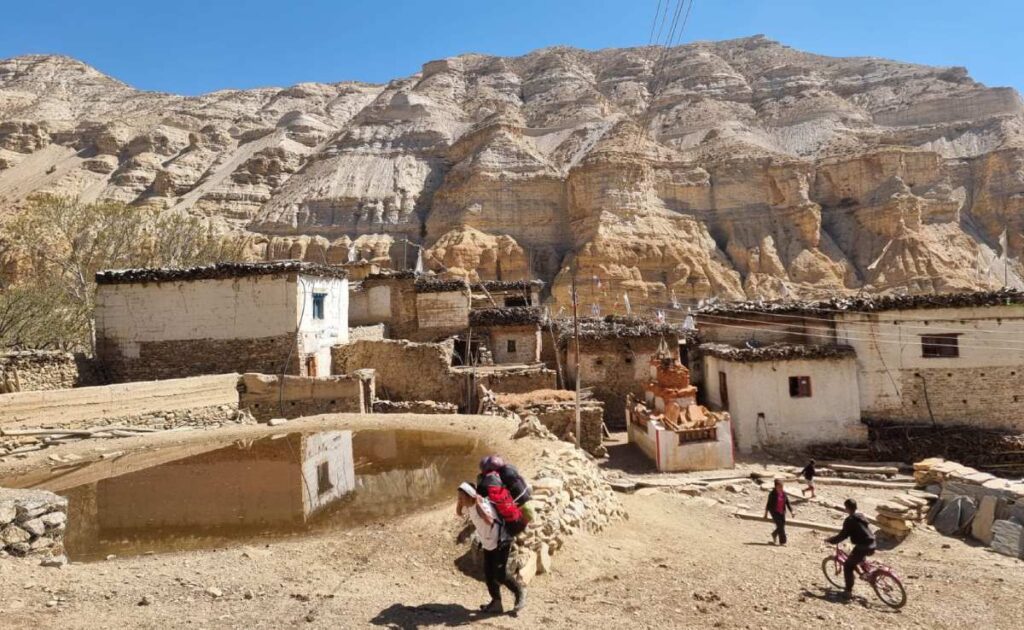
This trek is perfect for:

  • Cultural Explorers: Dive into Tibetan Buddhist traditions and ancient history.
  • Adventure Seekers: For instance, those craving a trail far from tourist crowds will love it.
  • Seasoned Nepal Travelers: Ready to venture beyond Annapurna or Everest? This is your trek.
  • Spiritual Wanderers: Additionally, it’s ideal for those seeking meditation in sacred spaces.

While moderate fitness is needed, the real requirement is a heart open to wonder and respect for Mustang’s sanctity.

Treading Lightly: Responsible Tourism

Thanks to careful stewardship, Upper Mustang’s magic endures. Specifically:

  • Community Lodges: Stay in local teahouses, directly supporting families.
  • Conservation: For example, the Annapurna Conservation Area Project (ACAP) protects the region’s ecology and culture.
  • Eco-Ethics: Moreover, strict waste rules preserve the pristine landscape.

Thus, your trek becomes a commitment to safeguarding a sacred legacy.

Step Into the Forbidden Kingdom

Upper Mustang isn’t just a trek; it’s a portal to a forgotten world. Prayer flags ripple in the desert breeze, monks chant in candlelit gompas, and ancient caves guard stories of lost eras. In other words, this is where the Himalayas meet the surreal, where every step feels like a pilgrimage.

Ready to explore? Let Himalayan Circuit , experts in Nepal’s hidden gems, craft your fully guided Upper Mustang adventure—permits, guides, and cultural insights included.

Traveling to Nepal during the Monsoon season

Trekking in Nepal: Blog Feature Photo

Travelers often like to feel the rain, while others just  get wet. Travelers wait for it to rain and then go out into the street. The experience of traveling in the monsoon rains is truly magical, something that should be experienced by everyone at least once.

Traveling and trekking in Nepal during the monsoon season has a certain charm. In Nepal, the monsoon season begins in June and lasts until August. Monsoons provide the best opportunity to enjoy nature in Nepal and gain the finest travel experience. 

Travel during the monsoon season can provide a number of added benefits including savings on luxury hotels, a greener landscape, smaller crowds, and the chance to attend some of Nepal’s most elaborate festivals. Monsoon brings more spectacular sunrises and sunsets, as well as a better view of the mountains. 

During the rainy season, traveling can be more challenging. Travel plans can change, delays can occur, and there is more water everywhere. However, the monsoon season is one of the most beautiful times of the year, and you can only appreciate its beauty if you witness it in full glory. 

Get ready for this monsoon and visit Nepal with us to enjoy the mischievous sky and fresh air.


Trekking during Monsoon, is it worthwhile?

People are becoming more and more open to the idea of touring and trekking during the monsoon season. Trekking in the monsoon season offers many hidden benefits, such as the lack of crowds, so you can enjoy many places all by yourself. You may want to explore Nepal during the monsoons for a number of reasons.

Beautiful Sunrises: 

Sunrise-Nagarkot

During the night, it usually rains, and in the morning the sky begins to clear. One of the most picturesque sights in the world is when the sun breaks through those rain-bearing clouds, drenching the snow-covered mountains in brilliant colors.

Lush, Green Beauty: 

River and Hills

During the monsoon season, the Nepalese Himalayas are especially beautiful. Throughout the trails, lush vegetation is growing, and flowers are blooming everywhere. The terraced fields look wonderful during this period.

Destinations during the Monsoon season:

  1.   Explore the cultural richness of World Heritage Sites

World Heritage Site in Kathmandu: Swayambhunath

The beautiful heritage sites in Nepal are open and safe to visit throughout the monsoon season.The stone and metal around the temples also make lovely photographs if it’s been raining.

You can traverse the medieval Kathmandu valley for historical, cultural, and religious explorations. It is great for those who are interested in exploring the architecture, cultures, and traditions of Kathmandu, Bhaktapur, and Patan.

Also possible during the monsoon are visits to Lumbini and Chitwan National Parks which are both World Heritage Sites. Travel is not affected during these months either, as flights and transportation remain normal.

  1.   Pokhara

Mountain Ranges in Pokhara

Pokhara is considered one of the most beautiful valleys in Nepal. This valley is located in the Kaski district in the western part of Nepal and is famous for having many beautiful lakes. Thus, Pokhara is also called the City of Lakes’. 

The city also consists of many caves, waterfalls, rivers, hills, mountains, trek and adventurous places, and natural beauty. So naturally, the place offers you a lot to enjoy during the monsoon.

  1.   Chitwan

foreigner in chitwan national park

Chitwan is located 150 km southwest of the capital, Kathmandu; that includes Chitwan National Park (a Natural World Heritage Site), Ranipokhari, Bishazari Lake, Jalbire waterfall, Shiraiculi hill, and many more.  

Chitwan can engage you with activities like elephant ride and bathe, cultural programs by the Tharu community, the sunset view from Narayani riverbank, crocodile breeding centre, and many more during monsoon.

  1.   Upper Mustang

Upper Mustang

Though Upper Mustang is considered the desert of Nepal, a trek in the monsoon is great fun. It is so because the wind in other seasons is menacing and may ruin your trek. It never rains in Mustang but the rain shadow in the monsoon makes the wind less active, which eases the trip and shows the breathtaking art of nature.

  1.   Dolpa

upper dolpa

Rain shadow areas such as Dolpo (upper and lower), Upper Mustang, Nar-Phu Valley, and Upper Manang are ideal for trekking in the monsoon season. They do not experience heavy rainfall.

Moreover, you can see cultural blends, traditional performances, ancient scenery, marvelous scenery, and primitive caves in addition to the unique and varied landscapes, especially during the monsoon season.

  1.   Bandipur

bandipur streets

Located in western Nepal’s Tanahun district, Bandipur is one of the most popular tourist destinations to visit during the monsoon. Aside from the 18th-century houses that have been turned into restaurants, the place also has temples, caves, amazing valleys, and forests, along with natural views of green hills. A special treat during the monsoon season is to watch the sunrises and sunsets.

  1.   Trishuli River

Trihsuli river

If you want to experience the adventurous side of the Himalayas, then the Trishuli River is a great destination. Trishuli River offers a unique opportunity for adventurers to view an incredible glacier while experiencing the natural beauty of the surrounding area during the monsoon season.

The Trishuli River which originates through a forest valley is one of Nepal’s most popular destinations for rafting, kayaking, day trips, and camping. 

  1.   Enjoy Agricultural Activities

Ghandruk-mountain-range

In Nepal, agricultural activities are heavily dependent on the monsoon. Planting corn, planting rice in paddy fields, and other agricultural activities can be enjoyed almost everywhere in the country. Taking part in such activities can give you a sense of how locals live and what they do.

The monsoon season in Nepal is an ideal time for travel, as you can enjoy a lot of activities despite the rain. So, get your bags packed and get ready for your journey.